Custom Food Boxes Designed to Present, and Promote Your Brand
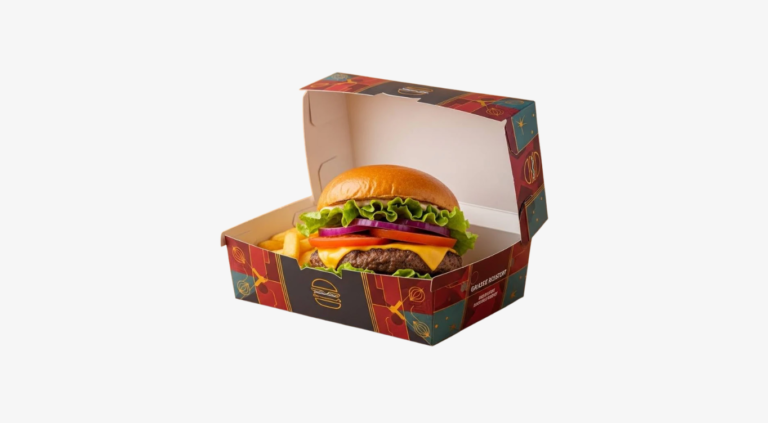
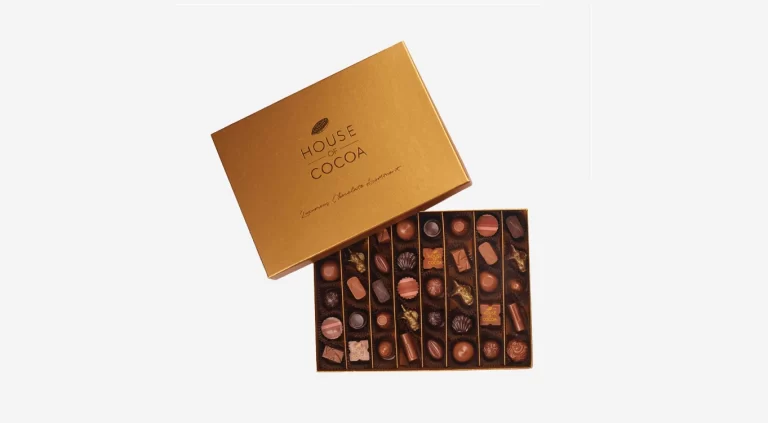
Custom food boxes can make every order memorable. They are designed to meet your brand’s product and packaging needs. It can be used to protect the food from damage, enhance presentation, streamline takeaway, delivery and provide a consistent customer experience.
Bluebird Packaging creates packaging with custom shapes, sizes, materials, styles of printing, and finishes that suit the needs and requirements of different products. You can design your packaging around your business’s preparation, presentation, storage, and delivery.
Our goal is to find the right packaging for your product, whether it’s a simple takeout box or a premium-branded retail packaging. We want to balance protection, branding, aesthetics, and functionality.
Request Your Custom Packaging Quote
Custom Food Packaging Designed Around Your Product
Food products are not all packaged the same way. A burger, pastry, snack, frozen product, or gourmet gift may require a different box structure, material, size, or protective feature.
Our food boxes can be customized according to the product dimensions and the way your customers receive it. You can select a suitable structure and then customize the packaging with your artwork, logo, colors, printing, and finishing options.
Common applications include:
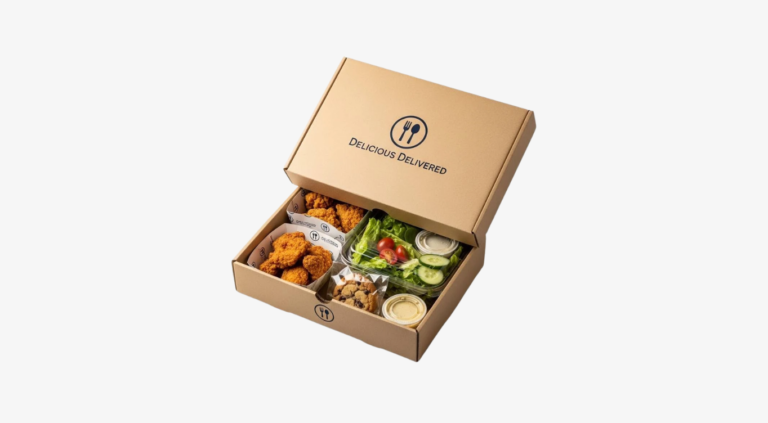
- Restaurant takeaway meals
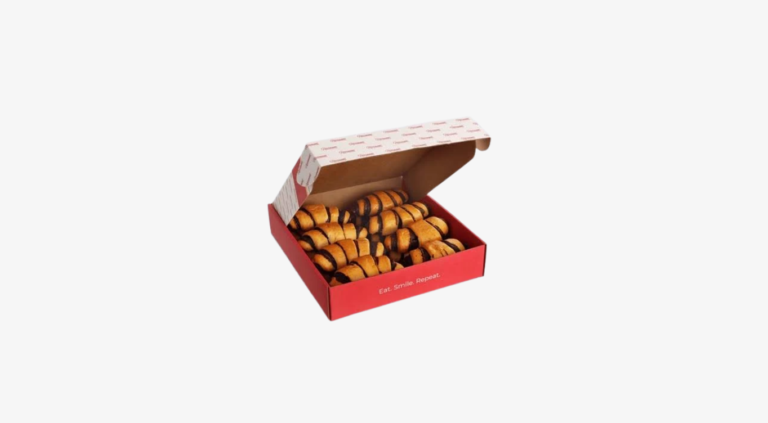
- Bakery and dessert products
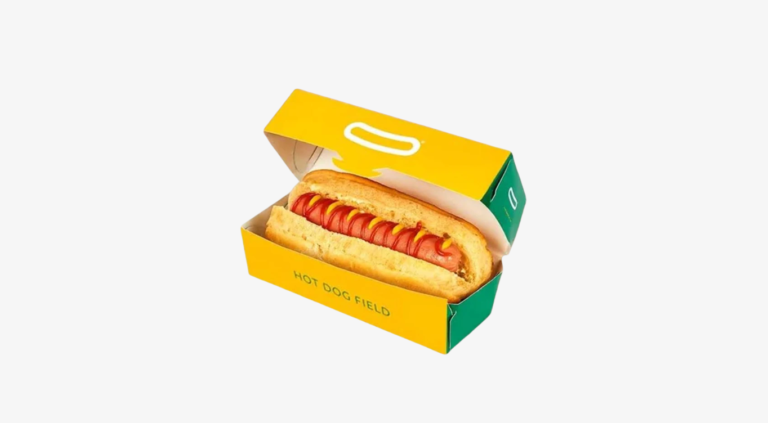
- Burgers and sandwiches
- Snacks and confectionery
- Gourmet and specialty foods
- Frozen food products
- Food gift sets
- Retail food products
- Catering and promotional orders
A properly designed box should fit the product without unnecessary empty space while providing enough structural support for normal handling.
Food Packaging Boxes for Restaurants, Bakeries & Food Brands
Packaging is part of the customer experience. When a customer receives a delivery order, the box is often the first physical representation of your business they see.
For restaurants and food brands, custom food packaging boxes can be created around takeaway, delivery, serving, retail display, or promotional requirements. The structure can be selected according to the type of food, while the exterior can carry your branding consistently across your orders.
Restaurants may require practical closures and easy handling. Bakeries may prefer window features that allow customers to see delicate products. Retail food brands may need more space for branding and product information.
The packaging should therefore be selected according to the product rather than simply choosing a standard box and adjusting the design afterward.
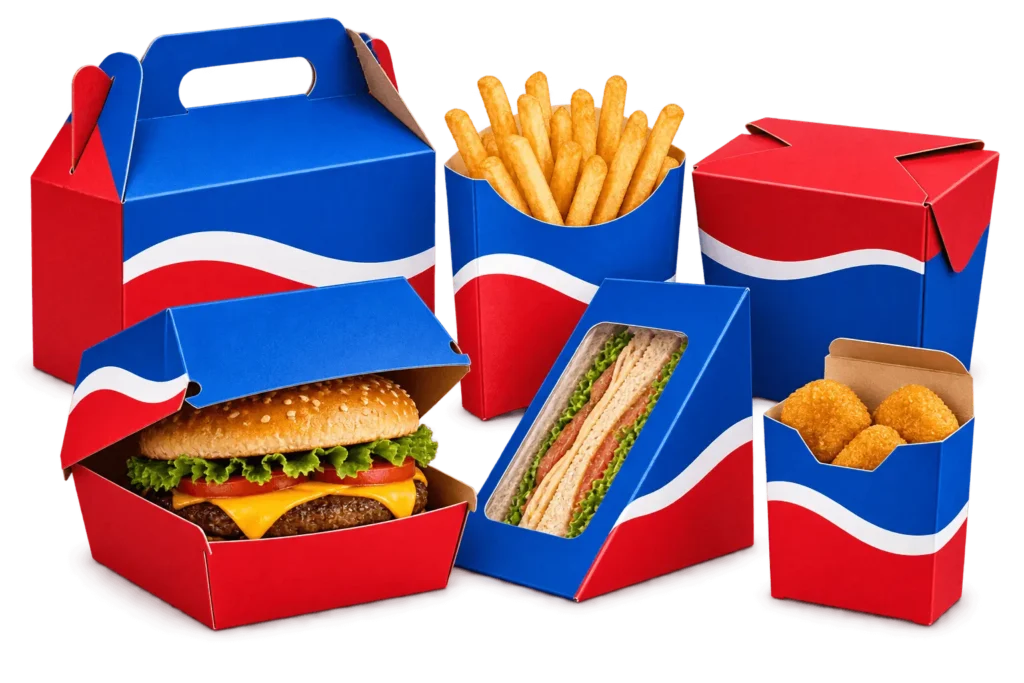
Choose From Practical Food Box Styles
The structure of a box affects how it opens, closes, stores, carries, and presents the food inside.
Depending on the application, options can include:
- Tuck-end boxes
- Auto-bottom boxes
- Window boxes
- Takeout boxes
- Tray and sleeve boxes
- Two-piece boxes
- Pillow-style boxes
- Gable-style packaging
- Die-cut boxes
- Custom folding structures
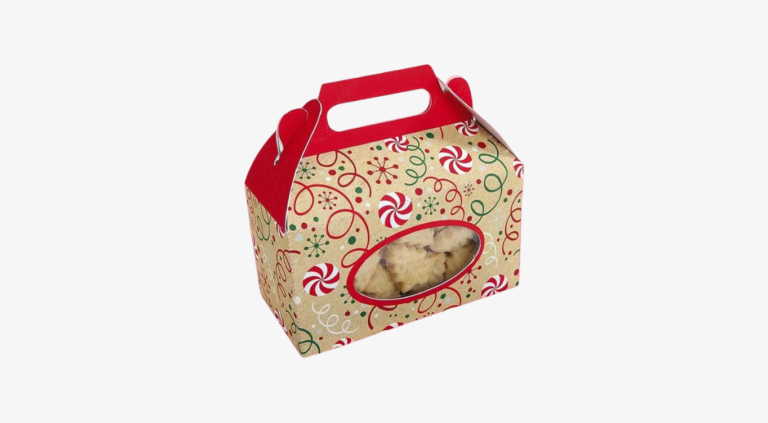
For food products that need visibility, a window can showcase the product while maintaining a protective outer structure. For takeaway orders, a secure closure can make carrying and handling easier.
If you have a particular box style in mind, share your product dimensions and requirements so the structure can be developed around the application.
Food-Grade Materials for Reliable Packaging
The material is one of the most important parts of food packaging. It affects the box’s strength, appearance, printing surface, handling, and suitability for the intended application.
Depending on your product and requirements, available material options can include:
- Cardboard
- Kraft
- Corrugated board
- Paperboard
- Specialty stocks
- Rigid board for suitable presentation applications
When packaging is intended for food contact, the material and any coatings or finishes should be selected appropriately for the specific application.
The product itself should also be considered. Hot, oily, moist, frozen, dry, or fragile foods can place different demands on packaging.
Kraft, Cardboard & Corrugated Food Boxes
Different materials provide different benefits.
Kraft offers a natural appearance and is often selected by brands that want a simple, earthy, or environmentally conscious presentation.
Cardboard provides a versatile packaging surface that can support detailed printing and a wide range of box structures.
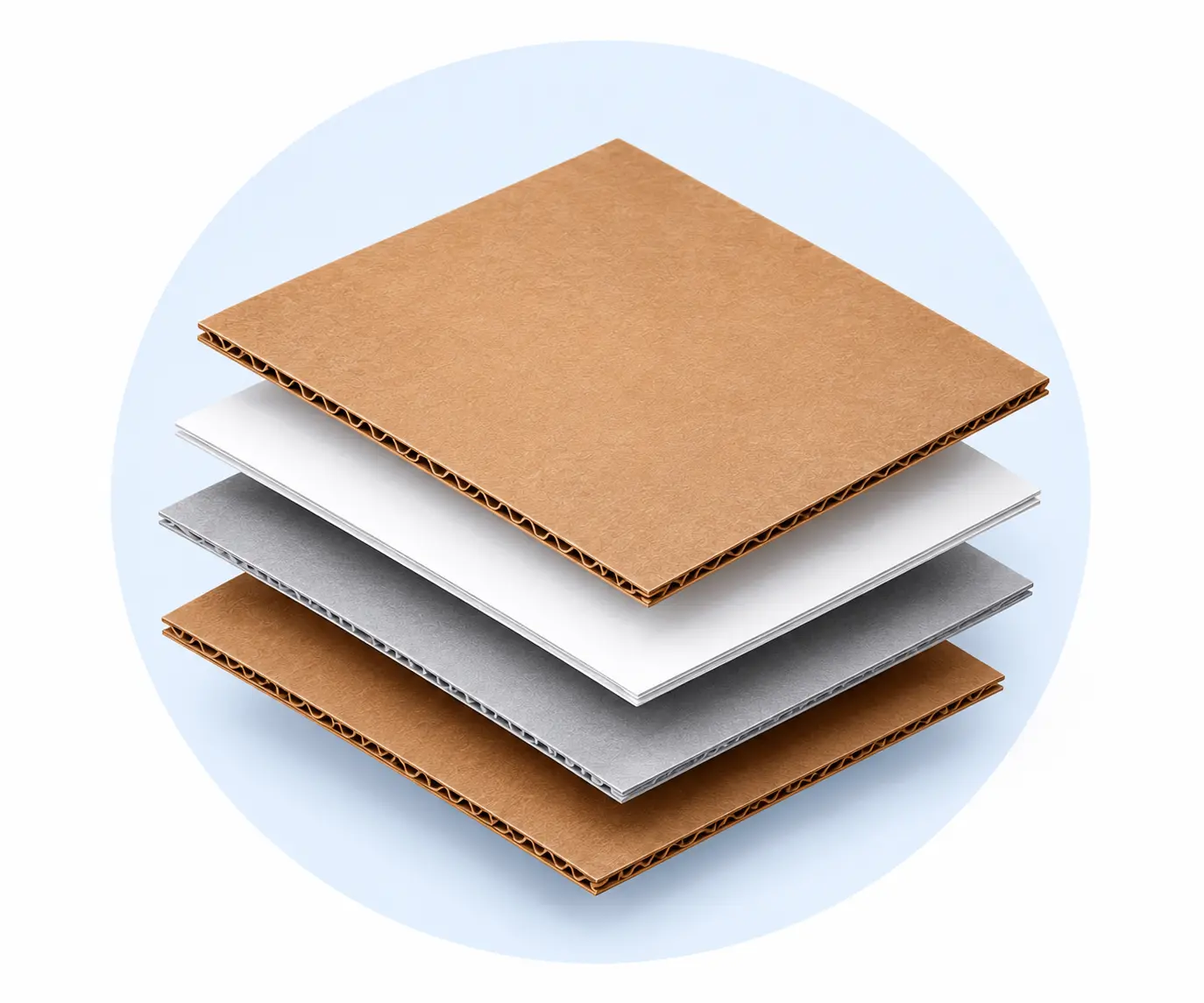
Corrugated board provides additional structural support and can be useful when packaging needs greater resistance to compression and handling.
Bluebird currently offers dedicated categories for Cardboard Boxes, Kraft Boxes, and Corrugated Boxes, making these useful supporting resources for customers comparing material options.
The right material depends on the product, box dimensions, transportation requirements, desired presentation, and production specifications.
Protect Food During Takeaway & Delivery
Food packaging needs to perform outside the production environment. During takeaway and delivery, boxes may experience movement, stacking, pressure, temperature changes, moisture, and grease.
A properly selected structure can help maintain the product’s position and presentation during normal handling.
For restaurants, takeout food boxes should be selected according to the type of meal being served. Foods containing sauces or oils may require appropriate grease-resistant or protective packaging features, while bakery products may require structures that provide more space and ventilation.
For delivery businesses, custom takeout boxes can also be designed around the size of the product and the way orders are packed inside delivery bags.
Good packaging should make the process easier for your staff while helping the food reach customers in an organized and presentable condition.
Custom Printed Food Boxes That Promote Your Brand
Every box can become a branding opportunity.
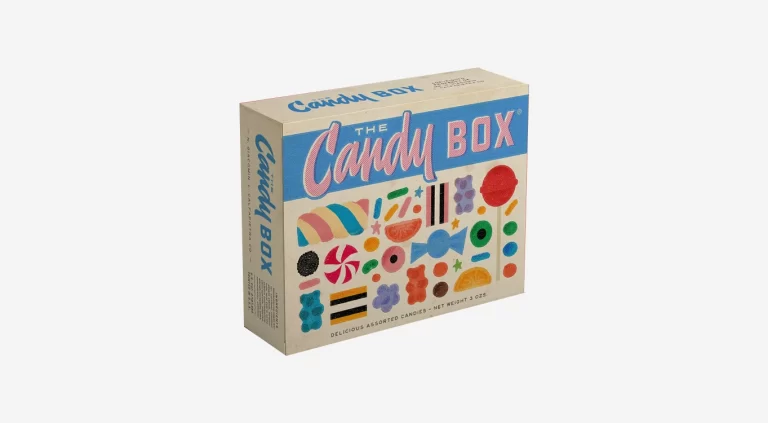
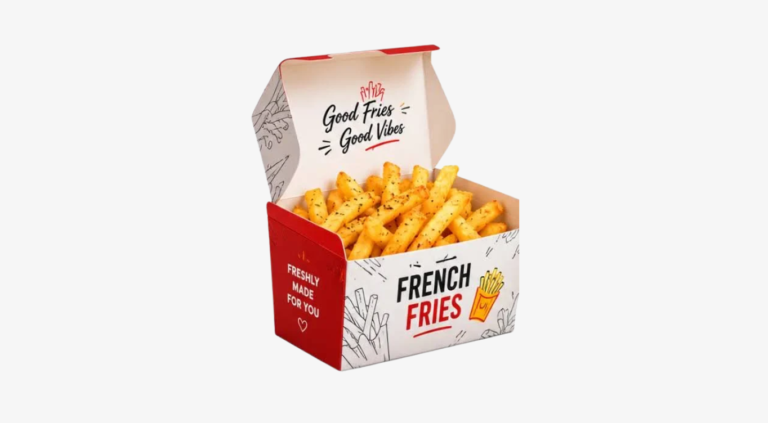
With custom printed food boxes, your packaging can display your logo, business name, colors, product information, illustrations, patterns, QR codes, or promotional messages.
Printing can be applied to the exterior, interior, or selected areas depending on the box structure and design.
Popular branding elements include:
- Company logo
- Brand colors
- Product name
- Product descriptions
- Illustrations
- Food photography
- Social media information
- QR codes
- Promotional messages
- Recycling instructions
- Brand story
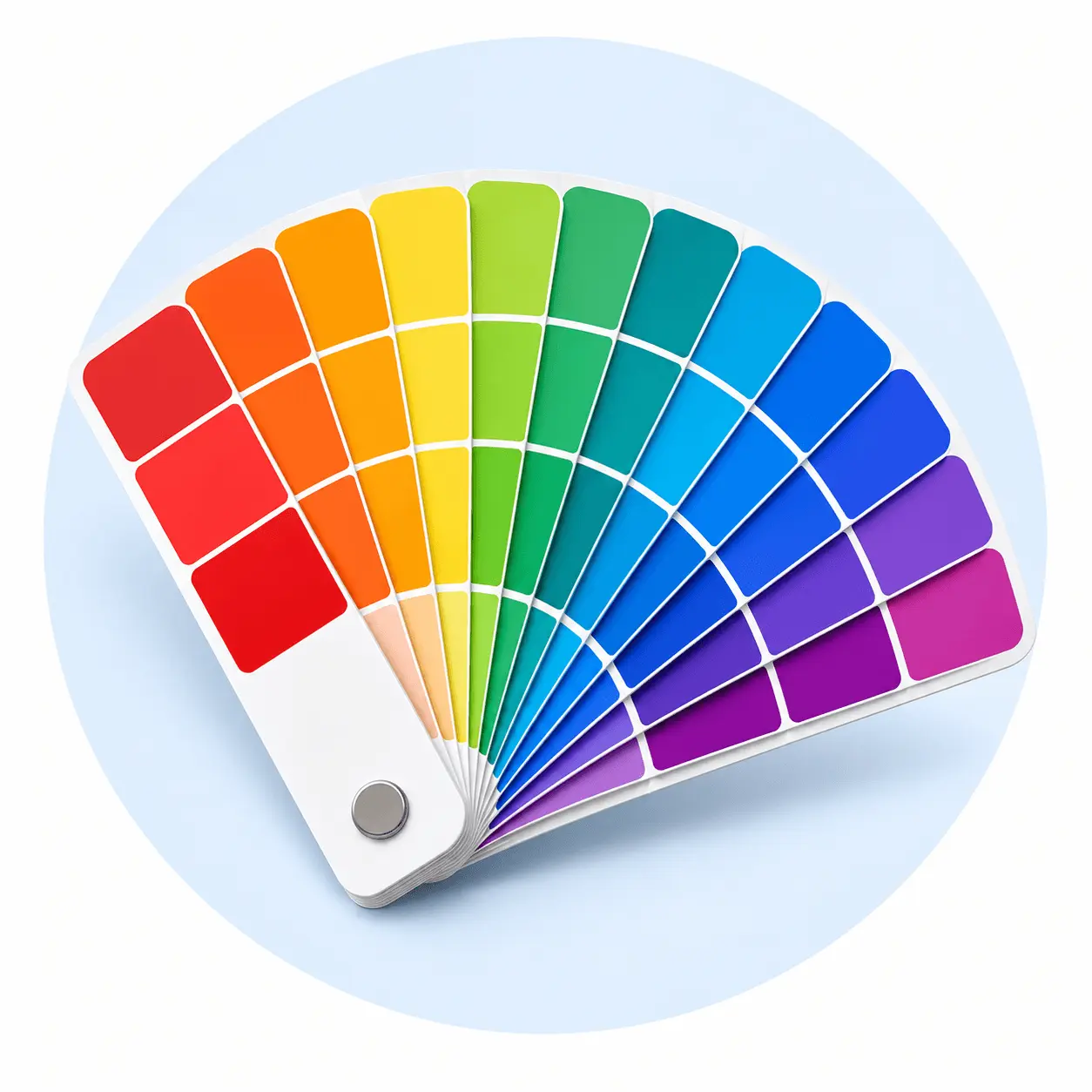
For colorful artwork and detailed branding, CMYK printing can reproduce a broad range of colors across suitable packaging materials.
The objective is not simply to make a box look attractive. Consistent packaging helps customers connect the physical product with the business behind it.
Food Boxes With Logo & Brand Identity
A logo is one of the simplest ways to turn plain packaging into branded packaging.
Food boxes with logo printing can be used for restaurants, bakeries, cafés, food manufacturers, catering businesses, and retail brands.
Your logo can be combined with colors, typography, patterns, product information, and other graphic elements to create a recognizable packaging system.
You can keep the design minimal with a logo and one or two brand colors, or develop a complete printed design across the outside and inside of the box.
For businesses with several products, maintaining the same visual language across different box styles can create a more professional and consistent customer experience.
Grease, Moisture & Product Protection
Food packaging must be selected according to what the product actually requires.
Oily and saucy foods may require grease-resistant protection. Moist foods may require packaging that can better manage exposure to moisture. Dry products may have different requirements altogether.
The box structure, board, coating, lining, closure, and ventilation can all influence performance.
For suitable applications, protective considerations may include:
- Grease resistance
- Moisture resistance
- Secure closures
- Ventilation
- Appropriate board strength
- Product-fit dimensions
- Stackability
- Interior protection
No single material or coating is ideal for every food product. The correct combination should be selected according to the food, temperature, handling, storage, and delivery conditions.
Eco-Friendly & Recyclable Packaging Options
Sustainability has become an important consideration for many food businesses. Paper-based packaging can provide brands with alternatives to packaging formats that are difficult to recycle.
Depending on the application, businesses can consider kraft, paperboard, cardboard, corrugated, and other suitable paper-based options.
Recyclable materials can support brands that want to make packaging choices aligned with their environmental objectives, although recyclability can depend on the complete packaging construction, coatings, local recycling systems, and contamination from food.
Choosing sustainable packaging should therefore involve more than selecting a material based on appearance. The packaging still needs to protect the food, perform during transportation, and work efficiently for your business.
Custom Sizes, Shapes & Window Packaging
Standard dimensions do not always provide the right fit.
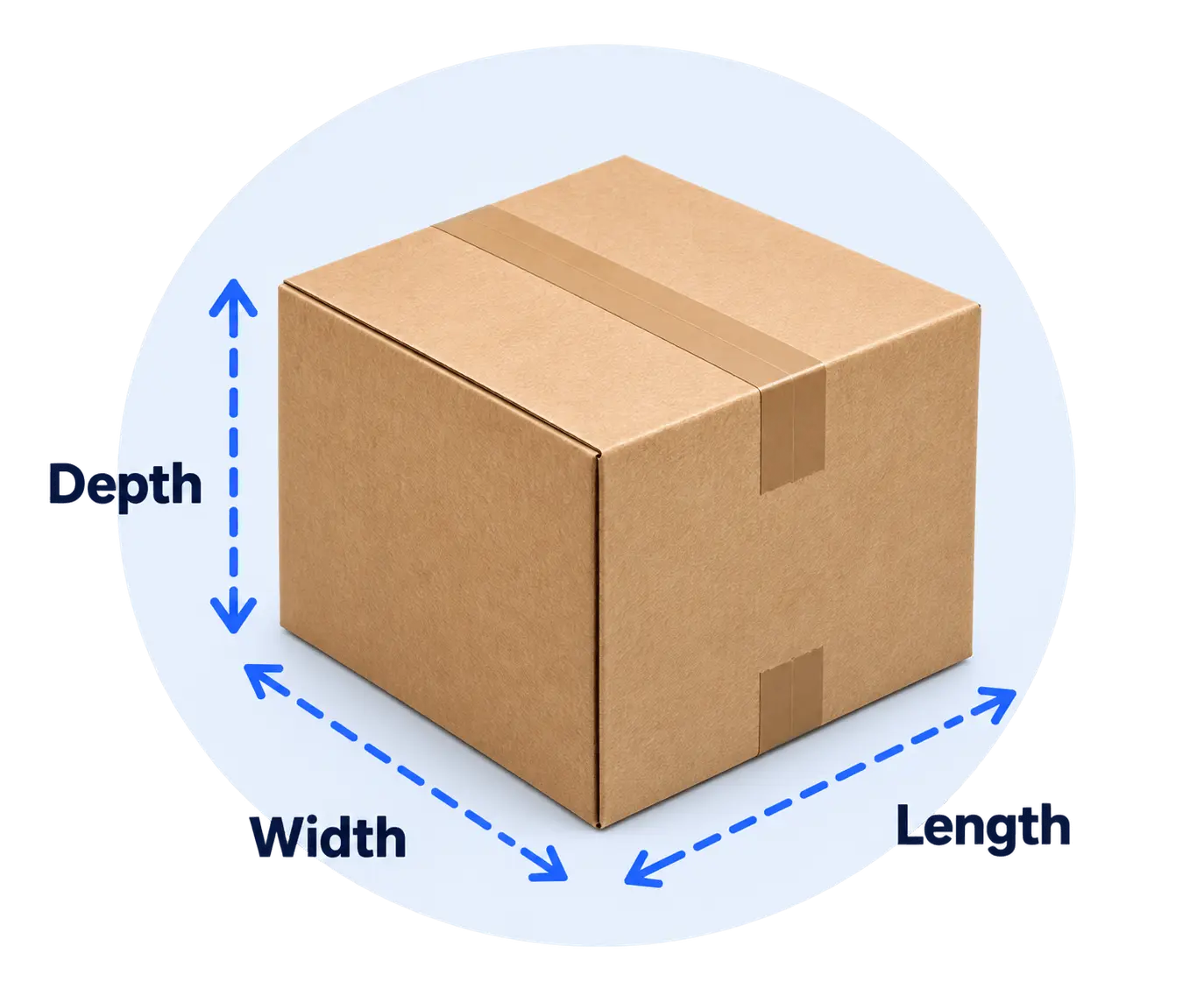
Custom packaging can be developed according to the length, width, and depth of your product. A properly sized box can help reduce unnecessary movement while creating a cleaner presentation.
You can also explore distinctive structures for products that benefit from more visual differentiation.
Options can include:
- Custom dimensions
- Die-cut windows
- Custom-shaped boxes
- Product compartments
- Inserts
- Dividers
- Sleeves
- Die-cut details
- Special closures
Window packaging is particularly useful when the appearance of the food is an important part of the purchase decision. A window can allow customers to see the product without completely exposing it.
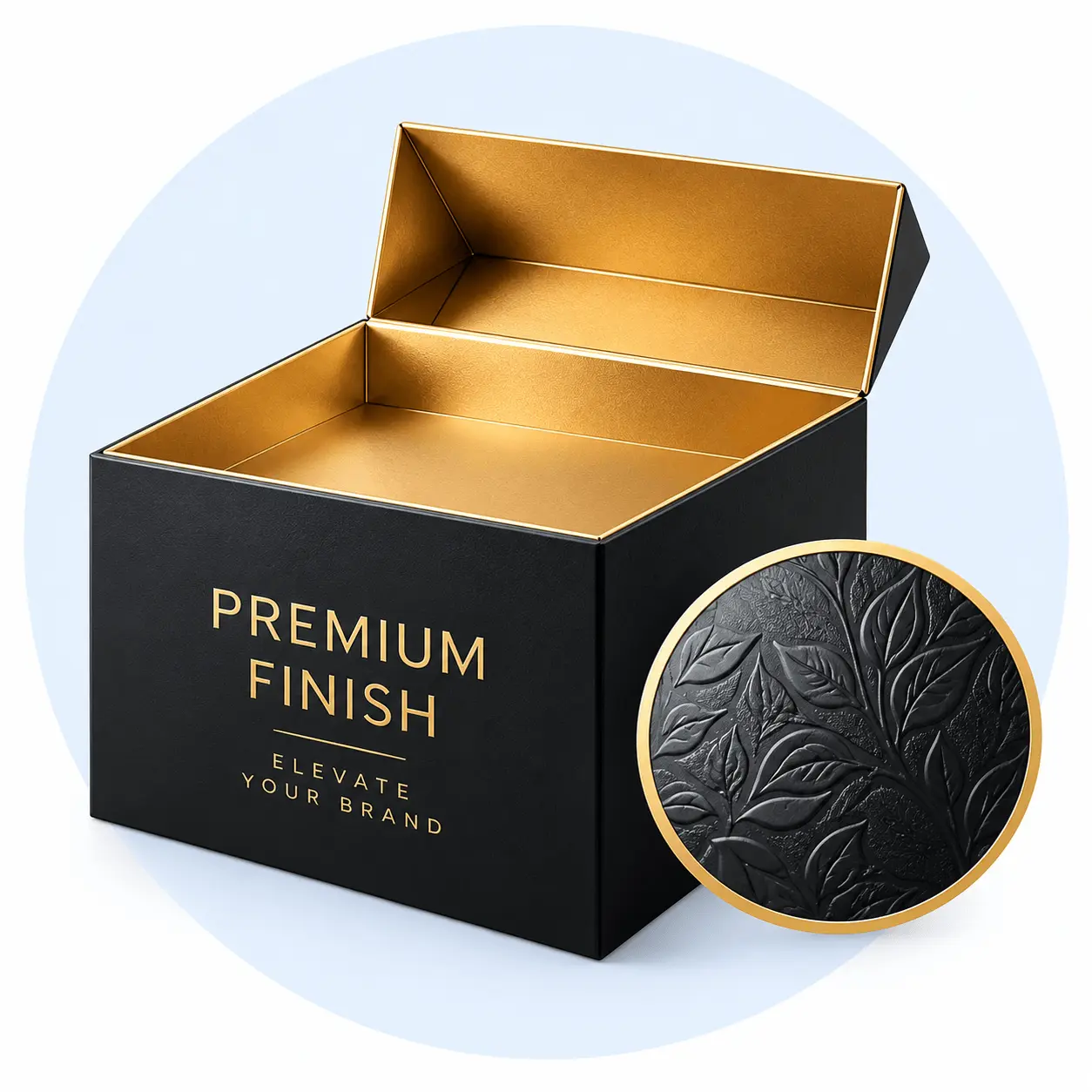
Printing & Finishing Options for a Premium Presentation
Printing establishes the visual identity of the box, while finishing can add another level of detail.
Depending on your packaging material and design, finishing options can include:
- Matte lamination
- Gloss lamination
- Soft-touch finishing
- Spot UV
- Foil stamping
- Embossing
- Debossing
- Raised UV
- Die-cut details
Matte finishes can create a softer, modern appearance, while gloss can make colors appear brighter. Foil can be used for metallic branding details, and embossing or debossing can create a tactile effect.
The best finish depends on your product category, artwork, budget, and desired presentation.
Custom Inserts, Dividers & Other Add-Ons
Some products need more than an outer box.
Custom inserts can help keep individual products positioned inside the packaging. Dividers can separate multiple items, while sleeves and other structural elements can provide additional organization or presentation.
Depending on the product, add-ons can include:
- Inserts
- Dividers
- Sleeves
- Window patches
- Die-cut features
- Stickers
- Labels
- Hang tags
- Special closures
For multi-product food sets or delicate items, interior organization can make the packaging feel more intentional while reducing unnecessary movement.
Food Packaging for Different Food Businesses
A successful packaging solution starts with the product and the way it is sold.
Restaurants may need takeaway and delivery boxes that are quick to assemble and easy to carry.
Bakeries may require boxes that protect cakes, cookies, pastries, macarons, donuts, and other delicate products while maintaining an attractive presentation.
Snack brands may need compact boxes that can be displayed, transported, or sold as part of a retail product range.
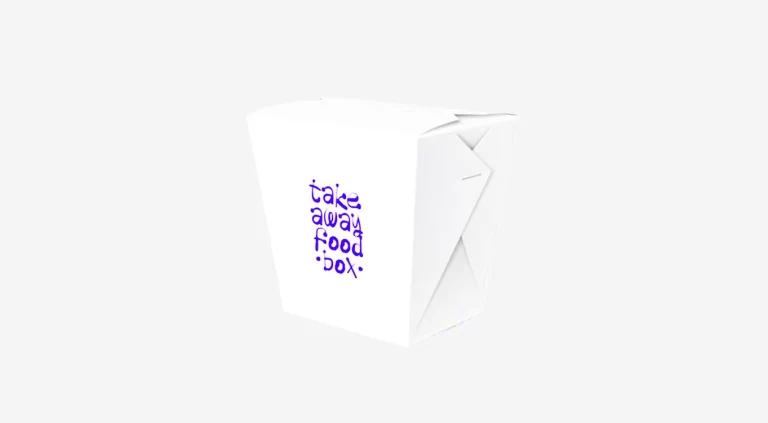
Bluebird already offers dedicated packaging products for several food applications, including Chinese Takeout Boxes, Snack Boxes, Macaron Boxes, and Bakery Boxes . This product-specific approach allows customers to explore packaging that is closer to their actual food application instead of relying only on a generic box category.
Food Boxes Wholesale for Growing Businesses
Businesses that purchase larger quantities can create consistent packaging across their product range.
When considering food boxes wholesale, look beyond the unit price. Material, box dimensions, printing, finishing, storage space, shipping, and product protection can all influence the overall value of an order.
For businesses looking for wholesale food boxes, consistent specifications can also simplify reordering because the same box dimensions and artwork can be maintained across future production runs.
If you require custom food boxes wholesale, provide your expected quantity, dimensions, box style, artwork, material preference, and finishing requirements when requesting a quote.
This allows the packaging specifications to be evaluated before production rather than selecting a box based only on price.
Custom Packaging for Food Brands
Growing food companies often need packaging that can evolve with their product range.
A new product launch may require a small initial run, while an established product may require larger quantities and consistent repeat production.
Custom packaging for food brands can be developed around the product line while maintaining a consistent visual identity.
Packaging can also include practical information such as:
- Product name
- Ingredients
- Serving information
- Brand story
- Storage instructions
- Contact information
- QR codes
- Promotional messaging
The exact information required depends on the product and applicable labeling requirements, so businesses should ensure their final packaging complies with the regulations relevant to their market.
How to Order Custom Food Boxes
Our process is designed to move from your initial packaging idea to production with clear steps.
1. Share Your Product Requirements
Provide the product dimensions, quantity, preferred box style, intended use, and any special requirements.
2. Select the Material & Structure
Choose the material and structure based on the food product, handling requirements, desired appearance, and budget.
3. Submit Your Artwork
Send your logo, colors, artwork, product information, or existing packaging design. If you need design assistance, discuss your requirements with the packaging team.
4. Review the Proof
Before production, review the digital artwork or packaging proof and make any required adjustments.
5. Approve the Final Specifications
Confirm the dimensions, material, printing, finishing, quantity, and artwork.
6. Production & Delivery
Once approved, the packaging moves into production and is prepared for delivery according to the finalized order.
Why Choose Bluebird Packaging?
Bluebird Packaging provides customized packaging across multiple industries and materials, with options for different box styles, sizes, artwork, and branding requirements. Its current product system includes food-related categories as well as material-based categories for Cardboard, Corrugated, and Kraft Boxes.
The company also provides a packaging workflow covering consultation, design, prototype, production, and logistics, allowing customers to move through the project from initial requirements toward finished packaging.
For food businesses, this means you can develop packaging around the actual product rather than selecting a generic box and trying to make it work afterward.
Get Your Custom Food Boxes Quote
Ready to create packaging that fits your food products and represents your brand? Share your box size, quantity, preferred material, artwork, and packaging requirements with our team. We’ll help you choose the right structure and customization options for your project.
Get a Custom Quote Today
FAQs about Custom Food Boxes
What are custom food boxes?
Packaging boxes that are custom-made for food products take into account the product’s size, shape and requirements. They also incorporate branding. Custom food boxes can have different materials, structures, sizes, window options, finishing, and printing.
What materials are commonly used for food packaging?
There are many options, including kraft paper, corrugated cardboard, and cardboard. Material selection is based on food products, packaging requirements, presentation and handling.
Can I print my logo on food packaging?
Yes. Logos, brand colors, product names, artwork, graphics, QR codes, and other branding elements can be incorporated into the packaging design.
Are custom food boxes suitable for restaurants?
Yes. Restaurants can use customized boxes for takeaway meals, delivery orders, promotional packaging, and branded customer experiences.
Can I order food boxes in custom sizes?
Yes. Yes. It is important to provide accurate measurements of length, width and depth. This will help create packaging that fits better.
Can food boxes include windows?
Yes. Window features can be incorporated into suitable box structures, allowing customers to see the packaged product while maintaining the surrounding packaging structure.
Can I request recyclable food packaging?
Yes. For applications that require recyclable packaging, kraft, cardboard, or corrugated paper can be used. Recyclability depends on both the final construction as well as local recycling regulations.
What printing options can I use?
Food packaging may include full-color print, logos and product information. It can also feature graphics, patterns and other branding elements.
Can custom food boxes include inserts or dividers?
Yes. Yes. Inserts, dividers and sleeves can be used to organize or position products.
Are custom food boxes available for wholesale orders?
Yes. Yes. Businesses may request higher quantities based on their inventory and product requirements. When requesting a quotation, you should discuss the quantity, size, type of material, finishing, printing and other specifications.
How should I choose the right food box?
Consider the actual product. Take into account the product’s dimensions, weight and temperature. Also, consider its fragility. Select a structure and material that is suitable before printing or finishing.
How do I get a quote for custom food boxes?
Please provide your dimensions, desired box style, materials requirements, artwork and special features, such as inserts or finishes. Packaging team will review the requirements you provide and determine what specifications are appropriate.
Give Your Food Products Packaging That Works for Your Brand
Packaging should be designed to protect your product and make it easier for people to identify you. Your box is a great choice for everything from everyday food orders at restaurants to high-end retail products. It can be designed with a combination of professional printing, custom design and practical construction.
Bluebird Packaging offers a wide range of packaging options that are tailored to the needs and operations of your business.
Start with the product you want to package, whether it’s a brand new product launch, a restaurant packaging upgrade, a line expansion of bakery products, or packaging ordered for wholesale distribution.