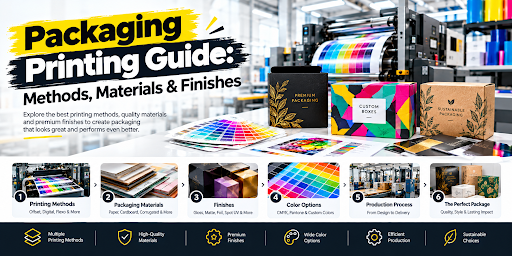
Packaging printing transforms a plain box, carton, pouch, or wrapper into a branded part of your product experience. It can communicate your brand identity, display product information, support retail presentation, and help create a consistent look across your product range.
However, choosing the right printing method involves more than selecting a design and adding a logo. Digital, offset, flexographic, and screen printing work differently, and the most suitable option depends on the packaging material, order quantity, artwork, color requirements, budget, and finishing choices.
Quick answer: Packaging printing is the process of applying text, logos, colors, images, and other graphics to packaging materials. Digital printing can suit shorter runs and variable designs, offset printing is commonly used for detailed paperboard packaging, flexographic printing is widely used for high-volume packaging applications, and screen printing can be useful for selected surfaces and specialty designs. The right method depends on the material, quantity, print requirements, and production setup.
For businesses developing branded boxes, Bluebird Packaging offers custom packaging options with printing and finishing choices. Its packaging team can help review project specifications and artwork requirements. In this guide, you will learn how packaging printing works, which printing methods are available, how CMYK and Pantone colors differ, what finishes can be added, and how to prepare artwork for a successful packaging order.
What Is Packaging Printing?
Packaging printing is the process of reproducing graphics and information on packaging materials such as paperboard, cardboard, corrugated board, labels, films, and other suitable substrates.
Depending on the packaging format, printing may be applied directly to the material or to a surface that is later converted into the finished package.
A printed package can include:
- Brand logos and brand colors.
- Product names and descriptions.
- Product images, illustrations, and patterns.
- Ingredients, directions, and other required information.
- Barcodes, QR codes, and website details.
- Promotional messages and campaign graphics.
- Decorative elements and specialty finishes.
Packaging printing serves both practical and visual purposes. It can make essential information easier to identify while helping a product maintain a recognizable appearance across retail shelves, online orders, and repeat purchases.
For example, a cosmetics brand may use printed folding cartons to create a consistent appearance across its skincare range. An e-commerce business may print its logo and brand messaging on mailer boxes. A food business may need packaging graphics that combine branding with product information and applicable labeling requirements.
The printing approach should be selected alongside the packaging structure—not as an afterthought.
Why Is Packaging Printing Important?
Packaging printing can influence how customers recognize, understand, and experience a product. Its value depends on the product, market, packaging design, and quality of execution.
1. Builds Brand Recognition
Consistent use of logos, colors, typography, and graphic elements can help customers identify products across a range. Printed packaging gives businesses a physical surface for communicating their brand identity.
A consistent design system is especially useful when a company sells several products in different box sizes or packaging styles.
2. Communicates Product Information
Packaging may need to display product names, descriptions, instructions, ingredients, warnings, barcodes, or other information. Clear typography, adequate contrast, and sensible layout help make this content readable.
For regulated products, required information should be reviewed carefully before artwork approval.
3. Supports Retail Presentation
Printed packaging can help a product look organized and recognizable on shelves or display units. Color, imagery, typography, and layout can work together to communicate product positioning and make important details easier to find.
4. Creates a More Consistent Customer Experience
Matching colors and graphic styles across boxes, inserts, labels, and other branded materials can create a more consistent experience.
For e-commerce brands, printed mailer boxes and inserts may also carry brand messaging into the delivery and unboxing experience.
5. Helps Differentiate Products
Packaging graphics can distinguish product variants, sizes, flavors, or collections. A well-planned design system helps customers understand those differences without making the overall brand look inconsistent.
6. Supports Marketing and Promotions
Packaging can include campaign graphics, product launches, seasonal artwork, or promotional messaging. Some digital printing workflows may make it practical to produce different versions of a design, depending on supplier capabilities and production requirements.
To understand how printing fits into the broader package, see Bluebird Packaging’s guide to packaging design.
What Are the Main Packaging Printing Methods?
There is no single printing method that is best for every packaging project. Each method has different equipment, setup requirements, material considerations, and economic trade-offs.
The following methods are common in packaging production, although availability depends on the supplier and packaging format.
1. Digital Packaging Printing
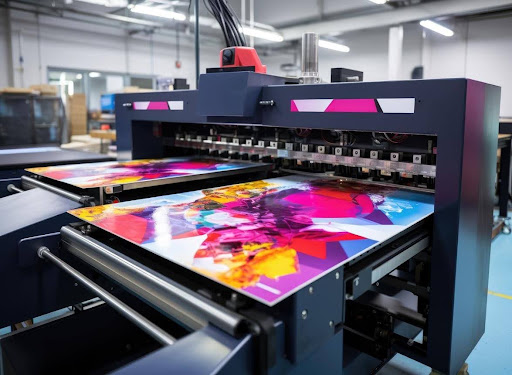
Digital packaging printing transfers artwork from a digital file to a compatible material without requiring conventional printing plates for each design in the same way as traditional offset or flexographic processes.
It can be suitable for short runs, customized artwork, product variations, and projects where avoiding extensive setup is valuable.
Potential advantages:
- Useful for shorter production runs.
- Can accommodate multiple artwork versions.
- May reduce setup requirements for suitable jobs.
- Useful for testing a design before a larger order.
- Can support personalized or variable content where the production system allows it.
Potential limitations:
- Unit cost may be less competitive for some large-volume jobs.
- Material compatibility and available finishes vary by equipment.
- Color reproduction and surface quality depend on the process and substrate.
- Not every box structure can be printed using the same digital workflow.
Best suited for: Short-run packaging, design variations, selected custom boxes, prototypes, and projects where flexibility matters.
2. Offset Packaging Printing
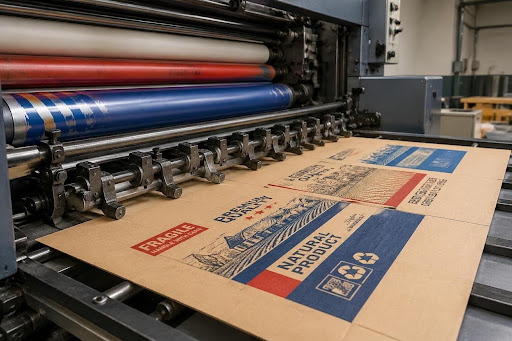
Offset printing transfers ink from a plate to a blanket and then onto the printing surface. It is widely used for detailed graphics and high-quality print production, including many paperboard packaging applications.
Offset printing can be a strong option when a project requires consistent artwork reproduction across a larger quantity.
Potential advantages:
- Suitable for detailed graphics and photographs.
- Can produce consistent results in an established production run.
- Offers a broad range of process-color artwork.
- Can be suitable for high-volume folding carton projects.
Potential limitations:
- Plate and setup costs can make very small jobs less economical.
- Color depends on ink, substrate, coating, and production conditions.
- Additional finishing and converting steps may be required after printing.
Best suited for: Printed cartons, retail packaging, and projects where detailed graphics and production quantity justify the setup.
3. Flexographic Packaging Printing
Flexographic printing uses flexible printing plates and is widely used for packaging materials such as films, labels, paper, and certain corrugated applications. Its suitability depends on the substrate, equipment, ink system, and artwork.
It can be effective for repeat production where the packaging format and print requirements are compatible with the process.
Potential advantages:
- Suitable for many continuous-web packaging workflows.
- Can support high-volume production.
- Works with a range of packaging substrates, depending on equipment.
- Can be efficient for repeat jobs once the production setup is established.
Potential limitations:
- Plate preparation and setup affect initial costs.
- Results depend on plate quality, material, ink, and press settings.
- Fine details and color requirements must be evaluated for the specific application.
Best suited for: Certain flexible packaging, labels, paper-based packaging, and compatible corrugated applications.
4. Screen Printing on Packaging
Screen printing pushes ink through a prepared mesh screen onto a surface. It can be useful for selected packaging applications where a specific ink deposit, surface effect, or substrate compatibility is required.
It is not automatically the most economical choice for all cardboard boxes, so confirm the supplier’s process and intended application.
Potential advantages:
- Can apply ink to certain rigid or specialty surfaces.
- May support opaque inks and selected decorative effects.
- Useful for some specialized jobs where the surface and artwork suit the process.
Potential limitations:
- Production speed and setup vary by job.
- Multicolor designs may require additional screens and registration.
- It may not be the most practical method for every box style or large-scale run.
Best suited for: Selected specialty packaging, promotional items, and compatible surfaces where the print effect justifies the process.
Packaging Printing Methods Compared
| Printing method | Often suitable for | Key consideration |
|---|---|---|
| Digital | Short runs and varied artwork | Equipment compatibility and unit cost |
| Offset | Detailed paperboard graphics and larger runs | Setup costs and substrate requirements |
| Flexographic | Repeat and high-volume packaging workflows | Material, plate setup, and print requirements |
| Screen printing | Selected specialty surfaces and effects | Surface compatibility and production efficiency |
These are general guidelines, not fixed rules. A packaging manufacturer may offer several processes, and the best choice depends on the exact product, quantity, material, artwork, and finishing requirements.
Practical tip: Ask suppliers to quote the same specifications using the printing methods they recommend. Comparing equivalent quotes is more useful than choosing a process based on its name alone.
How to Choose the Right Packaging Printing Method
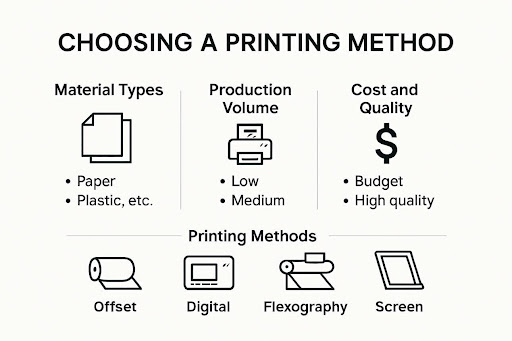
Before selecting a printing process, evaluate these five factors.
Order Quantity
Quantity can affect setup costs and unit economics. Digital printing may suit some shorter runs, while offset or flexographic printing may be more cost-effective for some larger production runs. The break-even point varies by job and supplier.
Packaging Material
A printing method must be compatible with the material and its surface. Printing on smooth paperboard may require a different production approach from printing on corrugated board or flexible film.
Artwork Complexity
Photographs, gradients, fine lines, solid colors, and small text place different demands on the printing process. Share the final artwork with the supplier so they can assess its suitability.
Color Requirements
If the design relies on exact brand colors, explain which colors are critical and whether you have an approved physical reference. A digital preview alone may not accurately predict the final printed result.
Finishing Requirements
Lamination, foil stamping, embossing, debossing, and other finishes may affect the production workflow. Confirm which processes are available for the selected material and box structure.
What Materials Are Used for Packaging Printing?
The material affects how ink appears, how the package performs, and which printing and finishing methods are appropriate.
Paperboard
Paperboard is commonly used for folding cartons and retail packaging. Its surface can support detailed graphics, product information, and branded designs.
The correct grade depends on the package dimensions, product weight, structure, and required performance.
Corrugated Board
Corrugated board combines linerboards with a fluted medium. It is commonly used for shipping and distribution packaging, although print methods and graphic detail depend on the board construction and production process.
For shipping-oriented packaging, explore corrugated boxes.
Kraft-Based Materials
Kraft packaging often features a natural paper appearance. Ink may look different on brown or uncoated surfaces than it does on white coated paperboard, so artwork should be designed for the actual material.
For relevant packaging options, see Kraft boxes.
Coated Paperboard
Coated paperboard may provide a smoother surface for certain print applications. The coating and final finish affect appearance, color reproduction, and how additional finishing processes work.
Flexible Films and Other Substrates
Flexible packaging can use films and other materials that require suitable printing systems and inks. The exact process depends on the material, package structure, product requirements, and intended use.
A supplier should confirm material compatibility before production.
CMYK vs. Pantone: Which Color System Should You Use?
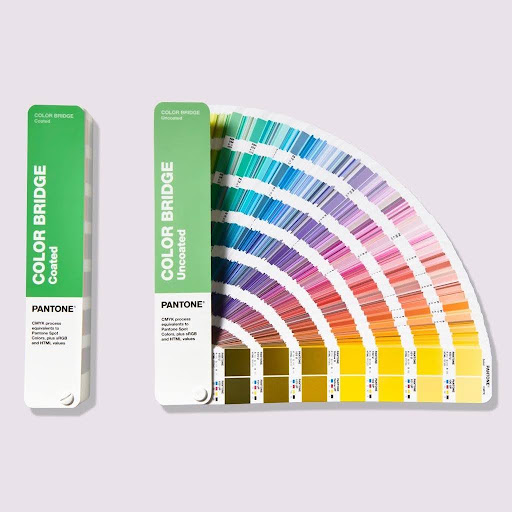
Color specification is an important part of packaging printing. A design that looks accurate on a screen may not look identical when printed because screens emit light, whereas printed materials reflect light and depend on inks, substrate, and production conditions.
What Is CMYK Printing?
CMYK stands for Cyan, Magenta, Yellow, and Key (Black). These four process colors are combined in different proportions to reproduce a wide range of colors in print.
CMYK is commonly used for artwork containing photographs, gradients, and multicolor graphics.
Potential advantages:
- Suitable for many full-color designs.
- Can reproduce photographs and complex artwork.
- Uses a standard four-color process in compatible print workflows.
Considerations:
- Not every screen color can be reproduced accurately in CMYK.
- The substrate and finish can change the perceived color.
- Small differences may occur between print runs or production conditions.
What Is Pantone Color Printing?
Pantone is a color-matching system that provides standardized color references. In packaging printing, a specified Pantone spot color can help communicate a particular color target to a printer.
Pantone colors may be useful when a brand has a critical signature color or needs to communicate a defined spot-color requirement.
However, selecting a Pantone reference does not guarantee that every substrate and production process will produce an identical appearance. Pantone’s own guidance notes that conversions and matching depend on print conditions and recommends checking the relevant physical references and production requirements.
CMYK vs. Pantone Comparison
| Feature | CMYK | Pantone spot color |
|---|---|---|
| How it works | Combines four process inks | Specifies a defined spot-color reference |
| Common use | Photographs and multicolor graphics | Critical brand colors and selected spot colors |
| Color range | Broad process-color range, with limitations | Depends on the chosen spot ink and system |
| Setup | Depends on printing process | May require a separate spot-color setup |
| Best consideration | Full-color artwork and production economics | Brand-color requirements and matching expectations |
Some packaging jobs use CMYK for photographs and a Pantone spot color for a key brand element. The right specification depends on artwork, material, printing process, budget, and the required level of color control.
How to Prepare Artwork for Packaging Printing
Good artwork preparation can prevent avoidable production problems. The exact file requirements vary by printer and printing method, so always follow the supplier’s instructions.
1. Use the Correct Dieline
A dieline shows the intended cut lines, folds, creases, and other structural details of the package. Design artwork should be aligned with the approved dieline so that important content appears on the correct panels.
Do not resize or alter the structural lines without confirming the changes with the packaging supplier.
2. Confirm the Required File Format
Printers may request editable vector files or other production-ready artwork. Commonly accepted formats can include AI, PDF, EPS, or other formats, depending on the supplier’s workflow.
Ask which file format is preferred before submitting final artwork.
3. Check Image Resolution
Low-resolution images can appear blurred or pixelated when printed. The required resolution depends on the image, print process, and final size. Follow the supplier’s specifications rather than relying on a universal setting.
4. Prepare Color Correctly
Confirm whether the supplier requires CMYK artwork, Pantone spot colors, or another color specification. RGB files may need conversion for print production, and that conversion can change some colors.
5. Include Bleed and Safe Areas
Bleed extends artwork beyond the final trim edge so small cutting variations are less likely to leave unwanted white edges. Safe areas keep text, logos, and other important elements away from cuts and folds.
Use the bleed and safety measurements supplied for the specific packaging dieline.
6. Check Text and Product Information
Proofread spelling, product names, ingredients, instructions, barcodes, and other required information. For regulated products, verify that required content is accurate before approving production.
7. Review a Proof Before Approval
Check artwork placement, color specifications, dimensions, text, folds, and finishing requirements. When color accuracy is commercially important, ask the supplier whether a physical proof or printed sample is available.
Bluebird Packaging’s terms also emphasize that customers should review and approve proofs carefully, including content, crops, bleeds, and color-related limitations.
What Are the Main Packaging Printing Finishes?
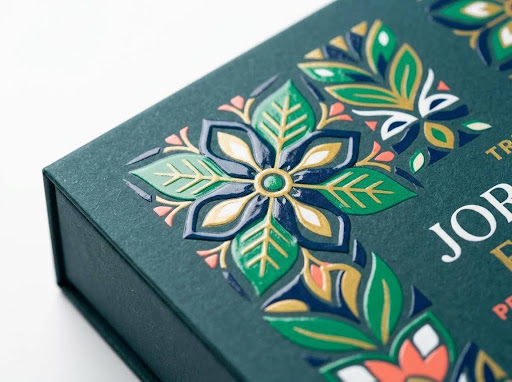
Finishes can change the appearance and tactile feel of printed packaging. The available options depend on the material, structure, supplier, and production process.
Matte Lamination
Matte lamination creates a low-gloss surface. It can suit minimalist branding and designs where glare reduction is desirable.
Gloss Lamination
Gloss lamination produces a shinier surface and can make colors and graphics appear more vibrant, depending on the material and artwork.
Foil Stamping
Foil stamping applies a metallic or specialty foil effect to selected areas of the design. It is often used for logos, titles, borders, or premium visual accents.
Embossing
Embossing raises selected elements from the surface, creating a tactile effect. It can emphasize logos, patterns, or other design elements.
Debossing
Debossing presses selected elements into the surface to create an indented effect. It can provide a subtle texture or a more distinctive visual detail.
Spot UV
Spot UV applies a glossy coating to selected areas rather than the entire surface. It can be used to highlight logos, graphics, or specific design details.
Soft-Touch Finishes
Some coatings create a soft or velvety feel. Their availability and performance depend on the selected material and supplier.
How should you choose? Start with the purpose of the design. A finish should support the brand and packaging function, not simply add cost. Too many effects can make a package visually busy and complicate production.
For examples of custom packaging options, explore cardboard boxes and custom rigid boxes.
Sustainable Packaging Printing: What Should You Consider?
Sustainable packaging printing involves considering the packaging material, inks, coatings, finishing, production process, and the package’s end-of-life options.
There is no single printing method that makes every package sustainable. The overall result depends on the material and design as well as how the package is produced, used, and managed after use.
When sustainability is a priority, ask your supplier:
- Which packaging materials are available for the project?
- Is recycled content available, and how is it specified?
- Do coatings or laminations affect recycling compatibility?
- Are the inks and finishes suitable for the intended application?
- Can the package use material more efficiently without compromising performance?
- What claims can be supported by product documentation?
Avoid describing packaging as recyclable or environmentally preferable without considering the complete construction and the recycling infrastructure in the intended market.
Explore Bluebird Packaging’s guide to sustainable packaging for related material and design considerations.
How Much Does Custom Packaging Printing Cost?
Custom packaging printing costs vary by project. The total price may include the packaging material, structural design, printing, setup, finishing, inserts, sampling, and shipping.
| Cost factor | How it can affect pricing |
|---|---|
| Order quantity | Changes setup-cost distribution and unit economics |
| Packaging material | Different materials have different costs and print requirements |
| Box size and structure | Affects material use and converting steps |
| Printing method | Equipment, setup, and production requirements vary |
| Artwork complexity | Multiple colors, images, and design versions may affect production |
| Finishes | Foil, lamination, embossing, and specialty effects can add steps |
| Proofs and samples | May involve separate setup or sampling costs |
| Delivery | Shipping cost depends on the order and destination |
To compare suppliers fairly, provide the same specifications to each one. Ask whether the quote includes printing, finishing, setup, samples, and delivery, and confirm any additional charges.
For broader pricing guidance, see the custom packaging cost guide.
Packaging Printing for Small Businesses
Small businesses often need to balance brand presentation with production cost and minimum order quantities. The right solution may be a straightforward printed carton, a branded mailer, or a more elaborate package for a premium product.
Before choosing a supplier, consider:
- Quantity: How many boxes do you need for the first order, and how often will you reorder?
- Design: Do you need one design or several product variations?
- Material: Does the product need a particular structure or level of protection?
- Printing: Is full-color artwork necessary, or would a simpler design meet your goals?
- Finishing: Which effects add meaningful value, and which are optional?
- Proofing: Can you review the artwork and packaging structure before production?
A smaller order is not automatically cheaper with every printing method. Request quotes for your intended quantity and compare options that meet the same specifications.
How to Choose a Packaging Printing Service
A suitable packaging printing service should be able to explain the production options and confirm whether they fit your requirements.
Use this checklist before approving a quote:
- Does the supplier work with your packaging material and box style?
- Which printing methods are available for your order?
- Can the supplier reproduce the artwork at the required quality?
- How are CMYK and Pantone colors specified and approved?
- Are your desired finishes available for the selected material?
- Is a digital proof or physical sample available?
- What is included in the quote?
- What are the production and delivery estimates?
- Who approves the final artwork before production?
- How are quality issues or specification changes handled?
A clear brief makes it easier for a supplier to recommend an appropriate printing method. Include dimensions, quantity, material, artwork, color requirements, finishes, and delivery destination when requesting a quote.
Custom Packaging Printing with Bluebird Packaging
For businesses looking for custom printed boxes, Bluebird Packaging is an option to consider. Its website offers custom packaging across categories including retail, rigid, bakery, cosmetics, food, and soap packaging. The available printing and finishing options depend on the selected packaging structure and project specifications.
When preparing a custom packaging project, provide:
- Product dimensions and preferred box style.
- Required quantity.
- Preferred material.
- Artwork or brand assets.
- CMYK or Pantone requirements, if specified.
- Desired finishing options.
- Any special packaging or delivery needs.
The team can then review the project requirements and provide a quote based on the requested specifications.
Explore custom retail boxes or request a packaging quote to discuss your project.
Frequently Asked Questions About Packaging Printing
1. What is packaging printing?
Packaging printing is the process of applying text, graphics, logos, product information, and colors to packaging materials. It is used to support product identification, branding, retail presentation, and communication of relevant product information.
2. What are the different types of packaging printing?
Common methods include digital printing, offset printing, flexographic printing, and screen printing. Each has different setup requirements, material compatibility, and production economics. The right method depends on the package, artwork, quantity, and finish.
3. Which printing method is best for packaging boxes?
There is no universal best method. Digital printing may suit some short runs, offset printing is common for detailed paperboard packaging, and flexographic printing can suit certain high-volume packaging workflows. Ask suppliers to recommend a method for your material, quantity, and artwork.
4. What is the difference between digital and offset printing?
Digital printing reproduces artwork from a digital file and can reduce conventional plate setup requirements. Offset printing uses plates and a transfer process, and can be suitable for detailed artwork and larger production runs. Cost and print quality depend on the specific job and equipment.
5. What materials are used for packaging printing?
Common materials include paperboard, corrugated board, Kraft-based materials, coated paperboard, films, and labels. The suitable material depends on the packaging structure, product requirements, print process, and intended use.
6. What are the best finishes for printed packaging?
Common options include matte or gloss lamination, foil stamping, embossing, debossing, and Spot UV. The best finish depends on the desired appearance, material compatibility, budget, and production requirements.
7. What is CMYK printing in packaging?
CMYK printing uses Cyan, Magenta, Yellow, and Black process inks to reproduce a broad range of colors. It is widely used for multicolor graphics, photographs, and other full-color packaging artwork.
8. What is Pantone color printing?
Pantone color references help communicate specified spot colors to a printer. They can be useful when brand-color consistency is important, although the final appearance still depends on substrate, ink, finishing, and print conditions.
9. How much does custom packaging printing cost?
The cost depends on order quantity, material, box dimensions, printing method, artwork, finishes, setup, samples, and shipping. Request a quote with complete specifications to compare suppliers accurately.
10. How can businesses choose the right packaging printing method?
Businesses should compare the printing method against the material, order quantity, artwork complexity, color requirements, finishes, and budget. Ask suppliers to explain the recommended process and approve a proof before production.
Final Thoughts
Packaging printing combines technical production decisions with design and brand communication. The best outcome comes from matching the printing method, material, color system, artwork, and finishing options to the product and its intended use.
Before ordering, prepare a clear brief, confirm the supplier’s file requirements, specify critical colors, and review the proof carefully. These steps help reduce avoidable artwork errors and make supplier quotes easier to compare.
If you are planning custom printed boxes for your business, explore Bluebird Packaging’s custom packaging options or request a quote with your material, quantity, artwork, and finishing requirements.