

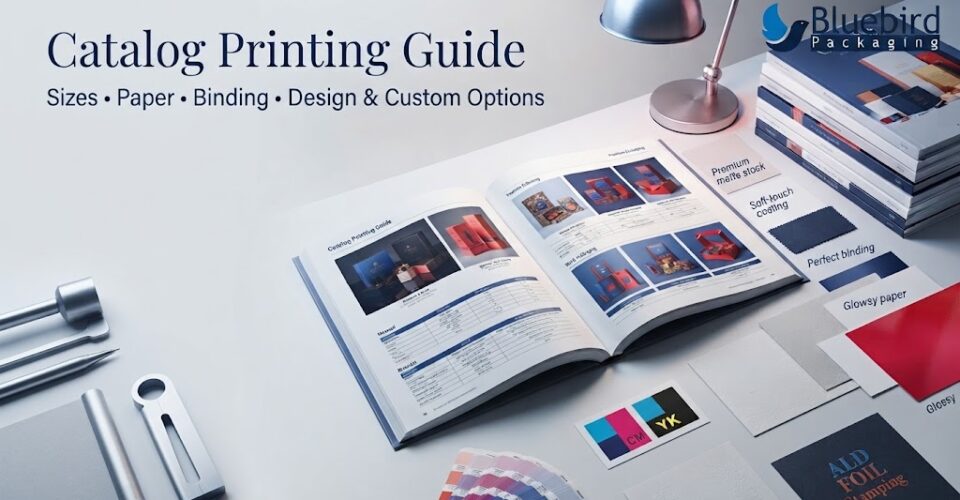
A professionally designed catalog is more than a simple collection of product pages. It is a powerful marketing and sales tool that helps customers explore products, compare options, understand specifications, and make purchasing decisions with confidence.
For businesses that sell physical products, Catalog Printing creates a direct connection between customers and products. A well-designed printed catalog allows buyers to review collections, compare features, evaluate materials, and understand available customization options without navigating multiple digital pages.
Although ecommerce and online catalogs have become essential for modern businesses, printed catalogs continue to play an important role in industries where customers need detailed product information. Wholesale buyers, retailers, distributors, and business owners often prefer having a physical reference they can share with teams or use during purchasing discussions.
The effectiveness of a catalog depends on several production decisions, including:
- Catalog size
- Page count
- Catalog paper selection
- Printing method
- Binding style
- Finishing options
- Product photography
- Catalog design
- Artwork preparation
For packaging businesses, catalogs provide an additional advantage. They allow companies to showcase different packaging structures, materials, printing techniques, and customization possibilities in one organized publication.
A packaging catalog can help customers understand solutions such as food packaging, bakery packaging, retail packaging, cosmetic packaging, and premium packaging options before requesting a quote.
For example, a food brand looking for branded packaging can explore options such as custom food boxes to understand available sizes, materials, printing options, and finishing choices.
This complete guide explains everything businesses need to know about Catalog Printing, including selecting the right format, choosing paper, understanding binding options, improving catalog design, reducing production costs, and creating printed catalogs that strengthen brand identity.
What Is Catalog Printing?
Catalog Printing is the process of producing a multi-page printed publication that presents products, services, collections, or detailed business information.
Unlike brochures that usually focus on short promotional messages, catalogs are designed for browsing and reference. Customers use catalogs to compare products, review features, check specifications, and understand purchasing options.
A professional catalog may include:
- Product images
- Product descriptions
- Technical specifications
- Dimensions and sizes
- Materials
- Available colors
- Product codes or SKUs
- Ordering information
- Brand messaging
Catalogs can be created for almost any industry, including:
- Retail
- Food and beverage
- Beauty
- Manufacturing
- Packaging
- Wholesale distribution
- Industrial products
A small seasonal catalog may contain only a few pages, while a wholesale catalog can include hundreds of products with detailed specifications and category sections.
The main purpose of any catalog is to make information easier to understand.
A successful catalog helps customers answer important questions:
- What is the product?
- What options are available?
- What materials are used?
- How does this product compare?
- How can it be ordered?
Why Catalog Printing Is Important For Businesses

Printed catalogs remain valuable because they provide a physical experience that digital platforms cannot completely replace.
Customers can browse printed catalogs during meetings, mark important pages, compare products side by side, and share information with colleagues. This makes catalogs especially useful for:
- Wholesale buyers
- Retail stores
- Manufacturers
- Packaging companies
- Sales representatives
- Trade show businesses
- Distributors
A professionally created catalog can support different stages of the customer journey.
1. Better Product Presentation
The main purpose of a catalog is presenting products in an organized and attractive way. High-quality images, structured layouts, and clear descriptions help customers understand what a product offers.
For packaging businesses, this is especially important because customers often need to evaluate:
- Box structures
- Materials
- Printing options
- Finishing techniques
- Customization possibilities
Instead of explaining every option individually, businesses can use a packaging catalog to visually demonstrate available solutions.
2. Easier Product Comparison
Customers often compare multiple options before making purchasing decisions. A well-designed catalog allows buyers to review:
- Different sizes
- Product variations
- Materials
- Features
- Applications
For example, bakery businesses may compare different packaging options such as cupcake boxes, dessert packaging, and window packaging styles before selecting the best solution.
3. Stronger Brand Identity
A catalog is an extension of a company’s overall branding. Businesses can use catalogs to maintain consistency through:
- Brand colors
- Typography
- Photography style
- Product presentation
- Messaging
When customers see consistent branding across a website, catalog, and packaging, the company appears more professional and trustworthy. For packaging brands, this connection between catalog design and physical packaging creates a stronger customer experience.
Benefits of Professional Catalog Printing Services
Working with professional Catalog Printing Services helps businesses create publications that are visually appealing, accurate, and suitable for their target audience.
Content Planning
Before printing begins, businesses should determine:
- Product categories
- Information requirements
- Page structure
- Customer needs
A well-planned catalog avoids unnecessary pages and makes browsing easier.
Professional Catalog Design
Good Catalog Design focuses on usability. A strong layout should make it easy for customers to find:
- Product names
- Specifications
- Images
- Sizes
- Ordering information
Professional Product Catalog Design uses consistent templates so customers can quickly compare products.
Quality Printing Production
Professional printing ensures:
- Accurate colors
- Sharp images
- Proper paper selection
- Reliable finishing
This is especially important for businesses where product appearance influences buying decisions.
Types of Product Catalogs
Different businesses require different catalog formats depending on their customers and sales process.
Retail Catalogs
Retail catalogs focus on product discovery. Their main purpose is helping customers explore available products through:
- Attractive photography
- Simple descriptions
- Easy navigation
- Clear categories
Retail catalogs are commonly used by:
- Consumer brands
- Fashion companies
- Beauty businesses
- Home product companies
Wholesale Catalogs
Wholesale catalogs are designed for buyers purchasing products in larger quantities. They usually include more detailed information such as:
- Product codes
- Minimum order quantities
- Dimensions
- Materials
- Product specifications
Businesses involved in B2B sales often rely on Wholesale Catalog Printing because buyers need accurate information before placing orders.
Product Catalogs
A product catalog focuses on presenting a company’s complete range of products.
A strong product catalog includes:
- Product categories
- Product images
- Features
- Benefits
- Technical details
- Ordering information
The goal is to help customers understand the entire product range.
Packaging Catalogs
A packaging catalog helps customers understand different packaging solutions. For packaging companies, catalogs can showcase:
- Packaging structures
- Materials
- Printing methods
- Finishes
- Customization options
A packaging catalog may include industries such as:
- Bakery
- Food
- Cosmetics
- CBD
- Retail
- Luxury products
For example, bakery brands can compare solutions such as dessert boxes, bakery window boxes, and other custom packaging options.
How To Choose The Right Catalog Size

Choosing the correct catalog size is one of the most important decisions in Catalog Printing because the final format affects layout, readability, production cost, shipping, and customer experience.
There is no single perfect catalog size for every business. The ideal format depends on:
- Number of products
- Amount of product information
- Photography requirements
- Target audience
- Distribution method
- Storage requirements
- Printing budget
A wholesale buyer reviewing hundreds of products may need a larger format with detailed specifications, while a retail brand promoting a seasonal collection may prefer a compact and visually focused catalog.
Standard sizes are often preferred because they are easier to produce efficiently, while custom sizes can create a unique presentation when the design purpose justifies the additional production considerations.
Portrait Catalogs
Portrait catalogs are among the most common formats used for Product Catalog Printing. The vertical layout provides a balanced space for:
- Product images
- Descriptions
- Specifications
- Pricing information
- Product comparisons
Portrait catalogs work well for:
- Retail catalogs
- Wholesale catalogs
- Packaging catalogs
- Product guides
- Company brochures
A packaging company, for example, can use a portrait catalog to organize products by industry and showcase different solutions such as bakery packaging, food packaging, and retail packaging.
Landscape Catalogs
Landscape catalogs provide more horizontal space, making them ideal for image-heavy publications.
They work particularly well for:
- Large product photography
- Packaging collections
- Lifestyle images
- Product comparison charts
- Design-focused presentations
For packaging brands, landscape layouts can help display structural details and product variations more effectively.
Square Catalogs
Square catalogs create a premium and creative appearance. They are commonly used by:
- Luxury brands
- Fashion companies
- Beauty businesses
- Lifestyle brands
The balanced shape creates a magazine-style experience and works well when photography plays a major role.
However, square catalogs may require additional planning because unusual dimensions can influence paper efficiency, shipping costs, storage, and printing setup.
Custom Catalog Sizes
Custom catalog sizes allow businesses to create a unique presentation. They can be useful for brands that want to highlight:
- Special product collections
- Packaging structures
- Product samples
- Premium designs
Before selecting a custom size, businesses should consider:
- Printing efficiency
- Binding requirements
- Mailing requirements
- Customer handling experience
Catalog Size Comparison
How Many Pages Should A Product Catalog Have?
The correct page count depends on the amount of information customers need before making a purchase decision. A catalog should provide enough detail without becoming difficult to browse.
Important factors include:
- Number of products
- Product categories
- Images required
- Technical specifications
- Comparison charts
- Ordering information
Planning pages before designing prevents unnecessary revisions and improves production efficiency.
Catalog Thickness Considerations
The thickness of a catalog depends on:
- Number of pages
- Paper selection
- Cover material
- Binding method
A premium catalog printed on thick paper can create a luxury feel, but it may also increase:
- Production costs
- Shipping weight
- Storage requirements
A lightweight catalog may be more practical for:
- Trade shows
- Sales representatives
- Mail campaigns
A wholesale catalog that customers use repeatedly may require stronger materials and a more durable structure.
Choosing The Best Catalog Paper
The right Catalog Paper influences:
- Image quality
- Print appearance
- Durability
- Reading comfort
- Brand perception
Paper should be selected based on how customers interact with the catalog. A photography-heavy catalog may benefit from coated paper, while a technical reference guide may work better with uncoated paper.
Gloss Paper For Catalog Printing
Gloss paper has a smooth reflective surface that enhances colors and photography. It is commonly used for:
- Product catalogs
- Food packaging catalogs
- Beauty catalogs
- Retail catalogs
Advantages include:
- Bright colors
- Sharp images
- Strong visual impact
Gloss paper works especially well when product appearance is a major selling factor. For example, brands showcasing visually attractive packaging such as pizza boxes or custom food packaging can benefit from strong image reproduction.
Matte Paper For Catalog Printing
Matte paper provides a softer, non-reflective finish. It is preferred when businesses want:
- Easier reading
- Premium appearance
- Reduced glare
- Professional presentation
Matte paper is commonly used for:
- Luxury catalogs
- Corporate publications
- Wholesale catalogs
Uncoated Catalog Paper
Uncoated paper has a natural texture and is commonly used for information-focused publications.
Advantages include:
- Comfortable reading
- Easy writing
- Natural appearance
It works well for:
- Technical catalogs
- Reference materials
- Order guides
Premium Paper Stock
Premium catalogs often use specialty paper options to create a stronger physical experience.
These may include:
- Textured paper
- Heavy cover stock
- Soft-touch finishes
- Specialty coatings
Premium paper is often selected by brands that want their catalog to reflect the quality of their products. For luxury packaging companies, premium catalogs can showcase products like luxury rigid boxes while creating a high-end customer experience.
Catalog Paper Weight And Thickness
Paper weight affects how the catalog feels in the customer’s hands.
A heavier paper stock usually provides:
- Better durability
- Premium perception
- Stronger protection
A lighter stock provides:
- Lower production cost
- Easier shipping
- Better handling for large catalogs
The right paper choice balances quality and Catalog Printing Cost.
Digital Printing vs Offset Printing
Choosing between digital and offset printing depends on:
- Quantity
- Budget
- Color requirements
- Version changes
- Production timeline
Both methods can produce professional catalogs, but each has different advantages.
Digital Catalog Printing
Digital printing is suitable for:
- Small quantities
- Test runs
- Personalized catalogs
- Updated product collections
Benefits:
- Faster setup
- Flexible production
- Easier customization
Offset Catalog Printing
Offset printing is often preferred for larger production runs.
It can provide:
- Consistent color quality
- Efficient large-volume production
- Professional commercial results
Digital vs Offset Printing Comparison
The correct printing method depends on the complete project requirements rather than quantity alone.
Catalog Binding Options
The right Catalog Binding method affects how the final publication looks, feels, opens, and performs over time.
Binding directly influences:
- Customer experience
- Durability
- Page capacity
- Shelf appearance
- Shipping requirements
- Overall catalog quality
Common catalog binding options include:
- Saddle stitch binding
- Perfect binding
- Spiral binding
- Coil binding
- Wire-O binding
- Sewn binding
Saddle Stitch Binding
Saddle stitch binding is one of the most common and cost-effective options for Catalog Printing. This method uses folded sheets that are secured together with staples along the center fold.
It is commonly used for:
- Short product catalogs
- Seasonal catalogs
- Promotional booklets
- Retail publications
- Marketing materials
Advantages include:
- Affordable production
- Lightweight structure
- Easy distribution
- Professional appearance
Saddle stitching works best when the catalog has fewer pages. Thicker catalogs may require other binding solutions for better durability and appearance.
For example, a bakery packaging catalog featuring products such as cupcake boxes and dessert boxes may work well with saddle stitching if the publication contains a smaller product range.
Perfect Binding
Perfect binding creates a square spine by attaching pages together with adhesive and wrapping them with a cover. This option provides a more premium book-like appearance.
Perfect binding is commonly used for:
- Large product catalogs
- Wholesale catalogs
- Annual catalogs
- Brand catalogs
- Luxury publications
Benefits include:
- Professional spine appearance
- Better shelf presentation
- Suitable for thicker catalogs
- Premium customer experience
A packaging company presenting a large product collection may prefer perfect binding because it allows customers to store and reference the catalog over time. For premium packaging presentations, catalogs can showcase solutions such as luxury rigid boxes with a premium publication style.
Spiral Binding
Spiral binding uses a plastic or metal coil inserted through punched holes along the catalog edge. It allows pages to turn easily and remain open during use.
It is useful for:
- Technical catalogs
- Product reference guides
- Price catalogs
- Training materials
Advantages include opening flat and easy page turning, making this binding practical for sales teams that frequently reference product information.
Wire-O Binding
Wire-O binding uses double-loop wire to hold pages together. It provides a clean and professional appearance while allowing the catalog to open easily.
Wire-O catalogs are commonly used for:
- Presentation catalogs
- Product guides
- Corporate publications
- Reference materials
Section-Sewn Binding
Section-sewn binding is a premium construction method where sections of pages are stitched together before attaching the cover.
It provides:
- Maximum durability
- Premium appearance
- Long-term usability
This method is generally used for luxury catalogs, high-end brand books, and premium product publications.
Catalog Binding Comparison
The best Catalog Binding choice should be made after finalizing page count, paper selection, catalog purpose, and expected usage.
Catalog Finishing Options
After printing and binding, finishing techniques can improve the appearance, protection, and overall experience of a catalog.
Catalog Finishing options include:
- Matte lamination
- Gloss lamination
- Soft-touch coating
- Spot UV
- Foil stamping
- Embossing
- Debossing
- Die-cutting
The purpose of finishing is not simply adding decoration. It should support the brand message and improve the customer’s interaction with the catalog.
Gloss Lamination
Gloss lamination creates a shiny protective layer over printed pages. It enhances color brightness, image contrast, and product photography.
Gloss finishing works well for catalogs where visual presentation is important, including:
- Food packaging
- Beauty products
- Retail products
- Consumer brands
For example, catalogs featuring visually attractive products such as pizza boxes can benefit from strong color reproduction and vibrant photography.
Matte Lamination
Matte lamination provides a smooth, non-reflective finish. It creates a more sophisticated appearance and improves readability.
Matte finishing is suitable for:
- Wholesale catalogs
- Corporate catalogs
- Luxury publications
- Technical product guides
Soft-Touch Coating
Soft-touch finishing creates a smooth velvet-like texture. It is commonly used by brands that want their catalogs to feel premium.
Benefits include:
- Luxury appearance
- Enhanced tactile experience
- Increased perceived value
Spot UV Finishing
Spot UV applies glossy coating only to selected areas.
Businesses commonly use it for:
- Logos
- Product names
- Important design elements
- Cover graphics
This creates contrast between matte and glossy surfaces.
Foil Stamping
Foil stamping adds metallic details to selected areas.
Common foil colors include:
- Gold
- Silver
- Copper
- Custom metallic finishes
It is often used for luxury catalogs, beauty brands, and premium packaging companies.
Embossing and Debossing
Embossing raises specific design elements, while debossing presses them into the paper. These techniques create a physical experience that customers can feel.
Common applications include:
- Logos
- Brand names
- Cover designs
Die-Cutting
Die-cutting allows businesses to create custom shapes or interactive elements.
Examples include:
- Product windows
- Unique cover shapes
- Special openings
Specialty finishing should always serve a purpose. Adding too many finishing techniques can increase Catalog Printing Cost without improving usability.
Product Catalog Design: Creating Pages That Convert
Strong Product Catalog Design focuses on helping customers understand products quickly. A beautiful catalog is useful, but a catalog that helps customers make decisions is more valuable.
Every product page should answer:
- What is the product?
- What makes it valuable?
- What options are available?
- How can customers order it?
Essential Elements of Product Catalog Design
Product Name
Every product should have a clear and easy-to-find name.
Product Photography
High-quality images help customers understand:
- Shape
- Size
- Materials
- Finishing
- Product appearance
Product Description
Descriptions should explain:
- Main benefits
- Applications
- Features
- Customization options
Product Specifications
Include:
- Dimensions
- Materials
- Colors
- Printing options
- Available variations
SKU Information
For wholesale buyers, product codes and SKUs make ordering easier. This is especially important for packaging catalogs containing many product variations.
Packaging Catalog Structure
A successful packaging catalog should organize products according to how customers search.
Instead of creating a simple product list, businesses should organize catalogs by:
- Industry
- Packaging type
- Material
- Product application
- Customization options
This improves navigation and helps customers quickly find relevant solutions.
Bakery Packaging Catalog Example
A bakery packaging catalog can include:
- Cake packaging
- Dessert packaging
- Pastry packaging
- Gift packaging
Popular packaging examples include:
A dedicated bakery section helps customers compare:
- Sizes
- Styles
- Materials
- Custom printing options
Businesses can also explore detailed bakery packaging ideas through this resource: Bakery Boxes Guide 2026.
Food Packaging Catalog
Food businesses require packaging that protects products while creating a strong customer impression. A food packaging catalog should help buyers understand:
- Packaging styles
- Available sizes
- Materials
- Printing options
- Customization choices
- Product applications
Examples of food packaging solutions that can be featured include:
A detailed food packaging catalog allows businesses to compare:
- Box structures
- Printing finishes
- Material options
- Custom sizes
- Branding opportunities
A catalog can also educate customers about how packaging influences customer experience and brand recognition through resources like How to Use Custom Food Packaging to Strengthen Brand Presentation.
Cosmetic Packaging Catalog
Beauty and cosmetic brands rely heavily on packaging appearance because customers often associate packaging quality with product quality.
A cosmetic packaging catalog should focus on:
- Premium presentation
- Brand consistency
- Product protection
- Luxury appearance
- Custom design options
Examples include:
Brands can also use catalogs to highlight current design approaches through resources like Cosmetic Packaging Trends.
CBD Packaging Catalog
CBD and wellness brands require packaging that balances product protection, branding, and customer trust.
A CBD packaging catalog can organize products by:
- Product type
- Packaging style
- Material
- Customization options
Examples include CBD product packaging, oil packaging, cartridge packaging, and gift packaging.
Businesses can showcase solutions such as CBD boxes wholesale and other custom CBD packaging options.
For additional information, brands can explore the Complete Guide to CBD Packaging Boxes.
Retail Packaging Catalog
Retail businesses need packaging that attracts attention while protecting products on shelves.
Retail packaging solutions may include:
- Retail packaging boxes
- Display boxes
- Counter display solutions
Businesses can also learn more about packaging differences through: Retail Packaging vs Ecommerce Packaging.
Luxury Packaging Catalog
Luxury brands require catalogs that reflect the premium quality of their products.
A luxury packaging catalog should focus on:
- Premium photography
- High-end materials
- Elegant layouts
- Specialty finishes
Examples include:
- Luxury rigid boxes
- Premium gift packaging solutions
Brands can learn more about premium packaging strategies through: Why Premium Brands Choose Rigid Boxes.
Custom Printed Catalogs For Brand Identity
Custom Printed Catalogs allow businesses to create a publication that matches their brand personality.
A custom catalog can include:
- Company logo
- Brand colors
- Typography
- Product photography
- Custom layouts
- Marketing messages
- QR codes
- Contact information
A strong catalog should feel like an extension of the company’s overall identity. For packaging companies, consistency between catalogs and physical packaging is especially important.
How Catalogs Support Packaging Branding
Packaging is not only about protecting products. It is also a major part of brand communication.
A catalog helps customers understand how packaging can improve:
- Product presentation
- Customer experience
- Brand recognition
- Market positioning
A catalog can introduce customers to packaging possibilities before they begin the production process.
Print-Ready Artwork Requirements For Catalog Printing
Preparing accurate artwork is one of the most important steps in Catalog Printing. A poorly prepared file can create:
- Color problems
- Incorrect trimming
- Image quality issues
- Layout errors
- Production delays
Finished Size
Confirm the final catalog dimensions before designing. Examples include Letter size, A4, square formats, and custom dimensions.
Bleed Area
Bleed extends artwork beyond the final trim edge. It prevents unwanted white borders after cutting.
Safe Area
Important information should remain away from trim edges. Keep product names, prices, logos, and specifications inside the safe area.
Image Resolution
High-quality images are essential for professional catalogs. Low-resolution images can make products appear blurry and unprofessional.
Color Settings
Commercial printing commonly uses CMYK color settings. RGB colors used on screens may appear different when printed. Businesses should confirm color profile, file settings, and printer requirements before production.
Product Label Design And Catalog Presentation
Product information is a major part of effective catalogs. Businesses often need to present product names, labels, specifications, and packaging details.
Resources like Product Label Design: Complete Guide to Layout, Materials, Printing & Packaging can help brands understand how product information and packaging visuals work together.
Catalog Proofing Before Printing
Proofing helps identify mistakes before final production.
Content Accuracy
Review product names, SKUs, dimensions, prices, contact details, and website links.
Visual Quality
Check images, colors, margins, typography, and page alignment.
Printing Details
Review binding style, finishing options, cover design, and page order.
A physical proof may also be useful for premium projects because it shows actual paper texture, printed colors, final thickness, and finishing quality.
Factors Affecting Catalog Printing Cost
Catalog Printing Cost depends on several production factors.
When comparing quotes, businesses should compare identical specifications. A cheaper quote may use lower paper quality, different binding, fewer finishing options, or smaller dimensions.
How To Reduce Catalog Printing Cost
Optimize Page Count
Remove unnecessary information and combine related sections.
Choose Standard Sizes
Standard formats often reduce production waste.
Select Paper Strategically
Use premium paper where customers interact most.
Limit Specialty Finishes
Use premium effects only where they improve the customer experience.
Use Reusable Templates
A consistent catalog layout reduces future design costs.
Prepare Accurate Content
Correct product information before printing to avoid expensive reprints.
Product Photography And Catalog Quality
High-quality product photography is one of the most important elements of successful Catalog Printing. A catalog is a visual sales tool. Customers often make their first impression based on images before reading descriptions or specifications.
Professional product images help customers understand:
- Product appearance
- Materials
- Colors
- Size
- Texture
- Finishing details
- Real-world application
Best Practices For Product Catalog Photography
Use Consistent Photography Style
A professional catalog should maintain consistency across all product images. Keep similar background styles, lighting, camera angles, image sizes, and color treatment.
Show Multiple Product Angles
One image is often not enough to explain a product. Include front view, side view, open view, detail shots, and product-in-use images where appropriate.
Highlight Materials And Finishes
Images should communicate quality by showing details such as matte surfaces, gloss finishes, foil effects, embossing, and custom printing.
Catalogs And Brand Identity
A catalog is an extension of a company’s visual identity. Strong Custom Printed Catalogs should match the overall brand experience.
Important branding elements include:
- Logo placement
- Brand colors
- Typography
- Photography style
- Layout structure
- Messaging
When catalogs match packaging design, websites, and marketing materials, customers experience a stronger and more professional brand presence.
Common Catalog Printing Mistakes
Even professionally designed catalogs can fail if important planning steps are ignored.
1. Choosing Paper Before Defining The Purpose
Paper selection should support the catalog’s purpose. Luxury catalogs may require premium paper, wholesale catalogs may need durable practical stock, and technical catalogs may prioritize readability.
2. Overloading Pages With Information
A catalog should provide enough information without overwhelming readers. Use clear headings, product categories, white space, and structured layouts.
3. Using Low-Quality Images
Poor images can reduce the perceived quality of the entire catalog. Always use high-resolution images, professional photography, and consistent image styles.
4. Ignoring Product Information Accuracy
Errors in product names, dimensions, SKUs, materials, or contact details can create customer confusion. Always review product information before final production.
5. Selecting The Wrong Binding
Binding should match catalog usage. A small brochure-style catalog may need saddle stitching, while a large wholesale publication may require perfect binding.
6. Adding Too Many Finishing Effects
Premium finishing should support the design. Using every available effect can increase costs, distract from products, and reduce readability.
Catalog Printing Checklist
How To Choose A Professional Catalog Printing Partner
Choosing the right printing partner can affect the final quality of your catalog.
Look for a provider that understands:
- Commercial printing requirements
- Paper selection
- Binding options
- Finishing techniques
- Color management
- Artwork preparation
For packaging businesses, it is also helpful to work with a company that understands how products are presented and branded.
A packaging partner should consider:
- Product dimensions
- Material selection
- Printing requirements
- Finishing options
- Customer experience
Bluebird Packaging helps businesses develop packaging solutions based on product requirements, materials, branding, printing, and finishing needs. Bluebird Packaging
Create A Professional Packaging Catalog
Showcase your packaging products, materials, structures, printing options, and finishing choices with a professional presentation designed around your brand.
Frequently Asked Questions About Catalog Printing
What is catalog printing?
Catalog printing is the process of producing multi-page printed publications used to showcase products, services, collections, specifications, or company information.
What is custom catalog printing?
Custom Catalog Printing allows businesses to choose their preferred:
- Size
- Paper
- Binding
- Design
- Finishing
- Branding elements
What size should a product catalog be?
There is no universal best size. The ideal catalog size depends on product quantity, content requirements, images, audience, and distribution method. Common options include portrait, landscape, square, and custom formats.
What paper is best for catalog printing?
The best Catalog Paper depends on the purpose. Common choices include gloss paper for photography-heavy catalogs, matte paper for premium presentations, and uncoated paper for information-focused publications.
Should I choose matte or gloss catalog paper?
Gloss paper creates stronger image contrast and vibrant colors. Matte paper provides a premium appearance with less reflection. The right choice depends on your design goals and audience.
What is the best binding option for catalogs?
The best Catalog Binding depends on page count, usage, and durability requirements. Options include saddle stitch, perfect binding, spiral binding, and Wire-O binding.
How many pages should a catalog have?
There is no fixed number. The page count should include everything customers need, including product information, images, categories, specifications, and ordering details.
What affects catalog printing cost?
Catalog Printing Cost depends on quantity, size, page count, paper, printing method, binding, finishing, design requirements, and shipping.
What is the difference between digital and offset printing?
Digital printing is generally suitable for smaller quantities and flexible versions. Offset printing is commonly used for larger production runs where consistent quality and efficiency are important.
What is print-ready artwork?
Print-ready artwork is a properly prepared file that includes correct dimensions, bleed, safe areas, proper colors, high-resolution images, and correct page order.
Why is proofing important before printing?
Proofing helps identify text errors, image problems, color issues, and layout mistakes before the entire order is produced.
Can catalogs support packaging sales?
Yes. A packaging catalog can help customers understand box styles, materials, printing options, finishes, and customization choices.
How can catalogs improve product presentation?
Catalogs organize product images, descriptions, specifications, comparisons, and branding into a single professional resource.
Final Thoughts: Creating A Catalog That Supports Your Brand
Successful Catalog Printing starts with understanding the purpose of the publication. The right catalog combines effective design, quality paper, suitable printing methods, practical binding, professional photography, and accurate product information.
A catalog should not simply display products. It should help customers understand choices, compare options, and move closer to purchasing decisions.
For packaging businesses, catalogs provide an additional opportunity to showcase creativity, materials, structures, and customization options.
Whether you need a product catalog, wholesale publication, packaging catalog, or branded sales guide, every detail contributes to the final customer experience.
From product photography and layout to printing quality and finishing, the goal is to create a catalog that represents your brand professionally.
Bluebird Packaging helps businesses create custom packaging solutions with different materials, printing options, finishes, and product requirements. Businesses can discuss their packaging needs, dimensions, quantity, and preferred specifications through a custom packaging quote request.
A strong catalog combined with effective packaging can help businesses create a consistent product experience from first impression to final purchase.