
Launching a beauty product is exciting, but choosing the right packaging can quickly become complicated. Packaging for new beauty brands should protect the product, communicate its value, fit the brand identity, and work within a realistic production budget. The best approach is to start with the product itself, then select the material, structure, size, printing, finishing, and fulfillment requirements around it.
A new skincare, makeup, haircare, or personal-care company does not need the most expensive package to look premium. It needs packaging that feels intentional and consistent. Working with experienced Bluebird Packaging professionals can help turn those requirements into a practical package designed for the product and target customer.
Quick Overview
| Topic | Details |
|---|---|
| Benefits | Product protection, stronger branding, shelf appeal, better customer experience, and professional presentation |
| Uses | Retail products, ecommerce orders, beauty launches, subscription boxes, gift sets, and promotional collections |
| Best Materials | Cardboard, paperboard, Kraft, corrugated board, or rigid board depending on the product and presentation |
| Best For | Skincare startups, makeup brands, haircare companies, cosmetics manufacturers, private-label brands, and growing beauty businesses |
1. Start With the Product Before Choosing the Box
The product should determine the basic packaging requirements. Choosing a box simply because it looks attractive can create problems later if the structure does not properly fit the container.
Begin by documenting:
- Product length, width, and height
- Container shape
- Weight
- Fragility
- Closure type
- Number of products per package
- Required internal clearance
- Shipping and handling conditions
- Retail display requirements
For example, a glass serum bottle needs different protection from a lightweight lipstick tube. A compact eyeshadow palette may require a shallow carton, while a collection of skincare bottles could need a larger presentation box with an insert.
This is where custom beauty packaging becomes valuable. Instead of forcing different products into one generic size, the package can be developed around the actual product dimensions.
A good package should hold the product securely without making it unnecessarily difficult to insert or remove.
2. Choose the Right Packaging Material
Material affects durability, appearance, printing quality, shipping weight, and perceived product value. There is no single material that is ideal for every beauty product.
Cardboard and Paperboard
Paperboard is a popular choice for beauty products because it offers a useful balance between structure, printability, and lightweight construction. It works particularly well for folding cartons and retail packages.
Brands can also explore different thicknesses depending on how much rigidity and protection the product requires.
Kraft
Kraft packaging can complement brands built around natural, handmade, organic, or minimalist positioning. Its visual character can work particularly well with simple graphics and earthy design systems.
Rigid Board
Rigid packaging provides a more substantial presentation and can be appropriate for premium collections, gift sets, or products where opening the package is part of the customer experience.
Corrugated Board
Corrugated packaging is generally more focused on protection during transportation. It can be useful for ecommerce shipping, larger beauty kits, or outer packaging where additional strength is required.
For a deeper comparison of common cosmetic materials, read Bluebird’s cosmetic packaging materials guide, which explores the differences between cardboard, Kraft, and rigid packaging.
3. Match the Packaging With Your Brand Identity
A package should immediately feel like it belongs to the brand.
Imagine two new skincare companies launching similar moisturizers. One targets customers who prefer clean, minimalist products. The other positions itself as an indulgent luxury brand. Using identical packaging for both would make it harder for either company to communicate its positioning.
This is why beauty brand packaging should be developed alongside the overall visual identity.
Consider:
- Logo placement
- Brand colors
- Typography
- Photography or illustrations
- Product naming
- Shade or variant identification
- Pattern systems
- Finishing techniques
- Front-panel hierarchy
Build Recognition Across Products
A new beauty company may begin with one product but eventually add several more. Creating a consistent visual system from the start makes future expansion easier.
For example, a brand might use one structural style across its skincare line while changing accent colors for cleanser, moisturizer, serum, and toner. Customers can recognize the collection while still distinguishing individual products.
This approach creates effective brand identity packaging without requiring every package to look exactly the same.
4. Select a Box Structure That Fits the Selling Environment
The structure should reflect how customers will receive, handle, and display the product.
For many beauty products, folding cartons are efficient because they can be stored flat and assembled when needed. Other products may benefit from tuck-end structures, sleeves, trays, or rigid presentation boxes.
Retail Packaging
Retail packaging should communicate the product quickly. Customers may only spend a few seconds looking at a package before deciding whether to investigate it further.
Important information should therefore have a clear visual hierarchy:
- Brand
- Product type
- Key benefit or differentiator
- Variant or shade
- Supporting information
Ecommerce Packaging
Online orders have different requirements. Packaging may need to withstand fulfillment centers, courier handling, vibration, stacking, and repeated movement.
For ecommerce products, avoid unnecessary empty space where possible. A properly sized package can reduce movement and create a cleaner presentation when the customer opens the shipment.
5. Design Packaging Around the Product Launch
Your first packaging project establishes expectations for future products. That makes product launch packaging more important than simply printing a box before a launch date.
Before production, establish a clear packaging specification covering:
- Final product dimensions
- Material
- Box structure
- Artwork
- Printing method
- Finishing
- Quantity
- Packing method
- Shipping requirements
Order a Prototype First
A prototype can reveal issues that are difficult to identify on a digital design.
Check whether:
- The product fits securely
- The box closes properly
- Text remains readable
- Colors appear as expected
- The structure feels sufficiently strong
- The package can be packed efficiently
- The finished box looks appropriate beside competing products
For new businesses, this step can prevent expensive production mistakes.
6. Make the Design Look Premium Without Overspending
Premium presentation is not automatically tied to expensive materials.
Premium beauty packaging can come from thoughtful typography, strong composition, clean printing, appropriate finishes, and consistent branding.
For example, a simple paperboard box with a carefully designed logo and restrained finishing can look more sophisticated than an overloaded package using multiple effects.
Consider Finishing Options
Depending on the material and structure, brands may consider:
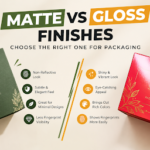
- Matte coating
- Gloss coating
- Soft-touch finishes
- Foil stamping
- Embossing
- Debossing
- Spot UV
- Die-cut details
- Custom inserts
- Window panels
Branded cosmetic boxes can also use finishing strategically to highlight the logo, product name, or a specific design element.
The objective is to guide attention rather than decorate every available surface.
Need Packaging Designed Around Your Beauty Product?
Request a custom quote with your dimensions, quantity, material preferences, and artwork requirements.
7. Think About Sustainability From the Beginning
Sustainability is easier to incorporate during the initial packaging design than after production has already been finalized.
Sustainable beauty packaging can involve choosing suitable paper-based materials, reducing unnecessary components, optimizing dimensions, and avoiding excessive layers or packaging elements.
Reduce Material Without Sacrificing Protection
A smaller, properly fitted box can require less material than an oversized package. Efficient structural design can also reduce unnecessary void space.
Brands should also evaluate the complete package rather than focusing on one environmental claim.
Consider:
- Material composition
- Recyclability
- Coatings
- Adhesives
- Inserts
- Packaging weight
- Shipping efficiency
- End-of-life disposal
A sustainability message should accurately reflect the actual construction of the package.
8. Make Packaging Work for Retail and Ecommerce
A beauty brand may sell through its own website, marketplaces, boutiques, salons, department stores, or multiple channels. Packaging should be capable of supporting the channels that matter most.
Retail-ready packaging should be easy to identify, store, handle, and display. Barcode placement, product information, dimensions, and shelf orientation can all matter.
For ecommerce, protection and customer presentation become equally important.
A customer opening an online order should immediately understand what they received and feel that the packaging reflects the quality of the product inside.
Create a Consistent Unboxing Experience
The unboxing experience begins before the product itself is visible.
The outer package, product box, tissue, inserts, thank-you messaging, and printed details can work together to create a recognizable customer journey.
This is particularly valuable for social-media-driven beauty brands because customers may photograph or share attractive packaging after receiving their orders.
9. Choose Packaging Based on Your Product Category
Different beauty products create different packaging requirements.
Skincare
Skincare packaging often needs to accommodate bottles, jars, tubes, droppers, or pumps. Internal fit and protection become especially important when products contain glass components.
Makeup
Makeup packaging can require compact structures with strong visual differentiation. Shade identification may also need to be highly visible for products such as lipstick, foundation, eyeshadow, or blush.
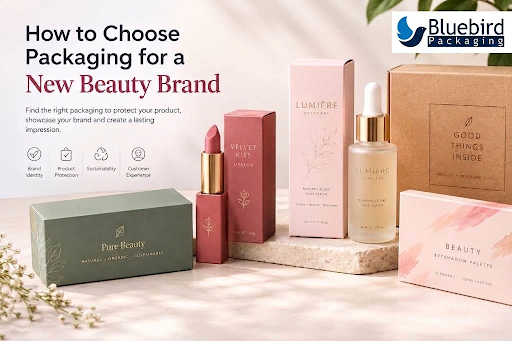
For example, lipstick boxes can be developed around the dimensions and presentation requirements of individual lipstick products.
Similarly, brands expanding into lip products can use Lip Gloss Boxes to maintain a coordinated visual language across their collection.
Multi-Product Beauty Lines
If your brand sells multiple products, consider creating a packaging family instead of designing every box independently.
A shared system can use:
- Consistent logo placement
- Similar typography
- Coordinated colors
- Repeated design elements
- Complementary structures
- Different dimensions for each product
This makes the entire product range feel more established.
10. Balance Packaging Cost With Long-Term Brand Value
Budget is one of the biggest considerations for a new beauty company. The cheapest package, however, is not always the most cost-effective option.
Packaging costs can be influenced by:
| Cost Factor | Why It Matters |
|---|---|
| Material | Heavier or specialized materials can increase production cost |
| Box Size | Larger dimensions can require more material and affect shipping |
| Structure | Complex constructions may require additional manufacturing steps |
| Printing | More detailed artwork can affect production requirements |
| Finishing | Foil, embossing, UV, and specialty coatings can increase costs |
| Quantity | Larger production runs may change unit economics |
| Inserts | Custom internal components add material and production requirements |
| Shipping | Package dimensions and weight influence logistics |
For a startup, it can make sense to prioritize the elements customers actually notice. Strong branding, accurate product fit, professional printing, and reliable protection should come before unnecessary decorative features.
Custom cosmetic boxes can then be scaled as the brand grows, allowing the company to maintain a recognizable packaging system while introducing new products.
A dedicated cosmetic packaging solutions provider can also help align structure, materials, artwork, quantity, and production requirements before an order is finalized.
FAQs
What is the best packaging for a new beauty brand?
The best packaging depends on the product, target customer, sales channel, budget, and desired brand positioning. Paperboard folding cartons are practical for many cosmetics, while rigid boxes may suit premium products and gift sets.
How do I choose the right packaging size for beauty products?
Measure the product’s length, width, and height first. Then determine the appropriate internal clearance and closure requirements. The box should hold the product securely without creating excessive empty space.
Is custom packaging worth it for a new beauty brand?
Yes. Custom packaging can help a new brand differentiate its products, create stronger visual recognition, improve product presentation, and provide packaging designed specifically around the product.
What material is best for cosmetic packaging?
Cardboard and paperboard are versatile choices for many cosmetic products because they are lightweight, printable, and available in different structures and thicknesses. Kraft and rigid board can suit specific branding and presentation requirements.
How can beauty packaging improve brand recognition?
Consistent logos, colors, typography, structures, and design elements help customers identify products as part of the same brand. A coordinated packaging system is especially useful when a company expands its product range.
Final Thoughts: Choosing Packaging That Helps Your Beauty Brand Grow
Choosing the right packaging is a business decision, not simply a design decision. The strongest packaging for new beauty brands protects the product, fits the sales channel, communicates the brand clearly, and creates a professional customer experience without wasting budget on unnecessary features.
Start with the product dimensions and protection requirements. Choose an appropriate material and structure. Build a recognizable visual identity. Then refine printing, finishing, sustainability, retail requirements, and ecommerce performance around the final package.
For brands developing their first product or expanding an existing collection, custom cosmetic packaging can provide the flexibility needed to create a cohesive product range while keeping each package suited to its individual product.
Whether you are launching skincare, makeup, haircare, or another beauty product, Bluebird Packaging can help you develop packaging around your product specifications and brand goals.
Ready to create packaging for your next beauty launch?
Get started with a custom quote and bring your packaging concept to production.