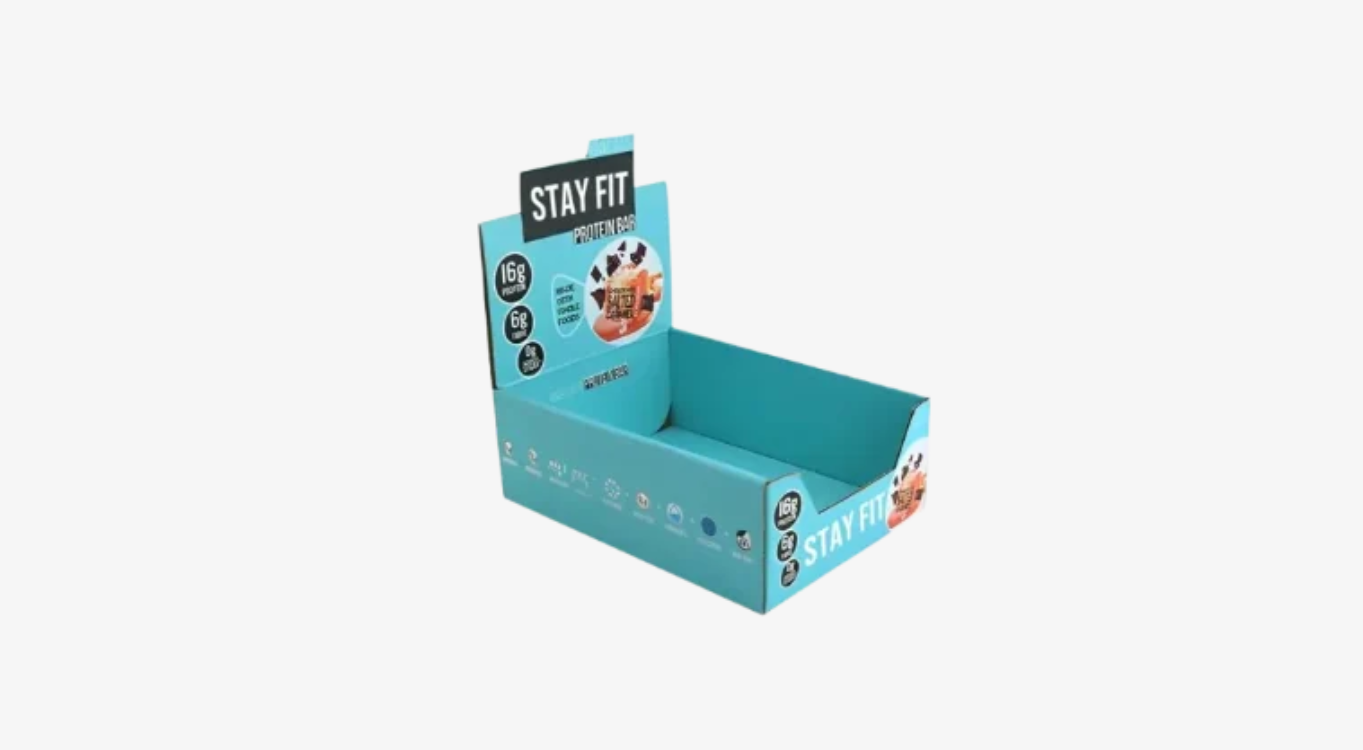
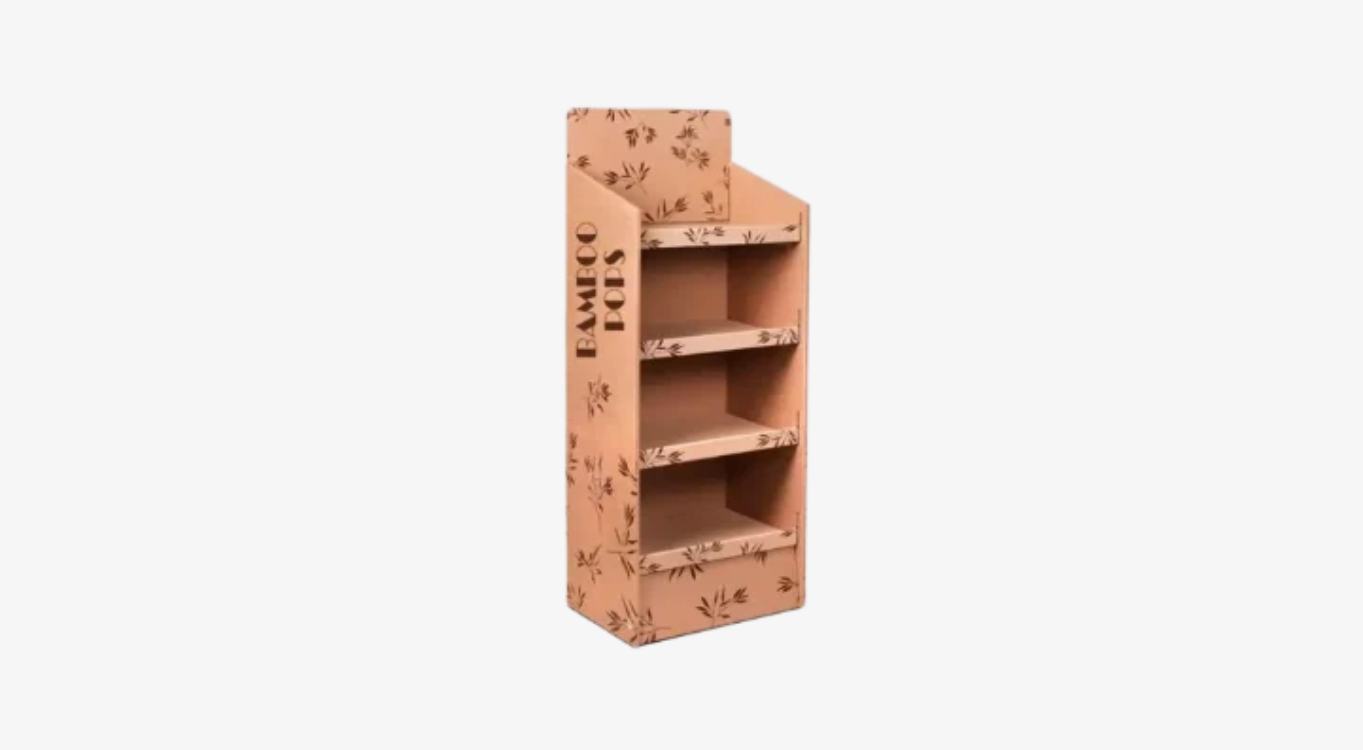
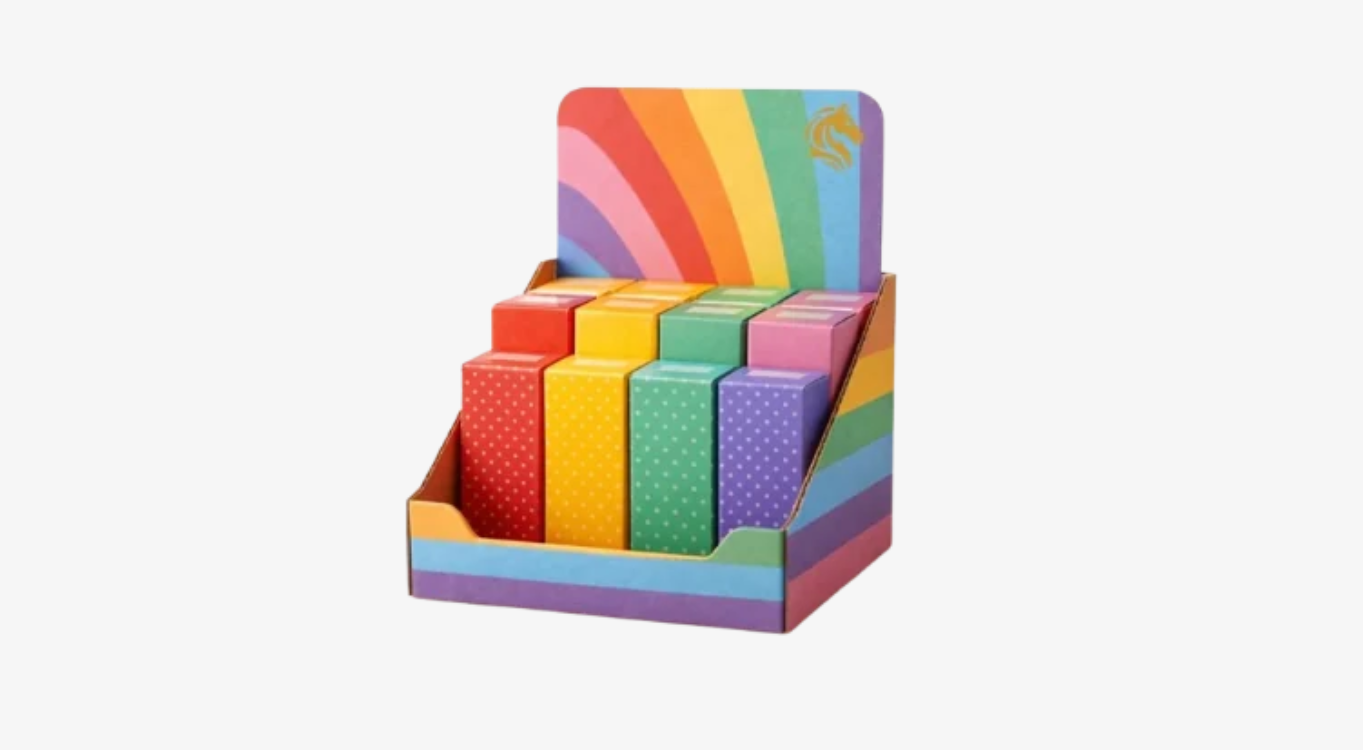
Description
1. Packaging Buying Guide
Product Buying Guide
Sizing
Choosing the right size is important for proper fit, protection and presentation.
- Measure your product or container diameter and height.
- Add suitable extra space for easy insertion.
- Consider inserts or internal protection when required.
- Ask our team for help with measurements if needed.
Materials
Select packaging material based on product weight, required strength, presentation and shipping needs.
- Cardboard for versatile retail packaging.
- Kraft for a natural appearance.
- Corrugated material for additional strength and protection.
- Rigid stock for premium packaging.
Box Styles
Choose a box structure that matches your product dimensions, presentation and opening experience.
- Straight and reverse tuck structures.
- Window packaging.
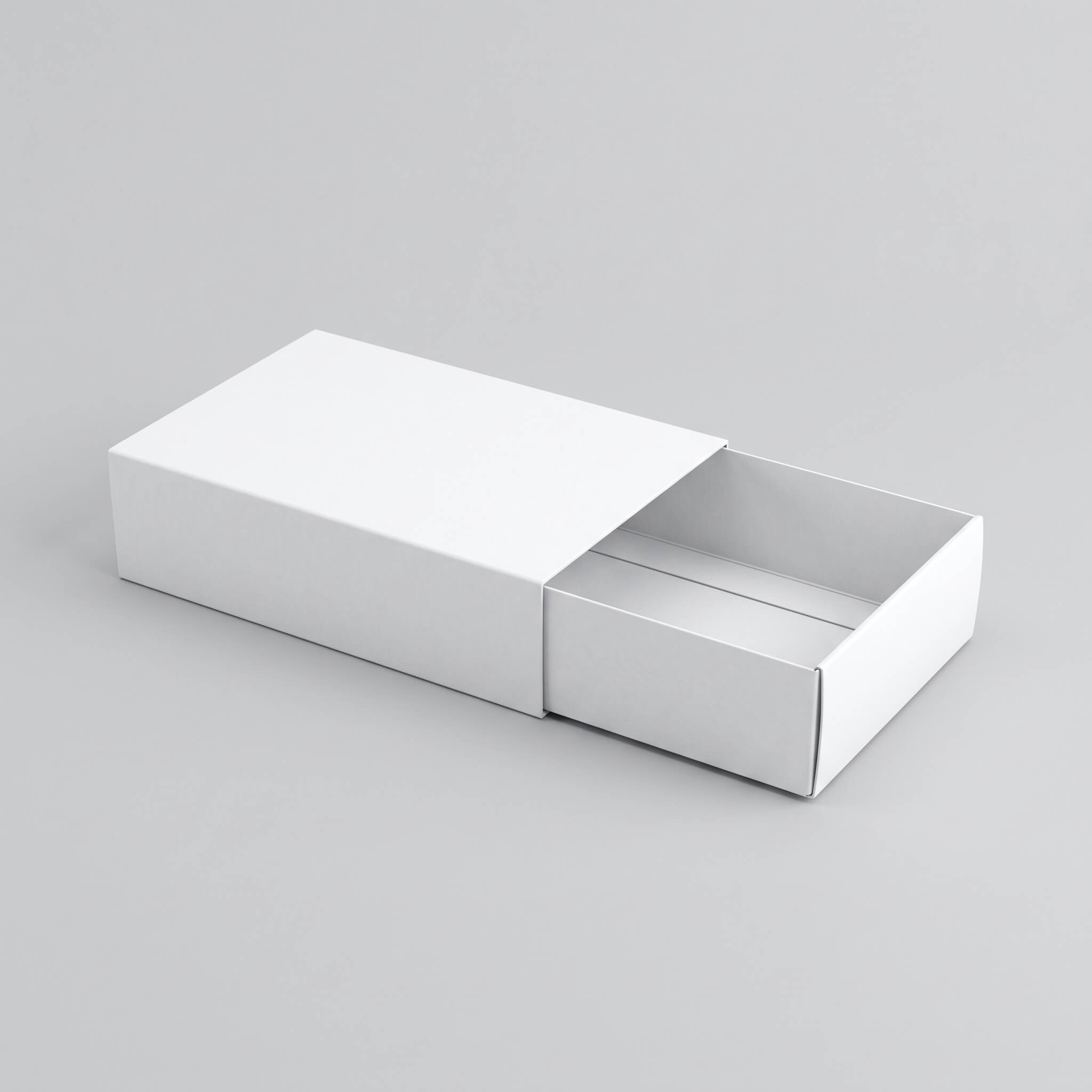
- Sleeve packaging.
- Premium rigid structures.
Printing
Custom printing turns the package into a strong branded customer touchpoint.
- Full-color CMYK printing.
- PMS color matching.
- Inside and outside printing.
- Logos, artwork and product information.
Finishing
Finishing options can improve the appearance, texture and perceived quality of your packaging.
- Matte finish.
- Gloss finish.
- Soft-touch coating.
- Foil stamping and Spot UV.
Inserts
Custom inserts can help secure products inside the box while improving presentation.
- Custom-fit inserts.
- Product positioning and protection.
- Multi-product arrangements.
- Presentation-focused internal structures.
Retail & Shipping
Packaging can be designed around retail presentation, ecommerce fulfillment or both.
- Retail shelf presentation.
- Shipping protection.
- Ecommerce packaging requirements.
- Customer unboxing experience.
Design Tips
Strong packaging design balances branding, readability, presentation and practical structure.
- Keep your primary branding prominent.
- Create a clear visual hierarchy.
- Design artwork around structural folds and panels.
- Keep important product information easy to read.
2. Box Size Guide
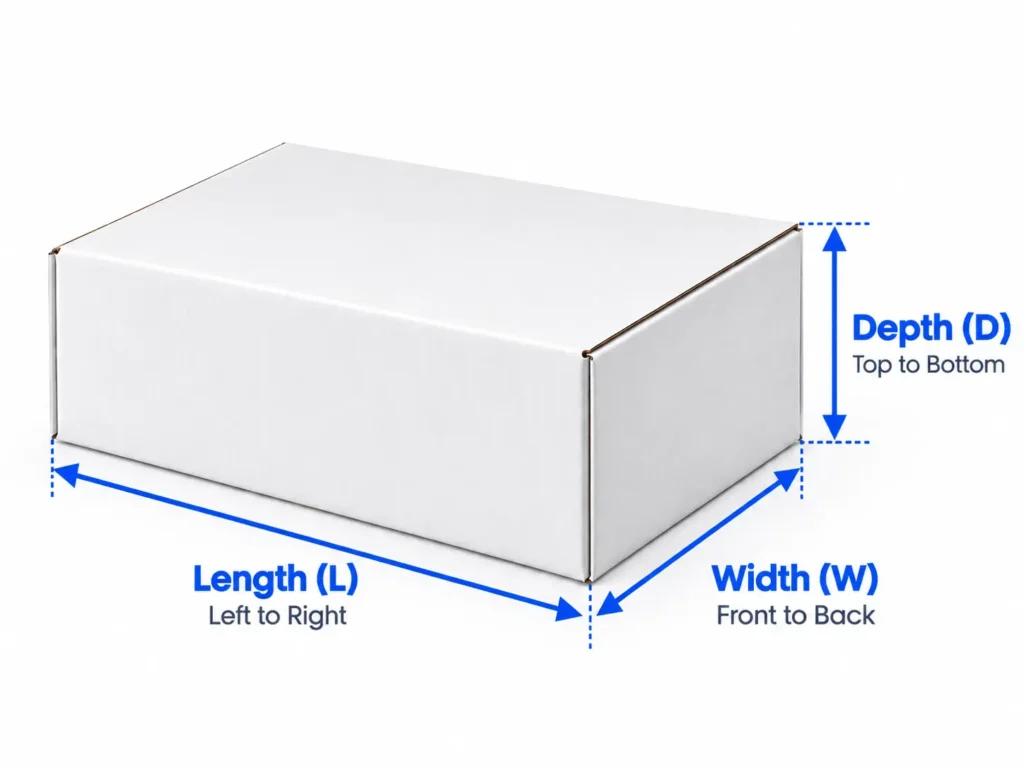
Use the diagram below to identify the length, width and depth of your box. Measurements should be provided as Length × Width × Depth.
3. Stock Type & Finishing Guide
Explore our packaging materials and finishing options to find the right combination of strength, appearance and texture for your custom boxes. Compare available stock types and discover premium finishes that can enhance the look and feel of your packaging.
Discover our premium range of packaging materials, crafted to meet your specific needs. Whether you require sturdy cardboard boxes or eco-friendly options, we have the perfect solution for you. Enhance your brand and safeguard your products with our customizable packaging solutions.


Select from a range of packaging paper thicknesses, from 8pt to 28pt, tailored to your specific needs. For rigid boxes that demand extra durability and a touch of luxury, thicker paper effectively supports your product’s weight. Make a smart choice that aligns with your budget while ensuring your packaging reflects quality and strength.


Explore our selection of premium packaging materials crafted to perfect your packaging order. Whether you need sturdy cardboard boxes or eco-friendly options, we have the ideal materials to meet your specific needs. Elevate your brand and safeguard your products with our customizable packaging solutions.


Experience worry-free shipping with our reliable packaging solutions. Whether you choose ground or air, our guaranteed, insured freight options ensure your orders arrive safely and securely. Rest easy knowing your products are in trusted hands from production to delivery.


Choose Your Style. Get Your Quote.
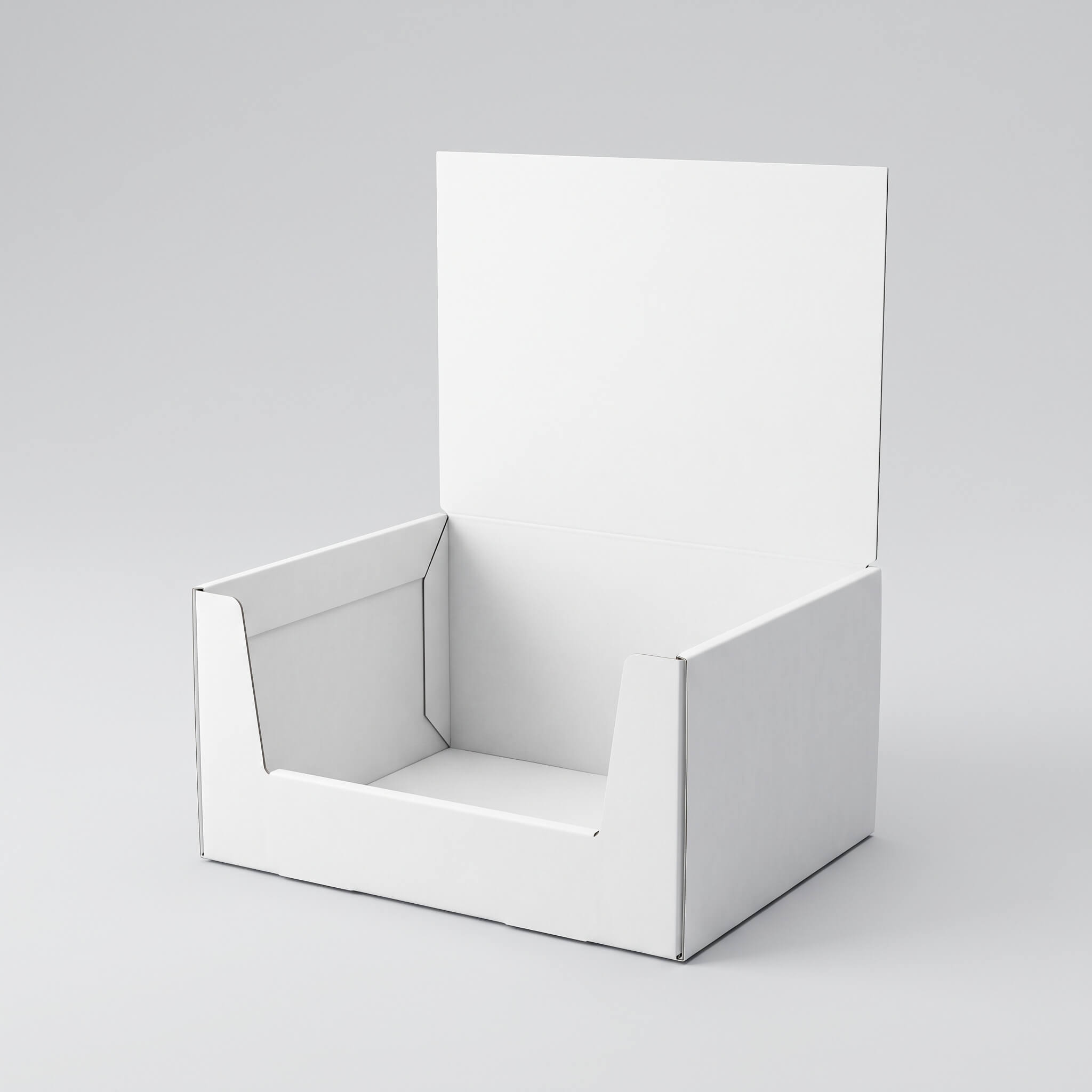
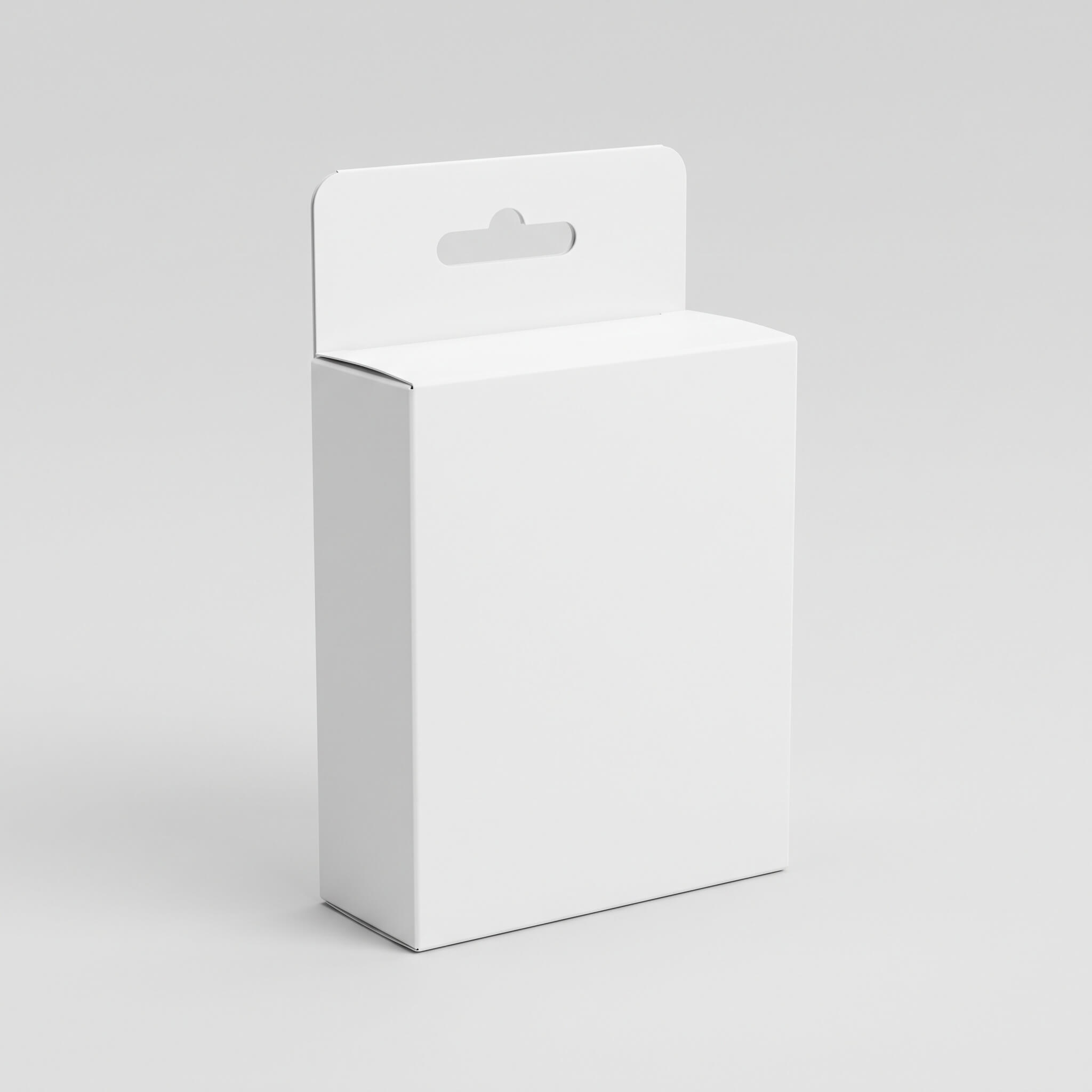
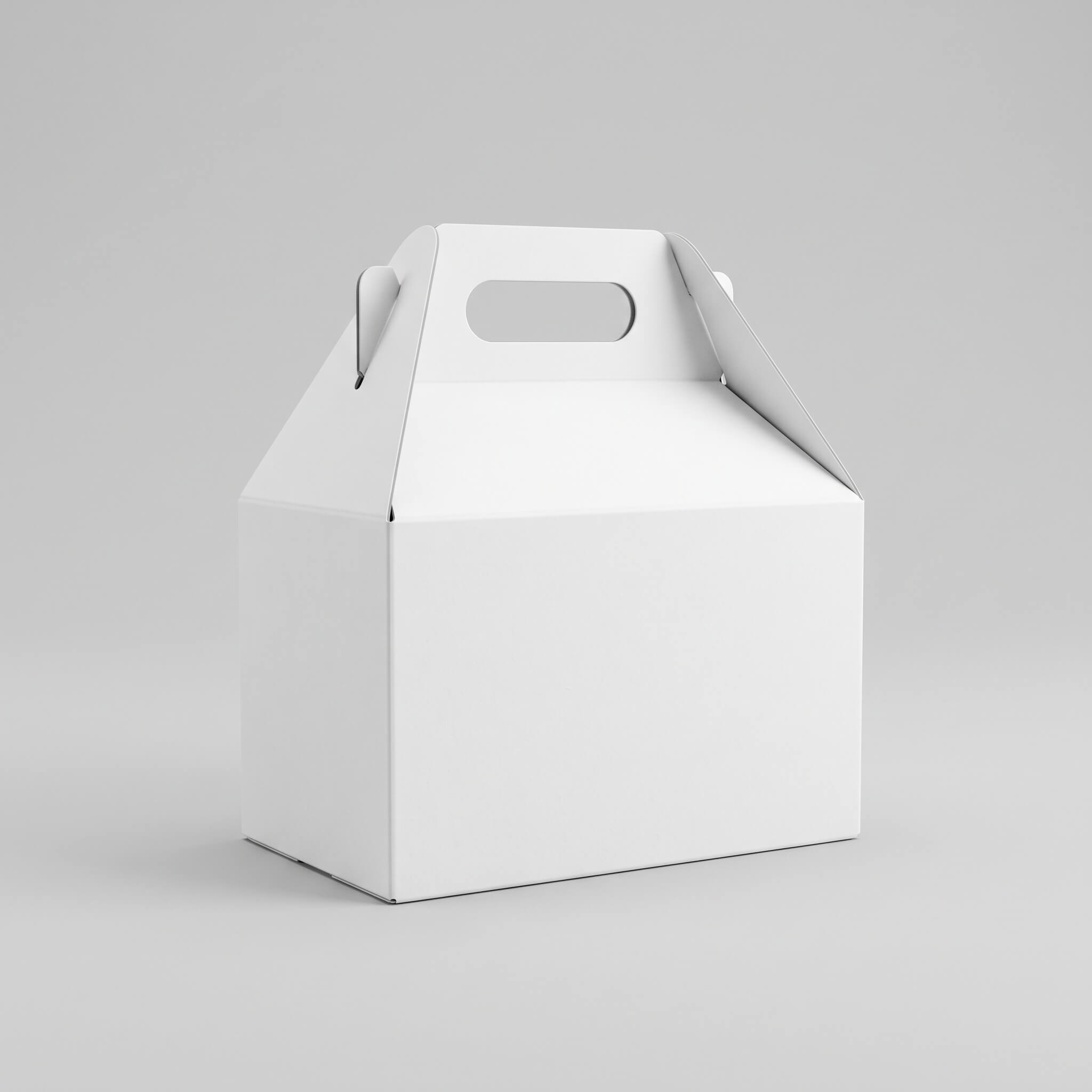
Select a box style, then complete the quote form. Not sure? Choose Custom / Other and we’ll help.
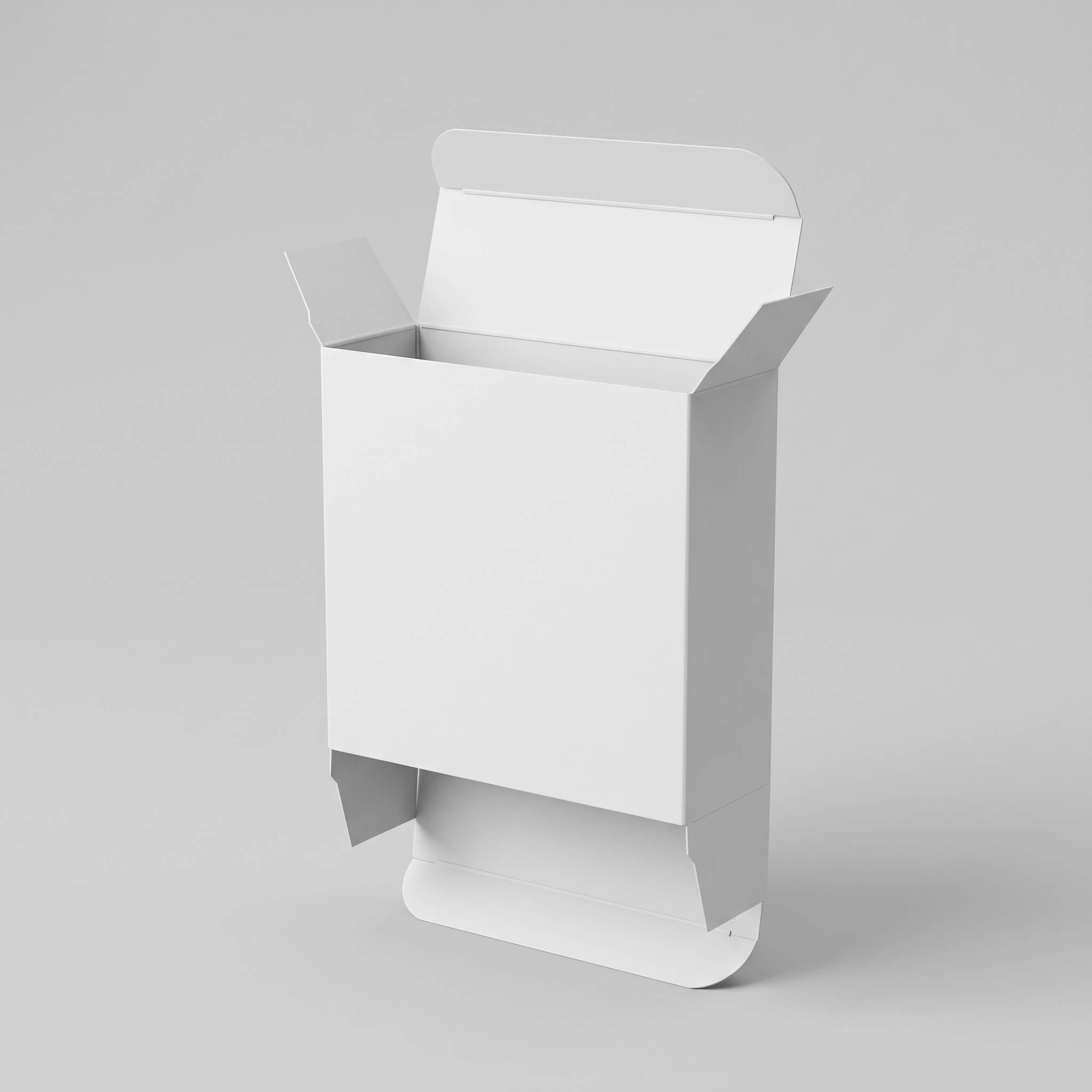
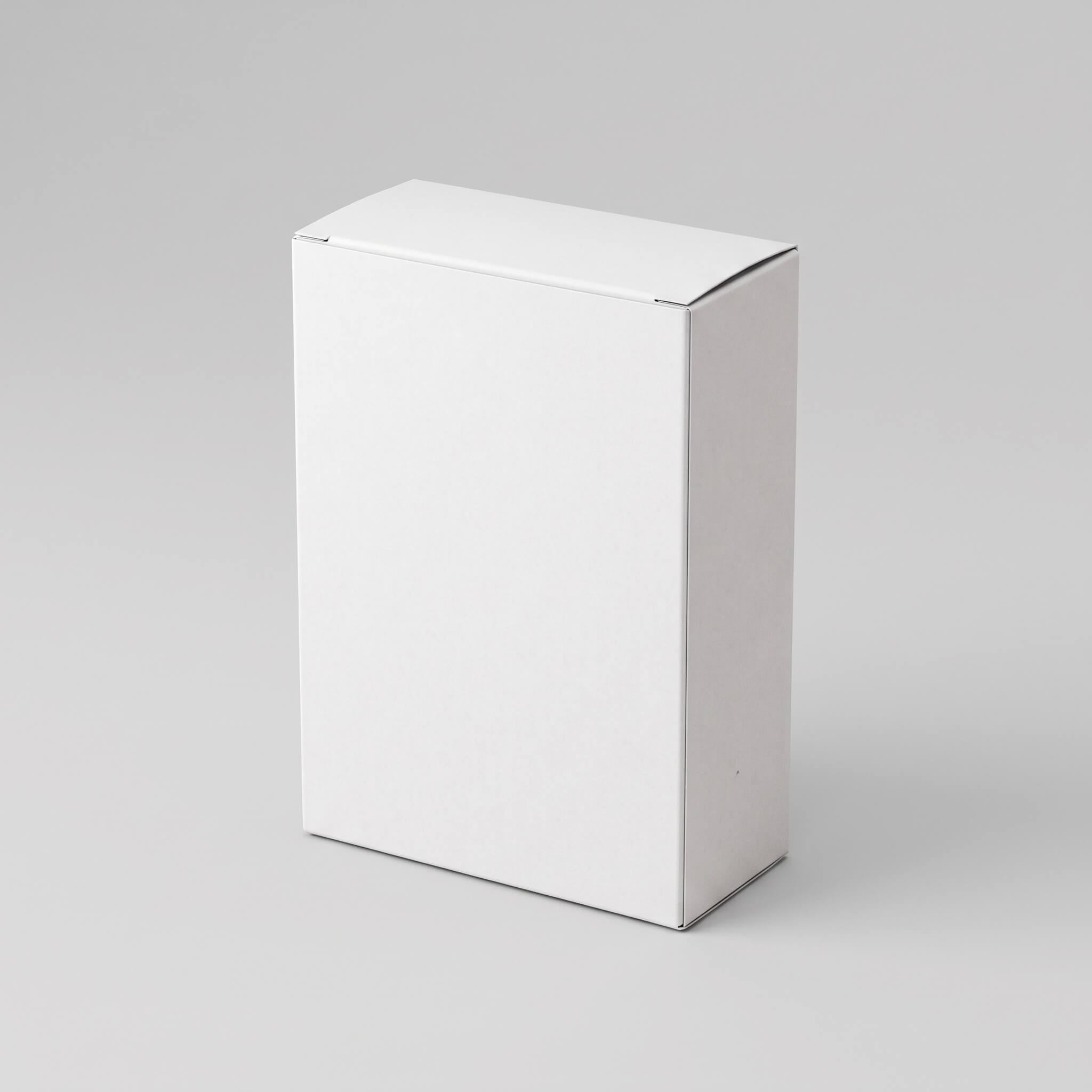
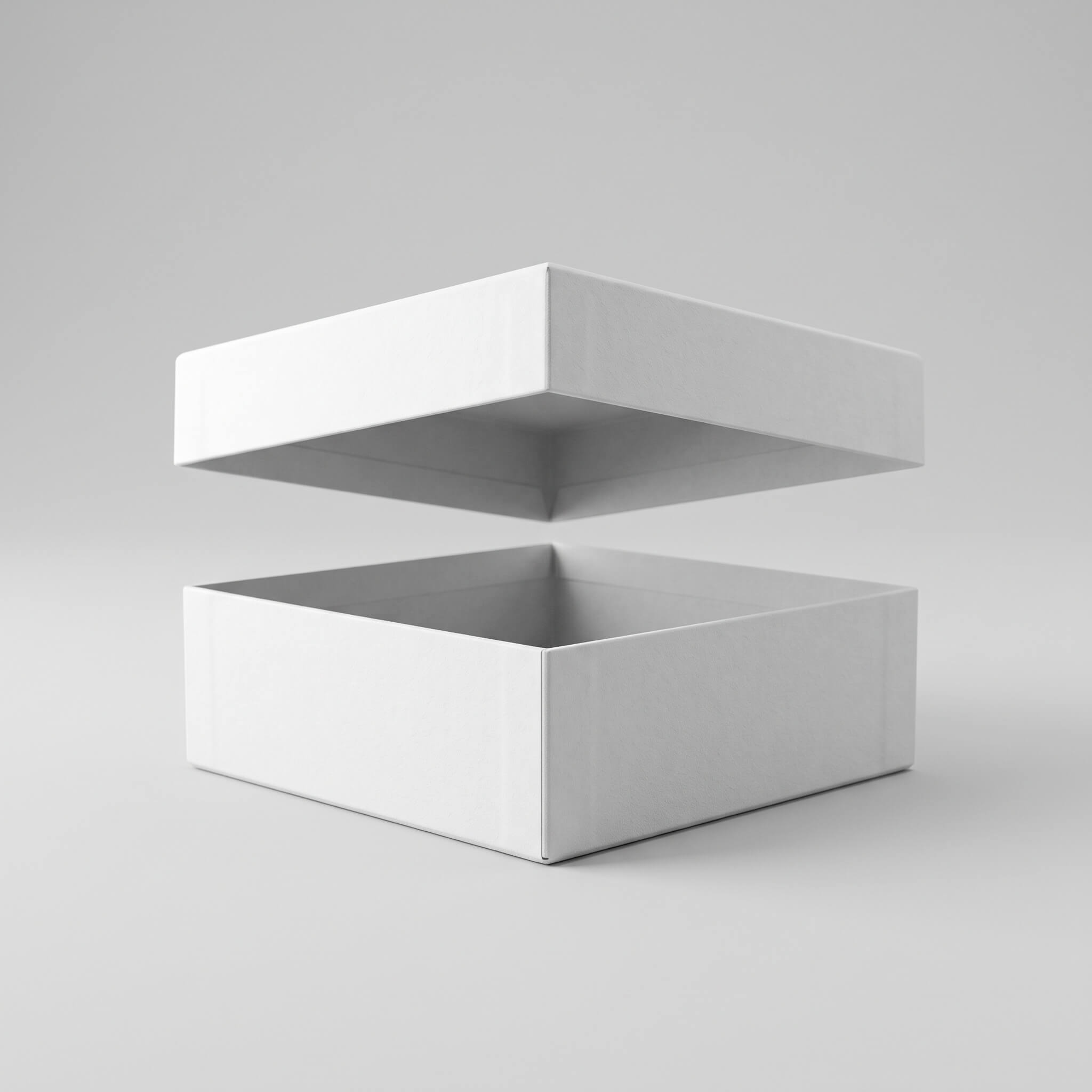
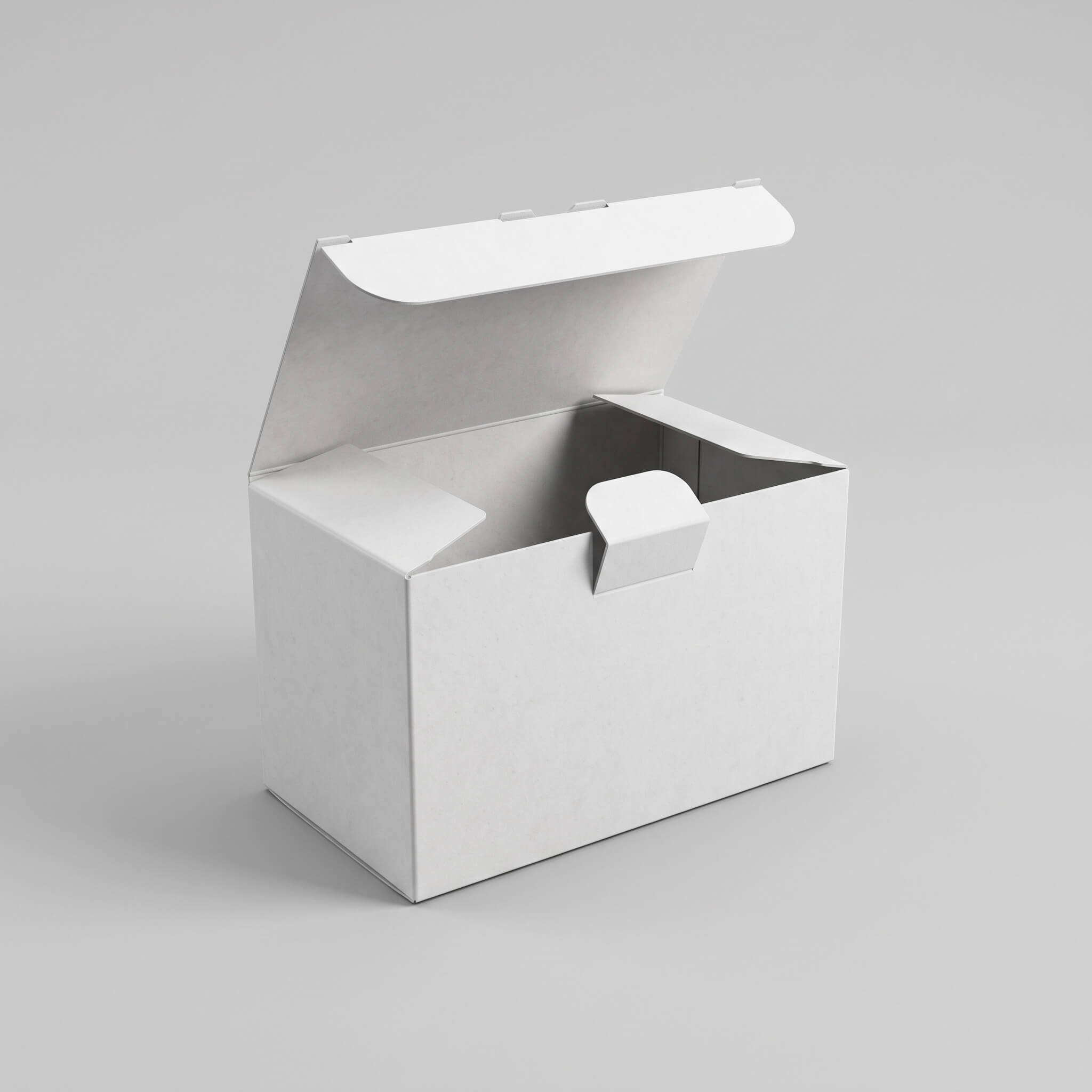
Choose Your Box Style
Click the box style that best matches your product. If you're unsure, select Custom / Other and we'll help you choose.
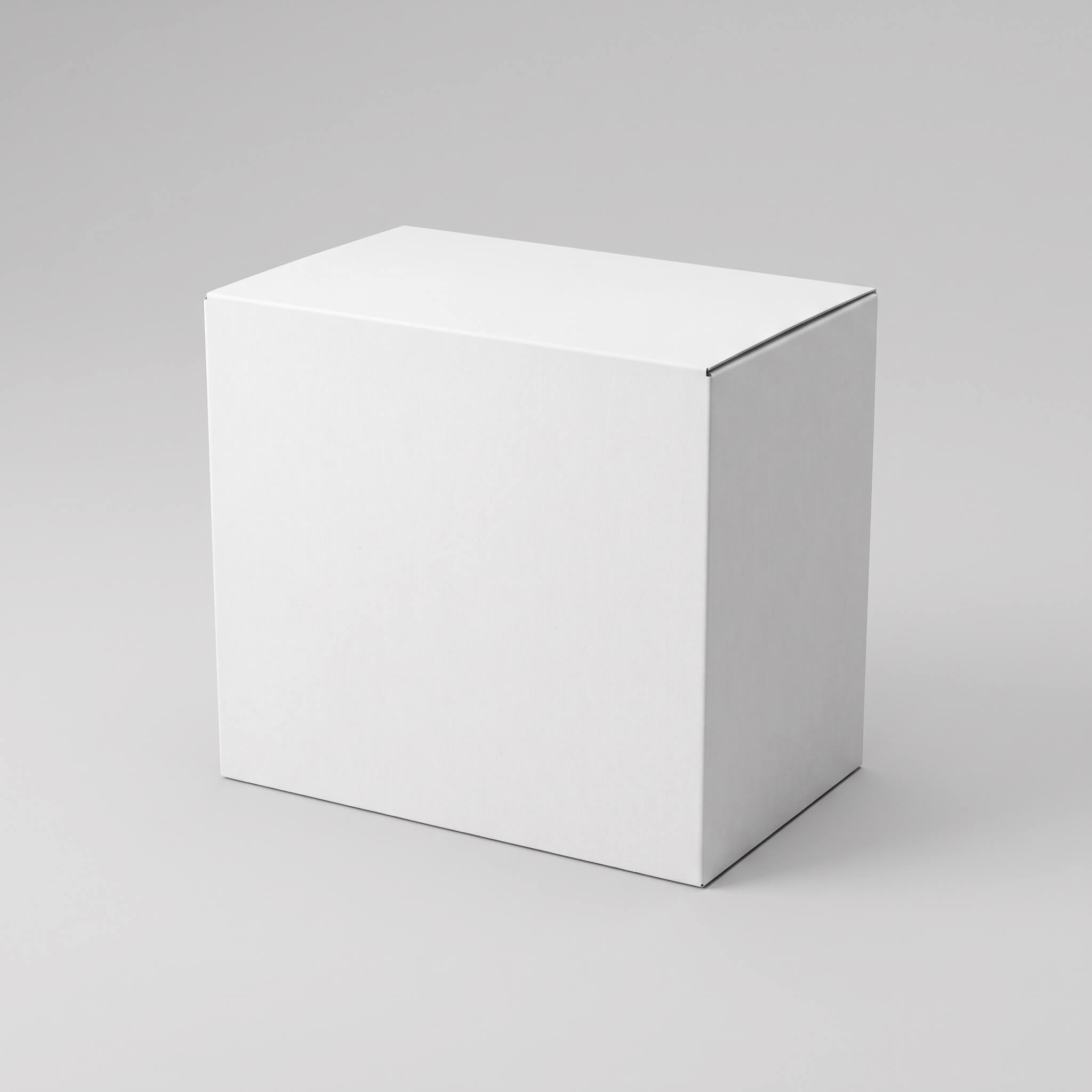
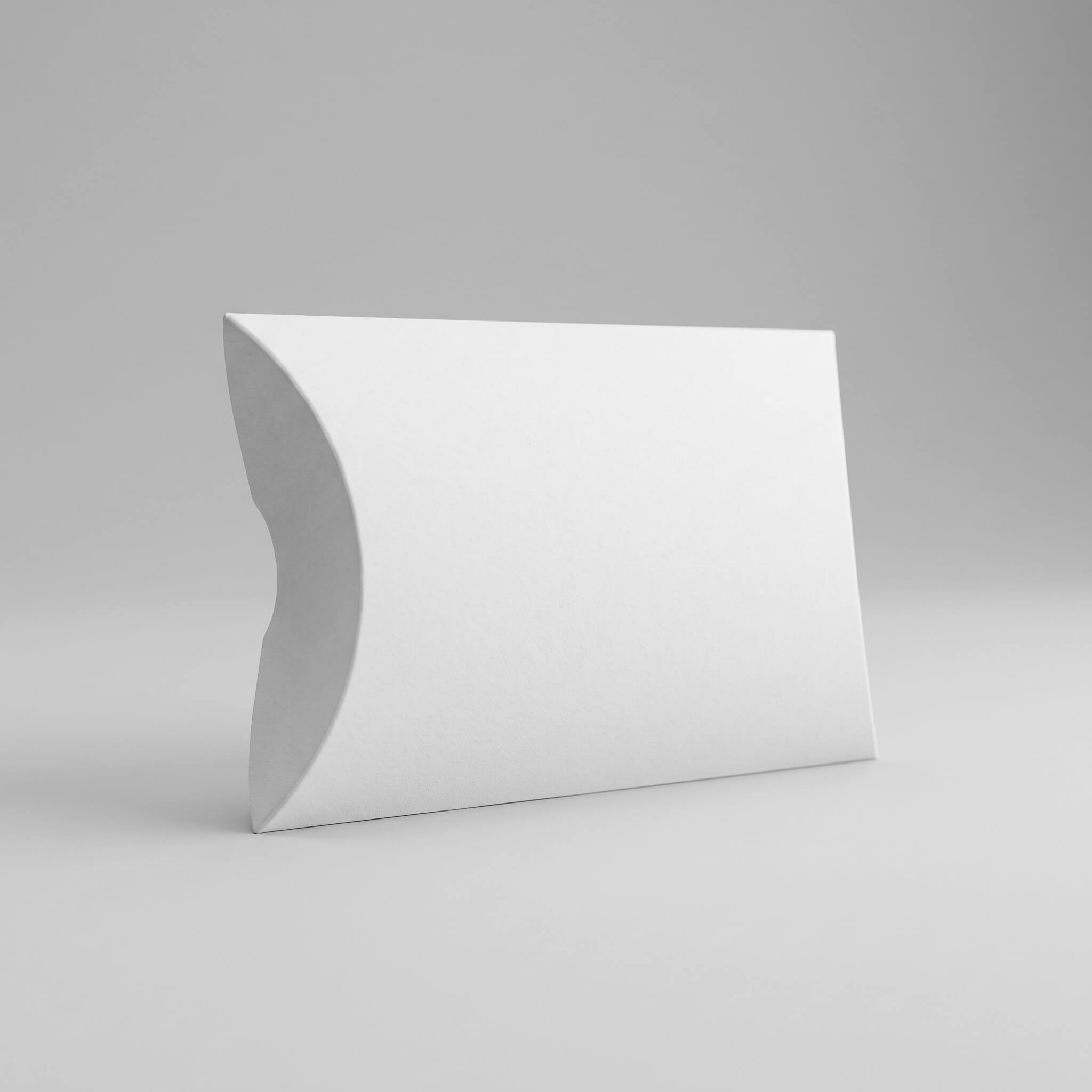
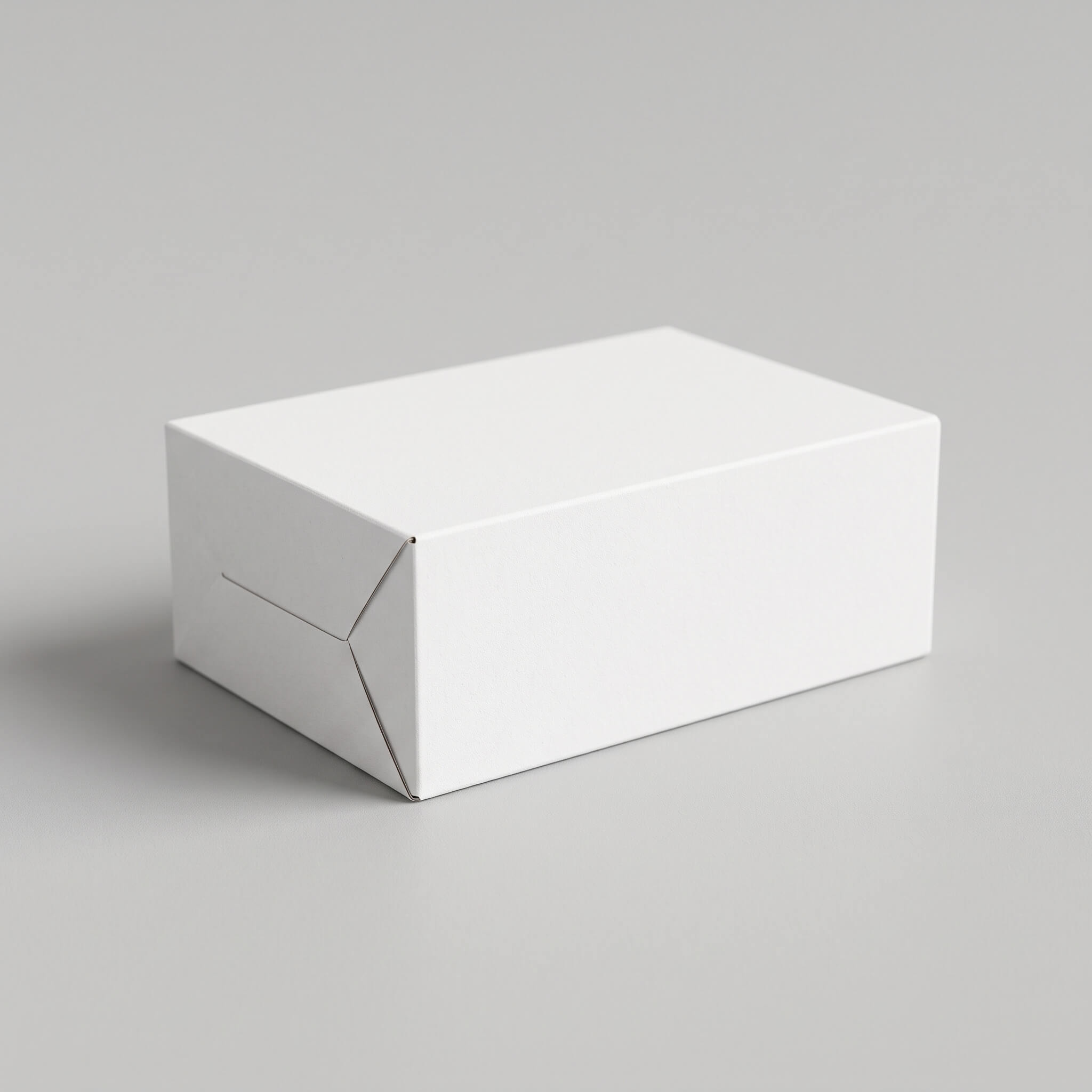

Get Fast Pricing
Tell us about your product, dimensions, quantity and packaging requirements. We'll use these details to prepare your custom quote.
Learn More About Corrugated Display Boxes
Custom Corrugated Display Boxes for Retail Product Presentation
Retail packaging has two important jobs: it needs to hold products in an organized way and present them where customers can see and access them. Corrugated display boxes bring these functions together by creating a dedicated space for products on retail counters, shelves, checkout areas, and promotional displays. Instead of placing individual products loosely across a merchandising area, businesses can arrange multiple units in a branded structure that gives the product range a more consistent appearance.
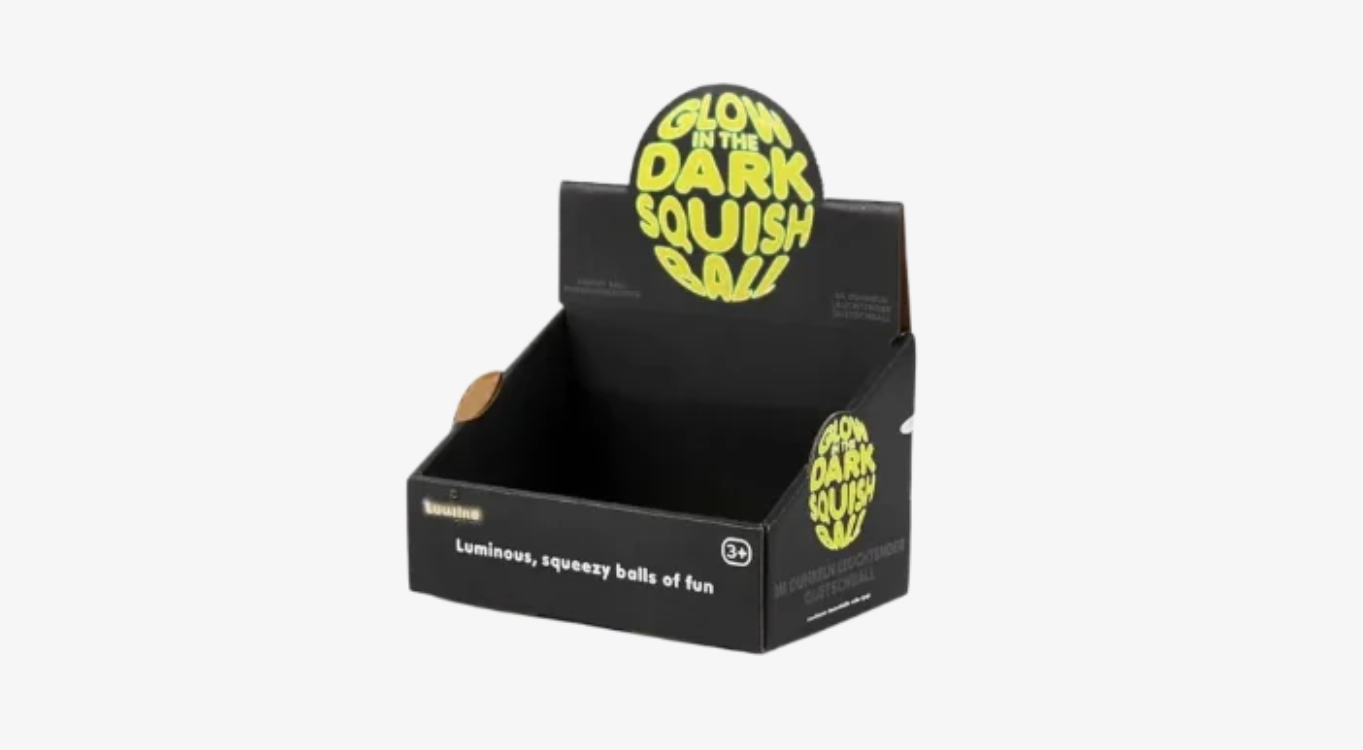
Custom corrugated display boxes can be developed around the dimensions, weight, quantity, and arrangement of the products being presented. Their design may include an open front, raised back panel, divided compartments, custom-cut openings, or a tray-style base. These structural details help determine how products sit inside the display and how shoppers interact with them.
At Bluebird Packaging, display packaging can be planned around your brand artwork, product dimensions, retail placement, and intended use. From compact countertop units to larger shelf-ready structures, the right configuration depends on the products being displayed and the conditions in which the packaging will be used.
What Are Corrugated Display Boxes?
Corrugated display boxes are packaging structures made from corrugated board and designed to present products in retail or promotional environments. Unlike a conventional closed shipping carton, a display box usually has an accessible front or an open-top arrangement that allows shoppers to view and pick up products without removing the entire package.
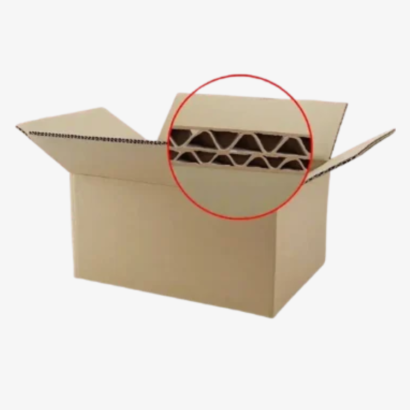
The material consists of flat liner layers with a fluted paper medium between them. This construction gives corrugated board a different structure from ordinary flat paperboard. The selected board grade, flute profile, dimensions, and box design influence how the finished display performs.
These displays can be used for individual product ranges, promotional bundles, seasonal merchandise, and products that need a dedicated retail presentation area. Their format is not limited to one industry. A suitable design can be developed for candles, packaged foods, cosmetics, accessories, stationery, small household goods, and other retail products.
A display structure should be designed for its actual purpose. A lightweight counter tray for small products has different requirements from a large floor-standing display holding several rows of heavier merchandise. Product weight, loading pattern, retail location, replenishment frequency, and expected display duration should all be considered before selecting the final construction.
Why Businesses Use Corrugated Display Packaging
The value of a display box is not simply its ability to hold products. It creates a defined merchandising area and gives a brand another surface for communicating with shoppers.
More Organized Product Presentation
Products placed individually on a counter or shelf can appear inconsistent, especially when several sizes, flavors, colors, or variations are sold together. A purpose-designed display keeps the range grouped in one location.
Compartments, dividers, and product-specific openings can help maintain the intended arrangement. This is particularly useful when a retailer needs to display multiple product variations without mixing them together.
Improved Product Visibility
An open-front or stepped display can make products easier to see than merchandise placed inside a closed carton. The front panel can be lowered or shaped to expose more of the product, while a rear panel can provide space for branding and promotional messaging.
The exact opening should be planned around the product height and the way customers will reach for it. A display that hides too much of the merchandise may reduce its usefulness, while an excessively low front may provide insufficient support.
Additional Branding Space
A corrugated display gives businesses an opportunity to use packaging surfaces for logos, product names, brand colors, short messages, and promotional graphics.
The front panel, sides, back panel, and visible tray area can each serve a different purpose. For example, the front may carry the product name, the rear panel may communicate a campaign message, and the side panels may show brand graphics.
Easier Retail Restocking
When products are arranged in a dedicated display, store staff can often identify where the merchandise belongs and replenish it more consistently. The design should allow products to be added without requiring the entire display to be dismantled.
The number of units, product orientation, and access opening should be considered during the design stage. A display that looks attractive but is difficult to restock may create unnecessary work for retail staff.
Flexible Promotional Applications
Brands can use custom displays for seasonal campaigns, new product introductions, limited-time offers, and in-store promotions. The artwork and message can be adapted to the campaign while the structure is developed around the product range.
For businesses that also need protective outer packaging for distribution, display units can be planned alongside suitable corrugated packaging for shipping and storage. The display and the shipping carton serve different functions, so each should be specified for its own requirements.
Different Styles of Corrugated Display Boxes
The display format should match the retail position, available space, product quantity, and shopper interaction. Some products need a compact tray, while others require a taller structure that can be placed on a floor or a larger retail fixture.
1. Corrugated Counter Display Boxes
Counter displays are compact units designed for checkout counters, service desks, reception areas, and other smaller retail surfaces. They are often used for products that customers can pick up easily, including small accessories, packaged snacks, promotional items, and personal-care products.
A counter display may feature a low front wall, a raised rear panel, and side supports that keep the products arranged. The dimensions should be selected according to the available counter space and the number of units the retailer wants to keep on display.
For checkout areas, the footprint matters. A display that is too wide may interfere with other merchandise or the checkout process. A well-planned layout balances product capacity with the space available.
2. Corrugated Shelf Display Boxes
Shelf displays are designed to fit into retail shelving systems. Their width, depth, and height should be planned around the shelf dimensions and the products being stocked.
A shelf display may include a front-facing panel, product dividers, or a stepped arrangement. The design can also help distinguish different product variants within a single retail space.
Before finalizing a shelf display, measure the available shelf area and account for neighboring products, shelf lips, and any height restrictions imposed by the retailer.
3. Corrugated Floor Display Boxes
Floor displays are larger structures intended to stand independently on a retail floor or within a promotional area. They can hold several product rows and provide a larger surface for branding and campaign graphics.
A floor-standing design needs careful structural planning. The base, side panels, shelves, and load distribution all influence stability. The number of products placed on each level should be considered rather than relying on the overall size of the display alone.
If the display will be moved after assembly or loaded with heavier merchandise, these conditions should be included in the original design brief.
4. Corrugated Display Trays
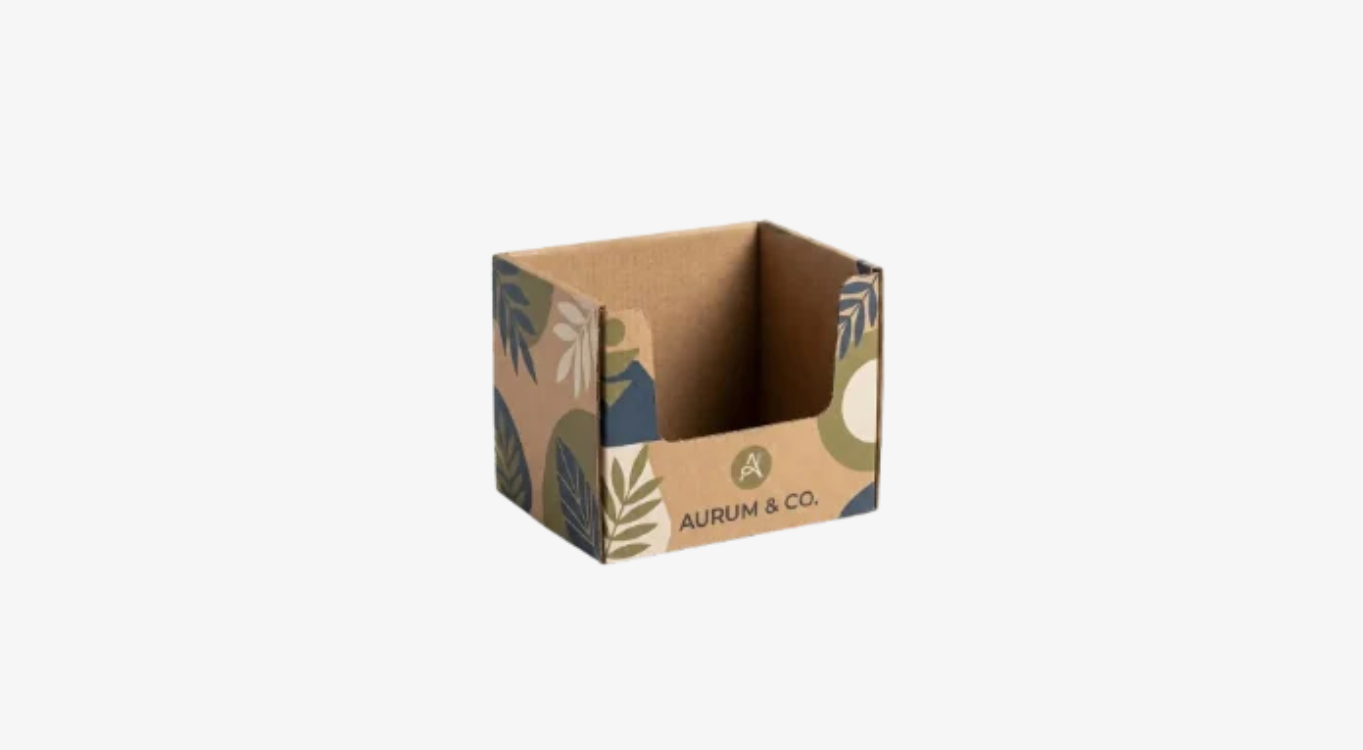
Display trays are open structures that keep products grouped while allowing customers to see and access them. They may be placed directly on a counter, shelf, or inside a larger retail fixture.
A tray can be designed with a shallow front, raised sides, or a rear branding panel. It is useful for products that are already packaged individually and do not require a separate closed retail carton inside the display.
The tray dimensions should reflect the number of units and the way those units will be arranged. Product movement, visibility, and ease of replenishment are important considerations.
5. Shelf-Ready Display Packaging
Shelf-ready packaging is developed to support the transition from distribution packaging to retail presentation. Depending on the design, an outer case may be opened or converted so that the products can be placed on a shelf with less rearrangement.
This format can be useful for retailers that receive products in grouped quantities and want a more organized stocking process. The opening method, perforations, tear-away sections, and final display shape should be planned together.
Not every shipping carton is automatically suitable for shelf display. The structure needs to be designed around both transit handling and the final retail presentation.
6. Custom Die-Cut Corrugated Displays
Die-cut displays use shaped components and cut openings to create a structure suited to a particular product or merchandising requirement. The design may include shaped front panels, locking tabs, product slots, handles, or specially formed compartments.
Die-cutting is useful when a standard rectangular tray does not provide the right presentation. However, every cut and fold can affect the structure, so the artwork and dieline should be reviewed together before production.
Choosing the Right Corrugated Board
The board selected for a display influences its thickness, appearance, handling, and structural performance. The right choice depends on the display size, product load, retail environment, and printing requirements.
Corrugated Flute Profiles
Corrugated board uses a fluted paper layer between flat liner sheets. Different flute profiles provide different thicknesses and structural characteristics.
- E-flute: A relatively fine profile that can be considered when a smoother printed surface and compact construction are important.
- B-flute: A common option for applications where a balance of thickness and structural support is required.
- C-flute: A thicker profile often considered for applications that require additional cushioning or board thickness.
- Double-wall board: Combines two fluted layers with additional liners and may be considered for larger or more demanding display structures.
These are general material descriptions, not a guarantee that a particular flute will support a specific load. Final board selection should be based on the display dimensions, product weight, construction, and any testing required for the intended use.
Kraft and White Liner Options
The outer liner affects the visual appearance of the display and the surface available for printing.
Natural kraft provides a brown paper appearance that can support a simple, understated design. White liners provide a lighter background that may be more suitable for colorful graphics and stronger contrast.
The choice should be made alongside the artwork. For example, a design with large areas of bright color may require a different print approach from a minimalist design using a natural kraft background.
Single-Wall and Double-Wall Construction
Single-wall corrugated board has one fluted layer between two liners. It may be suitable for many compact display applications, depending on product weight and structure.
Double-wall board includes two fluted layers and three liner layers. It can be considered for larger displays or designs with more demanding load requirements.
A thicker board is not automatically the best choice. Excessive material can increase weight and affect folding or assembly. The objective is to select a construction that suits the actual display requirements.
For a broader understanding of paper-based packaging options, businesses can compare the characteristics of corrugated board and other cardboard packaging materials.
Custom Sizes and Display Dimensions
Display packaging should be measured around the products it will hold and the retail space where it will be placed. A standard size may not provide the right fit for every product range.
Start by measuring the product’s length, width, and height. If several products will be displayed together, determine the quantity per row, number of rows, and orientation of each unit.
Then consider the external display dimensions. The finished footprint needs to fit the counter, shelf, or floor area without obstructing nearby products or customer access.
Important Measurements to Confirm
- Internal tray length and width
- Front panel height
- Rear panel height
- Overall display height
- Side wall dimensions
- Product clearance and spacing
- Number of product rows
- Available retail shelf or counter area
Measurements should account for the actual packaged product, not just the product inside its individual packaging. If products have irregular shapes or are supplied in different sizes, provide representative samples or accurate dimensions before the structural design is approved.
A display should also leave enough room for customers to remove products comfortably. If units are packed too tightly, shoppers may struggle to pick them up. If the compartments are too loose, products may shift or appear untidy.
Custom Printing for Corrugated Display Boxes
Printing turns a functional display into a branded retail presentation. The design can communicate product identity, highlight a campaign, and help shoppers recognize the merchandise.
Full-Color Branding
Full-color artwork can be used to reproduce brand colors, product imagery, promotional graphics, and other visual elements. The best print approach depends on the board surface, artwork complexity, quantity, and production requirements.
For a consistent result, prepare print-ready artwork using the correct dieline and confirm the position of important design elements before production.
Logo and Brand Identity
A logo should remain visible from the direction customers are most likely to approach. The front and rear panels often provide useful branding areas, while side panels can reinforce recognition from different viewing angles.
Avoid placing essential text too close to fold lines, cut edges, or areas that may be hidden by the products.
Product Information and Promotional Messages
Display graphics may include product names, short descriptions, variant information, campaign messages, or QR codes. The amount of information should be appropriate for the display’s viewing distance and available space.
A retail display is not always the right place for every detail that appears on an individual product package. Prioritize the information that helps shoppers recognize the product and understand the offer.
Where product labeling is required, the responsible brand or regulatory team should confirm the final wording and placement for the relevant market.
Artwork and Dieline Preparation
The dieline shows where the board will be cut, folded, and assembled. Artwork should be aligned with this structure so that important graphics appear on the intended panels.
Before approving production artwork, check:
- Logo size and placement
- Text readability
- Brand color consistency
- Panel orientation
- Fold and cut positions
- Bleed and safe areas
- Barcode or QR-code placement, where applicable
A physical or digital mockup can help identify layout problems before the final production run.
Finishing Options for a More Refined Display
Finishing options can change the visual character of a corrugated display. The appropriate finish depends on the printed surface, the intended retail environment, and the overall artwork.
Matte Finish
A matte appearance can create a softer, less reflective look. It may be suitable for designs that use subtle colors, clean typography, or a restrained brand style.
Gloss Finish
A gloss finish creates a more reflective surface and can make printed graphics appear brighter. Its suitability depends on the print process and the type of board or coating selected.
Spot UV
Spot UV applies a localized glossy effect to selected areas of the design. It can be used to emphasize a logo or graphic element where the chosen board and finishing process support it.
Foil Details
Foil can introduce a metallic visual element to selected parts of the display. It is a design-dependent option and should be reviewed against the board construction and production method.
Not every finish is appropriate for every corrugated structure. The final combination should be confirmed during the packaging specification and artwork review.
Product Inserts, Dividers, and Compartments
Some displays need more than an open tray. Inserts and dividers can help separate product varieties, maintain a planned arrangement, or provide dedicated positions for individual units.
For example, a display holding several candle scents may use compartments to keep each variant grouped. A display for small packaged accessories may use dividers to prevent different products from mixing together.
The design should reflect the actual packaged dimensions and the way the products will be loaded. Dividers that are too tight can make restocking difficult, while oversized compartments may not keep the product arrangement consistent.
Businesses can also consider purpose-designed packaging inserts and internal dividers when a display requires additional organization.
Corrugated Display Boxes for Different Industries
The display structure should reflect the products being presented, their packaging, and the retail setting. The same design may not work equally well across every industry.
Food and Snack Products
Display trays can be used for individually packaged snacks, confectionery, and other retail-ready products. The number of units, packaging dimensions, and display location should determine the tray layout.
Any food-contact or hygiene-related requirements must be assessed separately. A corrugated display should not be assumed to be suitable for direct food contact unless the material and construction have been specifically confirmed for that purpose.
Cosmetics and Personal Care
Cosmetic products often come in different shapes and package sizes. A display can be designed to group products by type, shade, range, or promotional bundle.
The design may use a printed back panel to communicate the brand identity, while the lower tray keeps individual products arranged. The display should be sized around the finished retail packages.
Candle and Home Fragrance Products
Candle brands may use displays to present different fragrances, sizes, or collections in a retail environment. A structured tray can help group the range, while dividers may be considered when individual packages need separation.
For brands that also need individual protective packaging, custom shipping boxes for candle products can serve a different role from the retail display itself.
Health, Wellness, and Supplement Products
Supplement brands may use displays for packaged bottles, cartons, sachets, and promotional bundles. The display should be designed around the dimensions and weight of the individual retail packs.
Product names and approved brand information can be included in the artwork. Any health-related, dosage, or regulatory statements should be supplied and approved by the responsible product team rather than added without verification.
Stationery and Small Accessories
Small stationery items, accessories, and promotional merchandise can be arranged in open trays or divided display structures. Product slots and compartments may help shoppers compare different options without disturbing the full arrangement.
Display Packaging Versus Regular Shipping Boxes
Corrugated display boxes and shipping cartons may use similar board materials, but their intended purposes are different.
A shipping carton is generally designed to enclose products for handling, storage, and distribution. It usually has closing flaps and a structure intended for the transit process.
A display box is designed to present products in a retail environment. It may have an open front, visible product rows, a branding panel, or a tray-style arrangement.
Some projects require both functions. In that case, the display may be packed inside a separate outer carton for distribution, or a retail-ready structure may be developed to transition from shipping to shelf presentation.
For e-commerce orders, a dedicated mailer-style shipping box may be more suitable than an open display structure. The correct choice depends on whether the packaging is intended for transportation, retail presentation, or both.
How to Choose the Right Display Structure
Choosing a display is easier when the project requirements are clear before the design begins. Instead of starting with artwork alone, define how the display will be used.
Identify the Retail Placement
Confirm whether the display will sit on a checkout counter, standard shelf, promotional table, or retail floor. Each placement has different space and visibility requirements.
Confirm the Product Quantity
Determine how many units the display should hold when fully loaded. Include the number of rows and the orientation of the products.
Assess Product Weight
The combined weight of all products is important. A display holding many small, lightweight items has different structural needs from one holding heavier packaged goods.
Select the Opening Style
Choose whether shoppers should access products from the front, top, or individual compartments. The opening should make products easy to reach while keeping the display organized.
Plan the Branding Surface
Decide which panels should carry the logo, product name, promotional message, and other graphics. Make sure the most important information remains visible when the display is filled.
Consider Replenishment
Retail staff should be able to restock the display without unnecessary effort. The opening, product arrangement, and internal layout should support the intended replenishment process.
Review Distribution Requirements
If the display will travel with products already loaded, its transit conditions must be considered. A separate outer shipping carton, protective inserts, or additional structural support may be required.
How Custom Corrugated Display Boxes Are Developed
A custom display project usually moves through several planning and production stages. The exact workflow depends on the design, material, order quantity, and finishing requirements.
1. Product and Retail Requirements
The first step is to define the products being displayed, their packaged dimensions, the required quantity, and the intended retail location.
Information about shelf space, product weight, loading method, and expected display use helps establish the structural requirements.
2. Structure and Dieline Planning
The display shape is developed around the available space and product arrangement. This may include the tray, front panel, side walls, rear panel, dividers, and locking features.
A dieline is then prepared to show the cut and fold positions. This provides a framework for aligning the artwork with the physical structure.
3. Material Selection
The board construction is selected based on the display dimensions, product load, handling conditions, and printing needs.
If the display is large or holds multiple rows of products, the board and support structure should be reviewed for the intended load rather than selected on appearance alone.
4. Artwork Development
Brand graphics are arranged on the dieline. The artwork may include logos, product images, brand colors, promotional messages, and other approved information.
The design should account for fold lines, cutouts, product visibility, and the final assembled appearance.
5. Sample and Design Review
A sample or prototype can help assess dimensions, product fit, assembly, and display appearance. This stage is useful for identifying issues before approving a production run.
Where practical, test the display with the actual packaged products rather than relying only on a digital mockup.
6. Production and Quality Checks
After the specifications and artwork are approved, production can proceed according to the agreed requirements. Checks may cover dimensions, print appearance, cutting, folding, and assembly.
The checks should reflect the agreed project specification and the intended use of the finished display.
7. Packing and Delivery Planning
The final step is to determine how the displays will be packed and delivered. Flat-packed structures may be suitable for some designs, while other projects may require a different packing arrangement.
If displays are shipped with products already loaded, the outer packaging and transit handling should be considered as part of the project.
How to Prepare a Corrugated Display Box Order
Providing accurate project details helps reduce unnecessary revisions and makes it easier to evaluate the right structure.
Before requesting a quotation, prepare the following information:
- Product name and type
- Individual packaged product dimensions
- Product weight
- Number of products per display
- Required display quantity
- Preferred display location
- Approximate finished dimensions
- Board or material preference, if known
- Printing requirements and artwork
- Finishing preferences
- Whether the display will ship empty or pre-filled
- Delivery destination and required schedule
You do not need to finalize every technical detail before starting a project. If you have product measurements, reference photographs, or a rough sketch, these can help explain the intended design.
Businesses planning several packaging formats can also review the wider custom shipping box collection when coordinating retail displays with their distribution packaging.
What Influences the Cost of Corrugated Display Boxes?
The cost of a custom display depends on the specifications and production requirements. There is no single price that applies to every display because a compact counter tray and a large floor unit use different amounts of material and require different construction methods.
Important cost factors include:
Display dimensions: Larger structures generally require more board and may need additional support components.
Board construction: Flute profile, wall construction, liner type, and board specification influence material requirements.
Design complexity: Custom shapes, multiple compartments, locking features, and special cutouts can affect production requirements.
Printing: The number of printed panels, artwork complexity, print method, and color requirements can influence the overall quotation.
Finishing: Additional coatings or decorative effects may change the production cost.
Order quantity: The quantity requested can affect setup costs and unit pricing. The most suitable quantity should be evaluated against the brand’s campaign and inventory requirements.
Packing and delivery: Flat-packed or assembled delivery, protective outer cartons, and shipping destination may affect the final project cost.
For an accurate estimate, share your product dimensions, display requirements, quantity, and artwork with the packaging team through the custom packaging quotation form.
Why Plan Your Display Packaging Around Your Brand?
A display is part of the retail experience. Its shape, color, product arrangement, and printed message all contribute to how the merchandise is presented.
A well-planned design can help a product range look consistent across different retail locations. It can also make promotional products easier to identify and give shoppers a clear view of the available options.
The best display is not necessarily the largest or most elaborate one. It is the structure that fits the available retail space, supports the intended product load, makes products accessible, and communicates the brand clearly.
Bluebird Packaging works with businesses looking for packaging developed around their product and presentation requirements. Whether you need a small countertop tray or a larger retail display, the design should begin with accurate measurements and a clear understanding of how the finished structure will be used.
Develop Custom Corrugated Display Boxes for Your Products
Give your products a dedicated place in the retail environment with a display structure planned around your merchandise, branding, and available space. Choose the dimensions, board construction, opening style, and printed design that suit your requirements.
Share your product measurements, quantity, and preferred display format to begin planning your packaging. If you need help reviewing the available options, the Bluebird Packaging team can discuss your display requirements and packaging project.
Frequently Asked Questions About Corrugated Display Boxes
1. What are corrugated display boxes used for?
Corrugated display boxes are used to organize and present products on retail counters, shelves, promotional tables, and floor displays. They can hold multiple packaged products while providing visible space for branding and product information.
2. Can corrugated display boxes be custom printed?
Yes. Custom displays can be designed with brand logos, colors, product images, promotional messages, and other approved graphics. The available print options depend on the selected board and production specifications.
3. Are corrugated display boxes suitable for retail counters?
Yes. Countertop display formats are commonly designed for smaller retail spaces, checkout areas, and service counters. Their dimensions and product capacity should be planned around the available surface and the merchandise being displayed.
4. How do I choose the right size for a corrugated display box?
Measure the packaged products and determine how many units the display should hold. Then consider the available shelf or counter space, product arrangement, front opening, and overall height before finalizing the dimensions.
Related Products
-
Custom Printed Shipping Boxes
Turn every delivery into a branding opportunity with Custom Printed Shipping Boxes featuring personalized artwork, logos, and vibrant designs. Made…New! -
Cardboard Shipping Boxes
Custom Cardboard Shipping Boxes offer versatile packaging for ecommerce orders, retail products, and everyday business deliveries. Made to Order Product…New! -
Heavy Duty Shipping Boxes
Move heavier products confidently with Custom Heavy Duty Shipping Boxes featuring sturdy construction, reinforced walls, and product-specific dimensions. Made to…New! -
Corrugated Shipping Boxes
Custom Corrugated Shipping Boxes provide practical protection for business shipments, storage, and distribution with tailored sizes and board strengths. Made…New!
Payments VISA AMERICAN
EXPRESS PayPal
Frequently Asked Questions
A regular carton usually encloses products for storage or transportation, while a display box is designed to present products and make them accessible to shoppers.
Yes. They can be designed with trays, rows, and compartments to arrange multiple products. The structure should be specified according to the combined product weight and quantity.
Both formats can be developed. The choice depends on retail placement, available space, product quantity, and the required display dimensions.
Yes. Dividers and internal compartments can be incorporated to separate product variations and maintain an organized arrangement.
Some display structures can be designed for flat packing to reduce storage and transportation space. The feasibility depends on the structure and assembly method.
Yes. You can provide your existing brand artwork for placement on the display. The design should be adjusted to the final dieline and approved before production.
Provide product dimensions, weight, display quantity, preferred style, printing requirements, order quantity, and delivery details. Reference images or a sample can also help explain the design.
Some retail-ready structures can be designed with distribution requirements in mind, but an open display is not automatically suitable for shipping. A separate outer carton or protective shipping arrangement may be necessary.
Board construction, flute profile, dimensions, structural design, product weight, and load distribution all influence performance. The finished design should be assessed for its intended use.
Yes. Display artwork and dimensions can be planned for seasonal campaigns, product launches, limited-time offers, and promotional merchandise.