

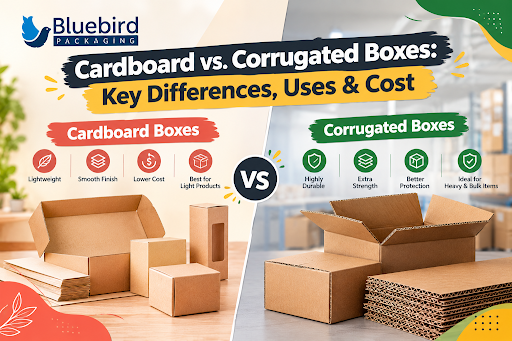
Choosing the right box affects product protection, shipping expenses, packaging appearance, and the customer experience. Although people often use the terms interchangeably, cardboard and corrugated boxes are not always made from the same type of material. Understanding their construction helps businesses choose packaging that matches their products and distribution needs.
Cardboard vs. corrugated boxes comes down to construction and intended use. Paperboard cartons are generally suited to lightweight retail packaging and product presentation, while corrugated boxes use a fluted inner layer to provide additional structural strength and cushioning for shipping. The best option depends on product weight, fragility, handling conditions, branding requirements, and total packaging cost.
This guide compares both options, explains their advantages and limitations, and shows how to choose the right packaging for your business.
Quick Answer: What Is the Difference Between Cardboard and Corrugated Boxes?
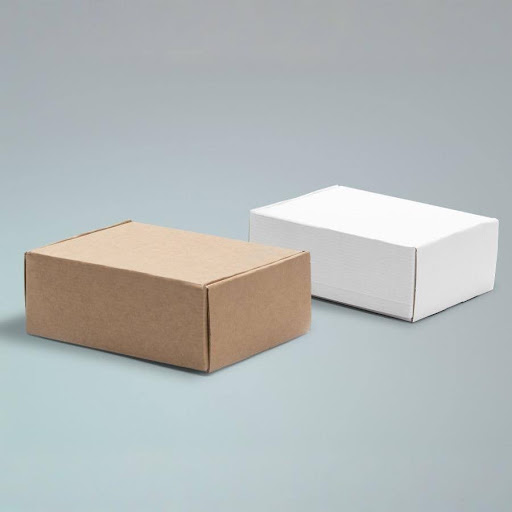
Cardboard is a broad everyday term for thick paper-based material. In retail packaging, people often use it to mean paperboard, which is a relatively flat, solid sheet of paper-based board. Corrugated boxes are made from corrugated fiberboard, which combines flat linerboards with a wavy layer called fluting.
That fluted structure improves stiffness and cushioning, making corrugated boxes a common choice for shipping, storage, and product protection. Paperboard cartons are often better suited to lightweight products that need attractive graphics and shelf presentation.
- Choose paperboard cartons for lightweight retail products, cosmetics, and packaging where print quality and presentation are priorities.
- Choose corrugated boxes for e-commerce orders, shipping cartons, heavier products, and items that need additional protection during handling.
- Consider both together when a product needs a printed retail carton inside a protective shipping box.
One important distinction: “cardboard” is not a precise technical specification. Before ordering, confirm whether you need folding carton paperboard, chipboard, or corrugated fiberboard.
What Is a Cardboard Box?

A cardboard box is commonly understood as a box made from thick paper-based material. In many consumer and retail applications, the material is paperboard: a relatively smooth, solid sheet that can be cut, creased, folded, and printed.
Paperboard is widely used when packaging needs to look attractive without requiring the structure of a heavy-duty shipping carton. Common examples include cereal boxes, cosmetic cartons, small consumer-product packaging, and lightweight retail boxes.
Key characteristics of cardboard and paperboard boxes
- Smooth printing surface: Suitable grades can support detailed graphics, brand colors, product information, and decorative finishes.
- Lightweight construction: Often practical for small products and retail cartons.
- Efficient storage: Many folding cartons can be shipped flat and assembled when needed.
- Flexible design: Available in different carton styles, sizes, and die-cut shapes.
- Lower material use for some applications: A lightweight carton may require less material than a protective shipping box, depending on its design.
Common uses of cardboard boxes
Paperboard cartons work well for products such as:
- Cosmetics and skincare items.
- Cereal, dry foods, and certain packaged goods.
- Small accessories and consumer products.
- Lightweight gift packaging.
- Product cartons displayed on retail shelves.
Explore custom cardboard boxes for product packaging options, or read more about cardboard packaging.
Limitations of cardboard boxes
A conventional folding carton is not designed to provide the same cushioning and compression resistance as a suitably specified corrugated shipping box. It may bend or crush under loads it was not designed to withstand.
Paperboard can also lose strength when exposed to moisture. For products shipped through parcel networks, a lightweight retail carton may need an additional outer box and internal protection.
The key is to select the correct board grade and package structure rather than assuming that every product carton can double as a shipping container.
What Is a Corrugated Box?
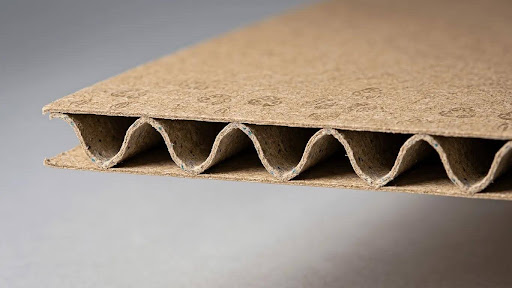
A corrugated box is manufactured from corrugated fiberboard. Its structure typically includes two flat linerboards with a wavy paper layer, called the fluted medium, between them. This construction adds stiffness and helps the box resist crushing and absorb some impact.
Corrugated boxes are widely used for e-commerce fulfillment, distribution, storage, and shipping because they can be designed for different product sizes, weights, and handling requirements.
How corrugated boxes are constructed
A standard single-wall corrugated board consists of:
- Outer linerboard: Forms the exterior surface and provides a surface for printing or labeling.
- Fluted medium: The wavy paper layer that helps increase stiffness and cushioning.
- Inner linerboard: Forms the inside surface and completes the basic board structure.
Additional layers can be used to manufacture double-wall or triple-wall corrugated board when greater structural performance is required.
Key characteristics of corrugated boxes
- Structural support: The fluted construction helps the box maintain its shape under appropriate loads.
- Cushioning: The fluted medium can help reduce the effects of some impacts.
- Stacking performance: Properly specified corrugated boxes can support warehouse and transport stacking.
- Customization: Box dimensions, wall construction, inserts, dividers, and printing can be tailored to the product.
- Shipping versatility: Available in many styles for parcel delivery, bulk shipments, and distribution.
Common uses of corrugated boxes
Corrugated packaging is often used for:
- E-commerce orders and subscription shipments.
- Electronics and small appliances.
- Multi-item product shipments.
- Retail replenishment and warehouse distribution.
- Fragile products requiring internal supports.
- Food distribution and produce transportation, when the selected construction is suitable.
Explore custom corrugated boxes or learn more about corrugated packaging.
Limitations of corrugated boxes
Corrugated boxes usually require more material and processing than simple folding cartons. Their cost depends on board grade, wall construction, dimensions, order quantity, printing, and other specifications.
Corrugated fiberboard is also sensitive to moisture. Prolonged exposure to damp conditions can weaken it, and not every corrugated box provides the same level of protection. Box design, board quality, sealing, packing methods, and internal cushioning all matter.
Cardboard vs. Corrugated Boxes: Side-by-Side Comparison
The following table summarizes the main differences for businesses choosing packaging in the United States.
Important: These are general comparisons, not universal rules. A heavy paperboard carton and a lightweight corrugated mailer can perform differently. Compare the actual specifications and test the complete package when protection is critical.
Cardboard vs. Corrugated: Five Important Differences
1. Material Construction
The most important difference is the structure of the board.
A conventional paperboard carton uses a solid sheet of board. Corrugated fiberboard has a fluted medium bonded between flat linerboards. That internal structure increases stiffness without requiring the entire board to be a solid block of material.
The distinction affects how each package responds to compression, bending, impacts, and stacking. When comparing suppliers, ask for the actual board construction rather than relying on the generic term “cardboard.”
2. Strength and Durability
Corrugated packaging is generally the better starting point for shipping because the fluted construction provides structural support and cushioning. However, the actual strength depends on the board grade, flute profile, number of walls, box dimensions, and manufacturing quality.
Paperboard cartons are appropriate for products that need containment and presentation but do not require the same level of structural protection. A paperboard carton may still need an outer corrugated box when it will travel through a parcel network.
For fragile products, the box material is only one part of the solution. Inserts, partitions, cushioning, and a properly fitted design help prevent movement and reduce damage risks.
Explore protective packaging for additional ways to protect products during shipping.
3. Printing and Branding
Paperboard’s relatively smooth surface makes it a popular choice for detailed retail graphics, product information, and premium presentation. Depending on the material and printing process, brands may also use coatings, foil stamping, embossing, or other finishes.
Corrugated boxes can also be printed. The result depends on the liner surface, flute construction, print method, and artwork. A corrugated mailer can combine shipping protection with brand messaging, while a separate retail carton can deliver a more detailed shelf presentation.
For branding options, explore custom printed packaging, packaging printing, and packaging finishes.
4. Cost and Shipping Efficiency
A simple paperboard carton may cost less than a more complex corrugated package, but material price alone does not determine the best value.
Consider the complete cost, including:
- Material and manufacturing.
- Printing, coatings, and finishing.
- Inserts and additional protective materials.
- Storage space and assembly labor.
- Shipping weight and dimensional charges.
- Product damage, returns, and replacement shipments.
For example, using a retail carton alone may reduce packaging cost for a product sold in-store. The same carton may be unsuitable for parcel shipping without an outer protective box. A corrugated shipper adds cost, but it may be necessary to protect the product throughout delivery.
Compare total packaging requirements with our packaging cost guide.
5. Sustainability and Recycling
Both paperboard and corrugated packaging may be recyclable, depending on their construction, condition, coatings, adhesives, and local recycling requirements.
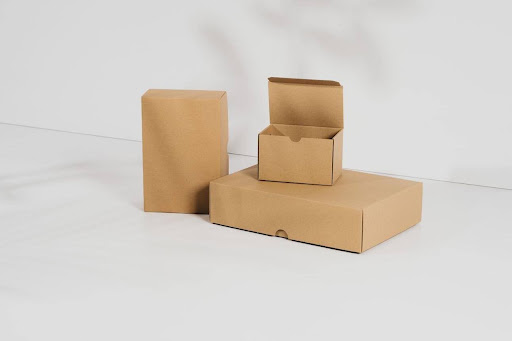
Corrugated boxes are commonly collected through established paper-recycling systems in the United States. Paperboard cartons may also be recyclable, but acceptance can vary by material type and local facility.
Neither material should automatically be described as sustainable in every situation. A better assessment considers recycled content, sourcing, material quantity, product protection, reuse potential, transport, and end-of-life options.
Keep packages clean and dry where required, separate materials when appropriate, and follow local recycling instructions. Learn more about sustainable packaging and recyclable packaging.
Single-Wall vs. Double-Wall Corrugated Boxes
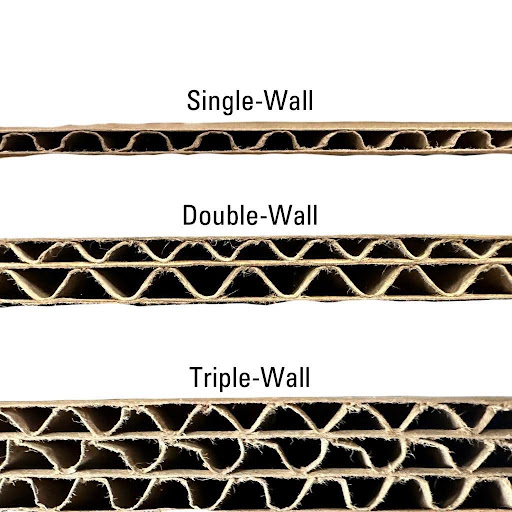
Not all corrugated boxes offer the same level of protection. The number of fluted layers and linerboards affects the structure, thickness, weight, and performance of the finished box.
Single-wall corrugated boxes
Single-wall board has one fluted medium between two linerboards. It is commonly used for everyday shipping, e-commerce orders, and many standard distribution applications.
It can be suitable for a broad range of products when the board grade, box dimensions, and packing method match the load and handling conditions.
Double-wall corrugated boxes
Double-wall board uses two fluted mediums and three linerboards. It is often considered when a shipment needs additional stiffness or stacking support compared with a suitable single-wall alternative.
Typical applications include heavier products, multi-item shipments, and some distribution environments with more demanding handling requirements.
Triple-wall corrugated boxes
Triple-wall board uses three fluted mediums and four linerboards. It is designed for applications that require a more substantial structure, including certain heavy-duty and industrial shipments.
It is not automatically necessary for every heavy product. Box design, product weight, load distribution, cushioning, and testing determine the appropriate specification.
How should you choose? Begin with the product’s weight, fragility, box size, stacking conditions, and shipping method. A packaging professional can help specify an appropriate construction and testing method.
Understanding Corrugated Flute Types
The fluted medium is not identical in every corrugated box. Different flute profiles affect board thickness, cushioning, stiffness, printability, and converting performance.
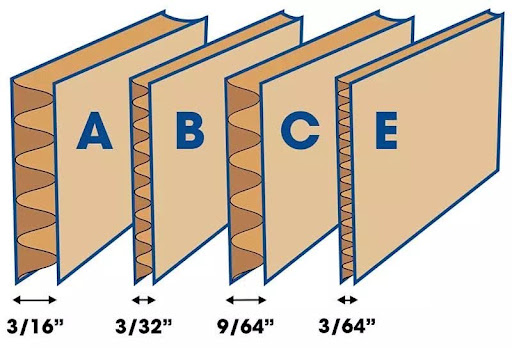
Common flute types include:
- A-flute: A relatively large flute that can provide cushioning and stacking support in suitable designs.
- B-flute: A thinner profile often used where a balance of crush resistance, surface quality, and converting performance is required.
- C-flute: A versatile profile commonly used in shipping cartons.
- E-flute: A finer profile that can provide a relatively smooth surface for printed packaging and smaller boxes.
- F-flute: An even finer profile used in some retail and specialty packaging applications.
These descriptions are general. Exact dimensions and performance depend on the board specification and manufacturer.
For a small, branded shipping box, a finer flute may be appropriate when appearance and package size matter. A larger flute or a multiwall construction may be more appropriate for other products. The right choice should balance protection, print quality, and cost.
ECT vs. Burst Strength: What Should Buyers Know?
If you are purchasing corrugated boxes for shipping, you may encounter terms such as Edge Crush Test (ECT) and burst strength.
ECT measures the resistance of corrugated board to edgewise crushing under a specified test method. It is commonly used when evaluating stacking-related performance and box specifications.
Burst strength measures the pressure required to rupture a board sample under a specified test. It evaluates a different property from ECT.
These values are not interchangeable, and neither one alone guarantees that a package will protect a product in every shipping situation. The finished box’s dimensions, board construction, closure, load distribution, humidity, and handling conditions all influence performance.
When comparing quotes, ask which strength specification is being offered and whether it is appropriate for the intended shipment. For demanding applications, consider package testing based on realistic distribution conditions.
When Should You Choose Cardboard or Corrugated Boxes?
The best option depends on how the package will be used.
Choose paperboard cartons when:
- Your product is lightweight and needs a retail carton.
- Detailed printing and shelf presentation are priorities.
- The carton is primarily intended to contain and display the product.
- The product will be placed inside a separate protective shipping package when necessary.
- A folding structure can meet the product’s requirements.
Choose corrugated boxes when:
- You need an outer shipping carton.
- Products will pass through parcel delivery or distribution networks.
- The package needs additional structural support.
- Items must be stacked in storage or during transportation.
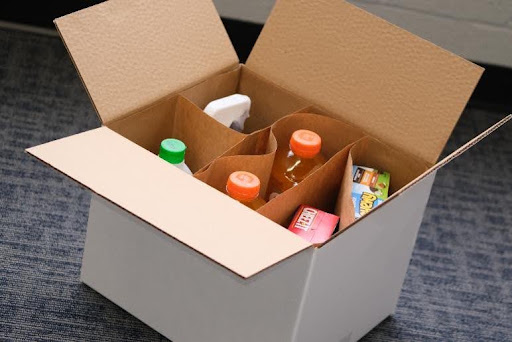
- Inserts, dividers, or protective structures are needed.
Use both when the product needs retail presentation and shipping protection
Many businesses do not need to choose only one. A paperboard carton can display the product and communicate the brand, while a corrugated box protects it during transportation.
For example, a cosmetic product may be packaged in a printed retail carton and then placed inside a corrugated mailer with suitable cushioning. A gift set may use a premium inner box and a separate outer shipping carton.
This layered approach can be useful when presentation and protection have different requirements.
Which Packaging Is Best for Different Products?
E-Commerce and Subscription Orders
Corrugated boxes are a common choice for products shipped directly to customers. They can be designed around the product dimensions and may accommodate protective inserts, dividers, or void-fill materials.
For a small, lightweight item, a suitably designed paperboard mailer or other lightweight format may be sufficient. The right solution depends on the item, the shipping service, and the required protection.
Explore e-commerce packaging and shipping packaging for related guidance.
Cosmetics and Personal Care
Paperboard cartons are often suitable for cosmetic and skincare products because they support branding and detailed product information. Products in glass bottles or delicate containers may require additional inserts or an outer shipping box.
The packaging should match the container’s shape, weight, and risk of leakage or breakage.
Explore custom cosmetic boxes for retail presentation options.
Food and Bakery Products
Food packaging needs vary by product. Dry goods may use folding cartons, while takeaway items, bakery products, and shipping applications may require different structures.
Material suitability, grease or moisture exposure, direct food-contact requirements, and temperature conditions should be checked for the specific application. Not every paperboard or corrugated grade is suitable for direct food contact.
Explore custom food boxes and custom bakery boxes for product-specific packaging options.
Retail Displays and Shelf Packaging
Paperboard works well for many lightweight products displayed in stores. Corrugated board can also be used for retail-ready packaging and display structures where additional support is required.
The choice depends on product weight, shelf conditions, required print quality, and how the package will be stocked and handled.
Explore custom retail boxes for branded retail applications.
How to Choose the Right Box for Your Business
Use this practical checklist before ordering packaging.
1. Define the product requirements. Record the product’s dimensions, weight, fragility, and any moisture or handling concerns.
2. Identify the package’s job. Decide whether it will serve as primary product packaging, a retail carton, a shipping box, or both.
3. Choose a suitable board construction. Compare paperboard, single-wall corrugated, and multiwall corrugated where appropriate.
4. Confirm the dimensions. Allow room for the product, inserts, protective materials, and a suitable closure. Avoid unnecessary empty space.
5. Specify the branding. Confirm the artwork, printing method, surface, and finishes that suit the selected material.
6. Evaluate the total cost. Include manufacturing, finishing, storage, assembly, shipping, and the potential cost of product damage.
7. Test when protection matters. For fragile, valuable, heavy, or long-distance shipments, evaluate the complete packed package before placing a large order.
You can also review our guides to packaging inserts, packaging dividers, and packaging material comparisons.
Frequently Asked Questions
Is corrugated cardboard the same as cardboard?
Not exactly. Cardboard is a broad everyday term, while corrugated cardboard refers to a specific construction with a fluted medium between flat linerboards. People may use “cardboard” to describe both, so it is best to confirm the actual material specification.
Are corrugated boxes stronger than cardboard boxes?
Corrugated boxes generally provide greater structural support and cushioning than conventional paperboard cartons. Actual strength depends on the board grade, flute profile, number of walls, box design, and handling conditions.
Are cardboard boxes cheaper than corrugated boxes?
Simple paperboard cartons are often less expensive to manufacture than comparable protective corrugated boxes. However, total cost depends on size, material grade, printing, quantity, shipping, and the additional protection a product requires.
Which box is better for shipping products?
Corrugated boxes are generally the better starting point for shipping because their fluted construction supports protection and stacking. Lightweight items may use other packaging formats when the product and shipping conditions permit.
Can corrugated boxes be custom printed?
Yes. Corrugated boxes can be printed with logos, brand colors, handling information, and other graphics. The final result depends on the liner surface, flute profile, printing process, and artwork.
Are cardboard and corrugated boxes recyclable?
Both may be recyclable, depending on their material construction, coatings, contamination, and local recycling programs. Check local guidelines and prepare the package according to the facility’s requirements.
What is the difference between ECT and burst strength?
ECT measures the resistance of corrugated board to edgewise crushing. Burst strength measures the pressure required to rupture a board sample. They evaluate different properties and should not be treated as interchangeable ratings.
Should I use single-wall or double-wall corrugated boxes?
Single-wall corrugated boxes are suitable for many standard shipping needs. Double-wall boxes may be appropriate when additional strength or stacking support is required. The correct choice depends on the product, package dimensions, handling conditions, and testing requirements.
Can I put a paperboard carton inside a corrugated box?
Yes. This is a common approach when a product needs attractive retail packaging as well as protection during shipping. The outer corrugated box can accommodate the inner carton and suitable protective materials.
How do I get custom cardboard or corrugated boxes for my products?
Start with your product dimensions, weight, quantity, intended use, printing requirements, and delivery needs. A packaging supplier can use these details to recommend a suitable structure and prepare a quotation. You can request a quote from Bluebird Packaging.
Final Verdict: Cardboard vs. Corrugated Boxes
The difference between cardboard and corrugated boxes is primarily their construction and intended function. Paperboard cartons are often ideal for lightweight retail packaging, product information, and high-quality presentation. Corrugated boxes are generally better suited to shipping, storage, and applications that need additional structural support.
For many businesses, the best solution combines both: a branded inner carton and a protective outer shipping box. Evaluate the product, distribution conditions, material specification, and total cost before making your decision.
If you need packaging tailored to your product, explore Bluebird Packaging’s custom packaging solutions or request a quote to discuss your requirements.




2 Comments
[…] comparing material choices can also review the differences between cardboard and corrugated boxes before making a final […]
[…] more about how cardboard and corrugated boxes differ in construction and use when choosing between these […]