

Ecommerce packaging is the combination of boxes, mailers, protective materials, inserts, and branded elements used to pack and deliver products purchased online. The right packaging protects orders during transit, fits products securely, helps manage shipping costs, and gives customers a consistent experience when their purchases arrive.
For US online retailers, choosing packaging involves more than selecting a box. Businesses need to consider product dimensions, weight, fragility, carrier requirements, fulfillment processes, customer expectations, and the cost of materials and shipping. A lightweight apparel order may need only a suitable mailer, while glass skincare products or multiple fragile items may require a sturdy box and carefully fitted protection.
The best ecommerce packaging is the smallest practical package that safely protects the product, meets delivery requirements, and presents the brand appropriately. That does not always mean using the smallest possible box. The package must still leave enough room for cushioning, inserts, and safe handling.
Businesses can compare custom mailer boxes designed for online orders and branded deliveries with corrugated shipping boxes and product-specific cartons to determine which structure best fits their fulfillment needs.
Quick Answer: What Is Ecommerce Packaging?
Ecommerce packaging is the packaging used to protect, contain, and deliver products sold through online stores, marketplaces, and direct-to-consumer businesses. It may include corrugated shipping boxes, mailer boxes, folding cartons, padded mailers, protective inserts, paper cushioning, labels, and branded packaging materials.
Effective ecommerce packaging should:
- Protect products from movement, compression, and handling damage.
- Fit the product without unnecessary empty space.
- Work with warehouse packing and carrier handling processes.
- Help control material use and shipping expenses.
- Present the brand clearly when the customer opens the order.
- Use materials and finishes suited to the product and local recycling options.
Packaging requirements differ by product. A soft garment, a glass bottle, an electronic accessory, and a bakery gift set should not automatically use the same packaging design.
Why Ecommerce Packaging Matters for Online Businesses
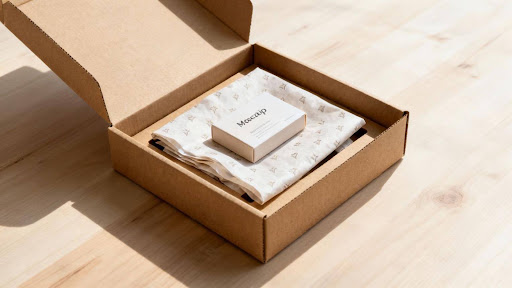
Packaging affects product protection, shipping efficiency, fulfillment, customer perception, and the overall cost of an online order. A suitable design can help businesses balance these priorities instead of optimizing only for appearance or the lowest material price.
1. It Protects Products During Delivery
Online orders pass through several stages, including packing, sorting, transportation, and last-mile delivery. Packages may be moved between containers, placed alongside other parcels, or exposed to vibration and pressure.
The outer package should be selected according to the product’s weight, fragility, shape, and expected handling conditions. Internal protection matters too: a strong outer carton cannot fully prevent damage if the product moves freely inside it.
For fragile products, businesses may need fitted inserts, dividers, paper cushioning, or other protective materials. A suitable combination of corrugated shipping boxes for stronger outer protection and well-designed internal support can help reduce product movement during transit.
2. It Influences Shipping Costs
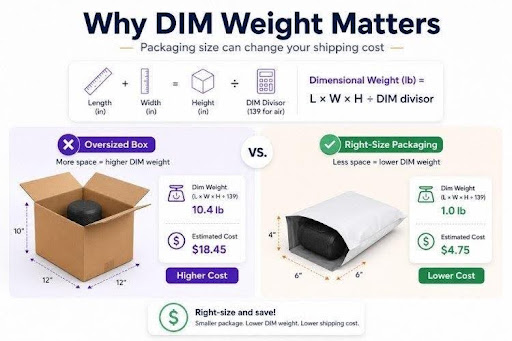
Packaging dimensions can affect parcel shipping costs, particularly when carriers use dimensional weight pricing. A large, lightweight box may take up more space in a delivery vehicle than its actual weight suggests.
Businesses should therefore assess the full shipping package, including the product, protective materials, and outer box. Reducing unnecessary dimensions can improve packing efficiency, but removing essential protection may increase the risk of damage.
The goal is to use an appropriately sized package that meets the carrier’s requirements while protecting the order.
3. It Shapes the Customer Experience
Packaging is often the first physical interaction customers have with an online brand. A package that arrives clean, secure, and easy to open can reinforce a sense of professionalism. A damaged box, excessive filler, or poorly secured product can create the opposite impression.
Branded mailers, organized inserts, printed messages, and thoughtful presentation can make the delivery feel more consistent with the store’s identity. Businesses should still prioritize protection and practicality over decorative elements that add cost without improving the experience.
4. It Supports Brand Recognition
A consistent packaging system can help customers recognize a business across repeat orders. Logos, colors, typography, product information, and simple printed messages can make a shipping package feel connected to the brand rather than generic.
For businesses selling products in retail-ready cartons as well as online, custom retail packaging built around product presentation and brand identity can help maintain a consistent visual style across sales channels.
5. It Can Improve Fulfillment Efficiency
Standardized packaging sizes can make it easier for warehouse teams to choose boxes, organize packing stations, and manage inventory. When the packaging matches common product sizes, employees may spend less time selecting materials and filling unnecessary space.
A well-planned packaging range should reflect the products the business actually ships. Offering too many box sizes can complicate inventory, while offering too few may lead to poor fit and avoidable shipping costs.
Types of Ecommerce Packaging and When to Use Them
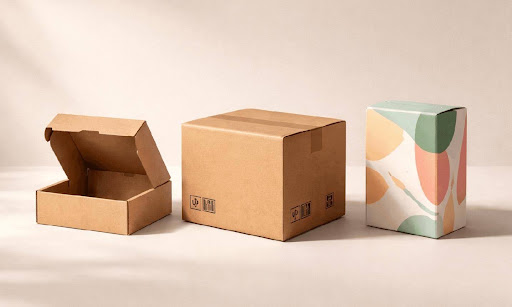
There is no single best packaging type for every online order. The right choice depends on the product’s size, weight, fragility, value, delivery conditions, and presentation requirements.
| Packaging type | Best suited for | Key considerations |
|---|---|---|
| Corrugated shipping boxes | Heavier, fragile, or multi-item orders | Board strength, cushioning, stacking |
| Mailer boxes | Apparel, subscription products, gifts, DTC orders | Closure, presentation, dimensions |
| Folding cartons | Cosmetics, small retail products, accessories | Board stiffness, print quality, product fit |
| Kraft boxes | Selected retail, gift, and product applications | Appearance, strength, material suitability |
| Die-cut boxes | Products needing a specific shape or structure | Fit, assembly, production complexity |
| Protective inserts and dividers | Fragile, multi-part, or grouped products | Secure positioning and separation |
| Padded mailers | Suitable lightweight, non-fragile items | Puncture resistance and product compatibility |
Corrugated Shipping Boxes
Corrugated boxes contain a fluted paper layer between liner sheets. This structure helps provide stiffness and cushioning, making corrugated board a common choice for shipping and distribution.
Different board grades and constructions provide different levels of performance. The correct specification depends on the package’s weight, dimensions, stacking conditions, and shipping environment.
For online stores that ship multiple products or need more substantial outer protection, cardboard boxes for packaging and shipping different product types can be considered alongside corrugated options. The actual board construction should be confirmed before ordering.
Mailer Boxes
Mailer boxes are designed for convenient packing and delivery, often with integrated flaps or closures. They are popular for direct-to-consumer orders, subscription products, gifts, and products where the opening experience matters.
They can be printed externally or internally, depending on the material and production options. However, the structure should match the product’s protection needs. A mailer box suitable for a lightweight item may require additional inserts or a stronger construction for a heavier product.
Folding Cartons
Folding cartons are generally made from paperboard and are often used as the primary packaging for retail products. They provide a printable surface for logos, instructions, product information, and other graphics.
A folding carton may be sufficient for a product sold on a retail shelf but may not be suitable as the only shipping package. If it will be exposed to parcel handling, consider whether an outer shipping carton is necessary.
Kraft Packaging
Kraft packaging is often selected for its natural brown appearance and simple aesthetic. It can work well for brands that prefer understated graphics, although the strength and performance of a box depend on its specific construction rather than its color alone.
Businesses can explore kraft boxes for products that suit a natural paper-based appearance. Confirm material specifications, printing compatibility, and intended use before selecting a design.
Die-Cut Boxes and Custom Structures
Custom box structures can be useful when standard packaging does not fit a product efficiently. A die-cut design may accommodate a specific shape, a built-in display feature, or a particular closure.
Custom structures require careful design and proofing. The finished box should be evaluated for fit, assembly, product retention, and suitability for the intended delivery process.
How to Choose the Right Ecommerce Packaging
To choose ecommerce packaging, assess the product first, then select the box structure, protective materials, dimensions, and branding based on how the order will be stored and delivered.
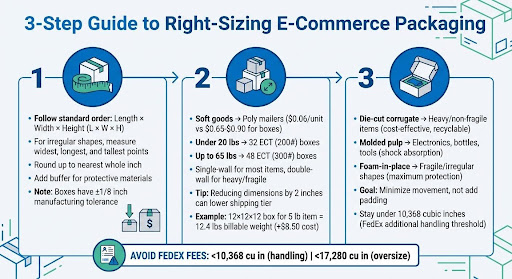
Step 1: Measure the product accurately
Measure length, width, and height at the product’s widest points. Account for product sleeves, bundled components, and any insert that must fit inside the box. Confirm whether the dimensions being discussed are internal or external.
Step 2: Evaluate fragility and weight
Identify whether the item can bend, crack, leak, scratch, or break. Consider how much movement the product can tolerate and whether it needs dividers, fitted inserts, or cushioning. Heavier products may require stronger board and a structure designed for the expected load.
Step 3: Match the box to the shipping process
Consider carrier requirements, parcel dimensions, stacking, warehouse handling, and the product’s journey. A package traveling across the country may need different protection from an item delivered locally or collected in person.
Step 4: Decide how much branding is needed
Choose whether the package should be plain, branded on the outside, printed inside, or designed around a premium unboxing experience. Select features that support the brand without interfering with safe delivery or making packing unnecessarily complicated.
Step 5: Test the complete package
Pack the actual product using the proposed materials. Check whether it moves inside the box, whether closures stay secure, and whether the package can be handled as intended. For fragile or high-value goods, consider appropriate transit testing before adopting the design at scale.
For a consistent fit, it helps to measure box dimensions correctly before selecting custom packaging. This can reduce sizing mistakes and make supplier quotes more accurate.
What Is Ecommerce-Ready Packaging?
Ecommerce-ready packaging is packaging designed to meet the practical demands of online order fulfillment and delivery. It should protect the product, remain secure through the expected handling process, and be compatible with the business’s packing workflow and carrier requirements.
The term can mean different things depending on the seller and product. For one business, it may mean a durable corrugated box that can travel through a parcel network. For another, it may mean a retail product carton placed inside a protective shipping box. In some contexts, ecommerce-ready packaging also refers to a package designed to be shipped with minimal additional outer packaging, but that suitability should be verified rather than assumed.
Before adopting ecommerce-ready packaging, businesses should confirm:
- The package fits the product and any internal protection.
- The closure remains secure during expected handling.
- The material and construction suit the product’s weight and fragility.
- Labels and barcodes can be placed clearly where required.
- The package meets relevant carrier and fulfillment requirements.
- The complete package has been tested where damage risk justifies it.
Important: A box that looks sturdy is not automatically suitable for every shipping environment. Actual performance depends on dimensions, board specifications, closure, internal cushioning, and handling conditions.
How to Protect Products During Ecommerce Shipping

Product protection comes from the packaging system as a whole, not just the outer box. The box, insert, cushioning, closure, and packing method should work together to limit movement and reduce the chance of damage.
Use the Right Amount of Internal Cushioning
Cushioning should prevent the product from moving excessively and help manage impacts during handling. Suitable options may include paper cushioning, molded fiber inserts, corrugated partitions, or other protective materials chosen for the product.
Fragile items may need support around vulnerable edges or components. A single sheet of paper loosely placed in a large box is unlikely to provide adequate protection for a heavy glass product.
Prevent Items From Colliding
When an order contains multiple products, separate them if contact could cause scratching, breakage, leakage, or other damage. Dividers and inserts can keep items in position and make multi-product orders easier to pack consistently.
Businesses shipping kits, gift sets, or several retail cartons together should consider packaging that organizes the items instead of allowing them to shift freely.
Match Packaging Strength to the Shipment
Consider product weight, package size, stacking, and expected transit conditions when selecting board strength. If the package may be handled repeatedly or stacked under other parcels, a lightweight box may not be sufficient.
Packaging performance should be evaluated using the actual product and packing configuration, especially when shipping valuable, fragile, or damage-sensitive goods.
Check Closure and Label Placement
Use a closure method suitable for the box design and shipment. Keep shipping labels and barcodes visible, flat, and unobstructed. Avoid placing labels across openings or folds if this could interfere with scanning or package security.
Businesses handling large order volumes should document their packing method so employees can repeat it reliably.
How to Reduce Dimensional Weight Charges for Ecommerce Packaging
Dimensional weight is a shipping-pricing method that considers a parcel’s volume as well as its actual weight. Depending on the carrier, service, shipment, and pricing agreement, a carrier may use dimensional weight when it exceeds the package’s actual weight.
A large box containing a lightweight product can therefore cost more to ship than a smaller package carrying the same item. Carrier rules differ, so businesses should check the applicable dimensional divisor, rounding rules, minimum billable weight, and service requirements directly with their shipping provider.
Practical ways to manage dimensional shipping costs include:
- Right-size the outer box. Use a package that fits the product and necessary protection without excessive empty space.
- Review the full packed dimensions. Measure the completed parcel rather than relying only on product dimensions.
- Use a suitable range of standard sizes. A small selection of well-planned box sizes can cover common order combinations.
- Evaluate inserts and cushioning. Keep protective materials effective while avoiding unnecessary bulk.
- Test multi-item packing configurations. Some products may fit together more efficiently in a different arrangement.
- Compare total shipping outcomes. A smaller box is not an improvement if it causes more product damage or requires costly replacements.
The aim is not simply to shrink every package. It is to find the smallest safe configuration that meets carrier rules and preserves product condition.
Businesses should also consider the effect of packaging design on storage, packing time, material consumption, and damage risk. A small reduction in box dimensions may be helpful, but the overall result should be evaluated across the complete order process.
Ecommerce Packaging Costs: What Should You Budget For?
Ecommerce packaging costs include more than the price of the empty box. Depending on the business, the total may include protective materials, printing, inserts, labels, labor, storage, shipping, and the consequences of damaged orders.
| Cost component | What to review |
|---|---|
| Outer packaging | Box style, dimensions, material, and board grade |
| Protective materials | Inserts, dividers, paper cushioning, and other protective components |
| Printing and finishing | Artwork, colors, coatings, and specialty effects |
| Packing labor | Time needed to assemble, pack, seal, and label each order |
| Storage | Space required for packaging inventory |
| Shipping | Parcel dimensions, weight, carrier, and delivery service |
| Damage and returns | Replacement products, reshipping, and customer service |
How to Compare Packaging Quotes
Provide each supplier with the same specifications so the quotations can be compared fairly. Include box dimensions, style, material, printing requirements, quantity, finishes, and delivery location.
Ask whether the quote includes structural design, sampling, printing setup, inserts, and shipping. Confirm the minimum order quantity, production timeline, and any requirements for approving artwork before manufacturing.
Businesses planning a new packaging range can review the main factors that affect custom packaging costs to prepare a more complete specification.
When Custom Packaging May Be Worth It
Custom packaging can be useful when standard boxes do not fit products efficiently, the business needs a consistent branded presentation, or the product requires a specific structure or insert. It may also help standardize packing for recurring orders.
However, custom packaging is not always the most economical choice for every product. Low-volume sellers or businesses with frequently changing product dimensions may prefer standard packaging until demand becomes more predictable.
Using Packaging to Build Your Brand
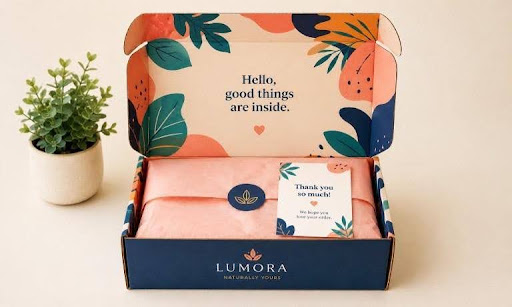
Branded ecommerce packaging can make a delivery more recognizable and create a more consistent experience from checkout to arrival. The best approach depends on the product, audience, price point, and the type of relationship the business wants to build with customers.
Keep the Visual Identity Consistent
Use brand colors, logo placement, typography, and product messaging consistently. A simple design can be effective when the information is clear and the package suits the product.
A brand does not need to print every surface. Exterior branding, an interior message, or a well-designed insert may provide enough recognition without adding unnecessary complexity.
Make Unboxing Practical
The opening experience should feel organized, not difficult. Customers should be able to reach the product without struggling with excessive tape, unnecessary layers, or complicated closures.
For gift sets and subscription orders, inserts can organize multiple products and present them neatly. The packaging should still be efficient to assemble and protect the products throughout delivery.
Match Packaging to the Product’s Positioning
Premium products may benefit from a more structured box, considered finishes, and carefully fitted inserts. Everyday goods may be better served by straightforward, efficient packaging that protects the product and keeps costs controlled.
For products requiring a more substantial presentation, rigid packaging options for premium retail products and gift sets can be compared with lighter paperboard and corrugated constructions.
Use Printed Inserts With a Purpose
Thank-you cards, care instructions, product information, and reorder messages can support the customer experience when they provide useful information. Avoid filling the package with unrelated promotional material that increases waste or distracts from the product.
The most effective packaging communicates what customers need to know while keeping the product secure and the overall presentation coherent.
Sustainable Ecommerce Packaging: Practical Considerations
Sustainable ecommerce packaging involves evaluating material sourcing, material use, product protection, transportation, reuse, and end-of-life handling. No single material or package style is automatically the best environmental choice for every product.
Paper-based packaging may be suitable for many applications, but actual recyclability depends on the material, coatings, adhesives, contamination, and local collection systems. Packaging that fails to protect a product can also create waste through breakage, returns, and replacement shipments.
Reduce Unnecessary Packaging
Right-sizing can help avoid excess material and reduce the volume of parcels. It should be done carefully, because too little protection can lead to product damage. Review the complete package to find where material can be reduced without compromising performance.
Consider Recycled Content and Recyclability
Where suitable and available, businesses can assess paper-based materials with recycled content and ask suppliers about material specifications. If recyclability is a priority, confirm whether inks, laminations, windows, adhesives, or other components affect the package’s compatibility with local recycling programs.
The U.S. Environmental Protection Agency provides information about containers and packaging in the US waste and recycling system. This is a useful reference for understanding packaging materials and their role in waste management; it does not mean every package is accepted by every local recycling program.
Avoid Unsupported Environmental Claims
Terms such as “eco-friendly,” “green,” or “sustainable” can be too broad without supporting details. Businesses should describe specific characteristics they can substantiate, such as recycled content, material composition, or local recycling guidance.
For a broader look at paper-based choices and material considerations, see sustainable packaging approaches for businesses.
Ecommerce Packaging for Different Product Categories
Packaging requirements change by industry. Businesses should start with the product’s physical characteristics and delivery needs, then choose the appropriate box structure and materials.
Apparel and Accessories
Clothing and some soft accessories may ship in suitable mailers or boxes, depending on weight, value, presentation, and protection needs. Rigid boxes may be appropriate for premium gifts or structured accessories, while simpler packaging may suit everyday apparel orders.
Cosmetics and Skincare
Cosmetic products may include glass bottles, jars, tubes, pumps, or several items in one kit. Packaging should prevent excessive movement and account for the fragility and shape of each container.
A printed carton may provide product information and branding, while an outer shipping box and insert can offer additional transit protection. Businesses can explore custom cosmetic boxes for beauty and personal care products when developing a branded packaging system.
Food and Bakery Products
Bakery products, chocolates, and other food items may require packaging suited to their shape, freshness, handling, and intended contact with food. Not every decorative cardboard box is suitable for direct food contact, so material and compliance requirements must be confirmed for the specific application.
For bakery orders and assortments, custom bakery packaging for cakes, cookies, and pastries can be considered based on product size and presentation requirements.
Subscription Boxes and Gift Sets
Subscription businesses often pack multiple products into one shipment. Inserts, dividers, and well-planned layouts can reduce movement and keep the items organized.
The package must also suit recurring fulfillment operations. A design that looks attractive but takes too long to assemble may create avoidable labor costs at scale.
Electronics and Fragile Goods
Electronic accessories, glass items, and other fragile goods may require more careful protection than ordinary non-fragile products. Consider fitted inserts, separate compartments, and the need to prevent movement or surface damage.
The right approach should be tested with the actual product and shipment configuration rather than selected based on appearance alone.
Common Ecommerce Packaging Mistakes to Avoid
Even a good-looking package can underperform if it is poorly sized, unsuitable for transit, or difficult to pack. Avoid these common issues:
- Choosing a box based only on appearance: A visually appealing carton may not provide sufficient protection for delivery.
- Using excessive box space: Oversized packaging can increase parcel volume and allow products to move.
- Removing too much cushioning: Reducing material is not useful if it increases breakage or returns.
- Ignoring carrier requirements: Package dimensions, weight, labeling, and service rules can affect delivery and cost.
- Ordering without checking samples: A physical sample can reveal fit, assembly, print, and closure problems before a large production run.
- Adding unnecessary finishes: Extra decoration may increase cost without helping the product or customer experience.
- Assuming every paper-based package is recyclable: Materials, contamination, and local recycling rules matter.
- Failing to standardize packing: Inconsistent packing can lead to avoidable damage and make fulfillment harder to manage.
A documented packaging specification helps teams repeat the same packing method and makes it easier to review issues when products arrive damaged.
Ecommerce Packaging Checklist Before Placing an Order
Use this checklist to confirm that the packaging specification is ready for a supplier quote or production review.
- Product length, width, and height have been measured.
- Product weight and fragility have been assessed.
- The packaging style suits the product and shipping method.
- Board strength and material requirements have been confirmed.
- Inserts or cushioning have been selected where needed.
- The packed dimensions have been checked for shipping-cost implications.
- Artwork, logos, text, and label areas have been reviewed.
- A sample or proof will be checked before production where appropriate.
- Order quantity, minimums, lead time, and delivery are understood.
- Recycling or environmental claims are based on verified material details.
Frequently Asked Questions About Ecommerce Packaging
1. What is ecommerce packaging?
Ecommerce packaging is the packaging used to pack and deliver products purchased online. It can include shipping boxes, mailer boxes, folding cartons, protective inserts, cushioning, and branded elements. Its purpose is to protect the order, support delivery, and provide an appropriate customer experience.
2. What is the best packaging for ecommerce shipping?
The best packaging depends on the product’s size, weight, fragility, and shipping conditions. Corrugated boxes are commonly used for many shipping applications, mailer boxes can suit direct-to-consumer orders, and folding cartons often serve as primary retail packaging. Fragile products may require inserts or additional cushioning.
3. What is ecommerce-ready packaging?
Ecommerce-ready packaging is designed for the handling and delivery demands of online orders. It should secure the product, fit the packing process, accommodate required labels, and meet relevant carrier requirements. Some packaging is designed to ship without an additional outer box, but its suitability should be confirmed for the product and delivery environment.
4. How can I reduce dimensional weight charges for ecommerce packaging?
Review your carrier’s dimensional-weight rules, measure the complete packed parcel, and select a box that fits the product and necessary protection without unnecessary space. A range of appropriately sized standard boxes can also help. Do not remove essential cushioning just to reduce dimensions.
5. Are custom ecommerce boxes worth the cost?
Custom boxes can be worthwhile when they improve product fit, protect fragile items, standardize fulfillment, or support a consistent branded experience. Their value depends on order volume, design requirements, production costs, and the alternatives available. Compare the full cost of materials, labor, shipping, and damage risk before deciding.
6. Which packaging is suitable for fragile products?
Fragile products may need a strong outer box, fitted inserts, dividers, or cushioning that limits movement and helps manage impacts. The right combination depends on the product’s shape, weight, fragility, and shipping conditions. Test the complete package where damage risk is significant.
7. Is ecommerce packaging recyclable?
Some ecommerce packaging is recyclable, including many clean paperboard and corrugated cardboard packages. However, coatings, mixed materials, contamination, and local recycling rules can affect acceptance. Check the material specifications and local guidance instead of assuming every package can be recycled.
8. How do I choose the correct ecommerce box size?
Measure the product and account for any insert or protective material needed inside the package. Check the box’s internal dimensions for product fit, then evaluate the completed parcel’s external dimensions for shipping. The box should be large enough to protect the product but not unnecessarily oversized.
9. Can ecommerce packaging include custom branding?
Yes. Depending on the packaging material and production process, businesses can add logos, brand colors, printed messages, product information, and selected finishes. The design should remain clear, practical, and appropriate for the product’s price point and customer expectations.
10. What should I include when requesting a custom packaging quote?
Provide the product dimensions, weight, intended use, box style, material requirements, quantity, printing artwork, desired finishes, and delivery location. If you are unsure about the correct structure, explain how the product will be packed and shipped so the supplier can help identify suitable options.
Conclusion: Choose Ecommerce Packaging That Works From Warehouse to Customer
Effective ecommerce packaging brings product protection, shipping efficiency, branding, and cost control together. The best option depends on the products you sell, the way orders are fulfilled, carrier requirements, and the experience you want customers to have when their purchases arrive.
Start by measuring products accurately, selecting an appropriate structure, and testing the complete package. Then review dimensions, protective materials, printing, order quantity, and total fulfillment costs. For US businesses, checking the applicable carrier rules and local recycling guidance is also an important part of making informed packaging decisions.
Bluebird Packaging helps businesses explore custom packaging options for different product and branding needs. If you’re planning a new packaging range or reviewing your current boxes, share your product dimensions, order quantity, and design requirements through the Bluebird Packaging quote request page to discuss a suitable solution.




4 Comments
[…] shipping-focused applications, review the broader requirements for corrugated packaging and ecommerce packaging. The outer shipping package should be selected according to the full shipment, not just the […]
[…] protective outer packaging, shipping carton, and fulfillment process. Bluebird Packaging’s ecommerce packaging guide provides useful context for considering protection and presentation […]
[…] retail package, the shipping box or mailer, and any protective material. Bluebird Packaging’s ecommerce packaging guide can help you consider how retail packaging fits into the wider delivery […]
[…] online retailers, packaging designed for e-commerce orders and delivery can help frame the decision around both protection and fulfillment […]