
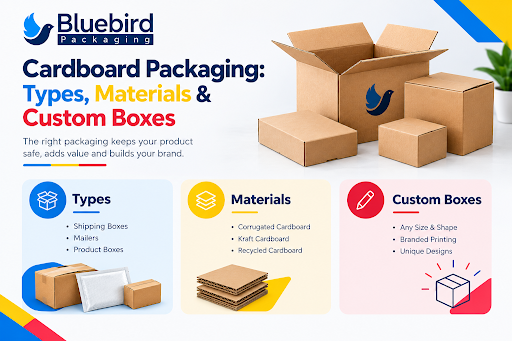
Cardboard packaging is widely used to protect products, simplify shipping, organize inventory, and present items professionally. From lightweight cartons for cosmetics to durable corrugated boxes for e-commerce orders, the right packaging depends on the product’s weight, fragility, dimensions, shipping conditions, and branding requirements.
Businesses can choose from different board grades, box structures, printing methods, and finishes to create packaging that balances protection, presentation, and cost. Understanding these options makes it easier to select packaging that works for your product instead of paying for unnecessary material or compromising product safety.
For businesses developing branded packaging, custom cardboard boxes for product protection and presentation can be tailored to the product’s dimensions, artwork, and intended use.
What Is Cardboard Packaging?
Cardboard packaging refers to packaging made from paper-based board materials used to contain, protect, store, display, or transport products. Depending on the construction, it may consist of relatively thin paperboard, thicker folding carton board, or multi-layer corrugated board designed to provide additional cushioning and strength.
Common examples include retail cartons, shipping boxes, mailer boxes, bakery packaging, display cartons, and gift boxes. Each style serves a different purpose, so the material and structure should be selected according to the product and its journey from manufacturer to customer.
Cardboard packaging can also be customized with printed logos, product information, brand colors, inserts, windows, and specialty finishes. This allows businesses to combine practical protection with a consistent brand experience.
Types of Cardboard Packaging Materials
Not all cardboard packaging is made from the same material. Board construction influences rigidity, print quality, weight, durability, and suitability for shipping or retail display.
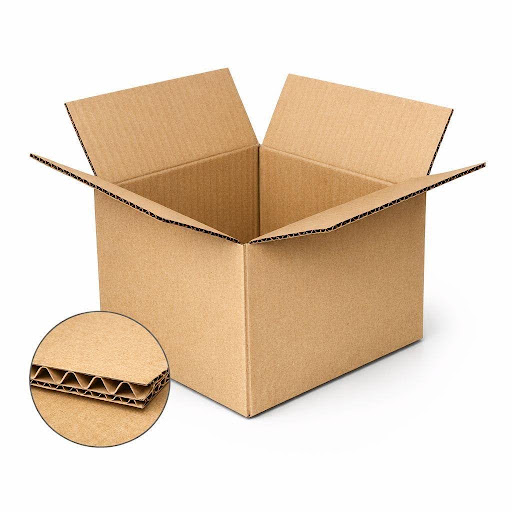
1. Corrugated cardboard
Corrugated board contains a fluted layer between flat liner sheets. This structure helps improve rigidity and cushioning, making it a common choice for shipping cartons, e-commerce orders, and outer packaging.
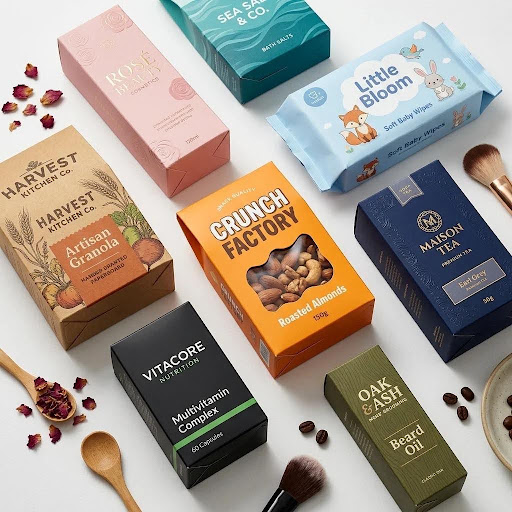
Businesses shipping heavier or more fragile products may consider corrugated boxes built for shipping and transit protection.
2. Paperboard and folding cartons
Paperboard is commonly used for lightweight consumer packaging. Folding cartons are suitable for products such as cosmetics, personal care items, small accessories, and many retail goods. They offer smooth surfaces for detailed printing and brand graphics.
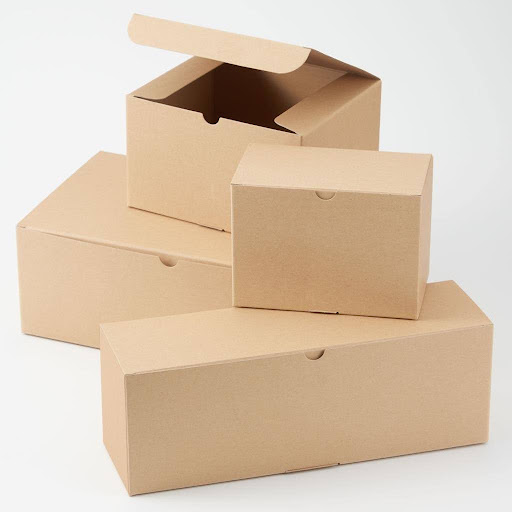
The best option depends on the product’s weight, required stiffness, and the level of presentation expected at retail.
3. Kraft board
Kraft packaging is often chosen for its natural brown appearance and understated design. Depending on its construction and coatings, it can be used for shipping, takeaway packaging, retail products, and gift presentation.
Brands seeking a simple paper-based look can explore kraft packaging options for a natural brand aesthetic.
For a closer comparison of board characteristics and other paper-based options, see Bluebird Packaging’s overview of common packaging materials and their applications.
Cardboard Packaging Types and Their Uses
The best box style depends on how a product will be packed, handled, shipped, displayed, and opened. The following table compares common options.
Corrugated Boxes for Shipping and Storage
Corrugated boxes are frequently used for transportation because their layered construction can provide greater strength than a comparable lightweight folding carton. The appropriate board grade and wall construction depend on product weight, stacking, handling, and shipping conditions.
For shipping fragile items, the outer box is only one part of the solution. Proper sizing, protective inserts, dividers, and suitable cushioning help reduce movement inside the package.
Folding Cartons for Retail Products
Folding cartons are commonly used when a product needs an attractive outer package without the bulk of a heavy shipping carton. They can be designed with tuck-end closures, sleeves, windows, and other structures suited to the product.
For example, a skincare brand may need a carton that fits a bottle securely while leaving enough surface area for ingredients, instructions, and brand artwork. A food brand may prioritize product fit, handling, and the suitability of the material for its intended application.
Mailer Boxes for E-Commerce
Mailer boxes are useful for brands sending products directly to customers. Their structure can support a more considered opening experience while keeping products organized during delivery.
Businesses can select dimensions, printing, inserts, and finishing details based on their product range and fulfillment process. Bluebird’s custom mailer boxes for online orders and subscription products are a relevant option when presentation and delivery both matter.
Display Boxes for Retail Environments
Display packaging is designed to make products easier to see, reach, or organize at a point of sale. Depending on the application, a display may sit on a counter, shelf, or promotional stand.
For products that need prominent placement, cardboard display packaging for counters and retail shelves can combine product organization with branded graphics.
Benefits of Cardboard Packaging for Businesses
Cardboard packaging offers several practical benefits, although the results depend on material selection, box construction, and how the packaging is used.
1. Product Protection
A properly designed box helps shield products from dust, handling, and some impacts. Corrugated structures can provide additional cushioning, while inserts and dividers can help keep individual items separated.
Protection requirements vary significantly. A lightweight carton suitable for a small retail product may not be appropriate as the only packaging for a heavy item traveling through a parcel network.
2. Branding and Product Presentation
Packaging often provides a customer’s first physical interaction with a product. Printed logos, consistent brand colors, clear product information, and well-planned layouts can make the package easier to recognize and understand.
Businesses looking to create a more consistent appearance across their product range can explore custom packaging designed around brand identity and product requirements.
3. Flexible Sizes and Structures
Standard boxes may be sufficient for common products, but custom dimensions can help reduce unnecessary empty space and improve the overall fit. Box structure can also be adapted to accommodate inserts, multiple components, special closures, or display requirements.
Accurate measurements are essential. Use this practical method for measuring box length, width, and depth before finalizing your packaging specifications.
4. Marketing and Customer Experience
Packaging can communicate product details, care instructions, brand values, and promotional messages. A well-designed package may also create a more memorable unboxing experience, especially for subscription businesses and direct-to-consumer brands.
However, decorative features should support the product and audience rather than add unnecessary cost or complexity.
5. Paper-Based Material Options
Many cardboard and paperboard packages can enter paper recycling streams when they are accepted by local recycling programs and are free from disqualifying contamination. Recyclability depends on the exact material, coatings, laminations, adhesives, and local collection rules.
The U.S. Environmental Protection Agency provides background on paper and paperboard materials, including packaging and recycling data.
How to Choose the Right Cardboard Packaging

Selecting packaging is easier when you evaluate the product, delivery process, design requirements, and budget together instead of choosing by appearance alone.
Step 1: Measure the product
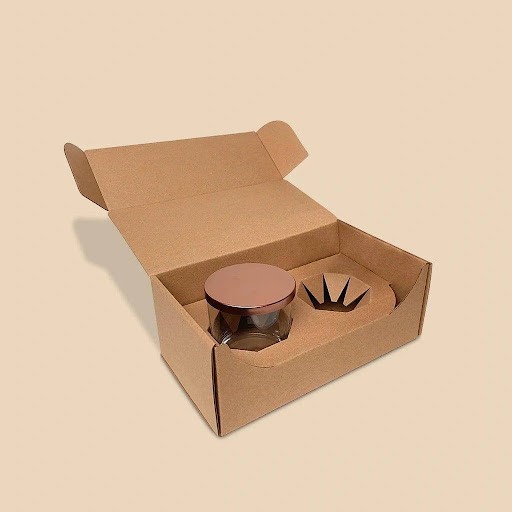
Record the product’s length, width, and height. Account for any protective wrap, inserts, or components that must fit inside the box. Use internal dimensions when checking the available product space.
Step 2: Assess weight and fragility
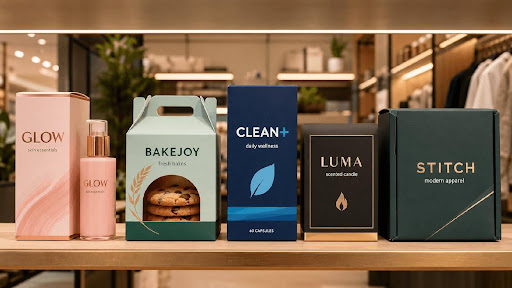
Consider the product’s weight, fragility, stacking requirements, and likely handling conditions. Heavier or breakable products may require stronger board, protective inserts, or additional transit packaging.
Step 3: Define the packaging purpose
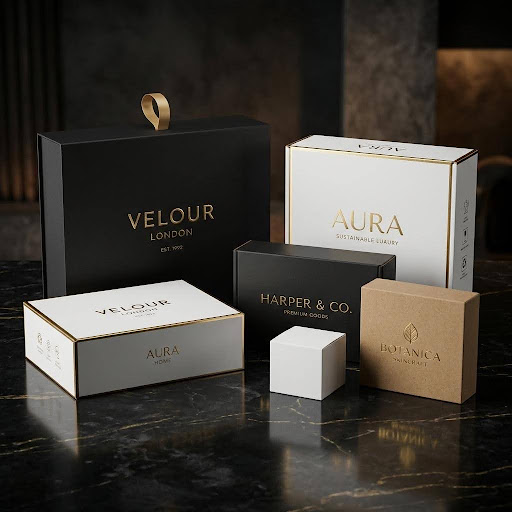
Decide whether the package is primarily for shipping, retail display, storage, gifting, or a combination of these uses. The purpose helps determine the appropriate structure, opening style, and print requirements.
Step 4: Select printing and finishes
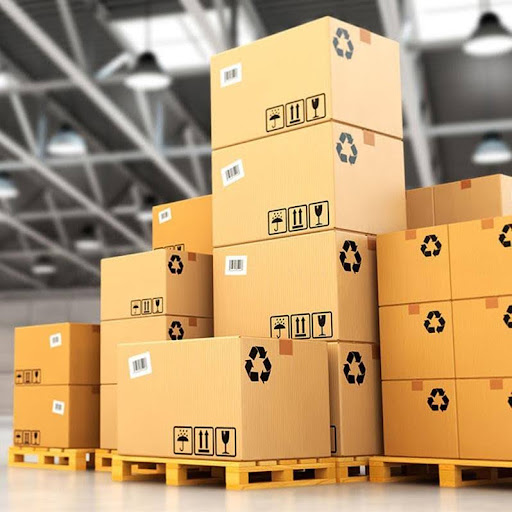
Choose the artwork, colors, logo placement, and any optional finishes based on the brand’s positioning and budget. Premium finishes can enhance appearance, but simple printing may be more suitable for cost-sensitive packaging.
Step 5: Confirm quantity, cost, and production timing
Ask about minimum order quantities, sampling, production lead times, and shipping arrangements. Ordering enough packaging for your expected demand while avoiding excess inventory can help manage costs.
Businesses comparing material choices can also review the differences between cardboard and corrugated boxes before making a final decision.
Custom Cardboard Packaging: Printing, Finishes, and Design
Custom cardboard packaging allows businesses to align box structure and appearance with the product being sold. The best design is not necessarily the most elaborate; it is the one that protects the product, communicates important information, and suits the customer experience.
Printing Options
Common printing considerations include:
- Brand colors and logos: Maintain consistency across packaging and other marketing materials.
- Product information: Include relevant details, instructions, or required labeling.
- Artwork placement: Keep important text and graphics clear of folds, glue areas, and cut lines.
- Print method: Choose a process appropriate to the order quantity, artwork, material, and budget.
Before production, review a proof or sample to confirm that the artwork, dimensions, and layout work as intended. Bluebird’s packaging printing options for branded boxes can help businesses understand this part of the process.
Finishes and Special Features
Depending on the board and printing process, custom boxes may include:
- Matte or gloss finishes
- Foil stamping
- Embossing or debossing
- Spot UV effects
- Die-cut windows
- Custom inserts and dividers
- Special closures and structural features
Not every finish is appropriate for every cardboard grade. Coatings and laminations can also affect recyclability, so businesses prioritizing paper recycling should confirm the material composition and local recycling requirements before choosing decorative treatments.
For an overview of options, explore finishes that change the look and feel of packaging.
Need Cardboard Packaging Made for Your Products?
Choose packaging dimensions, materials, printing, and finishing options to suit your product and business requirements. Share your specifications with Bluebird Packaging to discuss a suitable solution.
Request a Custom Packaging Quote
Cardboard Packaging for Different Industries
Different industries have different packaging priorities. Material strength, product fit, presentation, and any applicable product-contact requirements should guide the selection.
E-Commerce and Shipping
Online retailers often need packaging that protects products during handling and delivery without adding unnecessary bulk. Correct dimensions, secure closures, and suitable internal protection can help make fulfillment more consistent.
For businesses shipping a range of products, packaging options for e-commerce orders provide useful context for matching the box to the delivery process.
Food and Bakery Businesses
Bakeries and food brands may use cardboard-based boxes for cakes, cookies, pastries, takeaway items, and gift assortments. Packaging must be appropriate for the specific food application, including any required food-contact standards, moisture resistance, and handling conditions.
For bakery businesses, custom boxes for cakes, cookies, and other baked products can be designed around product dimensions and presentation needs.
Cosmetics and Personal Care
Cosmetics brands often need cartons that look polished while protecting bottles, jars, tubes, and other products. Inserts, product-specific dimensions, and clear printed information can improve both fit and presentation.
Explore custom cosmetic packaging for skincare and beauty products when developing packaging for a beauty range.
Retail and Promotional Products
Retail packaging needs to balance visibility, product information, storage, and shelf presentation. Depending on the product, a folding carton, display box, or more rigid construction may be appropriate.
Businesses selling premium items can compare cardboard-based cartons with rigid packaging options for a more structured presentation.
Cardboard Packaging Cost: What Affects the Price?
The cost of custom cardboard packaging depends on more than the size of the box. Pricing typically reflects a combination of materials, construction, printing, finishing, quantity, and production requirements.
To compare quotes fairly, provide the same dimensions, material specifications, artwork requirements, finishing details, quantity, and delivery location to each supplier. This makes it easier to identify genuine price differences.
You can also review the main factors that influence custom packaging costs before finalizing an order.
Is Cardboard Packaging Recyclable?
Many cardboard and paperboard packages are recyclable, but acceptance depends on their composition and the recycling program serving the area. Clean, dry cardboard is generally easier to recycle than packaging contaminated with food, grease, or other materials.
Some coatings, plastic windows, foil layers, and mixed-material components may complicate recycling. Businesses should check with their local waste provider rather than assuming every package made partly from cardboard can be processed in the same way.
To make more informed choices:
- Select packaging that meets the product’s protection needs without excessive material.
- Consider recycled-content board where suitable and available.
- Avoid unnecessary mixed materials when recyclability is a priority.
- Keep cardboard clean and dry for recycling where accepted.
- Check whether labels, adhesives, coatings, and laminations affect local recycling options.
- For additional context, the EPA’s information on containers, packaging, and material recovery explains how packaging materials are categorized and tracked in U.S. waste and recycling data. Recycling outcomes vary by material and location, so avoid making broad environmental claims without supporting evidence.
Businesses seeking paper-based alternatives can also explore sustainable packaging approaches and material considerations.
Common Mistakes to Avoid When Ordering Cardboard Packaging
Even a well-printed box can underperform if its size or construction does not match the product. Watch for these common mistakes:
- Choosing the wrong board strength: A package designed for lightweight retail goods may not withstand heavy products or demanding transit conditions.
- Using inaccurate dimensions: Insufficient space can damage products, while excessive empty space can increase shipping volume and allow movement.
- Ignoring inserts and cushioning: Fragile or multi-part items may need internal support to prevent shifting.Overcomplicating the design: Unnecessary finishes and complex structures can increase costs without improving the customer’s experience.
- Skipping artwork checks: Text, logos, and colors should be reviewed against the dieline and final proof before production.
- Assuming all cardboard is recyclable in every situation: Coatings, contamination, and local recycling rules can change what is accepted.
- Ordering without checking production details: Confirm minimum quantities, sample availability, lead times, and delivery arrangements before committing.
A clear packaging specification reduces misunderstandings and helps suppliers provide more accurate quotes.
Frequently Asked Questions About Cardboard Packaging
1. What is cardboard packaging used for?
Cardboard packaging is used for shipping, storage, retail presentation, product protection, and gifting. Common applications include corrugated shipping boxes, folding cartons, mailer boxes, food packaging, cosmetic cartons, and retail display packaging.
2. What is the difference between cardboard and corrugated cardboard?
The terms are sometimes used interchangeably, but corrugated cardboard has a fluted layer between flat liner sheets. This construction generally provides additional rigidity and cushioning, making it useful for shipping. Paperboard and folding cartons are often used for lighter retail packaging.
3. Is cardboard packaging strong enough for shipping?
It can be, provided the board grade, box construction, dimensions, and internal protection are suitable for the product. Heavier or fragile items may require stronger corrugated board, inserts, dividers, or additional cushioning. Test the complete packaging setup for demanding shipping conditions.
4. Can cardboard packaging be customized with a logo?
Yes. Many cardboard-based boxes can be printed with logos, brand colors, product information, and promotional artwork. Depending on the material and design, businesses may also add specialty finishes, windows, or custom inserts.
5. Is custom cardboard packaging more expensive than standard boxes?
Custom packaging may have higher initial setup or design costs, but the final unit price depends on quantity, dimensions, material, printing, finishes, and production requirements. A quote based on your actual specifications is the best way to compare custom and standard options.
6. Is cardboard packaging environmentally friendly?
Its environmental impact depends on the source of the board, recycled content, production, transportation, reuse, and end-of-life handling. Many cardboard packages can be recycled, but coatings, mixed materials, contamination, and local recycling facilities influence the outcome. Avoid assuming that all cardboard packaging is automatically sustainable.
7. Which cardboard packaging is best for e-commerce?
Corrugated boxes and appropriately designed mailer boxes are common choices for e-commerce. The best option depends on product weight, fragility, shipping conditions, presentation needs, and whether additional protective materials are required.
8. Can I order cardboard boxes in custom sizes?
Many packaging suppliers offer custom dimensions and structures. You should provide accurate product measurements, quantity, intended use, material preferences, and printing requirements to determine a suitable design.
9. What information should I provide to get a packaging quote?
Share the product dimensions, required box style, material or strength requirements, order quantity, artwork, preferred finishes, and delivery location. If you do not know the exact material specification, describe the product and how it will be shipped or displayed so the supplier can help assess the options.
10. How can I make cardboard packaging easier to recycle?
Where possible, use compatible paper-based materials, avoid unnecessary mixed-material components, and keep the packaging clean and dry. Check local recycling guidance because coatings, adhesives, windows, and other features may affect acceptance.
Choose Cardboard Packaging That Fits Your Product and Brand
The right cardboard packaging should protect the product, fit the intended use, support efficient handling, and present the brand clearly. Choosing between corrugated boxes, folding cartons, kraft packaging, mailer boxes, and display packaging becomes easier when you consider product dimensions, weight, shipping conditions, artwork, and total cost together.
Bluebird Packaging offers custom packaging options for businesses looking to coordinate box design, printing, and product requirements. Whether you need practical shipping boxes or branded retail cartons, start with a clear specification and compare the available options before production.
Ready to discuss your packaging requirements? Request a custom quote from Bluebird Packaging with your product dimensions, order quantity, and preferred design.