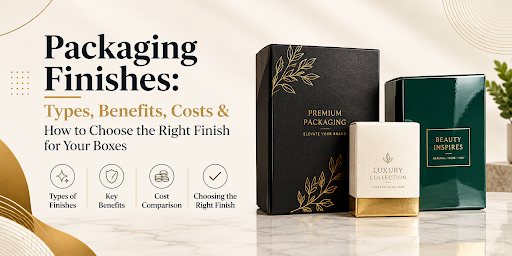
Packaging finishes are the coatings, laminations, decorative treatments, and surface effects applied to packaging to change its appearance, feel, or resistance to everyday wear. Common options include matte and gloss finishes, soft-touch lamination, foil stamping, spot UV, embossing, and debossing. The best finish depends on your brand identity, artwork, packaging material, budget, and how the package will be handled.
For US businesses ordering custom packaging, choosing a finish is not just a design decision. A suitable finish can help a logo stand out, make product information easier to read, create tactile details, or help protect printed surfaces. The wrong choice can add cost without improving the customer experience, or create issues with scuffing, folding, color appearance, or recycling.
This guide explains the main types of packaging finishes, how they compare, where they work best, what affects their cost, and how to select a finish for custom printed boxes.
What Are Packaging Finishes? A Quick Answer
Packaging finishes are treatments applied to a packaging surface to create a particular appearance, texture, or level of surface protection. Examples include matte or gloss lamination, soft-touch coatings, metallic foil stamping, spot UV, and embossing. Some finishes primarily change how the package looks or feels, while others can also help protect the printed surface against routine handling.
A finish is different from the printing method. Printing places text, images, and colors onto a substrate; finishing changes the surface after or during the printing process. For example, a box can be printed in full color and then finished with matte lamination, or it can have a matte background with a glossy spot UV logo.
| Packaging finish | Main effect | Often suitable for |
|---|---|---|
| Matte finish | Low-reflection, understated surface | Minimalist, modern, and premium branding |
| Gloss finish | Reflective surface that can emphasize color | Bright graphics and attention-grabbing retail boxes |
| Soft-touch finish | Smooth, velvety tactile feel | Premium cosmetics, gifts, and rigid boxes |
| Foil stamping | Metallic or colored decorative details | Logos, product names, and luxury packaging |
| Spot UV | Glossy highlights on selected areas | Logos, patterns, and contrast against matte surfaces |
| Embossing | Raised design details | Brand marks, lettering, and tactile patterns |
| Debossing | Recessed design details | Subtle logos and understated branding |
| Aqueous coating | Water-based protective surface treatment | Printed cartons that need a practical surface coating |
| Full UV coating | Cured coating over a broad surface area | Designs requiring a glossy or selected protective effect |
| Uncoated finish | Natural surface without an added coating | Kraft-style and paper-focused designs |
The names describe different treatments, and some overlap. Matte, for example, describes a surface appearance that can be achieved using different coating or lamination methods. UV refers to a coating cured with ultraviolet light, while spot UV describes applying that coating only to selected areas.
Why Do Packaging Finishes Matter?
Packaging finishes matter because the surface affects how customers see, touch, and handle a product’s packaging. A finish can reinforce a brand’s visual identity, distinguish one design element from another, and help a package maintain its printed appearance during ordinary use. The right treatment supports the design rather than compensating for unclear branding or poor packaging structure.
A premium product does not automatically need foil or soft-touch lamination. A clean, uncoated carton with excellent typography can look intentional and high-quality, while a box covered in competing effects may appear cluttered. The aim is to choose a finish that supports the product, the customer, and the way the packaging will be used.
Key Benefits of the Right Packaging Finish
- Brand differentiation: A distinctive surface can help a package look different from similar products.
- Visual hierarchy: Foil, spot UV, or embossing can draw attention to a logo or product name.
- Tactile appeal: Soft-touch finishes and raised or recessed details add a physical dimension to the design.
- Print presentation: Matte and gloss treatments influence reflections and how colors appear.
- Surface protection: Some coatings and laminations help reduce routine scuffing, rubbing, or surface marking.
- Product-line consistency: A consistent finish system can help multiple product variants look like part of the same brand.
- Unboxing experience: Surface texture and decorative details can make opening a package feel more considered.
The practical benefit depends on the selected treatment and its compatibility with the substrate. A coating does not make every box waterproof, scratch-proof, or suitable for every distribution environment.
What Are the Different Types of Packaging Finishes?
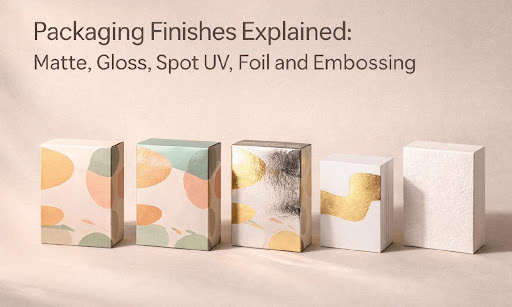
The main types of packaging finishes include matte and gloss surfaces, soft-touch coatings, foil stamping, UV coatings, spot UV, embossing, debossing, and aqueous coatings. They differ in visual effect, tactile qualities, application method, production requirements, and suitability for different materials.
1. Matte Packaging Finish
A matte packaging finish creates a low-glare surface with little visible shine. It is often chosen for minimalist branding, understated product presentation, and designs that rely on typography, restrained colors, or a soft visual appearance.
Matte finishes may be produced with matte varnish, matte coating, or matte lamination. These methods are not identical, so the final appearance and performance depend on the specific product used.
Best uses include:
- Cosmetics and skincare cartons.
- Minimalist retail packaging.
- Premium gift boxes.
- Product lines with subdued colors.
- Printed boxes where reflections could distract from the artwork.
Advantages: Matte surfaces reduce glare and can give packaging a refined appearance. They may also make a design feel visually calm and balanced.
Considerations: Matte surfaces can change the perceived intensity of printed colors, and certain matte or soft-touch treatments may show scuffs, oils, or fingerprints. Request a sample if the package uses large dark panels or will be handled frequently.
For packaging that relies on a clean, low-shine look, a matte treatment can be a strong starting point. The final choice should still account for the artwork, substrate, and handling conditions.
2. Gloss Packaging Finish
A gloss packaging finish creates a shiny, reflective surface. It can make printed colors and images appear more vivid, which is useful for bright designs, product photography, and packaging intended to attract attention on a retail shelf.
Gloss can be achieved with gloss varnish, gloss coating, gloss lamination, or a suitable UV coating. Each process has different production and performance characteristics.
Best uses include:
- Colorful retail packaging.
- Consumer products with photographic artwork.
- Promotional boxes.
- Bold product ranges.
- Designs where a shiny surface supports the brand identity.
Advantages: Gloss can add visual impact and make colors look more saturated. Some gloss treatments also help protect printed surfaces from routine wear.
Considerations: Reflections can make some text or images harder to view under strong lighting. A highly reflective surface may also conflict with a brand identity built around subtle or natural design.
Gloss is not automatically more durable than matte. Compare the actual coating or lamination specification rather than relying on the finish name alone.
3. Soft-Touch Packaging Finish
A soft-touch finish gives a package a smooth, velvety feel, usually with a low-sheen appearance. It is commonly used when the tactile experience is an important part of product presentation.
Soft-touch effects may be created through a specialized coating or a film laminate. These approaches can differ in feel, scuff resistance, production requirements, and recyclability.
Best uses include:
- Luxury cosmetics and skincare.
- Premium rigid boxes.
- Gift packaging.
- High-end personal care products.
- Selected electronics and accessory boxes.
Soft-touch treatments can make a package feel distinctive when customers handle it. However, some versions are more susceptible to visible marks, particularly on dark, heavily handled surfaces. The term “soft-touch” alone does not guarantee a specific durability level.
When comparing soft-touch and standard matte finishes, ask for samples of the actual materials. The difference is often more noticeable by touch than in a digital mockup.
4. Foil Stamping for Packaging
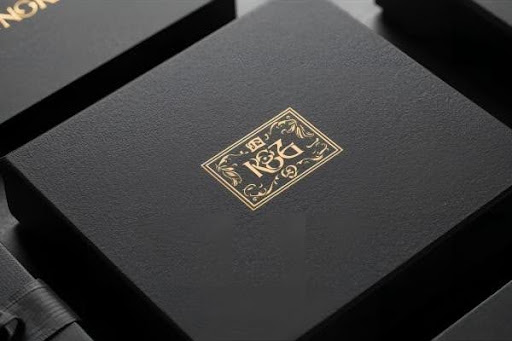
Foil stamping applies a thin decorative foil to selected areas of a package, commonly using a heated die and pressure. Gold and silver are familiar choices, but the available foil colors and effects depend on the supplier and process.
Foil stamping is often used to emphasize a logo, product name, border, emblem, or small decorative element. It can provide a metallic appearance that ordinary nonmetallic ink may not reproduce in the same way.
Popular foil options include:
- Gold foil packaging.
- Silver foil stamping.
- Copper or other metallic colors.
- Holographic foil.
- Selected colored or specialty foils.
Best uses: Luxury gifts, cosmetics, fragrance boxes, jewelry packaging, premium food gifts, and branded rigid boxes.
What to consider: Fine lettering, intricate patterns, the selected substrate, die requirements, and the size of the foil area can affect the result and cost. Very small details may not reproduce as intended, so the artwork should be reviewed against the supplier’s production specifications.
Foil stamping can be paired with matte lamination or embossing, but each additional process needs to be compatible with the substrate and production sequence.
5. UV Coating and Spot UV Packaging
UV coating is a liquid surface coating cured using ultraviolet light. It can be used across a broad area or applied selectively, depending on the production process.
Full UV coating covers the specified surface area. Spot UV applies the coating only to chosen elements, such as a logo, pattern, product name, or graphic.
Spot UV is particularly effective when the design uses contrast—for example, a glossy logo on a matte black background. The design can remain restrained while a selected detail catches the light.
Best uses include:
- Premium printed cartons.
- Cosmetic packaging.
- Business gifts.
- Retail boxes with detailed branding.
- Designs where selected artwork needs additional emphasis.
Raised UV uses a process designed to create a more pronounced raised effect than a conventional flat spot coating. Availability, height, detail, and compatibility vary by supplier.
Do not assume that all UV coatings provide the same scratch resistance or environmental performance. Confirm the coating specification and test the actual package if surface durability is important.
6. Embossing and Debossing
Embossing and debossing change the physical surface of packaging by creating raised or recessed details.
- Embossing: Pushes selected areas upward relative to the surrounding surface.
- Debossing: Presses selected areas inward to create a recessed impression.
These techniques are commonly used for logos, lettering, borders, patterns, and other brand elements. They can add tactile interest without relying solely on color or shine.
Embossing and debossing can sometimes be combined with foil stamping, but registration, board thickness, artwork detail, and the chosen structure affect the result. A small logo with very fine lines may need simplification to produce a clean impression.
Best uses include: Premium rigid boxes, fragrance packaging, cosmetics, jewelry boxes, gift packaging, and business presentation boxes.
The most effective result usually comes from using the treatment selectively. A raised logo or recessed pattern can communicate more clearly than adding texture to every part of the package.
7. Aqueous Coating and Protective Varnishes
Aqueous coating is a water-based coating applied to printed material. Depending on the formulation, it can provide matte, gloss, or other surface effects and help protect the print during routine handling.
Varnishes can also be used to change surface appearance or add a protective layer. Some are applied over broad areas, while others can be applied selectively.
Potential benefits include:
- Helping reduce routine scuffing or rubbing.
- Controlling the sheen of the printed surface.
- Supporting the intended color appearance.
- Providing a practical finish for many printed cartons.
Aqueous coating, UV coating, and lamination are different processes. They should not be treated as interchangeable. Ask which coating is being specified, what protection it offers, and whether it is compatible with the packaging material and intended use.
8. Uncoated and Textured Packaging Finishes
Uncoated packaging leaves the substrate without an added surface coating, allowing the paper’s natural texture and appearance to remain visible. Textured stocks can also provide a distinctive surface without requiring a separate decorative effect.
These options may suit brands that want a tactile, paper-focused, natural, or understated look. Kraft packaging and selected specialty paperboards are common starting points for this direction.
Uncoated materials may absorb ink differently from coated stocks, so colors and fine details should be evaluated on the actual substrate. Uncoated does not automatically mean recyclable, compostable, or environmentally preferable; those characteristics depend on the material and finished construction.
For brands choosing a paper-based look, Bluebird Packaging’s Kraft box options are worth considering alongside the intended artwork and finish.
Matte vs. Gloss Packaging: Which Finish Should You Choose?
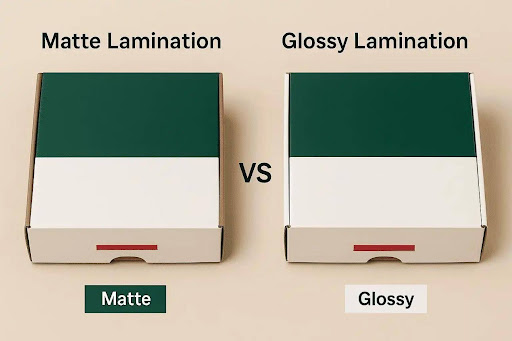
Matte and gloss are two of the most common packaging surface finishes, but they create different visual effects. Matte reduces reflections and can support a restrained design; gloss reflects more light and can make colors and images appear more vivid. Neither is universally better—the choice depends on the artwork, lighting, brand identity, and handling requirements.
| Factor | Matte finish | Gloss finish |
|---|---|---|
| Surface appearance | Low shine and reduced reflection | Shiny and reflective |
| Color impression | Often softer or more subdued | Can make colors appear more vivid |
| Brand direction | Minimalist, understated, modern | Bold, vibrant, high-impact |
| Readability | Can reduce glare on some surfaces | Reflections may interfere with viewing at certain angles |
| Fingerprints and marks | Depends on the specific coating; some matte surfaces show oils or scuffs | Depends on the coating; gloss may show scratches or reflections |
| Common applications | Cosmetics, premium gifts, minimalist cartons | Colorful retail boxes, promotional packaging, photographic artwork |
When Should You Choose Matte?
Choose matte when the design depends on understated colors, elegant typography, subtle branding, or a low-glare appearance. It can also provide a useful background for selective gloss effects, foil, or embossing.
When Should You Choose Gloss?
Choose gloss when bright artwork, product imagery, or a reflective finish supports the brand. It can work well for colorful product lines and designs that benefit from visual impact under retail lighting.
What About Satin Finishes?
Satin sits between matte and gloss in appearance. It offers some sheen without the strong reflection of a high-gloss surface. If neither matte nor gloss fits the intended design, ask your supplier whether a satin coating is available for the selected substrate.
Foil Stamping vs. Spot UV: What’s the Difference?
Foil stamping and spot UV both highlight selected areas of packaging, but they create different effects. Foil stamping adds a metallic or colored foil accent, while spot UV applies a glossy coating to selected parts of the printed surface. The choice depends on whether you want metallic contrast, light reflection, or a combination of visual effects.
| Feature | Foil stamping | Spot UV |
|---|---|---|
| Main effect | Metallic or specialty foil detail | Selective glossy surface |
| Typical appearance | Gold, silver, colored, or holographic accent | Clear or specified gloss effect |
| Best for | Logos, product names, decorative accents | Logos, patterns, illustrations, and selected artwork |
| Tactile effect | Depends on foil and application | Usually a surface coating; raised UV can add more texture |
| Artwork needs | Foil areas and production tolerances must be specified | Spot coating areas must be defined separately |
| Cost considerations | May involve tooling and an additional production step | Depends on coating method, coverage, and setup |
| Combining with matte | Often creates a metallic contrast | Often creates a gloss-on-matte contrast |
Can You Combine Foil Stamping and Spot UV?
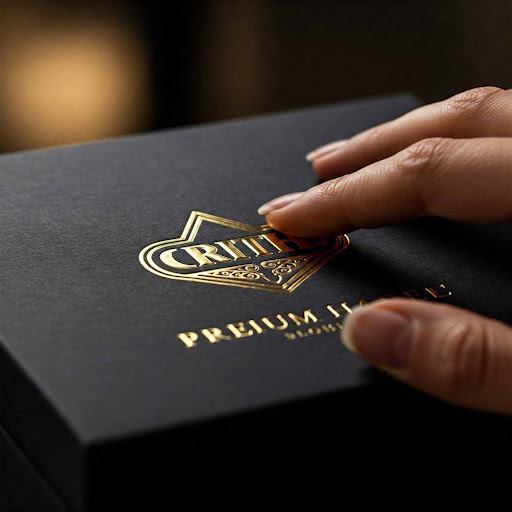
Yes, when the selected materials and production process support both treatments. A package might use a matte background, gold foil for the logo, and spot UV for a subtle pattern. The design works best when each effect has a clear purpose.
Avoid placing too many decorative effects close together. Competing textures and reflections can make a logo less noticeable rather than more prominent.
How to Choose the Right Packaging Finish
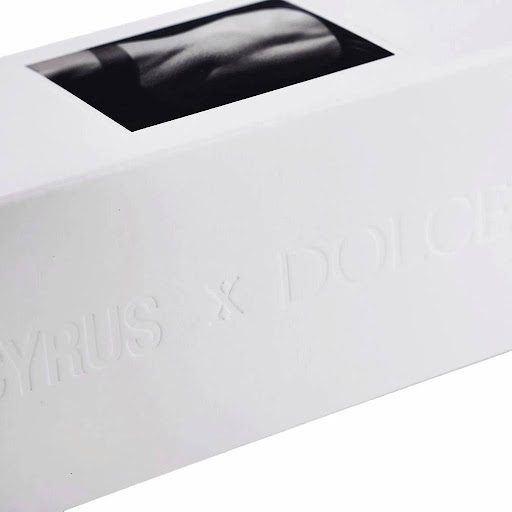
The right packaging finish balances design, material compatibility, product requirements, cost, and the conditions in which the package will be used. Start with the desired customer experience, then select the finish that achieves it with the fewest unnecessary complications.
Step 1: Define the Brand’s Visual Identity
Identify whether the brand should feel minimalist, natural, playful, modern, premium, or bold. A natural personal care range may suit uncoated or matte packaging, while a high-impact retail product may benefit from gloss or selected UV details.
The finish should reinforce the visual identity rather than compete with it.
Step 2: Consider the Product and Its Market
Different product categories have different presentation priorities.
| Product category | Finishes worth considering | Key consideration |
|---|---|---|
| Cosmetics and skincare | Matte, soft-touch, foil, spot UV | Color consistency, tactile feel, and product presentation |
| Fragrance | Foil, embossing, matte, soft-touch | Brand identity and selective decorative detail |
| Jewelry and luxury gifts | Foil, embossing, debossing, textured surfaces | Precision, structure, and tactile experience |
| Food packaging | Compatible varnish, selected coatings, suitable laminations | Food-contact requirements, handling, and material suitability |
| Electronics and accessories | Matte, gloss, selected protective coatings | Surface marking, scuffing, and product protection |
| Retail products | Matte, gloss, spot UV, foil | Shelf visibility and clear product information |
| Ecommerce boxes | Appropriate coating or lamination where needed | Transit handling, rubbing, and overall packaging construction |
These are starting points, not universal rules. A finish suitable for the outside of a folding carton may not be suitable for direct food contact or every flexible packaging structure.
Step 3: Confirm the Packaging Material
A finish must work with the selected substrate. Coated paperboard, uncoated Kraft, rigid box board, corrugated board, and flexible films can respond differently to printing and finishing processes.
Before approving the artwork, confirm:
- Whether the substrate supports the chosen coating or laminate.
- Whether the design needs a special foil or embossing die.
- Whether folding or scoring could crack the finish.
- Whether the adhesive and assembly process are compatible.
- Whether the final surface meets the required appearance and handling performance.
For a broader comparison of material types, see Bluebird Packaging’s packaging materials guide.
Step 4: Match the Finish to the Artwork
Artwork should be designed for the chosen finish, not simply transferred from a screen mockup without adjustment.
For example, a dark package with a soft-touch surface may need careful scuff testing. A pale logo on a Kraft substrate may require a different printing approach from the same logo on white paperboard. Foil and embossing also need sufficient detail and spacing to reproduce clearly.
Bluebird Packaging’s packaging printing guide can help you consider print requirements alongside the finish.
Step 5: Set a Realistic Budget
Compare finishes based on the effect they achieve, not on how many treatments they add. A single foil logo may create more impact than applying foil, embossing, spot UV, and soft-touch lamination to the same box.
When comparing quotations, keep the material, dimensions, quantity, print coverage, and structure consistent. This helps you identify the actual cost difference between finishing options.
Step 6: Test the Final Result
A digital mockup is useful for evaluating layout, but it cannot fully reproduce surface texture, metallic reflection, tactile feel, or real-world scuffing.
Request a physical sample or proof when the finish is important to the design. Review color, registration, texture, folds, edges, and the appearance under realistic lighting. If the package will be shipped, test the assembled product in its intended shipping configuration.
What Are the Best Packaging Finishes for Luxury Products?
Luxury packaging finishes are those that support a refined and consistent product presentation. Matte lamination, soft-touch surfaces, foil stamping, embossing, debossing, and carefully selected textures are common options, but a premium result depends on how well the finish works with the material, structure, and artwork.
Matte and Gold Foil
A matte background with a gold foil logo can create contrast without making the entire box reflective. This approach is useful when the brand wants a restrained layout with one distinctive accent.
Soft-Touch With Embossing
A soft-touch surface paired with an embossed logo adds both tactile and visual detail. It can work for cosmetics, fragrance, and gift boxes, provided the selected coating and embossing process are compatible.
Debossing on Textured Paperboard
Debossing can create subtle branding on textured or paper-focused packaging. It is a useful option when the design relies on material character rather than a bright or reflective effect.
Spot UV on a Matte Surface
A glossy pattern or logo on a matte background can add visual depth without introducing another color. The result depends on the contrast between the coating and the underlying surface.
Choosing Finishes for Rigid Boxes
Rigid packaging can provide a substantial structure for premium products, but the finish still needs to be selected according to the board wrap, surface material, and production method. Consider Bluebird Packaging’s custom rigid box options if the product needs a more substantial presentation.
For gift sets and higher-end product collections, magnetic closure rigid boxes may also be worth reviewing. The finish and box structure should be planned together so that the opening experience, branding, and materials feel consistent.
How Much Do Custom Packaging Finishes Cost?
The cost of custom packaging finishes depends on the treatment, substrate, artwork, coverage, order quantity, and production method. A basic matte or gloss coating may have a different cost structure from foil stamping or embossing, which can involve specialized tooling and additional production steps.
There is no reliable single price for every finish. Request a quote based on the complete packaging specification rather than comparing finish names in isolation.
Factors That Affect Finishing Costs
| Cost factor | How it affects the project |
|---|---|
| Finish type | Different coatings and decorative processes have different production requirements |
| Coverage area | Finishing a whole surface may differ in cost from treating selected areas |
| Tooling | Foil stamping and embossing may require dedicated dies |
| Artwork complexity | Fine details and multiple finishing layers can require more preparation |
| Material | The substrate affects compatibility and production requirements |
| Order quantity | Setup costs and per-unit costs may vary with the run size |
| Number of finishes | Multiple treatments can add production steps and registration requirements |
| Sampling and proofing | Special samples or additional approval stages may affect the project cost |
A useful way to manage the budget is to prioritize the details customers will notice most. If the logo is the most important element, consider applying foil or spot UV to the logo rather than finishing every panel.
For a broader understanding of pricing, review Bluebird Packaging’s custom packaging cost guide and packaging cost considerations.
Are Packaging Finishes Recyclable?
The recyclability of finished packaging depends on the substrate, coating or film, adhesive, foil, other components, and the capabilities of the relevant recycling system. It is not accurate to assume that every matte finish is recyclable or that every foil treatment makes a package unrecyclable.
A paperboard box with a light coating may be handled differently from one with a plastic film laminate or multiple bonded materials. Similarly, the fact that a package looks like paper does not establish how it will be processed after use.
Questions to Ask About Finishes and Sustainability
- Is the finish a coating, varnish, film laminate, or another treatment?
- Can the finished package be processed through the intended recycling stream?
- Does the treatment affect repulping or separation of the packaging materials?
- Are any plastic windows, magnets, inserts, or mixed-material components included?
- Can the supplier provide material information to support environmental claims?
The US Environmental Protection Agency’s paper and paperboard recycling data provides useful background on paper-based materials. For the specific packaging design, the material and finishing supplier should confirm compatibility with the relevant recycling requirements.
Brands looking for ways to reduce unnecessary material complexity can also explore Bluebird Packaging’s sustainable packaging guidance and packaging recycling information.
Are There Alternatives to Plastic Film Lamination?
Depending on the desired appearance and performance, alternatives may include suitable aqueous coatings, varnishes, or uncoated substrates. These alternatives do not automatically deliver the same feel, scuff resistance, moisture resistance, or durability as a film laminate.
The correct comparison should consider the required surface performance as well as recyclability. Ask the supplier to identify the specific coating and provide relevant material information before making environmental claims.
Packaging Finishes for Different Box Styles
The best finish can vary according to the structure and intended use of the box. A folding carton, rigid gift box, display box, and ecommerce mailer have different material and handling requirements.
| Box style | Finishes to consider | Important consideration |
|---|---|---|
| Folding cartons | Matte, gloss, foil, spot UV, aqueous coating | Folding and scoring compatibility |
| Rigid boxes | Soft-touch, foil, embossing, debossing, selected coatings | Wrapped material and surface durability |
| Retail boxes | Matte, gloss, spot UV, foil | Shelf presentation and artwork clarity |
| Mailer boxes | Suitable coatings, selected printed finishes | Transit handling and abrasion |
| Display boxes | Gloss, matte, selected spot effects | Visibility under store lighting |
| Cosmetic boxes | Matte, soft-touch, foil, embossing | Color consistency and premium presentation |
| Kraft boxes | Selected inks, compatible coatings, restrained decorative details | Natural substrate and color reproduction |
For a retail presentation, explore Bluebird Packaging’s retail box options. For packaging designed to support ecommerce fulfillment, review its custom mailer boxes. If the packaging needs to display products at the point of sale, display box options may be more appropriate.
For beauty and personal care products, custom cosmetic boxes can be a useful starting point when comparing finishes and printed presentation. Select the final treatment only after confirming the substrate and structure.
Common Mistakes to Avoid When Choosing Packaging Finishes
A finish should improve the packaging experience without compromising readability, material compatibility, or production quality. These are common issues to review before approving artwork.
Choosing a Finish Only Because It Looks Expensive
Foil, soft-touch, and embossing can be effective, but the most elaborate combination is not necessarily the best. Match the finish to the product and brand.
Approving Artwork Only From a Screen
Digital mockups cannot reproduce every detail of metallic reflection, tactile texture, color behavior, or surface wear. Review a physical sample when those details matter.
Ignoring Text Readability
Gloss, foil, or textured surfaces can make certain text harder to read depending on contrast, lighting, and placement. Keep essential product information clear and easy to locate.
Applying Too Many Effects
Combining matte, foil, embossing, and spot UV can work, but only when each effect has a clear role. Excessive decoration may weaken the visual hierarchy.
Overlooking Folding and Assembly
Some finishes can behave differently around scores, folds, edges, or adhesive areas. Confirm that the chosen treatment works with the actual box structure.
Assuming Every Finish Protects Against Moisture
A surface coating may offer some resistance to everyday contact, but that does not make the finished box waterproof. Ask for specific performance information when moisture exposure is a concern.
Making Unsupported Sustainability Claims
Do not assume a finish is environmentally preferable based on its name or appearance. Check the actual material construction and relevant recycling requirements.
For more general design guidance, Bluebird Packaging’s packaging design ideas and custom packaging overview can help connect finishing decisions with the broader packaging design.
Packaging Finish Approval Checklist
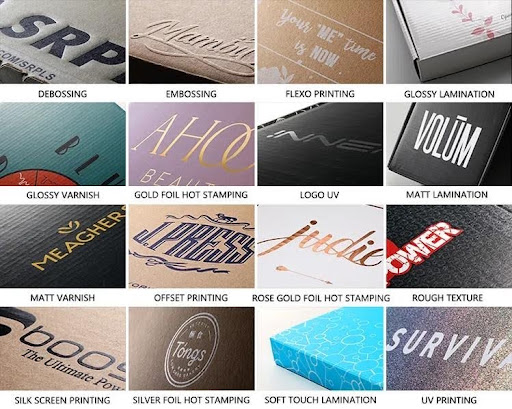
Use this checklist before signing off on a packaging design or production sample.
- The finish supports the brand’s visual identity.
- The substrate is compatible with the chosen treatment.
- Colors and contrast have been reviewed on the actual material.
- Essential text remains legible under expected lighting.
- Foil, embossing, or spot UV artwork is correctly specified.
- Folding, scoring, gluing, and assembly have been considered.
- The sample has been checked for surface marks and visual consistency.
- The finish is suitable for the expected handling and distribution conditions.
- Sustainability claims are supported by material information.
- The quote confirms finish type, coverage, quantity, and production requirements.
A consistent approval process helps reduce avoidable surprises and keeps the final package aligned with the intended design.
Frequently Asked Questions About Packaging Finishes
1. What are the different types of packaging finishes?
Common packaging finishes include matte, gloss, soft-touch, foil stamping, spot UV, full UV coating, aqueous coating, embossing, debossing, and uncoated or textured surfaces. Each creates a different appearance or tactile effect, and some also help protect the printed surface.
2. What is the difference between a coating and lamination?
A coating is applied to a surface as a liquid or similar treatment, while film lamination bonds a thin film to the printed material. Both can change the appearance and surface performance, but their feel, durability, production requirements, and recycling implications may differ.
3. Is matte or gloss better for packaging?
Matte is often chosen for a low-glare, understated appearance, while gloss creates a more reflective surface that can make colors appear vivid. The best choice depends on the artwork, brand identity, lighting, and handling conditions.
4. What is spot UV coating on packaging?
Spot UV is a UV-cured coating applied to selected areas of a package rather than the entire surface. It is often used to highlight a logo, pattern, or product name, particularly when the rest of the package has a matte finish.
5. What is the difference between foil stamping and metallic ink?
Foil stamping transfers a decorative foil to selected areas of the packaging, commonly using heat and pressure. Metallic ink is printed as part of the artwork. Their reflectivity, appearance, production requirements, and cost can differ, so samples are useful when choosing between them.
6. Is soft-touch lamination the same as matte lamination?
No. Matte describes a low-sheen appearance, while soft-touch describes a velvety tactile effect that often also has a matte appearance. A standard matte finish may not feel as soft as a dedicated soft-touch treatment.
7. Which packaging finishes are best for luxury products?
Matte, soft-touch, foil stamping, embossing, debossing, and selected textures are common choices for premium packaging. The best combination depends on the product, brand, material, and budget. A simple finish used precisely can be more effective than several competing effects.
8. Can packaging finishes protect boxes from scratches?
Some coatings and laminations can help reduce routine scuffing and surface wear. However, protection varies by product and application. Ask the supplier about the specific finish’s performance rather than assuming that all coatings are scratch-resistant.
9. Are packaging finishes environmentally friendly?
Environmental performance depends on the complete packaging construction, including the substrate, coating, film, foil, adhesives, and recycling infrastructure. No finish should be described as environmentally friendly or recyclable without appropriate evidence for the specific product and market.
10. Can you combine matte, foil stamping, and spot UV?
Yes, if the materials and production process support the combination. A matte background can provide contrast for a foil logo and selected glossy details. Keep the visual hierarchy clear and approve a sample before production.
11. What affects the cost of custom packaging finishes?
The finish type, coverage, tooling, artwork complexity, material, order quantity, and number of production steps all influence cost. Compare quotes using the same packaging specification to identify meaningful differences.
12. How do I choose the right finish for custom boxes?
Start with the intended brand appearance and product use. Then confirm substrate compatibility, printing requirements, surface performance, cost, and recycling considerations. Review a physical proof when texture, metallic effects, color, or durability is important.
Conclusion: Choose Packaging Finishes That Support Your Brand
Packaging finishes influence how customers see and feel a product before they open the box. Matte and gloss treatments change the surface appearance, soft-touch adds a tactile quality, foil stamping creates metallic accents, and spot UV, embossing, and debossing highlight selected design elements.
The best choice is not necessarily the most elaborate one. It is the finish that supports your brand, works with the packaging material, meets practical handling requirements, and fits your budget. Compare the actual production specifications, test samples where appropriate, and check sustainability claims against the finished construction.
Bluebird Packaging can help businesses explore custom packaging options with different materials, printing approaches, and finishing requirements. Review the Bluebird Packaging website to explore suitable packaging formats, or request a custom packaging quote with your box dimensions, quantity, artwork, and preferred finish.