Custom Necklace Cards for Jewelry Display and Retail Packaging
Necklace presentation starts with more than the jewelry itself. The way a chain hangs, how a pendant is positioned, and how your brand appears beside the product can influence the overall presentation. Custom necklace cards provide a practical way to organize necklaces, display jewelry clearly, and introduce consistent branding across a product collection.
These cards are useful for jewelry boutiques, handmade accessory businesses, online sellers, craft-market vendors, and brands that package lightweight necklaces for retail. With the right card dimensions, chain-holding features, material, and printed design, you can create packaging that supports both product presentation and everyday handling.
Whether you sell delicate chains, pendant necklaces, layered styles, or matching accessory sets, choose a card design that suits the jewelry rather than relying on one layout for every product. Explore the full collection of jewelry packaging options to plan a presentation that works with your wider product range.
What Are Necklace Cards?
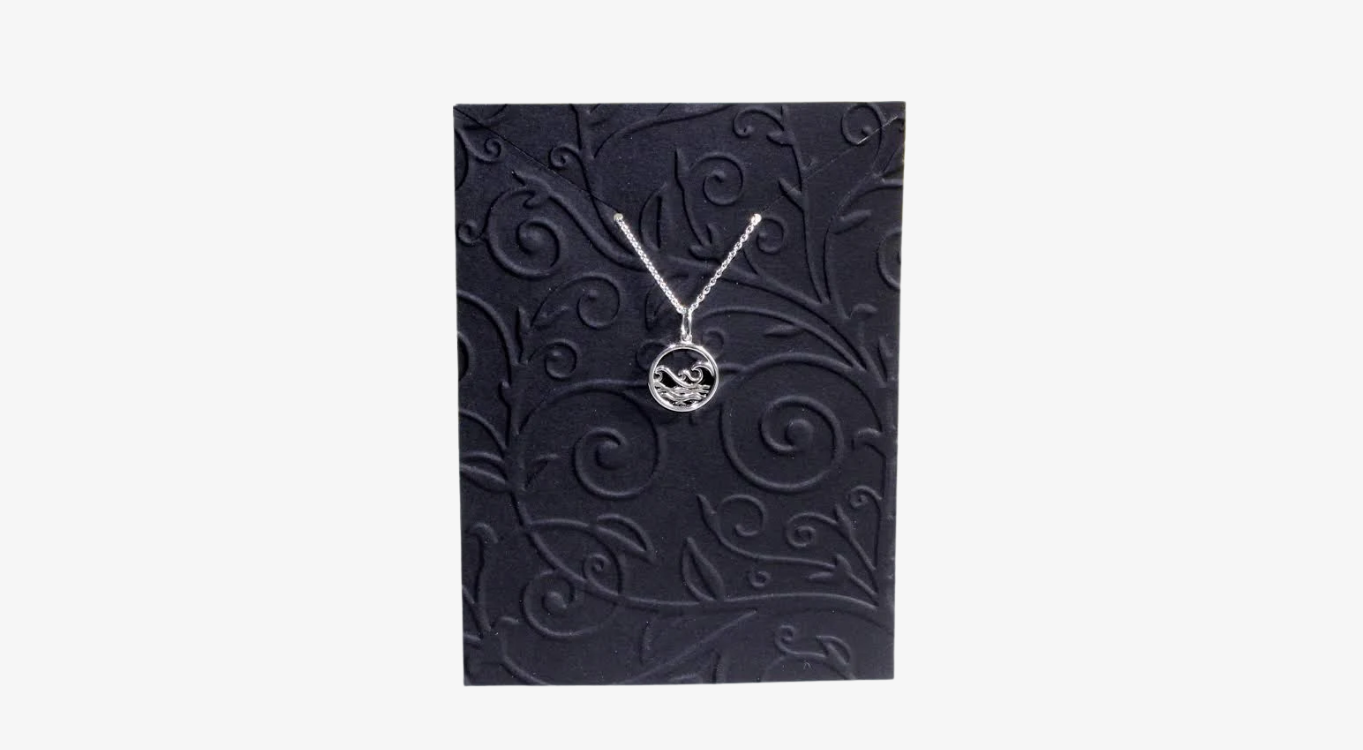
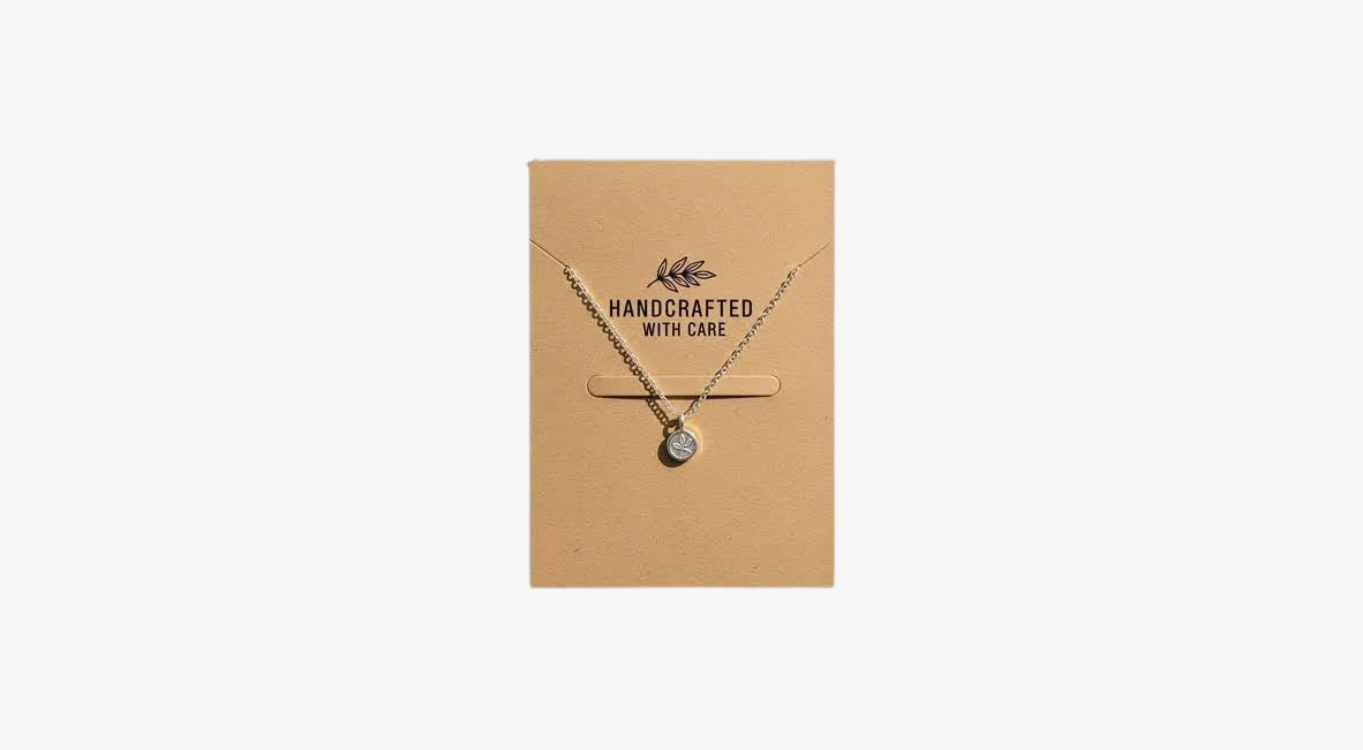
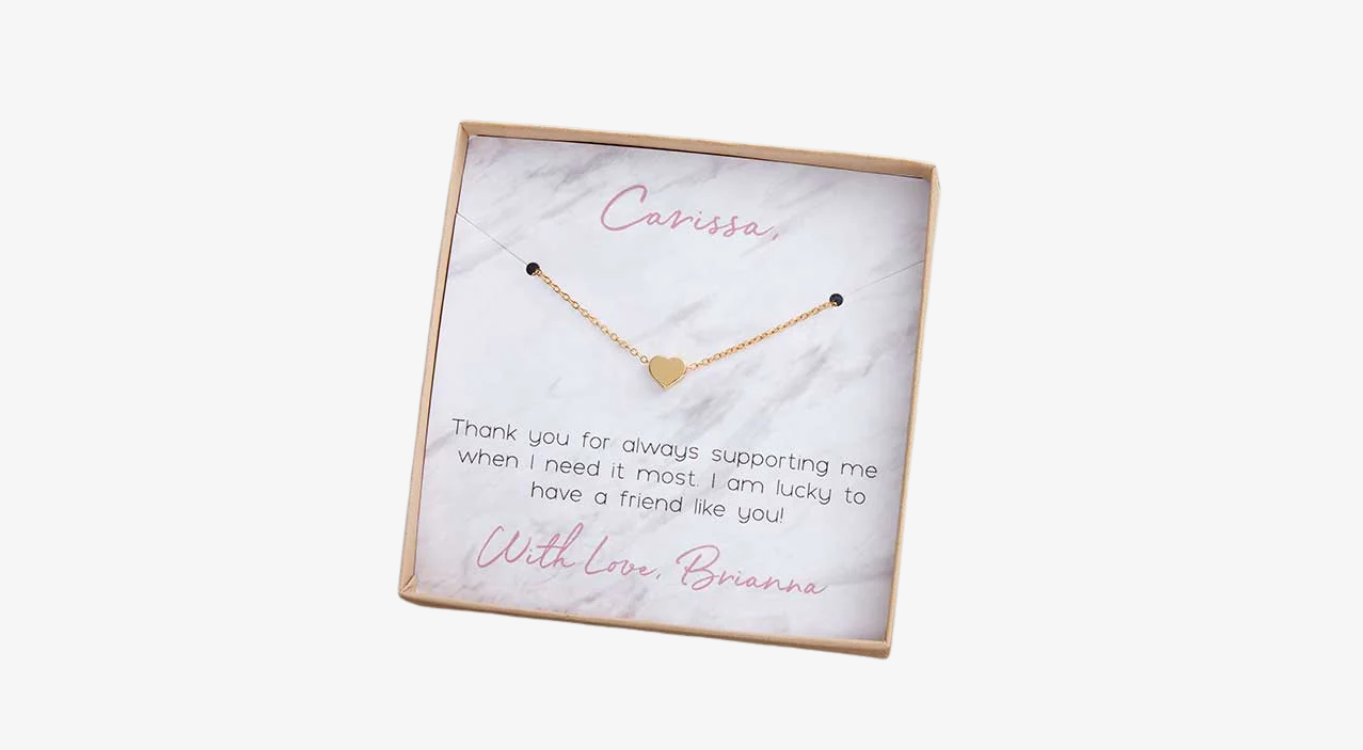
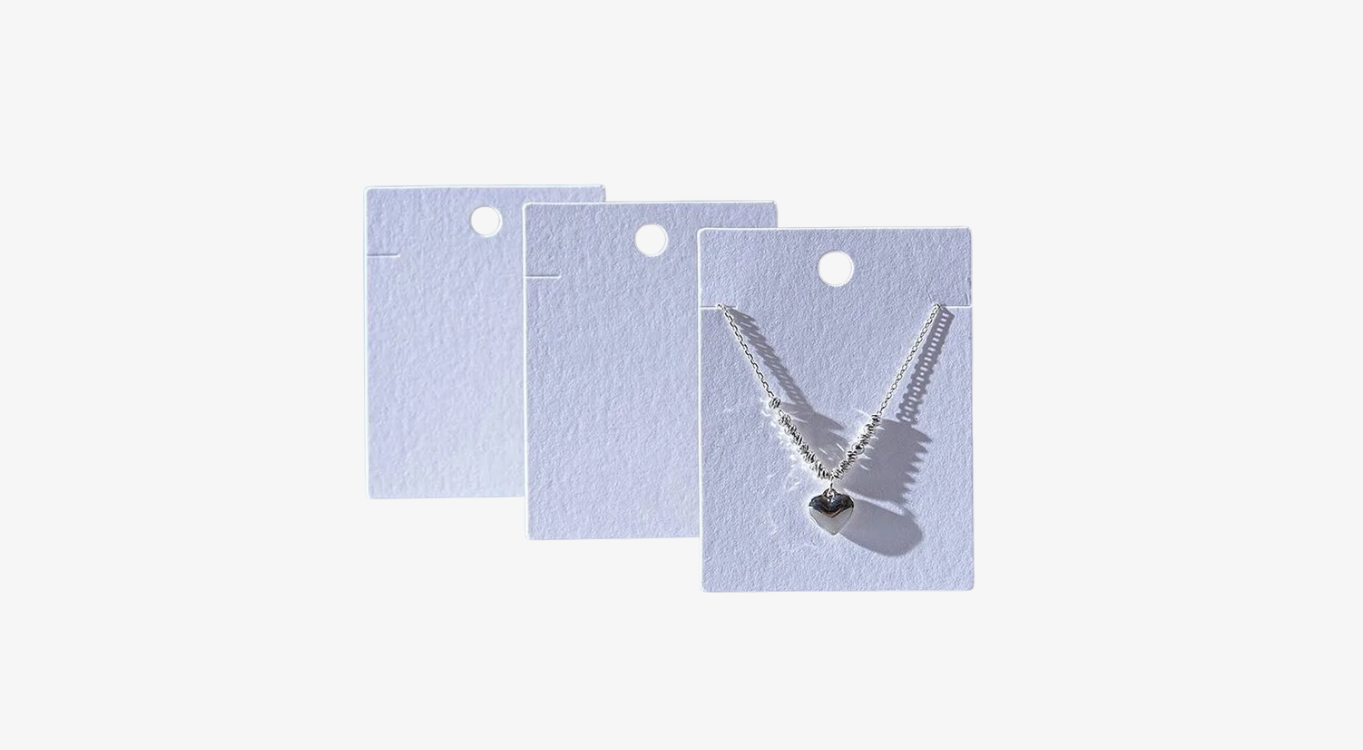
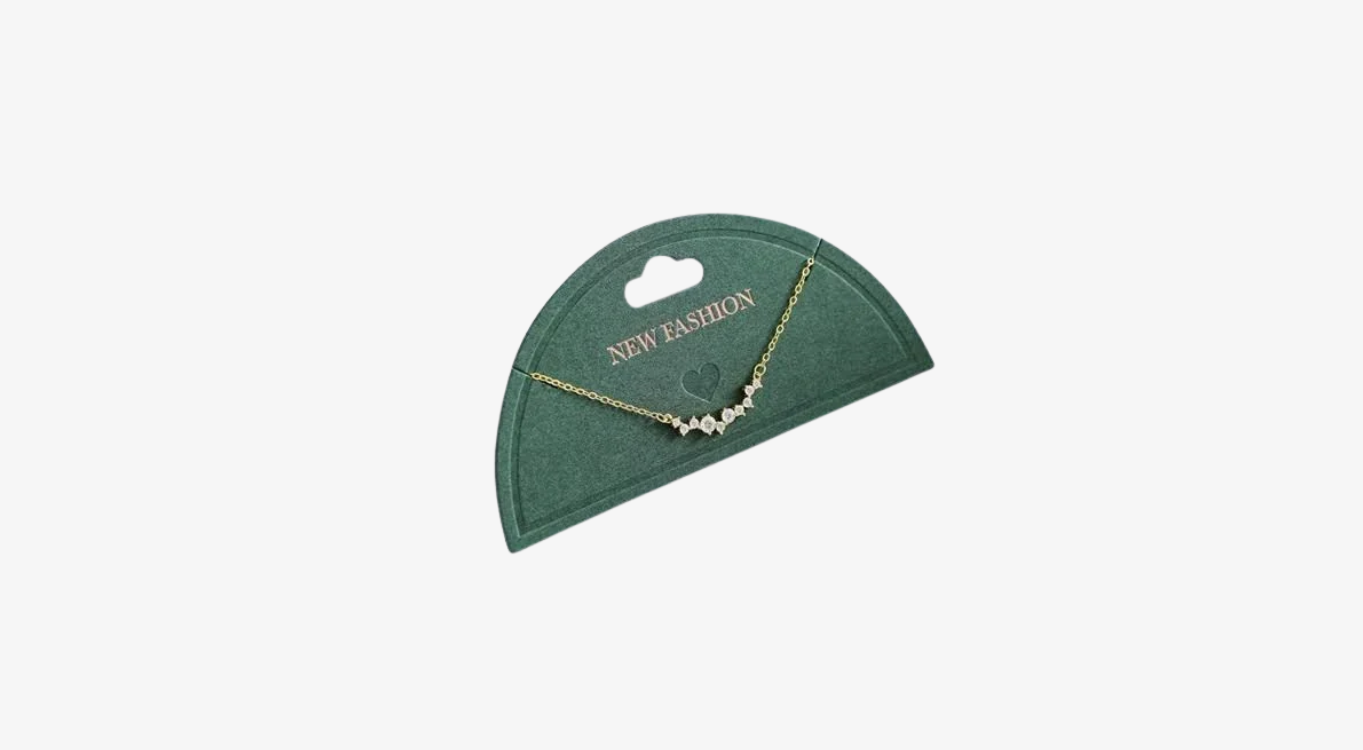
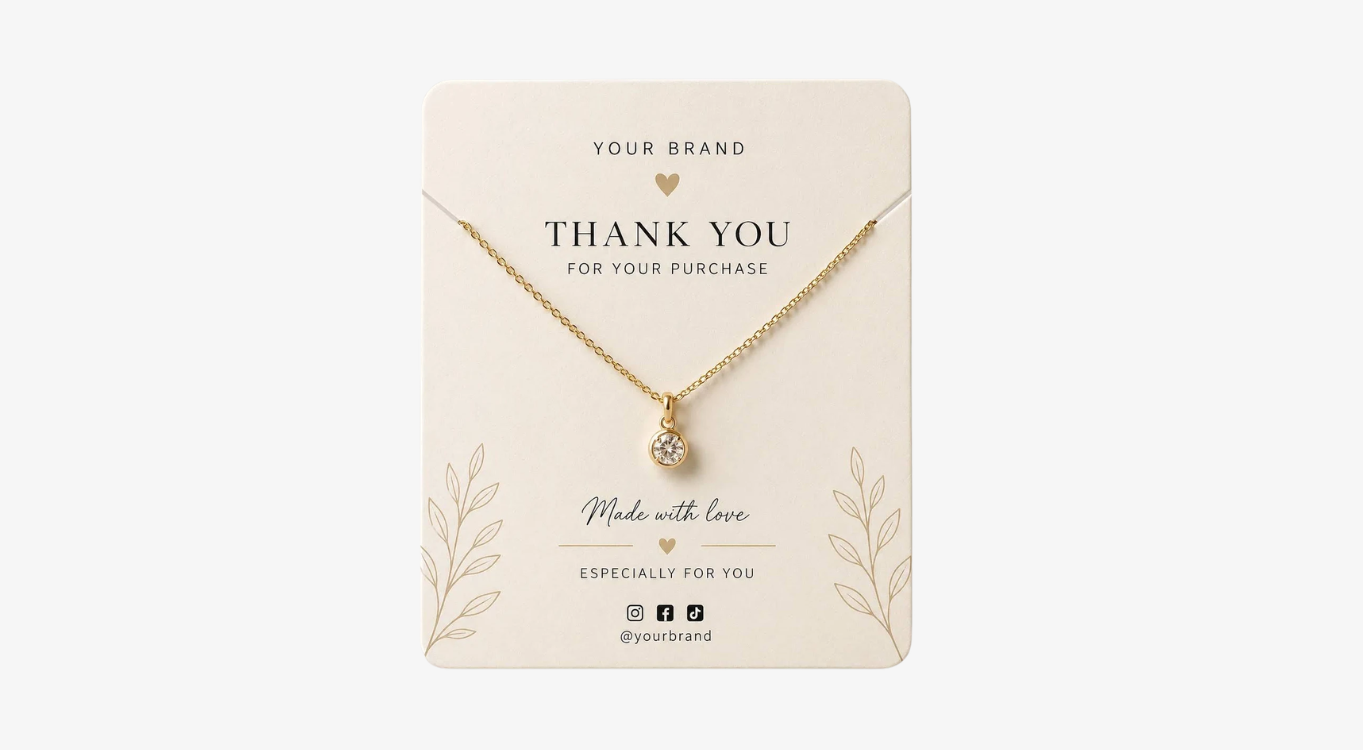
Necklace cards are specially designed cards that hold and present necklaces. They commonly feature small slots, notches, holes, or other attachment points to keep a chain positioned on the card. Depending on the design, the card may also include a printed logo, product name, material information, care instructions, or other brand details.
Unlike a traditional jewelry box, a necklace card keeps the product visible without fully enclosing it. This makes cards particularly useful when customers need to view the necklace before purchasing or when jewelry is displayed on hooks, in retail trays, or inside transparent packaging.
A suitable design should account for the chain length, pendant size, necklace weight, and the way the product will be displayed. Cards intended for delicate, lightweight chains may need different support from those used for heavier pendants or layered necklaces.
Benefits of Custom Necklace Cards
Keep Chains Organized
Necklace chains can shift, overlap, or become tangled when they are not properly secured. Well-positioned slots or attachment points help keep the chain arranged for display and handling. The placement should be tested with the actual necklace to ensure the card holds it securely without creating unnecessary tension.
Make Jewelry Easier to Display
A necklace mounted on a card is easy to view, making this format suitable for countertop displays, hanging displays, product trays, and some e-commerce packaging arrangements. A clear layout helps customers see the chain and pendant without removing the product from its presentation.
Strengthen Brand Recognition
Custom printing gives jewelry sellers a place to present their logo, brand colors, and visual identity. Depending on the layout, the card may also include a product name, collection name, website, or care information. Keep the design readable and allow enough space around the necklace so that branding does not compete with the product.
Support Consistent Retail Presentation
Using a coordinated card design across a jewelry collection can make a display look more organized. You can keep the same logo and visual style while adjusting card dimensions or attachment points to accommodate different necklace designs.
Offer a Practical Packaging Option
Necklace cards can be used on their own for suitable display situations or paired with a pouch, sleeve, or box when additional presentation or protection is needed. The right combination depends on the product, sales channel, and handling requirements.
How to Choose the Right Necklace Card Design
A good necklace card begins with the physical characteristics of the jewelry. Before choosing artwork or finishes, consider how the necklace will sit on the card and how customers will interact with the product.
Card Size and Shape
The card should provide enough room for the chain and pendant without making the jewelry appear lost in excessive empty space. A narrow design may work for a fine chain, while a broader card may be more appropriate for a larger pendant or a necklace with decorative details.
Measure the necklace in its intended display position, including the pendant and any components that extend beyond the chain. Leave enough space for the attachment points and branding while avoiding a layout that causes the chain to cross awkwardly over the printed information.
Chain Slots and Attachment Points
The number and position of slots or holes affect how easily the necklace can be mounted and removed. The design should hold the chain in a natural position and prevent unnecessary movement during ordinary handling.
Test the attachment points with the actual chain before finalizing production. Very fine chains may need carefully positioned slots, while heavier pieces may require a sturdier card or additional support.
Pendant Placement
For necklaces featuring a central pendant, the card should allow the pendant to sit visibly without covering important branding or printed details. Check the pendant’s length and width as well as the chain’s drop, because both influence the finished presentation.
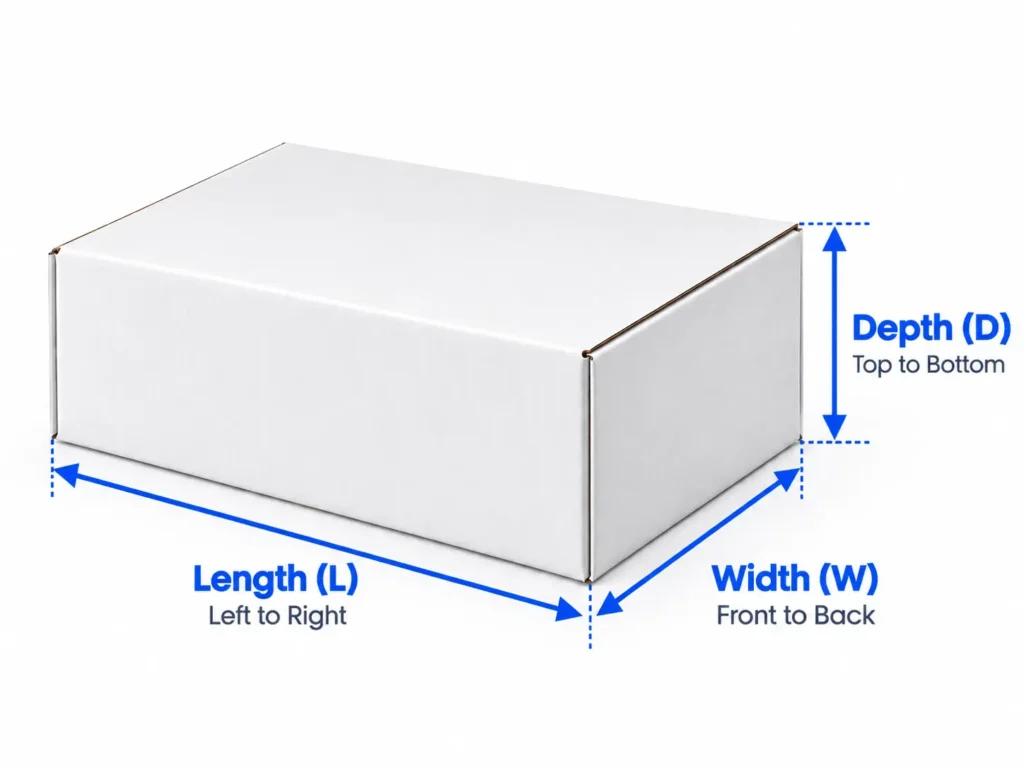
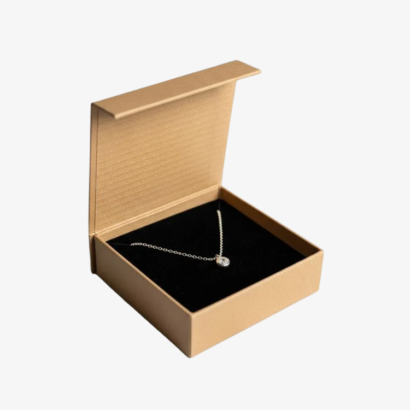
For larger or more valuable pieces, consider whether a dedicated necklace box with a fitted interior would offer better support for storage, gifting, or shipping.
Materials and Printing Options
Material selection influences the card’s stiffness, print quality, appearance, and suitability for the intended necklace. The best material depends on the jewelry’s weight and the conditions in which the card will be used.
Cardstock for Everyday Retail Displays
Cardstock can be suitable for many lightweight necklace styles and standard retail applications. Choose a thickness that provides enough support for the product and the planned attachment points. A card that is too flexible may bend during handling, while an unnecessarily heavy stock may add cost without improving the display.
Premium Paper Finishes
Textured or coated papers can help create a distinctive appearance. A smooth finish may suit a minimalist brand, while a subtle texture can support a handmade or boutique aesthetic. Select a finish that complements the jewelry and remains practical for handling.
Custom Printed Branding
Printed logos, brand colors, product descriptions, and other selected details can make necklace cards feel like part of a complete packaging system. Before approving the artwork, check the logo size, text legibility, color consistency, and the amount of clear space around the necklace.
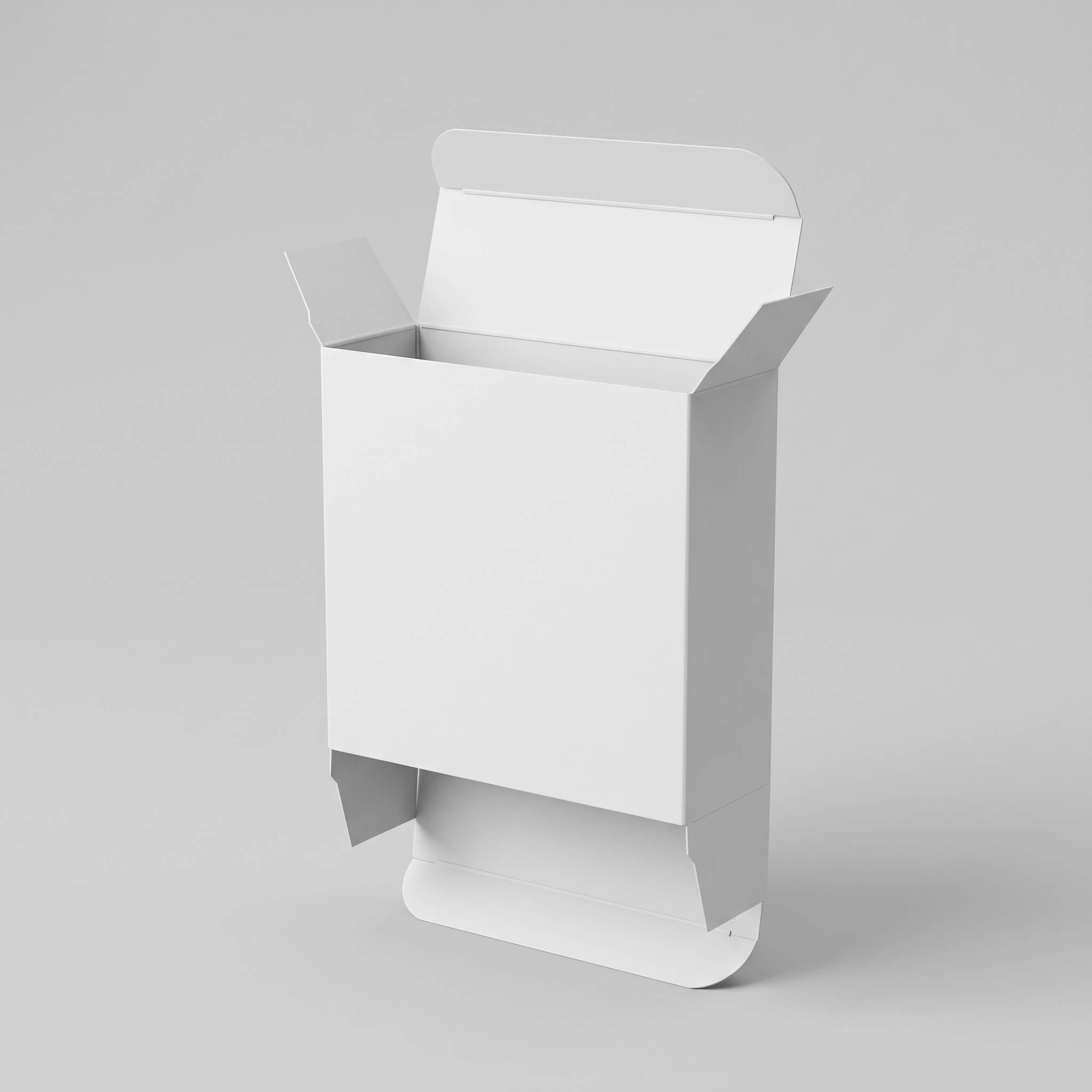
For a coordinated presentation, consider pairing cards with small boxes designed for compact jewelry pieces or jewelry pouches for an additional layer of presentation.
Necklace Cards for Different Jewelry Businesses
Handmade Jewelry Brands
Independent makers often sell necklaces at craft markets, through online shops, or directly to customers. A custom card can help organize each piece and communicate the brand’s identity. Consider including only the information customers need, such as the brand name, collection, or relevant care instructions.
Jewelry Boutiques
Retail stores may use necklace cards to keep individual products easy to identify and arrange. Consistent card dimensions and visual styling can help maintain a tidy display while still allowing different necklaces to stand out.
E-Commerce Sellers
For online sellers, necklace cards can help present the product neatly before it is placed in an outer mailer or protective package. Cards alone should not be assumed to provide adequate shipping protection; test the complete package for the product and delivery conditions.
Gift and Accessory Collections
If necklaces are part of a coordinated gift set, the card can be designed to complement the outer packaging. For more substantial presentation, explore premium jewelry packaging concepts that combine a card, insert, pouch, or box as appropriate.
Pair Necklace Cards With Complementary Packaging
Necklace cards can work as one element of a wider packaging system. The right combination depends on whether your priority is retail display, storage, gifting, or shipping.
You can also compare broader jewelry packaging formats, materials, and design ideas to determine how cards can work with other packaging components. For smaller brands developing a complete packaging approach, our guide to packaging ideas and practical considerations for small businesses offers additional planning context.
Branding Tips for Effective Necklace Cards
A well-designed necklace card should make the jewelry the main visual focus. Branding should support the product, not make it difficult to see or handle.
Consider these design principles:
- Use a clear visual hierarchy. Make the logo easy to recognize, but keep it proportionate to the card.
- Choose complementary colors. Select colors that work with the jewelry and match your wider brand identity.
- Keep important details readable. Avoid placing small text near slots, holes, or areas covered by the necklace.
- Match the design to your audience. A contemporary brand may favor clean typography, while a handmade collection may use a warmer visual style.
- Test the physical layout. Place the actual necklace on a sample card before approving the design. Confirm that the chain, pendant, and branding remain clearly visible.
If you plan to use the same design for multiple necklaces, verify that the card works with the largest and smallest pieces in the intended range. Separate card sizes may be more practical if the jewelry varies significantly.
How to Prepare an Order for Custom Necklace Cards
Before requesting a quote, gather the information needed to determine the card’s size, material, printing, and construction.
- Necklace specifications: Provide chain length, pendant dimensions, approximate weight, and product photographs where helpful.
- Card dimensions: Share your preferred width and height or request guidance based on the necklace.
- Material requirements: Explain whether you need a standard retail card or a more substantial option.
- Attachment design: Identify how the chain should be held and whether the pendant needs a dedicated display area.
- Artwork: Prepare your logo, brand colors, and any product information that must appear on the card.
- Order quantity: Estimate the quantity needed for your current collection and future restocking.
- Packaging use: Clarify whether the cards will be hung on retail displays, placed in boxes, included in pouches, or packed for online orders.
Review a sample with the actual jewelry before confirming the final design. This allows you to check fit, readability, card strength, and the finished appearance.
Create Custom Necklace Cards for Your Brand
The right necklace card can help keep chains organized, make pendants easier to view, and give your jewelry collection a consistent presentation. The most suitable option depends on the necklace dimensions, display method, material requirements, and branding goals.
Explore the wider Jewelry Boxes collection to plan complementary packaging for your product range. When you’re ready, request a custom packaging quote with your necklace measurements, preferred card style, artwork, and estimated quantity. For additional assistance, visit the Bluebird Packaging contact page.
Frequently Asked Questions
1. What are necklace cards used for?
Necklace cards hold and present necklaces for retail displays, handmade jewelry sales, and selected packaging applications. They help keep chains arranged and provide space for branding or product information.
2. Can necklace cards be customized with a logo?
Yes. Custom designs can include a logo, brand colors, selected text, and other artwork, depending on the printing options available for the chosen material.
3. What material is suitable for necklace cards?
Cardstock and other suitable paper-based materials are common choices. The ideal thickness and finish depend on the necklace’s weight, attachment design, display method, and desired appearance.
4. Can necklace cards be used with jewelry boxes?
Yes. Necklace cards can be paired with a suitable box or pouch when the packaging plan calls for additional presentation or protection. Check that the card and necklace fit comfortably inside the selected format.