
Description
1. Packaging Buying Guide
Product Buying Guide
Sizing
Choosing the right size is important for proper fit, protection and presentation.
- Measure your product or container diameter and height.
- Add suitable extra space for easy insertion.
- Consider inserts or internal protection when required.
- Ask our team for help with measurements if needed.
Materials
Select packaging material based on product weight, required strength, presentation and shipping needs.
- Cardboard for versatile retail packaging.
- Kraft for a natural appearance.
- Corrugated material for additional strength and protection.
- Rigid stock for premium packaging.
Box Styles
Choose a box structure that matches your product dimensions, presentation and opening experience.
- Straight and reverse tuck structures.
- Window packaging.
- Sleeve packaging.
- Premium rigid structures.
Printing
Custom printing turns the package into a strong branded customer touchpoint.
- Full-color CMYK printing.
- PMS color matching.
- Inside and outside printing.
- Logos, artwork and product information.
Finishing
Finishing options can improve the appearance, texture and perceived quality of your packaging.
- Matte finish.
- Gloss finish.
- Soft-touch coating.
- Foil stamping and Spot UV.
Inserts
Custom inserts can help secure products inside the box while improving presentation.
- Custom-fit inserts.
- Product positioning and protection.
- Multi-product arrangements.
- Presentation-focused internal structures.
Retail & Shipping
Packaging can be designed around retail presentation, ecommerce fulfillment or both.
- Retail shelf presentation.
- Shipping protection.
- Ecommerce packaging requirements.
- Customer unboxing experience.
Design Tips
Strong packaging design balances branding, readability, presentation and practical structure.
- Keep your primary branding prominent.
- Create a clear visual hierarchy.
- Design artwork around structural folds and panels.
- Keep important product information easy to read.
2. Box Size Guide
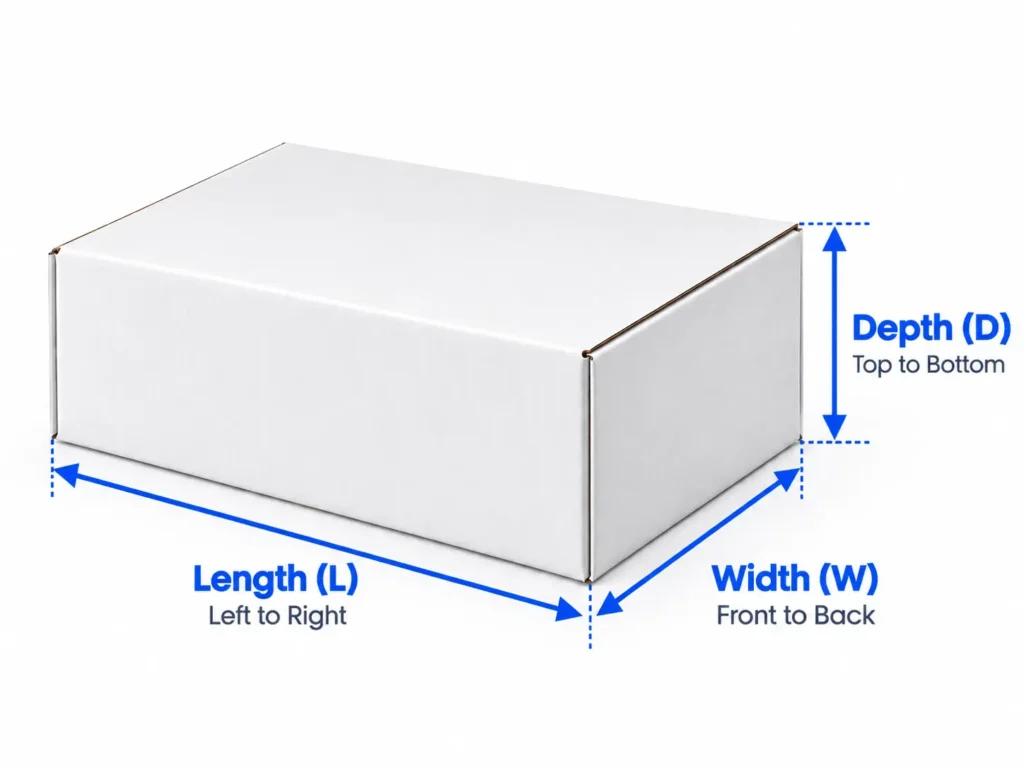
Use the diagram below to identify the length, width and depth of your box. Measurements should be provided as Length × Width × Depth.
3. Stock Type & Finishing Guide
Explore our packaging materials and finishing options to find the right combination of strength, appearance and texture for your custom boxes. Compare available stock types and discover premium finishes that can enhance the look and feel of your packaging.
Discover our premium range of packaging materials, crafted to meet your specific needs. Whether you require sturdy cardboard boxes or eco-friendly options, we have the perfect solution for you. Enhance your brand and safeguard your products with our customizable packaging solutions.


Select from a range of packaging paper thicknesses, from 8pt to 28pt, tailored to your specific needs. For rigid boxes that demand extra durability and a touch of luxury, thicker paper effectively supports your product’s weight. Make a smart choice that aligns with your budget while ensuring your packaging reflects quality and strength.


Explore our selection of premium packaging materials crafted to perfect your packaging order. Whether you need sturdy cardboard boxes or eco-friendly options, we have the ideal materials to meet your specific needs. Elevate your brand and safeguard your products with our customizable packaging solutions.


Experience worry-free shipping with our reliable packaging solutions. Whether you choose ground or air, our guaranteed, insured freight options ensure your orders arrive safely and securely. Rest easy knowing your products are in trusted hands from production to delivery.


Choose Your Style. Get Your Quote.
Select a box style, then complete the quote form. Not sure? Choose Custom / Other and we’ll help.
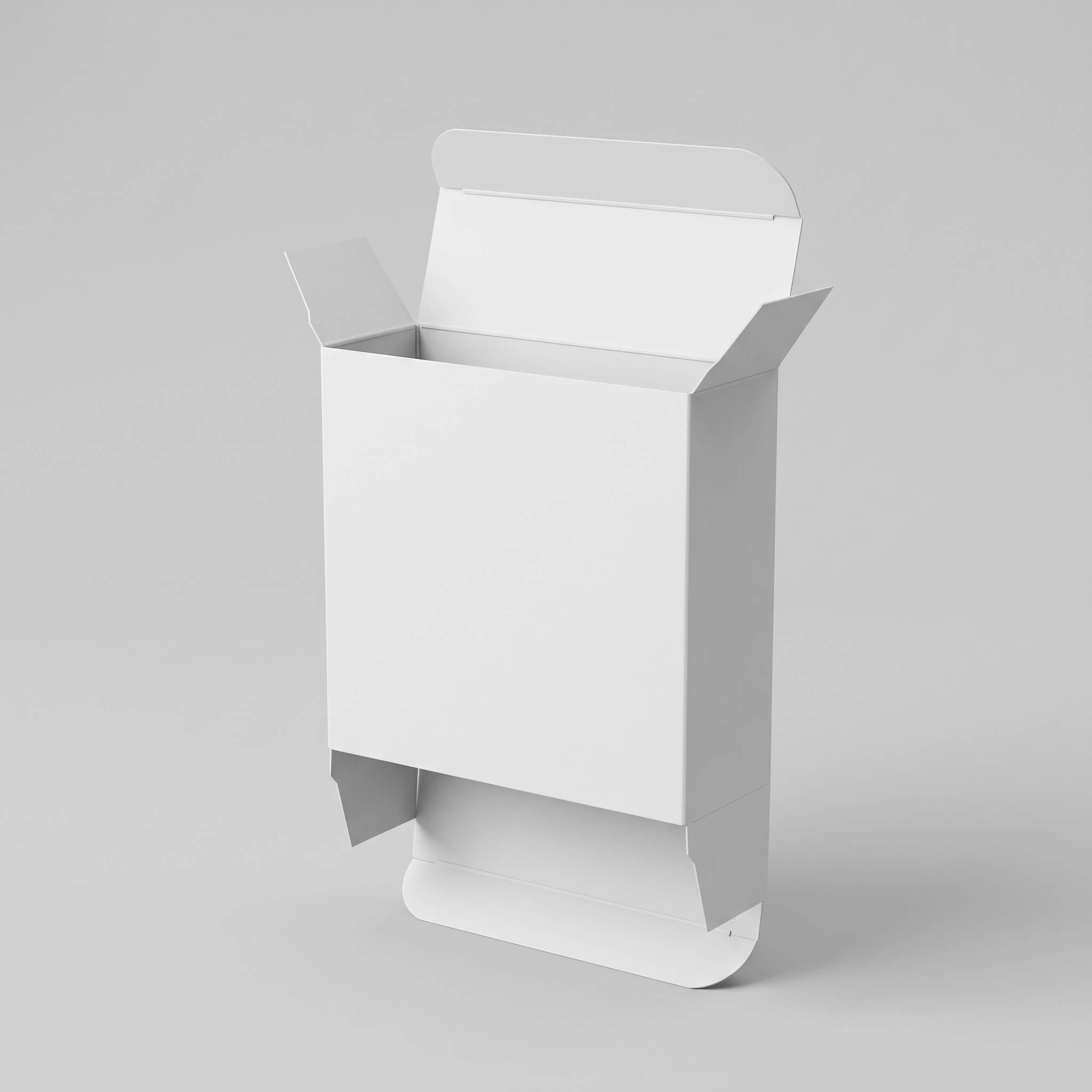
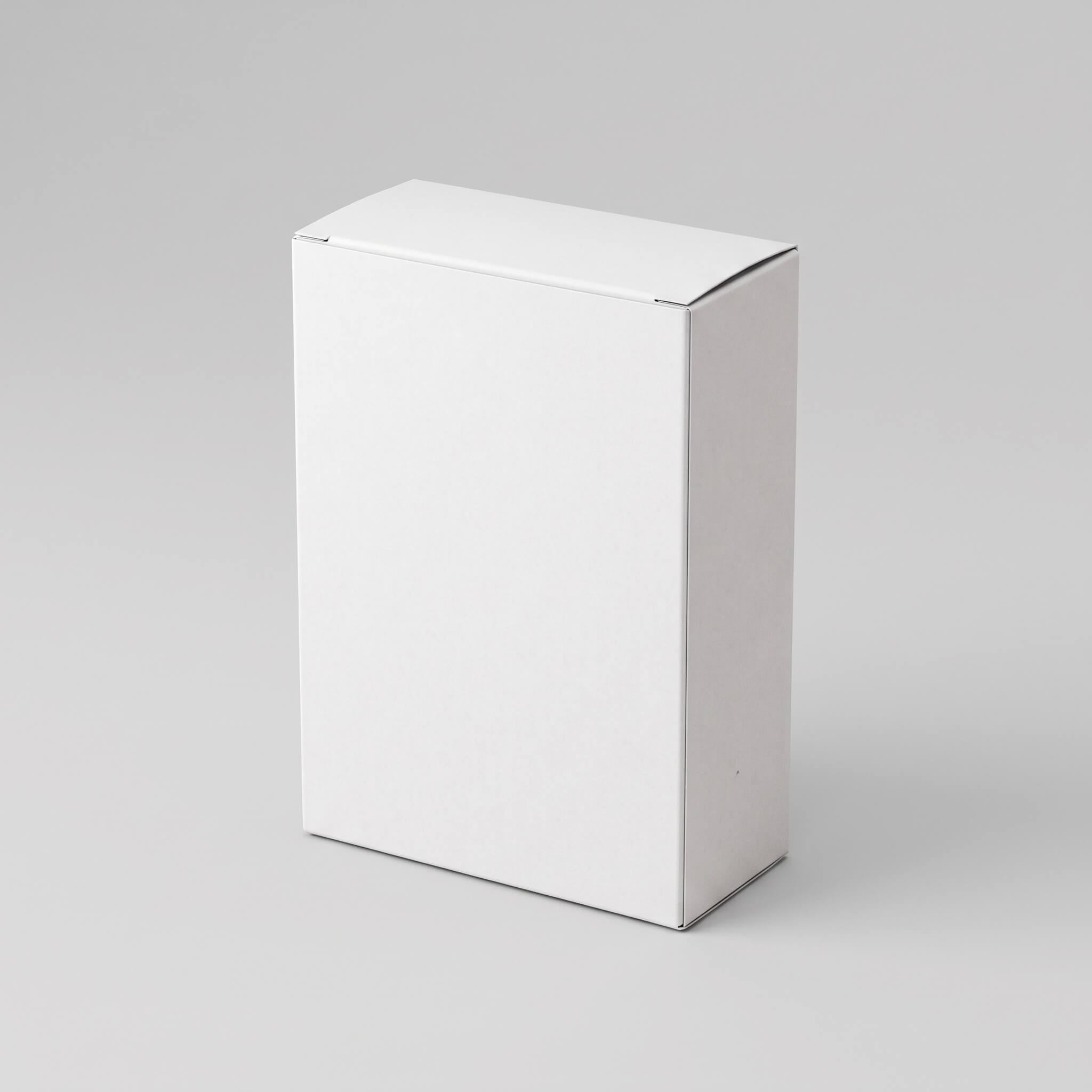
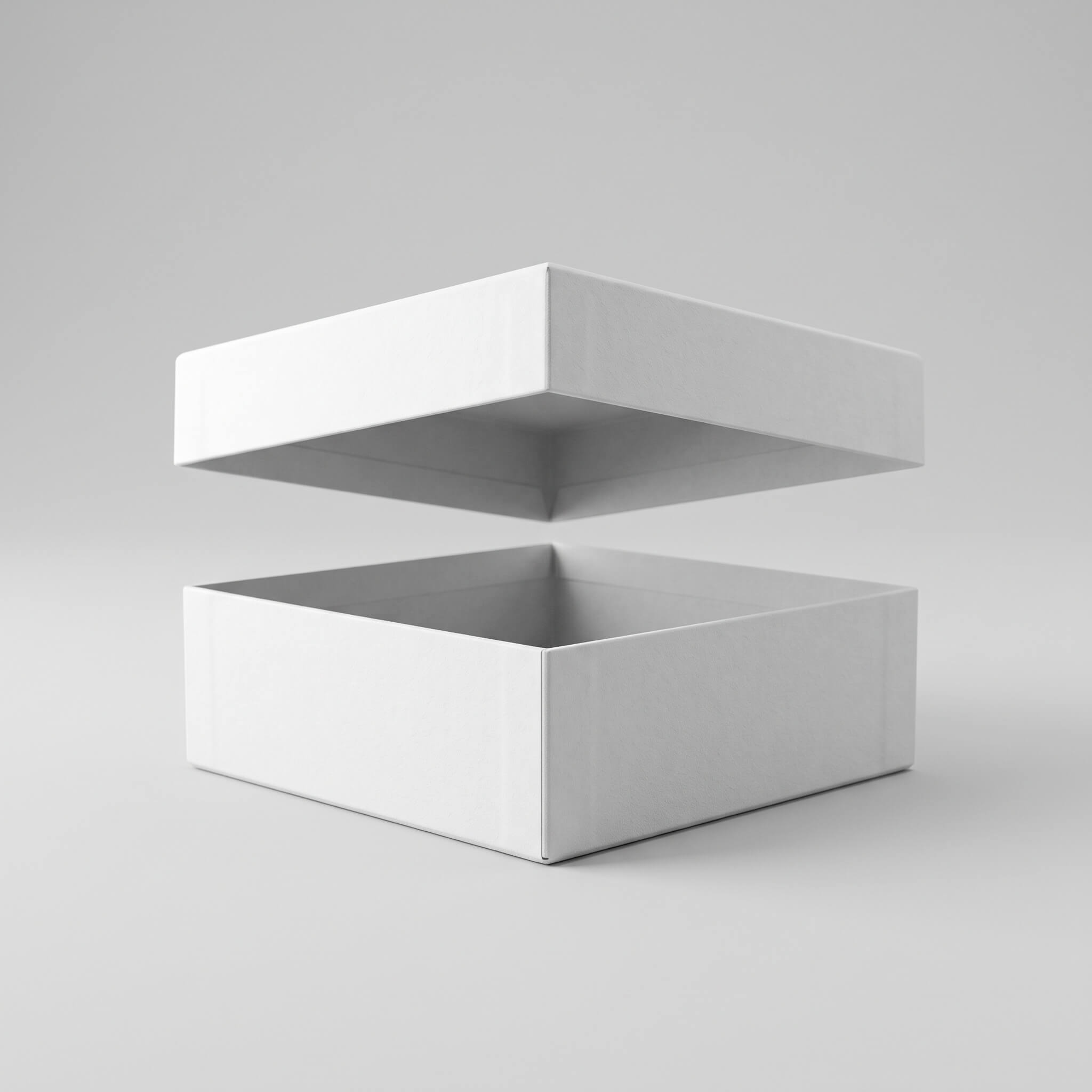
Choose Your Box Style
Click the box style that best matches your product. If you're unsure, select Custom / Other and we'll help you choose.
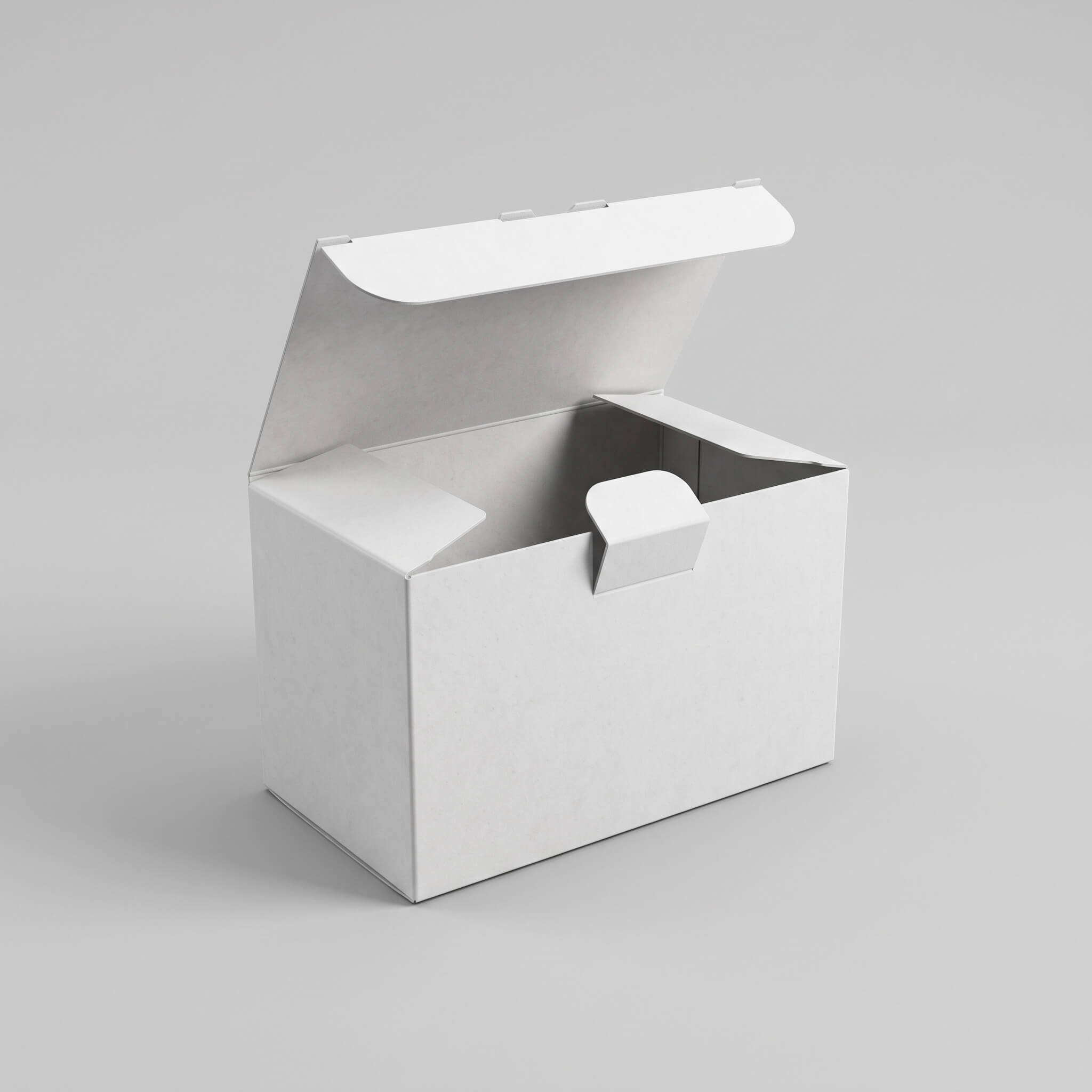
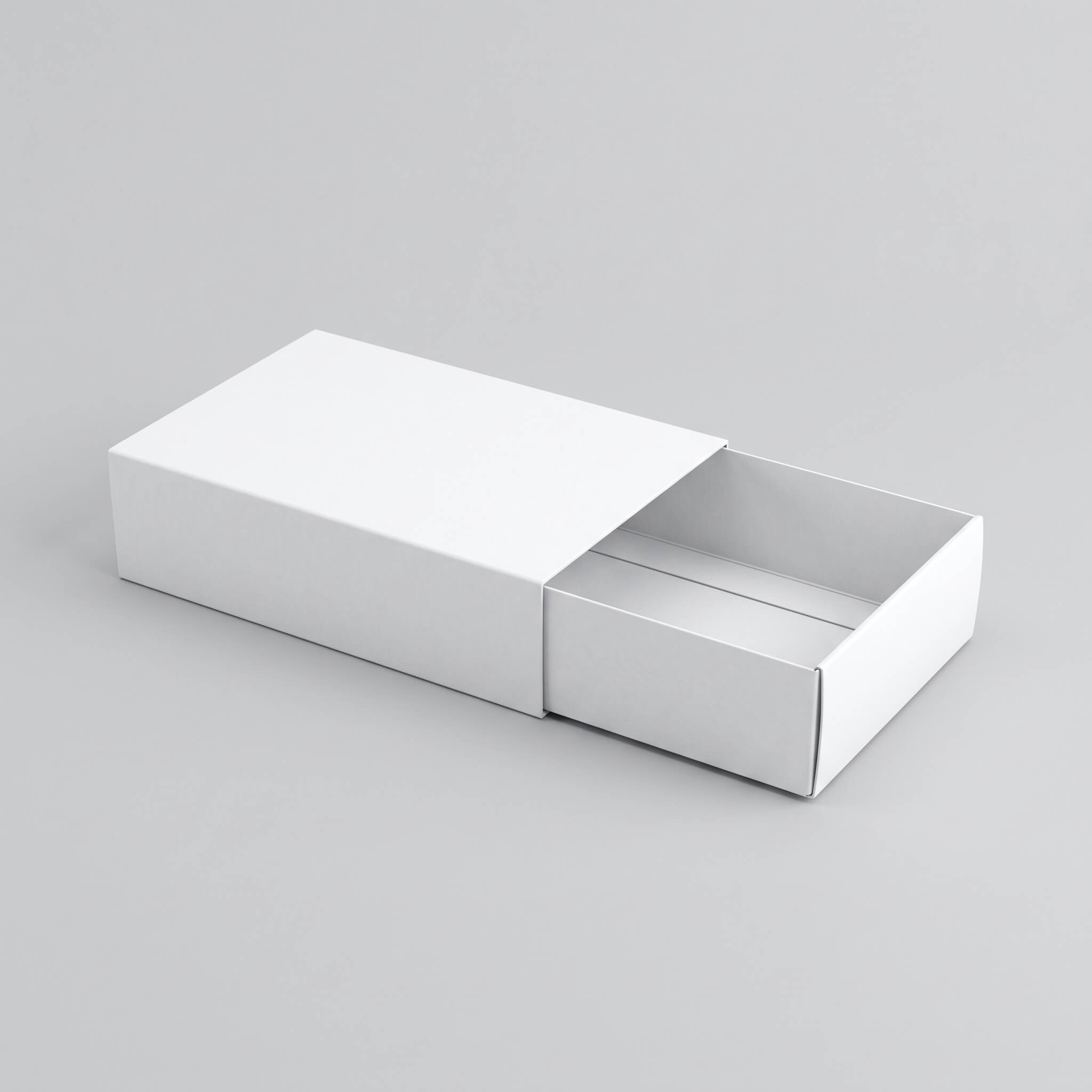
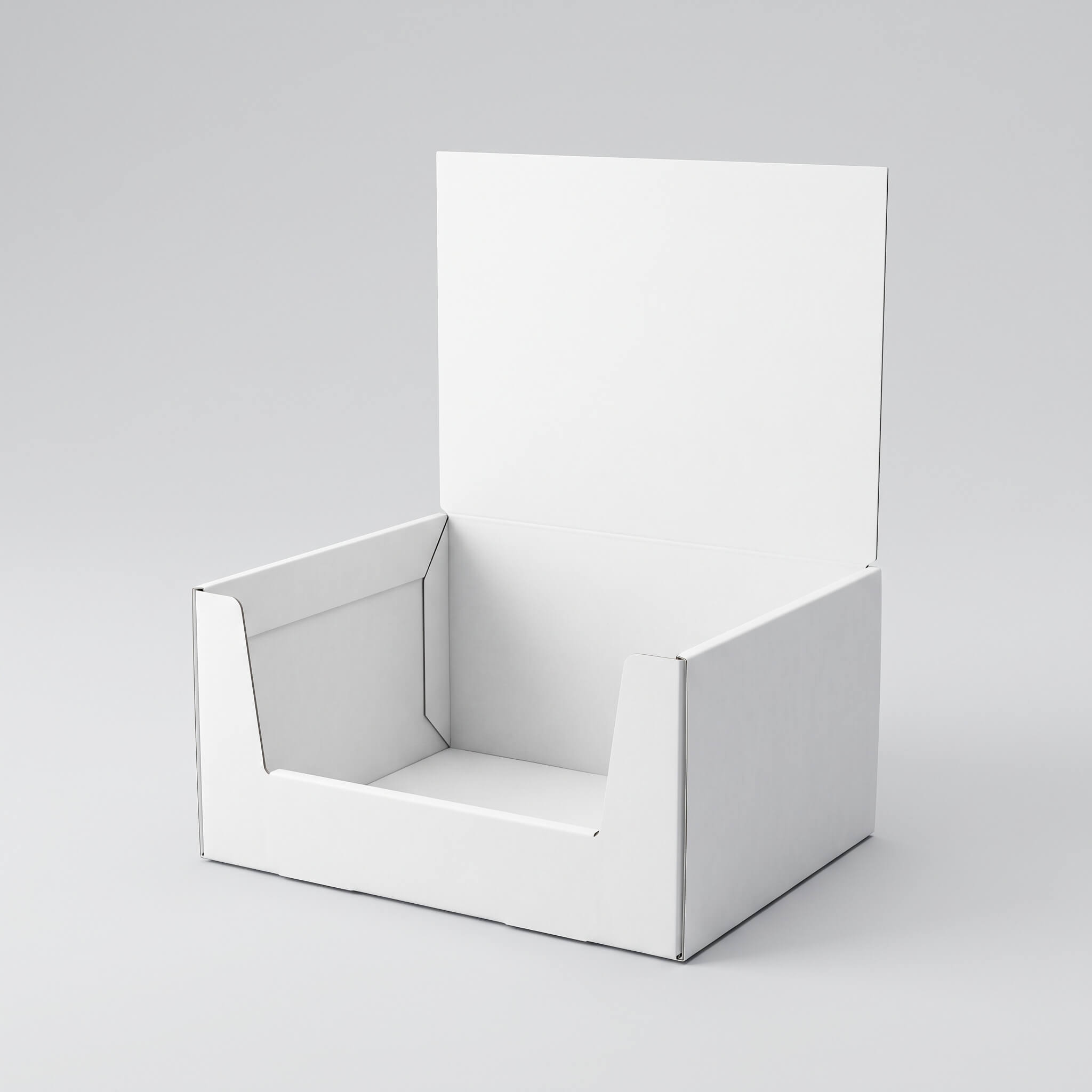
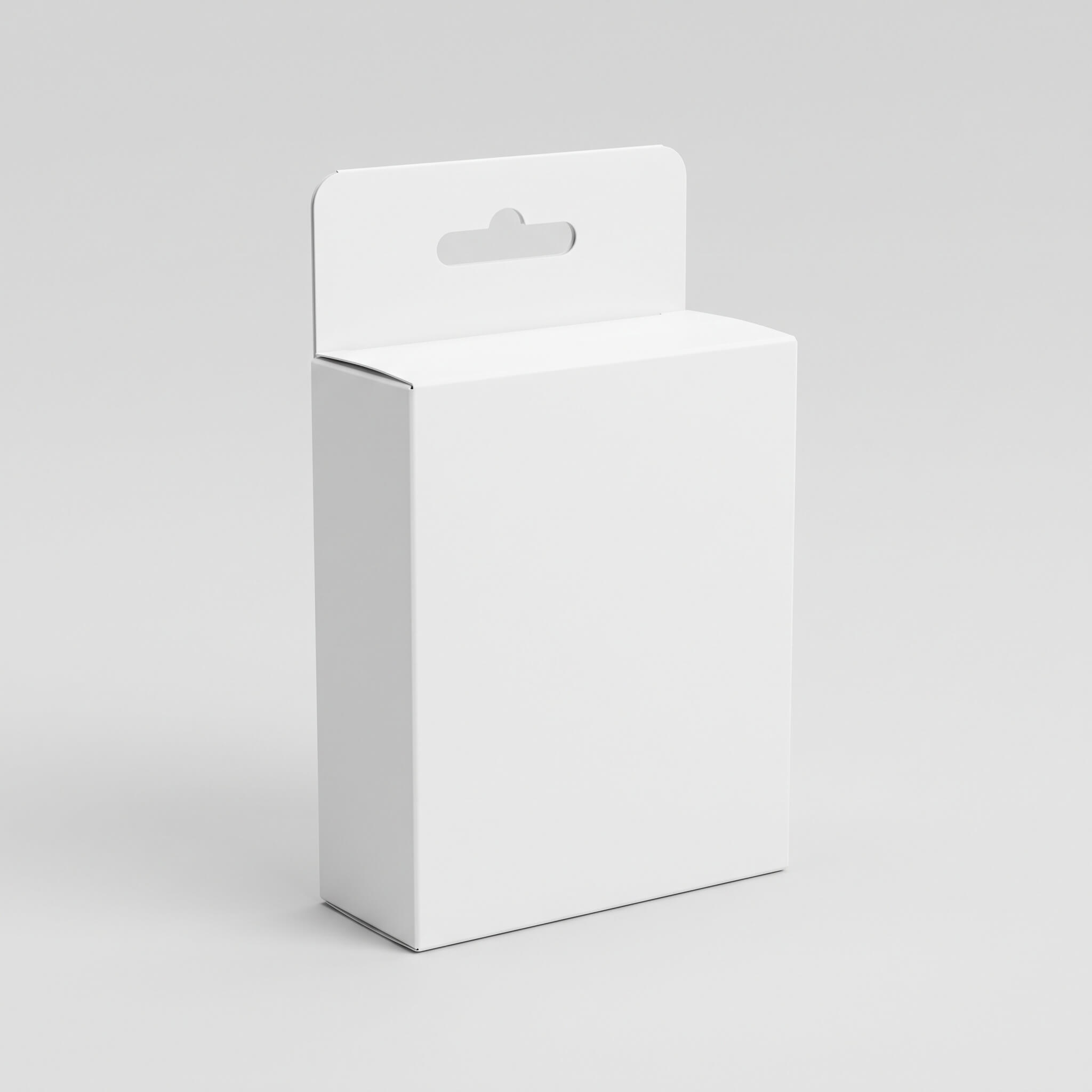
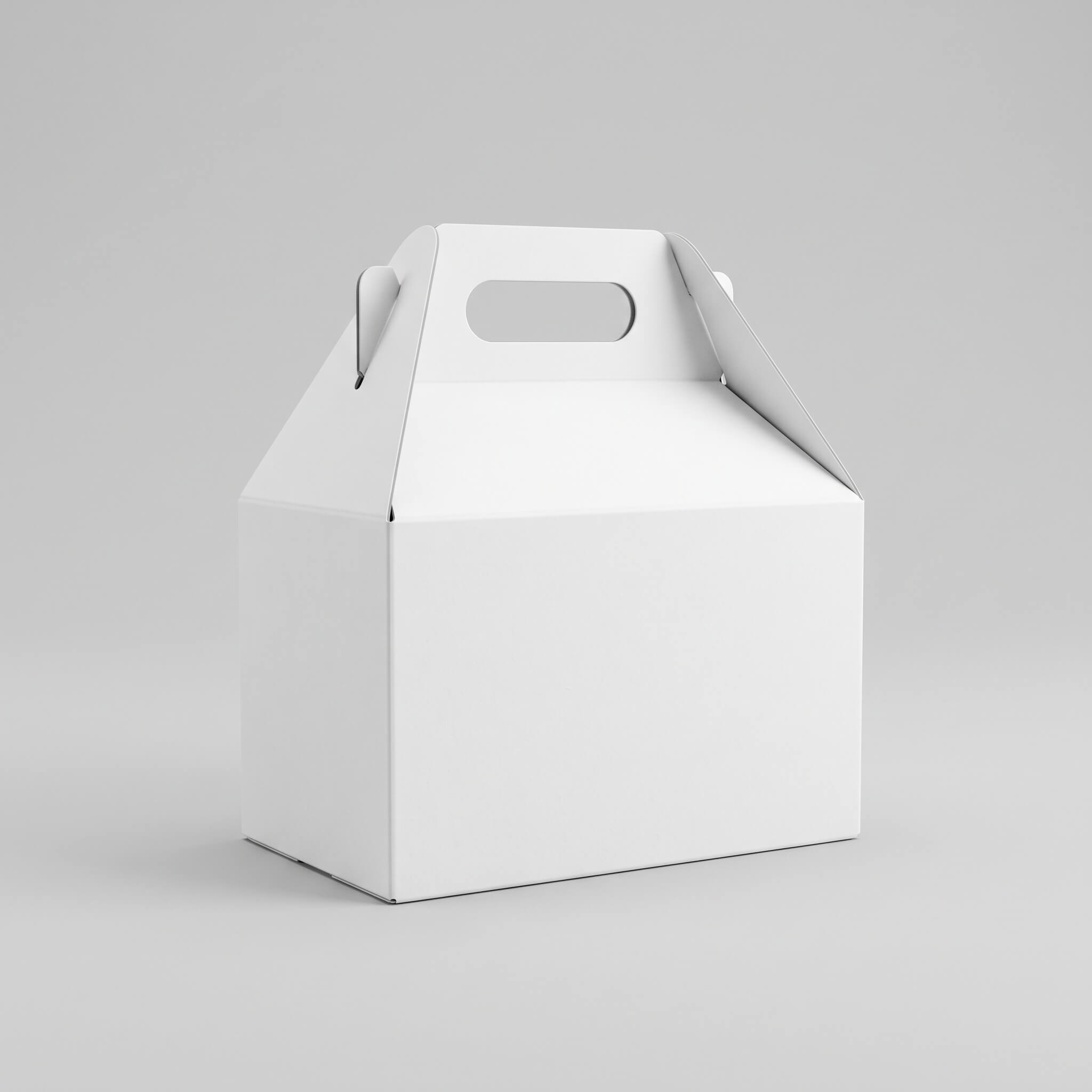
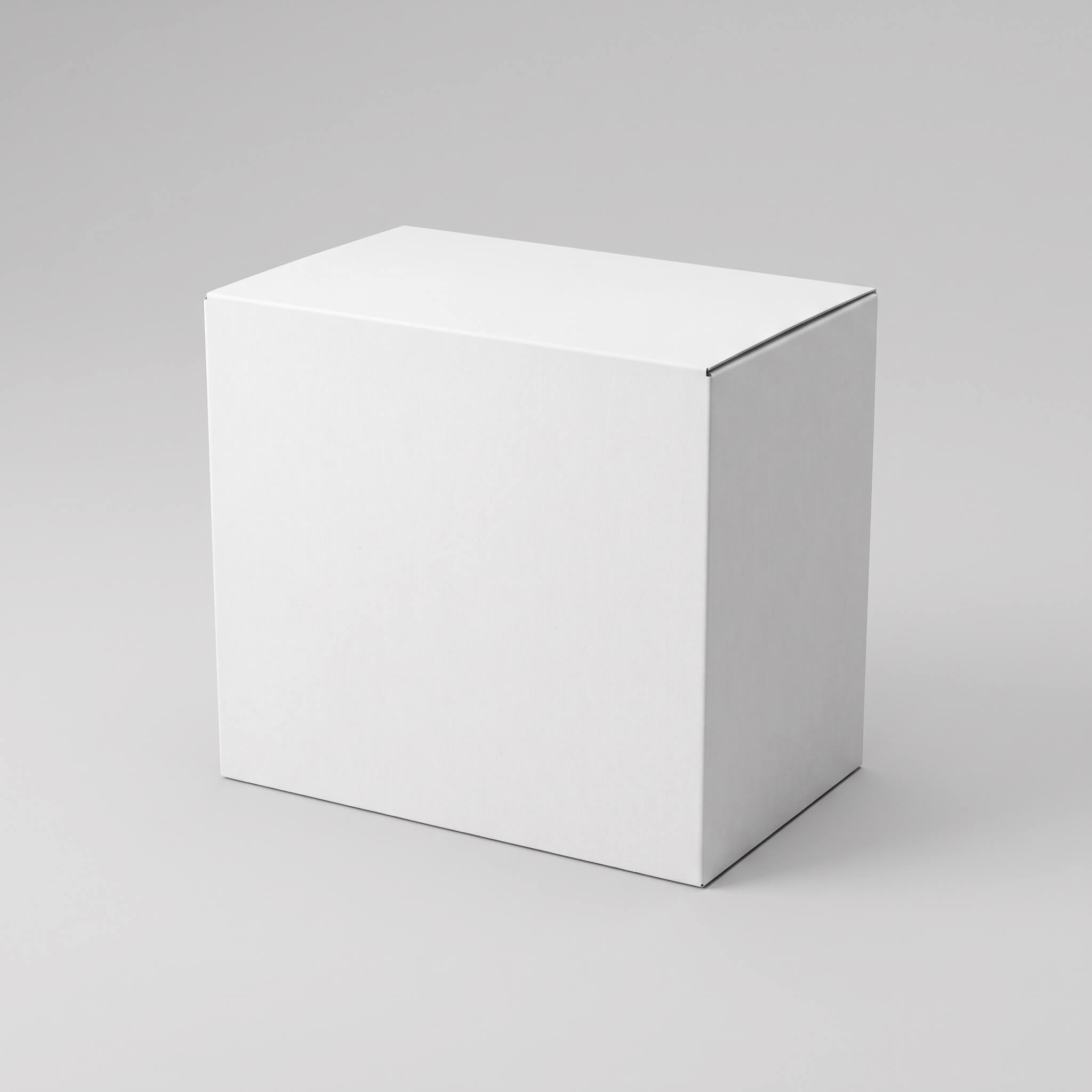
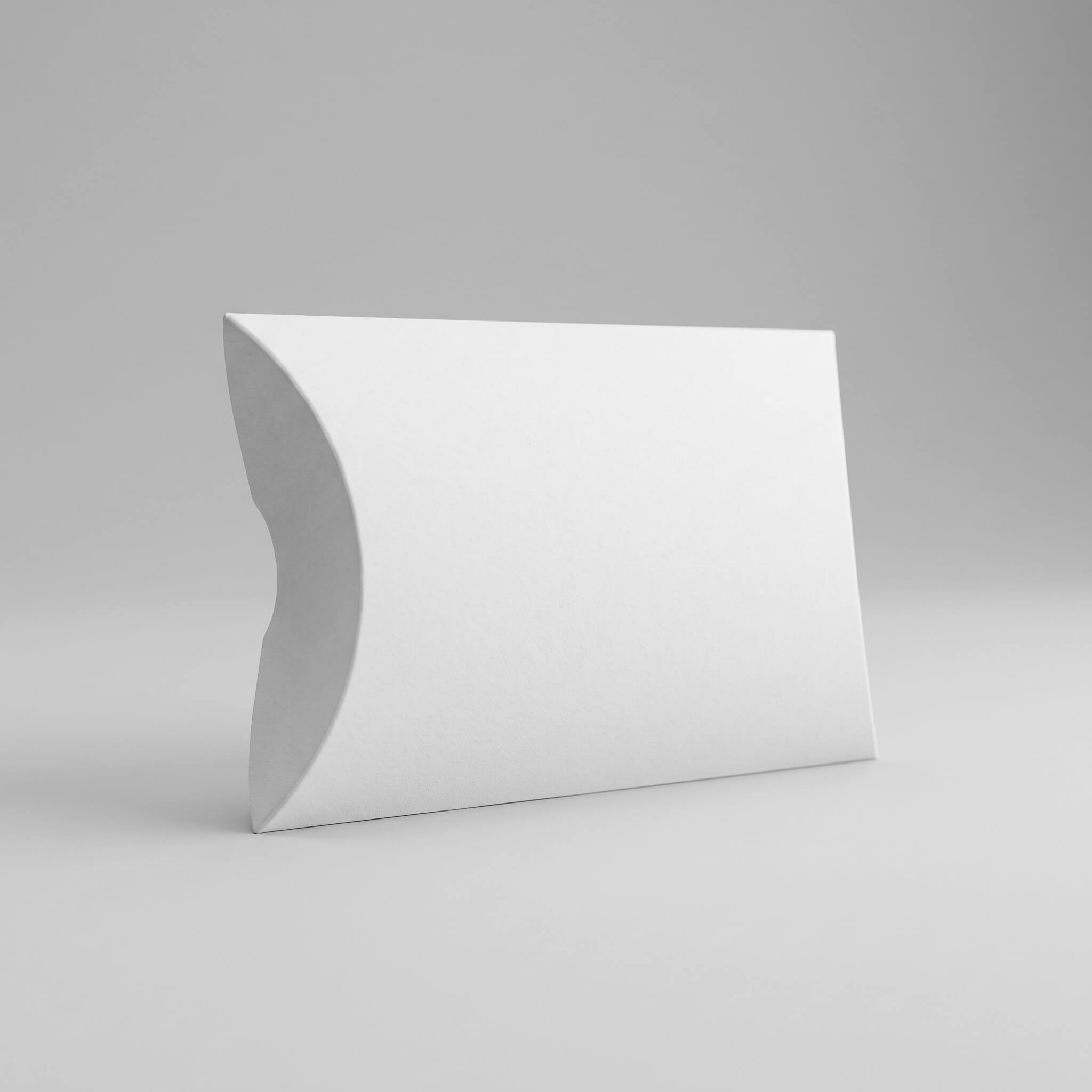
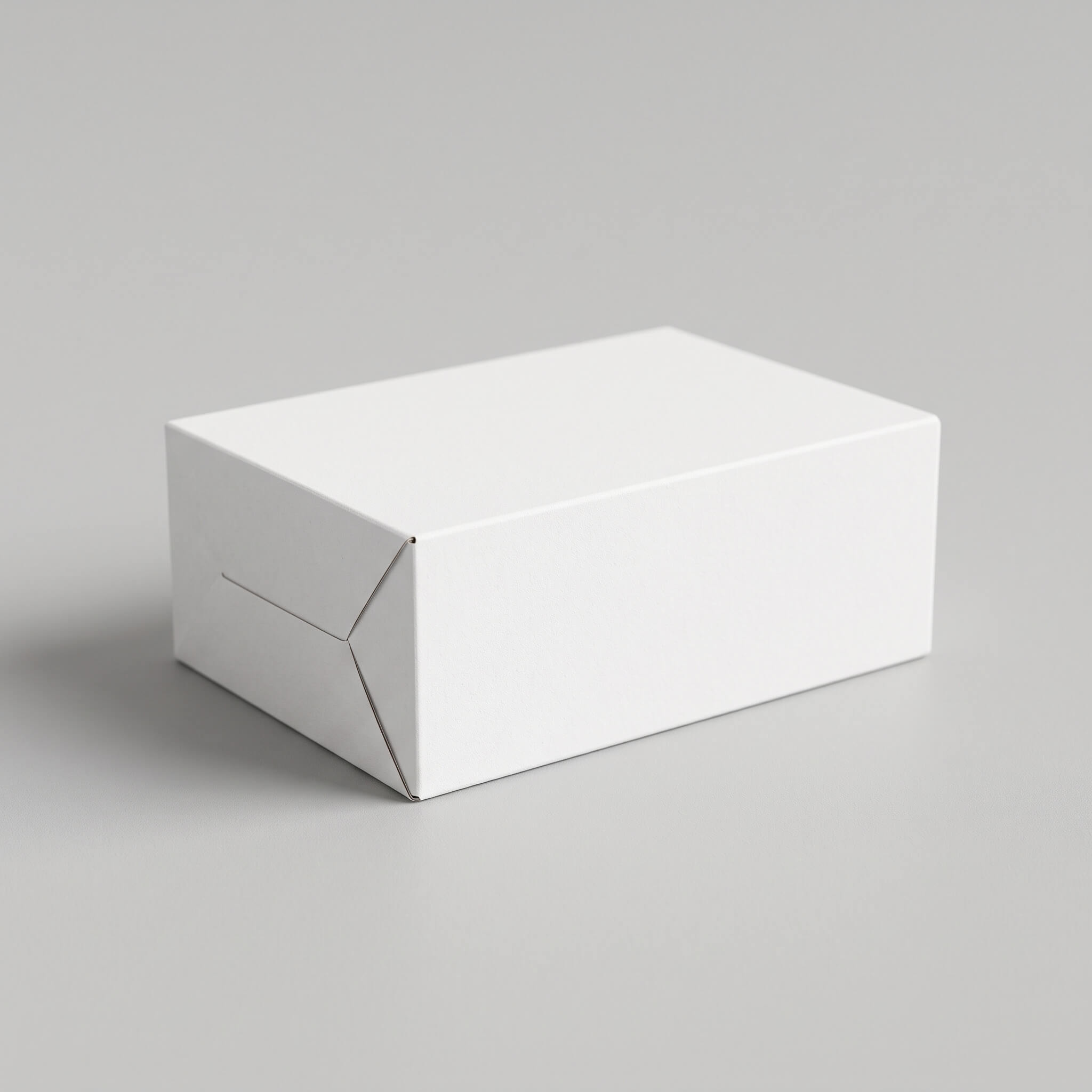
Get Fast Pricing
Tell us about your product, dimensions, quantity and packaging requirements. We'll use these details to prepare your custom quote.
Learn More About Moving Shipping Boxes
Custom Moving Shipping Boxes for Organized Packing and Relocation
Moving involves more than transferring belongings from one location to another. Items need to be sorted, packed, identified, loaded and transported in a way that makes unpacking easier at the destination. The right packaging can help make each stage more manageable. Moving shipping boxes provide a practical way to group household goods, office supplies, personal belongings and other items into manageable cartons.
At Bluebird Packaging, moving cartons can be developed around your preferred dimensions, material specifications, box construction and printing requirements. Instead of relying on one standard size for every item, businesses and organizations can plan a range of cartons for different packing needs. Small boxes may be suitable for compact, heavier belongings, while larger formats can accommodate lighter and bulkier contents.
Custom moving boxes can also support professional relocation services, storage providers, retailers supplying moving materials and businesses that regularly transfer equipment or inventory between locations. With suitable sizing and clear identification, packaging becomes part of a more organized handling process.
Packaging Designed Around the Moving Process
A moving box has a different job from a regular product carton. It may be packed at one location, carried through hallways, loaded into a vehicle, stacked with other cartons and opened at another destination. Its dimensions, construction and closure should therefore be considered in relation to the complete handling process.
For household relocation, a useful packaging plan separates belongings by room, item type, weight and handling requirements. For office moves, cartons may be organized around departments, workstations, files, equipment or storage areas. A consistent box system can make it easier to identify where each carton belongs.
Custom moving shipping boxes allow you to define the details that matter to your packing operation, including:
- Box dimensions: Select internal measurements according to the products or belongings being packed.
- Board construction: Consider single-wall or double-wall corrugated material based on the expected contents and handling conditions.
- Box style: Choose a practical folding carton design that suits your packing and closing process.
- Printing: Add product identification, room labels, handling instructions or company branding where required.
- Pack configuration: Develop different box sizes for separate groups of items.
- Finishing details: Select suitable printing and finishing options according to the intended appearance and use.
The final specification should be based on the actual packed weight, dimensions, stacking arrangement and transportation conditions rather than appearance alone.
Why Choose Custom Moving Shipping Boxes?
Standard cartons may work for many everyday packing tasks, but a single size or construction is not always suitable for every relocation project. Custom packaging gives you more control over how items fit inside the box and how cartons are identified during handling.
A Better Fit for Different Belongings
Household and office items come in different shapes and sizes. Books, kitchen accessories, folded clothing, decorative objects, files and small equipment do not all need the same internal space. A box that is too large may leave unnecessary empty space, while a carton that is too small may not accommodate the contents and required cushioning.
Custom dimensions can be planned around the items being packed. This can help reduce excessive empty space and make it easier to arrange cartons in a consistent way. When measuring, consider the dimensions of the packed item, not only the bare product. Any protective wrapping or cushioning must also fit inside the carton.
More Consistent Packing Across Multiple Locations
Moving companies, storage facilities and businesses may need cartons in repeatable sizes. Consistent dimensions can simplify packing instructions, storage arrangements and vehicle loading plans. When several teams are involved, using a defined range of box sizes can also make packing procedures easier to communicate.
A business moving between offices, for example, may use separate carton formats for files, desk accessories, supplies and general equipment. Each type can have its own label or printed identification system.
Construction Options for Different Loads
Not every moving carton needs the same board construction. Lightweight belongings may require a different specification from dense or heavier contents. Single-wall corrugated board can be considered for suitable general packing applications, while double-wall construction may be worth evaluating for heavier contents or more demanding handling conditions.
The correct choice depends on board grade, box dimensions, packed weight, stacking conditions, transit duration and the way cartons will be handled. A double-wall box is not automatically suitable for every heavy item; the complete packaging specification should be assessed for the intended load.
Clear Identification During Relocation
Printed moving boxes can make it easier to distinguish cartons by room, department, destination or contents. Businesses can include their logo, company name, location details, inventory references or designated labeling areas. For residential moves, printed room names or blank writing panels may help people identify where each carton should be placed.
A practical identification layout should remain easy to read after the box is assembled and packed. Avoid placing important information where tape, folds or overlapping flaps may cover it.
Selecting the Right Box Size for Moving
Box dimensions influence how much can be packed, how the weight is distributed and how easily cartons can be carried or stacked. The best size depends on the belongings and the packing method. There is no single dimension that works for every move.
Before finalizing a box size, list the items that will be packed and group them according to their approximate dimensions and weight. Measure the items in their prepared or wrapped condition, then allow suitable room for cushioning where necessary.
Small Moving Boxes
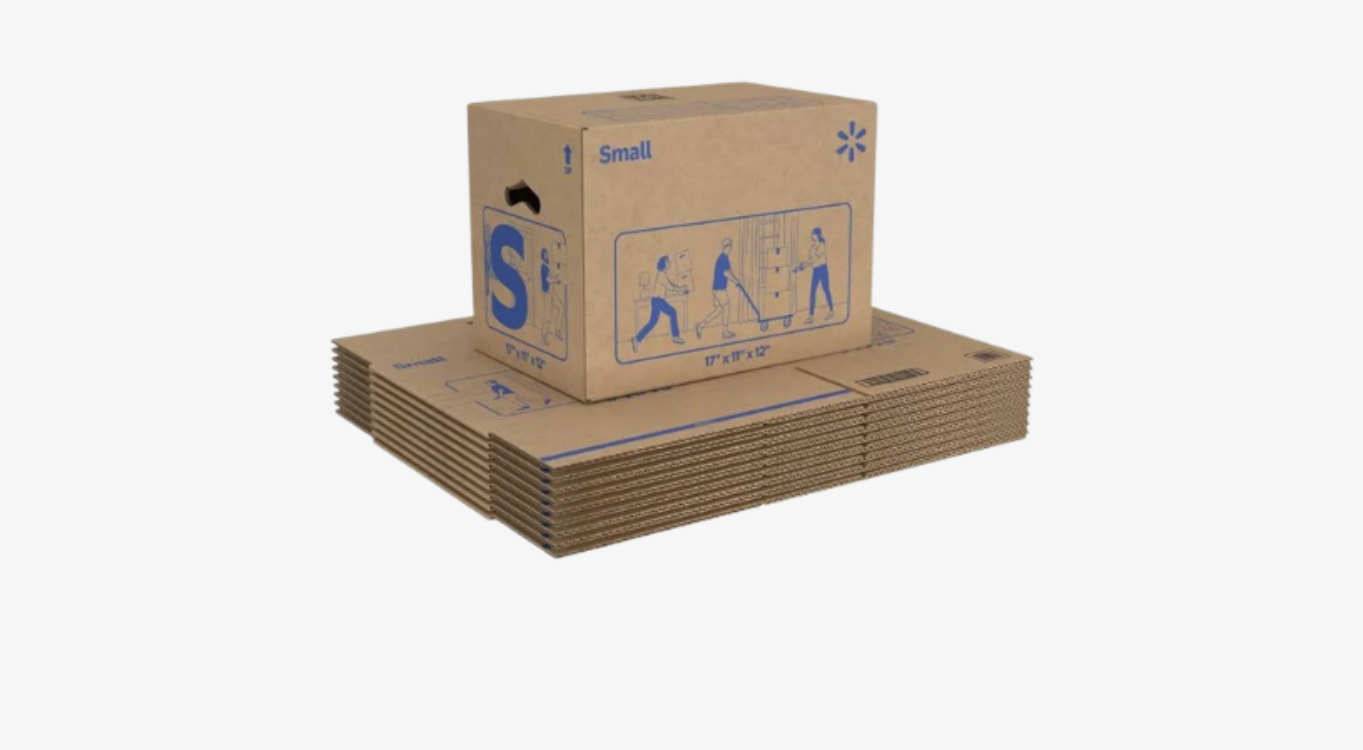
Small moving boxes are useful for compact belongings that may become difficult to lift when packed together in a larger carton. Books, stationery, tools, small kitchen accessories and other dense items may be easier to organize in smaller packages.
A smaller footprint can also make it easier to distribute weight across several cartons. This is particularly useful when the contents are heavy relative to their size. The actual weight limit must still be established according to the selected board grade, construction and handling conditions.
Medium Moving Boxes
Medium moving cartons offer a flexible option for general household and office packing. They may be considered for folded clothing, toys, kitchen accessories, files, office supplies and mixed belongings that are not excessively heavy.
Their dimensions should provide enough room for the contents and any protective material without creating too much unused space. Medium cartons can also be useful when a moving project needs a repeatable format for several rooms or departments.
Large Moving Boxes
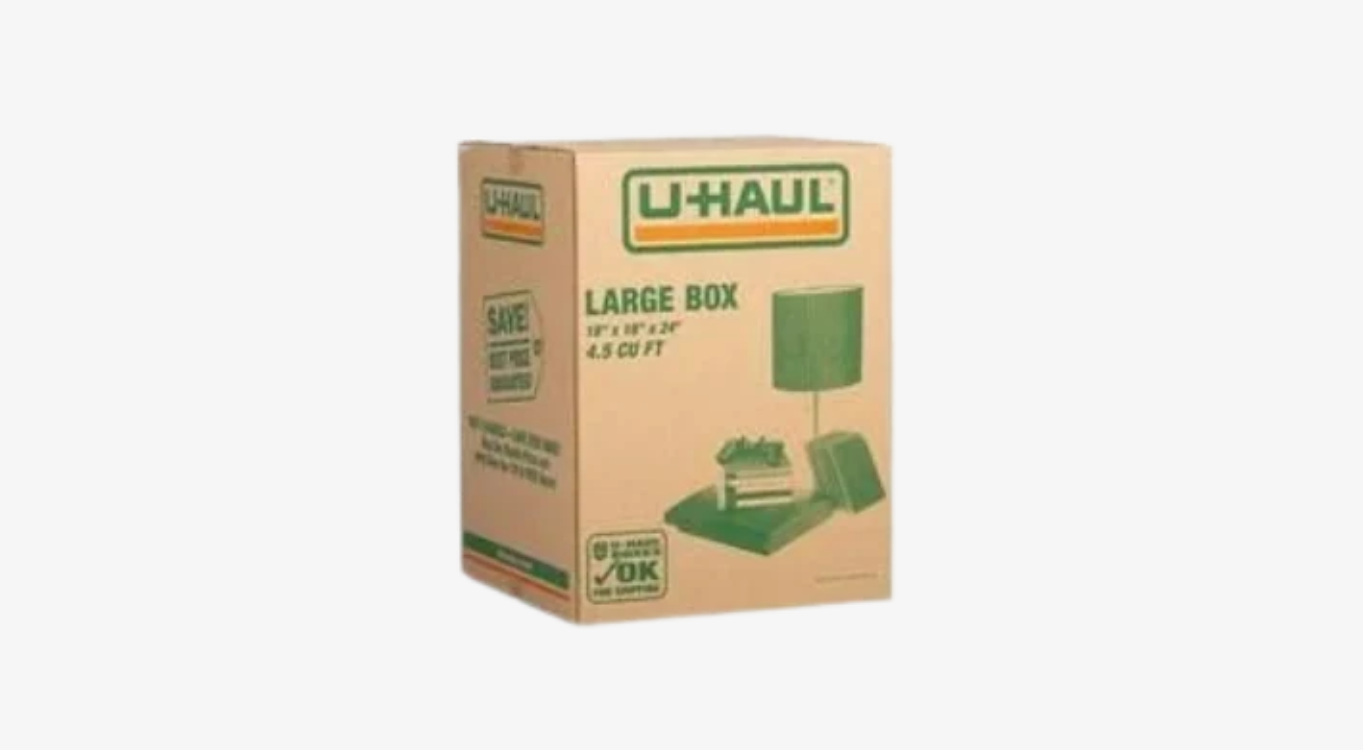
Large moving boxes are commonly considered for bulky but relatively lightweight belongings, such as bedding, cushions, soft furnishings and selected household accessories. Their larger internal capacity can be useful when the contents occupy more space than weight.
However, filling a large box with dense items can make it difficult to lift and may place greater stress on its base and side panels. For this reason, size selection should account for both volume and packed weight. Large dimensions should not be treated as a reason to combine too many heavy belongings into one carton.
Custom-Sized Moving Cartons
Some items do not fit neatly into common small, medium or large formats. Businesses may also need cartons that match a specific storage rack, vehicle arrangement or packing workflow. Custom-sized moving shipping boxes can be developed around these requirements.
When preparing a custom size, provide the product or item dimensions, the intended orientation, the space needed for protective materials and the preferred closing arrangement. If the box will hold multiple items, provide the complete packed configuration rather than measuring only one individual item.
Corrugated Materials and Box Construction
Corrugated board is widely used for transport cartons because its fluted structure sits between liner sheets to create a board with a balance of rigidity and relatively low weight. The material specification can be adjusted for different packaging requirements, but the final performance depends on more than the number of layers.
Single-Wall Corrugated Moving Boxes
Single-wall corrugated board consists of one fluted layer between two linerboards. It may be considered for general packing applications where the contents, box dimensions and handling conditions are suitable for this construction.
It can be a practical option for many household belongings and office supplies. However, the board grade and carton design still need to match the expected packed weight and stacking requirements. Large cartons containing dense items may need a different specification.
Double-Wall Corrugated Moving Boxes
Double-wall corrugated board uses two fluted layers separated by linerboards. It may be considered when a project requires a more substantial carton construction, such as for selected heavier contents or more demanding handling and stacking conditions.
The suitability of double-wall board should be evaluated using the complete packaging specification. Board grade, flute combination, box dimensions, joint style, closure method and distribution environment all influence how a carton performs.
If your relocation project includes heavier cartons, you can also consider the construction options available for heavy-duty shipping boxes designed for demanding loads. The final selection should be based on the contents and handling requirements rather than the product name alone.
Kraft Corrugated Board
Kraft linerboard is an option for businesses that prefer a traditional brown corrugated appearance. It can be used for plain cartons or combined with suitable printing to create branded moving packaging.
Its appearance may work well for storage providers, relocation companies and businesses that want a straightforward packaging style. Material selection should still be based on the required board properties and project specifications.
White Corrugated Board
White outer linerboard can provide a different visual presentation when cartons need clearer printed graphics, more visible labels or a lighter-colored exterior. It may be considered for branded relocation services, retail moving kits and other applications where presentation matters.
The choice between brown and white board should account for the intended artwork, printing method, carton use and budget. White board does not automatically make a carton stronger or more suitable for a particular load.
Choosing a Practical Box Style
The box style affects how a carton is assembled, filled, closed and handled. A common option for moving applications is a regular slotted container, often called an RSC. It has four flaps at the top and bottom that fold inward and meet when the carton is closed.
Regular Slotted Containers
RSC cartons are widely used for general packaging because their straightforward structure is suitable for many packing operations. The top and bottom flaps can be sealed with an appropriate carton tape, and the design can be produced in different dimensions.
For a moving project, the RSC format may be considered when cartons need to be assembled and packed manually. The flap arrangement, board specification and joint construction should be selected according to the carton size and expected contents.
Custom Folding Cartons for Specific Requirements
A project may need a carton with a different flap arrangement, opening method or structural layout. Custom box development can help accommodate those requirements, particularly when a business has a defined packing process or needs a consistent package for a particular item group.
The design should make assembly practical and provide enough space for the packed contents. Any special opening or closing feature should be evaluated to confirm that it is appropriate for the expected handling conditions.
Multi-Size Moving Box Systems
A relocation project may use several box sizes rather than one universal carton. A small format can be allocated to dense items, a medium format to general belongings and a larger format to lightweight, bulky contents.
Using a planned range can help organize packing and make cartons easier to allocate by room or department. If your operation needs a wider selection of packaging formats, custom shipping boxes developed around different product and transportation requirements can be considered as part of the overall packaging range.
Custom Printing and Identification for Moving Boxes
Moving cartons often pass through several hands before reaching their final destination. Clear identification can help reduce confusion during loading, transportation and unloading. Custom printing gives businesses the option to place useful information directly on the carton.
Company Branding
Relocation companies, storage providers and moving supply businesses can use printed cartons to maintain a consistent brand presentation. A company logo, business name or contact details can be incorporated into the artwork according to the available print area.
For a simple and practical design, branding can be kept compact while leaving enough open space for handwritten labels. If the carton is intended for repeated use, the artwork should also be considered in relation to the expected reuse and handling process.
Room and Department Labels
Printed labels can help identify where a carton belongs. Residential moving boxes may use room names such as kitchen, bedroom, living room or bathroom. Office cartons may identify departments, teams, floors or workstations.
A printed layout can include a blank field for the destination room, contents or inventory reference. This gives users a consistent place to add information without covering the main branding or handling instructions.
Handling Instructions
Some cartons may benefit from simple handling messages, such as “This Side Up,” “Handle With Care” or “Keep Dry,” when those instructions are relevant to the contents and handling process. Such messages should be clear, appropriately placed and consistent with the actual requirements of the packed items.
Printed instructions do not replace suitable packaging design or careful handling. Fragile contents may still require individual wrapping, internal cushioning, dividers or inserts. The packaging arrangement should be designed around the item rather than relying on a printed warning alone.
Custom Artwork and Print Coverage
Moving boxes can be designed with minimal branding or more detailed printed graphics. The choice depends on the intended use, budget, print method and visual requirements. Some businesses may prefer a simple one-color logo, while others may need multiple printed panels for branding and identification.
You can review options for packaging printing methods and artwork considerations when planning the visual layout. Final artwork should account for panel folds, flap areas, seams and the position of any labels or tape.
Moving Boxes for Different Applications
Different relocation projects involve different contents, handling routines and packing priorities. A box system should reflect the type of move rather than assume that household, office and commercial relocation needs are identical.
Household Relocation
Household moving boxes can be used to organize clothing, books, kitchen accessories, décor, linens and general personal belongings. A combination of carton sizes can help separate dense items from bulky, lightweight contents.
For example, books may be allocated to smaller cartons, while bedding can be packed in larger formats. Kitchen items may require individual wrapping and internal cushioning before being placed inside a carton. The correct arrangement depends on the shape, weight and fragility of each item.
Apartment Moves
Apartment relocations may involve limited storage space, narrow corridors, elevators and vehicle-loading restrictions. Carton dimensions should therefore be practical for the route between the packing area and the transport vehicle.
A planned range of compact and medium cartons may help organize belongings without creating unnecessarily large packages. If cartons need to be carried through stairs or tight spaces, their external dimensions and packed weight should be considered together.
Office Relocation
Office moves can involve documents, stationery, desk accessories, small equipment and supplies. Custom printed cartons can be identified by department, room, workstation or destination area.
Businesses may also require a consistent inventory reference system. A printed label panel can provide space for box numbers, department names or destination details. Sensitive documents and electronic equipment may require separate handling and packaging procedures defined by the business.
Storage and Warehousing
Moving cartons may also be used when belongings need to be placed into temporary or long-term storage. In these situations, carton dimensions and stacking arrangements should be planned according to the storage space and the weight of the contents.
The storage environment matters. Corrugated cartons should be kept away from moisture and unsuitable environmental conditions. If cartons will be stored for an extended period, the selected material and packing method should be appropriate for the expected storage conditions.
Moving Supply Retailers
Retailers selling relocation supplies may need cartons in several sizes, consistent product identification and branded packaging. Custom printing can help distinguish box sizes and product ranges while maintaining a unified appearance across the collection.
Businesses supplying cartons in bundles or moving kits may also need packaging that supports their own distribution and storage process. The carton specification should reflect whether the boxes will be sold flat, bundled or packed with other moving supplies.
Adding Internal Protection for Fragile Belongings
A moving carton provides the outer packaging structure, but fragile or irregularly shaped items may need additional internal materials. The right arrangement depends on the contents, their sensitivity and the expected movement during transport.
Common internal packaging considerations include:
- Wrapping: Individual items may need suitable wrapping to reduce direct contact.
- Cushioning: Protective material can be placed around items to help limit movement inside the carton.
- Dividers: Separate compartments may help keep multiple items apart.
- Inserts: Custom inserts can be considered when items need a defined position inside the box.
- Void filling: Empty spaces may need to be filled appropriately to reduce shifting.
For cartons containing several small or delicate items, custom packaging inserts that help organize products inside a box may be worth considering. Where several objects need to remain separated, packaging dividers for arranging multiple items within one carton can also be evaluated.
Internal protection should be selected according to the shape and fragility of the contents. Too little cushioning may allow movement, while an unsuitable arrangement may place pressure on delicate parts. A practical packaging test can help assess the complete packed configuration before it is used at scale.
How to Measure Moving Shipping Boxes
Accurate measurements help ensure that cartons accommodate their contents and fit the intended packing arrangement. Corrugated boxes are commonly specified by length, width and height, with the measurement convention confirmed during the ordering process.
Follow these steps when preparing dimensions:
- Prepare the items: Measure them in the condition in which they will be packed, including any wrapping that affects their final size.
- Record the longest side: Use this as the length measurement.
- Measure the adjacent side: Record the width.
- Measure the vertical dimension: Record the required height or depth.
- Allow room for protection: Include suitable space for cushioning, inserts or dividers where needed.
- Confirm internal or external dimensions: Make clear which measurement type you are providing.
- Review the packed arrangement: Check whether the contents can be placed inside without excessive pressure or unnecessary empty space.
If you are unsure how to record the measurements, the guide to measuring a box accurately before selecting packaging dimensions can help clarify the process.
For custom orders, share a drawing, sample or clear measurement list when possible. This can reduce confusion about flap depth, opening direction, orientation and the space required for internal packaging.
How to Pack Moving Boxes More Effectively
The carton is only one part of a successful packing process. How the contents are arranged, distributed and sealed also matters.
Group Similar Items Together
Separate belongings by room, category or destination. Keeping related items together can make cartons easier to identify and unpack. For office relocation, grouping by department or workstation can support a more organized move.
Distribute Weight Carefully
Place heavier items toward the bottom and lighter items above them where the contents allow. Avoid placing excessive weight in a large carton simply because it has unused space. The packed weight should remain appropriate for the box construction and the people or equipment handling it.
Reduce Unnecessary Empty Space
Use suitable internal protection to limit movement. However, do not force items into a carton or compress delicate contents to fill gaps. The goal is a stable arrangement that fits the items and the available box dimensions.
Close and Seal the Carton Properly
Fold the flaps into position and use a suitable carton-sealing tape for the box construction and packed load. The closure method should be consistent with the carton design. For heavier or larger cartons, the bottom closure may require particular attention.
Label Each Box Clearly
Add the room, department, destination or inventory information in a visible location. Keep essential labels away from seams and areas likely to be covered by tape. If the carton contains fragile items, make sure the handling instructions match the contents.
What to Consider Before Ordering Custom Moving Boxes
Before requesting a quote, prepare the information needed to define the carton specification. This makes it easier to assess dimensions, material options and printing requirements.
Quantity and Order Planning
Estimate how many cartons are required for the project and whether you need one size or several. A household move may need a mixed range, while a business may require repeat orders of a defined carton size.
If you expect ongoing demand, consider whether the same specifications will be used for future orders. Consistent specifications can make repeat production easier to plan.
Board Grade and Strength
Provide an estimate of the packed weight and explain whether cartons will be stacked, stored or transported over long distances. The selected board grade should be evaluated for the actual application.
If the contents are dense, unusually shaped or fragile, mention those details when discussing the carton design. This helps avoid choosing a box based on dimensions alone.
Printing and Artwork
Decide whether the boxes need plain surfaces, a company logo, room labels, inventory fields or handling instructions. Provide artwork files and specify the panels that need printing.
Box Assembly and Storage
Consider how cartons will be stored before use and how they will be assembled. Flat-packed cartons may help reduce storage space before assembly, while the chosen style should remain practical for the packing team.
Transportation Conditions
Explain whether the cartons will be moved locally, transported over longer distances, placed in storage or handled several times. The transportation route and handling conditions can influence the required construction and internal protection.
Custom Moving Shipping Boxes for Business Requirements
Moving and relocation businesses often need packaging that is consistent, easy to identify and suitable for repeat use. Custom cartons can be specified for residential moves, office relocations, storage services and commercial equipment transfers.
A moving company may use different box formats for general household goods, files, soft furnishings and selected equipment. A storage provider may prefer a standardized range that fits its storage arrangements. A business relocating between branches may need cartons with department identification and inventory references.
The design process can begin with a practical packaging brief covering:
- Intended use and type of relocation.
- Item dimensions and estimated packed weight.
- Required carton quantity and size range.
- Preferred corrugated construction.
- Box style and closing method.
- Printing requirements and artwork.
- Internal inserts, dividers or cushioning.
- Storage and transportation conditions.
Bluebird Packaging can review these details to help define a custom carton specification. If you are comparing different formats for your packaging range, the broader corrugated packaging options for products and transportation may also help you understand the available material approaches.
Plan a Moving Box Range That Fits Your Project
A well-planned moving box range starts with the belongings being packed, not with an arbitrary carton size. Consider the weight, dimensions, fragility and handling route of each item group. Then select a suitable combination of box sizes, corrugated construction and internal protection.
For a simple relocation, a few practical carton sizes may be enough. Larger projects may benefit from separate formats for household goods, office supplies, files, equipment and bulky lightweight items. Custom printing can bring consistency to the system by providing clear branding and identification areas.
If you are developing packaging for a moving service, storage operation or business relocation, you can review the wider Custom Shipping Boxes collection for related carton options. For project-specific dimensions, material choices and artwork requirements, submit your specifications through the custom packaging quote form.
Bluebird Packaging can help you plan moving shipping boxes around your preferred size, construction and presentation requirements. Share the type of items being packed, the estimated quantity and the intended transportation conditions to begin developing a packaging solution that fits your project.
Frequently Asked Questions About Moving Shipping Boxes
1. What are moving shipping boxes used for?
Moving shipping boxes are used to pack, organize and transport household belongings, office supplies, personal items and other goods during relocation. They can also be used for temporary storage and inventory transfers.
2. Which material is commonly used for moving boxes?
Corrugated cardboard is commonly used because it combines paper linerboards with a fluted layer. The selected board grade and construction should match the carton dimensions, packed weight and handling requirements.
3. What size moving box should I choose?
Choose a size based on the dimensions and weight of the contents. Small cartons are often practical for dense items, medium boxes for general belongings and large boxes for bulky, lightweight contents. Custom dimensions can be considered for items that do not fit standard formats.
4. Are double-wall moving boxes better for heavy items?
Double-wall corrugated construction may be suitable for some heavier or more demanding applications. However, the right choice depends on the board grade, carton dimensions, packed weight and handling conditions. The complete specification should be assessed before ordering.
Related Products
-
Custom Printed Shipping Boxes
Turn every delivery into a branding opportunity with Custom Printed Shipping Boxes featuring personalized artwork, logos, and vibrant designs. Made…New! -
Cardboard Shipping Boxes
Custom Cardboard Shipping Boxes offer versatile packaging for ecommerce orders, retail products, and everyday business deliveries. Made to Order Product…New! -
Heavy Duty Shipping Boxes
Move heavier products confidently with Custom Heavy Duty Shipping Boxes featuring sturdy construction, reinforced walls, and product-specific dimensions. Made to…New! -
Corrugated Shipping Boxes
Custom Corrugated Shipping Boxes provide practical protection for business shipments, storage, and distribution with tailored sizes and board strengths. Made…New!
Payments VISA AMERICAN
EXPRESS PayPal
Frequently Asked Questions
Yes. Custom dimensions can be developed according to the items being packed, available storage space and transportation requirements.
Yes. You can include a company logo, brand name, room labels, inventory details or other relevant information, depending on the artwork and printing requirements.
They may be suitable when the board construction, box dimensions, packed weight and closure method are appropriate for the journey. The complete packaging setup should be evaluated for the expected handling conditions.
Yes. Corrugated cartons can be used for temporary storage when the contents and storage environment are suitable. Keep them away from moisture and other conditions that could affect the board.
Single-wall boxes have one fluted corrugated layer, while double-wall boxes have two. The appropriate option depends on the packed weight, dimensions, stacking and transportation conditions.
Yes. Custom inserts and dividers can be considered when multiple items need separate compartments or a more organized arrangement inside one carton.
Bulk orders can be planned according to the required carton sizes, quantities, material specifications and printing details. Share your estimated order volume when requesting a quotation.
The delivery format depends on the agreed box style and order specification. Many corrugated carton designs can be supplied flat for assembly before packing.
Consider smaller carton dimensions for dense contents, then select a suitable board construction based on the actual packed weight and handling requirements. Avoid overloading cartons.
Some corrugated cartons may be reused if they remain in suitable condition. Recycling depends on local collection rules and whether the material is clean and accepted by the recycling program.