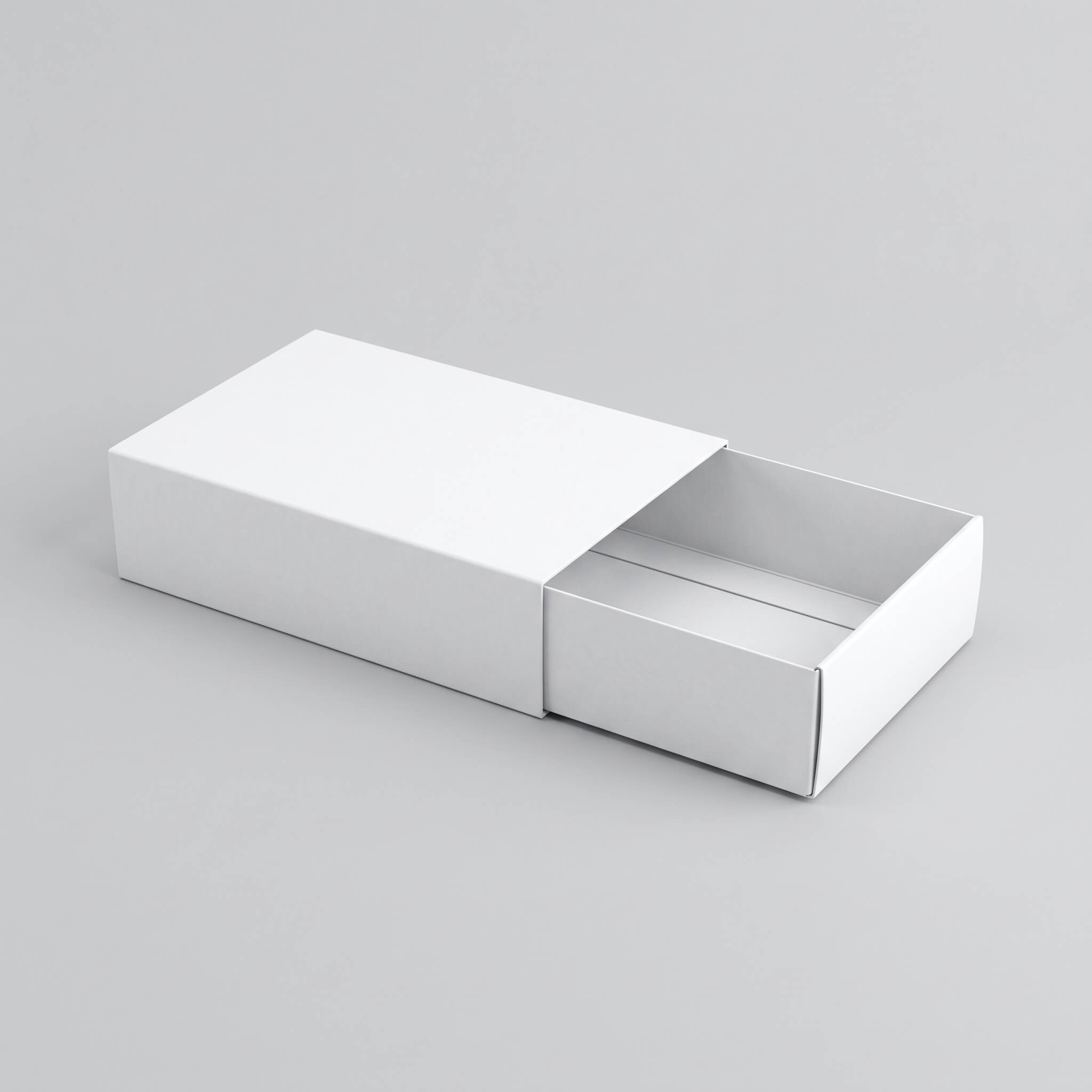
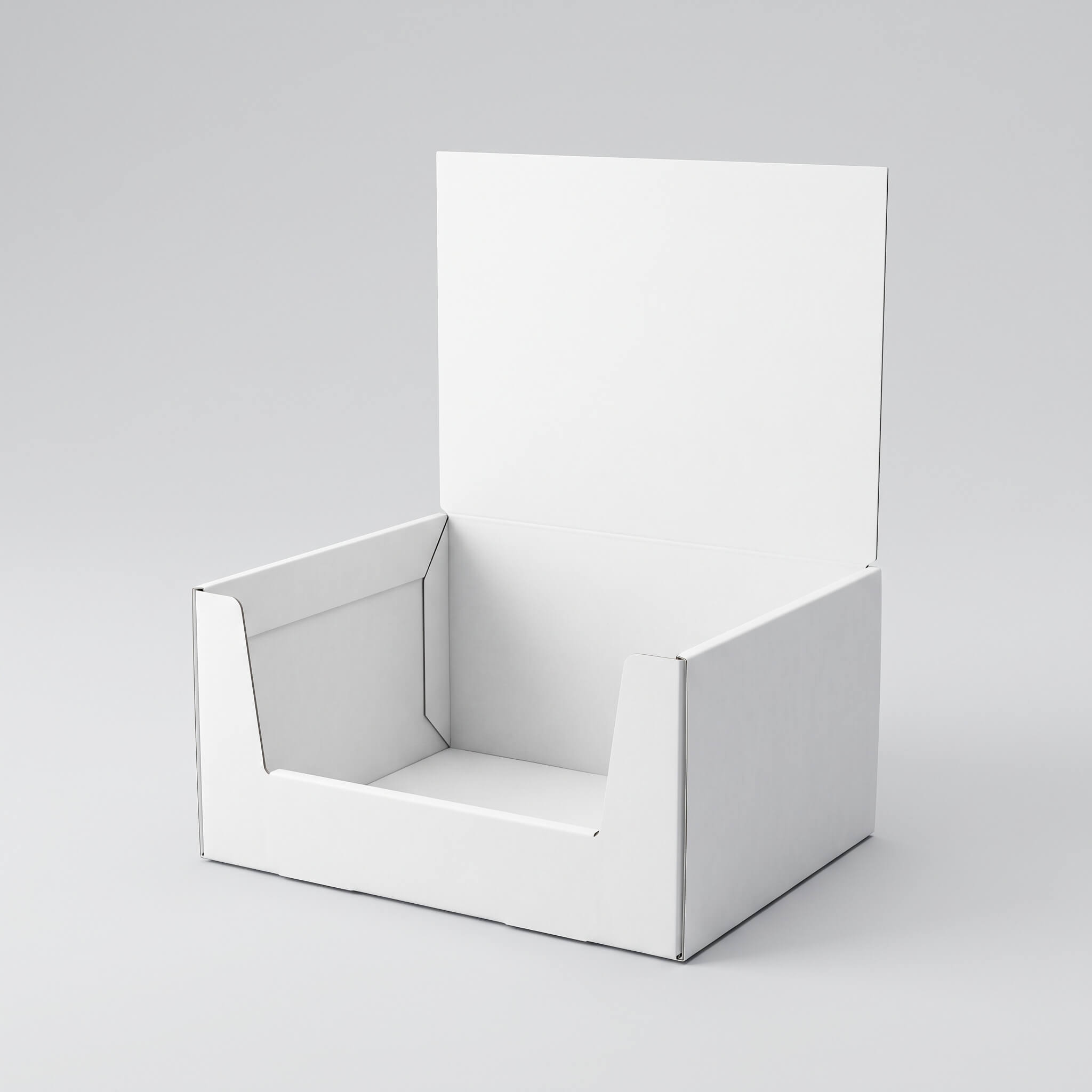
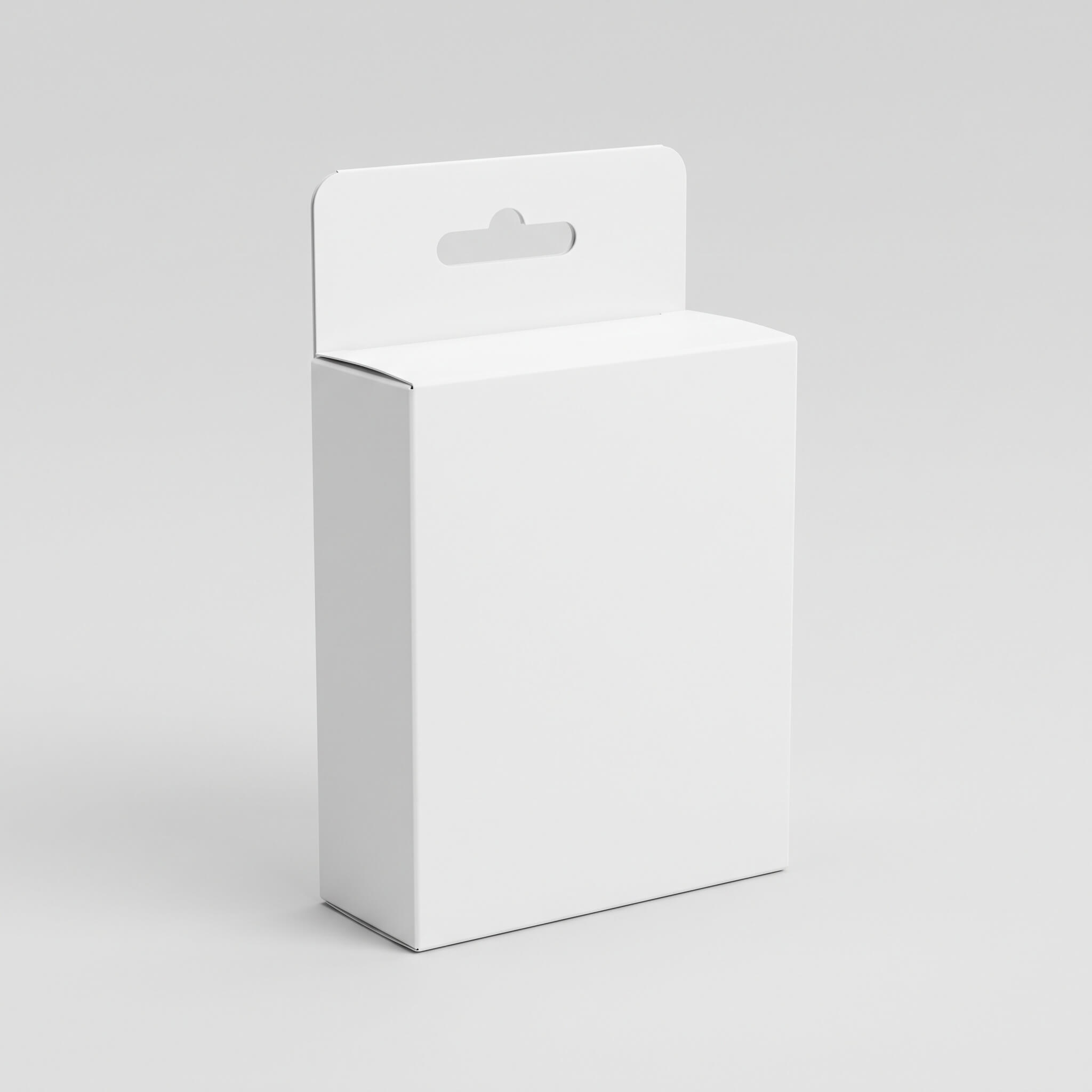
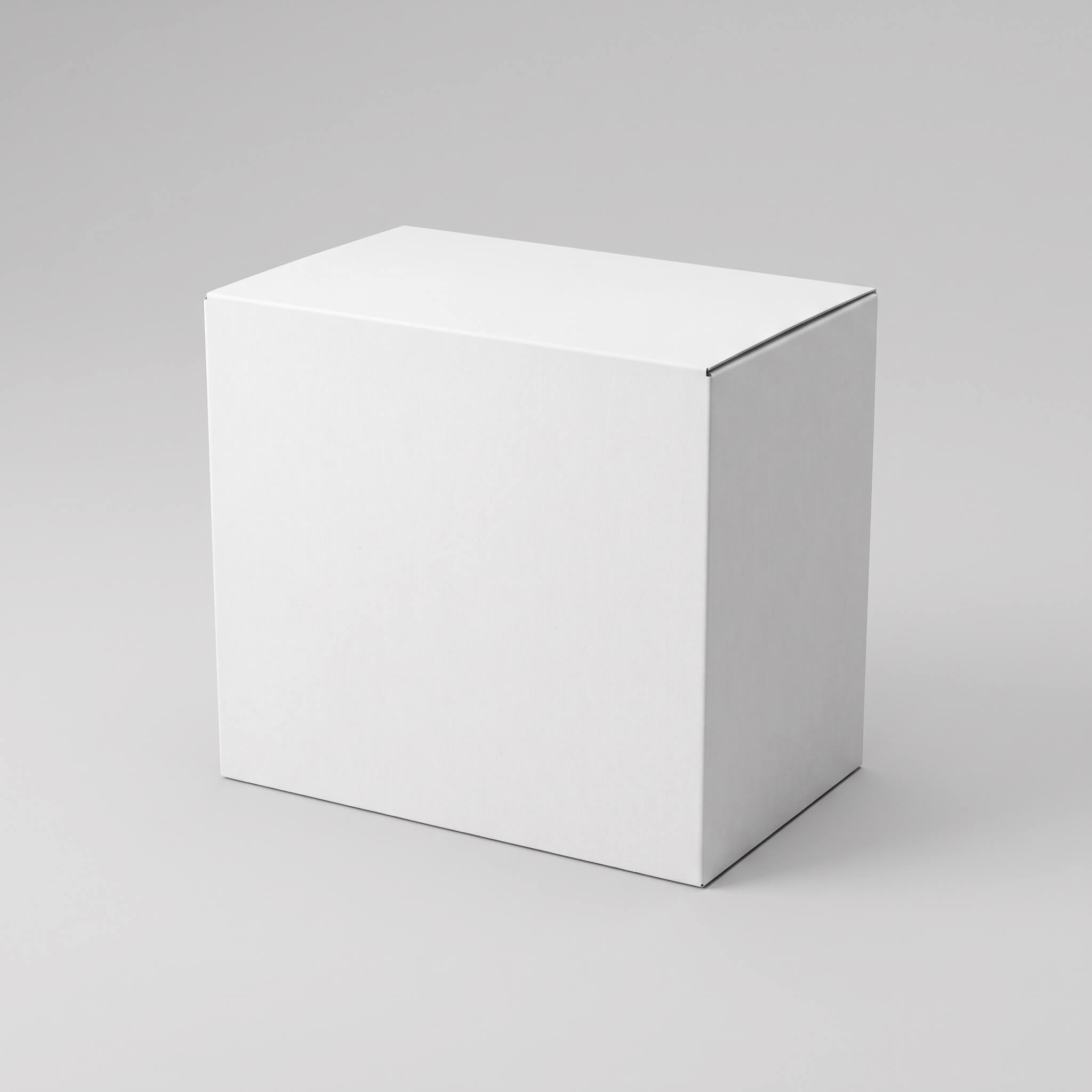
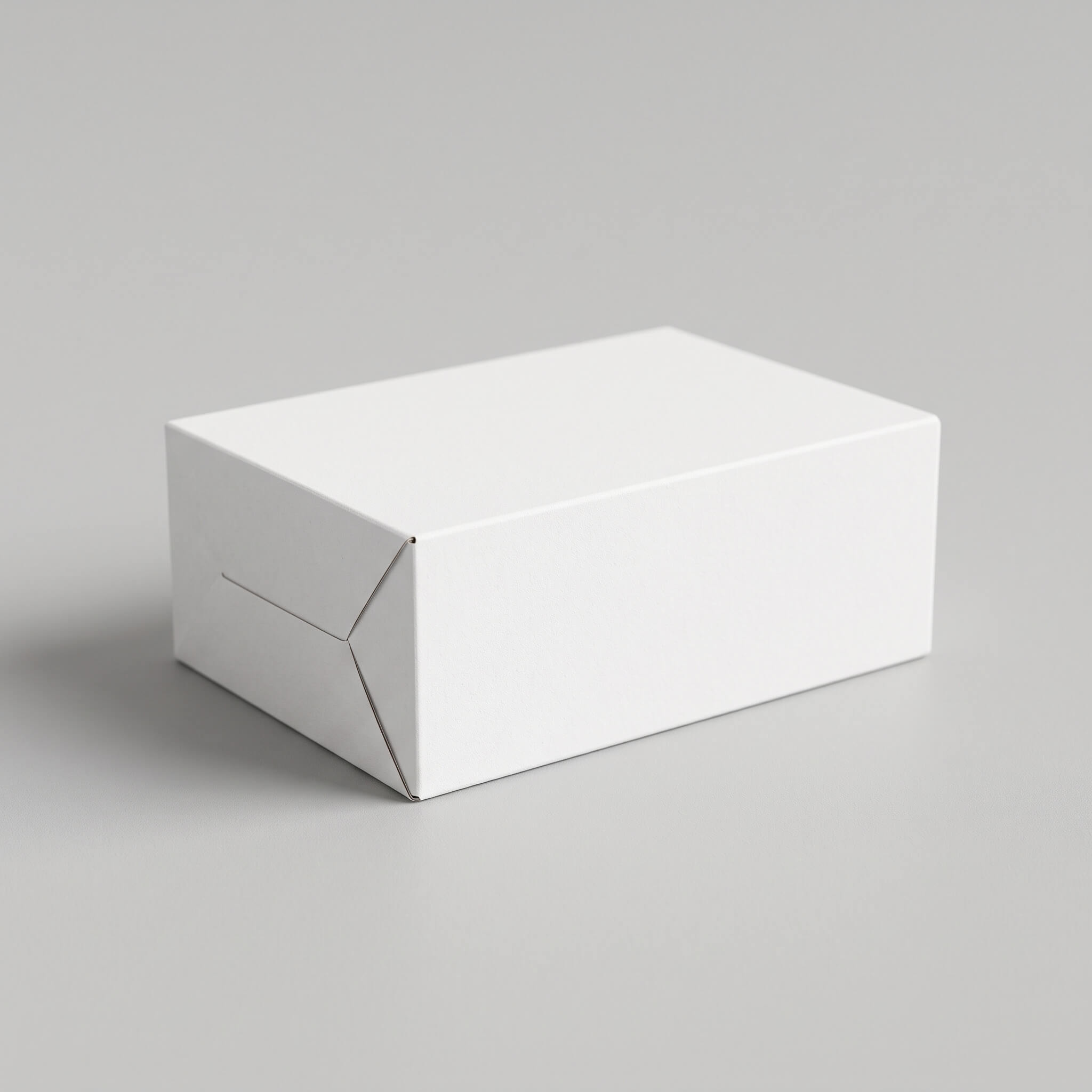
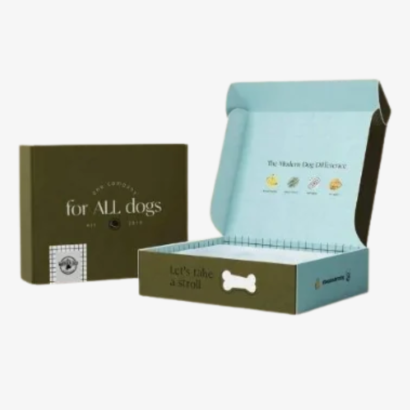
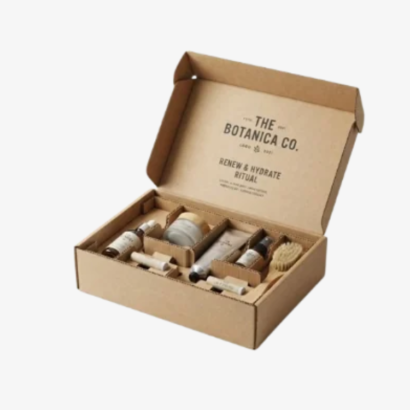
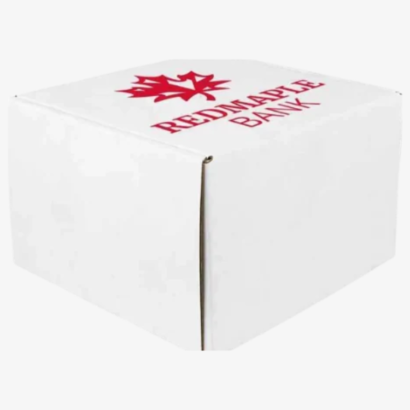
Small products need packaging that fits their dimensions without leaving excessive empty space. Oversized cartons can require additional void-fill materials, occupy more storage space, and make parcels unnecessarily bulky. On the other hand, packaging that is too tight may not leave enough room for protective inserts or cushioning. Choosing appropriately sized small shipping boxes helps businesses create a more organized packing process while preparing products for transportation.
Bluebird Packaging offers custom packaging solutions designed around different product measurements, material preferences, printing requirements, and shipping applications. Whether you are packing accessories, small retail items, electronic components, cosmetics, stationery, or other compact products, your box can be developed according to the product’s size and packaging requirements.
Explore our complete range of Custom Shipping Boxes to compare different shipping box styles and packaging options.
Why Choose Small Shipping Boxes?
The dimensions of a shipping carton influence how products are packed, stored, handled, and prepared for delivery. A suitable small box can help businesses avoid unnecessary packaging space and create a consistent packing format for products with similar measurements.
Better Product Fit
A box should provide enough internal space for the product and any required protective materials. Small shipping cartons can be designed around the length, width, and height of an item instead of relying on a general-purpose box that may be too large.
For example, a business shipping small accessories may need a different box structure from a company sending electronic components. Both products may be compact, but their shapes, weights, and packing requirements can differ.
Custom dimensions help create a more suitable fit for each product configuration.
Organized Packing Operations
Businesses that process regular orders often benefit from using standardized box sizes. When packaging dimensions are selected for commonly shipped products, employees can follow a more consistent packing process.
A defined range of small box sizes can also make it easier to organize cartons in storage areas, prepare packing stations, and identify the correct packaging for individual orders.
Practical Parcel Preparation
Small parcels still need appropriate protection during handling and transportation. A properly selected carton can provide a structured outer package while leaving room for suitable internal cushioning when required.
The final packaging design should consider the product’s fragility, weight, shape, and shipping conditions rather than relying on box size alone.
Custom Small Shipping Boxes for Different Products
Not every compact product requires the same packaging format. The right box depends on the product’s measurements, quantity, presentation requirements, and intended shipping method.
Small Boxes for E-commerce Orders
Online retailers frequently ship individual products in compact parcels. Accessories, stationery, small household items, and selected personal-care products may require packaging that fits their dimensions.
Custom small shipping boxes can be developed for individual orders, product bundles, or recurring product collections. Businesses can select dimensions and printing options according to their packing workflow.
For larger or more specialized parcel requirements, explore our Corrugated Shipping Boxes for additional construction options.
Small Boxes for Electronics and Accessories
Small electronic accessories may have different packaging requirements depending on their shape and components. Cables, adapters, small devices, and related accessories may need compartments or inserts to keep items organized inside the carton.
The packaging structure can include suitable internal supports when the product configuration requires them. Businesses should specify the product dimensions and any accessories included in the same package before finalizing the box design.
Small Boxes for Retail Products
Retail businesses may need compact cartons that provide both product organization and a consistent branded appearance. Printed panels can display brand elements, product names, handling information, and other approved artwork.
If the package will also be used for presentation on retail shelves, the design should account for how customers will view and handle it.
Small Boxes for Subscription Orders
Subscription businesses often pack small products in recurring monthly or seasonal shipments. A standardized carton can help maintain a consistent unboxing format across orders.
The internal layout may be planned around several products, inserts, printed materials, or promotional items. The dimensions should account for the complete package rather than only the largest individual product.
Choosing the Right Material for Small Shipping Boxes
Material selection affects the box’s structure, appearance, and suitability for the intended application. The correct option depends on product weight, shipping conditions, storage requirements, and the level of protection needed.
Corrugated Cardboard
Corrugated cardboard contains a fluted layer between liner sheets. This construction creates a structured packaging material commonly used for shipping cartons.
It can be considered for compact products that need a more structured outer package. The appropriate board construction should be selected according to the product’s weight, dimensions, and expected handling conditions.
For heavier products or applications requiring a more substantial carton structure, compare our Heavy Duty Shipping Boxes.
Paperboard and Cardboard
Paperboard and other cardboard materials may be suitable for lightweight products and selected packaging applications. The required thickness and construction depend on the package dimensions and intended use.
A compact carton used for a lightweight retail item may have different material requirements from a shipping package containing a heavier product. Businesses should confirm that the selected material is appropriate for the complete packaging application.
Kraft Packaging Material
Kraft-style packaging offers a natural paper appearance that can work well for businesses seeking a simple packaging presentation. It can be considered for selected compact shipping applications depending on the required board construction.
For additional material information, read our guide to Packaging Materials.
Common Small Shipping Box Styles
The box style determines how the carton is assembled, opened, closed, and packed. Selecting the right construction can make the packaging more practical for the product and packing operation.
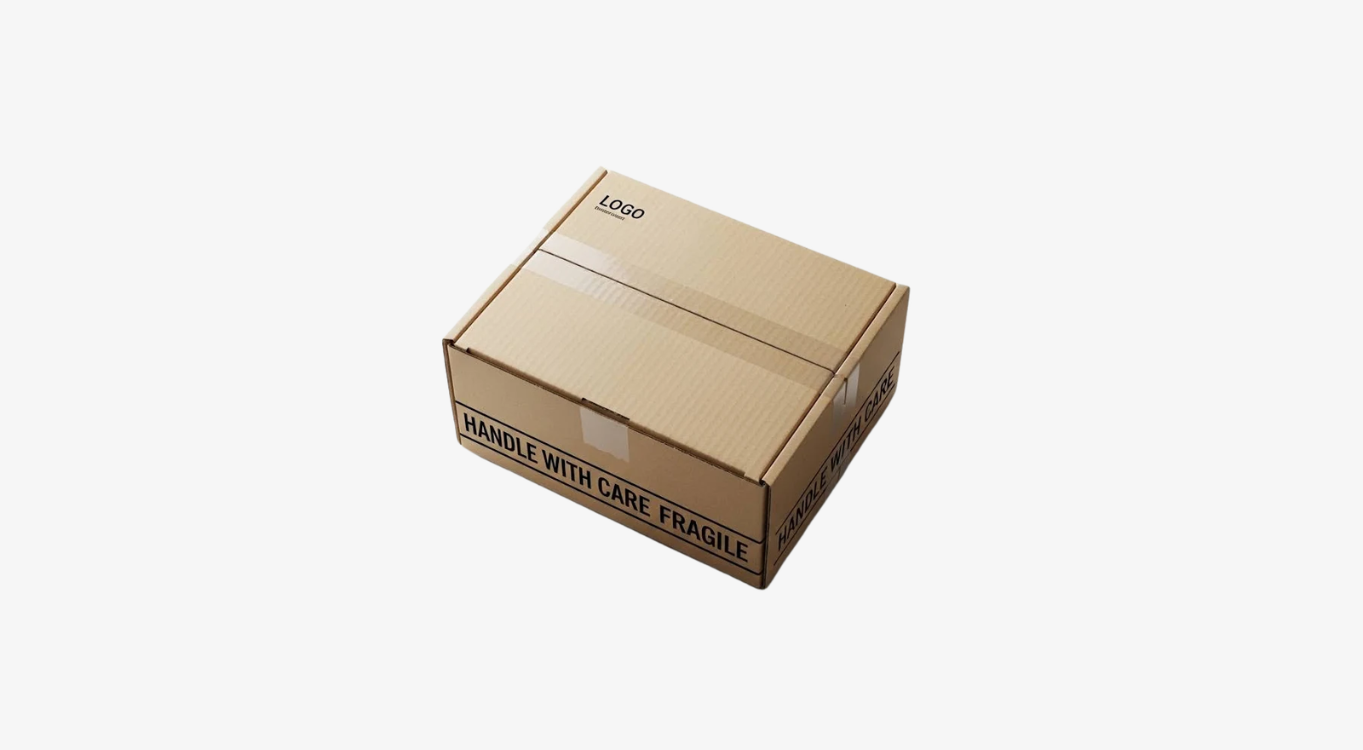
Regular Slotted Cartons
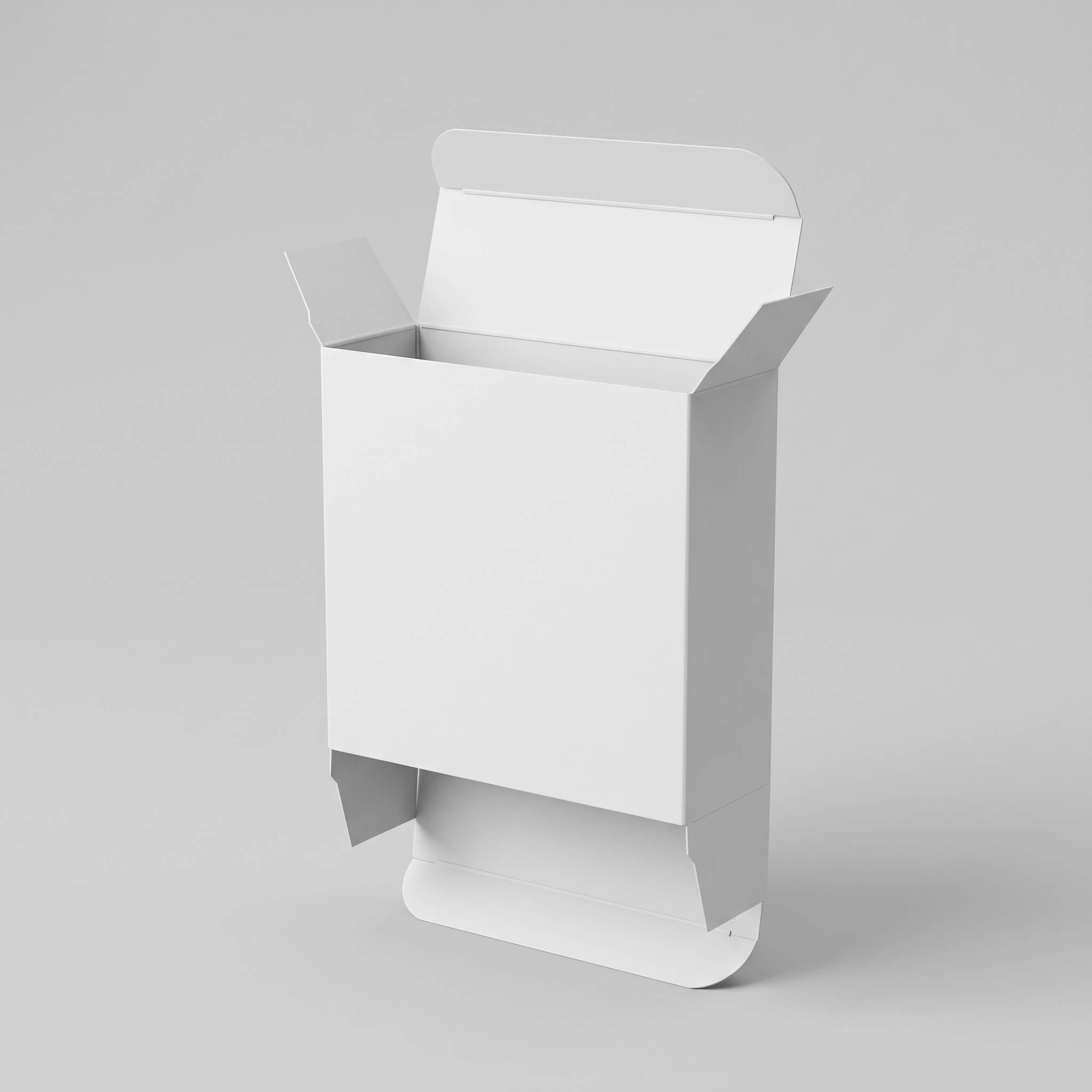
Regular slotted cartons are a familiar shipping box format with flaps that meet at the center when closed. They can be produced in compact dimensions for products that need a straightforward outer carton.
This style may suit businesses that pack individual items or small groups of products. The dimensions and board construction should be selected according to the contents.
Mailer-Style Boxes
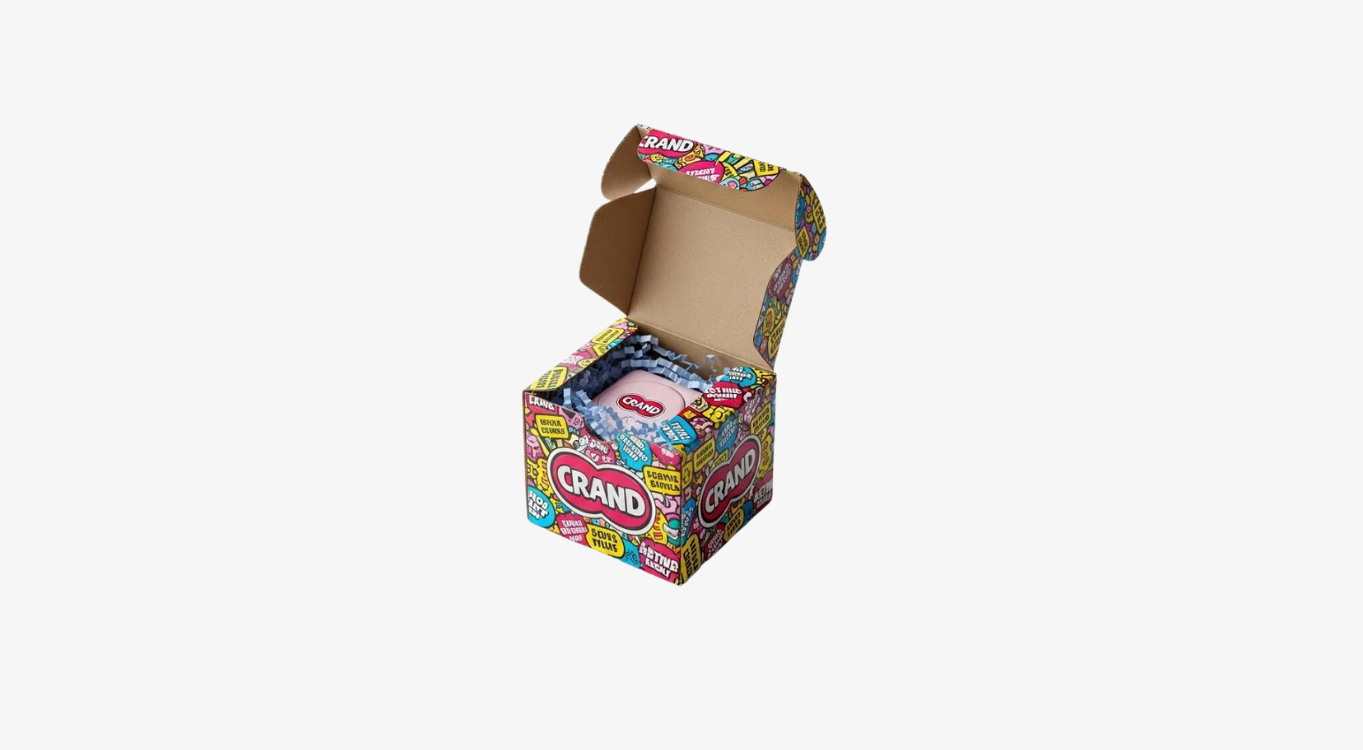
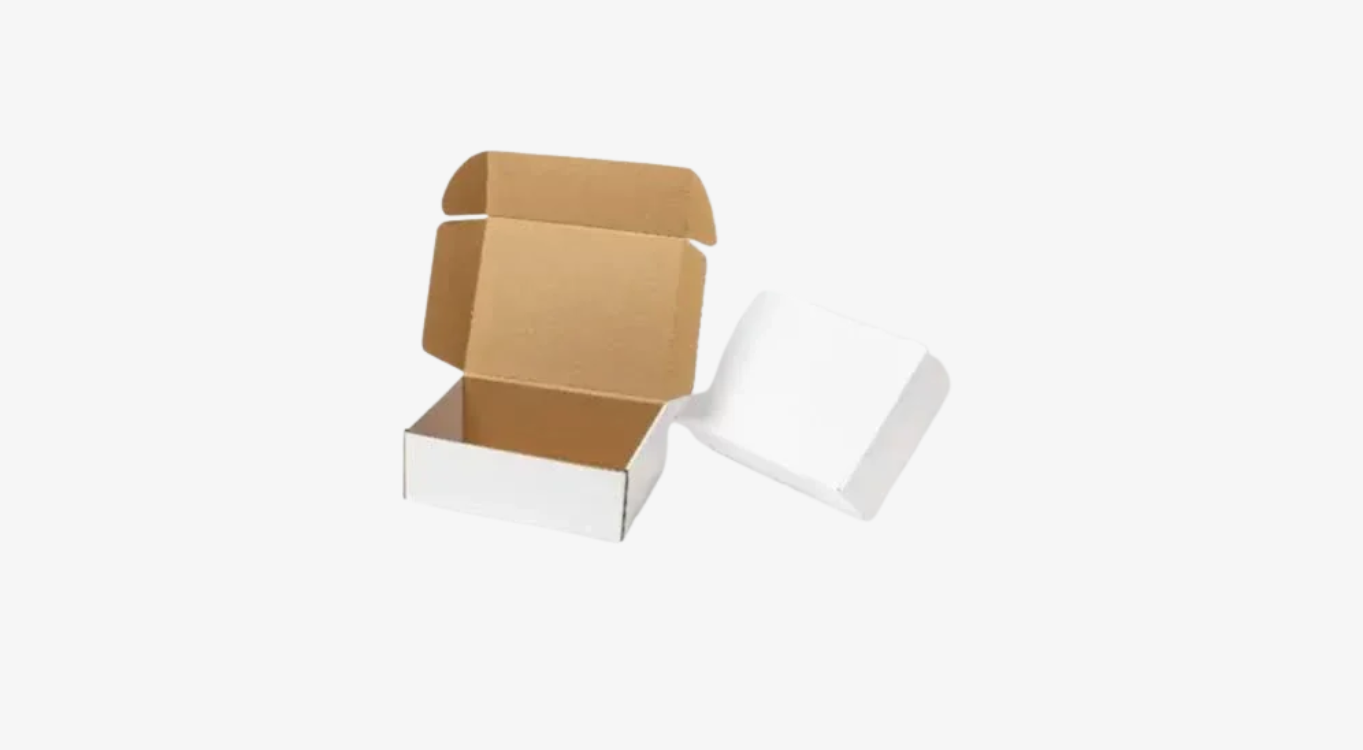
Mailer-style boxes are designed with integrated closing flaps and a structure that can be convenient for selected e-commerce applications. They may be suitable for products that require a more presentation-focused opening experience.
Their construction can also provide a defined internal space for product placement and inserts.
Die-Cut Boxes
Die-cut cartons are produced using a specific cutting pattern to create a particular shape or folding structure. They can be developed for products that need a customized packaging format.
The design may include special closing features, shaped panels, or internal components depending on the product requirements.
Custom-Fit Cartons
A custom-fit carton is developed around a product’s measurements and packaging arrangement. This approach can help reduce unused space while allowing room for required cushioning or inserts.
The final dimensions should include the product, internal packaging components, and any clearance needed for practical packing.
How to Select the Correct Small Shipping Box Size
Choosing box dimensions requires more than measuring the product’s front-facing surface. Businesses should measure the full item and consider the packaging materials that will be placed around it.
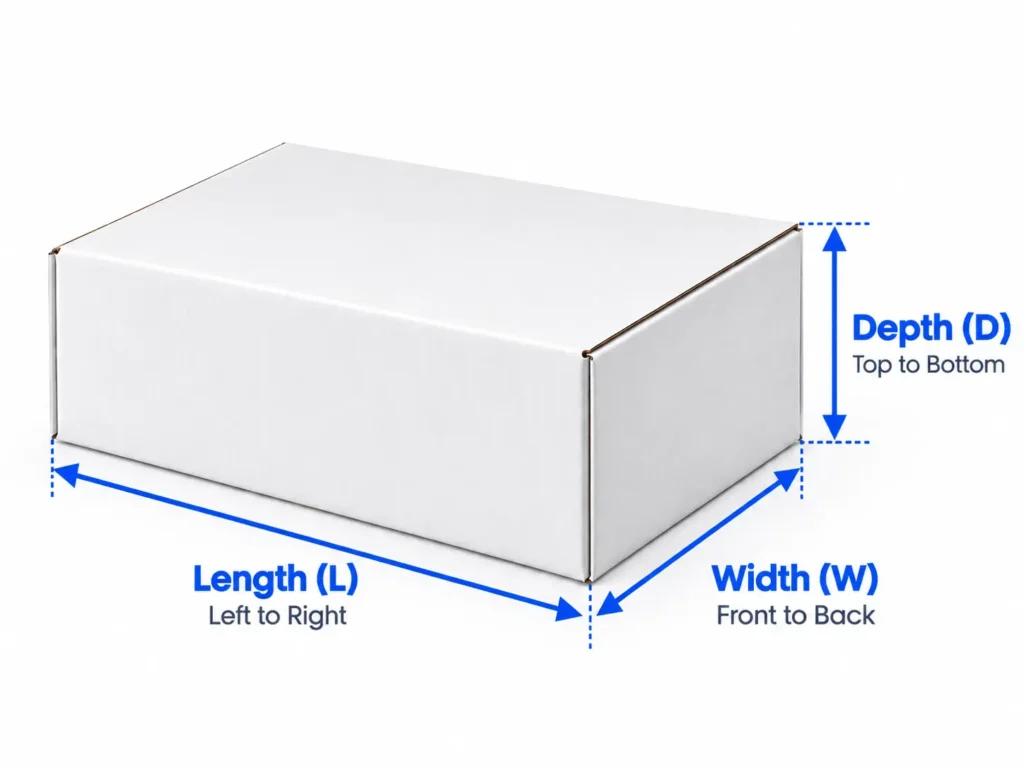
Measure Length, Width, and Height
Measure the product at its longest, widest, and tallest points. For irregularly shaped items, use the maximum external measurements so the box can accommodate the complete product.
Record measurements in a consistent unit, such as inches or centimeters.
Account for Protective Materials
If the product requires cushioning, inserts, dividers, or wrapping, include their dimensions in the packaging calculation. The box must provide sufficient internal room for the complete packed product.
Do not select a carton based only on the bare product measurements when additional packaging components will be used.
Consider Product Weight
A box designed for a lightweight item may not be appropriate for a heavier product with the same dimensions. Material selection and construction should reflect both the size and weight of the packed contents.
Review the Shipping Application
Consider how the package will be stored, handled, sorted, and transported. A carton used for local parcel delivery may have different requirements from packaging prepared for longer distribution routes.
For guidance on measuring carton dimensions, see How to Measure a Box.
Custom Printing and Branding Options
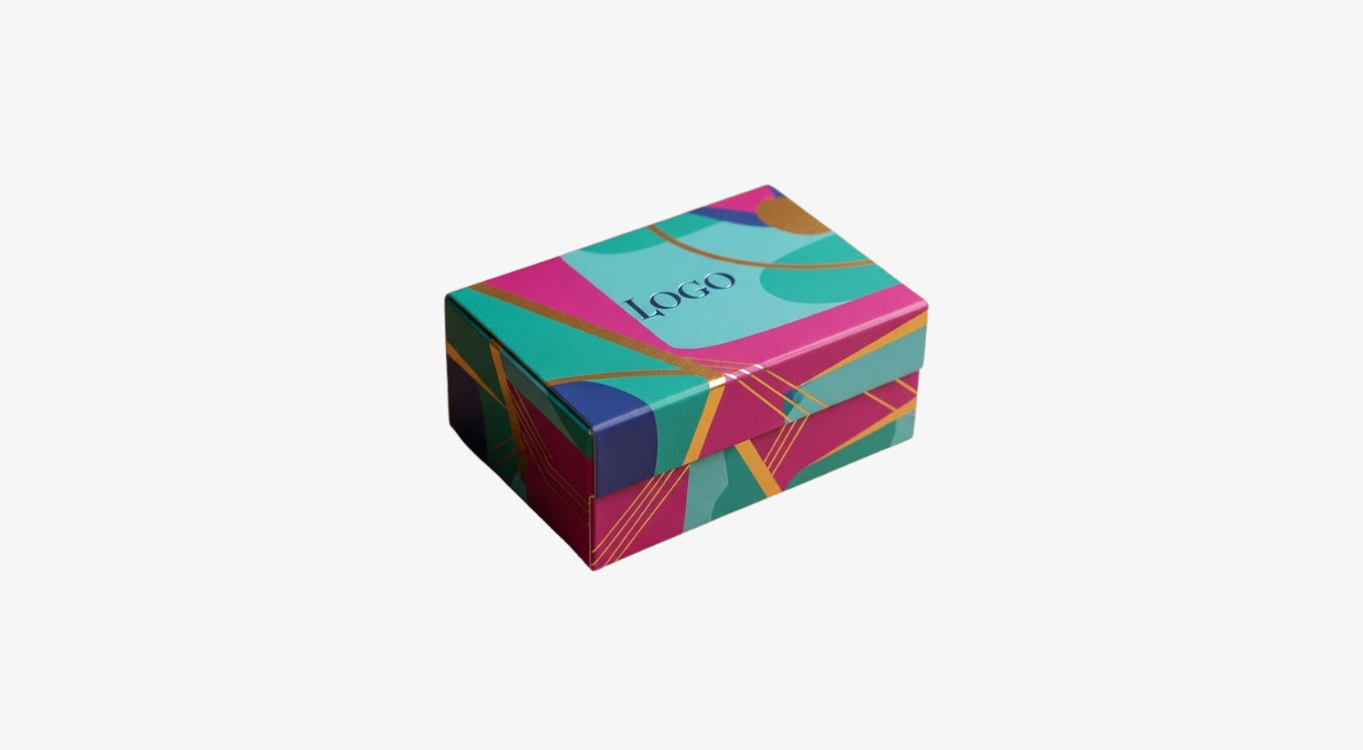
Small shipping boxes can also support a consistent brand presentation. Depending on the material and printing requirements, businesses can add logos, brand colors, product information, and other approved artwork to selected panels.
Logo and Brand Printing
A printed logo can help identify the business responsible for the package. Its placement should be planned around the box’s folding panels, closing flaps, and shipping label area.
Product Information
Businesses may include product names, item references, handling instructions, or other relevant information. All printed details should be reviewed before production to reduce errors.
Color and Artwork Selection
Artwork can be developed using brand colors and design elements that remain clear at the final box size. Small cartons have limited printable areas, so important information should be prioritized rather than crowded into every panel.
Finishing Options
Selected packaging projects may include finishes such as matte or gloss effects, depending on the chosen material and printing method. The availability and suitability of each finish should be confirmed during the quotation and artwork review process.
Inserts and Internal Packaging for Small Boxes
Some products need more than an outer carton. Internal packaging components can help organize multiple items and limit unnecessary movement inside the package.
Possible options include:
- Cardboard inserts for separating product components.
- Dividers for organizing multiple items.
- Custom-fit supports for selected product shapes.
- Paper-based cushioning arrangements.
- Protective wrapping where appropriate.
The internal layout should be designed around the actual product configuration. A box containing one item may require a different insert from a box holding a set of accessories.
Learn more about Packaging Inserts and how internal components can be considered during packaging development.
Industries That Use Small Shipping Boxes
Small shipping cartons are used across many business categories. Their exact construction and design depend on the product being packed.
E-commerce: Online retailers use compact cartons for individual orders, accessories, and selected product bundles.
Electronics: Businesses may require small cartons for components, adapters, cables, and compact devices.
Cosmetics and personal care: Selected products and accessories may be packed in small outer cartons with suitable internal arrangements.
Stationery: Pens, notebooks, desk accessories, and other compact items can be packaged in cartons designed around their dimensions.
Retail and promotional products: Small branded packages can be developed for product sets, samples, and promotional materials.
Subscription businesses: Compact cartons can be planned around recurring product combinations and printed inserts.
Factors That Affect Small Shipping Box Pricing
The cost of custom small shipping boxes depends on the specifications of the complete packaging project. There is no single price that applies to every size and material.
Important pricing factors include:
- Box dimensions: Larger cartons generally require more material than smaller cartons.
- Material selection: Board type, thickness, and construction affect material requirements.
- Printing: Artwork coverage, colors, and printing methods influence production specifications.
- Finishing: Additional surface treatments may affect the overall quotation.
- Quantity: Order volume can influence production planning and per-unit pricing.
- Box style: Different folding and structural designs may require different production processes.
- Internal components: Inserts, dividers, and custom supports add to the packaging specifications.
Providing accurate dimensions, quantities, artwork requirements, and product details helps the packaging team prepare a more relevant quotation.
How to Order Custom Small Shipping Boxes
A clear packaging brief helps move a project from initial requirements to a suitable box design.
Step 1: Share product details. Provide the product name, measurements, approximate weight, and a description of how it will be packed.
Step 2: Select the box style. Identify whether you need a regular carton, mailer-style box, die-cut design, or another structure.
Step 3: Confirm material requirements. Discuss the material and construction according to the product and intended shipping application.
Step 4: Provide artwork. Share your logo, brand colors, and approved design files if printing is required.
Step 5: Confirm quantity and specifications. Provide the required order quantity and any internal packaging requirements.
Step 6: Review the quotation and design. Check dimensions, material details, artwork, and other specifications before approving production.
Order Custom Small Shipping Boxes from Bluebird Packaging
The right small shipping box should fit the product, support the packing process, and reflect your packaging requirements. Bluebird Packaging can help businesses explore custom dimensions, material options, box styles, and printing specifications for compact products.
Whether you need small cartons for e-commerce orders, accessories, retail items, or product bundles, share your packaging requirements to discuss a suitable design.
Visit Bluebird Packaging to explore packaging options, or Contact our team to discuss your project.
Frequently Asked Questions
1. What are small shipping boxes used for?
Small shipping boxes are used to package compact products such as accessories, stationery, small electronics, retail items, and selected e-commerce orders. Their dimensions can be selected according to the product and any required internal packaging.
2. Can I order custom-size small shipping boxes?
Yes. Custom dimensions can be specified according to the product’s length, width, height, and internal packaging requirements. Providing accurate measurements helps determine a suitable box size.
3. Which material is suitable for small shipping boxes?
The suitable material depends on the product’s weight, dimensions, shipping conditions, and required box construction. Corrugated cardboard, paperboard, and other cardboard options may be considered for different applications.
4. Can small shipping boxes be printed with my brand logo?
Printing options can be discussed according to the selected material, box style, and artwork requirements. Businesses can provide their logo, colors, and approved design files for review.