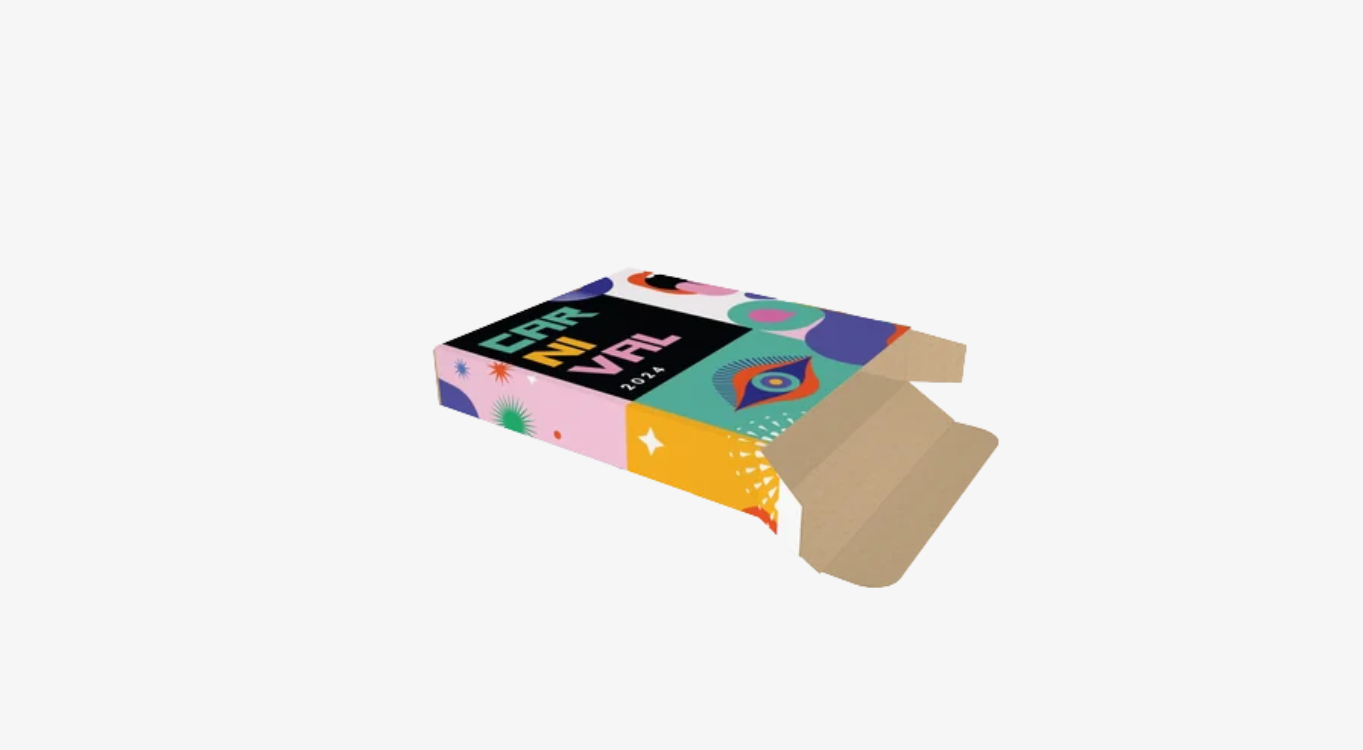
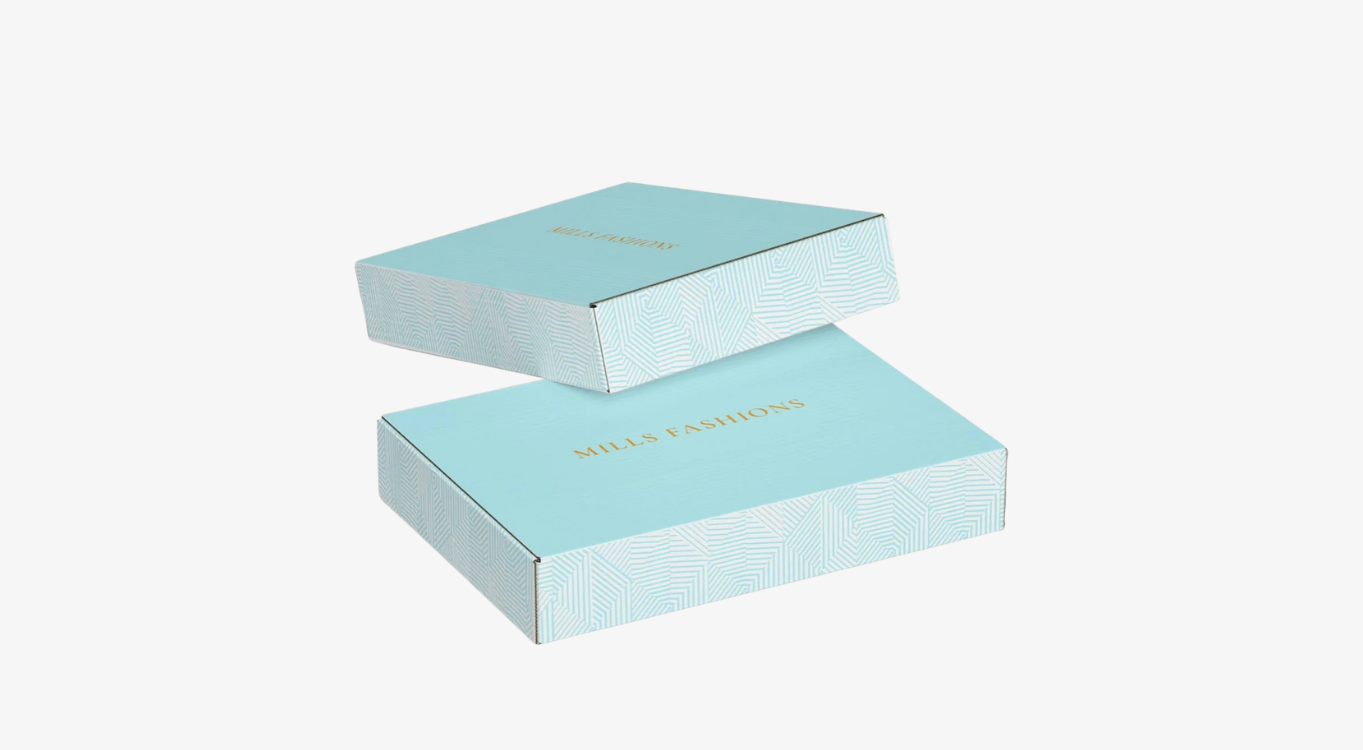
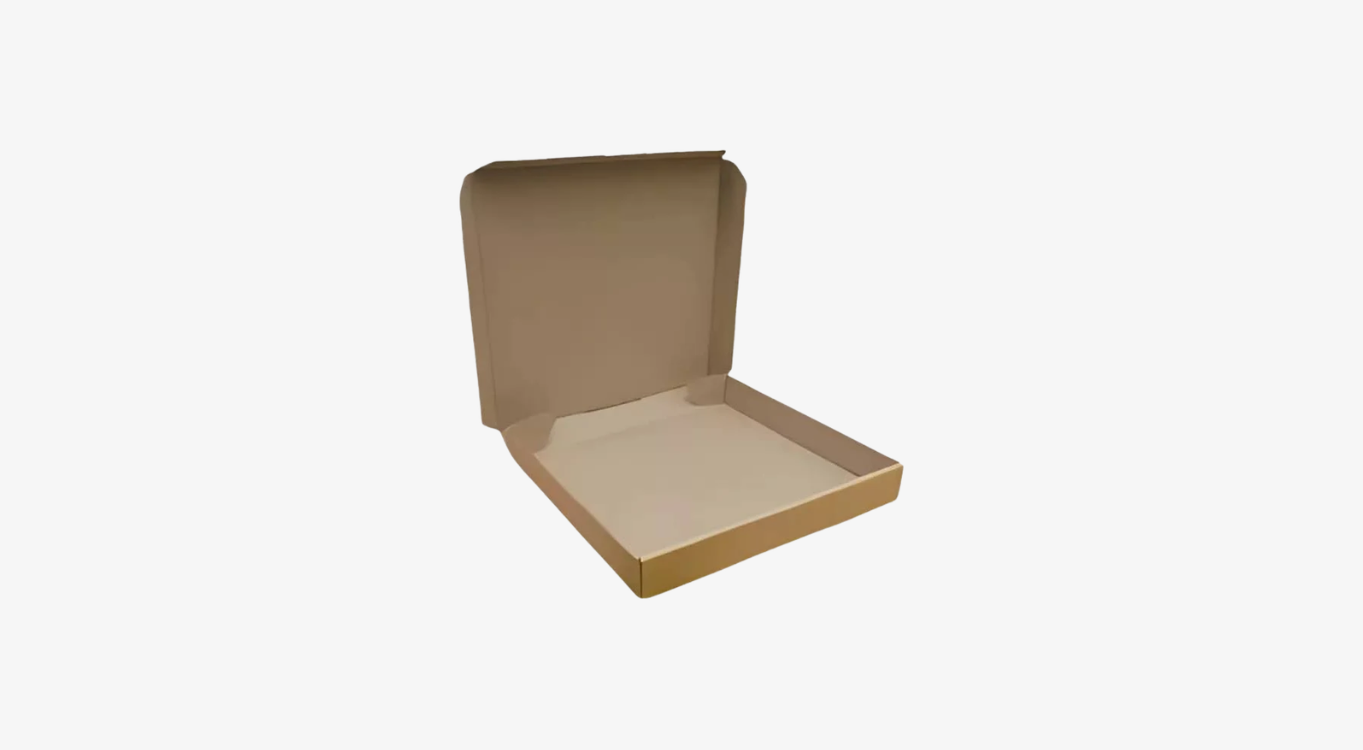
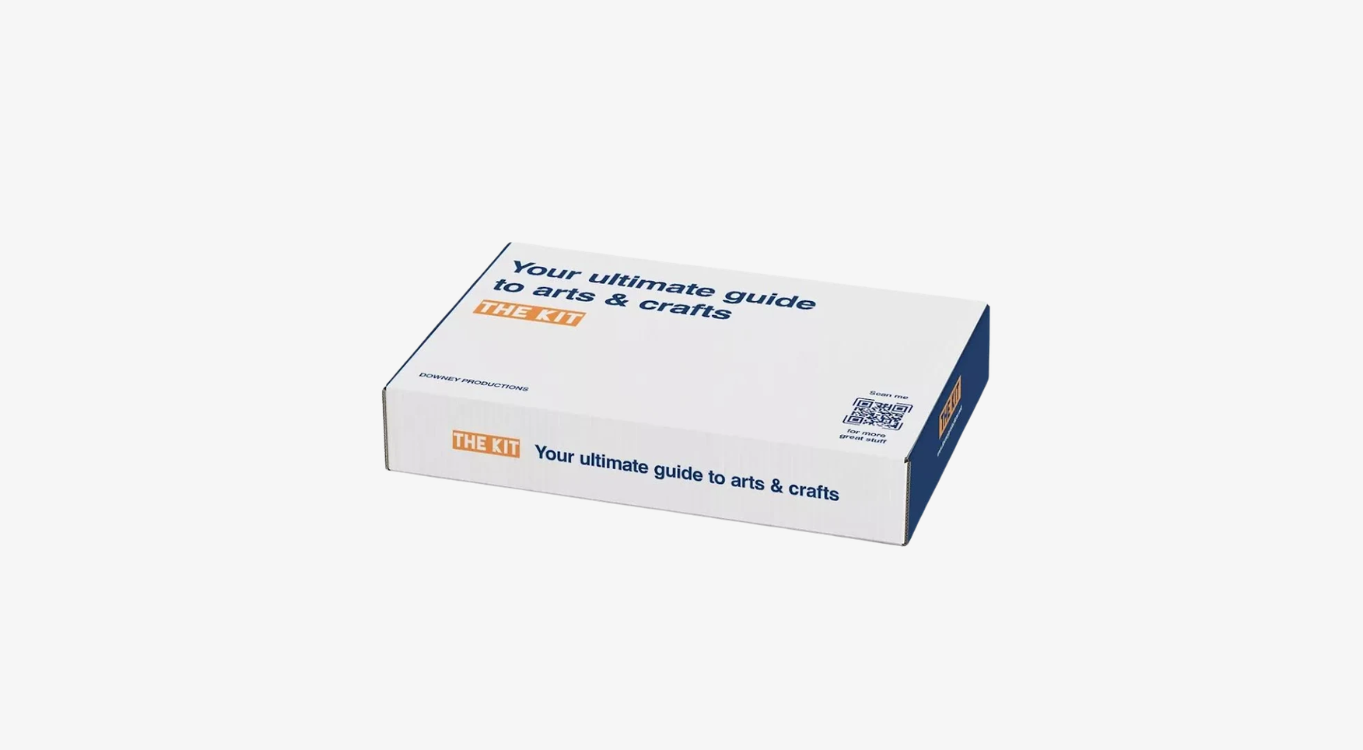
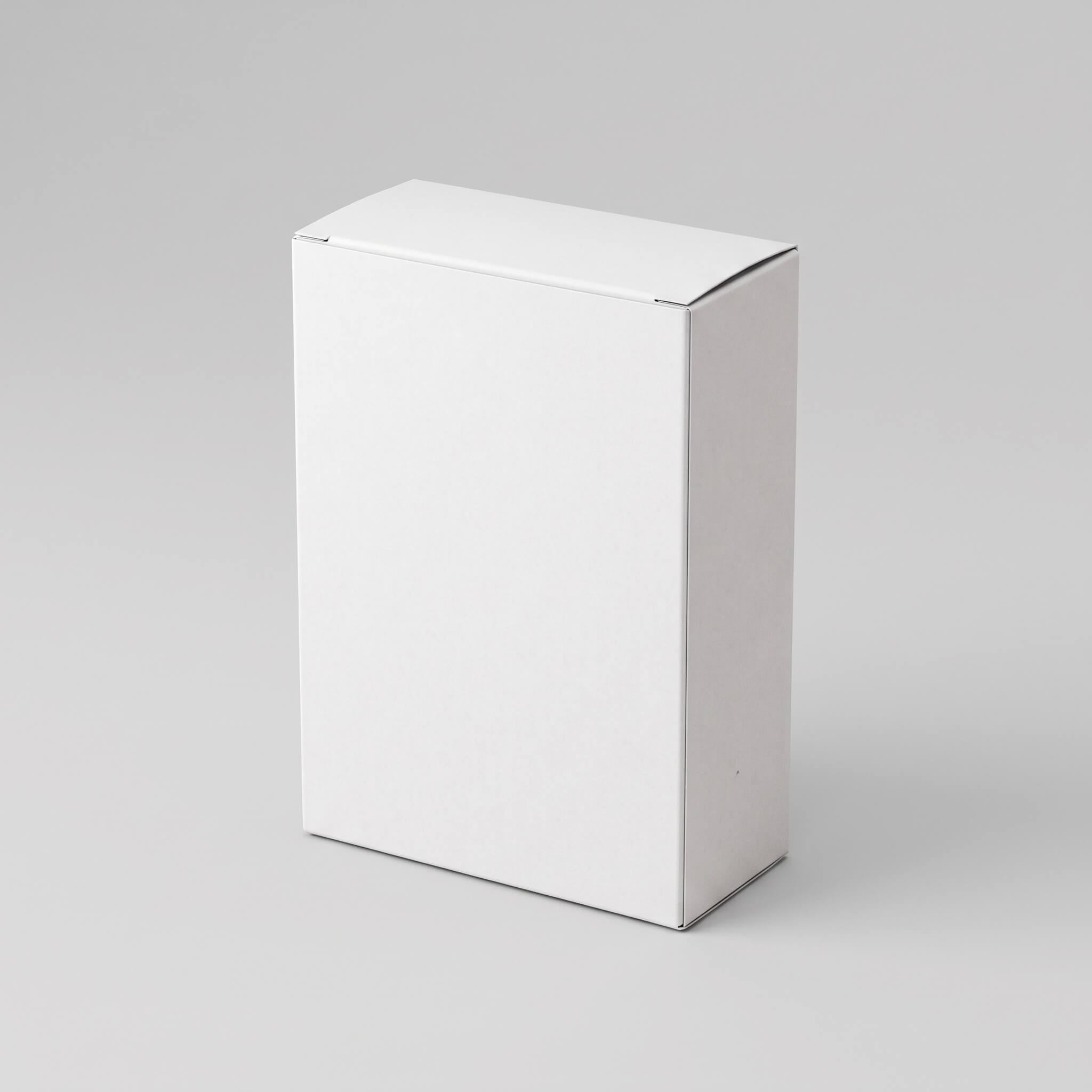
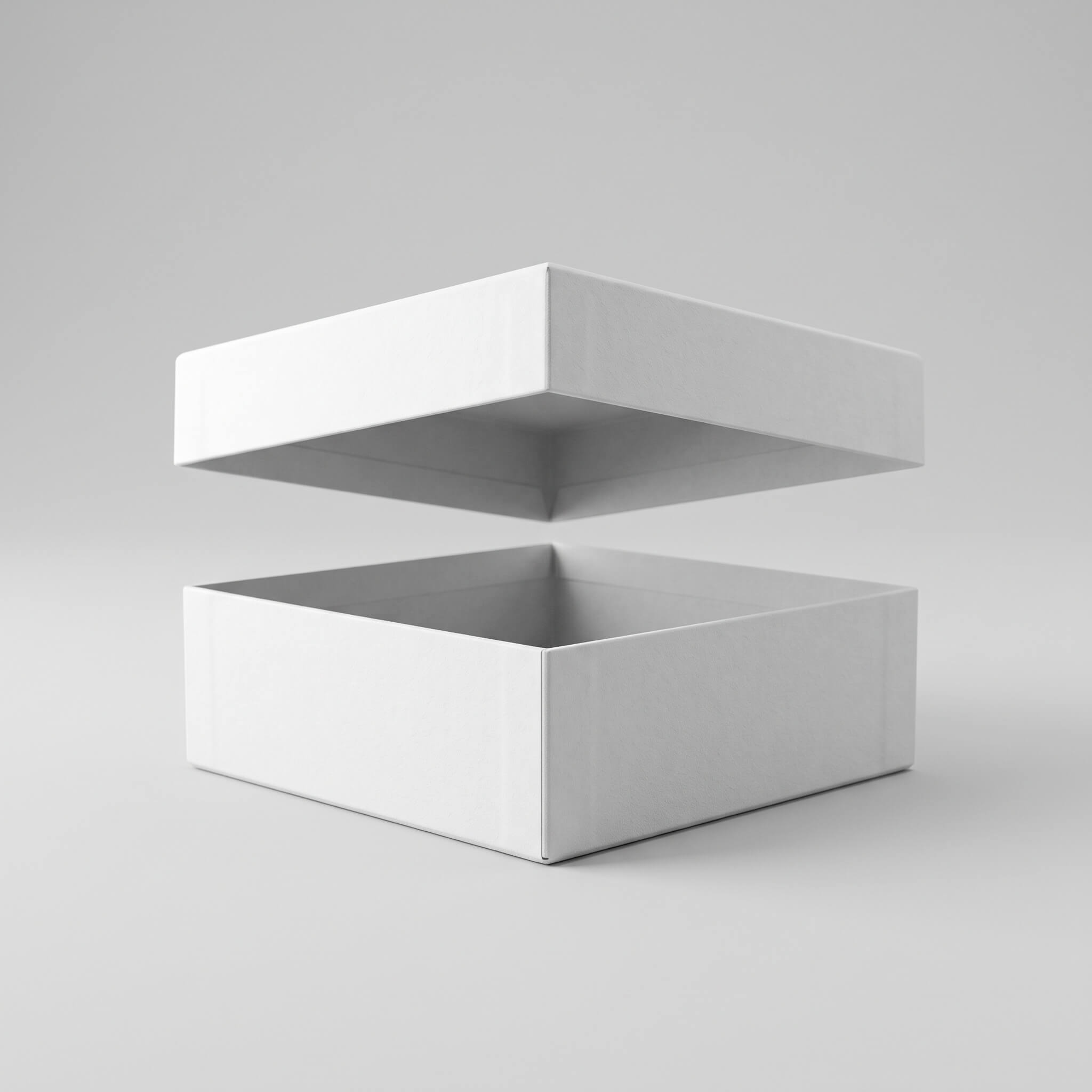
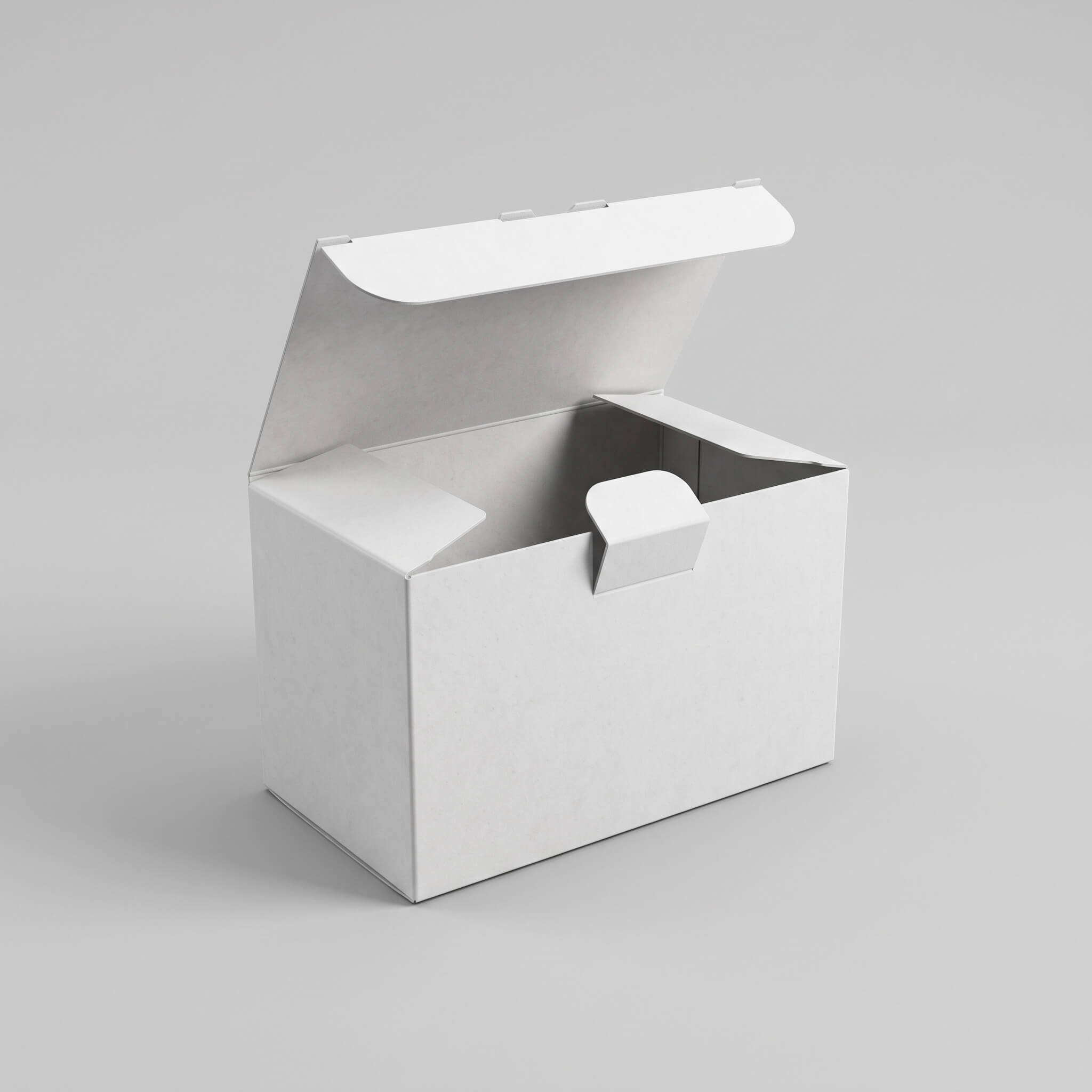
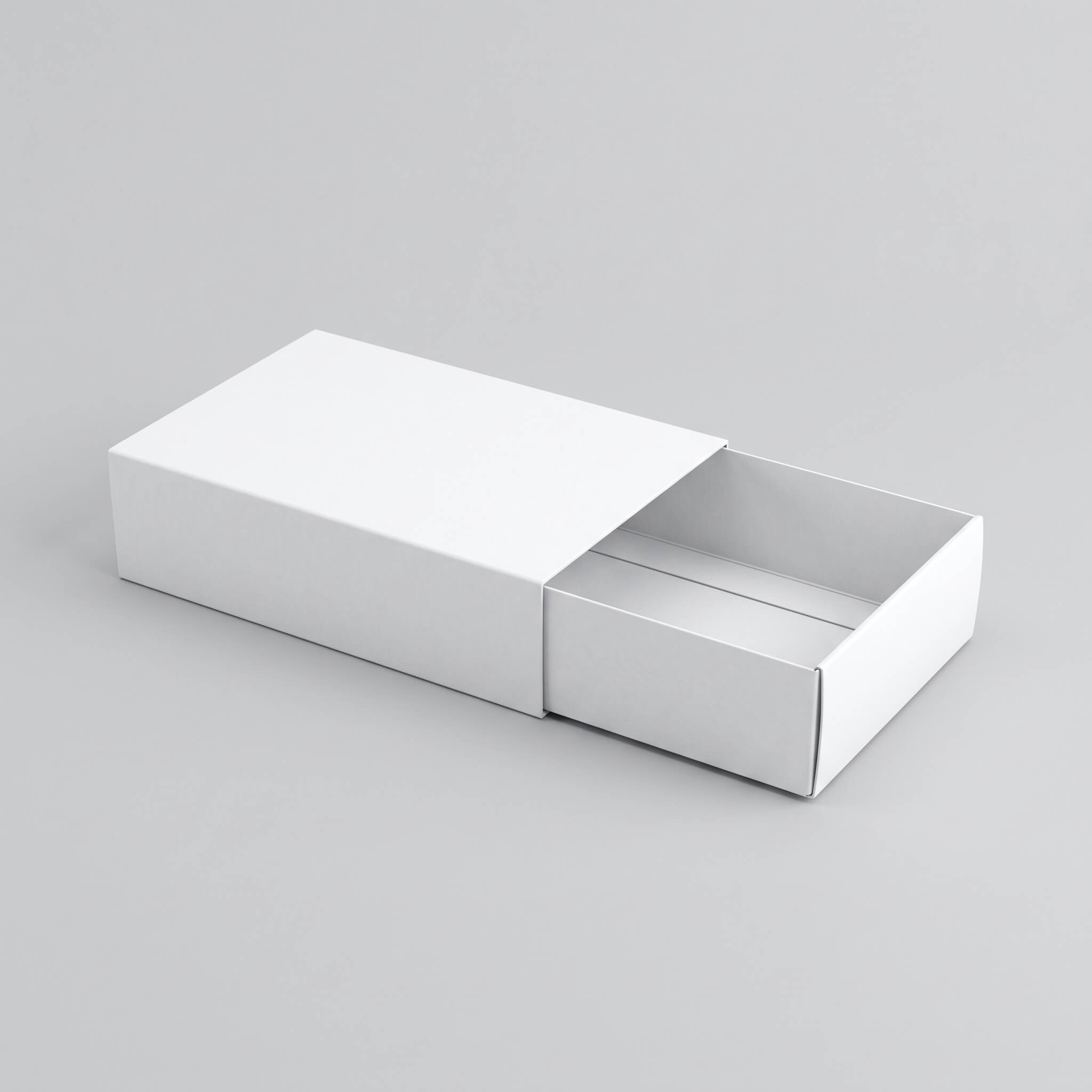
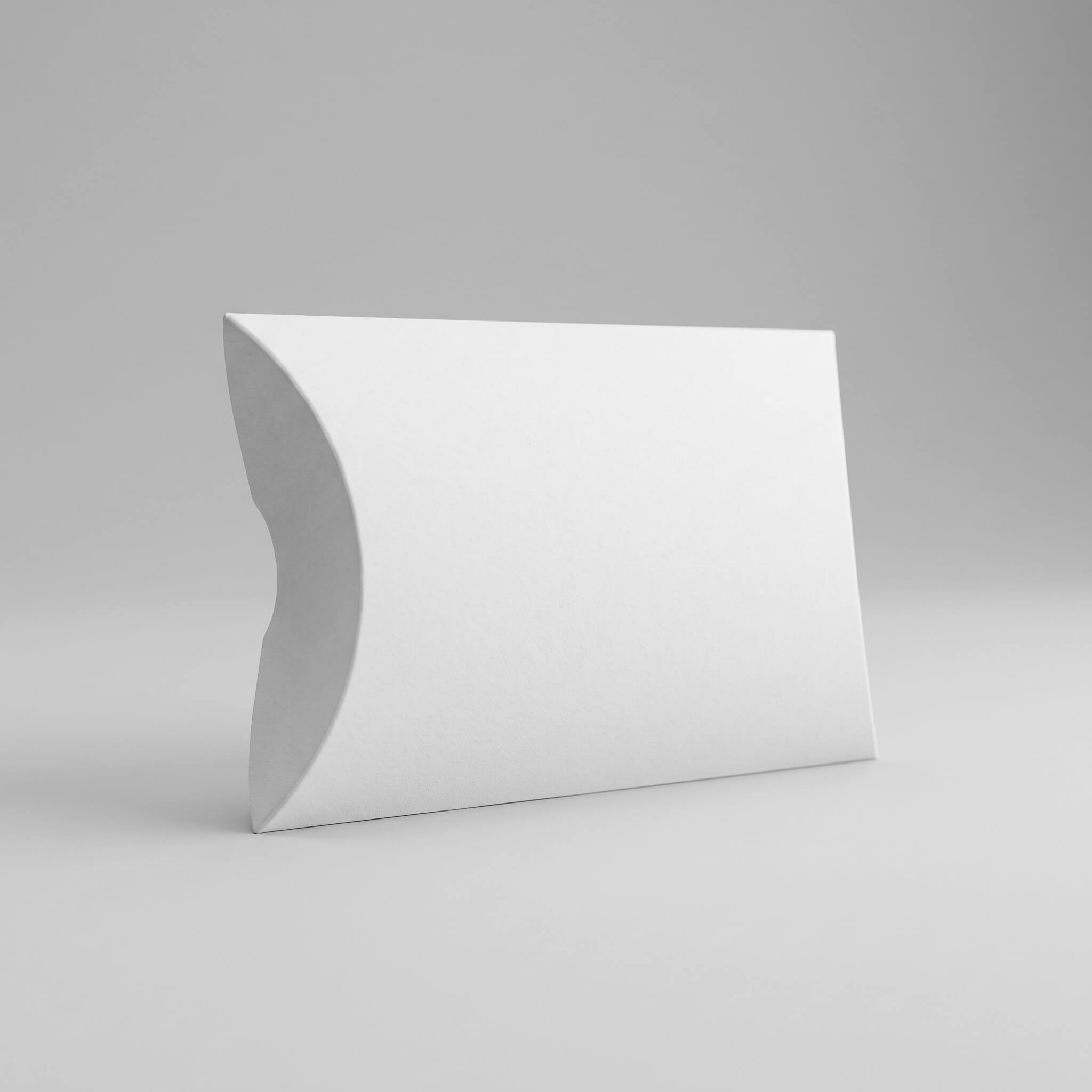
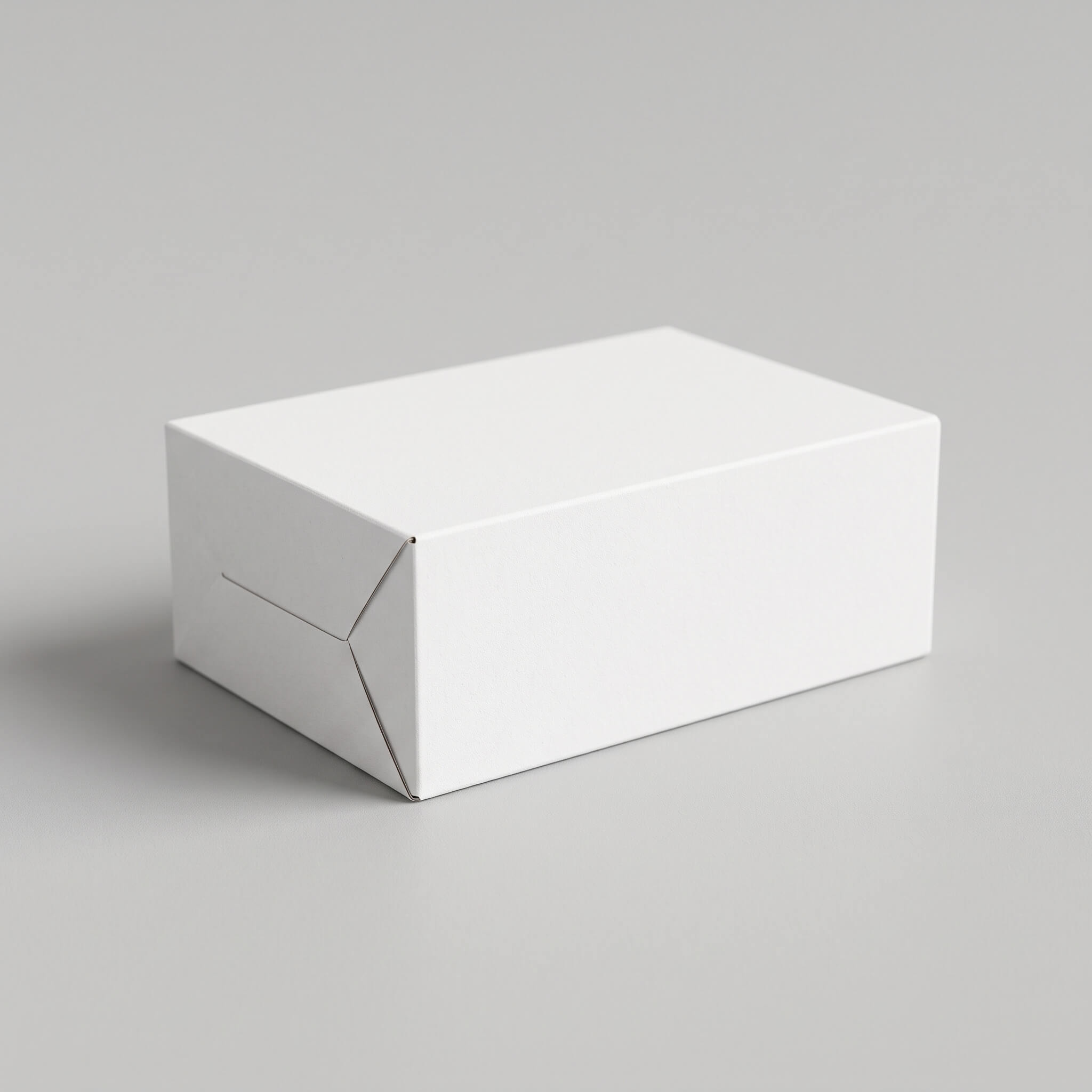
Shipping products with a shallow or flat profile requires packaging that accommodates their dimensions without leaving excessive unused space. Standard shipping cartons may be too deep for documents, printed materials, apparel, accessories, artwork, and other low-profile products. Flat Shipping Boxes provide a practical packaging format with a wider surface area and reduced depth, helping businesses create a more suitable fit for products that do not require a tall carton.
At Bluebird Packaging, businesses can customize flat shipping box dimensions, materials, construction, printing, and finishing options according to their product specifications. Whether you need packaging for online orders, retail products, business documents, or flat merchandise, the box can be developed around the dimensions and handling requirements of the items being shipped.
From compact flat cartons to larger shallow shipping boxes, custom packaging gives businesses flexibility over the structure and presentation of their shipments. You can explore our complete range of Custom Shipping Boxes to compare additional shipping formats and find a suitable packaging solution for your products.
What Are Flat Shipping Boxes?
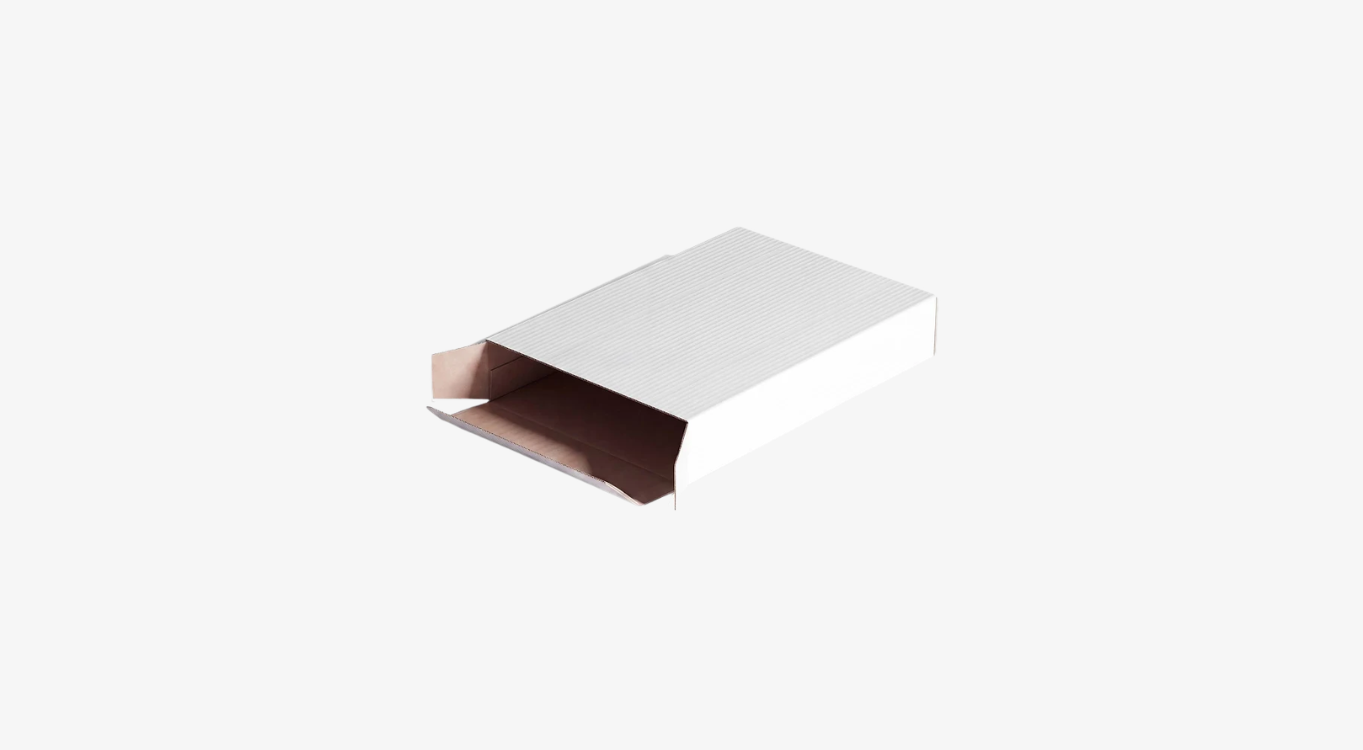
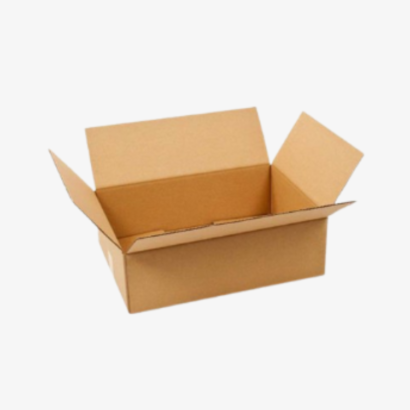
Flat shipping boxes are packaging containers designed with a relatively shallow depth compared with their length and width. Their structure accommodates products that have a broad, low-profile shape or that need to remain arranged in a flat position during packaging and transportation.
Unlike deep shipping cartons, flat boxes distribute their available space across a wider base. This makes them useful for products such as printed materials, photographs, apparel, accessories, artwork, stationery, and selected retail merchandise.
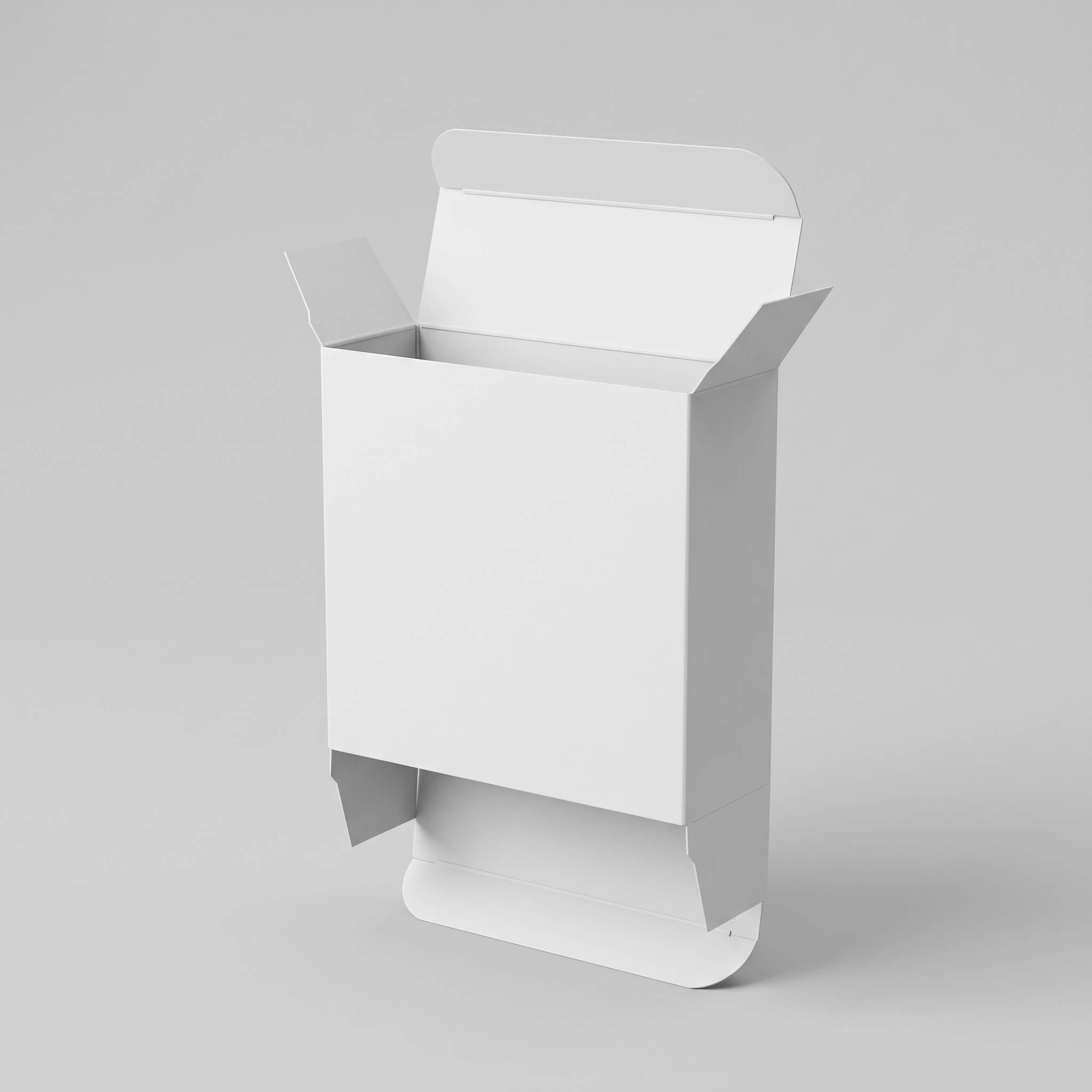
The exact structure depends on the product. Some flat boxes use a folding construction with tuck-in flaps, while others use corrugated board and overlapping flaps for shipping applications. Businesses can also specify custom inserts, dividers, or protective layers when products need additional organization inside the package.
A well-designed flat shipping box should accommodate the product’s actual dimensions, any protective material, and the space required for closing the package. The objective is to create a practical packaging structure rather than simply selecting a box based on its exterior appearance.
Benefits of Custom Flat Shipping Boxes
Choosing a packaging format that matches the shape of a product can make packing and shipping operations more organized. Custom flat shipping boxes offer several practical advantages for businesses handling low-profile merchandise.
1. A Suitable Format for Flat Products
Flat boxes are designed for products that need a wider base and limited depth. This structure can be useful for artwork, printed materials, documents, photographs, clothing, and other items that are not particularly tall.
Rather than placing a thin product inside a deep carton, businesses can select dimensions that better reflect the product’s length, width, and thickness.
2. Custom Dimensions for Different Products
Product dimensions vary across industries. A business shipping folded clothing may need a different box format from a company shipping printed promotional materials or flat accessories.
Custom flat shipping boxes can be specified according to:
- Product length and width
- Product thickness or height
- Protective wrapping requirements
- Insert or divider dimensions
- Closure and flap requirements
- Available storage and shipping space
Accurate measurements help create a box that accommodates the product without unnecessary empty space.
3. Organized Packaging and Packing Operations
A consistent box size can make repetitive packing tasks easier to organize. Businesses shipping similar products can use standardized packaging dimensions to support their packing processes.
For product ranges with different sizes, multiple flat box dimensions can be developed while maintaining a consistent packaging style.
4. Branding and Product Presentation
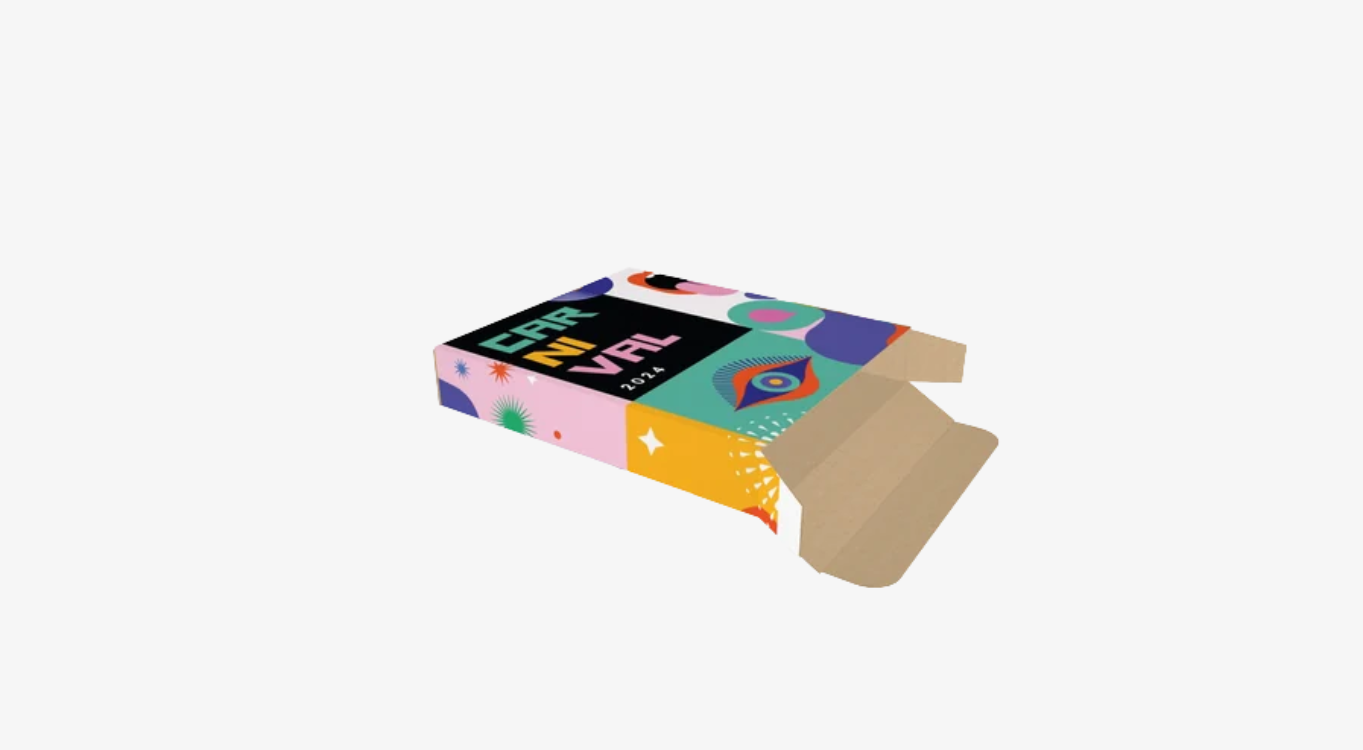
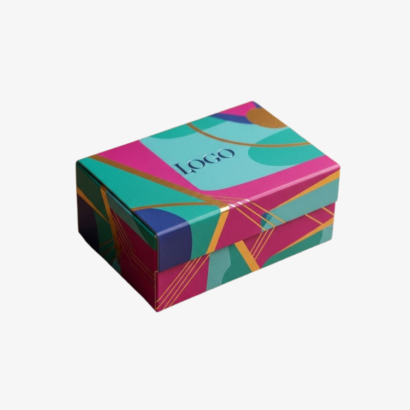
Shipping packaging can also introduce customers to a brand. Custom printing gives businesses the option to display their logo, product information, brand colors, handling instructions, and other approved artwork.
Depending on the selected material and printing requirements, flat boxes can feature simple branding or more detailed printed designs.
5. Flexible Material and Construction Options
Different products require different packaging structures. Lightweight printed materials may need a different board construction from heavier merchandise.
Businesses can select suitable cardboard or corrugated options according to product weight, shipping conditions, and packaging requirements. The final material should be chosen after evaluating the product and intended distribution process.
Types of Flat Shipping Boxes
Flat shipping packaging can be produced in different structures to accommodate product dimensions, packing preferences, and shipping requirements. The following formats are useful starting points when planning a custom box.
Flat Corrugated Shipping Boxes
Flat corrugated shipping boxes are designed for shipping applications where a corrugated structure is preferred. Corrugated board contains a fluted layer between liner sheets, with the board construction selected according to the packaging specification.
These boxes can be developed for printed products, flat merchandise, accessories, and other items that need a shallow shipping container.
Explore Corrugated Shipping Boxes for additional corrugated packaging options.
Flat Cardboard Shipping Boxes
Flat cardboard shipping boxes provide a packaging format for products that need a relatively shallow carton. They can be customized in different dimensions and printed according to the product or brand requirements.
The suitable board type depends on the item’s weight, packaging design, and expected handling conditions.
Flat Mailer Boxes
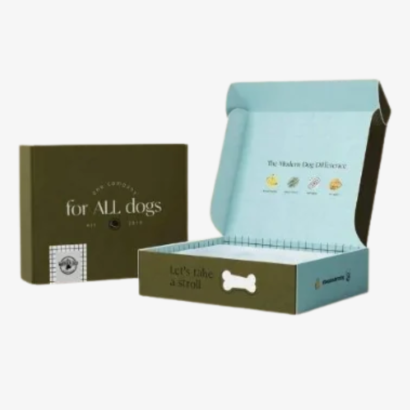
Flat mailer boxes are useful for businesses that ship products directly to customers. Their folding construction can provide a defined space for low-profile products, while custom printing creates opportunities for branded presentation.
For a wider selection of mailing formats, explore Mailer Shipping Boxes.
Flat Die-Cut Boxes
Die-cut flat boxes use a custom-cut blank that folds into the required packaging structure. This approach allows businesses to develop specific flap arrangements, product-fitting sections, and closure styles.
Die-cut construction can be useful when standard carton dimensions do not match a product’s requirements.
Flat Folding Boxes
Flat folding boxes are supplied in a form that can be assembled when needed. Their design can help businesses organize packaging inventory and prepare boxes according to their packing schedule.
The folding pattern, material, and closure should be selected according to the intended product and shipping process.
Materials Used for Flat Shipping Boxes
Material selection influences the structure, appearance, and handling characteristics of a shipping box. Flat packaging can be manufactured using different paperboard and corrugated options, depending on the product and shipping requirements.
Corrugated Cardboard
Corrugated cardboard is a common material for shipping cartons. It consists of liner sheets and a fluted middle layer. Different flute profiles and board combinations can be considered when selecting a suitable structure.
Flat corrugated boxes may be appropriate for:
- Flat retail products
- Printed materials
- Accessories
- Lightweight merchandise
- E-commerce shipments
- Products requiring a corrugated outer carton
The final board specification should account for product weight, box dimensions, stacking conditions, and the expected distribution environment.
Kraft Paperboard
Kraft-based materials provide a natural paper appearance and can be considered for selected packaging designs. They are often used when a simple, understated presentation is preferred.
Kraft material options should be evaluated according to the required box structure, printing method, and product weight.
Folding Carton Board
Folding carton board can be used for selected flat packaging applications where a defined folding structure and printed presentation are important.
It is more suitable for products and distribution conditions that match its specified strength and construction. It should not automatically be treated as a replacement for shipping-grade corrugated packaging.
White and Printed Board Options
White board surfaces can provide a clean background for product branding and printed graphics. Depending on the selected material and print specification, businesses can incorporate product details, logos, and other visual elements.
How to Choose the Right Flat Shipping Box Size
Choosing the correct dimensions is one of the most important steps when developing custom flat packaging. A box that is too small may not close properly, while an oversized package may leave unnecessary space around the product.
Use the following steps when planning your box dimensions.
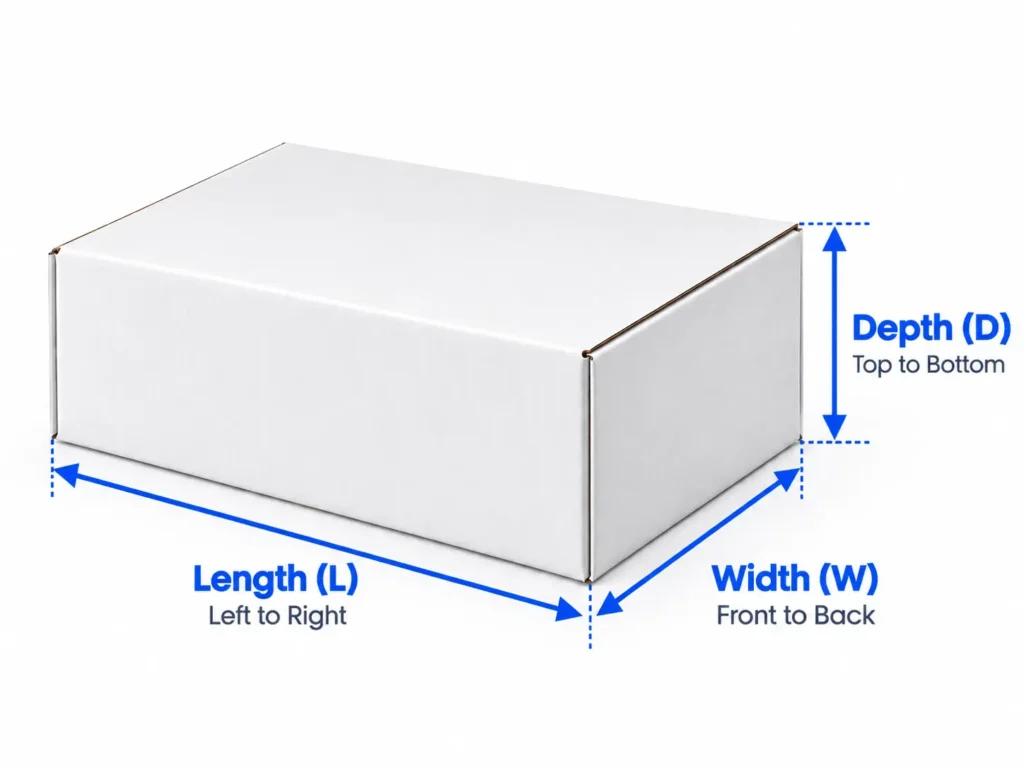
Step 1: Measure the Product Length
Measure the longest side of the product. For irregularly shaped items, identify the maximum length that must fit inside the packaging.
Step 2: Measure the Product Width
Measure the widest side of the product. If the product includes attached components or protective wrapping, include their dimensions in the measurement.
Step 3: Measure the Product Thickness
Determine the maximum height or thickness of the item. This measurement is especially important for flat products because even small differences can affect the required box depth.
Step 4: Account for Protective Materials
If the product requires tissue paper, foam, inserts, sleeves, or other protective materials, include their space requirements in the internal dimensions.
Step 5: Confirm the Closure Structure
Consider the space needed for flaps, tuck-in sections, overlapping panels, or other closure components. The final internal dimensions should allow the box to close without placing unnecessary pressure on the product.
Step 6: Confirm Internal and External Measurements
Packaging suppliers may specify dimensions as length × width × depth. Confirm whether the measurements refer to the internal or external dimensions before approving production.
For additional guidance, read our How to Measure a Box guide.
Custom Printing and Branding Options
Custom printing can turn a plain shipping carton into packaging that communicates a consistent brand identity. Businesses can select artwork and printing details according to their product range, target audience, and packaging budget.
Common printing elements include:
- Company logo
- Brand name and colors
- Product identification
- Website and contact information
- Product handling instructions
- Printed patterns and graphics
- Promotional messages
- Shipping or warehouse identification
The available printing options depend on the material, box construction, artwork, and production requirements.
Logo Printing
A logo can be placed on the top panel, side panels, or other suitable areas of the box. Placement should be planned around the folding structure so important artwork remains visible after assembly.
Full-Color Printing
Full-color artwork can be considered for packaging that requires detailed graphics, product imagery, or multiple brand colors. The final result depends on the selected printing process and material surface.
Minimal Branding
Some businesses prefer a simpler design featuring a logo, brand name, and limited supporting information. This approach can create a clean packaging appearance without making the design unnecessarily complicated.
Printed Product Information
Where appropriate, businesses can include product identifiers, instructions, or other approved information on the packaging. Any required product or regulatory labeling should be reviewed by the responsible team before printing.
Finishing Options for Flat Shipping Boxes
Finishing options influence the appearance and surface characteristics of printed packaging. The right finish depends on the selected board, printing method, design, and intended presentation.
Possible options include:
Matte Lamination
Matte lamination creates a subdued surface appearance and reduces the glossy look of printed packaging. It can be considered for brands that prefer a restrained visual style.
Gloss Lamination
Gloss lamination adds a reflective surface appearance that can make printed colors look more vibrant. Its suitability depends on the selected material and design.
Spot UV
Spot UV applies a glossy coating to selected areas of the printed design. It can be used to highlight a logo or specific graphic element.
Foil Stamping
Foil stamping adds a metallic visual detail to selected parts of the packaging design. It may be suitable for premium retail presentation when the material and construction support the finish.
Not every finish is suitable for every shipping carton. The material, printing process, and intended handling conditions should be considered before finalizing the specification.
Protective Inserts and Internal Packaging
Some flat products require more than an outer carton. Inserts and internal components can help keep items organized and reduce unwanted movement inside the package.
Depending on the product, businesses may consider:
- Paperboard inserts
- Corrugated pads
- Protective sleeves
- Foam components
- Product dividers
- Tissue wrapping
- Custom-cut internal supports
For example, printed materials may need a flat backing board, while selected accessories may require separate compartments. The internal packaging should be designed around the product’s shape and the expected handling conditions.
You can also explore Packaging Inserts for additional information about internal packaging components.
Industries That Use Flat Shipping Boxes
Flat shipping boxes can serve businesses across different industries. Their usefulness depends on the product’s dimensions, packaging requirements, and shipping conditions.
E-commerce Businesses
Online retailers may use flat boxes for accessories, apparel, stationery, and other low-profile merchandise. Custom dimensions can help standardize packaging for frequently shipped products.
Printing and Publishing
Printers, publishers, and promotional companies may need packaging for brochures, catalogs, booklets, photographs, and printed materials. A shallow box can accommodate these products in a flat arrangement.
Apparel and Fashion
Selected clothing products and fashion accessories can be packed in flat shipping boxes. The required depth depends on how the items are folded and whether additional wrapping is included.
Art and Photography
Prints, photographs, illustrations, and other flat artwork may require packaging that accommodates their surface dimensions. Additional protective layers or rigid supports may be considered according to the item’s requirements.
Electronics and Accessories
Certain low-profile electronic accessories and components may be packaged in shallow cartons. Internal inserts can be considered where the product needs organized placement.
Retail and Promotional Products
Retailers and promotional businesses can use custom flat boxes for product kits, printed marketing materials, and selected merchandise.
Flat Shipping Boxes for E-commerce Orders
E-commerce packaging must account for product dimensions, packing operations, shipping arrangements, and the customer experience. Flat shipping boxes can be useful when the products being shipped have a low profile and can be accommodated by a shallow structure.
Before selecting a box, businesses should consider the following:
- Product fit: Confirm the internal length, width, and depth.
- Packaging materials: Account for any sleeves, wraps, inserts, or protective layers.
- Box construction: Select a folding or corrugated structure appropriate for the shipment.
- Branding: Decide whether the box requires a logo, printed artwork, or product information.
- Shipping conditions: Consider handling, stacking, and transportation requirements.
- Packing workflow: Choose a structure that employees can assemble and close consistently.
The correct packaging format should be selected based on the complete shipment rather than product dimensions alone.
Flat Shipping Boxes vs. Standard Shipping Boxes
Flat shipping boxes and standard shipping cartons serve different packaging requirements. The key distinction is their overall proportions and the type of products they accommodate.
| Feature | Flat Shipping Boxes | Standard Shipping Boxes |
|---|
| Structure | Wider base with reduced depth | Available in a wide range of proportions |
| Product suitability | Low-profile and flat products | Products with different shapes and heights |
| Dimensions | Often designed around length and width | Designed around length, width, and height |
| Applications | Prints, documents, apparel, accessories | General merchandise and varied products |
| Customization | Custom dimensions, printing, and inserts | Custom dimensions, materials, and printing |
Neither format is universally better. The most appropriate choice depends on the product’s dimensions, weight, protective packaging requirements, and distribution conditions.
How to Order Custom Flat Shipping Boxes from Bluebird Packaging
Developing custom flat shipping boxes starts with a clear packaging specification. Providing accurate product details helps establish the appropriate box dimensions, material, construction, and printing requirements.
Follow these steps when planning your packaging order:
1. Share Your Product Details
Provide the product name, dimensions, weight, and any special packaging considerations. If you have several products, identify which items will use the same box size.
2. Select the Box Dimensions
Specify the required length, width, and depth. Confirm whether you need internal or external dimensions and include the space required for protective materials.
3. Choose the Material
Discuss whether cardboard or corrugated board is suitable for your product and shipping requirements. Material selection should reflect the product’s weight and expected handling conditions.
4. Finalize the Box Structure
Select a suitable folding style, flap arrangement, or other construction details. If your product needs internal support, discuss inserts or dividers.
5. Provide Your Artwork
Share your logo, brand colors, graphics, and any required printed information. Make sure the artwork is prepared according to the supplier’s file specifications.
6. Review the Packaging Specification
Before production, confirm the dimensions, material, printing, finishing, and quantity. Reviewing these details helps reduce misunderstandings during the ordering process.
7. Submit Your Inquiry
Contact Bluebird Packaging to discuss your flat shipping box requirements and packaging specifications.
Get Custom Flat Shipping Boxes for Your Business
The right shipping box should match the shape of the product, accommodate any required protective materials, and support your packing and distribution process. Flat shipping boxes offer a practical option for businesses handling documents, printed materials, artwork, apparel, accessories, and other low-profile products.
Bluebird Packaging provides customization options for box dimensions, materials, printing, and packaging structures. Share your product specifications to discuss a packaging format that aligns with your requirements.
Request a Quote for Custom Flat Shipping Boxes
Frequently Asked Questions About Flat Shipping Boxes
1. What are flat shipping boxes used for?
Flat shipping boxes are used for products with a wide surface and relatively low thickness. Common applications include documents, printed materials, photographs, artwork, apparel, stationery, accessories, and selected retail merchandise.
2. Can flat shipping boxes be made in custom sizes?
Yes. Custom flat shipping boxes can be developed according to the product’s length, width, and depth. Businesses can also account for protective wrapping, inserts, and closure requirements when specifying dimensions.
3. Are flat shipping boxes available in corrugated cardboard?
Flat shipping boxes can be manufactured using corrugated board when the selected construction is suitable for the product and shipping conditions. Board specifications should be chosen according to product weight, dimensions, and handling requirements.
4. Can I print my company logo on flat shipping boxes?
Yes. Custom printing can include company logos, brand colors, product details, graphics, and other approved artwork. Available printing options depend on the material and production specification.