Wholesale Shipping Boxes for Business Packaging and Bulk Orders
Businesses that regularly dispatch products need packaging that supports their shipping operations, fits their products, and can be ordered in quantities that suit their requirements. Wholesale shipping boxes provide a practical option for retailers, manufacturers, distributors, e-commerce stores, and fulfillment businesses that purchase packaging in larger quantities. Instead of sourcing small batches repeatedly, businesses can plan their packaging requirements around bulk orders, consistent specifications, and an appropriate supply schedule.
At Bluebird Packaging, businesses can explore shipping box options based on product dimensions, weight, shipping requirements, material preferences, and branding needs. From everyday cartons for general merchandise to stronger corrugated options for heavier products, the right packaging specification depends on how products are packed, stored, handled, and dispatched.
If you are comparing different shipping formats, explore our complete range of custom shipping boxes to understand the available packaging options for your products. You can also discuss custom dimensions, material choices, and printing requirements before placing a wholesale order.
What Are Wholesale Shipping Boxes?
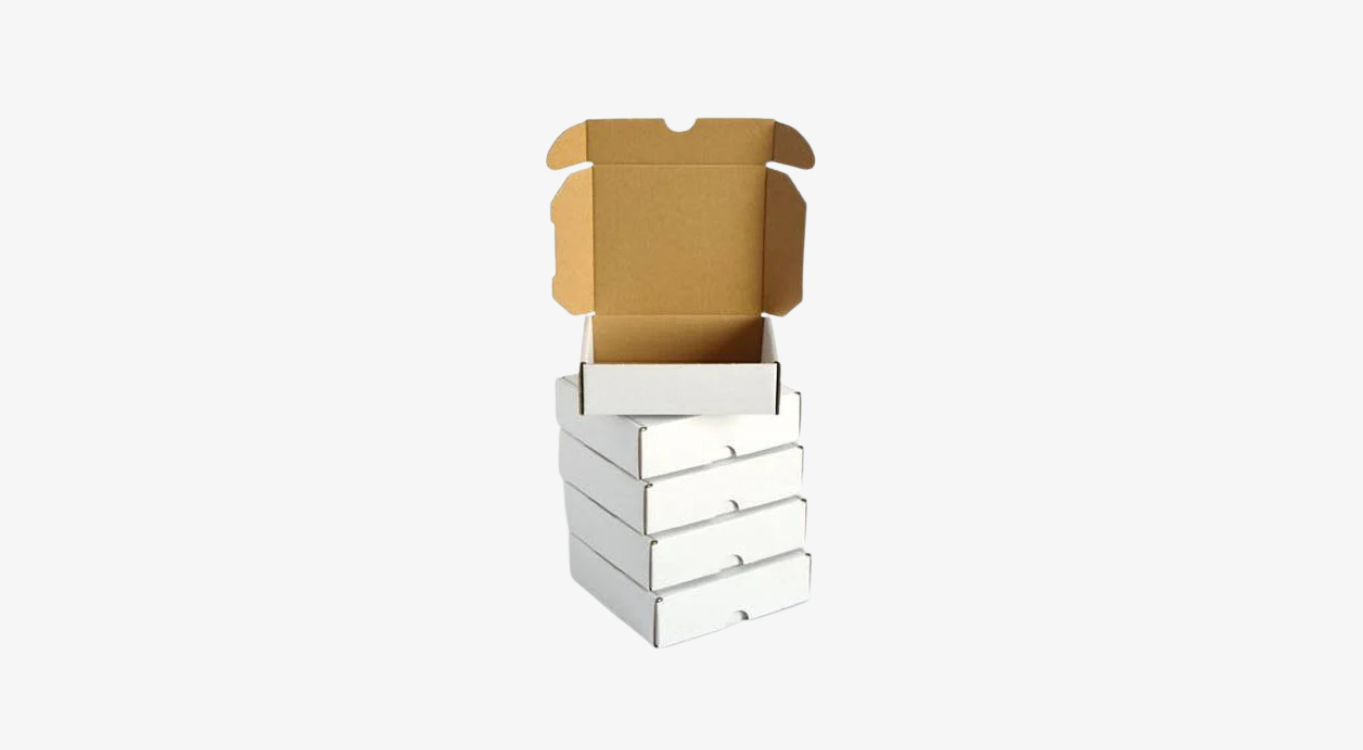
Wholesale shipping boxes are packaging cartons purchased in larger quantities to support the regular shipping and distribution needs of a business. They can be manufactured in different dimensions, materials, styles, and configurations depending on the products being shipped. Common options include corrugated cartons, cardboard shipping boxes, printed shipping boxes, and custom-sized packaging.
The term wholesale generally describes the purchasing arrangement rather than one particular box construction. A wholesale order may include standard-sized cartons or custom-made boxes developed around a business’s product range. The quantity, material, printing, dimensions, and construction can all influence the final quotation.
For example, an online retailer shipping clothing may need a different box format from a business distributing electronic accessories, books, cosmetics, or household products. Choosing the right specification helps businesses organize their packing process and avoid relying on a single box size for products with very different dimensions.
Wholesale packaging can also support consistent branding. Businesses that use printed cartons can include their logo, brand colors, handling instructions, or other approved artwork, depending on their packaging requirements.
Benefits of Ordering Shipping Boxes Wholesale
Buying shipping cartons in larger quantities can help businesses plan their packaging purchases more efficiently. The benefits depend on order volume, storage capacity, supplier arrangements, and the specifications selected.
1. More Organized Packaging Purchases
Businesses with regular shipping activity often need a dependable supply of cartons. Wholesale purchasing allows them to plan packaging orders around expected sales, dispatch volumes, and inventory requirements. This can reduce the need to arrange small packaging purchases whenever stock runs low.
A planned purchasing schedule also makes it easier to coordinate packaging requirements across departments, warehouses, and fulfillment locations.
2. Consistent Box Specifications
Using consistent packaging specifications can make daily packing operations easier to manage. When a business repeatedly orders the same dimensions and material construction, its packing team can work with familiar carton formats.
Consistency is especially useful for businesses that ship similar products throughout the year. It can also support more organized storage, packing procedures, and packaging inventory records.
3. Options for Different Business Requirements
Wholesale orders do not have to mean using one universal carton. Businesses can discuss multiple box sizes and specifications according to their product range. For example, a company may require compact boxes for small accessories, medium cartons for retail products, and larger cartons for grouped shipments.
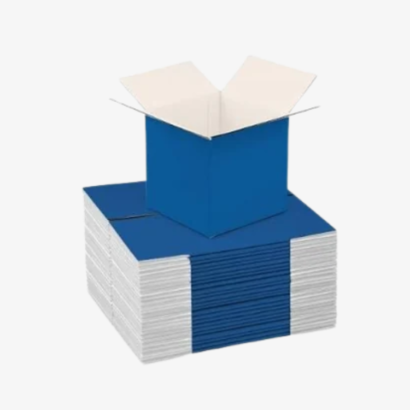
For businesses that need larger quantities, bulk shipping boxes can be considered as a related packaging option.
4. Branding Opportunities
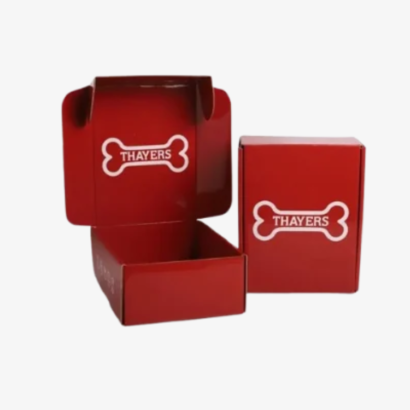
Printed shipping cartons can help businesses create a recognizable presentation during order fulfillment and delivery. Depending on the selected printing method and box material, packaging may display a company logo, brand colors, product information, or other artwork.
A branded outer carton can also make packaging more consistent across online orders, wholesale distribution, and direct-to-customer shipments.
5. Better Packaging Planning
Wholesale purchasing encourages businesses to review their packaging requirements before placing an order. They can estimate how many cartons are needed, which dimensions are used most frequently, and how much storage space is available.
This planning can help businesses avoid ordering unsuitable quantities or choosing packaging that does not match their regular shipping activity.
Types of Wholesale Shipping Boxes
Different products and shipping operations require different box constructions. The most suitable option depends on product dimensions, weight, fragility, packing method, and handling conditions.
Corrugated Shipping Boxes
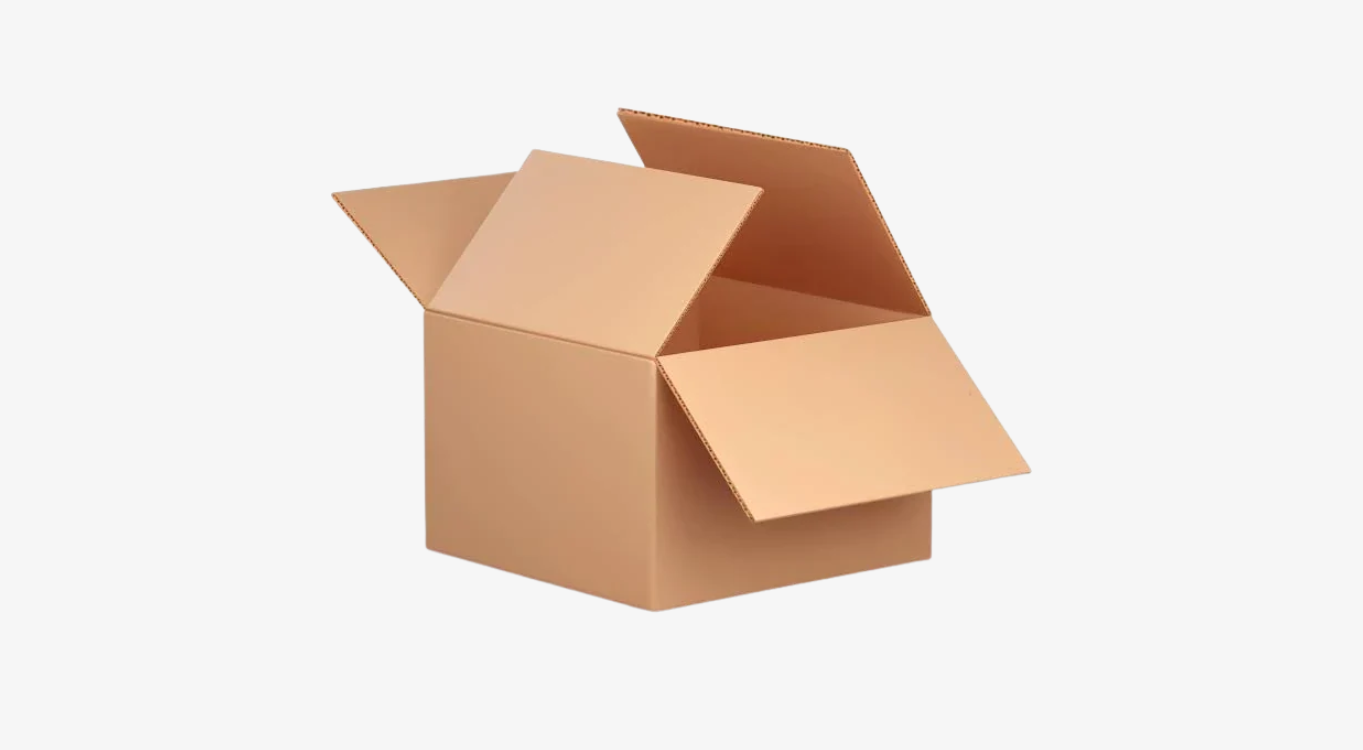
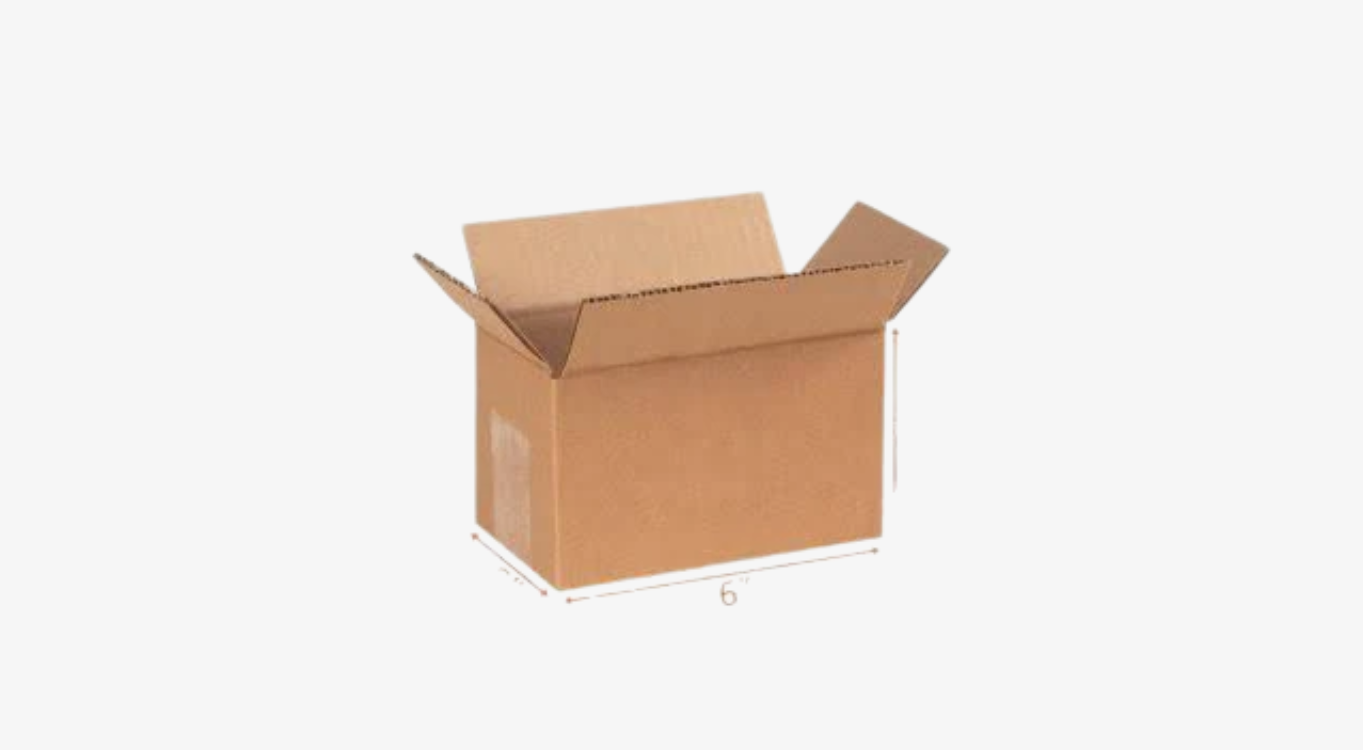
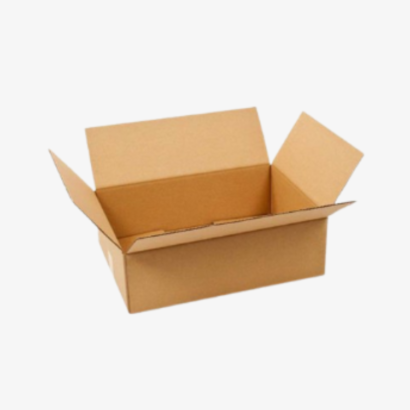
Corrugated shipping boxes are widely used for shipping and distribution because their construction includes a fluted layer between linerboard sheets. The selected corrugated grade and board construction influence the carton’s characteristics.
These boxes can be specified in different sizes and configurations for general merchandise, e-commerce orders, warehouse dispatches, and product distribution. Businesses comparing corrugated options can explore corrugated shipping boxes for packaging requirements that call for this construction.
Heavy-Duty Shipping Boxes
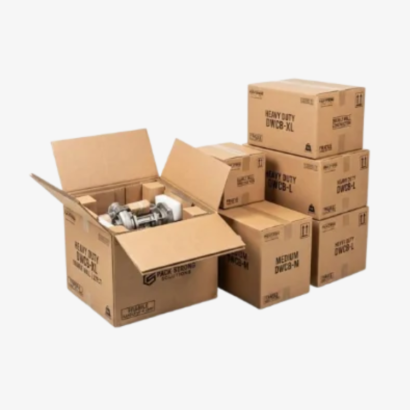
Some shipping operations involve products with greater weight or more demanding handling requirements. In these situations, businesses may consider stronger box specifications and suitable corrugated constructions.
The appropriate option should be selected according to the product weight, carton dimensions, stacking conditions, shipping route, and expected handling. A heavy-duty description alone does not establish a particular load rating, so specifications should be confirmed before ordering.
Explore heavy-duty shipping boxes when comparing packaging options for heavier products.
Cardboard Shipping Boxes
Cardboard shipping boxes can be considered for a range of lightweight products and packaging applications. The required board type and construction should be matched to the product and distribution conditions.
Businesses should consider whether the carton will be used for internal storage, retail packaging, outer shipping, or a combination of these purposes. The intended application helps determine the appropriate material and construction.
Custom Printed Shipping Boxes
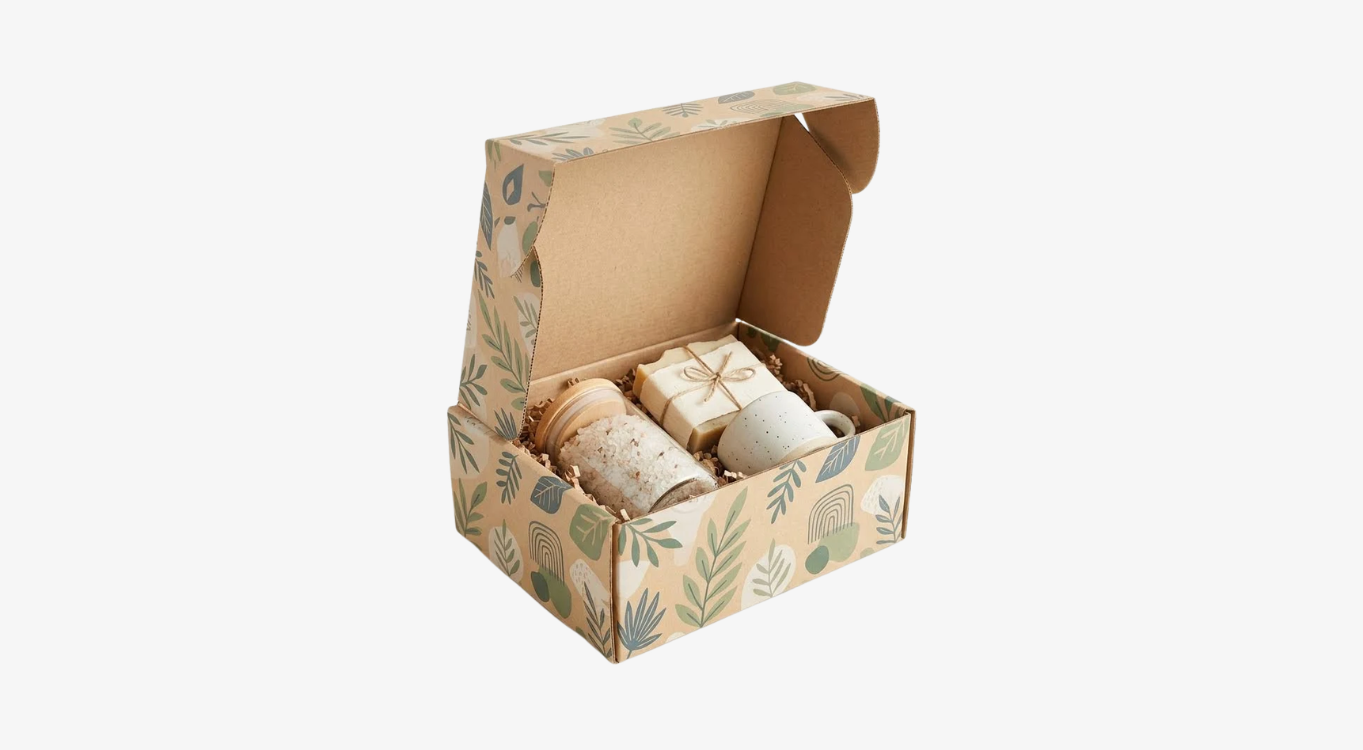
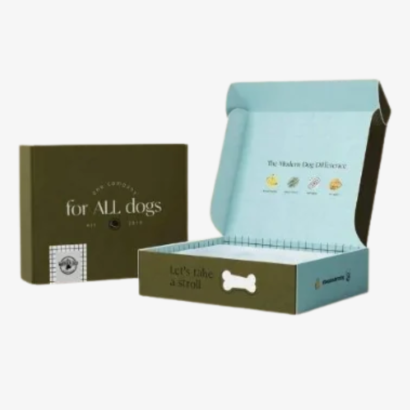
Custom printed shipping boxes combine practical carton construction with business branding. Printing can be used for logos, brand colors, product details, and other approved artwork.
Before ordering, businesses should prepare suitable artwork and confirm the printable areas, colors, dimensions, and production requirements with their packaging supplier.
Choosing the Right Wholesale Shipping Box Size
Box dimensions are among the most important decisions when planning a wholesale packaging order. A carton that is too small may not accommodate the product and necessary protective materials. An oversized carton may require additional void fill and can allow unnecessary product movement during transit.
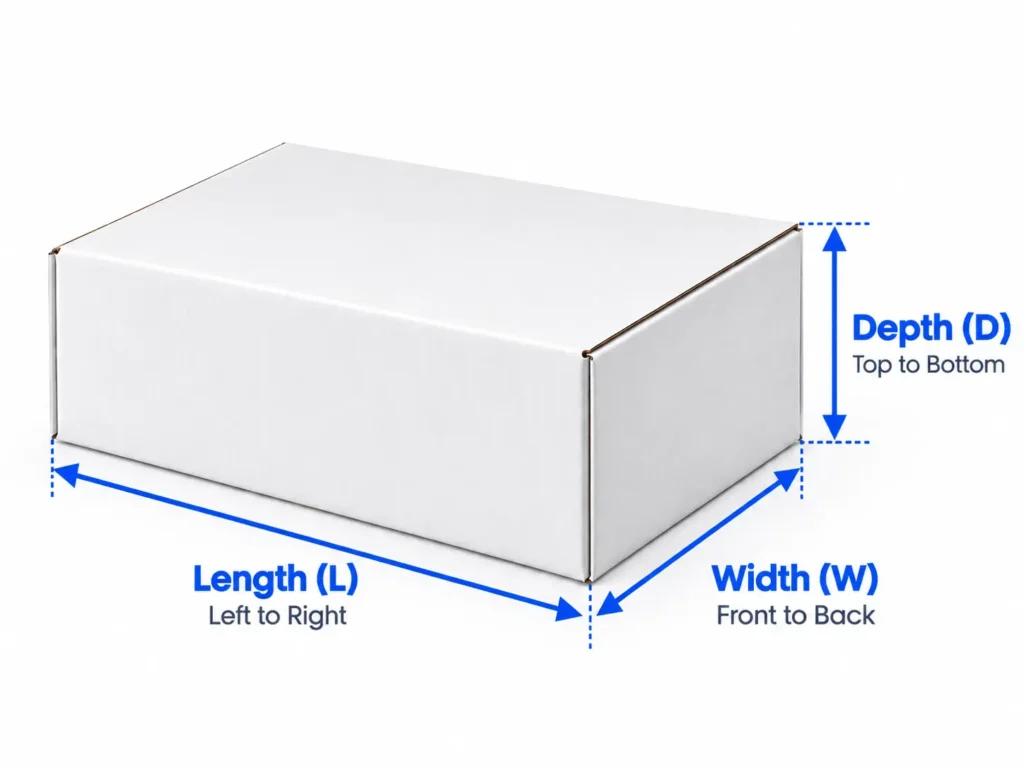
Start by measuring the product’s length, width, and height. Measure the product at its widest and tallest points, including any parts that extend beyond its main body. If protective inserts, wrapping, or cushioning will be used, account for their space when selecting the internal box dimensions.
It is also important to distinguish between internal and external measurements. Internal dimensions describe the usable space inside the carton, while external dimensions describe the overall outside size. When a product needs to fit inside a box with inserts, internal dimensions are especially important.
Businesses with multiple product sizes should create a simple packaging-size list. Grouping products by dimensions can help identify which carton sizes are used most frequently and whether separate box formats are necessary.
For additional guidance, read our guide on how to measure a box. Accurate measurements make it easier to communicate specifications and compare packaging quotations.
Materials Used for Wholesale Shipping Boxes
The material selected for a wholesale carton affects its structure, appearance, and suitability for the intended packaging application. Businesses should evaluate the product, shipping environment, handling requirements, and preferred presentation before confirming a material.
Corrugated Board
Corrugated board is a common choice for shipping cartons. It consists of linerboard and a fluted medium, with different constructions available for different packaging requirements.
The board grade, flute profile, and number of layers can influence the carton specification. A supplier can help determine which construction is appropriate after reviewing the product dimensions, weight, and intended shipping conditions.
Paperboard and Cardboard
Paperboard and cardboard-based materials can be used for different packaging applications, depending on their thickness and construction. They may be suitable for products that require a particular appearance or a specific type of carton.
However, not every paperboard format is appropriate for every shipping application. Businesses should confirm whether the selected material is suitable for the intended handling and distribution conditions.
Kraft Paper-Based Options
Kraft-based packaging is often selected for its natural paper appearance. It can be considered for shipping cartons where the material’s appearance and packaging requirements align with the brand’s preferences.
The actual strength and suitability depend on the board construction and specifications rather than the kraft appearance alone.
For a broader comparison of available options, explore our guide to packaging materials.
Customization Options for Wholesale Shipping Boxes
Wholesale orders can be developed around a business’s packaging specifications rather than relying exclusively on standard cartons. The available customization depends on the chosen material, box structure, printing requirements, and production capabilities.
Custom Dimensions
Businesses can request box dimensions based on the products they ship. Custom sizing may be useful when standard cartons leave too much unused space or do not accommodate a particular product configuration.
When submitting dimensions, clarify whether measurements refer to the internal or external size. Also mention whether the carton needs room for inserts, wrapping, or other protective packaging components.
Box Styles and Construction
Different box styles serve different packing and handling purposes. A regular slotted carton may suit general shipping operations, while other constructions may be considered for specific products or packing workflows.
The choice should take into account how the carton will be assembled, filled, closed, stored, and handled. Businesses should provide details about their packing process when discussing a custom design.
Printing and Branding
Printed packaging can help create a consistent business identity. Depending on the selected material and printing method, artwork may include logos, brand colors, product information, shipping instructions, or other relevant graphics.
Artwork should be prepared according to the supplier’s file requirements. Before production, review the proof carefully to confirm spelling, colors, positioning, and the intended printed areas.
Inserts and Dividers
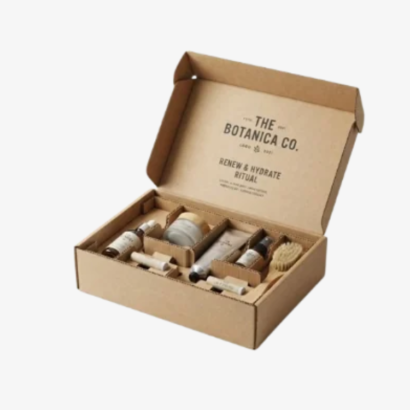
Some products require separate compartments or internal organization. Inserts and dividers can help position multiple items within a carton and separate products during packing.
The insert design should be based on product dimensions and arrangement. If a business needs internal components, it should share the number of products per box and the preferred layout when requesting a quotation.
Wholesale Shipping Boxes for Different Industries
Businesses across different industries use shipping cartons to organize product dispatch and distribution. The right packaging depends on the products being shipped and the way orders are fulfilled.
E-Commerce Businesses
Online retailers often ship a broad range of products directly to customers. Wholesale cartons can help these businesses maintain a planned supply of packaging for regular orders.
A retailer may need several sizes for different product categories, including compact cartons for accessories and larger boxes for grouped orders. Printed cartons can also support a consistent branded presentation.
Retail and Consumer Goods
Retail businesses may use shipping cartons to transfer products between warehouses, stores, and distribution locations. The required box format depends on the product dimensions, quantity per carton, and storage arrangements.
For products that already have retail packaging, the outer shipping carton should be selected according to the packed product dimensions rather than the unboxed item alone.
Manufacturers and Distributors
Manufacturers and distributors often manage repeated shipments of products in planned quantities. Wholesale packaging can support their purchasing schedules and help standardize carton specifications across dispatches.
For these operations, it is useful to document the carton dimensions, material, product quantity per box, and any special packing instructions.
Book and Printed Product Businesses
Books, catalogs, printed materials, and stationery products may require packaging that suits their dimensions and quantity. Businesses should consider the product’s thickness, weight, and arrangement when choosing a carton.
A suitable box should provide enough room for the product and any required protective materials without creating unnecessary empty space.
Electronics and Accessories
Electronics and accessories can vary significantly in size, shape, and handling requirements. Businesses should consider the product’s original packaging, internal cushioning, and any separate components before selecting an outer shipping carton.
Packaging should be designed around the actual product configuration. Do not assume that one box style or material will suit every electronic item.
How to Estimate Your Wholesale Shipping Box Requirements
Before placing a bulk packaging order, estimate how many boxes your business is likely to use. Reviewing past dispatch records can provide a useful starting point.
First, identify the number of orders shipped during a typical week or month. Next, group those orders by product category and packaging size. This helps determine which cartons are used frequently and which are only required occasionally.
Then consider seasonal changes, promotional periods, new product launches, and expected sales growth. A business with fluctuating order volumes may need a different purchasing schedule from a business with stable monthly dispatches.
Storage capacity is another important factor. Ordering a large quantity may not be practical if the warehouse lacks suitable space to store the cartons. Consider how boxes will be delivered, stacked, accessed, and protected from moisture or other storage conditions.
Finally, confirm the production lead time and reorder process with your supplier. A clear purchasing schedule can help your business maintain packaging inventory without placing unnecessary orders.
What Affects Wholesale Shipping Box Pricing?
Wholesale shipping box pricing depends on several specifications. There is no single price that applies to every order because carton dimensions, material, construction, quantity, printing, and finishing requirements can vary.
Important pricing factors include:
- Box dimensions: Larger cartons generally require more material than smaller formats.
- Material selection: The selected board type, grade, and construction influence the quotation.
- Order quantity: The total quantity and production arrangement can affect the per-unit cost.
- Printing requirements: Printed artwork, colors, and print coverage may change production costs.
- Box construction: Special structures, inserts, dividers, or additional components can affect the final price.
- Production requirements: Custom specifications and finishing options may influence production planning.
- Delivery arrangements: Shipping destination, order size, and delivery requirements may affect the overall purchasing cost.
When comparing quotations, review the complete specification rather than comparing only the unit price. Confirm dimensions, material, board construction, printing, quantity, and delivery details so that you are comparing equivalent packaging orders.
How to Order Wholesale Shipping Boxes from Bluebird Packaging
Preparing the correct information before requesting a quotation can make the ordering process more straightforward. Businesses should share their packaging requirements clearly so the proposed box specification can be reviewed.
Step 1: Identify Your Products
List the products that need shipping cartons. Include their dimensions, approximate weight, quantity per carton, and any relevant packing details.
Step 2: Confirm Box Dimensions
Provide the preferred internal or external dimensions and clarify which measurement type you are using. If you are unsure about the ideal size, share the product measurements and explain how the items will be packed.
Step 3: Select the Material and Construction
Describe the intended shipping application, product weight, and handling requirements. This information helps determine which material and carton construction should be considered.
Step 4: Share Printing and Customization Requirements
If you need branded cartons, provide your logo and artwork files. Mention any preferred colors, printed information, inserts, or dividers.
Step 5: Confirm Quantity and Delivery Details
Share the required order quantity and delivery destination. If you expect to reorder, mention your approximate purchasing schedule so the quotation discussion can take your ongoing needs into account.
Step 6: Review the Quotation and Artwork
Before approving production, review the box dimensions, material specification, printing details, quantity, and delivery information. If printed artwork is involved, carefully check the proof before giving approval.
For packaging assistance, visit Bluebird Packaging or contact our team with your requirements. You can also use the Request a Quote form to share your project details.
Why Choose Wholesale Shipping Boxes for Your Business?
A well-planned packaging order can make routine shipping operations easier to organize. Businesses can specify carton sizes according to their products, select suitable materials, and plan purchasing quantities around their dispatch requirements.
Wholesale shipping boxes are particularly useful when a business has repeat packaging needs and wants to maintain consistent carton specifications. They can also provide flexibility for companies that need multiple box sizes or branded packaging for different product categories.
The important step is to select packaging based on the actual shipping application. Product dimensions, weight, internal protection, storage conditions, and handling requirements should all be considered before confirming an order.
Bluebird Packaging can help businesses discuss custom shipping carton requirements, material preferences, dimensions, and printing options. Share your specifications to explore packaging options that align with your products and purchasing needs.
Frequently Asked Questions About Wholesale Shipping Boxes
1. What are wholesale shipping boxes?
Wholesale shipping boxes are cartons purchased in larger quantities for business packaging, product dispatch, and distribution. They can be supplied in different sizes, materials, and constructions depending on the products being shipped.
2. Can I order custom-sized wholesale shipping boxes?
Yes. Businesses can request custom dimensions based on their products and packing requirements. Provide accurate measurements and clarify whether you need internal or external dimensions when requesting a quotation.
3. Are wholesale shipping boxes available in corrugated material?
Corrugated shipping boxes are a common option for business shipping requirements. The appropriate board construction depends on the carton size, product weight, and expected handling conditions.
4. Can wholesale shipping boxes include custom printing?
Custom printing may be available depending on the selected material, box style, and production specifications. Businesses can discuss logo placement, brand colors, and artwork requirements before approving production.