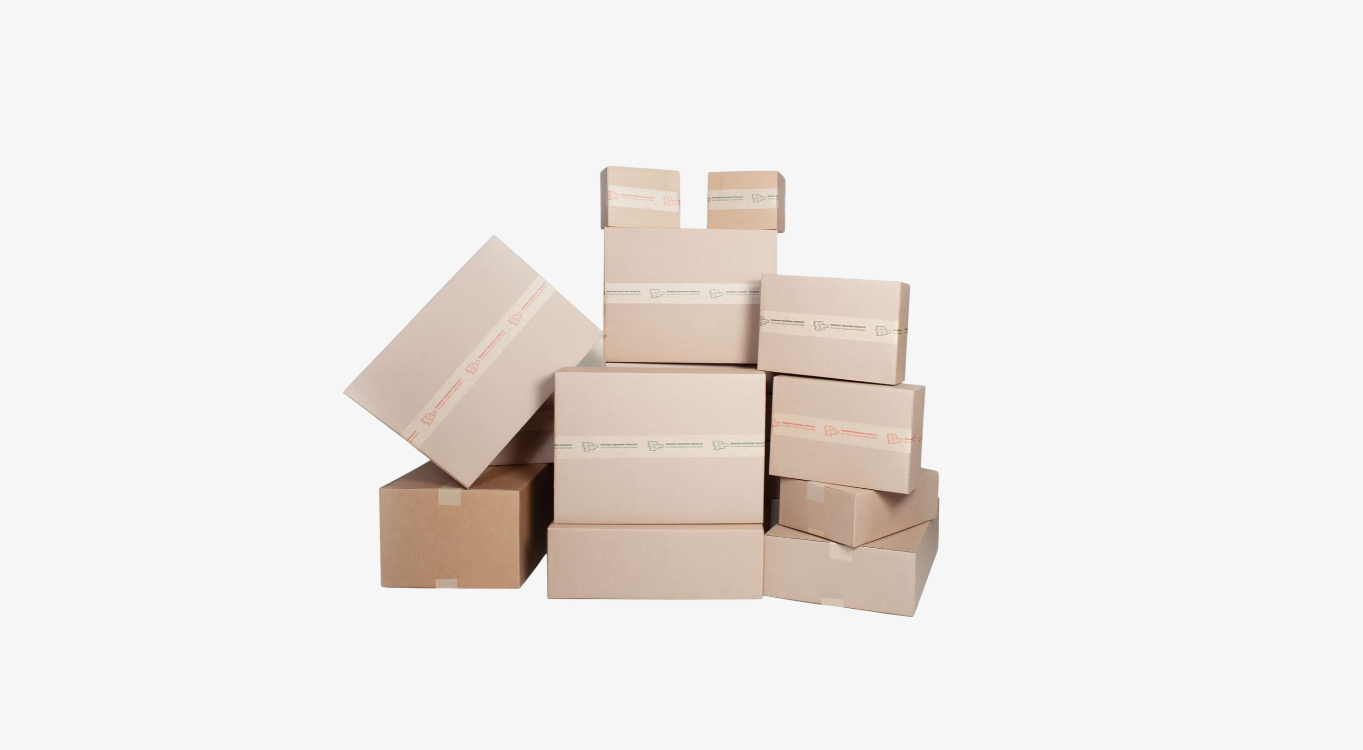
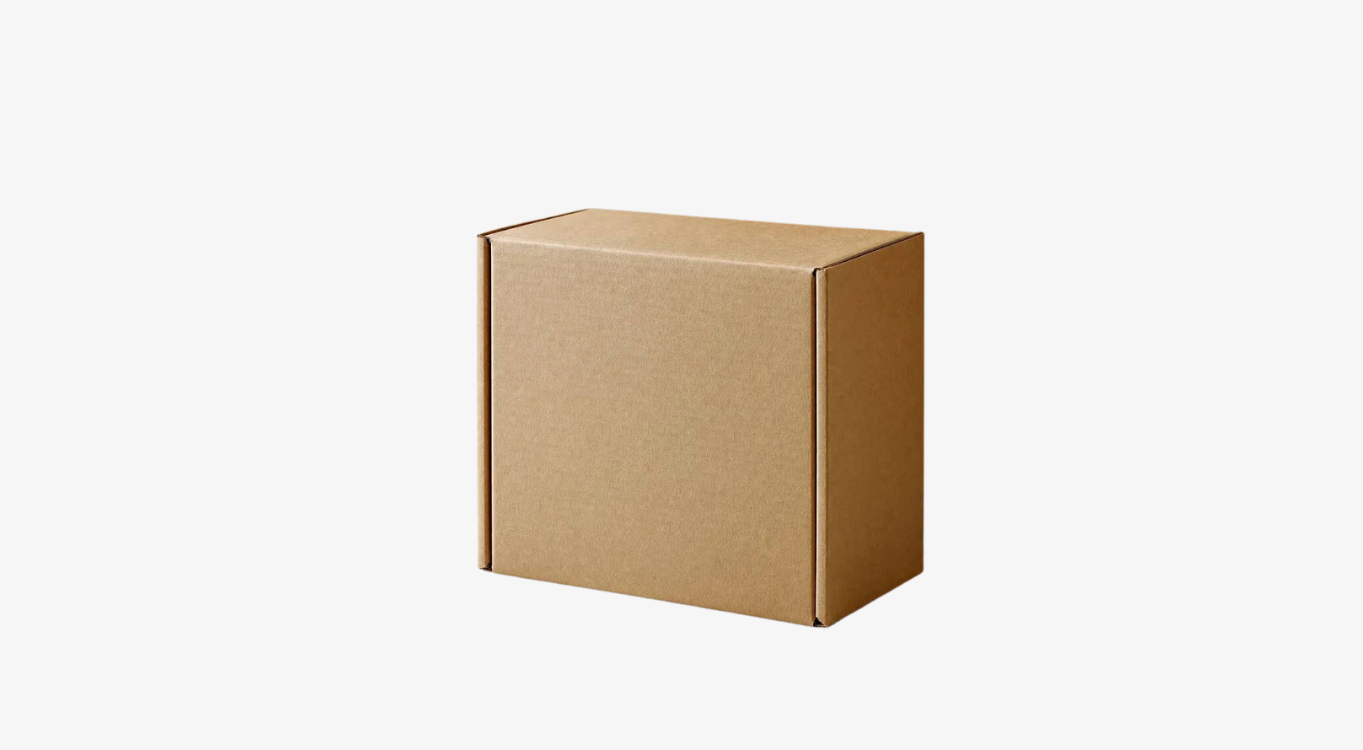
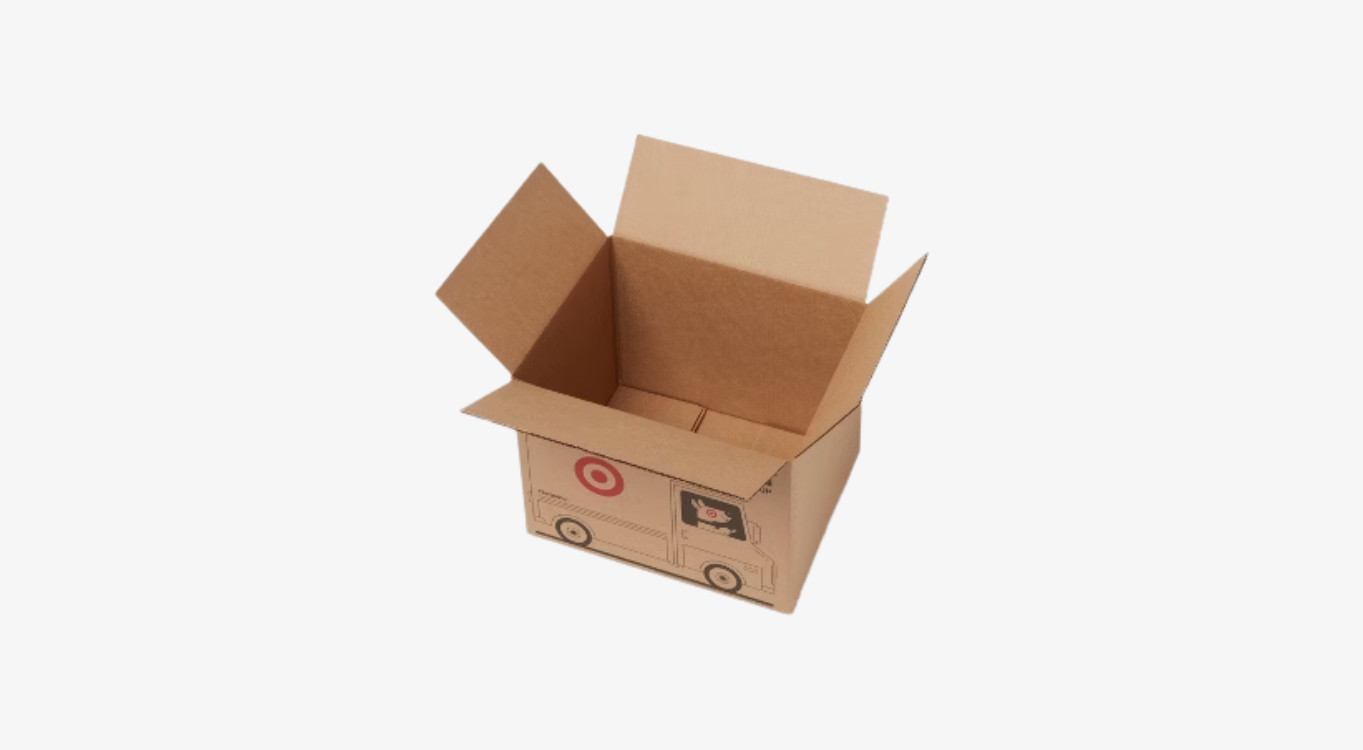
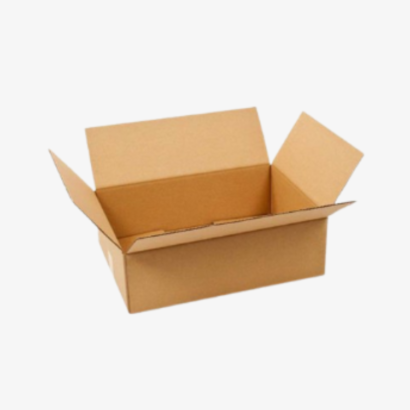
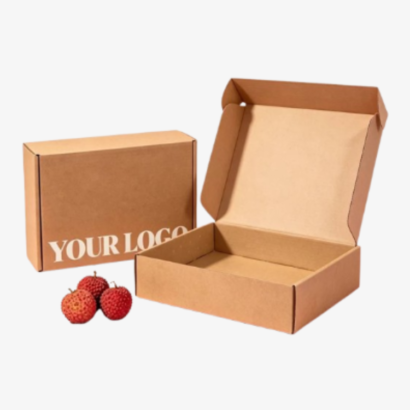
Businesses that ship products regularly need packaging that is practical to store, easy to prepare, and consistent across repeated orders. Bulk Shipping Boxes provide a convenient option for companies that require multiple cartons for ongoing fulfillment, wholesale distribution, warehouse operations, or large product orders. Instead of purchasing small quantities whenever stock runs low, businesses can plan packaging requirements around their expected shipping volume and order boxes in larger quantities.
At Bluebird Packaging, bulk shipping packaging can be specified around product dimensions, approximate weight, shipping conditions, branding requirements, and storage preferences. Businesses can explore different box sizes, board constructions, printing options, and structural styles to create packaging that fits their operations. The right specification depends on what you are shipping, how products are packed, and how cartons will be handled throughout the distribution process.
If you are comparing packaging options for recurring orders, explore our custom shipping boxes to understand the broader range of shipping carton styles available for different business requirements.
What Are Bulk Shipping Boxes?
Bulk shipping boxes are cartons ordered in larger quantities to support regular packaging and dispatch operations. They are used by businesses that ship products frequently, fulfill wholesale orders, distribute goods to retailers, or maintain packaging inventory for ongoing sales.
These boxes can be produced in different dimensions, board types, colors, and printing configurations. A business shipping lightweight accessories may need a different carton specification from a company distributing books, equipment, or heavier merchandise. For that reason, bulk ordering should begin with the product’s measurements and handling requirements rather than selecting a box only because it is available in a large quantity.
Bulk orders can also help businesses standardize their packaging. When the same product range is shipped repeatedly, using consistent carton dimensions and specifications can make packing procedures easier to organize. Teams can identify the correct carton for each product, plan storage space, and maintain a more predictable packaging inventory.
Why Businesses Order Shipping Boxes in Bulk
Ordering packaging in larger quantities can support several parts of a business’s fulfillment process. The advantages depend on order size, storage capacity, product range, and the supplier’s production arrangements.
Maintain a Consistent Packaging Supply
Businesses with regular shipping activity need packaging available when orders are ready for dispatch. Running out of cartons can interrupt packing schedules and create unnecessary last-minute purchasing. A planned bulk order can help maintain an inventory of commonly used box sizes.
Before placing an order, estimate how many cartons your business uses during a typical week or month. Consider seasonal demand, promotional campaigns, product launches, and changes in order volume. This estimate can help you choose an appropriate quantity without ordering more packaging than your storage area can accommodate.
Standardize Box Sizes Across Orders
Using consistent box dimensions can simplify packing operations. Employees can follow established packing procedures, identify the right carton more quickly, and organize finished packages more efficiently.
Standardization is particularly useful for businesses that ship a limited range of products or have recurring order configurations. If your product range includes many different dimensions, consider ordering a selection of box sizes instead of relying on one carton for every item.
Plan Packaging Costs More Effectively
Bulk purchasing may provide a different per-unit price structure from smaller orders, depending on the material, dimensions, printing, quantity, and production requirements. Businesses should compare the complete order cost rather than evaluating the unit price alone.
Include storage, shipping, handling, printing setup, and potential unused inventory when assessing the overall value of an order. A lower unit price may not be the most practical choice if the cartons take up too much space or do not fit the products properly.
Support High-Volume Fulfillment
Retailers, e-commerce stores, wholesalers, manufacturers, and distributors may need a steady supply of cartons to process multiple orders. Bulk shipping packaging can help these businesses plan their packing materials around their regular fulfillment activity.
The carton specification should still match the product. A high-volume order does not make an unsuitable box more practical. Dimensions, board construction, closure method, and protective packing materials should be considered before finalizing the order.
Choose the Right Material for Bulk Shipping Boxes
Material selection influences the structure, appearance, handling characteristics, and intended use of a shipping carton. The best option depends on product weight, dimensions, shipping route, storage conditions, and packing method.
Corrugated Shipping Boxes
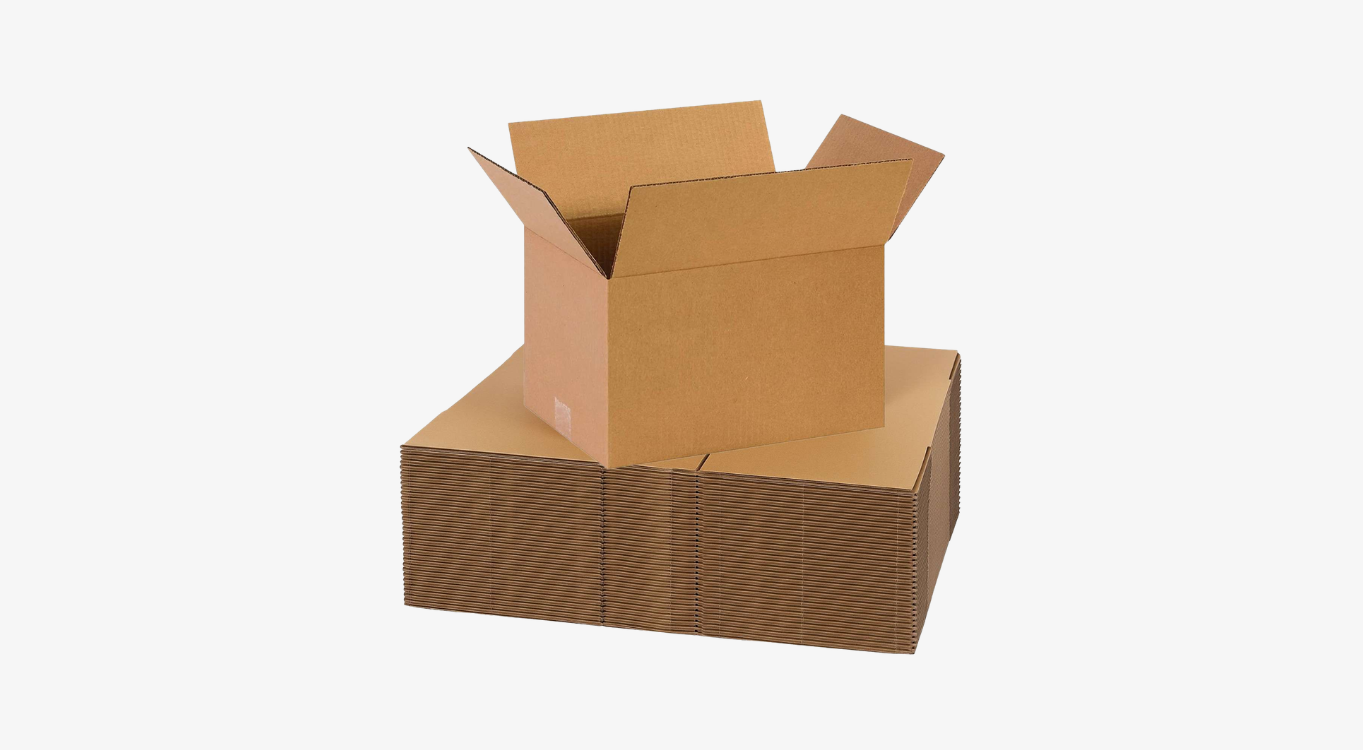
Corrugated board is a common option for shipping cartons because its fluted construction provides a structured packaging format. It is available in different board configurations, allowing businesses to specify packaging according to the expected handling requirements.
Corrugated cartons can be considered for e-commerce orders, wholesale shipments, warehouse distribution, and many general shipping applications. The appropriate board construction should be selected after evaluating the packed product’s weight, size, and expected handling conditions.
Explore our corrugated shipping boxes if you need a shipping carton made with corrugated board.
Kraft Shipping Boxes
Kraft-style packaging is often selected for its natural paper appearance. It can suit businesses that prefer a simple, understated look for their shipping cartons or want packaging that complements a kraft-based visual identity.
Kraft appearance and board construction are separate specification considerations. Discuss the required material and structure when ordering so that the final carton meets the intended packaging and handling requirements.
You can also explore kraft shipping boxes for another packaging option.
Heavy-Duty Shipping Boxes
Some products require a more substantial carton specification because of their weight, size, or distribution requirements. Heavy-duty shipping cartons can be considered when the packaging needs a different board construction from a standard lightweight carton.
The appropriate specification should be based on the packed product and the conditions it may encounter during handling and transportation. Avoid choosing a box solely by its name; confirm the board details and intended application with your packaging supplier.
For products that need a more robust carton specification, review our heavy-duty shipping boxes.
How to Select the Correct Bulk Shipping Box Size
Choosing the correct dimensions is one of the most important steps when planning a bulk packaging order. A carton that is too small may not accommodate the product and its protective materials. A carton that is unnecessarily large may require additional void fill and occupy more storage and shipping space.
Measure the Product Accurately
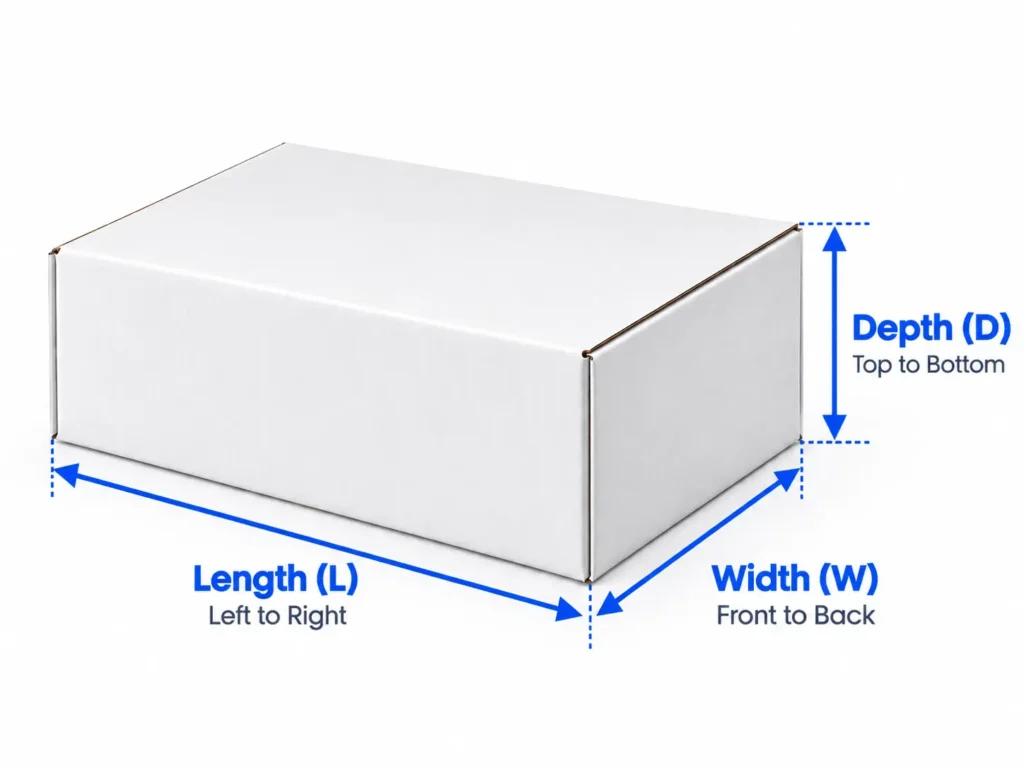
Start by measuring the product’s length, width, and height. Measure the product in the position in which it will be packed. For items with irregular shapes, protruding parts, or multiple components, identify the largest overall dimensions.
If the product requires wrapping, cushioning, inserts, or protective sleeves, include the space needed for those materials when calculating the internal carton dimensions.
Our guide on how to measure a box can help you understand box measurement terminology and dimension requirements.
Consider Internal and External Dimensions
Internal dimensions describe the usable space inside the carton. External dimensions describe the overall measurements from the outside of the box. Board thickness affects the difference between these measurements.
When checking whether a product will fit, use the internal dimensions. When planning warehouse storage, pallet arrangements, or shipping space, external dimensions may also matter.
Allow Space for Protective Materials
Some products need cushioning or separation during transportation. Depending on the product, packing materials may include paper padding, inserts, dividers, or other suitable protective components.
The required space should be included before finalizing the box size. Do not assume that a product’s measurements alone are enough to determine the finished carton dimensions.
Review the Complete Order Configuration
If you ship several products together, determine whether they will be packed individually or combined in one carton. A single-item shipment and a multi-item shipment may require different dimensions and internal organization.
For recurring orders, document the dimensions and packing arrangement for each product combination. This makes it easier to reorder the same packaging specification when inventory needs to be replenished.
Customization Options for Bulk Shipping Boxes
Bulk shipping boxes do not have to be limited to a generic carton design. Businesses can discuss customization options based on their product requirements, brand identity, and packing procedures.
Custom Box Dimensions
Custom dimensions allow the carton to be planned around the product rather than forcing every item into a standard size. This can be useful for products with unusual proportions, sets containing multiple components, or businesses that need a consistent packaging format for a specific product range.
Provide accurate internal dimensions and explain whether the carton will contain protective materials. If you have an existing box sample or a technical specification, share it during the quotation process.
Printing and Branding
Printed shipping cartons can display a company name, logo, brand colors, handling instructions, product information, or other approved artwork. The printing approach depends on the carton material, design complexity, and intended appearance.
Some businesses prefer a simple logo on the outside, while others require more detailed printed artwork. Before production, review the artwork dimensions, color requirements, placement, and final layout.
For additional guidance, explore our packaging materials guide to compare material considerations when planning custom packaging.
Box Styles and Closure Options
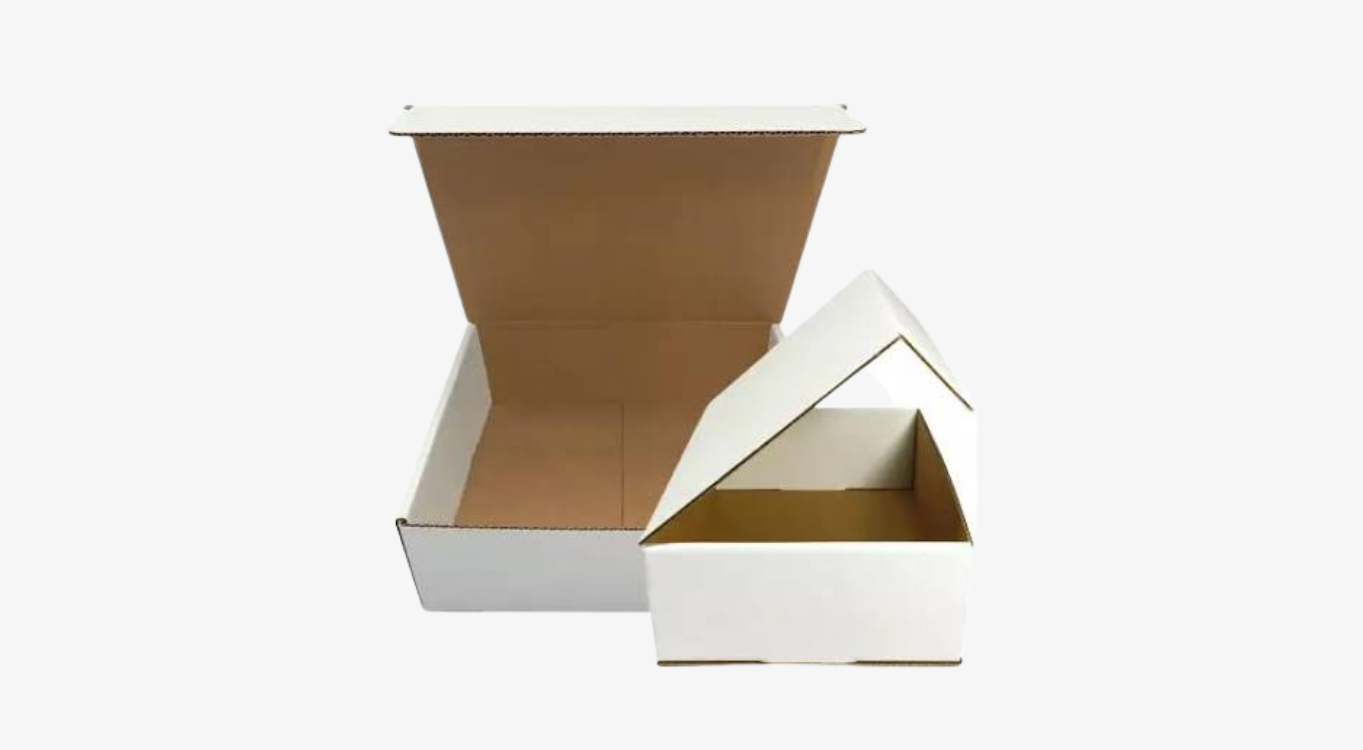
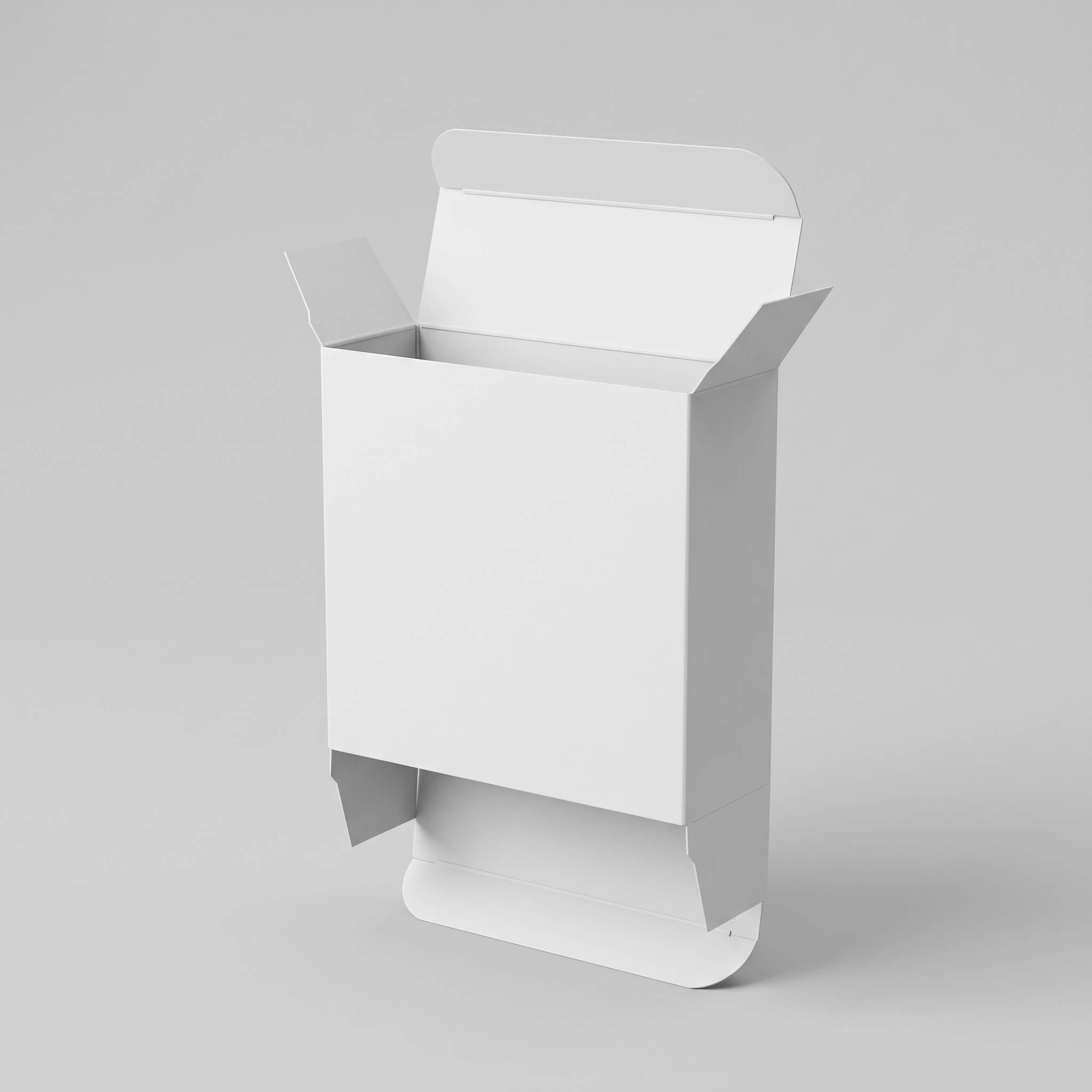
The box structure should suit the way products are packed, closed, stored, and dispatched. Common shipping carton formats include regular slotted cartons and other folding or custom-designed structures, depending on the product and production requirements.
Consider how the carton will be assembled and whether it will be sealed with packing tape or another specified closure method. The selected format should also work with your team’s packing process and available storage space.
Surface Finishes and Visual Details
Depending on the material and printing method, businesses may discuss different surface and finishing options. The appropriate choice depends on the desired appearance, artwork, carton construction, and intended use.
For shipping cartons, practical requirements should remain the priority. Any additional visual treatment should be compatible with the selected material and production method.
Which Businesses Can Use Bulk Shipping Boxes?
Bulk shipping cartons can support a wide range of business operations. The required specifications vary by product category and distribution process.
E-Commerce Businesses
Online stores often need cartons for daily customer orders, returns, product bundles, and promotional shipments. A planned selection of box sizes can help organize packing operations for different order types.
Wholesale Suppliers
Wholesale businesses may ship products in larger quantities to retailers, resellers, or commercial buyers. They can specify cartons according to the number of units per shipment, product dimensions, and handling requirements.
Manufacturers
Manufacturers may use shipping cartons to move finished goods between facilities, warehouses, distributors, and customers. Consistent carton specifications can support repeatable packing procedures across production batches.
Retail and Subscription Businesses
Retail brands and subscription businesses may need cartons for recurring shipments or product collections. Custom dimensions and printing can help create a consistent packaging format for regular dispatches.
Warehouses and Distribution Centers
Warehouses often manage several carton sizes and packaging types. Bulk ordering can help maintain stock of frequently used cartons, provided the quantities are aligned with available storage capacity and actual usage.
How to Plan a Bulk Shipping Box Order
A well-planned order starts with clear packaging specifications. Providing the right details helps reduce misunderstandings and makes it easier to compare quotations.
- Identify the products: List the products or product combinations that will be packed in the cartons.
- Record dimensions: Provide accurate length, width, and height measurements, including the space needed for protective materials.
- Estimate product weight: Share the approximate packed weight so the carton construction can be considered appropriately.
- Describe shipping conditions: Explain whether cartons will be shipped individually, stacked, palletized, or moved through a distribution network.
- Select the material: Discuss corrugated, kraft, or another suitable material based on the intended application.
- Choose the box style: Confirm the structure, opening, closure, and assembly requirements.
- Prepare artwork: If printing is required, provide the logo, artwork files, color references, and placement instructions.
- Confirm the quantity: Estimate usage and storage capacity before deciding on the bulk order volume.
- Review the specification: Check dimensions, material, printing, quantity, and other details before approving production.
A complete specification gives the supplier a clearer understanding of the packaging required. It also creates a reference for future repeat orders.
Bulk Shipping Boxes for Storage and Inventory Management
Packaging inventory should be planned alongside the rest of your warehouse operations. Ordering a large quantity can be useful when the cartons are used regularly, but the storage arrangement should be considered before the order is placed.
Flat-packed cartons may require less storage space than assembled boxes, depending on the box style and delivery configuration. Businesses should confirm how the cartons will be supplied and how much room will be needed for the quantity ordered.
Keep different sizes clearly identified and store packaging in a suitable area. Organizing cartons by dimensions, product type, or order frequency can help employees select the correct box during packing.
It is also useful to monitor carton usage over time. If a particular size is used much more frequently than expected, future orders can be adjusted. If certain cartons remain unused, review whether the dimensions or order quantity should be changed.
Common Mistakes to Avoid When Ordering Bulk Shipping Boxes
Bulk packaging decisions can affect storage, packing time, and shipping operations. Avoid these common mistakes when preparing an order.
- Ordering without measuring products: Product dimensions should be confirmed before selecting carton sizes.
- Ignoring protective packing space: Wrapping and cushioning materials may change the required internal dimensions.
- Choosing material without considering weight: The board construction should be discussed in relation to the packed product and expected handling.
- Ordering more than storage allows: Large quantities need an appropriate storage plan.
- Using one size for every product: Different products may need different carton dimensions.
- Overlooking printing requirements: Confirm artwork, colors, placement, and print method before production.
- Failing to document specifications: Keep an approved record of dimensions, material, structure, and artwork for repeat orders.
- Comparing only unit prices: Consider the complete order, including production, delivery, storage, and potential unused inventory.
Avoiding these issues can make packaging procurement more organized and help businesses select cartons that suit their actual shipping processes.
Why Choose Bluebird Packaging for Bulk Shipping Boxes?
Bluebird Packaging offers custom packaging options for businesses looking to organize their shipping requirements around product dimensions, material preferences, and branding needs. Whether you need cartons for recurring e-commerce orders, wholesale distribution, or general business shipments, the packaging specification can be discussed according to your project.
When requesting a quotation, share the following details:
- Product name and intended application
- Required internal box dimensions
- Approximate packed product weight
- Preferred material or board construction
- Box style and closure requirements
- Printing and artwork preferences
- Estimated order quantity
- Any specific packing or storage considerations
Providing these details helps establish a clear starting point for discussing your packaging requirements. If you are unsure which material or structure is appropriate, describe the product and how it will be shipped so the available options can be reviewed.
Request a Quote for Bulk Shipping Boxes
Looking for bulk shipping boxes for your business? Bluebird Packaging can help you discuss custom dimensions, material options, printing requirements, and order quantities for your shipping packaging project.
Prepare your product measurements and estimated quantity, then request a quote to discuss your requirements.
Frequently Asked Questions About Bulk Shipping Boxes
1. What are bulk shipping boxes used for?
Bulk shipping boxes are used by businesses that need cartons in larger quantities for recurring shipments, e-commerce fulfillment, wholesale distribution, warehouse operations, and product deliveries. They can be specified in different sizes, materials, and styles according to the products being packed.
2. Can I order bulk shipping boxes in custom sizes?
Yes. Custom box dimensions can be discussed according to your product’s length, width, and height, along with any additional space required for wrapping, inserts, or protective materials. Provide accurate measurements when requesting a quotation.
3. Which material is suitable for bulk shipping boxes?
The suitable material depends on product weight, dimensions, handling conditions, and shipping requirements. Corrugated board is commonly considered for shipping cartons, while kraft-style packaging may suit businesses looking for a natural paper appearance. The final construction should be selected according to the application.
4. Can bulk shipping boxes include custom printing?
Printing options can be discussed according to the selected material, carton structure, artwork, and production requirements. Businesses may provide a logo, brand colors, or other approved design elements for consideration.