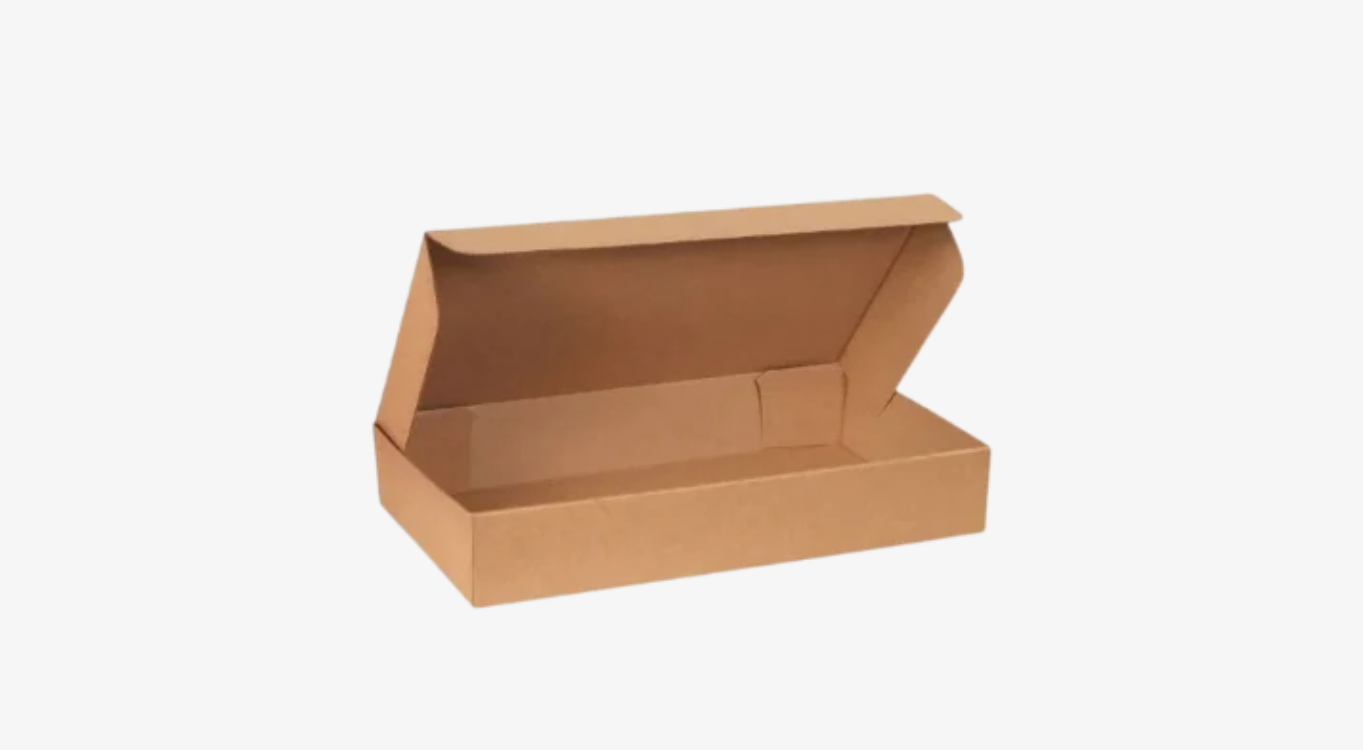
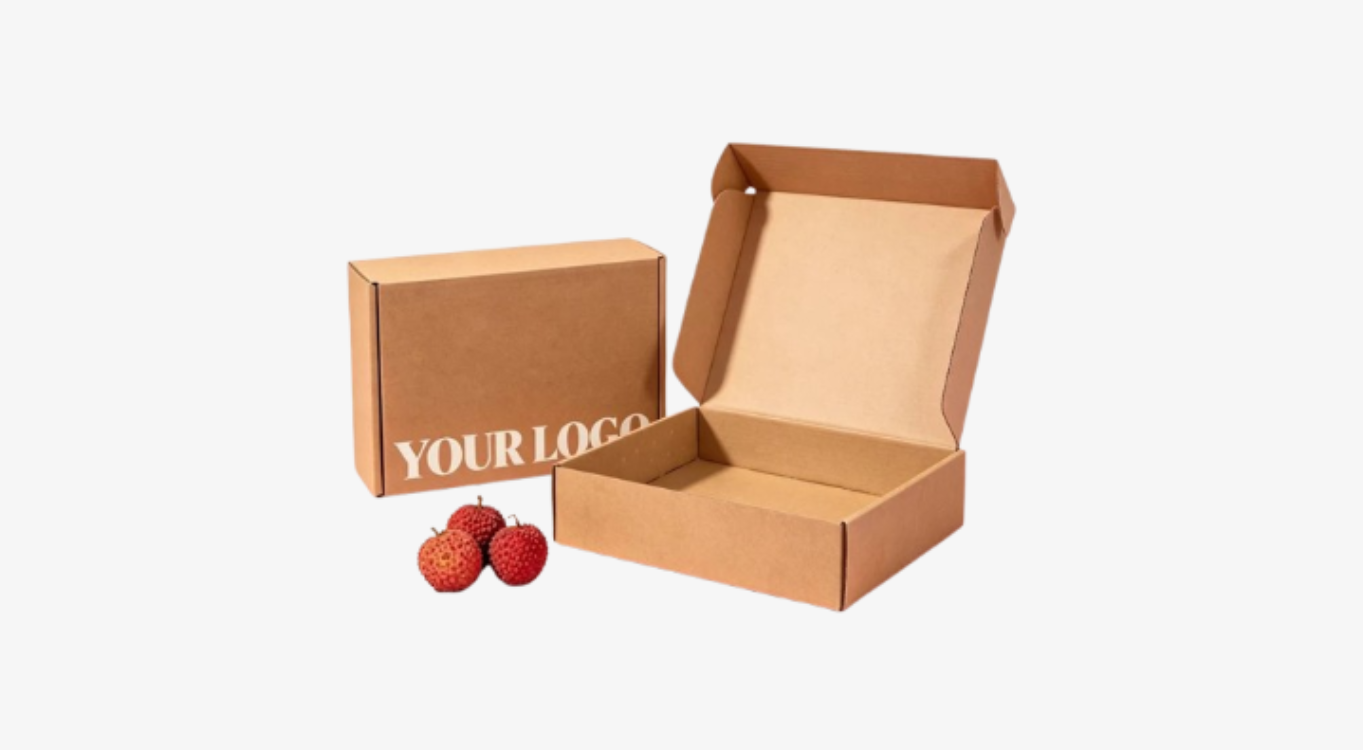
Description
1. Packaging Buying Guide
Product Buying Guide
Sizing
Choosing the right size is important for proper fit, protection and presentation.
- Measure your product or container diameter and height.
- Add suitable extra space for easy insertion.
- Consider inserts or internal protection when required.
- Ask our team for help with measurements if needed.
Materials
Select packaging material based on product weight, required strength, presentation and shipping needs.
- Cardboard for versatile retail packaging.
- Kraft for a natural appearance.
- Corrugated material for additional strength and protection.
- Rigid stock for premium packaging.
Box Styles
Choose a box structure that matches your product dimensions, presentation and opening experience.
- Straight and reverse tuck structures.
- Window packaging.
- Sleeve packaging.
- Premium rigid structures.
Printing
Custom printing turns the package into a strong branded customer touchpoint.
- Full-color CMYK printing.
- PMS color matching.
- Inside and outside printing.
- Logos, artwork and product information.
Finishing
Finishing options can improve the appearance, texture and perceived quality of your packaging.
- Matte finish.
- Gloss finish.
- Soft-touch coating.
- Foil stamping and Spot UV.
Inserts
Custom inserts can help secure products inside the box while improving presentation.
- Custom-fit inserts.
- Product positioning and protection.
- Multi-product arrangements.
- Presentation-focused internal structures.
Retail & Shipping
Packaging can be designed around retail presentation, ecommerce fulfillment or both.
- Retail shelf presentation.
- Shipping protection.
- Ecommerce packaging requirements.
- Customer unboxing experience.
Design Tips
Strong packaging design balances branding, readability, presentation and practical structure.
- Keep your primary branding prominent.
- Create a clear visual hierarchy.
- Design artwork around structural folds and panels.
- Keep important product information easy to read.
2. Box Size Guide
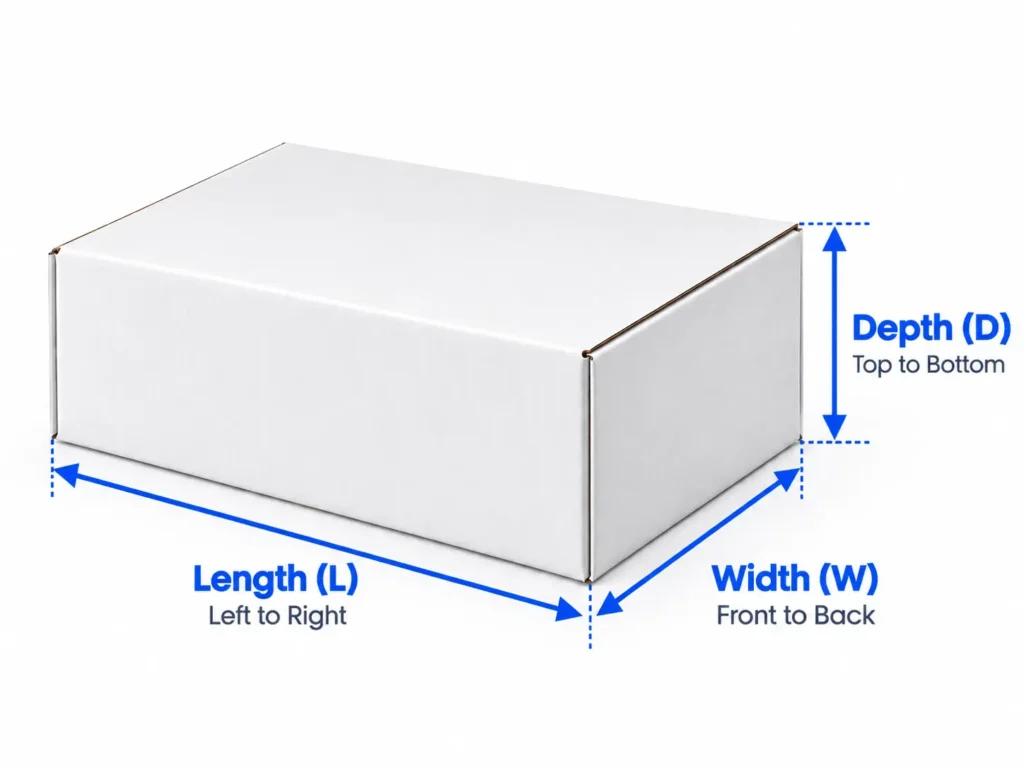
Use the diagram below to identify the length, width and depth of your box. Measurements should be provided as Length × Width × Depth.
3. Stock Type & Finishing Guide
Explore our packaging materials and finishing options to find the right combination of strength, appearance and texture for your custom boxes. Compare available stock types and discover premium finishes that can enhance the look and feel of your packaging.
Discover our premium range of packaging materials, crafted to meet your specific needs. Whether you require sturdy cardboard boxes or eco-friendly options, we have the perfect solution for you. Enhance your brand and safeguard your products with our customizable packaging solutions.


Select from a range of packaging paper thicknesses, from 8pt to 28pt, tailored to your specific needs. For rigid boxes that demand extra durability and a touch of luxury, thicker paper effectively supports your product’s weight. Make a smart choice that aligns with your budget while ensuring your packaging reflects quality and strength.


Explore our selection of premium packaging materials crafted to perfect your packaging order. Whether you need sturdy cardboard boxes or eco-friendly options, we have the ideal materials to meet your specific needs. Elevate your brand and safeguard your products with our customizable packaging solutions.


Experience worry-free shipping with our reliable packaging solutions. Whether you choose ground or air, our guaranteed, insured freight options ensure your orders arrive safely and securely. Rest easy knowing your products are in trusted hands from production to delivery.


Choose Your Style. Get Your Quote.
Select a box style, then complete the quote form. Not sure? Choose Custom / Other and we’ll help.
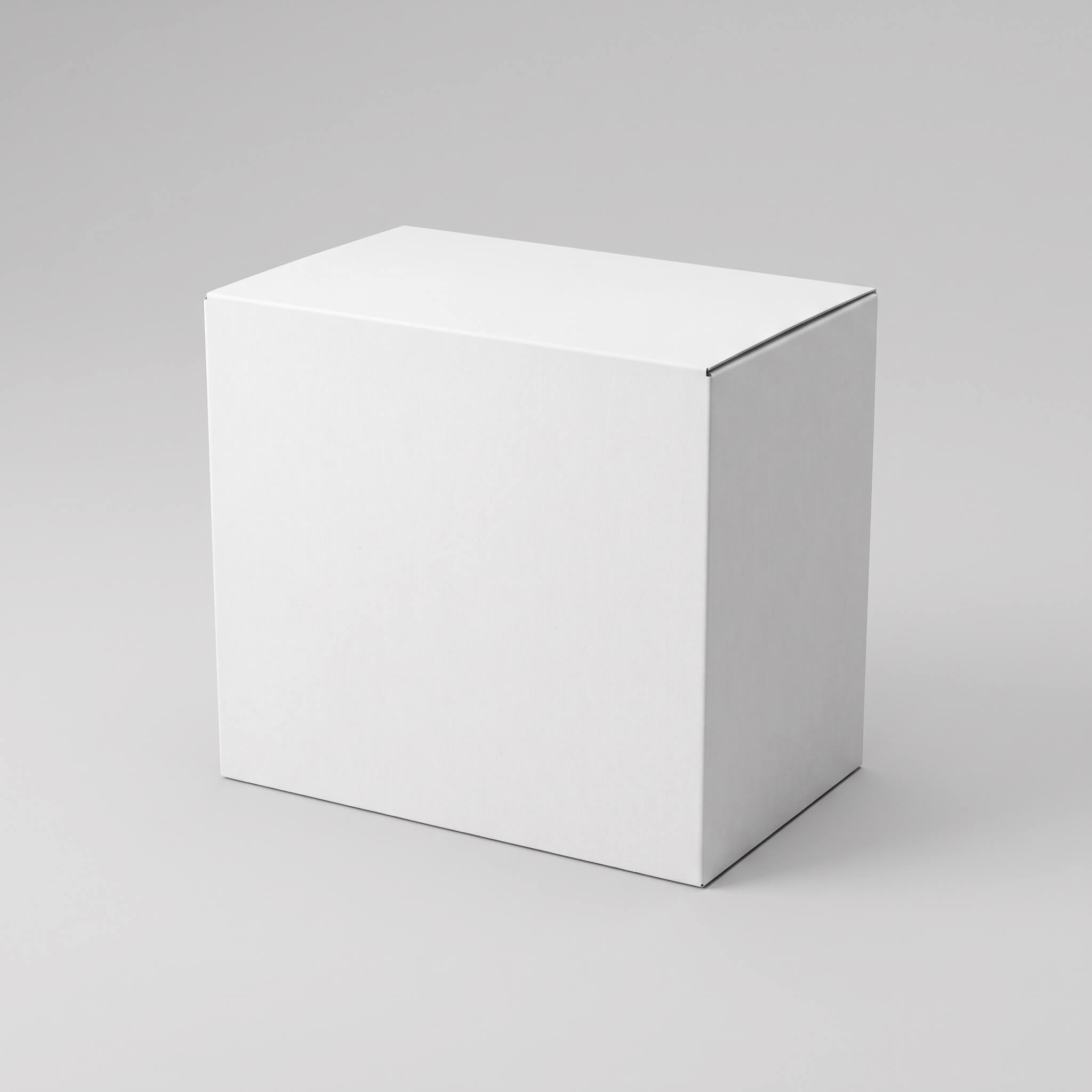
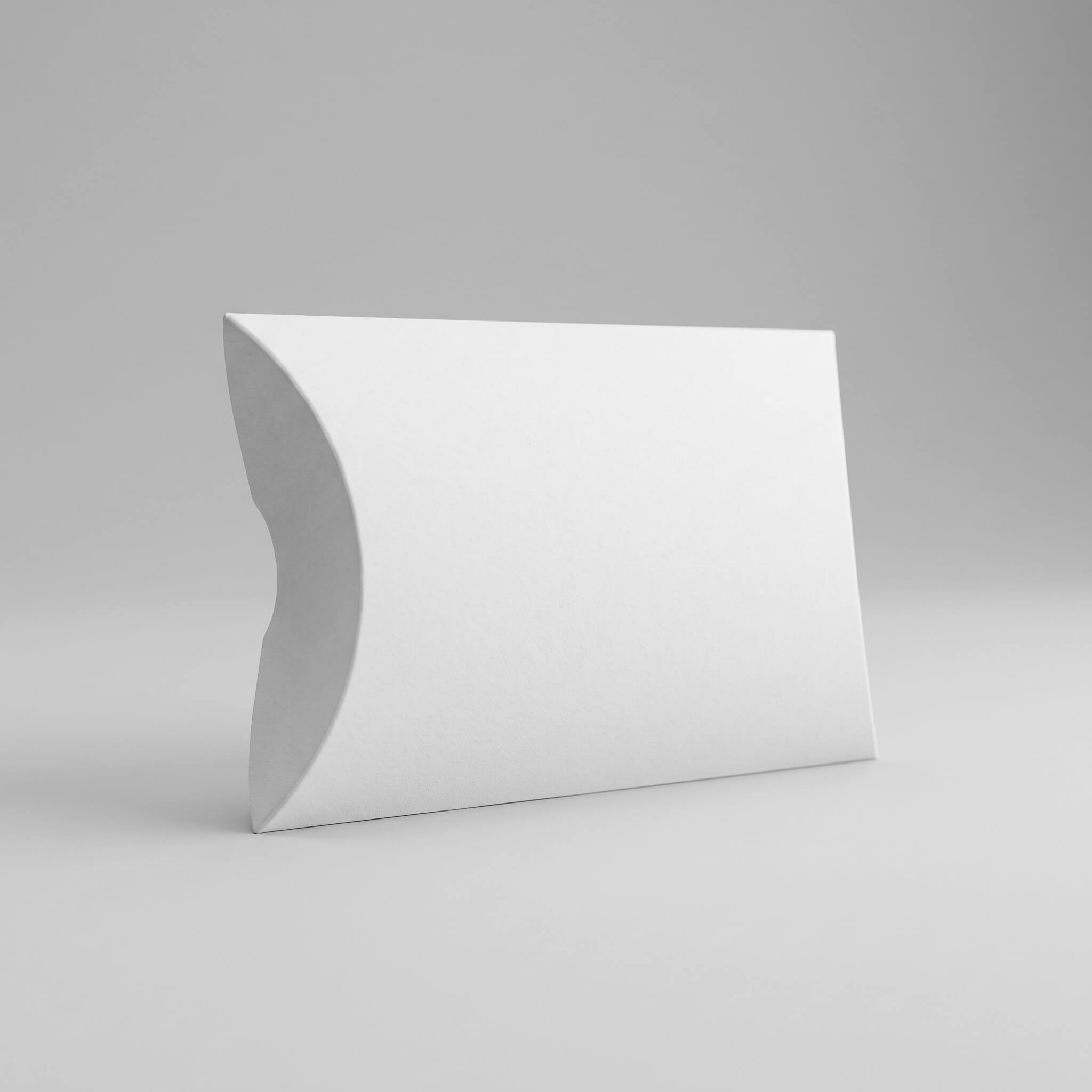
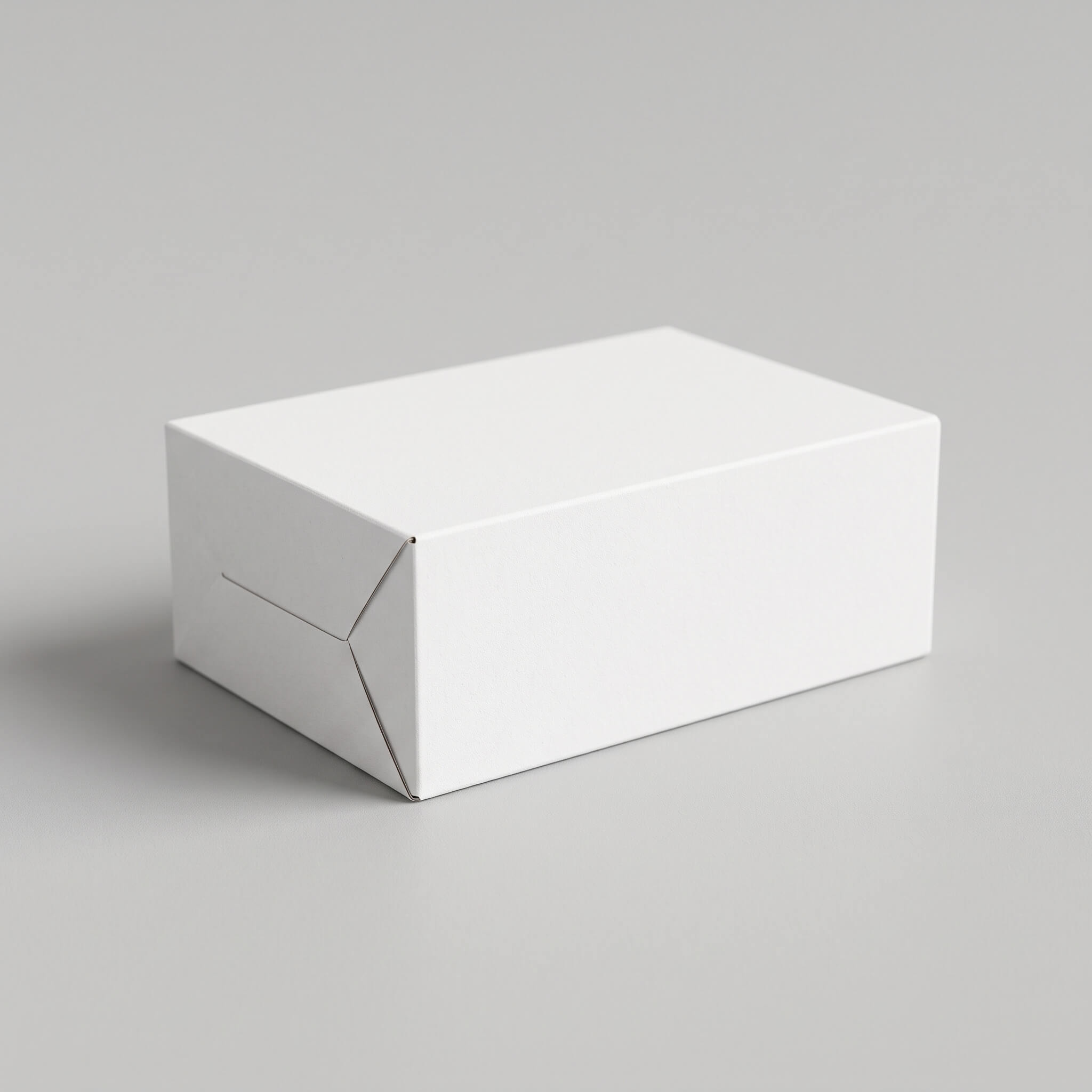
Choose Your Box Style
Click the box style that best matches your product. If you're unsure, select Custom / Other and we'll help you choose.
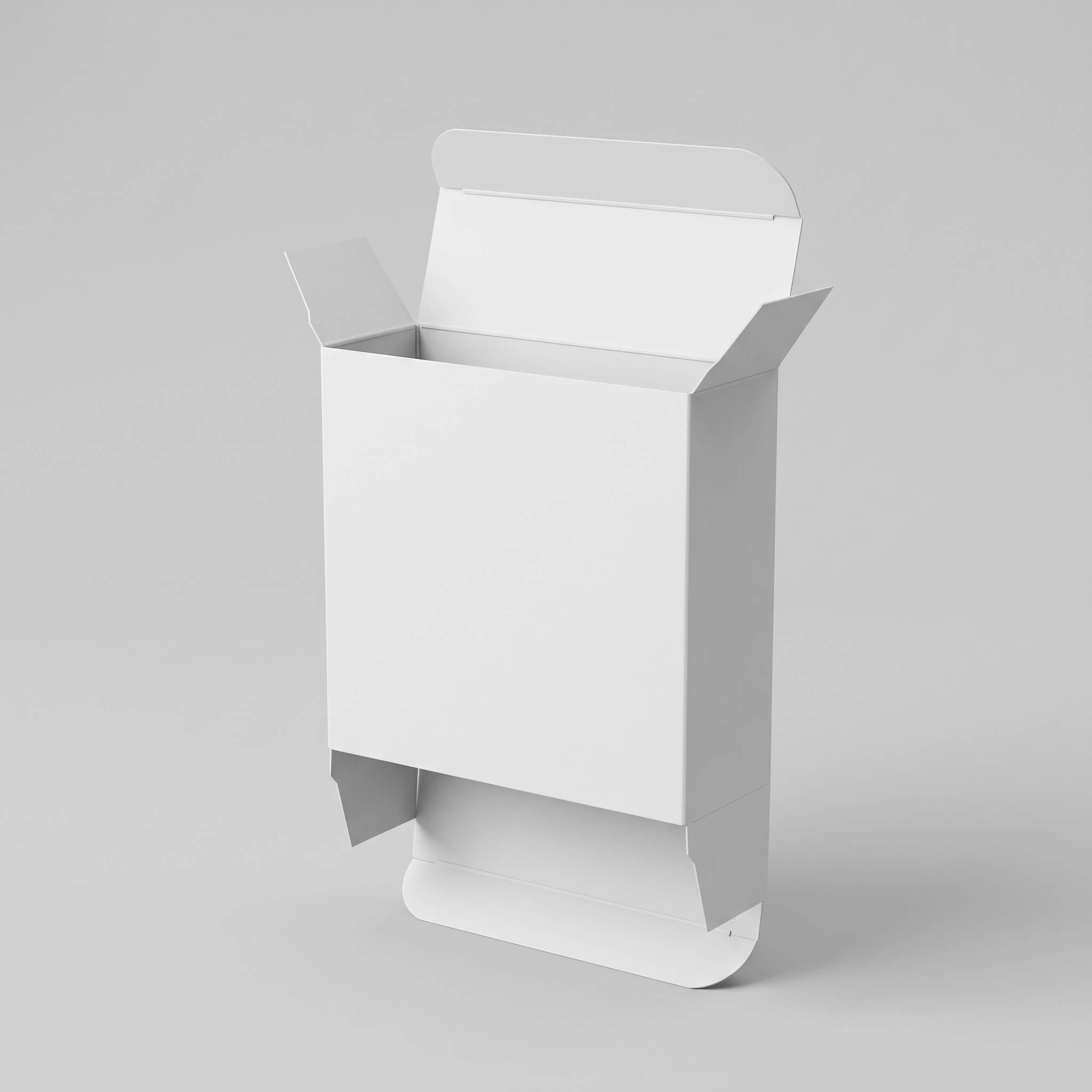
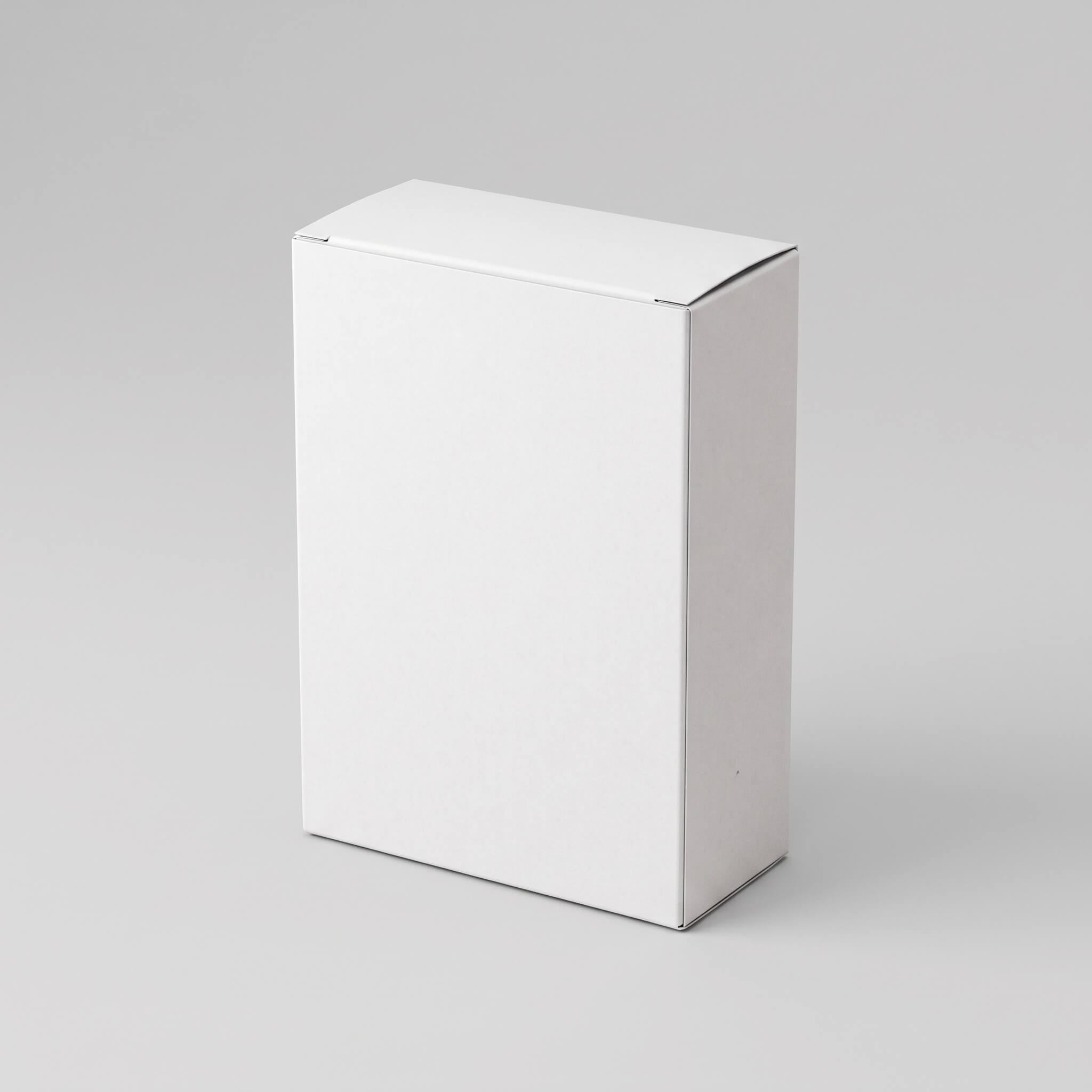
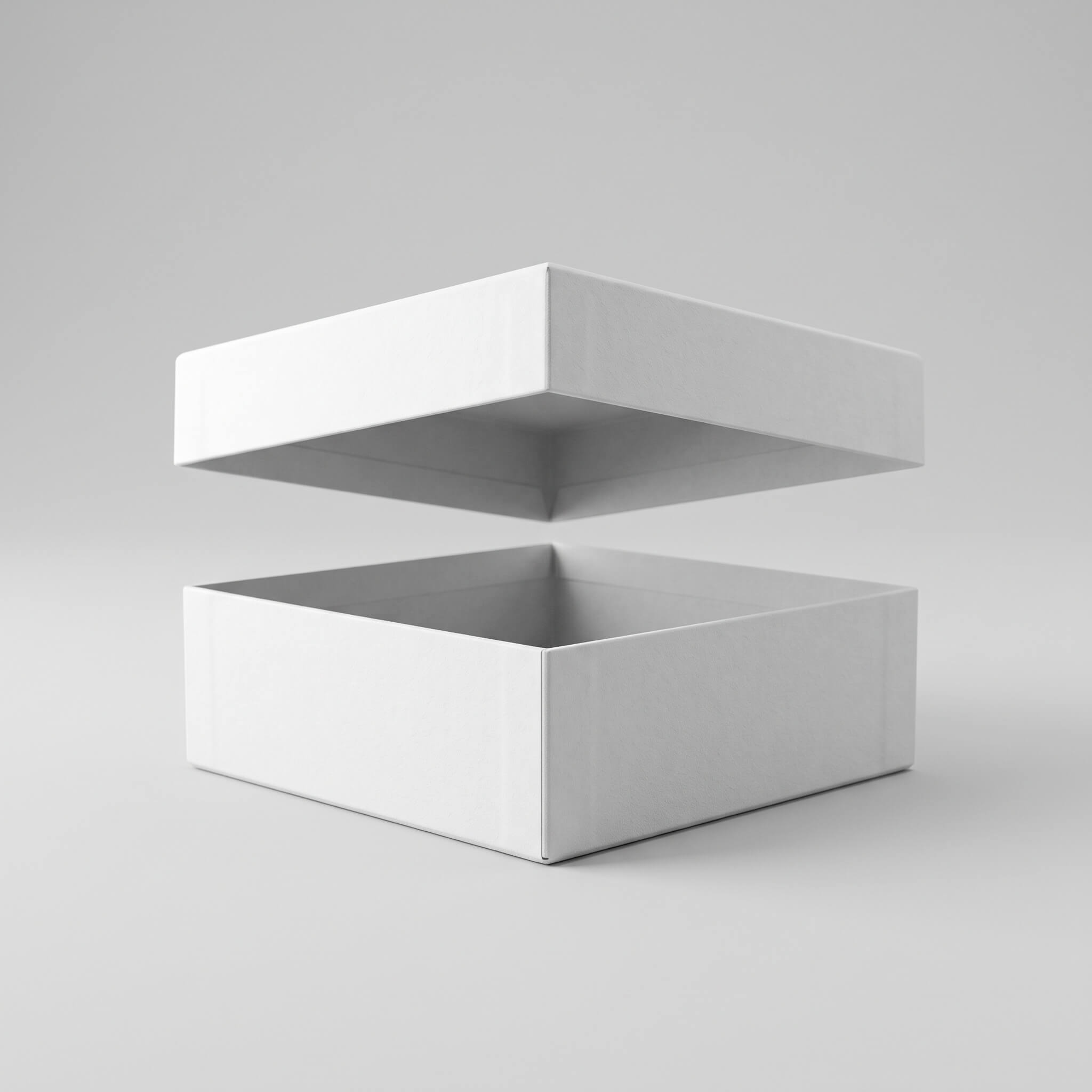
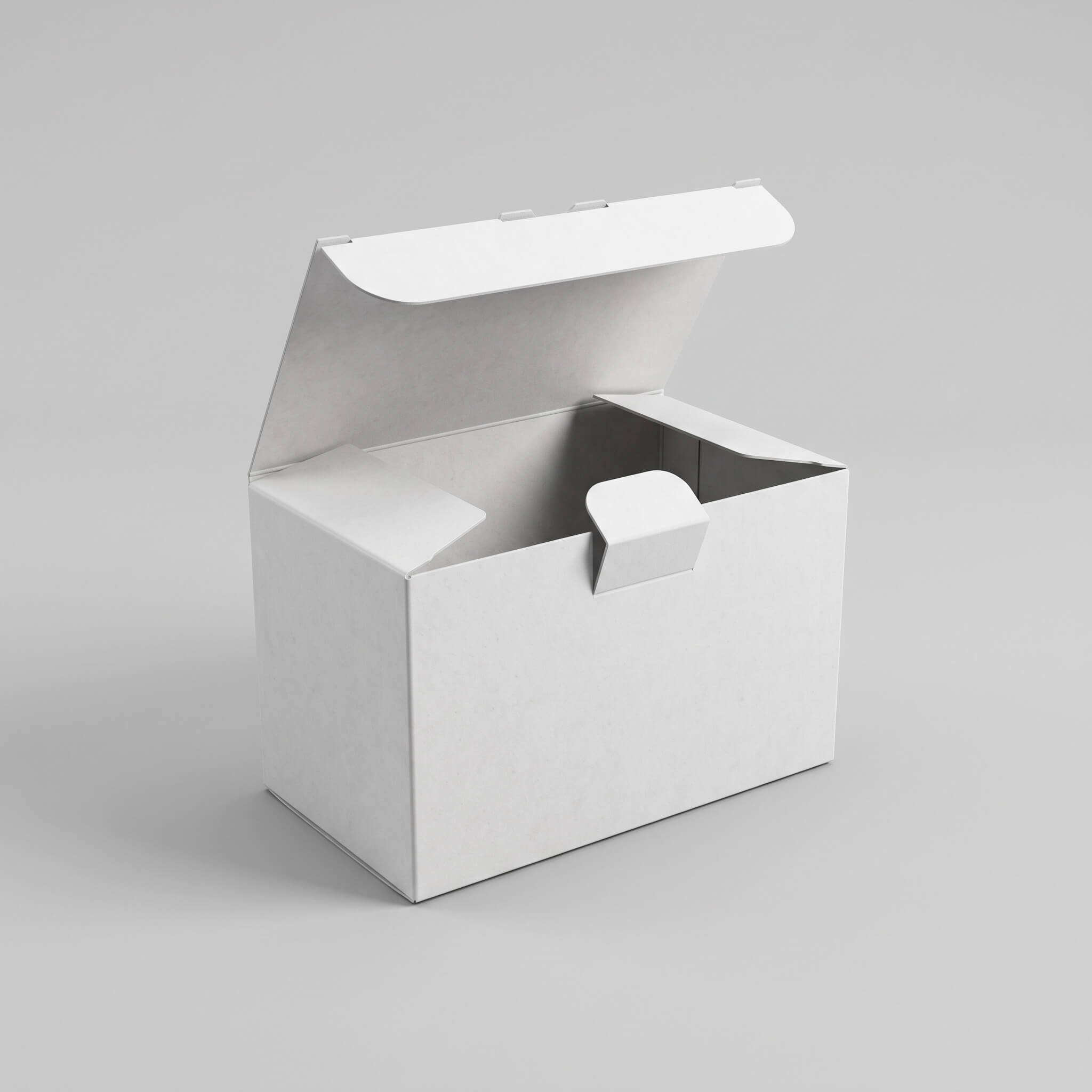
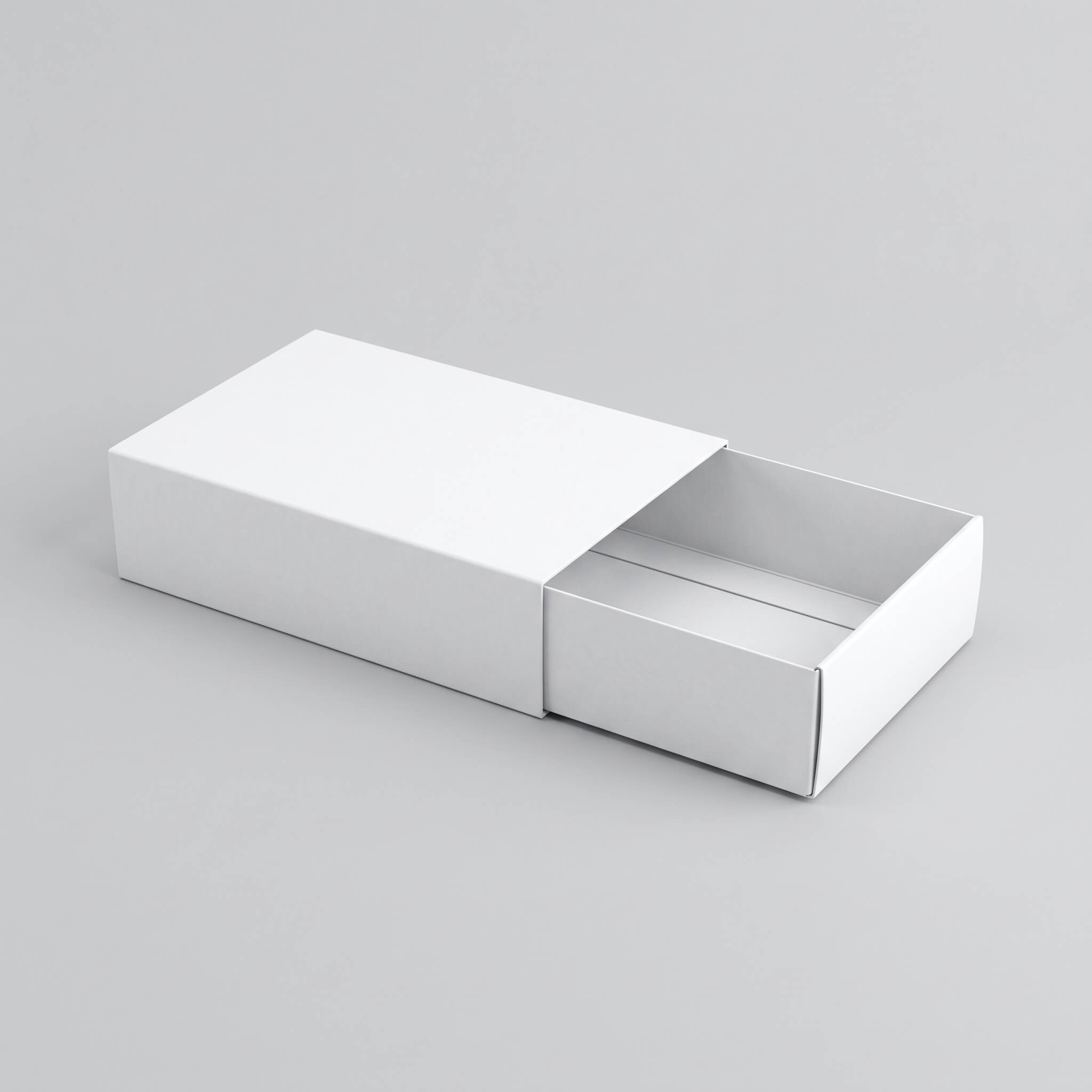
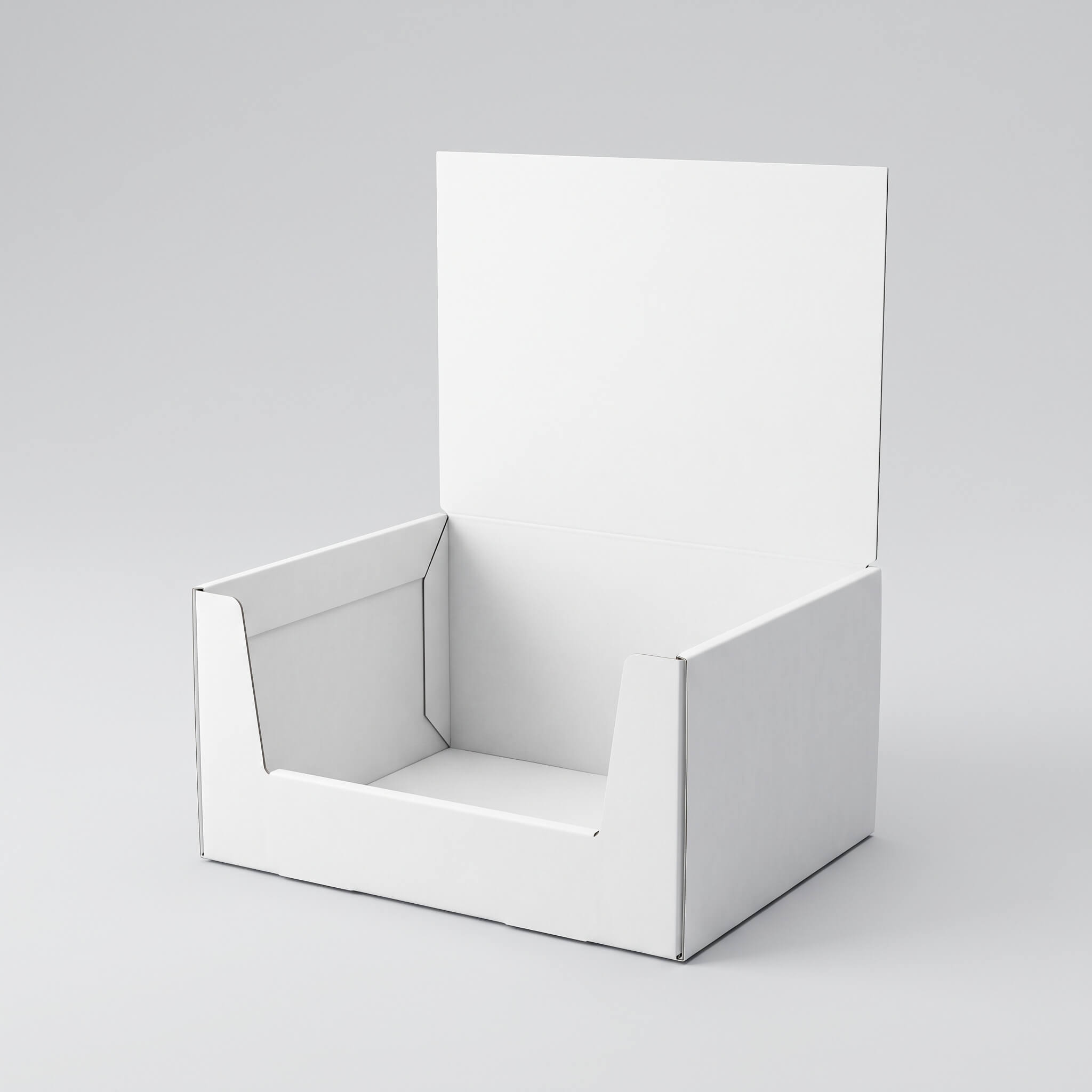
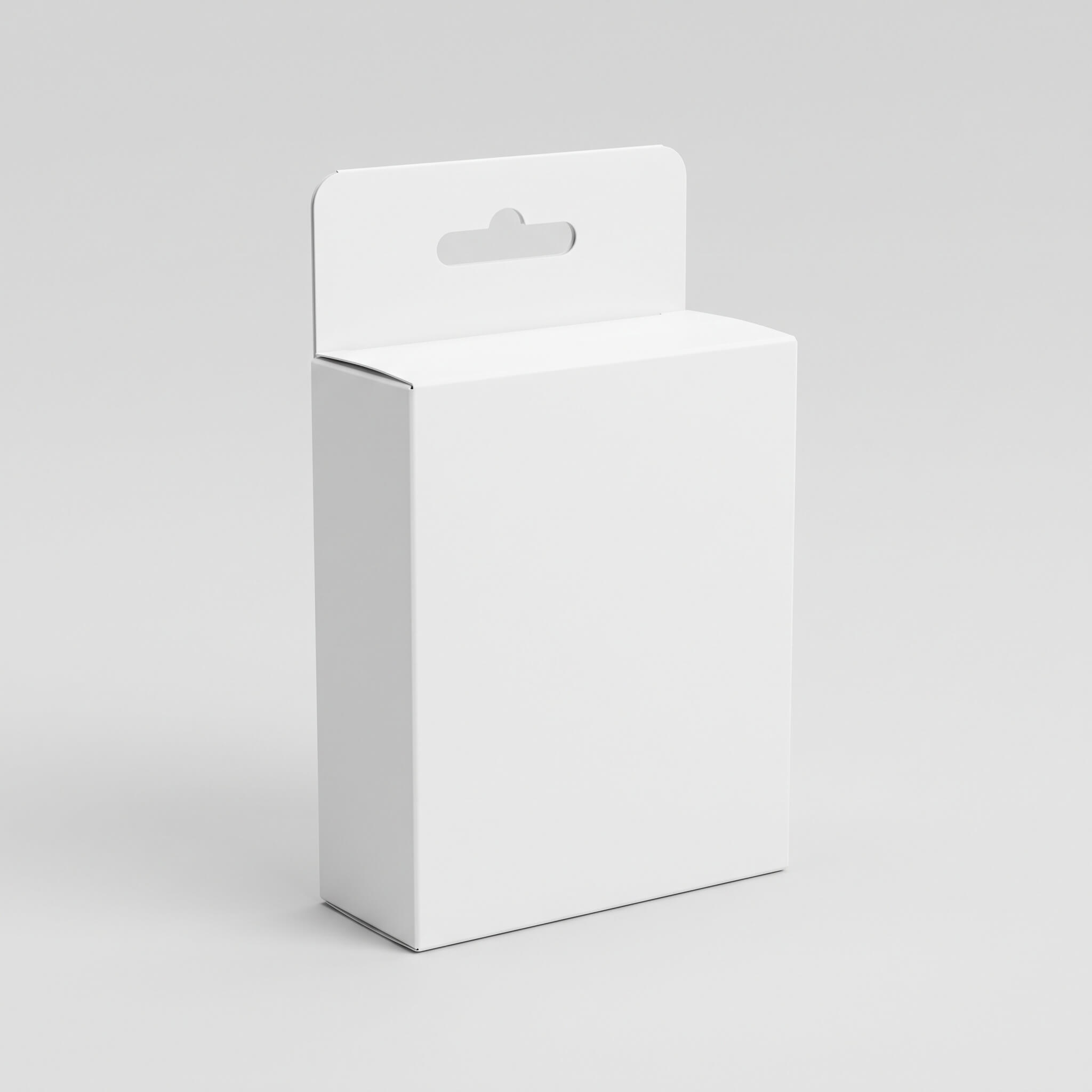
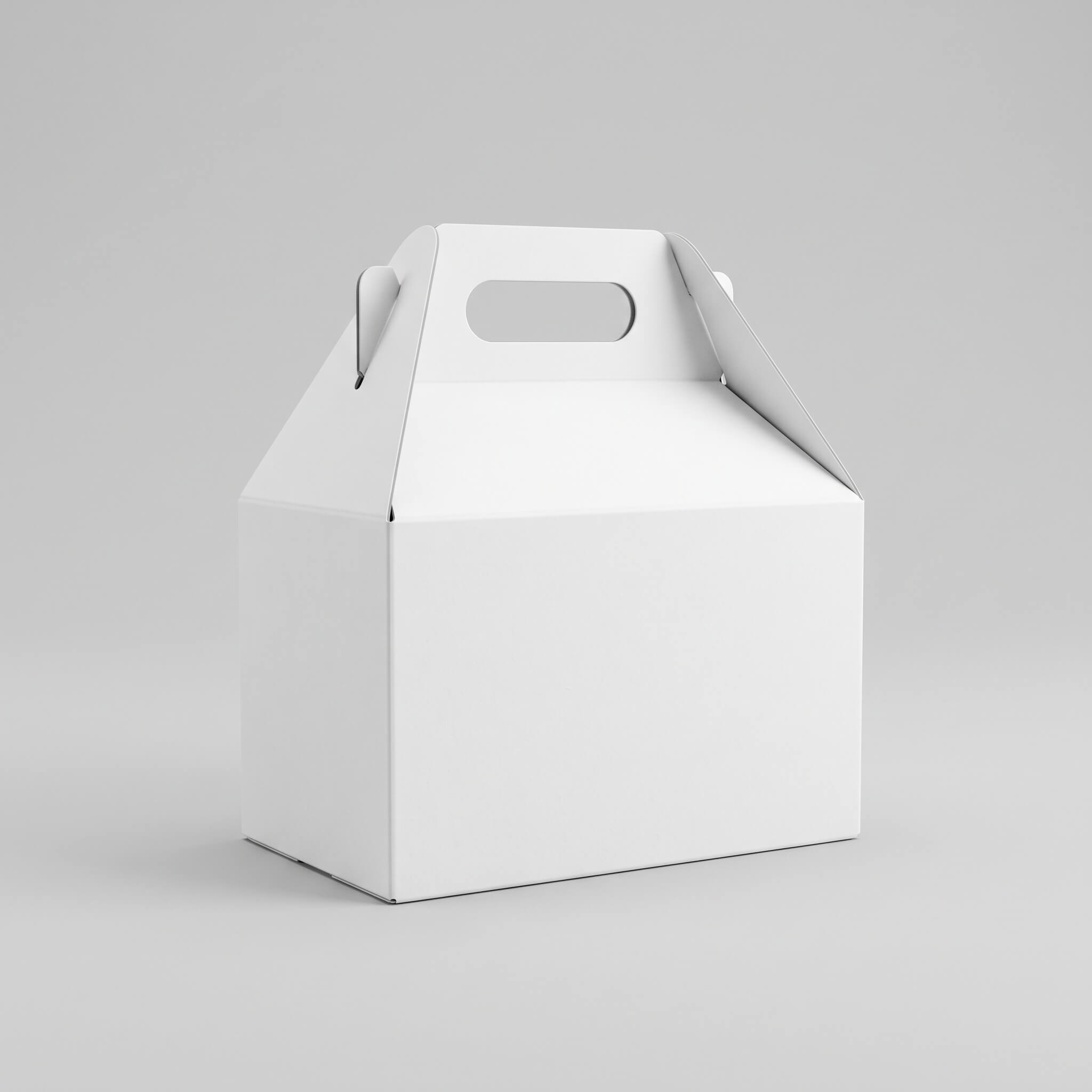
Get Fast Pricing
Tell us about your product, dimensions, quantity and packaging requirements. We'll use these details to prepare your custom quote.
Learn More About Kraft Shipping Boxes
Custom Kraft Shipping Boxes for Branded and Practical Shipping
Shipping packaging is an important part of how products are prepared, handled, and delivered. The right carton should accommodate the product, suit the shipping process, and provide a suitable surface for identification or branding. Kraft shipping boxes offer a natural brown appearance that works well for businesses looking for simple, functional, and customizable shipping packaging.
At Bluebird Packaging, Kraft shipping boxes can be developed around your product dimensions, required box structure, material specifications, and branding preferences. You can choose from different sizes, corrugated constructions, printing options, and packaging configurations depending on the products you ship. Whether you need plain brown cartons for routine orders or custom printed boxes for branded deliveries, the packaging can be planned around your business requirements.
Kraft packaging is used across different industries because its appearance suits a wide range of product categories. However, the best box is not selected by appearance alone. Product weight, dimensions, shipping distance, handling conditions, and the type of internal protection required should all be considered before finalizing a box specification.
What Are Kraft Shipping Boxes?
Kraft shipping boxes are packaging cartons made using Kraft paper-based materials or Kraft linerboard as part of their construction. They are commonly associated with a natural brown surface, although the final appearance depends on the paper grade, board construction, printing, and other material specifications.
These boxes can be designed for individual shipments, ecommerce orders, retail distribution, and business-to-business deliveries. Depending on the required construction, Kraft paper can be used in corrugated shipping cartons or other suitable paper-based packaging formats.
A Kraft shipping carton may be plain, printed with a company logo, or designed with shipping information and other graphics. Its dimensions and structure should be selected according to the packed product rather than relying on a generic box size.
Businesses often consider Kraft shipping packaging for:
- Ecommerce orders and direct-to-customer shipments.
- Retail products packed for delivery.
- Subscription boxes and recurring shipments.
- Apparel and accessory orders.
- Books, stationery, and printed materials.
- General merchandise and packaged goods.
- Wholesale orders containing multiple products.
The appropriate design depends on the product, the shipping environment, and the level of protection required. Kraft paper appearance does not automatically determine a box’s strength or suitability for every shipping application. Board grade, flute construction, dimensions, and box design also matter.
Why Choose Custom Kraft Shipping Boxes?
Standard cartons may not always match the dimensions or presentation needs of a particular product. Custom Kraft shipping boxes allow businesses to plan the outer packaging around the actual items being shipped.
A custom size can help avoid unnecessary empty space, while a suitable box structure can make packing more organized. Businesses can also coordinate the carton appearance with their brand identity through printed logos, colors, and other design elements.
Packaging Designed Around Your Product
Products vary in shape, size, weight, and quantity. A carton designed for a single lightweight item may not be suitable for a heavier product or an order containing several items.
Custom dimensions allow you to consider the product’s length, width, height, and any additional components included in the shipment. If several items are packed together, the internal arrangement should also be considered.
For orders containing multiple products, the box may need dividers, inserts, or suitable cushioning materials. These components should be selected according to the products and their arrangement inside the carton.
A Natural Kraft Appearance
The brown surface of Kraft paperboard provides a simple packaging appearance that can suit brands with minimal, understated, or natural-looking visual identities.
Businesses can retain the plain Kraft finish or add selected printed elements to make the box recognizable. A logo, brand name, shipping message, or simple graphic layout can create a more distinctive presentation without making the packaging unnecessarily complicated.
Options for Different Shipping Requirements
Kraft shipping cartons can be developed in different sizes and constructions. The selection should reflect the product weight, packed dimensions, handling conditions, and shipping method.
For example, a small parcel may require a different carton specification from a large shipment containing several products. The number of items, stacking conditions, and expected handling should be considered when selecting the board and structure.
Customization for Business Branding
Shipping boxes can also contribute to a consistent brand experience. Printed logos and coordinated artwork can help identify outgoing orders and connect the outer carton with the product’s retail packaging.
If your business uses multiple packaging formats, the Kraft design can be coordinated with other packaging styles. This makes it easier to maintain a consistent appearance across shipping cartons, mailers, and product boxes.
Types of Kraft Shipping Boxes
The term Kraft shipping boxes can describe different carton styles and material constructions. The right option depends on how the product is packed and what the shipment requires.
1. Kraft Corrugated Shipping Boxes
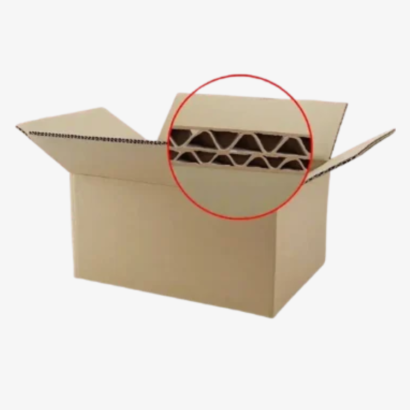
Kraft corrugated shipping boxes use corrugated board construction, which consists of fluted paper between liner sheets. The combination creates a board structure commonly used for shipping cartons.
Corrugated construction can be considered for products that require an outer shipping box. The appropriate board grade and flute profile depend on the carton size, product weight, and expected handling conditions.
For shipments with greater structural requirements, businesses may consider different corrugated specifications rather than choosing a box based on its brown appearance alone. Our corrugated shipping box options for different parcel and product requirements can be considered when comparing carton constructions.
2. Custom Kraft Shipping Cartons
Custom Kraft shipping cartons are developed according to specific product dimensions and shipping requirements. Instead of using a fixed standard size, businesses can specify the carton measurements and structure needed for their products.
These cartons can be designed for individual products, grouped orders, or different packaging configurations. The final dimensions should allow the product to fit properly while leaving suitable room for any required internal components.
3. Printed Kraft Shipping Boxes
Printed Kraft shipping boxes combine the natural appearance of Kraft material with selected brand graphics or shipping information.
Depending on the material and printing process, artwork may include:
- Company logos and brand names.
- Brand colors and simple graphic elements.
- Website or business information.
- Product identification.
- Handling instructions, where appropriate.
- Order or shipment identification areas.
The artwork should be planned around the printable surfaces of the selected carton. It is also useful to check how the design will appear on the chosen Kraft paper shade before approving production.
4. Kraft Mailer-Style Shipping Boxes
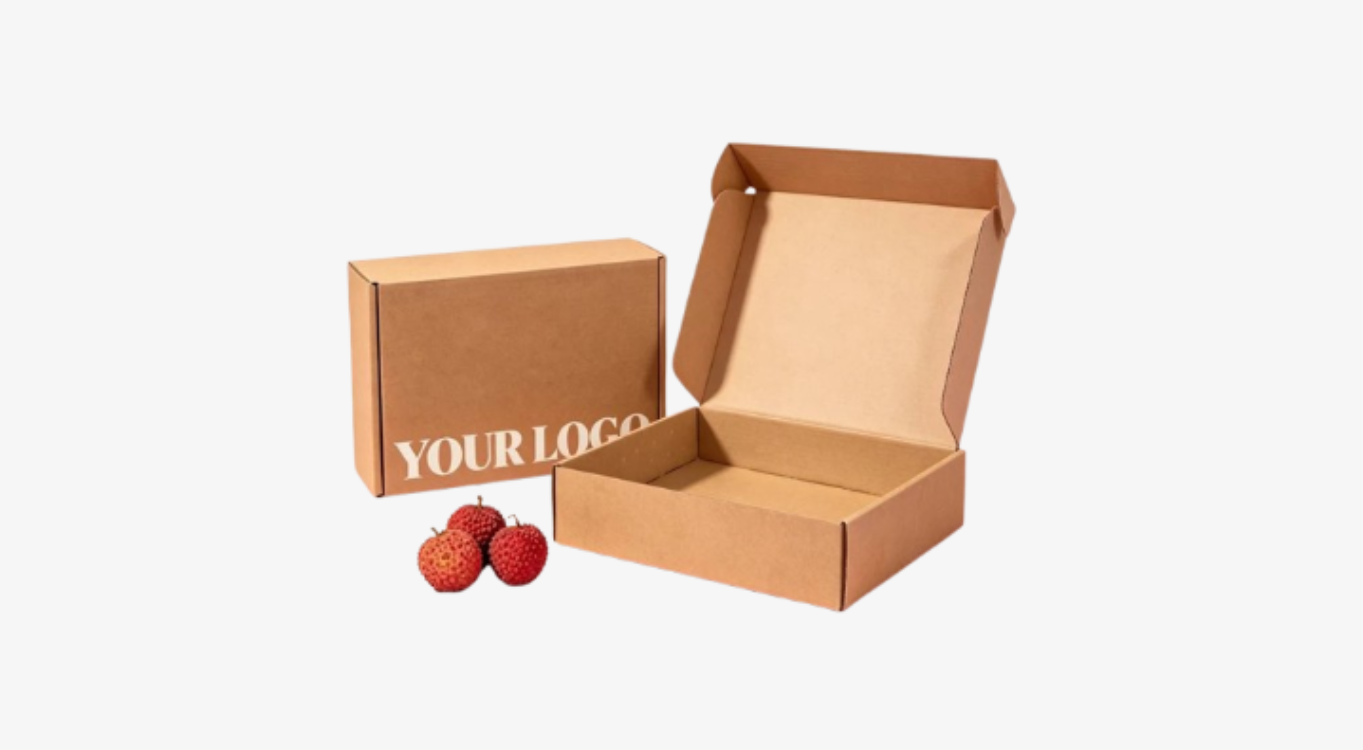
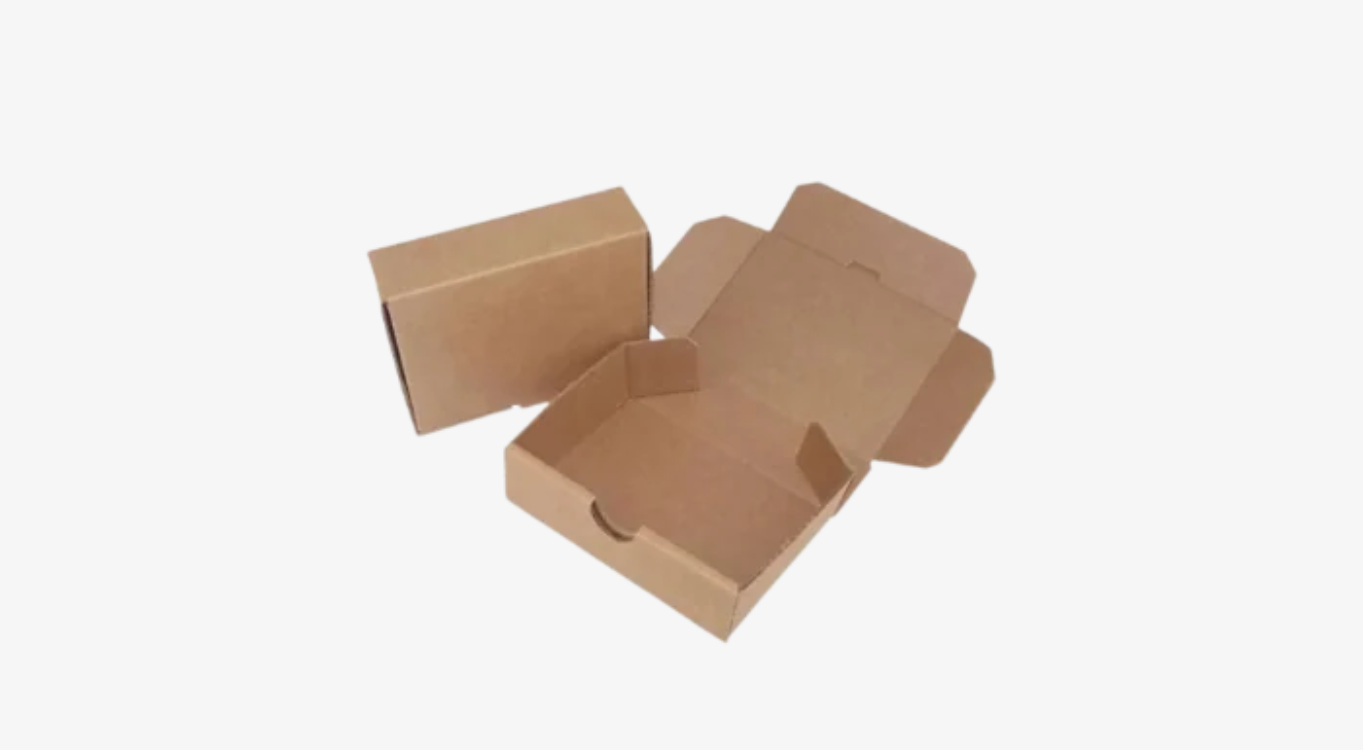
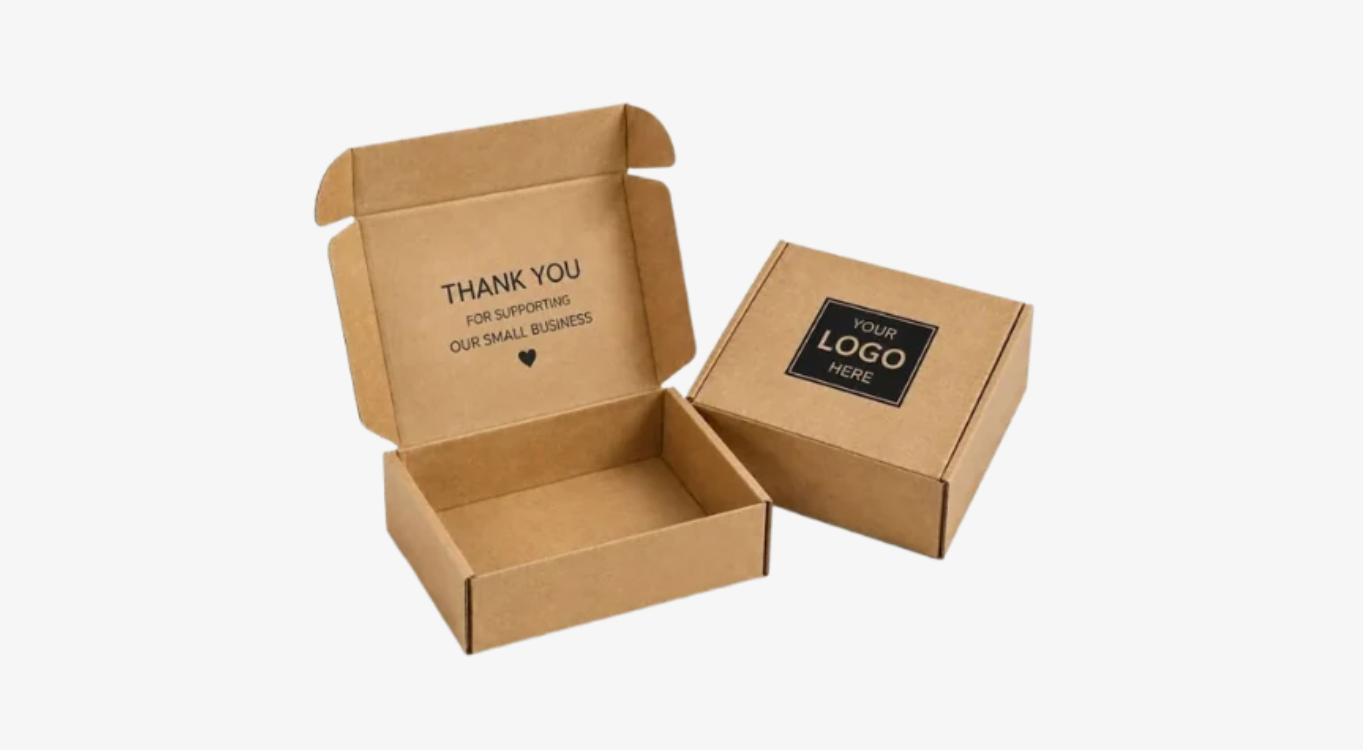
Some businesses prefer a self-locking or mailer-style structure for orders that need a more organized opening experience. A Kraft mailer-style box can be considered for selected ecommerce, subscription, and retail shipments.
The design should match the product dimensions and the packing process. Closure details, internal space, and the need for additional protective materials should be reviewed before selecting this format.
5. Kraft Boxes for Multiple Products
When a shipment contains several items, the carton should be planned around the combined arrangement rather than the dimensions of a single product.
Internal dividers or inserts may be considered to separate products or organize the contents. Their layout depends on the number of items, their shapes, and the way they will be placed inside the box.
For larger or heavier shipments, compare the requirements with our heavy-duty shipping box options to identify a construction that better matches the intended application.
Kraft Paper and Corrugated Construction: What Should You Consider?
Kraft paper and corrugated board are related but not interchangeable terms. Kraft describes a type of paper commonly used as a liner or paper component, while corrugated board describes a layered construction that includes a fluted middle section.
A shipping carton can use Kraft linerboard as part of its corrugated construction. This combination provides the brown outer appearance often associated with Kraft shipping boxes.
When planning your packaging, consider these details:
Paper grade: The paper specification influences the characteristics of the liner or paper component.
Corrugated construction: The flute profile and board configuration influence the structure of the finished carton.
Box dimensions: Larger cartons may require different material specifications from smaller boxes.
Product weight: The packed weight should be considered when selecting the board and box design.
Handling conditions: Shipping, stacking, storage, and distribution conditions can affect the packaging specification.
Internal arrangement: Inserts, dividers, and cushioning materials may be required depending on the product.
A carton should be evaluated as a complete packaging design. Choosing Kraft material alone does not establish the box’s load capacity, crush resistance, or shipping performance.
Choosing the Right Size for Kraft Shipping Boxes
Box dimensions have a direct impact on how products fit inside the packaging. A carton that is too small may not accommodate the product or its protective components, while an oversized box can leave unnecessary empty space.
Before finalizing your Kraft shipping box dimensions, measure the products that will be packed and consider how they will be arranged.
Measure the Product
Record the length, width, and height of the item or items. For irregularly shaped products, measure the widest and tallest points so that the packaging design accounts for the complete product.
Consider the Packed Arrangement
If several products will be placed inside one carton, plan their arrangement before selecting the outer dimensions. Include any dividers, inserts, or protective materials that will occupy internal space.
Account for Internal Clearance
The packaging design may require additional room for cushioning or other protective components. The amount of clearance depends on the product, the internal packaging method, and the shipping conditions.
Confirm the Carton Structure
The dimensions should be considered alongside the selected box style and board construction. The final specification should distinguish between internal usable dimensions and external carton dimensions.
For a more detailed measurement process, use our guide to measuring a box before choosing custom packaging dimensions.
Kraft Shipping Boxes for Different Industries
Kraft shipping packaging can be adapted for a variety of business applications. Each industry may have different requirements for product arrangement, carton dimensions, branding, and distribution.
Ecommerce Businesses
Ecommerce businesses often ship products directly to customers. A custom Kraft carton can be designed around the dimensions of the products commonly included in an order.
For businesses with several product categories, different carton sizes may be needed to accommodate small, medium, and larger orders. A coordinated printed design can help maintain brand consistency across outgoing parcels.
Retail and Wholesale Distribution
Retail businesses may use Kraft cartons to group products before sending them to stores, distributors, or other business locations.
Wholesale orders can contain multiple units, so the carton should be planned around the total packed quantity and product arrangement. Carton dimensions and board construction should be reviewed according to the packed weight and handling requirements.
Apparel and Accessories
Clothing, accessories, and related products may be shipped in different quantities and arrangements. Kraft shipping cartons can be customized around the packed items, with internal components considered when the order contains multiple products.
Books and Printed Materials
Books, notebooks, catalogs, and other printed materials have specific dimensional and weight considerations. Their shipping cartons should be designed around the size and number of items being packed.
For businesses shipping books regularly, our book shipping boxes provide a related packaging format to consider.
Subscription and Gift Businesses
Subscription businesses may ship a planned selection of products in one package. A Kraft carton can be designed around the combined contents, including any inserts or internal arrangement needed for presentation.
Gift businesses may also use printed Kraft cartons to create a consistent outer appearance for deliveries. The design should account for the gift items, their individual packaging, and any additional presentation components.
General Product Shipments
Many businesses ship products that do not fit into a single standard carton size. Custom Kraft packaging allows the box dimensions and structure to be planned according to the specific products and shipping process.
The final material and construction should be selected after considering product weight, handling, storage, and distribution requirements.
Custom Printing Options for Kraft Shipping Boxes
A Kraft shipping box does not have to remain plain. Businesses can add selected printed elements to make their packaging identifiable and consistent with their visual identity.
Logo and Brand Name Printing
A company logo or brand name can be placed on suitable carton panels. The layout should be planned according to the available printing area and the natural shade of the Kraft material.
Minimalist Artwork
Simple artwork can work well with the natural brown appearance of Kraft packaging. A restrained design may use a logo, a small graphic, and limited text rather than covering every panel with printed elements.
Shipping and Handling Information
Depending on the packaging application, businesses may include identification areas or handling instructions. Any symbols or handling messages should be selected according to the actual shipping requirements and should not imply performance or certification that has not been established.
Printed Designs for Product Ranges
If your business ships different product lines, artwork can be coordinated across multiple carton sizes. Brand colors, typography, and graphic elements can remain consistent while the product-specific details change.
The final printing method and artwork should be checked for compatibility with the selected material. Because Kraft surfaces can differ in shade and texture, a print proof or approved sample can help assess the final appearance.
Finishing Options for Custom Kraft Shipping Packaging
Finishing choices should complement the intended design and the selected material. Not every finish is necessary for a shipping carton, particularly when the priority is a straightforward packaging format.
Depending on material compatibility and the project specification, selected options may include:
- Matte or gloss surface treatments.
- Foil details for selected branded applications.
- Embossed or debossed design elements.
- Spot UV on suitable printed areas.
- Other finishing treatments agreed during specification.
For many shipping applications, a simple printed Kraft surface may be sufficient. If a more distinctive appearance is required, the finish should be selected without compromising the practical requirements of the carton.
Kraft Shipping Boxes and Sustainable Packaging Considerations
Kraft-based packaging is often considered by businesses looking for paper-based packaging options. However, environmental claims should be based on the complete material specification and the relevant recycling or recovery systems.
The recyclability of a finished carton can be affected by its paper composition, coatings, laminations, adhesives, inks, labels, and attached components. Local collection and recycling facilities also influence what can be processed.
When selecting Kraft shipping packaging, businesses should consider:
- The exact paper and board composition.
- Whether the carton includes coatings or laminations.
- The type of printing and finishing used.
- Any plastic or non-paper components.
- Local recycling guidelines.
- Whether the packaging dimensions are appropriate for the packed product.
Avoid describing a finished package as fully recyclable, biodegradable, or environmentally certified unless the complete specification supports that claim.
How to Select Kraft Shipping Boxes for Your Business
Choosing a suitable carton involves matching the material, dimensions, and construction to your shipping process. These considerations can help organize the selection process.
1. Identify the Products You Ship
Start by listing the products that will be packed in the carton. Consider their dimensions, weight, shape, and quantity per shipment.
2. Determine the Required Box Style
Decide whether you need a regular corrugated carton, a mailer-style structure, or a custom box designed for a particular product arrangement.
3. Confirm the Material Specification
Discuss the appropriate Kraft paper or corrugated board specification according to the carton size, packed weight, and handling conditions.
4. Plan Internal Protection
Determine whether the products require inserts, dividers, cushioning, or other internal components. These should be included when calculating the final box dimensions.
5. Decide on Printing Requirements
Choose whether the carton will remain plain or include your logo, brand colors, product identification, or other approved artwork.
6. Review Storage and Distribution Conditions
Consider how cartons will be stored, stacked, packed, and transported. These conditions can influence the box construction and material selection.
7. Confirm the Final Specification
Review the dimensions, material, structure, artwork, and quantity before approving production. Where needed, request a sample or proof to check the packaging configuration.
Kraft Shipping Boxes vs. Other Shipping Box Materials
Kraft shipping boxes are one option within a wider range of shipping packaging. Comparing them with other materials and constructions can help identify which format is appropriate for your products.
Kraft vs. Standard Cardboard Shipping Boxes
Kraft describes a paper material commonly used in packaging, while cardboard is a broader everyday term for paper-based board. A Kraft shipping carton may itself be made using paperboard or corrugated construction.
The comparison should therefore focus on the actual board specification, appearance, and box construction rather than treating Kraft and cardboard as completely separate structural categories.
Kraft vs. Corrugated Shipping Boxes
Kraft refers to the paper used in the packaging, whereas corrugated describes a layered board structure. Corrugated shipping cartons may use Kraft linerboard as part of their construction.
If your shipment requires a particular corrugated structure, compare the available corrugated packaging constructions and material options before finalizing the specification.
Kraft vs. Heavy-Duty Shipping Boxes
Heavy-duty shipping boxes are selected according to their required construction and intended handling conditions. A Kraft appearance does not automatically make a box suitable for heavy products.
For heavier shipments, the board grade, corrugated configuration, box dimensions, and packed weight should be reviewed together. The final choice should be based on the actual shipping requirements.
Common Mistakes to Avoid When Ordering Kraft Shipping Boxes
A packaging project can become more complicated when key specifications are missing or based on assumptions. Reviewing these common issues before ordering can help avoid unnecessary revisions.
Choosing dimensions without measuring the product: Always provide the complete product or packed arrangement measurements rather than estimating the box size.
Ignoring the packed weight: The carton specification should account for the total packed weight, not only the dimensions.
Confusing Kraft paper with corrugated construction: Confirm whether you need a paperboard carton, a corrugated shipping box with Kraft linerboard, or another packaging format.
Leaving out internal components: Inserts, dividers, and cushioning materials affect the usable space inside the carton.
Using unsuitable artwork: Check that logos, colors, and text are appropriate for the selected material and available printing area.
Assuming all Kraft boxes have the same strength: Material grade, board construction, and carton design all influence the finished packaging.
Overlooking shipping conditions: Storage, stacking, handling, and transportation should be considered before the final specification is approved.
Approving artwork without checking details: Review spelling, dimensions, product information, and print placement before production.
How to Order Custom Kraft Shipping Boxes from Bluebird Packaging
A clear packaging brief helps define the carton requirements and makes it easier to review the project.
Step 1: Share your product details
Tell us what you plan to ship, including the product type, approximate weight, and quantity per carton.
Step 2: Provide the required dimensions
Share the product measurements or the internal dimensions needed for the packed arrangement.
Step 3: Select the box construction
Specify whether you need a corrugated shipping carton, a mailer-style box, or another suitable structure.
Step 4: Discuss the Kraft material
Share your preferred natural brown appearance and any known requirements for the paper or corrugated board specification.
Step 5: Provide branding artwork
Send your logo, preferred colors, design files, and any approved shipping or product information.
Step 6: Confirm the order quantity
Provide the quantity you expect to order and whether you require one size or multiple carton sizes.
Step 7: Review the specification
Check the box dimensions, material, construction, printing, and any additional components before approving the final packaging details.
Develop Custom Kraft Shipping Boxes for Your Brand
Your shipping carton should be selected according to the products you send, the way they are packed, and the conditions they encounter during distribution. Custom Kraft shipping boxes provide a flexible option for businesses that want product-specific dimensions, a natural paper-based appearance, and the choice to add branded printing.
At Bluebird Packaging, you can discuss different carton sizes, material specifications, box constructions, and artwork requirements for your shipping project. Whether you need plain brown cartons or custom printed packaging for regular orders, the final design can be planned around your business needs.
You can also review the wider range of custom shipping boxes developed for different product and delivery requirements and compare them with the broader shipping box packaging category when considering other carton styles.
Visit the Bluebird Packaging homepage to learn more about the available packaging options, or get in touch with our team through the contact page for packaging project enquiries.
Need Kraft shipping cartons made around your products?
Share your product dimensions, packed weight, preferred material, box style, artwork, and required quantity to discuss your project.
Request a custom Kraft shipping box quotation
Frequently Asked Questions About Kraft Shipping Boxes
1. What are Kraft shipping boxes made of?
Kraft shipping boxes are made using Kraft paper-based materials, which may form part of a paperboard carton or corrugated board construction. The exact material specification depends on the packaging design and intended application.
2. Can Kraft shipping boxes be customized?
Yes. Kraft shipping boxes can be customized according to product dimensions, box construction, printing requirements, and branding preferences. Inserts or dividers may also be considered when the packaging configuration requires them.
3. Are Kraft shipping boxes suitable for ecommerce orders?
They can be considered for ecommerce shipments when the carton dimensions and construction suit the products being packed. Product weight, internal protection, handling, and shipping conditions should be reviewed before selecting the specification.
4. Can I print my logo on Kraft shipping boxes?
Yes. Selected logos, brand names, graphics, and other artwork can be printed on suitable Kraft packaging materials. The printing method and design should be checked for compatibility with the selected surface.
Related Products
-
Custom Printed Shipping Boxes
Turn every delivery into a branding opportunity with Custom Printed Shipping Boxes featuring personalized artwork, logos, and vibrant designs. Made…New! -
Cardboard Shipping Boxes
Custom Cardboard Shipping Boxes offer versatile packaging for ecommerce orders, retail products, and everyday business deliveries. Made to Order Product…New! -
Heavy Duty Shipping Boxes
Move heavier products confidently with Custom Heavy Duty Shipping Boxes featuring sturdy construction, reinforced walls, and product-specific dimensions. Made to…New! -
Corrugated Shipping Boxes
Custom Corrugated Shipping Boxes provide practical protection for business shipments, storage, and distribution with tailored sizes and board strengths. Made…New!
Payments VISA AMERICAN
EXPRESS PayPal
Frequently Asked Questions
Many paper-based Kraft cartons may be recyclable through suitable paper recycling systems. However, coatings, laminations, adhesives, labels, and other components can affect recyclability. Check the complete material specification and local recycling guidelines.
Kraft refers to a type of paper, while corrugated describes a layered board construction with a fluted middle section. A corrugated shipping box can use Kraft paper as its outer liner.
They can be designed for different product weights, but suitability depends on the board grade, corrugated construction, carton dimensions, and packed weight. For specific shipping requirements, compare options such as double-wall cartons designed for selected heavier shipments.
Yes. Custom dimensions can be developed according to the product’s length, width, height, and packed arrangement. Internal inserts or cushioning should also be considered when calculating the required space.
Yes. Suitable Kraft materials can be printed with company logos, brand names, selected graphics, and other approved artwork. The printing method depends on the material and design.
Kraft mailer boxes generally use a self-locking or mailer-style structure, while shipping cartons can include different regular or custom corrugated box styles. The best option depends on the product, packing method, and shipping requirements.
Yes. Custom Kraft cartons can be planned for wholesale shipments containing multiple products. Box dimensions, construction, and internal arrangements should reflect the total packed quantity and weight.
The required board specification depends on carton dimensions, product weight, stacking conditions, and expected handling. Discuss these details before selecting the material rather than choosing thickness based only on appearance.
They can be considered for international shipments when their construction and specifications suit the products and distribution conditions. Businesses should also review applicable shipping, labeling, and packaging requirements. Our guide to packaging considerations for shipping and distribution covers related planning factors.
You should provide product dimensions, packed weight, required box quantity, preferred construction, material preferences, printing artwork, and any internal packaging requirements. These details help define the packaging specification for quotation.