
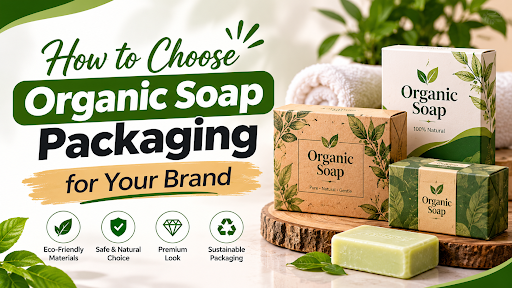
Organic soap customers often look beyond the ingredients. They notice the packaging, read product labels, and form an impression of a brand before they even smell or use the soap. If your packaging looks overly plastic, feels difficult to recycle, or fails to communicate your product’s natural qualities, it may weaken the message your brand is trying to deliver.
The best organic soap packaging combines suitable paper-based materials, product protection, clear labeling, and a design that reflects your brand’s values. Kraft paper, recyclable cardboard, and custom-printed soap boxes are popular options, but the right choice depends on your soap formula, curing process, moisture sensitivity, retail environment, and budget.
For organic soap makers, packaging should do more than hold a bar. It should protect the product, communicate important information, and create a consistent experience from the shelf to the customer’s home. With the right structure and design, Bluebird Packaging can help brands explore customized packaging options that support their product presentation and business requirements.
Quick Answer: What Is the Best Packaging for Organic Soap?
The best packaging for organic soap is usually a well-fitted paperboard or kraft box that protects the soap, supports clear product labeling, and suits the brand’s sustainability goals. Recycled cardboard, responsibly sourced paper, and minimal-ink designs are worth considering. However, the packaging must also account for moisture, fragrance retention, storage conditions, and the soap’s final curing stage.
Quick Overview
| Topic | Details |
|---|---|
| Benefits | Product protection, clear branding, better shelf presentation, and reduced reliance on unnecessary plastic |
| Materials | Kraft paperboard, recycled cardboard, recyclable paperboard, and suitable protective inner wraps |
| Uses | Handmade soap bars, organic skincare products, gift sets, retail soap, and subscription products |
| Best For | Organic soap brands, handmade soap businesses, natural skincare companies, and small-batch manufacturers |
| Popular Styles | Kraft boxes, tuck-end boxes, pillow boxes, window boxes, and custom printed soap boxes |
| Key Consideration | Balance sustainability, moisture protection, product dimensions, labeling, and presentation |
1. Understand Your Organic Soap’s Packaging Requirements
Before choosing a box style or material, understand the physical characteristics of your soap. Two products may both be marketed as organic soap, but their packaging requirements can be very different.
A hard, fully cured bar may need a different packaging approach from a freshly made or moisture-sensitive soap. Similarly, a heavily fragranced soap, exfoliating bar, or soap containing botanical ingredients may require additional consideration.
Consider the Soap’s Moisture and Curing Stage
Cold-process soap generally needs an appropriate curing period before packaging. During this period, excess water evaporates and the bar becomes harder. Packaging too early can trap moisture and affect the product’s condition.
For properly cured bars, paperboard packaging can be a practical choice. If the soap is likely to release moisture or needs additional protection, consider a suitable inner wrap or barrier that does not compromise the product’s presentation.
Check Bar Size and Shape
Packaging should fit the soap without being excessively tight or leaving too much empty space. Measure:
- Length
- Width
- Height
- Weight
- Shape and any decorative edges
A well-fitted box helps prevent unnecessary movement during transportation and creates a more professional retail appearance. If your product range includes multiple bar sizes, consider using a consistent packaging system with different dimensions.
For help selecting suitable dimensions, read this guide to choosing the right soap box size.
Identify Your Storage and Selling Conditions
Will your soap be sold at farmers’ markets, displayed in retail stores, shipped directly to customers, or included in gift sets? Each environment creates different packaging requirements.
For example, a soap sold in a humid environment may need more careful moisture management than one stored in a dry retail display. A product shipped over long distances may also require stronger outer protection.
2. Choose Eco-Friendly Soap Packaging Materials
Material selection affects the packaging’s appearance, strength, printing quality, and end-of-life options. Organic soap brands often prefer paper-based materials because they can support a natural visual identity and may offer practical recycling options.
However, no material should be called environmentally friendly without considering its actual composition, sourcing, coatings, and local disposal facilities.
Kraft Paper and Kraft Paperboard
Kraft packaging is popular among natural skincare and handmade soap businesses because of its earthy appearance. Its brown surface can communicate a simple, craft-focused identity without requiring elaborate graphics.
Kraft paperboard may be suitable for:
- Handmade organic soap bars
- Botanical and herbal soaps
- Natural skincare collections
- Minimalist product packaging
- Small-business retail packaging
It also provides a printable surface for product names, ingredients, instructions, and brand details. For a closer comparison of material characteristics, see kraft versus cardboard packaging for bar soap.
Recycled Cardboard
Recycled cardboard is another option for brands that want to incorporate recovered paper fibers into their packaging.
It can be used for custom organic soap boxes, product sleeves, gift packaging, and retail cartons. Before selecting it, check the material’s recycled-content specifications, thickness, strength, and print compatibility.
A recycled-content claim should be supported by supplier documentation. Recycled cardboard is not automatically suitable for every soap formula or storage environment.
Recyclable Paperboard
Paperboard offers flexibility in structure, printing, and finishing. Brands can use it to create tuck-end cartons, window boxes, and other custom structures.
Depending on the material and finish, paperboard packaging may be accepted in local paper recycling systems. Laminations, plastic windows, adhesives, and mixed-material components can affect recyclability, so confirm the disposal requirements before making claims on the packaging.
Biodegradable and Compostable Materials
Biodegradable and compostable packaging are not interchangeable terms. Biodegradation describes a material breaking down through biological processes under suitable conditions. Compostability refers to meeting specific requirements for breakdown under defined composting conditions.
Some compostable materials require industrial composting facilities and may not break down properly in a home compost system or natural environment.
If you choose compostable packaging, check whether the supplier provides relevant certification and clear disposal instructions. Avoid using the word “compostable” simply because a material is paper-based.
3. Select the Right Organic Soap Box Style
The material is only one part of packaging selection. The box structure determines how customers access the soap, how well it is protected, and how the product looks on a shelf.
Tuck-End Soap Boxes
Tuck-end boxes are practical cartons with closing flaps that fold into the box. They can be customized with different dimensions, printing, and finishes.
They work well for retail soap products because they provide a defined area for branding, ingredients, and product information. Their enclosed structure can also help protect the soap from handling and surface damage.
Kraft Soap Boxes
Kraft boxes are a strong option for brands that want a natural, understated appearance. They can be printed with simple typography, botanical illustrations, ingredient details, and subtle brand colors.
For example, a lavender soap brand might use a kraft box with a small purple botanical illustration, while an unscented soap range could use minimal text and a clean layout.
Explore custom organic soap boxes for a packaging structure designed around your bar dimensions and branding requirements.
Pillow Soap Boxes
Pillow boxes have a curved, folded shape that creates a distinctive presentation. They can work for lightweight soap bars, promotional products, favors, and gift packaging.
Their unusual structure helps a product stand out, although the dimensions and closure should be checked to ensure the soap fits securely.
Window Soap Boxes
Window boxes feature a transparent opening that allows customers to see part of the product without removing it from the packaging. This can be useful when the soap’s color, texture, or decorative appearance is an important selling point.
A window may use a plastic film, so brands focused on plastic-free packaging should investigate alternative structures or avoid the window altogether.
Learn more about soap boxes with display windows and their design options.
Luxury Soap Boxes
Premium organic soap ranges may benefit from a more refined structure, carefully selected paperboard, and restrained printing. A clean layout, quality typography, and consistent color palette can make a product feel more valuable without relying on excessive decoration.
For a more elevated presentation, explore luxury soap packaging boxes.
4. Design Natural Soap Packaging That Builds Brand Trust
Packaging communicates product value before customers read the ingredients. For organic soap brands, the design should make the product’s identity clear while avoiding unsupported environmental or ingredient claims.
Use a Clear Visual Identity
Natural soap packaging often works well with simple design elements:
- Earth-inspired colors such as green, beige, brown, and cream
- Botanical illustrations that reflect the product’s ingredients
- Readable typography
- Clean layouts with sufficient spacing
- Consistent logos and brand colors
A lavender soap, for example, might use a muted purple accent and a botanical illustration. An oatmeal soap could use warm neutral colors and a simple ingredient-focused design.
The design should reflect the actual product rather than relying on generic leaves or green colors to suggest that it is organic.
Make Product Information Easy to Read
Customers should be able to identify the soap type, scent, weight, and important product details without searching through decorative elements.
Depending on applicable regulations and the product category, packaging may need to display:
- Product name
- Ingredient list
- Net weight
- Manufacturer or responsible business details
- Batch or lot identification
- Directions and warnings where required
- Relevant certifications, where valid
Organic claims and certification logos should only be used when the product meets the applicable standards. Requirements can vary by market and product classification.
Keep the Design Consistent Across Product Lines
If your brand sells several soap varieties, create a recognizable packaging system. Keep the logo, typography, and overall layout consistent while using different accent colors or illustrations to distinguish scents and ingredients.
This makes it easier for customers to recognize your brand when they see multiple products together.
5. How to Keep Organic Soap Protected Without Excessive Plastic
Avoiding unnecessary plastic is a common goal for organic soap brands. However, packaging must still protect the product from moisture, dust, damage, and handling.
The best approach is to identify the actual risks before adding extra materials.
Use Paper-Based Protection Where Suitable
For fully cured soap bars, paper wraps, paper sleeves, and appropriately designed cartons may provide enough protection for certain storage and retail conditions.
A paper wrap can help keep the product contained, while an outer carton provides space for branding and product information. The correct combination depends on the soap’s formulation and the conditions in which it will be stored.
Avoid Unnecessary Packaging Layers
A soap bar does not always need a wrap, an inner pouch, a sleeve, and an outer box. Every layer should have a practical purpose.
For example, a fully cured bar sold in a fitted carton may not require an additional decorative sleeve. Removing unnecessary components can simplify packaging and reduce material use.
Protect Soap During Shipping
Retail packaging and shipping packaging serve different purposes. A small soap carton may look attractive on a shelf but may not provide enough protection when shipped by itself.
For online orders, consider a suitable outer mailer or corrugated shipping box, along with protective inserts where needed. The goal is to prevent crushed corners, damaged cartons, and broken soap bars without adding excessive filler.
For brands comparing different structures, custom soap packaging options can be adapted to product dimensions, branding, and presentation requirements.
6. Balance Sustainability, Cost, and Packaging Quality
Small organic soap businesses often work with limited budgets. Sustainable packaging should be practical at the order volume the business can support.
A material may look attractive, but its price, minimum order quantity, printing requirements, and production lead time all affect whether it is a sensible choice.
Compare the Total Packaging Cost
Do not compare suppliers using unit price alone. Consider:
- Material and printing costs
- Customization and finishing charges
- Minimum order quantity
- Shipping and storage costs
- Packaging waste and product damage
- Reordering lead times
A slightly stronger box may cost more per unit but could reduce damage during shipping. Similarly, a simpler design may help keep production costs manageable while still communicating a premium brand identity.
Choose Customization That Adds Value
Custom printing helps customers recognize your brand and understand the product. However, not every soap needs multiple decorative finishes.
A simple kraft carton with a well-designed label may be sufficient for a small handmade soap business. A premium retail range may need a more detailed printed box with a distinctive structure.
Consider custom printed soap boxes when you need a consistent presentation across your product range.
Plan for Growth
If you expect to expand your product range, choose a packaging system that can accommodate new scents, sizes, and collections.
A consistent box structure with different printed designs can make future product launches easier to manage. If you are unsure which material, size, or structure suits your soap, request a custom packaging quote to discuss your requirements.
7. Organic Soap Packaging Ideas for Different Brand Types
The best design depends on your audience, price point, product ingredients, and sales channel. A small handmade business may need a different presentation from a premium skincare company.
| Brand Type | Suitable Packaging Approach | Design Direction |
|---|---|---|
| Handmade Soap Business | Kraft carton or paper sleeve | Simple typography and ingredient-focused details |
| Organic Skincare Brand | Custom printed paperboard box | Clean layout and consistent brand colors |
| Luxury Natural Soap Range | Premium custom box | Refined typography and restrained finishes |
| Botanical Soap Collection | Kraft or recyclable paperboard box | Botanical illustrations and scent-based accents |
| Small Local Soap Business | Simple custom carton | Affordable structure and clear product information |
| Gift and Soap Sets | Coordinated boxes with inserts | Organized presentation and product protection |
Minimalist Packaging for Natural Soap
Minimalist packaging uses a limited number of design elements to make the product easy to understand. It can be especially effective for brands that want to communicate simplicity and ingredient transparency.
Use a clear product name, readable ingredients, one or two brand colors, and a recognizable logo. Avoid filling every available space with decorative claims.
Handmade Organic Soap Packaging
Handmade soap brands often want packaging that reflects the care involved in producing each bar. Kraft paperboard, simple printed cartons, and small product labels can create a craft-focused appearance.
For more inspiration, explore these packaging ideas for handmade and natural soap brands.
Organic Soap Packaging for Retail
Retail packaging needs to be easy to identify, handle, display, and store. The box should maintain its shape, present product information clearly, and fit the available shelf space.
A window may help customers view the soap, while an enclosed carton can offer more space for branding and information. The right choice depends on how customers interact with the product at the point of sale.
For additional inspiration, see these creative soap packaging ideas.
8. How to Choose the Right Packaging Supplier
A suitable packaging supplier should understand your product dimensions, material preferences, printing requirements, and order quantities. Choosing a supplier based only on attractive sample images or a low price can lead to problems later.
Before placing an order, confirm the following:
- Material specifications: Ask about paperboard thickness, recycled content, and available material options.
- Dimensions: Confirm the internal measurements against the actual soap bar.
- Printing quality: Review color consistency, text clarity, and artwork placement.
- Finishes: Check whether coatings, laminations, or decorative treatments affect your packaging goals.
- Samples: Request a sample or proof where available before approving a larger order.
- Order quantity: Make sure the minimum order quantity fits your business needs.
- Production timeline: Confirm manufacturing and delivery expectations.
- Documentation: Request evidence for recycled-content, certification, or environmental claims.
A good supplier should be able to explain the available options and help you identify a practical structure rather than simply selling the most elaborate box.
If you are ready to develop packaging for your product range, contact Bluebird Packaging’s team to discuss material, sizing, and customization requirements.
FAQs
1. What is the best packaging for organic soap?
Kraft paperboard and suitable recyclable cardboard boxes are popular options for organic soap. They provide space for branding and product information while supporting paper-based packaging goals. The best choice depends on the soap’s moisture sensitivity, storage conditions, and retail requirements.
2. Which materials are suitable for organic soap packaging?
Common options include kraft paperboard, recycled cardboard, recyclable paperboard, and suitable paper wraps. Material selection should consider strength, moisture exposure, printing quality, and local recycling facilities.
3. Is Kraft paper good for organic soap packaging?
Yes. Kraft paperboard can be suitable for many fully cured soap bars. It offers a natural appearance, can support simple or custom printing, and may be recyclable depending on its composition and finishes.
4. How can organic soap brands avoid plastic packaging?
Brands can consider paper wraps, kraft cartons, cardboard boxes, and paperboard inserts where these provide adequate protection. They should also review windows, laminations, adhesives, and inner barriers because these components may introduce plastic or affect recyclability.
5. Are cardboard soap boxes recyclable?
Many uncoated cardboard and paperboard boxes can be recycled through suitable paper recycling systems. However, plastic windows, heavy coatings, laminations, and contamination may affect acceptance. Check local recycling guidance and the packaging’s actual material composition.
Conclusion
Choosing the right organic soap packaging means balancing product protection, material selection, brand presentation, and practical costs. Kraft paperboard, recycled cardboard, and recyclable paperboard can all be useful options, but the best solution depends on the soap’s condition, dimensions, storage environment, and selling channel.
A well-designed box should protect the bar, make product information easy to understand, and communicate the values behind your brand without relying on unsupported environmental claims. From minimalist handmade soap cartons to premium retail packaging, the structure and design should work together.
Bluebird Packaging helps businesses explore customized box styles and printed packaging for different product requirements. Whether you are launching a small organic soap collection or expanding an established skincare range, get in touch with Bluebird Packaging or request a quote to discuss packaging that fits your products and brand.