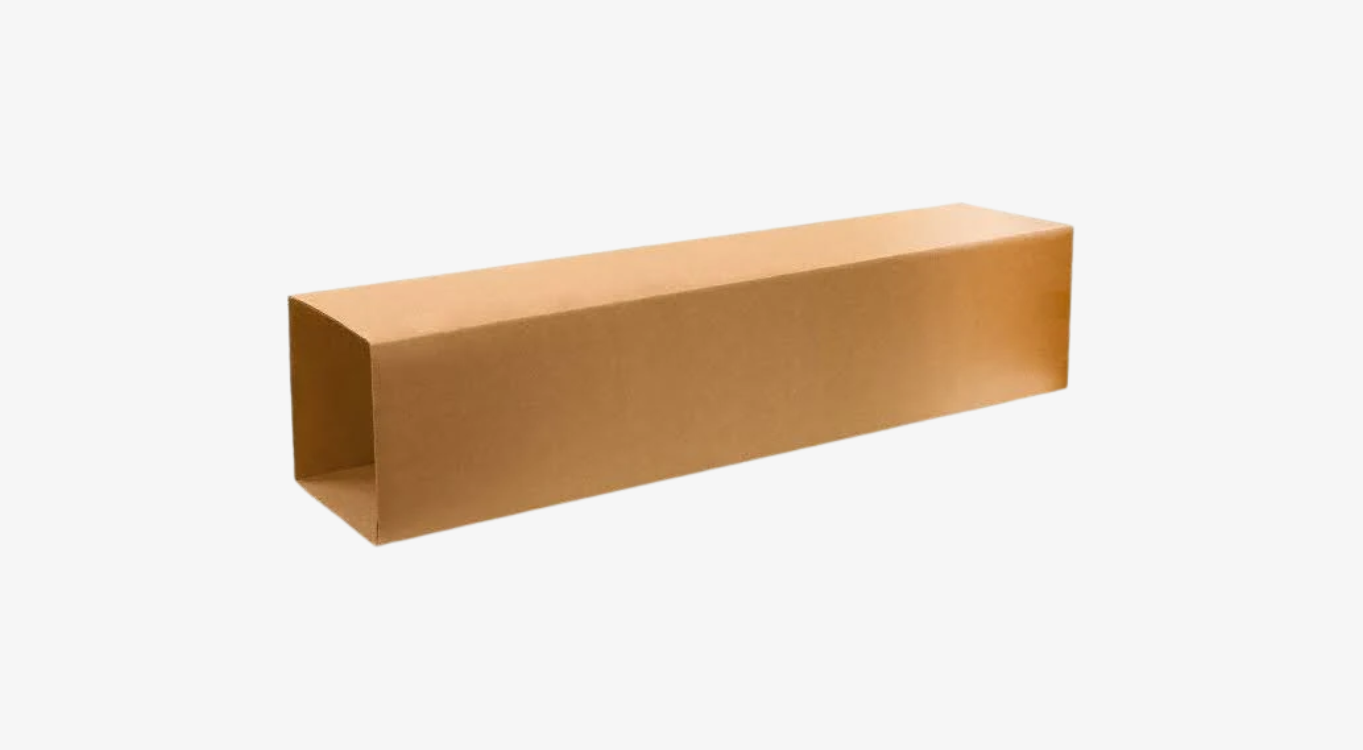
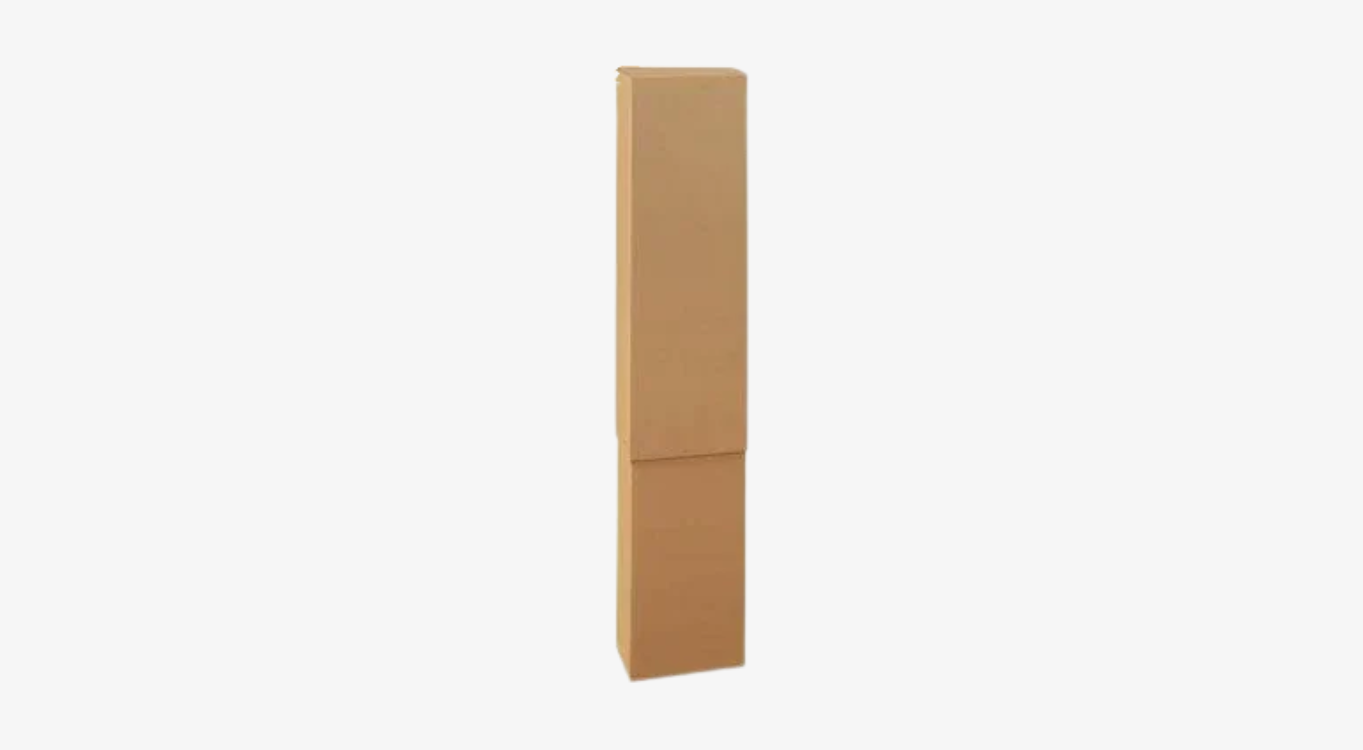
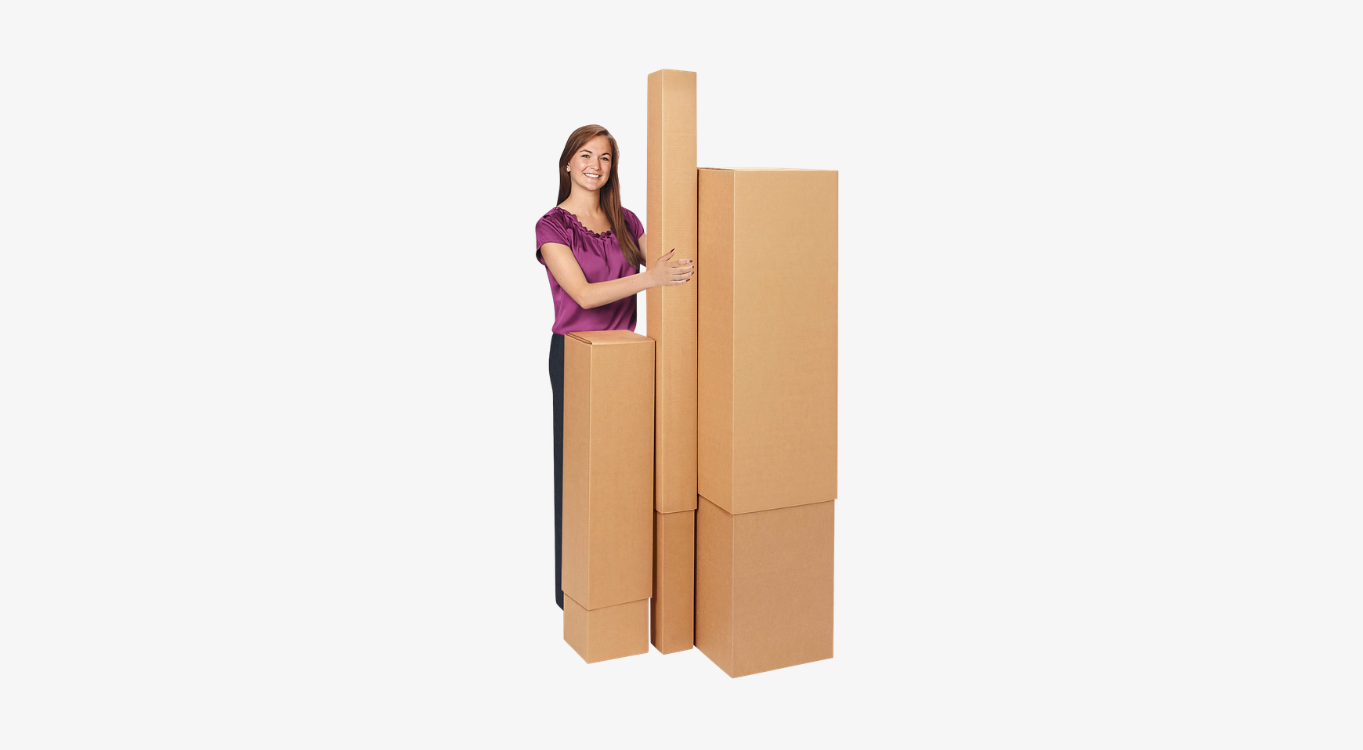
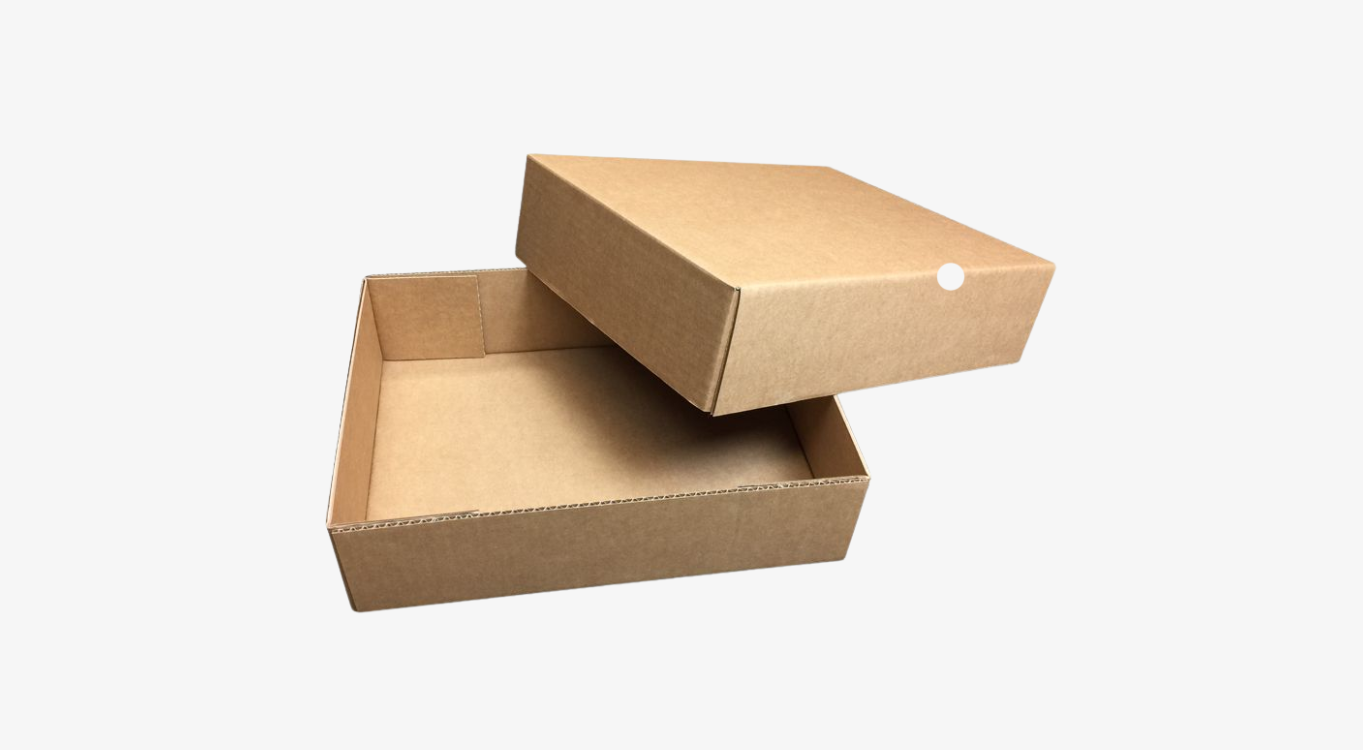
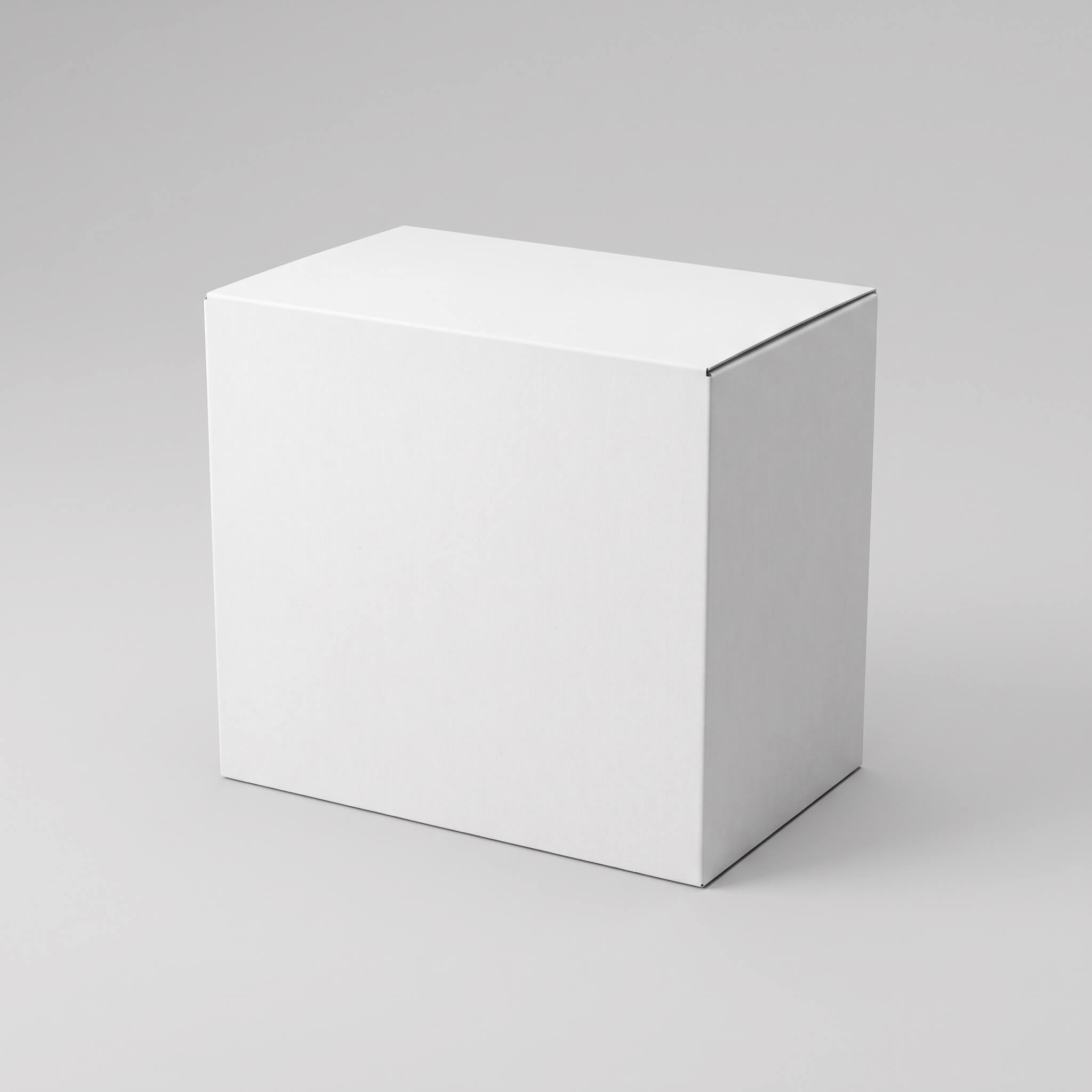
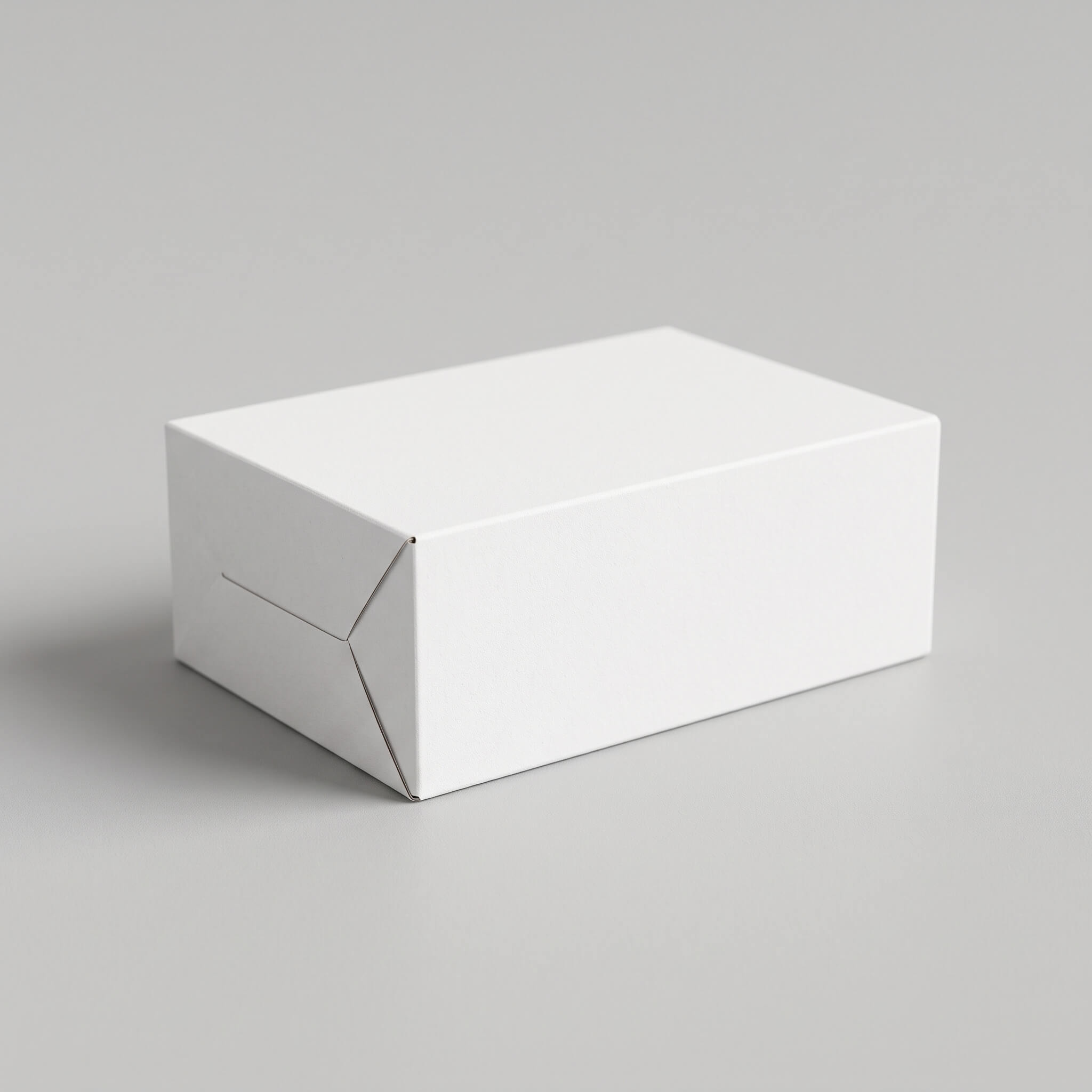
Unlike a standard one-piece carton with fixed dimensions, a telescoping design gives packaging teams more control over the final box height. This can be useful for long products, flat items, bulky merchandise, and products with varying dimensions. Custom printing, protective inserts, and suitable corrugated or paperboard materials can also be considered when developing a complete packaging solution.
At Bluebird Packaging, businesses can explore custom box dimensions and construction options based on their product specifications. Whether you need packaging for individual shipments, organized inventory, or branded product presentation, a well-planned telescoping structure can help create a more suitable fit.
What Are Telescoping Shipping Boxes?
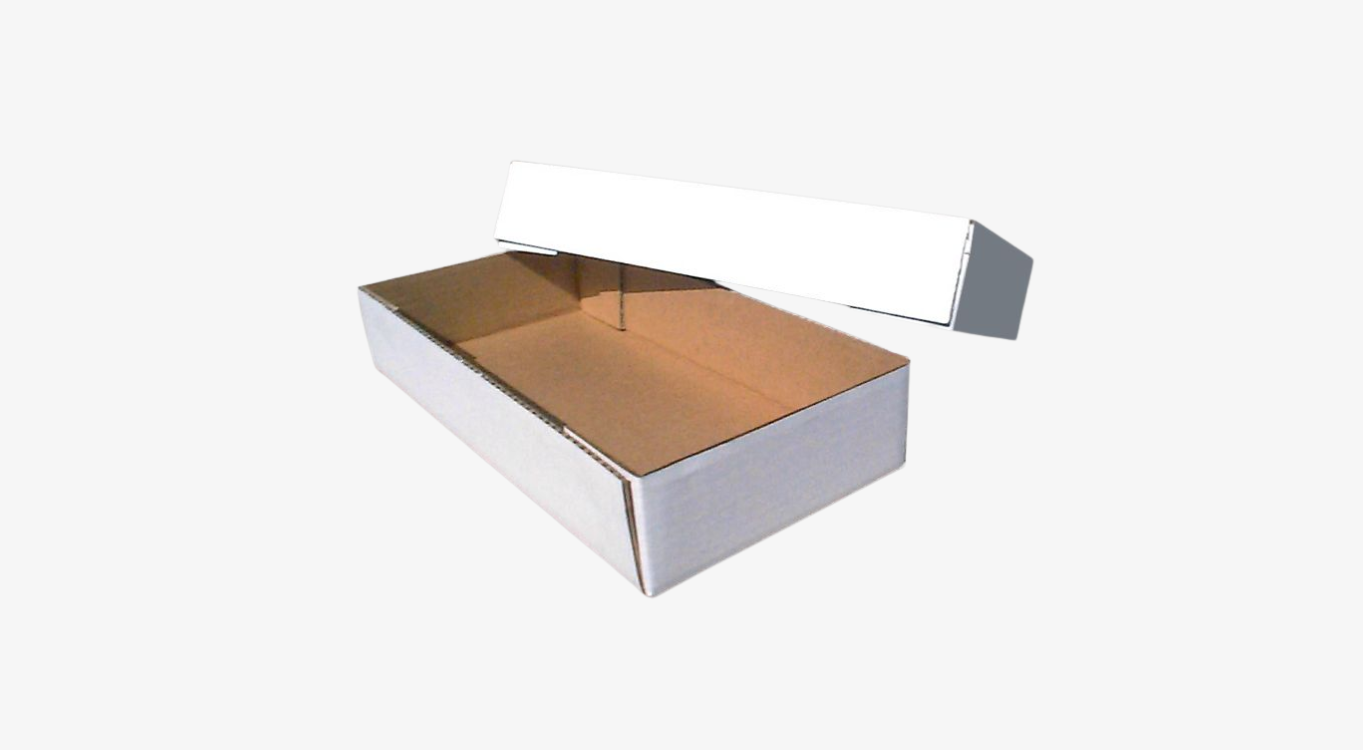
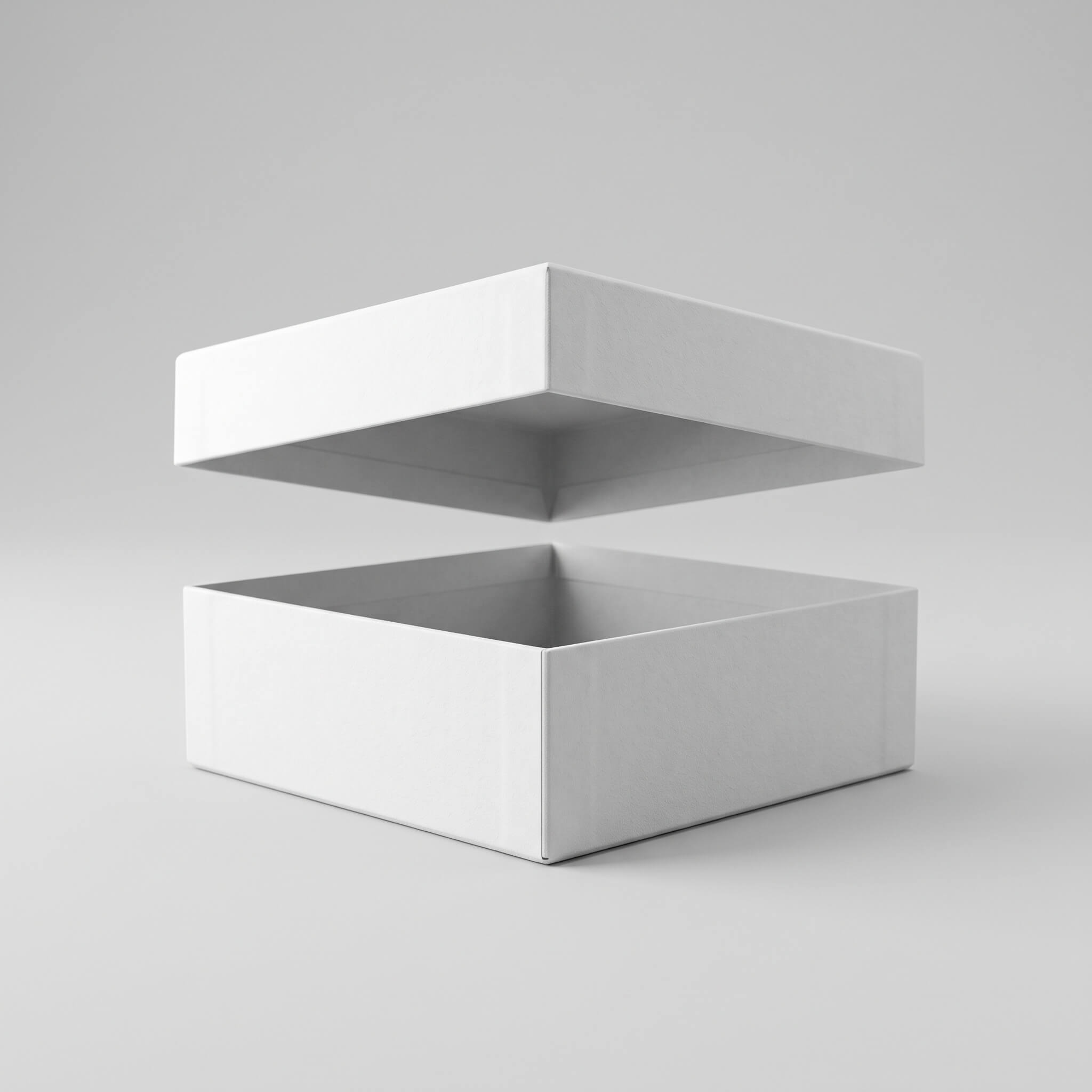
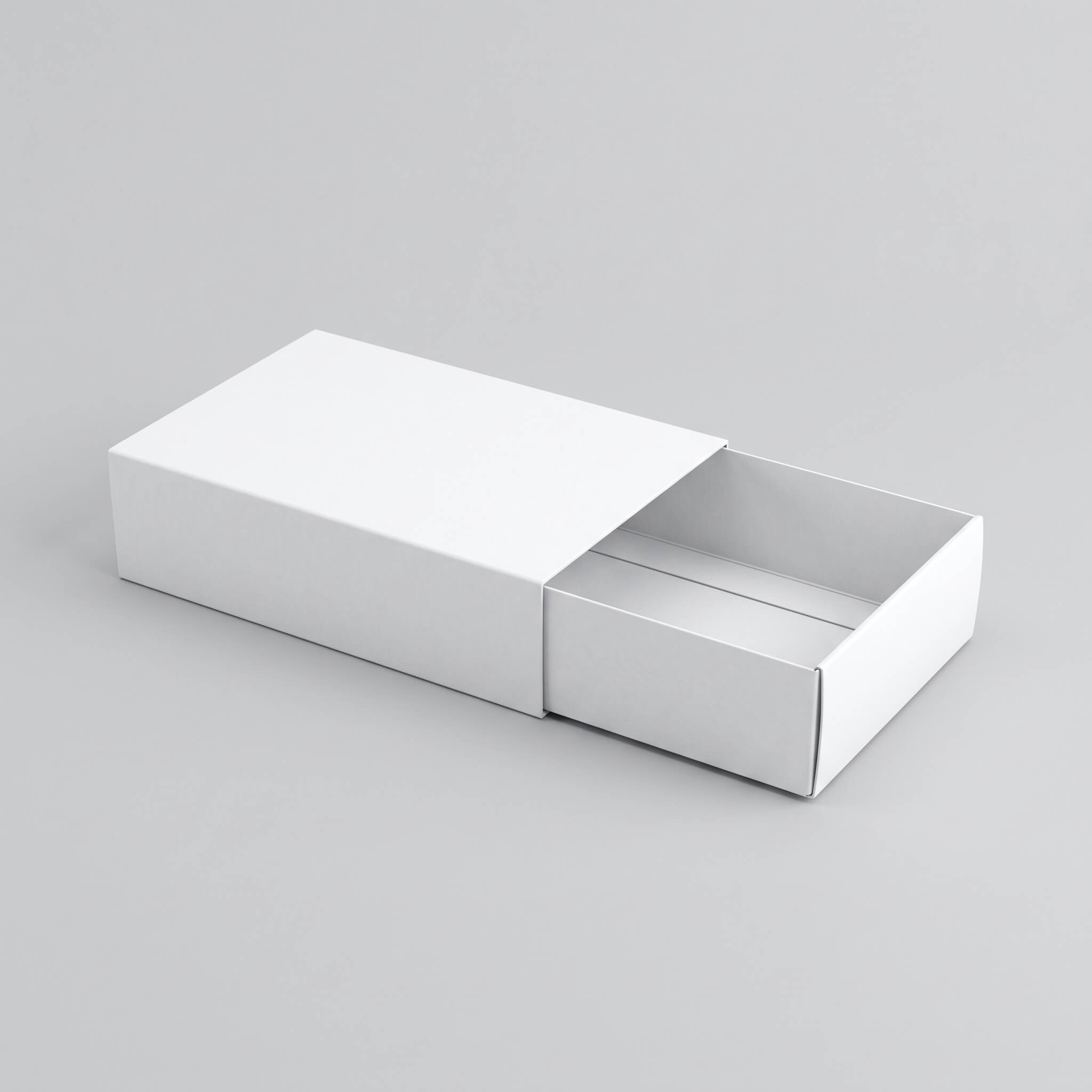
Telescoping shipping boxes are cartons made from two separate sections that overlap when assembled. One section generally forms the bottom or base, while the second section acts as a cover that slides over it. The amount of overlap determines how the two parts fit together and contributes to the finished box height.
This construction is different from many traditional shipping cartons, which are formed from a single cut-and-folded piece. A telescoping box uses separate components, allowing the top section to move along the lower section before reaching its intended position. Depending on the design, the two pieces may cover a portion or most of the box body.
The format can be developed for products with specific length, width, and height requirements. For example, a business shipping flat merchandise may need a relatively shallow structure, while a company packaging a taller item may require more vertical coverage. Instead of relying on one fixed carton depth, the packaging can be designed around the required dimensions and overlap.
Telescoping boxes are also sometimes described as two-piece shipping boxes, adjustable-height boxes, or extendable shipping cartons. However, these descriptions can refer to different construction variations. When ordering, it is important to communicate the actual structure, dimensions, material, and closure requirements rather than relying on a product name alone.
How Does a Telescoping Box Structure Work?
The defining feature of a telescoping box is its overlapping construction. The bottom section holds the product, while the top section fits over it. Both sections are manufactured to work together, and their measurements must be planned so that assembly is practical and the finished box has the intended dimensions.
A typical design includes the following components:
- Base section: The lower part of the box that supports and contains the packaged item.
- Cover section: The upper component that slides over the base to enclose the product.
- Overlap area: The portion where the two sections meet. Its dimensions affect how the assembled box fits together.
- Interior space: The usable area available for the product and any required protective material.
- Outer dimensions: The final measurements of the assembled package, which matter when planning storage and shipping.
The two components should be designed with compatible measurements. If the cover is too tight, assembly may become difficult. If it is too loose, the sections may not fit as intended. The required clearance depends on the selected material, board thickness, construction method, and production tolerances.
Before production, businesses should confirm whether the requested dimensions refer to the internal space, the external measurements, or the individual components. This distinction is particularly important when packaging products with precise dimensional requirements.
Benefits of Custom Telescoping Shipping Boxes
The right box structure depends on the product, shipping process, and packaging operation. Telescoping shipping boxes can offer several practical advantages when their two-piece format matches the application.
1. Adjustable Overall Height
The overlapping design allows the top and bottom sections to be developed around a specified range of dimensions. This can be useful when products have different heights or when a business needs a packaging format that is not easily accommodated by a conventional fixed-depth carton.
The adjustment is determined by the box design rather than being unlimited. The cover and base still need compatible measurements, and the intended overlap must be specified during production. Businesses should therefore provide the actual product dimensions and the desired assembled height before selecting a design.
2. Separate Top and Bottom Components
Because the packaging is manufactured in two sections, the base and cover can be handled separately during certain packing operations. This may help teams place products into the lower section before fitting the top over the package.
For businesses that package products manually, this arrangement can be considered when planning the packing sequence. The suitability depends on the product’s shape, weight, and how the packaging will be assembled.
3. Flexible Product Sizing
Telescoping structures can be designed for long, flat, wide, or relatively shallow products. They are worth considering when a product’s proportions make a standard carton inconvenient or when a custom internal fit is needed.
The design can be adapted to specific length, width, and height requirements. Businesses should also account for any wrapping, inserts, dividers, or cushioning that will occupy space inside the package.
4. Custom Branding Opportunities
The exterior surfaces of the top and bottom sections can provide space for brand identity, product information, handling instructions, and other approved artwork. Depending on the selected material and printing method, businesses can develop packaging that follows their visual guidelines.
Artwork placement should be planned around the assembled structure. A design that crosses the meeting point between the two sections may not align as expected if the components shift during assembly. Separate artwork layouts for the base and cover can help maintain a consistent appearance.
5. Material and Construction Choices
The material should be selected according to the product’s weight, dimensions, handling conditions, and shipping requirements. Corrugated board may be considered for many shipping applications, while paperboard may suit certain lighter-duty or presentation-focused uses. The correct choice depends on the complete packaging specification.
For products requiring a more substantial construction, businesses can explore suitable options such as heavy-duty shipping boxes. Material selection should not be based on appearance alone; board grade, thickness, box dimensions, and handling conditions all matter.
Choosing the Right Material for Telescoping Shipping Boxes
Material selection affects the structure, weight, appearance, and intended use of a shipping carton. Since telescoping boxes consist of two components, both sections should be specified to work together. The selected board should also be suitable for the product and the conditions expected during packing, storage, and transit.
Corrugated Board
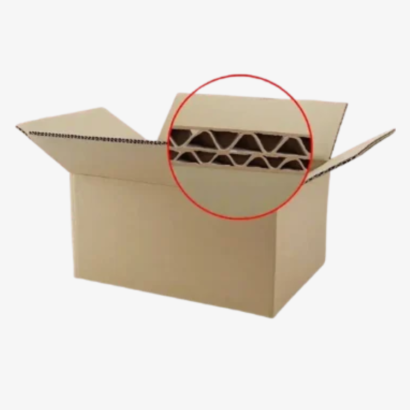
Corrugated board is commonly considered for shipping cartons because its fluted construction provides a structured packaging material. The board grade and flute configuration should be selected according to the product’s dimensions, weight, and distribution requirements.
Businesses can compare this format with other corrugated shipping boxes when deciding which carton structure is appropriate. A telescoping design may be useful when the product requires a two-piece format rather than a conventional carton.
Cardboard and Paperboard
Cardboard and paperboard options can be considered for products that need a particular surface appearance or a lighter packaging construction. The selected board must still be suitable for the size and intended use of the package.
A business should discuss the expected handling conditions and product weight before choosing a material. A board that works for a small, lightweight item may not be appropriate for a larger or heavier shipment.
Kraft-Finish Materials
Kraft-style packaging may be suitable when a natural paper appearance is part of the brand’s preferred presentation. Businesses should confirm the available material specifications and printing options before finalizing the artwork.
For a related packaging format, explore kraft shipping boxes. The most appropriate material for a telescoping structure should be selected according to the product and packaging requirements rather than appearance alone.
Products That May Suit Telescoping Box Packaging
Telescoping structures are worth evaluating for products whose dimensions or shape call for a two-piece carton. The final design should be based on the item’s measurements, weight, protection requirements, and packing method.
Long and Narrow Products
Long products can be difficult to package in cartons that are too short or have unsuitable proportions. A telescoping structure can be developed around the required length and width, with the cover designed to fit over the base.
Examples may include selected components, accessories, tools, and other elongated merchandise. The packaging specification should account for the product’s full length and any additional space needed for protective materials.
Flat Products
Flat merchandise may require a shallow package with sufficient surface area. A telescoping design can be considered when the product needs a separate cover and base rather than a conventional folding carton.
The internal height should allow the item to sit without unnecessary movement while leaving room for any required protective layers. The dimensions should be checked with the product in its actual packed configuration.
Bulky or Variable-Height Items
Some products have a consistent footprint but different heights. A telescoping format may be useful when the packaging needs to accommodate a particular height or a planned range of product configurations.
Businesses should confirm whether they need one custom box size or several sizes for different product variations. A single design should not be assumed to fit every product simply because its sections overlap.
Retail and E-Commerce Merchandise
Businesses selling products through retail or online channels may consider custom telescoping boxes when the product dimensions call for a two-piece structure. Printing and artwork can be incorporated where appropriate, while the material and construction should be chosen for the expected handling and distribution process.
The shipping design should also account for outer packaging, labels, sealing methods, and any additional protective components required during fulfillment.
How to Measure Telescoping Shipping Boxes
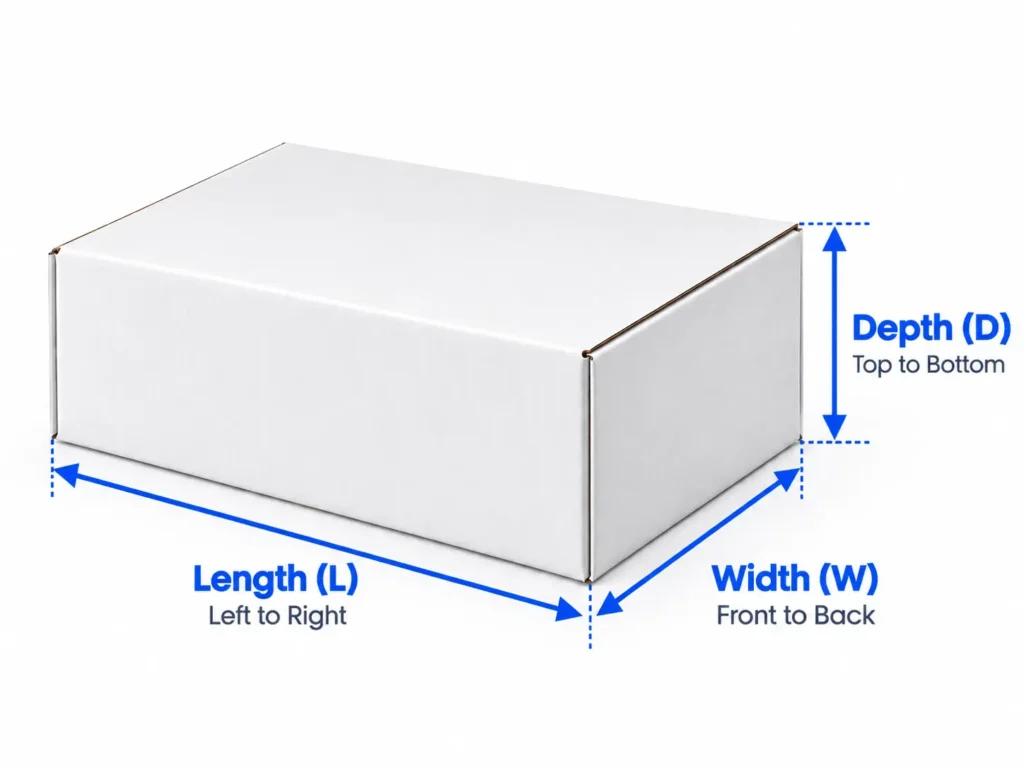
Accurate measurements are essential because the base and cover must fit together. Before requesting a quote, measure the product in the condition in which it will be packed. Include any accessories, wrapping, inserts, or protective components that will remain inside the box.
Step 1: Measure Product Length
Measure the longest side of the product. For irregular items, identify the maximum length, including any parts that extend beyond the main body.
Step 2: Measure Product Width
Measure the widest point of the item. Do not assume that the product has a perfectly rectangular shape. If the item has protruding parts, include them when determining the required interior space.
Step 3: Measure Product Height
Measure the product from its lowest to its highest point in the intended packing position. Include any accessories or components that will be placed above or below it.
Step 4: Allow Space for Protective Materials
If the package will include cushioning, inserts, wrapping, or dividers, account for their thickness and placement. The interior dimensions should describe the complete packed arrangement rather than the bare product alone.
Step 5: Specify the Overlap
Tell the packaging supplier how the top and base should fit together. The overlap affects the assembled structure and should be considered when calculating the dimensions of each component.
Step 6: Confirm Internal and External Dimensions
Clarify whether the measurements provided are internal or external. Board thickness and construction details affect the difference between these measurements. For additional guidance, read how to measure a box.
Custom Printing and Branding Options
Telescoping shipping boxes can be developed with printed artwork when the selected material and printing method support the intended design. Printing can help businesses identify products, maintain consistent brand presentation, and communicate relevant package information.
Common artwork elements may include:
- Company name and logo
- Brand colors and visual elements
- Product names or identification details
- Approved handling instructions
- Website and contact information
- Barcodes or inventory identifiers
- Relevant product or shipping information
The artwork should be prepared according to the dimensions of each component. Since the cover and base are separate, each part may need its own print layout. This helps prevent important text, logos, or graphics from falling across an edge or meeting point.
Businesses can discuss suitable printing options, color requirements, and finishing preferences before approving production artwork. Final print appearance can vary according to the board surface, printing process, and selected finish.
Protective Inserts and Interior Organization
The inside of a telescoping shipping box can be planned around the product’s shape and packing requirements. Some products may need a simple open interior, while others may require inserts or dividers to organize multiple components.
Possible interior additions include:
- Cardboard inserts to position a product
- Dividers for separating multiple items
- Custom-cut supports for selected product shapes
- Paper-based cushioning arrangements
- Compartments for accessories or product components
The suitability of each option depends on the product’s dimensions, weight, fragility, and expected handling conditions. Inserts should be measured as part of the complete packaging layout so they do not interfere with the fit of the top and bottom sections.
For products with multiple components, businesses should provide a packing layout or sample arrangement. This makes it easier to understand how each item should be positioned and how much internal space is required.
Telescoping Shipping Boxes vs. Standard Shipping Boxes
Both telescoping and standard shipping boxes can be used for product distribution, but their construction is different. A standard shipping carton is generally formed from one main piece of material with folding panels and flaps. A telescoping box uses two separate sections that overlap.
| Feature | Telescoping Shipping Boxes | Standard Shipping Boxes |
|---|
| Construction | Two overlapping sections | Commonly one folded carton |
| Main components | Separate base and cover | Main body with folding flaps |
| Height design | Planned through the two-piece structure | Usually fixed by the carton dimensions |
| Assembly | Base and cover are fitted together | Panels and flaps are folded and closed |
| Product suitability | Useful for selected long, flat, or variable-height products | Suitable for many general shipping applications |
| Artwork planning | May require separate layouts for both sections | Usually planned around one carton layout |
| Customization | Dimensions and overlap can be specified | Dimensions and carton style can be specified |
Neither design is automatically better for every shipment. The right choice depends on the product, packing process, shipping requirements, and total packaging specification. Businesses should compare both structures before making a final decision.
How to Select the Right Telescoping Box Dimensions
The dimensions of a telescoping carton should be based on the complete packed product. Selecting a box that is too small can make assembly difficult or leave insufficient room for protective components. A box that is unnecessarily large may allow the product to move and occupy more storage or shipping space than required.
Consider these factors before finalizing a size:
- Product measurements: Record the maximum length, width, and height.
- Packed dimensions: Include wrapping, inserts, and accessories.
- Material thickness: Account for the selected board when calculating internal and external measurements.
- Overlap requirements: Specify how far the cover should extend over the base.
- Packing method: Consider whether the product will be loaded from the top or arranged in the base before the cover is fitted.
- Storage needs: Check how the two components will be stored before assembly.
- Shipping conditions: Explain the expected handling and distribution environment to help determine the material and construction.
For businesses shipping different product sizes, it may be more practical to develop multiple box dimensions instead of relying on one oversized package. A packaging supplier can review the product measurements and help determine which specifications should be finalized.
Ordering Custom Telescoping Shipping Boxes from Bluebird Packaging
Developing custom packaging begins with understanding the product and the way it will be packed. Bluebird Packaging can help businesses explore packaging specifications for their shipping and product presentation needs.
When preparing an order, provide the following details:
- Product length, width, and height
- Required internal or external box dimensions
- Desired overlap between the two sections
- Product weight and general shape
- Preferred material or board type
- Printing requirements and artwork
- Quantity needed
- Inserts or interior organization requirements
- Intended storage and shipping application
Sharing these details helps clarify the required structure before production specifications are finalized. If you have a physical product sample, a dimensioned drawing, or a packaging reference, it can also help communicate the intended design.
Businesses comparing different shipping formats can review the wider range of custom shipping boxes to understand alternative structures and packaging options.
Create Packaging Around Your Product
A suitable telescoping box starts with accurate measurements and a clear understanding of how the package will be assembled. The material, overlap, interior space, and artwork should all work together as one packaging specification.
Bluebird Packaging can help you discuss custom dimensions, material options, printing requirements, and packaging configurations for your products. Share your requirements to explore a telescoping shipping box design that fits your intended application.
Frequently Asked Questions About Telescoping Shipping Boxes
1. What are telescoping shipping boxes used for?
Telescoping shipping boxes are used for products that require a two-piece packaging structure with an overlapping top and bottom. They can be considered for selected long, flat, bulky, or irregularly sized products when a conventional carton does not provide the preferred dimensions or construction.
2. How are telescoping boxes different from regular shipping boxes?
A regular shipping box commonly uses one main carton piece with folding flaps, while a telescoping box consists of two separate sections that fit over one another. The two-piece design allows the overall height and overlap to be planned around the product.
3. Can telescoping shipping boxes be custom-sized?
Yes. Their length, width, height, and overlap can be specified according to the product and packaging requirements. The supplier should be given accurate product measurements and details about any inserts or protective materials.
4. Which material is suitable for telescoping shipping boxes?
Corrugated board, cardboard, or other suitable paper-based materials may be considered depending on product weight, dimensions, handling conditions, and the intended use. The appropriate material should be confirmed against the complete packaging specification.