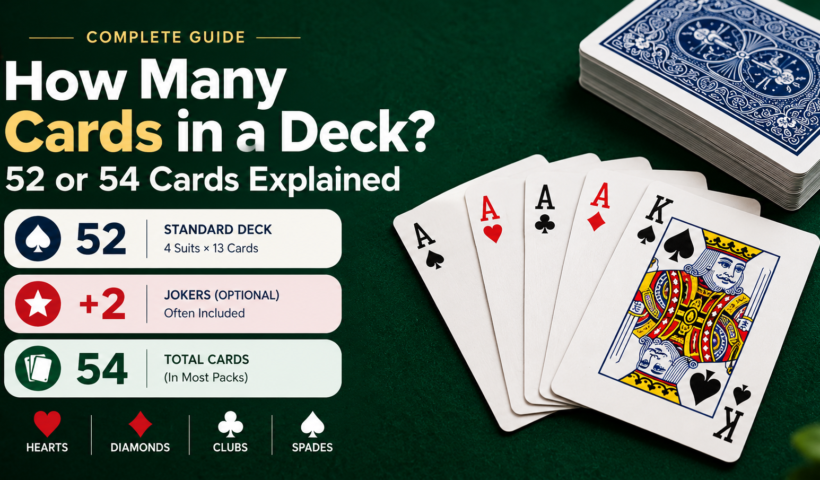
A standard deck of playing cards contains 52 cards, divided into four suits: hearts, diamonds, clubs, and spades. Each suit contains 13 cards. Many retail packs also include two jokers,…
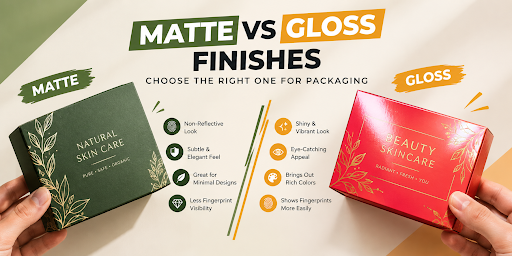
Choosing between matte and gloss packaging can change how a product looks, how its colors appear, and how customers perceive a brand. Although both finishes can be used on custom…
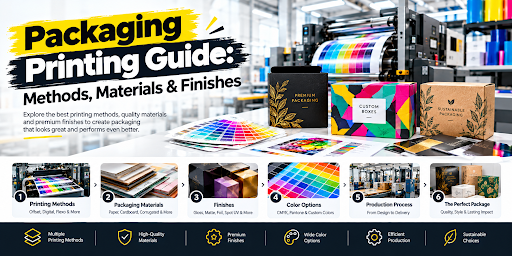
Packaging printing transforms a plain box, carton, pouch, or wrapper into a branded part of your product experience. It can communicate your brand identity, display product information, support retail presentation,…
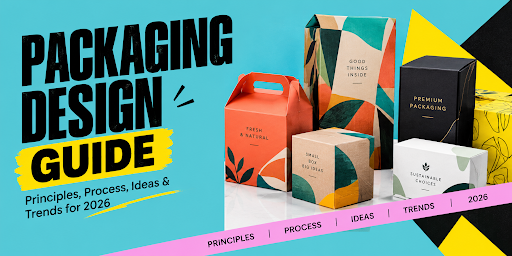
Packaging design is more than making a product box look attractive. It combines visual communication, structural engineering, material selection, usability, and brand strategy to create packaging that protects a product…
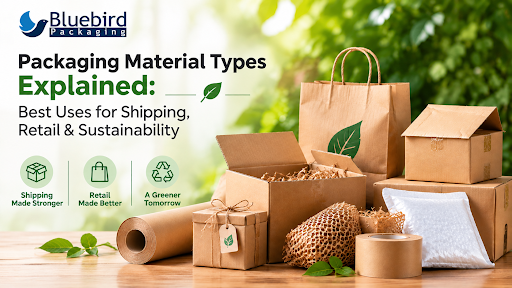
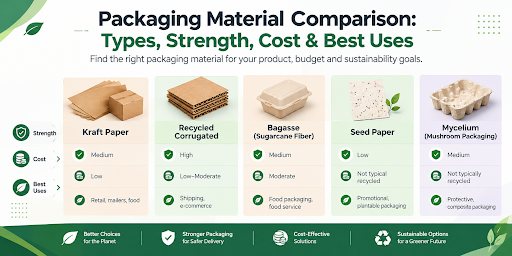
Choosing the right packaging material affects how well a product is protected, how it looks to customers, how much it costs to ship, and what happens to the package after…
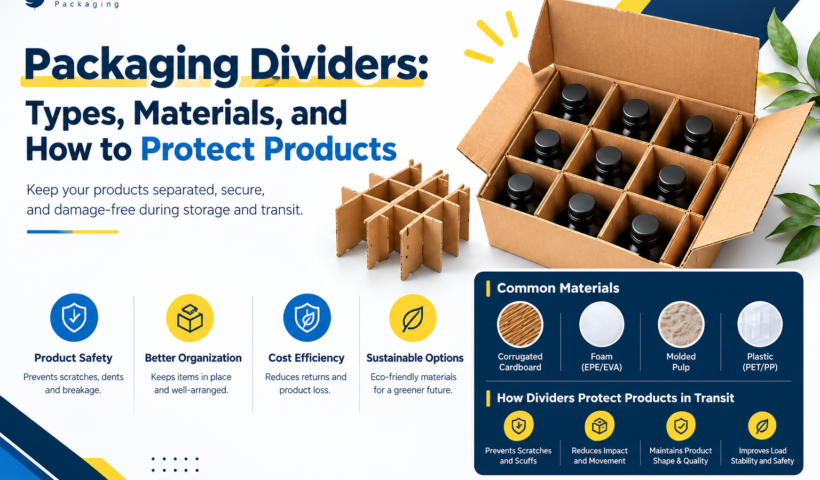
Packaging dividers are internal components that separate products inside a box, helping prevent items from colliding, shifting, scratching, or breaking during handling and transportation. Depending on the product, these components…
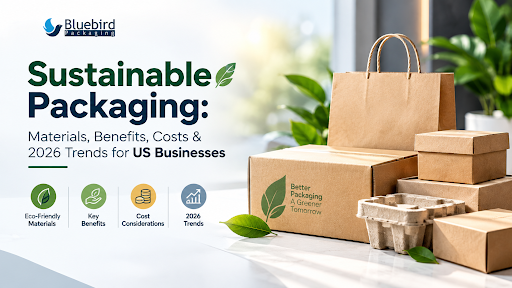
Sustainable packaging helps businesses reduce unnecessary material use, make more informed packaging choices, and improve how products are protected, shipped, and disposed of. For US brands, the best solution is…
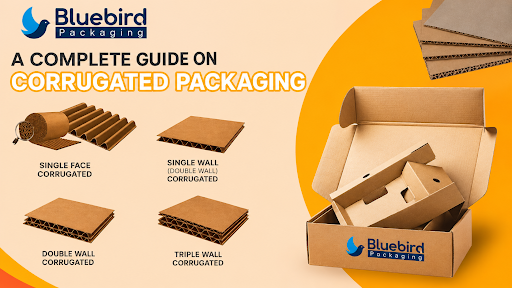
Corrugated packaging is made from paper-based board that combines flat liner sheets with a wavy inner layer called fluting. This construction gives the material rigidity, cushioning, and resistance to handling…
Choosing a packaging material is not just about finding a box that fits your product. The material affects product protection, shipping performance, printing quality, shelf presentation, packaging cost, and end-of-life…