

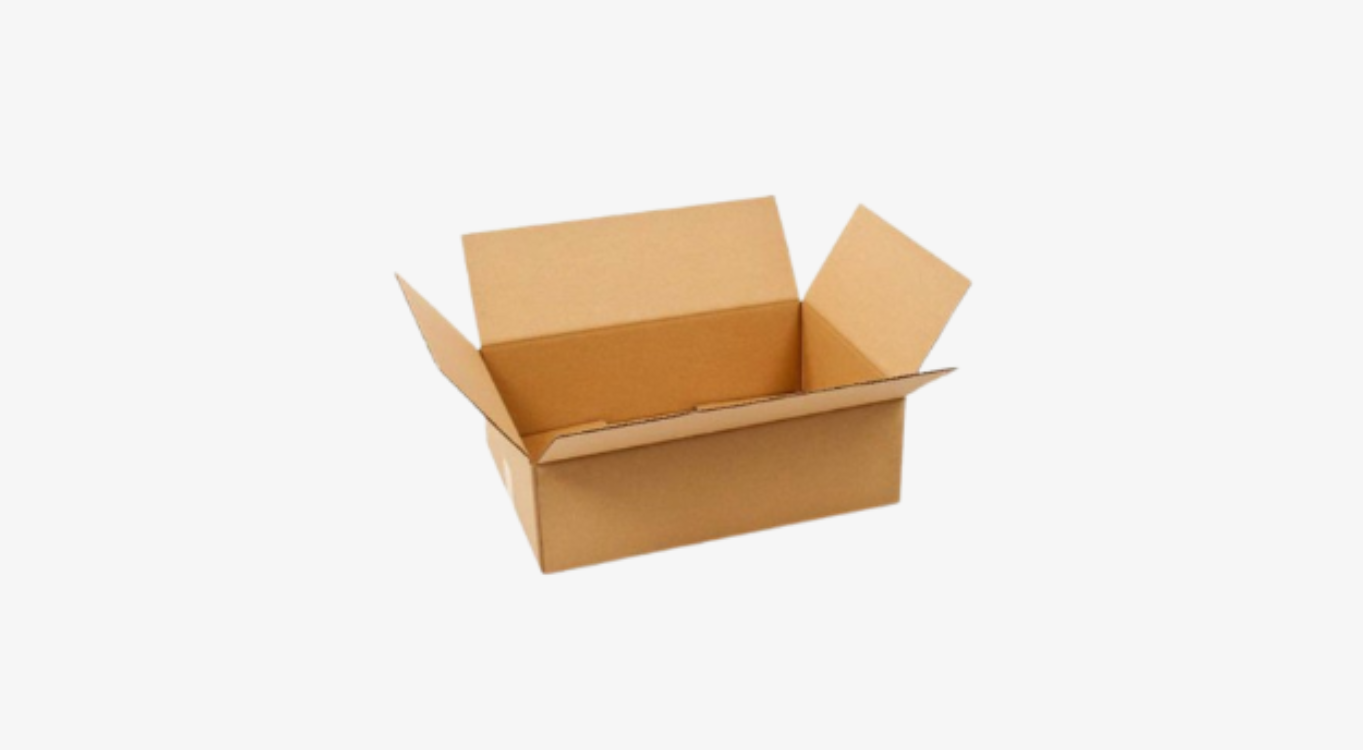
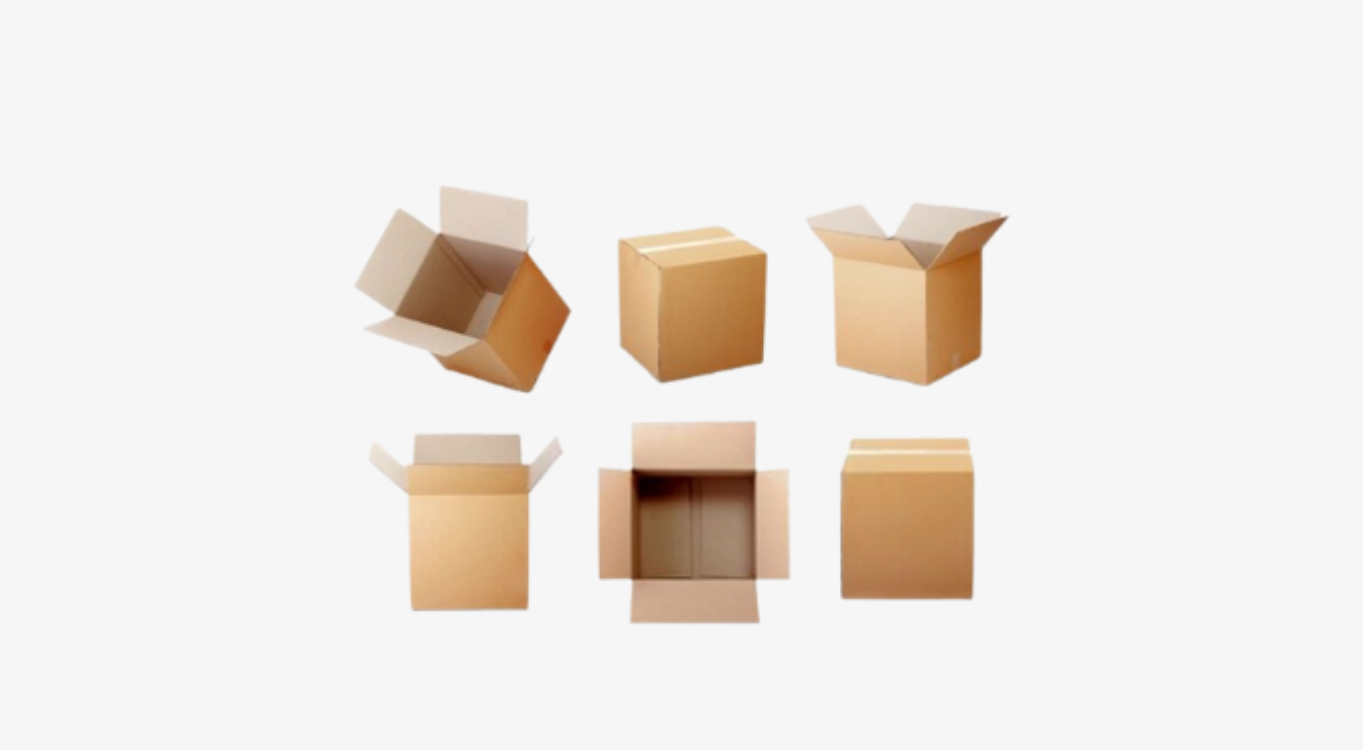
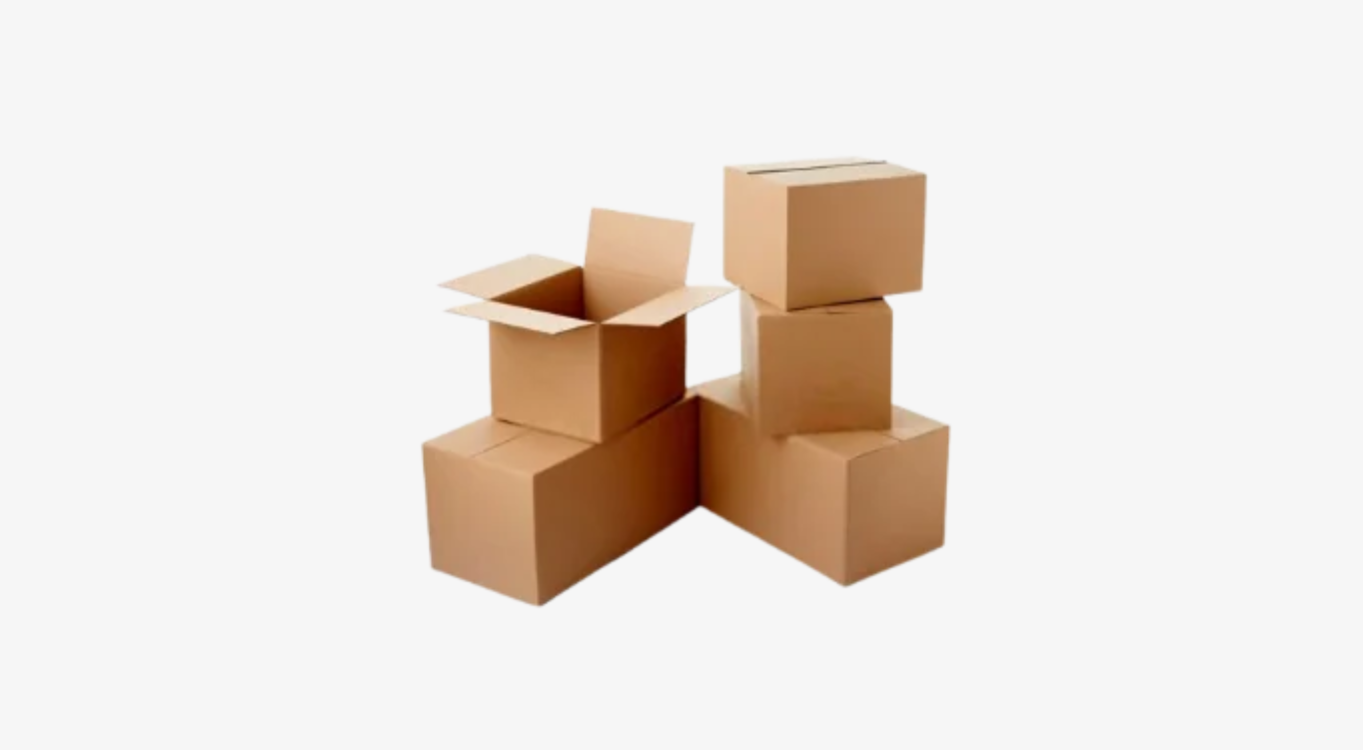
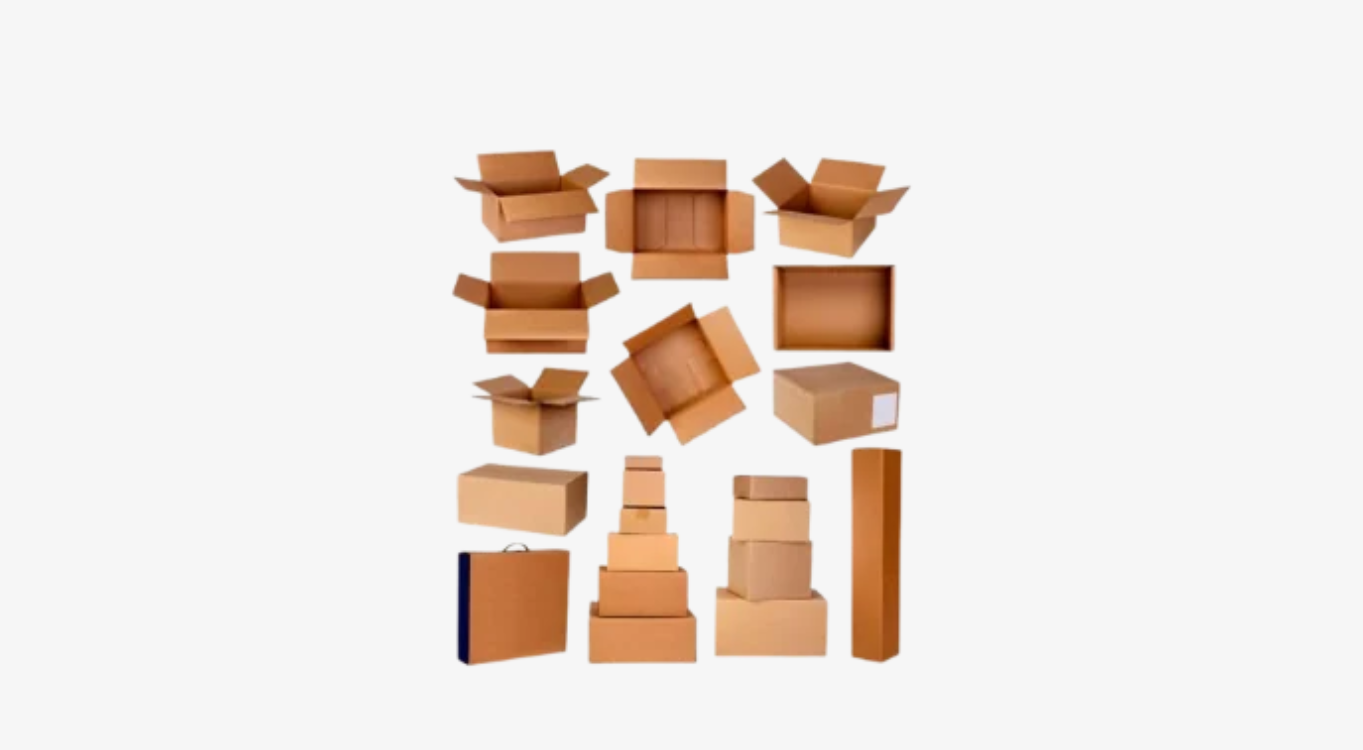
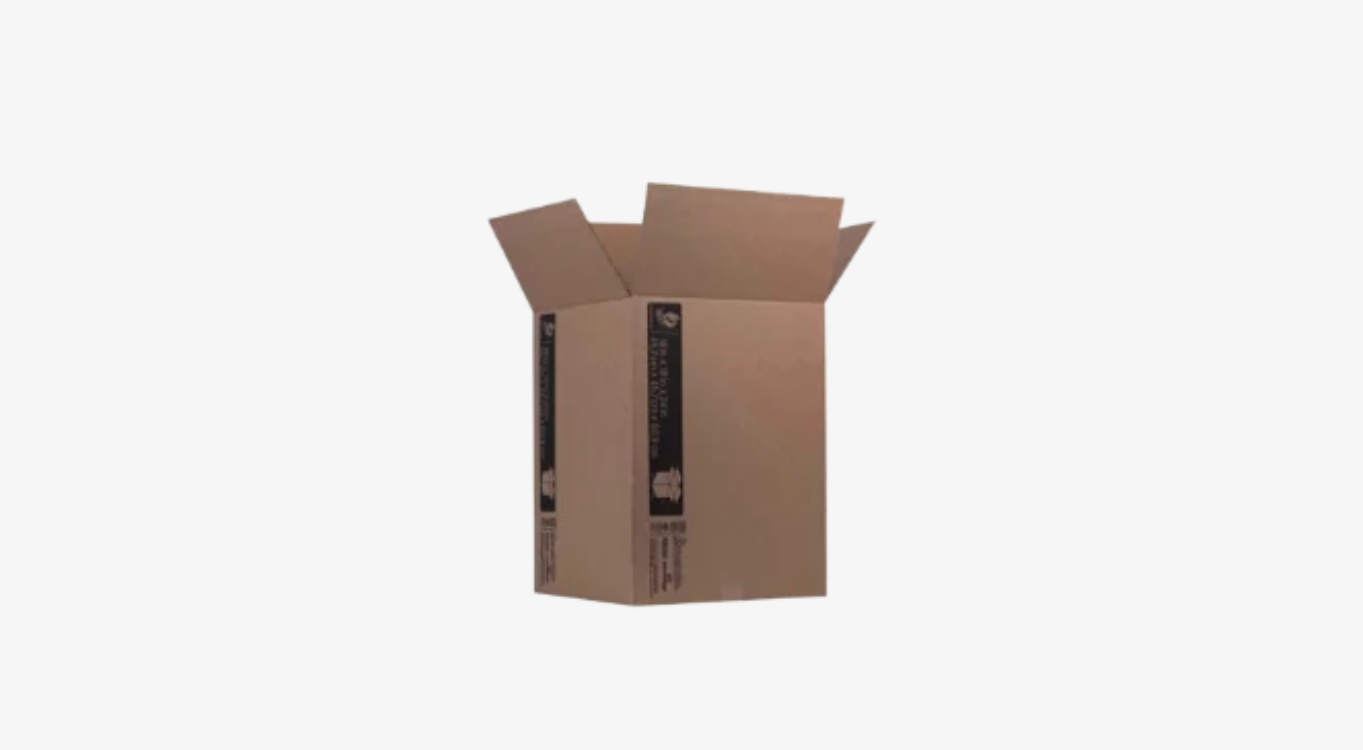
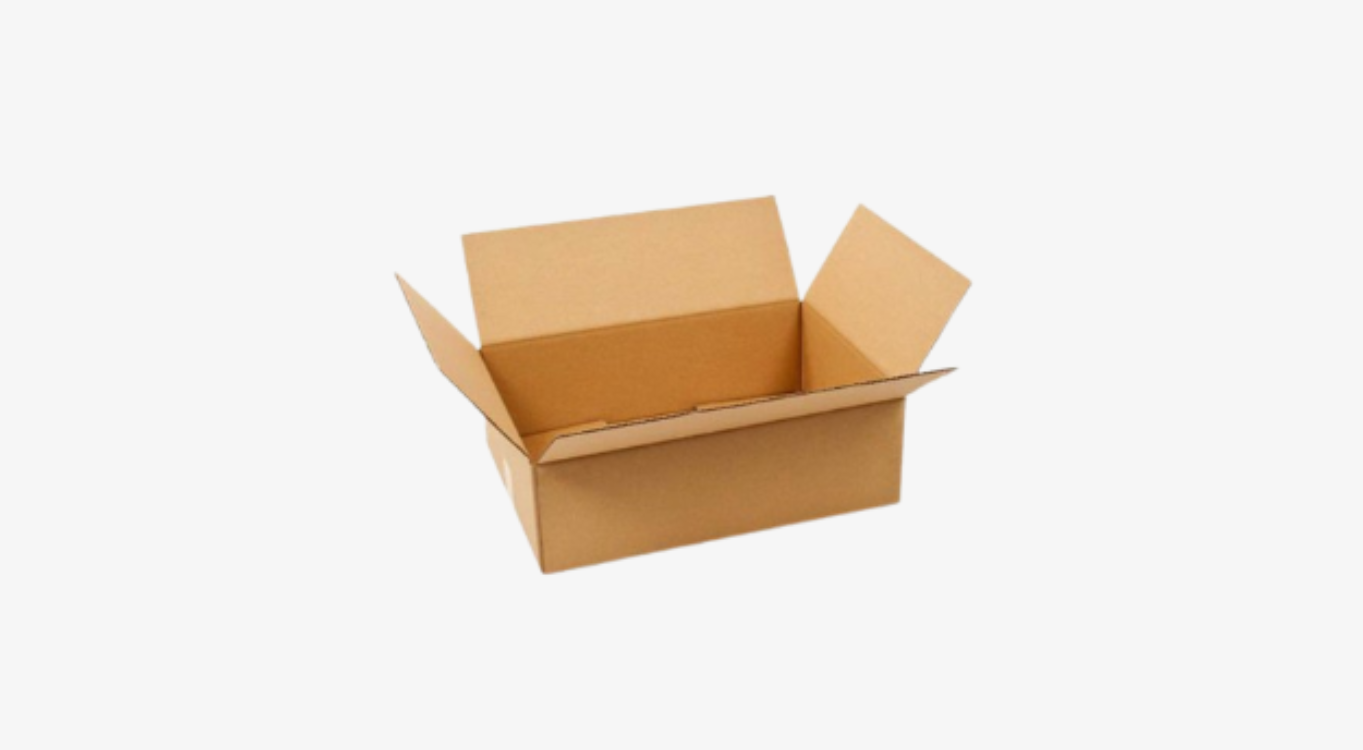
Description
1. Packaging Buying Guide
Product Buying Guide
Sizing
Choosing the right size is important for proper fit, protection and presentation.
- Measure your product or container diameter and height.
- Add suitable extra space for easy insertion.
- Consider inserts or internal protection when required.
- Ask our team for help with measurements if needed.
Materials
Select packaging material based on product weight, required strength, presentation and shipping needs.
- Cardboard for versatile retail packaging.
- Kraft for a natural appearance.
- Corrugated material for additional strength and protection.
- Rigid stock for premium packaging.
Box Styles
Choose a box structure that matches your product dimensions, presentation and opening experience.
- Straight and reverse tuck structures.
- Window packaging.
- Sleeve packaging.
- Premium rigid structures.
Printing
Custom printing turns the package into a strong branded customer touchpoint.
- Full-color CMYK printing.
- PMS color matching.
- Inside and outside printing.
- Logos, artwork and product information.
Finishing
Finishing options can improve the appearance, texture and perceived quality of your packaging.
- Matte finish.
- Gloss finish.
- Soft-touch coating.
- Foil stamping and Spot UV.
Inserts
Custom inserts can help secure products inside the box while improving presentation.
- Custom-fit inserts.
- Product positioning and protection.
- Multi-product arrangements.
- Presentation-focused internal structures.
Retail & Shipping
Packaging can be designed around retail presentation, ecommerce fulfillment or both.
- Retail shelf presentation.
- Shipping protection.
- Ecommerce packaging requirements.
- Customer unboxing experience.
Design Tips
Strong packaging design balances branding, readability, presentation and practical structure.
- Keep your primary branding prominent.
- Create a clear visual hierarchy.
- Design artwork around structural folds and panels.
- Keep important product information easy to read.
2. Box Size Guide
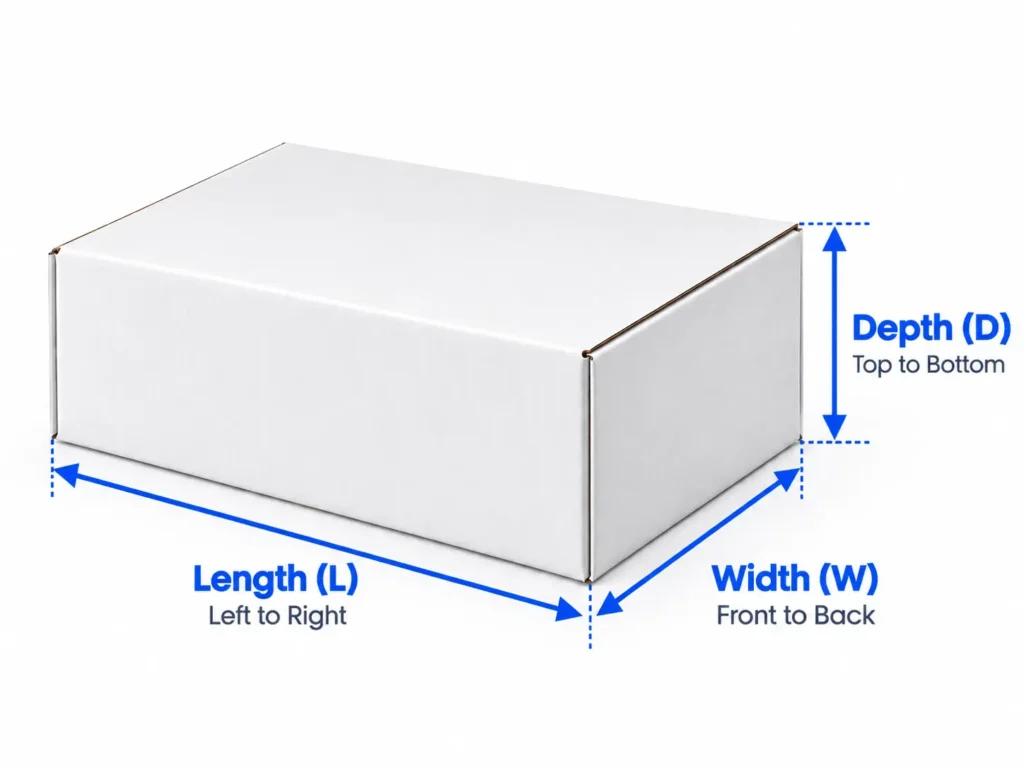
Use the diagram below to identify the length, width and depth of your box. Measurements should be provided as Length × Width × Depth.
3. Stock Type & Finishing Guide
Explore our packaging materials and finishing options to find the right combination of strength, appearance and texture for your custom boxes. Compare available stock types and discover premium finishes that can enhance the look and feel of your packaging.
Discover our premium range of packaging materials, crafted to meet your specific needs. Whether you require sturdy cardboard boxes or eco-friendly options, we have the perfect solution for you. Enhance your brand and safeguard your products with our customizable packaging solutions.


Select from a range of packaging paper thicknesses, from 8pt to 28pt, tailored to your specific needs. For rigid boxes that demand extra durability and a touch of luxury, thicker paper effectively supports your product’s weight. Make a smart choice that aligns with your budget while ensuring your packaging reflects quality and strength.


Explore our selection of premium packaging materials crafted to perfect your packaging order. Whether you need sturdy cardboard boxes or eco-friendly options, we have the ideal materials to meet your specific needs. Elevate your brand and safeguard your products with our customizable packaging solutions.


Experience worry-free shipping with our reliable packaging solutions. Whether you choose ground or air, our guaranteed, insured freight options ensure your orders arrive safely and securely. Rest easy knowing your products are in trusted hands from production to delivery.


Choose Your Style. Get Your Quote.
Select a box style, then complete the quote form. Not sure? Choose Custom / Other and we’ll help.
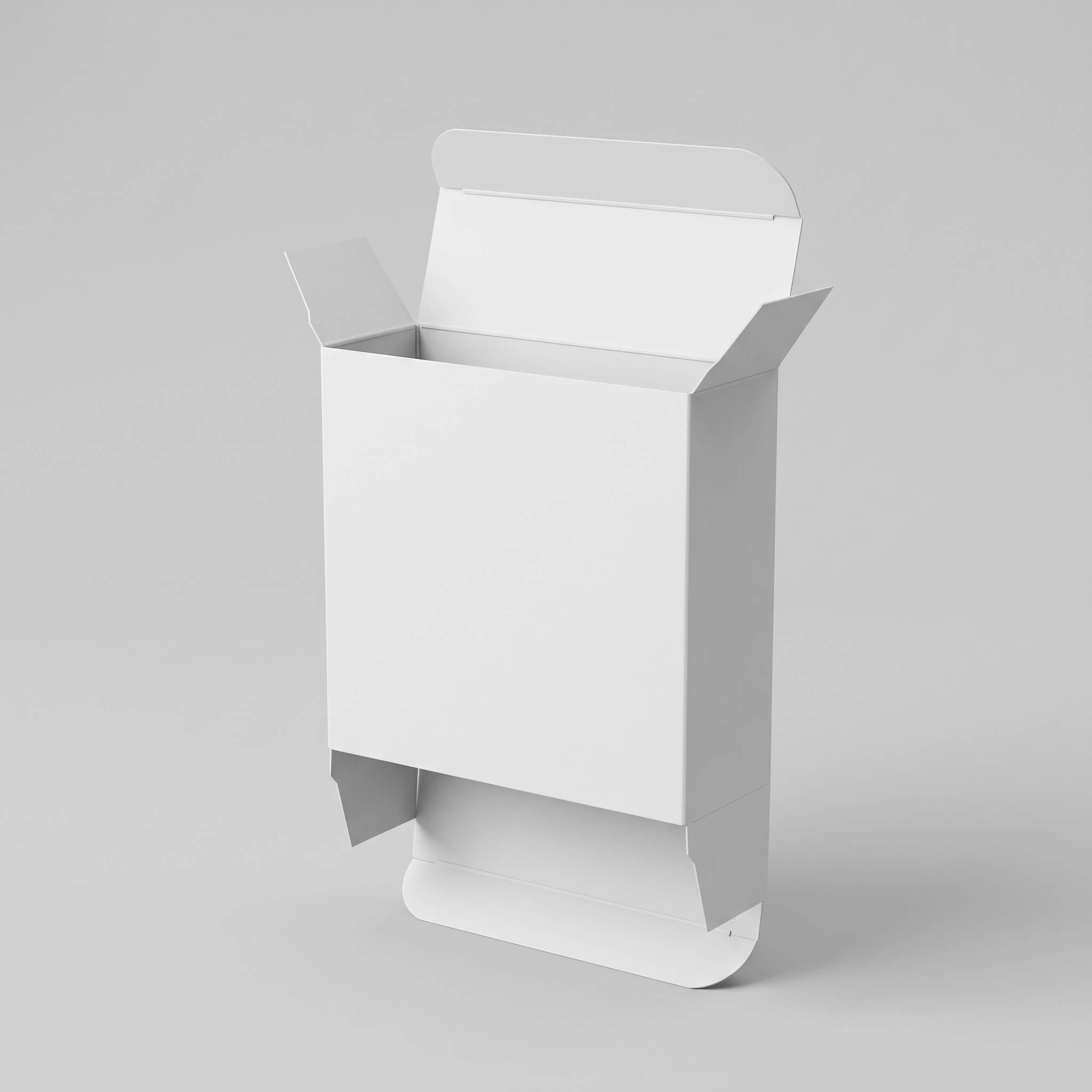
Choose Your Box Style
Click the box style that best matches your product. If you're unsure, select Custom / Other and we'll help you choose.
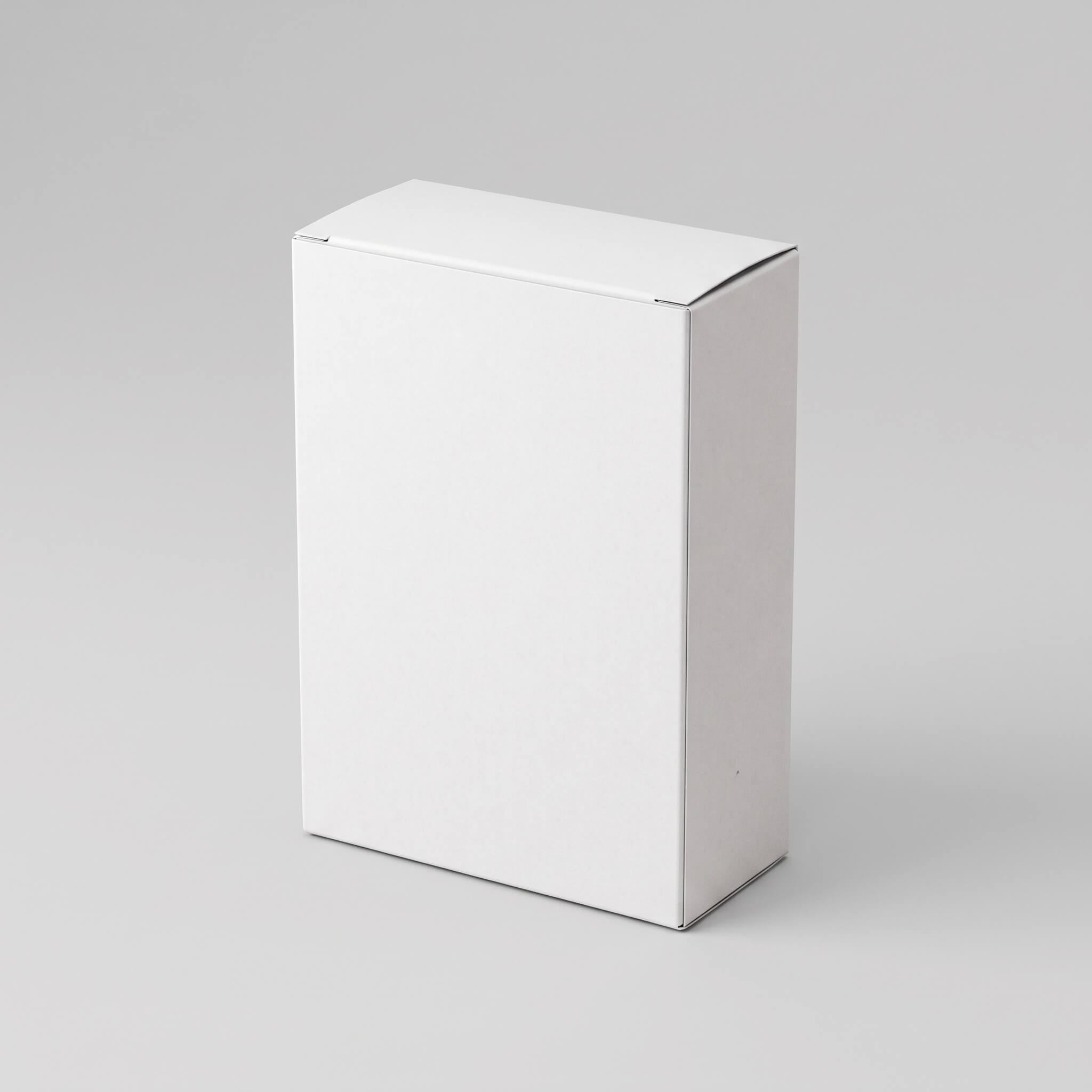
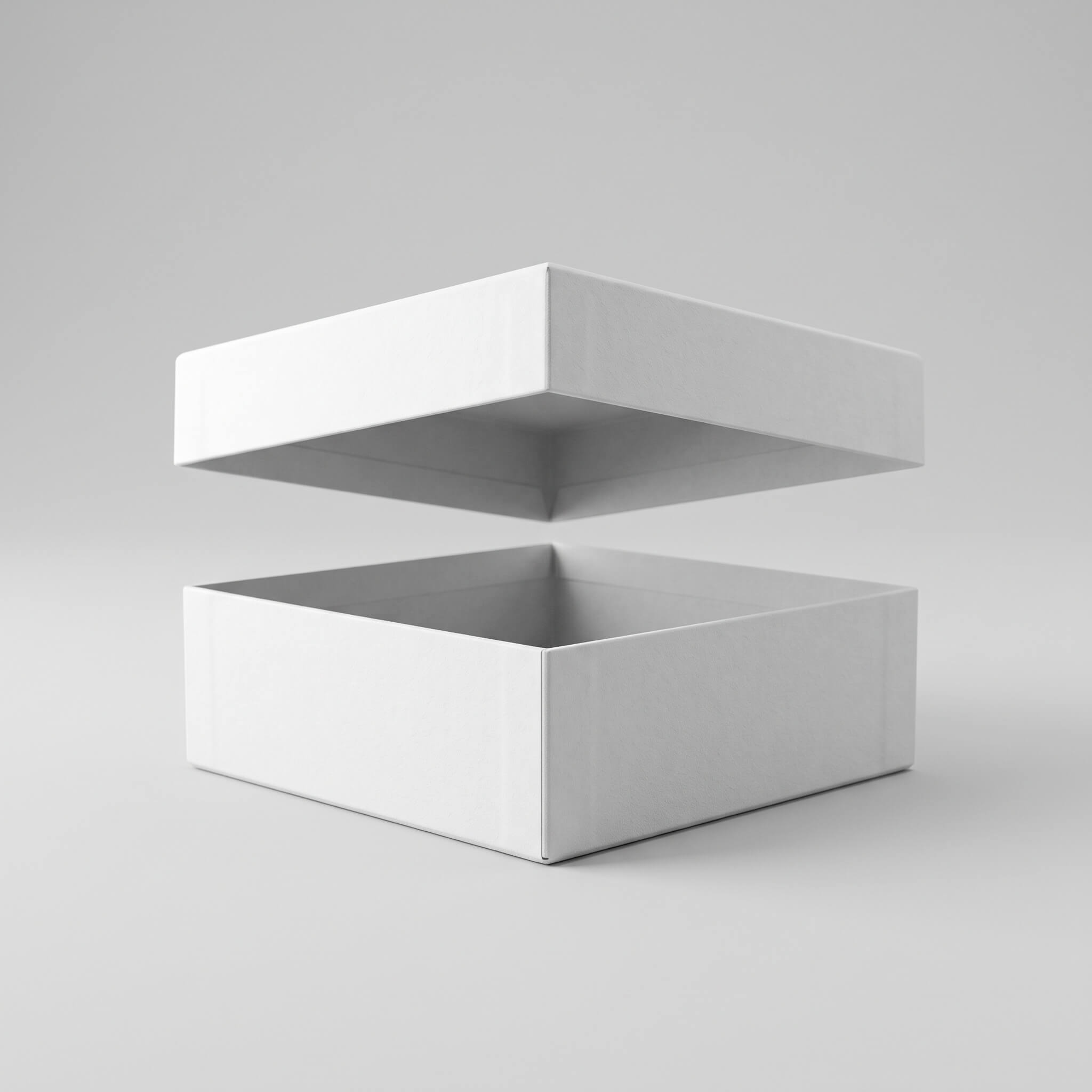
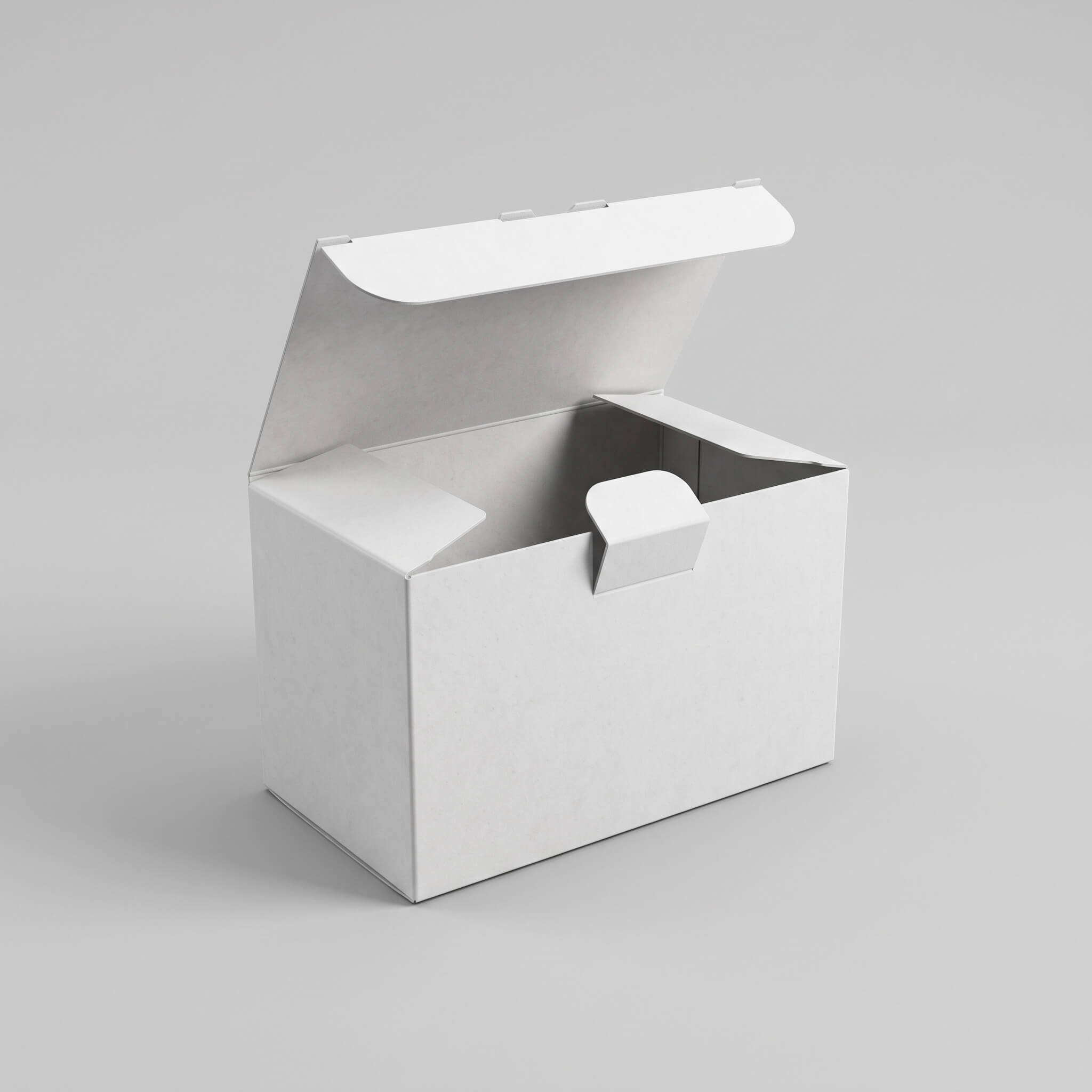
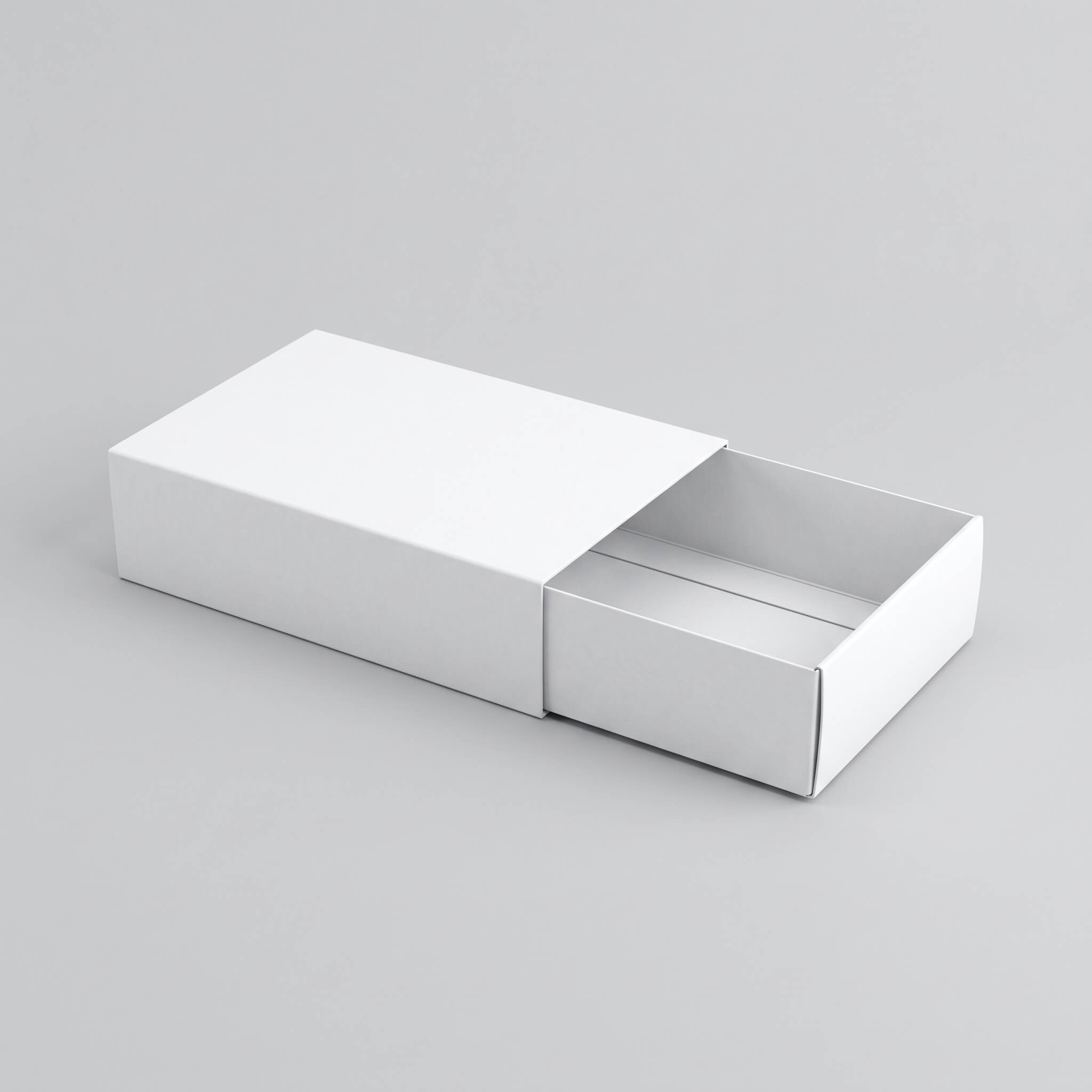
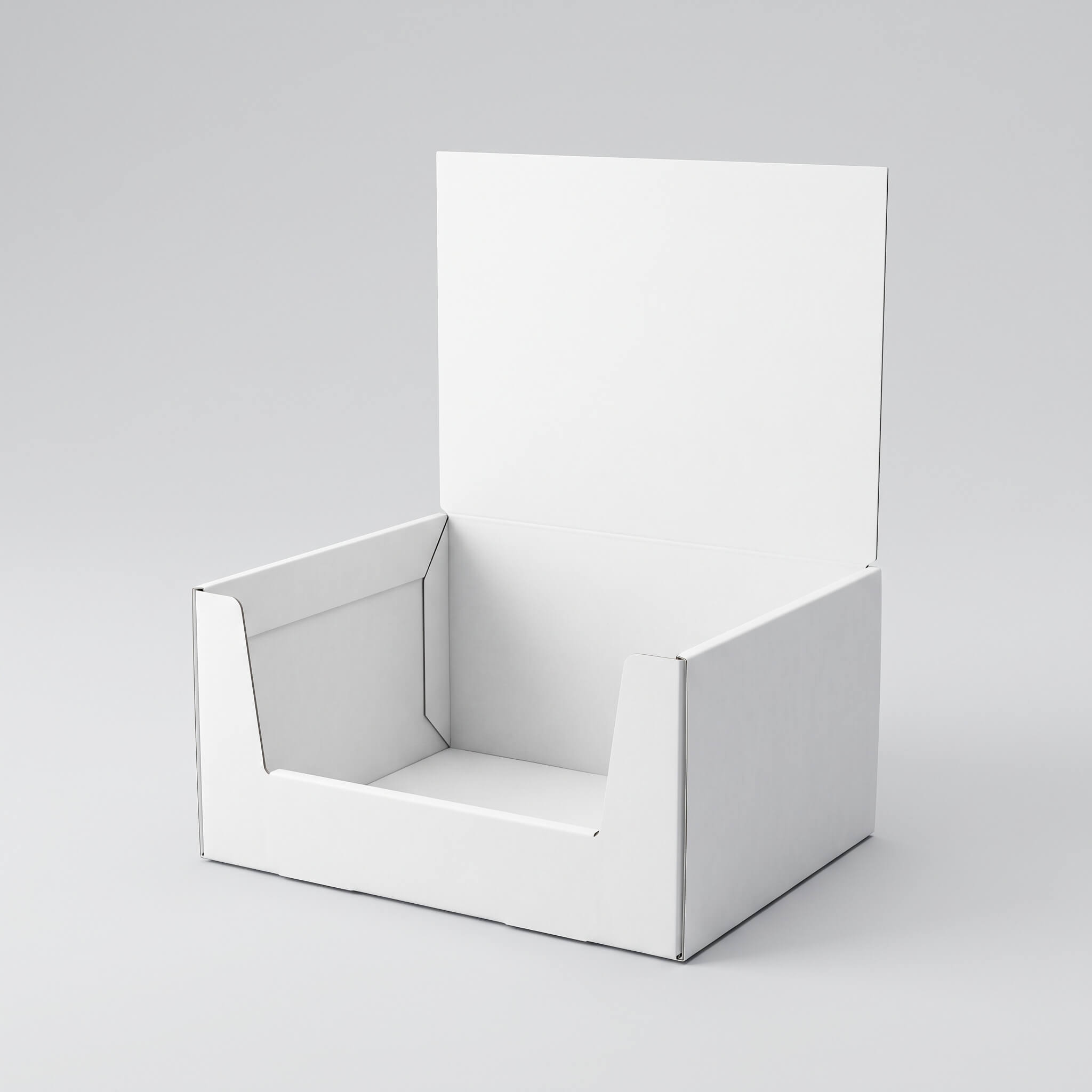
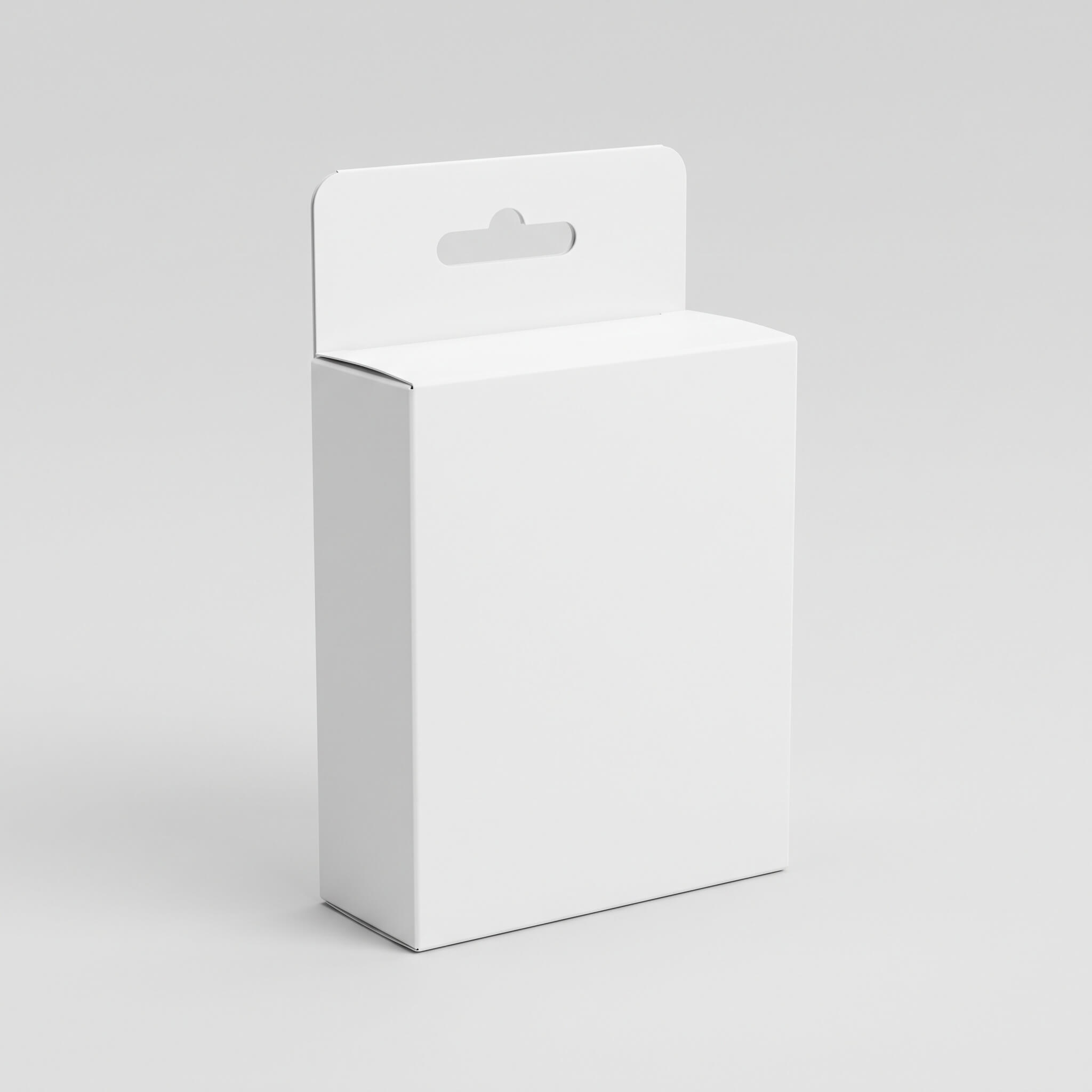
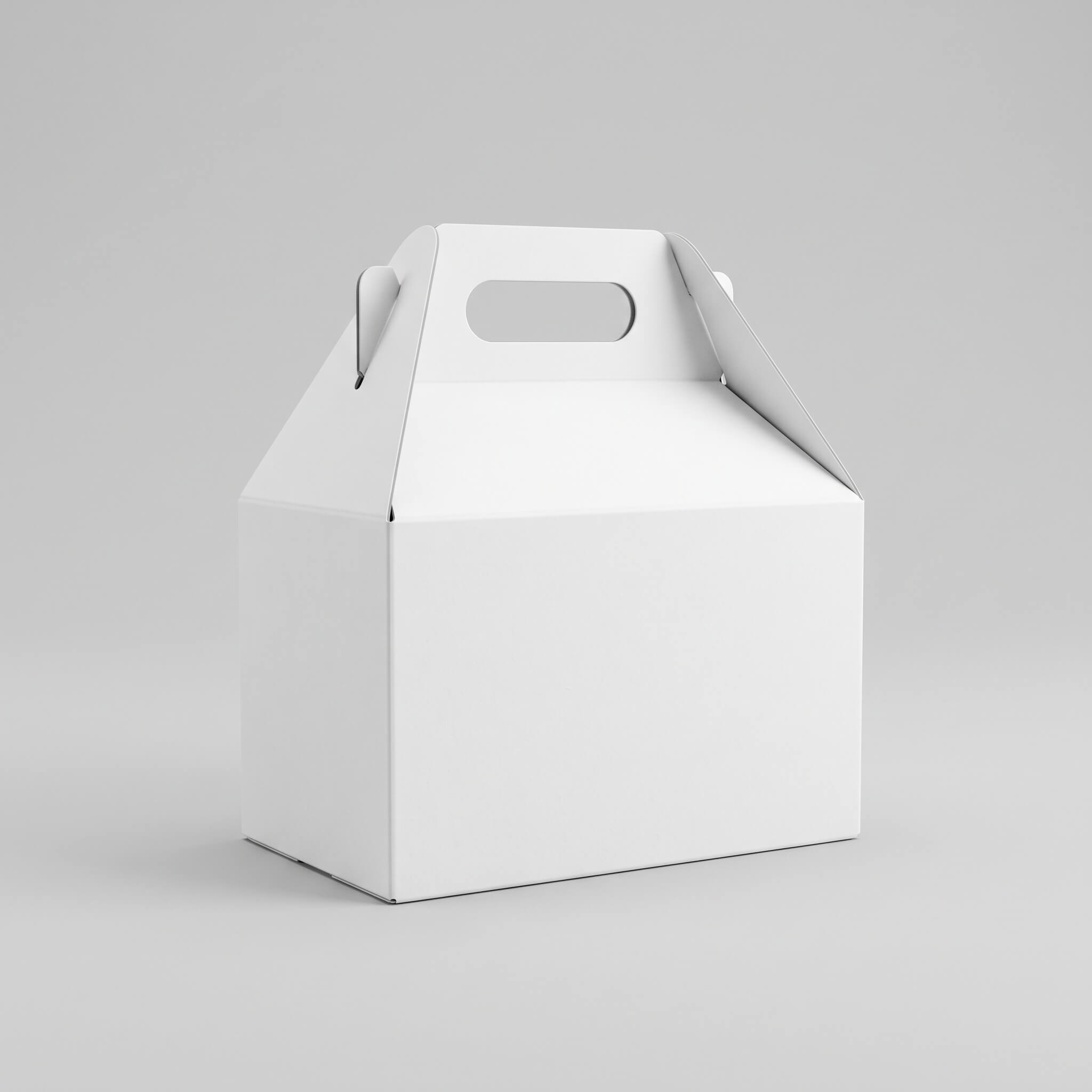
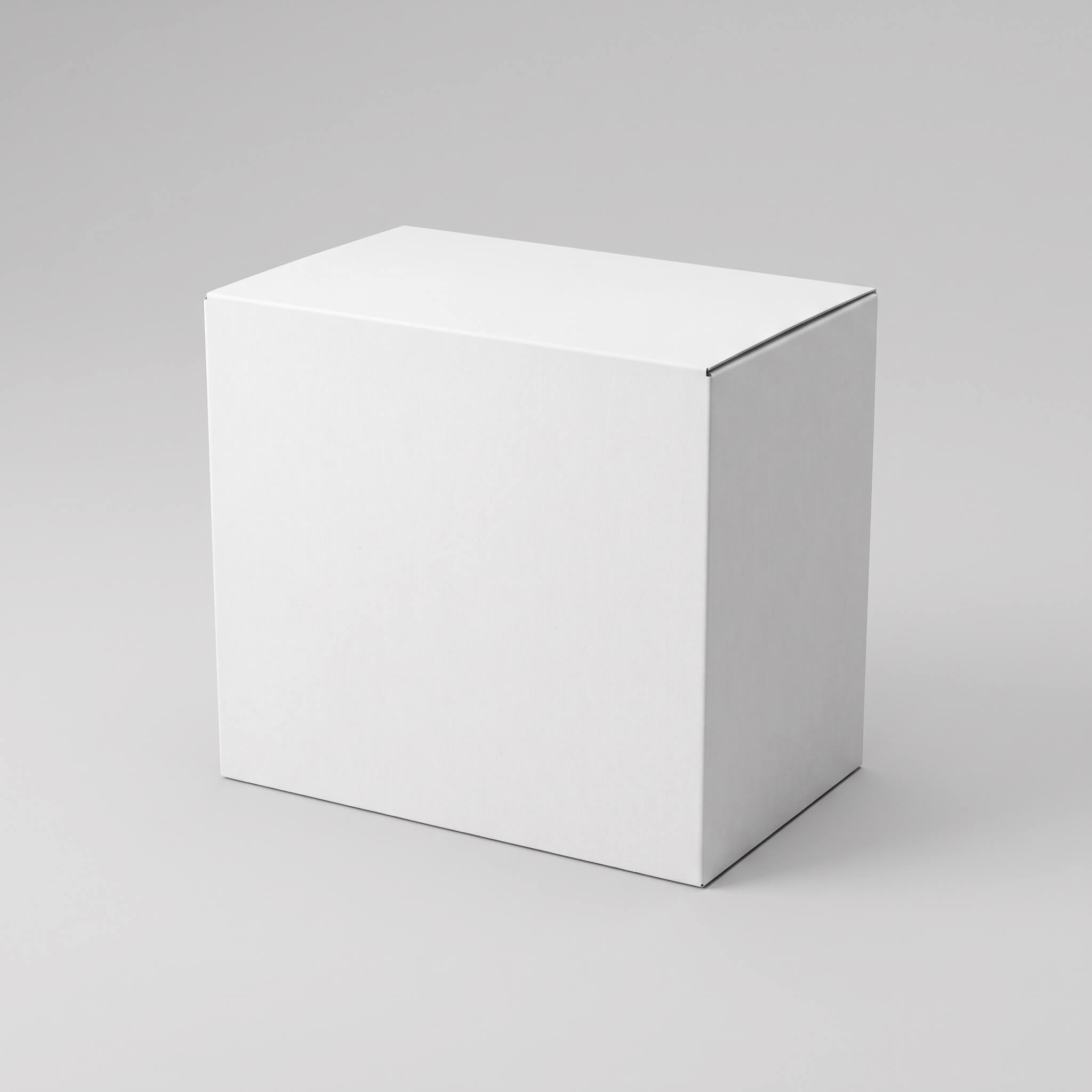
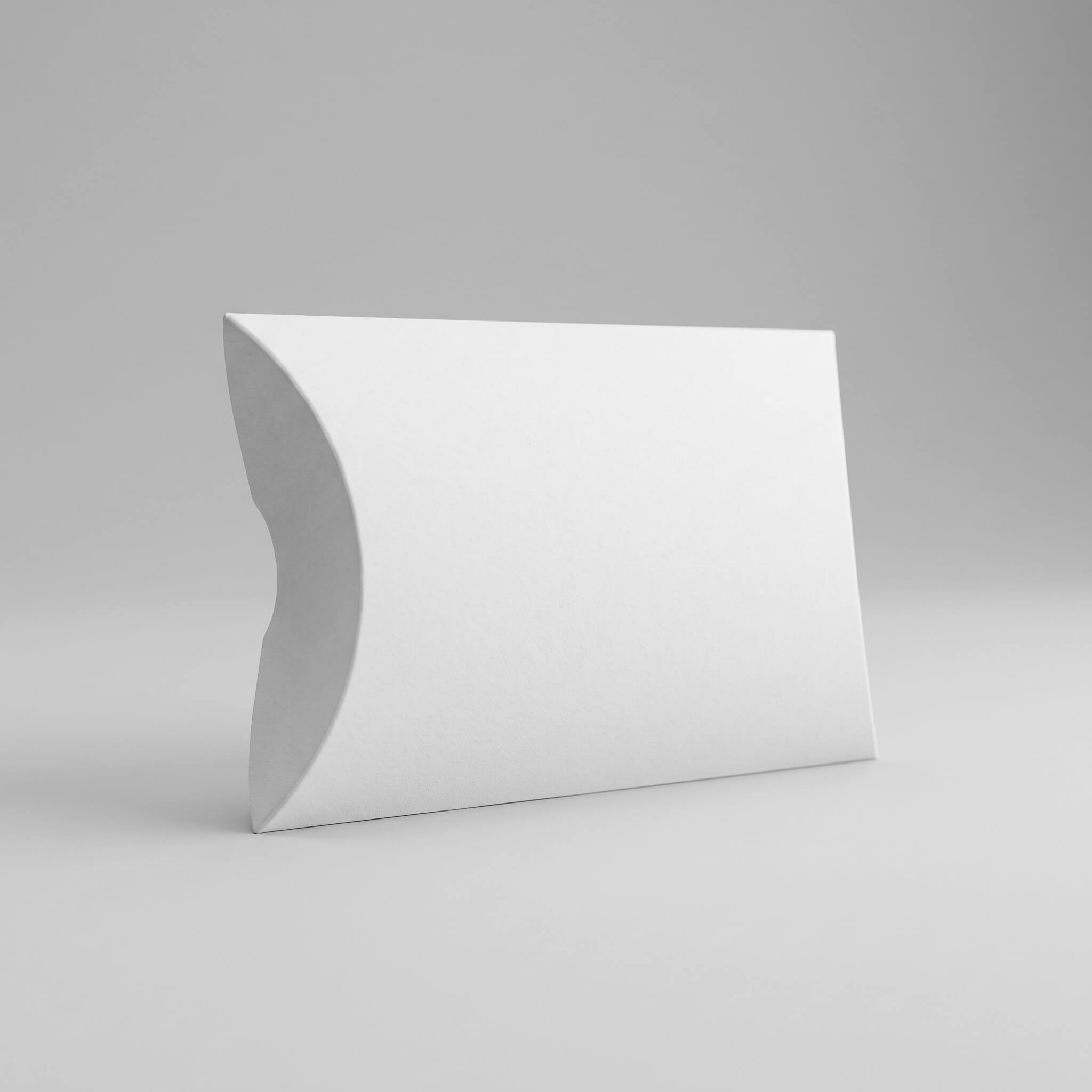
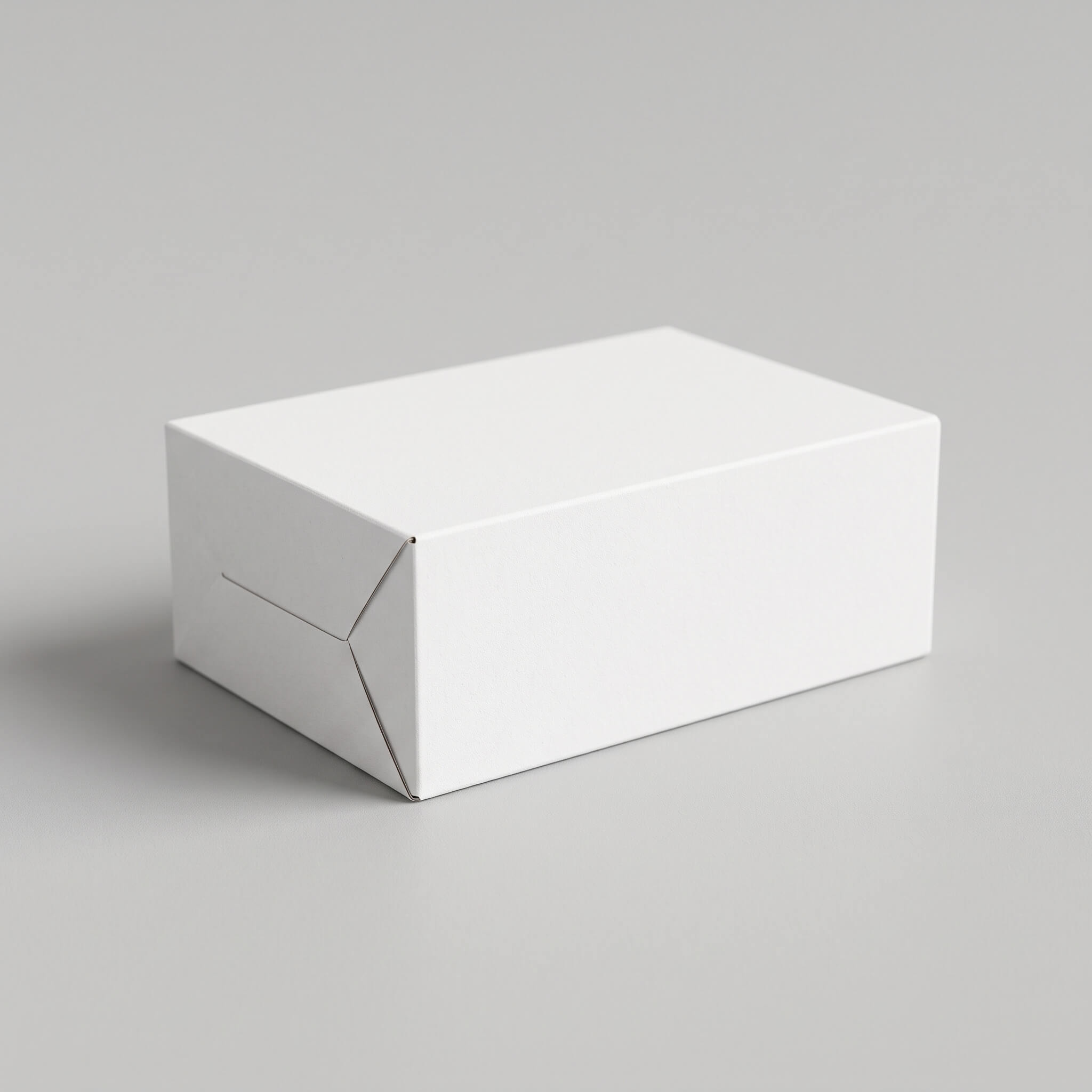
Get Fast Pricing
Tell us about your product, dimensions, quantity and packaging requirements. We'll use these details to prepare your custom quote.
Learn More About Corrugated Shipping Boxes
Custom Corrugated Shipping Boxes for Businesses and E-Commerce
Shipping packaging has to do more than hold a product. It needs to accommodate the packed item, suit the way it will be handled, and provide a practical format for storage and transportation. Corrugated shipping boxes are widely used for these purposes because their layered paperboard construction can be specified in different strengths, thicknesses, and box styles.
At Bluebird Packaging, businesses can explore custom corrugated shipping boxes developed around their product dimensions, packaging requirements, and brand presentation. From everyday e-commerce cartons to larger shipping cases, the box design can be planned according to the product’s weight, size, packing arrangement, and intended distribution route.
You can customize the box dimensions, board construction, printing, and finishing details to create packaging that fits your operational needs. Whether you are shipping individual orders, grouping multiple products, or preparing goods for commercial distribution, selecting the right corrugated structure is an important part of the packaging process.
What Are Corrugated Shipping Boxes?
Corrugated shipping boxes are containers made from corrugated fiberboard. This material generally consists of flat paper liners with a wavy paper layer, known as fluting, between them. The fluted layer creates a structured board that can provide stiffness and cushioning characteristics while keeping the packaging relatively lightweight.
The construction can vary according to the number of layers, flute profile, paper specifications, and intended use. These factors influence the box’s compression resistance, stacking performance, print surface, and overall suitability for a particular shipment.
Corrugated cartons are used across many industries, including:
- E-commerce and online retail.
- Apparel and fashion.
- Consumer electronics and accessories.
- Home and kitchen products.
- Books and printed materials.
- Beauty and personal care.
- Food-related products, subject to appropriate material and regulatory requirements.
- Industrial components and commercial supplies.
A suitable box should be selected according to the actual packed product and shipping conditions. No single corrugated construction is ideal for every item or delivery route.
Why Businesses Choose Corrugated Shipping Boxes
Corrugated packaging offers several practical design advantages for businesses that ship products regularly. Its versatility allows box specifications to be adjusted for different products, order sizes, and distribution needs.
1. Multiple Board Strength Options
Corrugated board can be specified in different constructions and grades. This allows businesses to consider lighter board for suitable products or stronger constructions for heavier loads and demanding handling conditions.
The appropriate specification should be based on product weight, dimensions, stacking requirements, and the shipping environment.
2. Customizable Dimensions
Standard box sizes do not always match a product’s actual dimensions. Custom corrugated shipping boxes can be designed around the length, width, and height of the packed item.
A properly planned size can reduce unnecessary empty space and help organize the product with suitable cushioning or inserts.
3. Flexible Box Structures
Corrugated board can be converted into different box styles, including regular slotted cartons, full-overlap containers, die-cut boxes, and other custom structures.
The best style depends on how the product will be packed, closed, stored, and shipped.
4. Printing and Branding Opportunities
Corrugated shipping cartons can include printed logos, brand names, handling information, and other approved artwork. Printing can be planned according to the board surface, artwork complexity, and production method.
This allows shipping packaging to support brand recognition as well as its practical role.
5. Flat Storage and Assembly
Many corrugated box styles can be supplied flat before assembly. This can make storage and handling more convenient compared with storing fully assembled empty cartons.
The exact packing and supply format depends on the selected box construction and production arrangement.
6. Paper-Based Packaging Options
Corrugated fiberboard is paper-based and may be suitable for established paper recycling streams where local collection and recycling facilities accept the material. Coatings, laminations, tapes, labels, contamination, and local recycling rules can affect how a finished package is handled.
Environmental claims should be based on the actual material specification and the recycling facilities available in the intended market.
Types of Corrugated Shipping Boxes
Different corrugated box constructions serve different packaging requirements. Selecting the right type involves evaluating product weight, box dimensions, stacking conditions, and the level of protection required.
1. Single-Wall Corrugated Shipping Boxes
Single-wall corrugated boxes generally consist of one fluted medium between two flat liner sheets. They are commonly considered for everyday shipping applications involving suitable lightweight and medium-weight products.
Businesses may use single-wall cartons for apparel, accessories, household items, packaged retail products, and many e-commerce orders.
The final board grade should still be selected according to the packed weight and shipping conditions. A single-wall box is not automatically suitable for every lightweight product, particularly when the contents are fragile or the parcel will experience demanding handling.
2. Double-Wall Corrugated Shipping Boxes
Double-wall corrugated boxes contain two fluted layers separated and covered by liner sheets. This construction provides a different strength profile from single-wall board and may be considered for heavier products, larger cartons, or shipments that involve more demanding stacking conditions.
Explore our double-wall shipping boxes for a related packaging option.
The right double-wall specification depends on the complete shipment, including packed weight, box dimensions, stacking arrangement, and distribution conditions.
3. Heavy-Duty Corrugated Shipping Boxes
Heavy-duty corrugated shipping boxes are developed for applications that require a stronger board specification or a more substantial box construction.
They may be considered for dense products, larger components, commercial supplies, or shipments where stacking and handling conditions require additional attention.
Explore our heavy-duty shipping boxes when comparing packaging options for demanding applications.
The term heavy-duty should always be supported by an actual board specification and suitable performance requirements rather than used as an unsupported guarantee.
4. Custom Printed Corrugated Shipping Boxes
Custom printed corrugated boxes combine shipping functionality with brand presentation. Businesses can add logos, brand colors, product identification, handling instructions, and other approved artwork.
Printing can be planned for selected panels or surfaces depending on the box style and available production methods.
5. Kraft Corrugated Shipping Boxes
Kraft corrugated boxes use kraft-style liner surfaces and are often selected for their familiar natural paper appearance. They can be considered for plain shipping cartons or branded packaging with suitable printing.
Their board construction and strength still need to be selected according to the product and shipping conditions.
6. Full-Overlap Corrugated Boxes
Full-overlap containers use flaps that extend across more of the box opening than standard regular slotted cartons. When closed, the overlapping flaps create additional layers across the closure area.
This style may be considered when the packaging design calls for greater coverage across the top and bottom panels. The complete structure should be evaluated for the intended load and handling conditions.
7. Regular Slotted Containers
A regular slotted container, commonly called an RSC, is a widely used corrugated box style. Its inner and outer flaps are arranged so that the outer flaps meet near the center when the box is closed.
RSC cartons are used in many shipping applications because their straightforward structure can be adapted to a wide range of dimensions.
8. Die-Cut Corrugated Boxes
Die-cut boxes are made using a cutting pattern designed for a specific structure. They may include tuck closures, integrated locking features, shaped panels, or other design details.
A custom die-cut format can be considered when a standard slotted carton does not match the product’s packaging or presentation requirements.
Understanding Corrugated Board Construction
When ordering custom corrugated shipping boxes, it is useful to understand the basic construction of the board. The combination of liner sheets and fluting affects the box’s physical characteristics.
What Is a Corrugated Flute?
The flute is the wavy paper layer inside corrugated board. It is positioned between liner sheets and contributes to the board’s structure.
Flutes are available in different profiles. Their height, spacing, and configuration influence board thickness, cushioning characteristics, stiffness, and printing considerations.
Common Flute Types
The appropriate flute depends on the box design, product weight, desired thickness, and packaging application.
A-flute: A relatively thick flute profile that may be considered where cushioning and board thickness are important.
B-flute: A thinner profile than A-flute, often used for shipping cartons and packaging applications where a more compact board is preferred.
C-flute: A commonly used general-purpose flute profile that balances several structural characteristics.
E-flute: A thinner profile that can be considered for smaller cartons and packaging designs where a relatively smooth printable surface is useful.
F-flute: A fine flute profile used in selected packaging applications where a thinner board and detailed printed appearance are required.
These are general descriptions, not a substitute for a specific board specification. The right flute should be chosen with the box manufacturer according to the product and intended use.
Single-Wall, Double-Wall, and Triple-Wall Construction
The number of fluted layers is another important consideration.
| Construction | General structure | Typical consideration |
|---|---|---|
| Single-wall | One fluted layer between two liners | General shipping and everyday cartons |
| Double-wall | Two fluted layers with three liner sheets | Heavier products and selected stacking applications |
| Triple-wall | Three fluted layers with four liner sheets | Certain demanding industrial and bulk packaging applications |
More layers do not automatically make a box suitable for every shipment. Box dimensions, paper grades, flute combinations, closure design, and packing conditions all influence performance.
Choosing the Right Corrugated Shipping Box Strength
Box strength should be selected according to the product and the environment in which the package will be handled. Choosing a specification based only on the product’s weight may overlook important factors such as stacking, vibration, moisture exposure, and transportation distance.
Edge Crush Test (ECT)
Edge Crush Test, commonly abbreviated as ECT, measures the resistance of corrugated board to compression applied to its edge. It is often used as one indicator when assessing a board’s stacking-related characteristics.
A higher ECT value generally indicates greater edge-crush resistance under the test conditions. However, ECT alone does not describe every aspect of a finished box’s performance.
Burst Strength
Burst strength measures the pressure required to rupture a sample of corrugated board. It is another way of describing a board property, but it is not directly interchangeable with ECT.
The correct specification depends on the application and the relevant testing or shipping requirements.
Factors That Affect Box Strength
Consider the following factors when selecting a corrugated shipping box:
- Total packed weight.
- Product shape and weight distribution.
- Box length, width, and height.
- Number of boxes stacked together.
- Storage duration and conditions.
- Shipping distance and transportation method.
- Handling and sorting conditions.
- Internal cushioning and product arrangement.
- Moisture exposure and environmental conditions.
A packaging supplier can help assess the board specification, but representative samples and appropriate testing are important when shipment performance is critical.
Custom Corrugated Shipping Box Sizes
Custom sizing helps businesses develop cartons around the actual product instead of relying on an unsuitable standard dimension.
A box that is too tight may not accommodate the product or cushioning. A box that is unnecessarily large can increase material use and may create additional empty space that needs to be filled.
How to Measure a Corrugated Shipping Box
For most box specifications, dimensions are provided as internal length × width × height. Always confirm whether the supplier is requesting internal or external measurements.
Length: Measure the longer internal side of the assembled box.
Width: Measure the shorter internal side of the base.
Height: Measure from the inside bottom panel to the inside top closure.
Also consider the product’s dimensions, protective material, inserts, and the space needed to place the product inside the carton.
For a detailed measurement reference, read our guide on how to measure a box correctly.
Internal vs. External Dimensions
Internal dimensions describe the usable space inside the carton. External dimensions include the thickness of the corrugated board and are relevant to the package’s outside measurements.
This difference matters when products need a precise fit or when shipping systems use the outside dimensions to calculate parcel size.
Right-Sizing Your Shipping Cartons
A well-sized carton should accommodate the product and the required cushioning without leaving unnecessary empty space.
When selecting dimensions:
- Measure the product at its widest and longest points.
- Identify whether the product needs wrapping or cushioning.
- Account for inserts, dividers, or multiple items.
- Consider how the carton will be closed.
- Confirm the internal dimensions with a sample.
- Check the external dimensions for storage and shipping calculations.
Corrugated Shipping Boxes for Different Industries
Corrugated packaging is used across a wide range of business applications. The box structure and material specification should reflect the product rather than relying on a one-size-fits-all design.
E-Commerce and Online Retail
Online retailers use corrugated shipping boxes to pack individual orders, product bundles, and subscription shipments.
Custom sizes can help accommodate products and packing materials. Printed logos and brand elements can also be included where the selected board and printing process allow.
For e-commerce shipments, consider the parcel’s dimensions, packed weight, internal movement, and handling throughout the delivery route.
Apparel and Fashion
Clothing brands may use corrugated cartons for shipping garments, footwear, accessories, and multi-item orders.
The carton size should reflect the number of products being packed and the way they are folded or arranged. Dividers or inner packaging may be considered when different items need to be separated.
Electronics and Accessories
Electronics and accessories can vary significantly in size, weight, and fragility. Their shipping cartons may require fitted inserts, cushioning materials, or separate compartments.
The outer corrugated box should be designed as part of the complete packaging system. Fragile or sensitive products may require testing to evaluate whether the selected structure and internal protection are suitable.
Books and Printed Materials
Books, catalogs, and printed materials are often packed in cartons selected according to their dimensions, weight, and quantity.
A suitable carton should accommodate the stack without excessive movement. The board specification should account for the combined packed weight and stacking conditions.
Home and Kitchen Products
Home and kitchen products include a wide range of shapes and materials. Some items can be packed in standard cartons, while others may need internal dividers, shaped inserts, or additional cushioning.
The packaging design should consider the product’s weight distribution and the possibility of movement inside the box.
Industrial and Commercial Products
Industrial components and commercial supplies may require larger cartons or stronger corrugated constructions. Their specifications should be based on product density, load arrangement, handling equipment, and distribution conditions.
For heavier products, a supplier should review the complete packaging requirements before recommending a board grade or box structure.
Custom Printed Corrugated Shipping Boxes
Shipping cartons can also contribute to the way customers recognize and experience a brand. Custom printing allows businesses to use selected box panels for identification, branding, and approved communication.
Logo and Brand Printing
A business logo can be added to the outside of the carton to identify the sender or create a consistent branded appearance. Brand colors, typography, and selected graphics can also be incorporated according to the print method and board surface.
Product and Handling Information
Depending on the shipment, printed information may include:
- Product or order identification.
- Company name or logo.
- Delivery or handling instructions.
- Orientation symbols.
- Fragile or other handling indicators, where appropriate.
- Product codes or other approved markings.
Handling symbols should be used accurately and should not replace suitable packaging design.
Exterior and Interior Printing
Exterior printing is commonly considered for shipping cartons. Interior printing may also be possible depending on the box construction and production method.
The available print coverage, number of colors, and artwork detail should be confirmed during specification.
Preparing Artwork for Printing
Before sending artwork, prepare:
- A high-resolution logo or vector artwork.
- Brand color references.
- Final text and product information.
- The preferred print areas.
- Any required handling symbols.
- The approved box dimensions and dieline, if available.
Always review a proof or sample before approving a production run. This helps identify layout, spelling, sizing, and print-placement issues.
Corrugated Shipping Boxes with Inserts and Dividers
Some products need more than an outer carton. Inserts and dividers can help organize multiple items or position individual products within the box.
Corrugated Inserts
Corrugated inserts can be designed to fit around products or create internal support areas. They may be used for selected product shapes and packaging configurations.
Dividers for Multiple Products
Dividers can separate items within a carton. They may be considered for products packed in rows, groups, or multiple compartments.
Explore our packaging dividers information for more details about internal product separation.
Choosing an Insert Design
When planning an insert, consider:
- Product dimensions and shape.
- Number of items per carton.
- Weight of each item.
- Required separation between products.
- Ease of packing and removal.
- Compatibility with the outer box.
- The complete packed arrangement.
Inserts should be designed around the actual products and checked with a physical sample when fit is important.
Corrugated Shipping Boxes for Storage and Transportation
Shipping cartons may pass through several stages before reaching their destination. They can be packed, closed, stacked, moved through a warehouse, loaded into a vehicle, and handled during delivery.
The packaging design should take these stages into account.
Warehouse Storage
For warehouse storage, consider the available space, stacking arrangement, carton dimensions, and expected storage duration.
Boxes should be stacked according to their specifications and the load they are designed to carry. Excessive stacking or unsuitable storage conditions can affect carton performance.
Parcel Shipping
Parcel shipments can involve sorting equipment, manual handling, vehicle movement, and repeated transfers.
The box should be appropriately sized and closed, with internal cushioning selected according to the product’s fragility and movement potential.
Palletized Shipments
When multiple cartons are stacked on a pallet, the lower boxes may experience compression from the load above them.
The box specification should account for pallet arrangement, stacking height, load distribution, and storage conditions.
Long-Distance and Export Shipping
Long-distance shipments may involve multiple handling stages and changes in transportation method. Export packaging should be assessed according to the destination, route, shipment conditions, and applicable buyer or regulatory requirements.
A standard corrugated carton should not be assumed to provide protection against every environmental or transportation condition.
For more guidance, explore our packaging for shipping guide.
How to Pack Corrugated Shipping Boxes Correctly
The box itself is only one part of the packaging system. Packing methods, cushioning, closure, and product placement also influence the suitability of a shipment.
Prepare the Carton
Assemble the carton according to its design. Close and seal the bottom flaps with a suitable packaging tape or closure method for the intended load.
Position the Product
Place the product in the carton with enough room for any required cushioning. Avoid placing heavy items in a way that concentrates excessive pressure on a small area of the box.
Add Suitable Cushioning
Use suitable cushioning or internal packaging when the product needs separation from the box walls or other items. The choice depends on the product’s fragility, weight, and shipping conditions.
Prevent Unwanted Movement
If the product can shift during transportation, consider inserts, dividers, or additional packing material to keep the arrangement stable.
Close and Seal the Carton
Close the flaps and apply a suitable sealing method. The tape or closure should be appropriate for the carton size, weight, and handling requirements.
Label the Shipment
Apply a clear shipping label with the correct delivery information. Include any applicable handling information required for the shipment.
Testing and Quality Considerations for Corrugated Shipping Boxes
Packaging testing can help businesses evaluate whether a box specification is suitable for its intended application. The appropriate tests depend on the product, packaging design, distribution conditions, and customer requirements.
Possible evaluation areas include:
- Board thickness and construction.
- Edge crush performance.
- Burst strength, where specified.
- Box compression under stacking conditions.
- Drop or impact testing.
- Vibration testing.
- Moisture-related considerations.
- Closure and sealing performance.
- Fit of inserts and internal components.
Not every shipment requires every test. Testing should be selected according to the risks and requirements of the particular product and distribution route.
For further information, read our guide to packaging testing and evaluation.
How to Select a Corrugated Shipping Box Supplier
Choosing a supplier involves more than comparing the price of a carton. The supplier should be able to understand your packaging requirements and help define a suitable specification.
Consider the following points:
Custom Manufacturing Capabilities
Check whether the supplier can produce your required dimensions, box styles, and board constructions.
Material and Board Specifications
Ask for clear details about the corrugated construction, flute combination, liner specifications, and relevant strength ratings.
Printing Options
Review the available printing methods, artwork requirements, color options, and proofing process.
Sampling and Specification Review
Where fit or performance is important, discuss samples and appropriate testing before approving a full production order.
Order Quantity and Production Planning
Share your required quantity and expected schedule. Confirm the production details and delivery arrangements before placing an order.
Communication and Project Support
A clear process for sharing dimensions, artwork, specifications, and approvals can help reduce avoidable errors.
Factors That Influence Corrugated Shipping Box Cost
The cost of a custom corrugated carton depends on several variables. A quotation should be based on the complete specification rather than only the box’s length and width.
Box dimensions: Larger cartons generally require more board material, although the final cost also depends on the design and production layout.
Board construction: Single-wall, double-wall, and other constructions use different material quantities and specifications.
Paper and board grades: Liner and medium specifications can affect the material cost and box characteristics.
Box style: Standard slotted cartons and custom die-cut designs may have different setup and production requirements.
Printing: Print coverage, number of colors, artwork complexity, and production method can affect pricing.
Finishing and additional components: Inserts, dividers, coatings, or other requested features may add to the overall specification.
Order quantity: Production quantities and material purchasing arrangements can influence the unit price.
Delivery requirements: Packaging volume, pallet arrangement, and delivery location may affect the overall project cost.
For a more useful quotation, provide the box dimensions, expected quantity, product weight, preferred construction, artwork, and intended application.
Custom Corrugated Shipping Boxes from Bluebird Packaging
The right shipping carton should be developed around the product, the packaging arrangement, and the conditions in which it will be stored and transported. A suitable design brings together board construction, box dimensions, closure style, internal packing, and printing requirements.
Bluebird Packaging offers customizable packaging options for businesses looking to develop corrugated shipping cartons for e-commerce, retail, and commercial applications.
You can also explore our custom shipping boxes collection to compare related packaging options and structures.
For a broader range of packaging solutions, visit the Bluebird Packaging homepage. If you have a specific box size, material, or printing requirement, contact our packaging team to discuss your project.
Request Custom Corrugated Shipping Boxes
Share your product dimensions, packed weight, preferred board construction, box style, printing requirements, and expected order quantity. These details will help define the packaging specification for your project.
Ready to discuss your shipping carton requirements?
Request a Quote for Custom Corrugated Shipping Boxes
Frequently Asked Questions About Corrugated Shipping Boxes
1. What are corrugated shipping boxes made of?
Corrugated shipping boxes are generally made from corrugated fiberboard, which consists of flat liner sheets and a wavy fluted paper layer. The board can be produced in different constructions and grades.
2. What is the difference between single-wall and double-wall corrugated boxes?
Single-wall boxes have one fluted layer between two liner sheets. Double-wall boxes have two fluted layers and three liner sheets. The appropriate option depends on product weight, dimensions, stacking, and shipping conditions.
3. How do I choose the right corrugated box size?
Measure the product or primary packaging and consider the space needed for cushioning or inserts. Confirm whether the supplier needs internal or external dimensions before placing an order.
4. Can corrugated shipping boxes be custom printed?
Yes. Custom corrugated cartons can include logos, brand colors, product identification, and approved handling information. Available printing options depend on the board and production method.
5. Are corrugated shipping boxes recyclable?
Corrugated fiberboard is paper-based and may be accepted by paper recycling programs. Actual recyclability depends on the finished packaging, coatings, contamination, and local recycling facilities.
Related Products
-
Custom Printed Shipping Boxes
Turn every delivery into a branding opportunity with Custom Printed Shipping Boxes featuring personalized artwork, logos, and vibrant designs. Made…New! -
Cardboard Shipping Boxes
Custom Cardboard Shipping Boxes offer versatile packaging for ecommerce orders, retail products, and everyday business deliveries. Made to Order Product…New! -
Heavy Duty Shipping Boxes
Move heavier products confidently with Custom Heavy Duty Shipping Boxes featuring sturdy construction, reinforced walls, and product-specific dimensions. Made to…New! -
Corrugated Shipping Boxes
Custom Corrugated Shipping Boxes provide practical protection for business shipments, storage, and distribution with tailored sizes and board strengths. Made…New!
Payments VISA AMERICAN
EXPRESS PayPal
Frequently Asked Questions
ECT stands for Edge Crush Test. It measures the resistance of corrugated board to compression along its edge and is commonly used when evaluating box stacking characteristics.
ECT measures edge-compression resistance, while burst strength measures the pressure required to rupture a board sample. They assess different properties and should not be treated as interchangeable.
The appropriate flute depends on the box dimensions, product weight, cushioning needs, and printing requirements. C-flute is a common general-purpose option, while other profiles may suit specific applications.
They can be, provided the board construction, box dimensions, and design are specified for the packed weight and handling conditions. Heavier shipments may require double-wall or another suitable construction.
Yes. Custom cartons can be designed around product dimensions, internal packaging, cushioning, and the required packing arrangement.
The Regular Slotted Container (RSC) is a widely used style. Its flaps meet near the center when the box is closed, making it suitable for many general shipping applications.
Many corrugated cartons can be supplied flat and assembled when required. The supply format depends on the box structure and production arrangement.
Yes. Logos, brand colors, product identification, and selected artwork can be printed on suitable corrugated surfaces. Available print coverage depends on the board and printing process.
Measure the product and determine the space needed for cushioning, inserts, and packing. Confirm whether dimensions should be internal or external, and provide them in length × width × height order.
Choose a suitable carton specification, position the product correctly, and use appropriate cushioning, inserts, or dividers where needed. Representative testing can help evaluate the complete packaging arrangement for demanding shipments.