



Description
1. Packaging Buying Guide
Product Buying Guide
Sizing
Choosing the right size is important for proper fit, protection and presentation.
- Measure your product or container diameter and height.
- Add suitable extra space for easy insertion.
- Consider inserts or internal protection when required.
- Ask our team for help with measurements if needed.
Materials
Select packaging material based on product weight, required strength, presentation and shipping needs.
- Cardboard for versatile retail packaging.
- Kraft for a natural appearance.
- Corrugated material for additional strength and protection.
- Rigid stock for premium packaging.
Box Styles
Choose a box structure that matches your product dimensions, presentation and opening experience.
- Straight and reverse tuck structures.
- Window packaging.
- Sleeve packaging.
- Premium rigid structures.
Printing
Custom printing turns the package into a strong branded customer touchpoint.
- Full-color CMYK printing.
- PMS color matching.
- Inside and outside printing.
- Logos, artwork and product information.
Finishing
Finishing options can improve the appearance, texture and perceived quality of your packaging.
- Matte finish.
- Gloss finish.
- Soft-touch coating.
- Foil stamping and Spot UV.
Inserts
Custom inserts can help secure products inside the box while improving presentation.
- Custom-fit inserts.
- Product positioning and protection.
- Multi-product arrangements.
- Presentation-focused internal structures.
Retail & Shipping
Packaging can be designed around retail presentation, ecommerce fulfillment or both.
- Retail shelf presentation.
- Shipping protection.
- Ecommerce packaging requirements.
- Customer unboxing experience.
Design Tips
Strong packaging design balances branding, readability, presentation and practical structure.
- Keep your primary branding prominent.
- Create a clear visual hierarchy.
- Design artwork around structural folds and panels.
- Keep important product information easy to read.
2. Box Size Guide
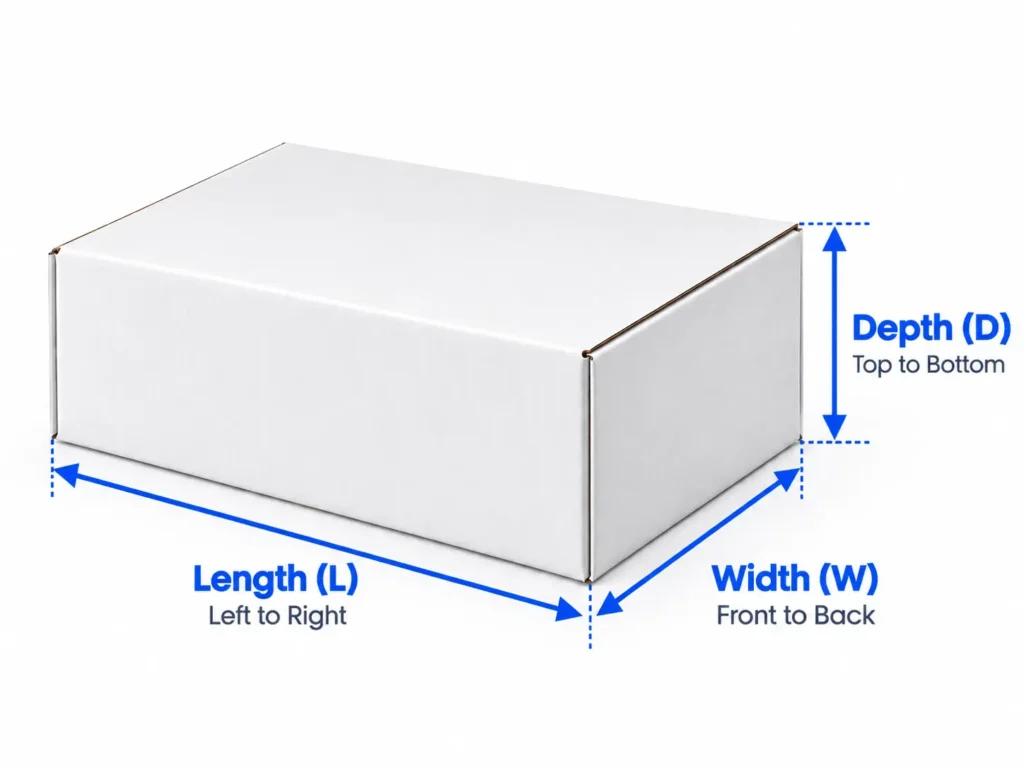
Use the diagram below to identify the length, width and depth of your box. Measurements should be provided as Length × Width × Depth.
3. Stock Type & Finishing Guide
Explore our packaging materials and finishing options to find the right combination of strength, appearance and texture for your custom boxes. Compare available stock types and discover premium finishes that can enhance the look and feel of your packaging.
Discover our premium range of packaging materials, crafted to meet your specific needs. Whether you require sturdy cardboard boxes or eco-friendly options, we have the perfect solution for you. Enhance your brand and safeguard your products with our customizable packaging solutions.


Select from a range of packaging paper thicknesses, from 8pt to 28pt, tailored to your specific needs. For rigid boxes that demand extra durability and a touch of luxury, thicker paper effectively supports your product’s weight. Make a smart choice that aligns with your budget while ensuring your packaging reflects quality and strength.


Explore our selection of premium packaging materials crafted to perfect your packaging order. Whether you need sturdy cardboard boxes or eco-friendly options, we have the ideal materials to meet your specific needs. Elevate your brand and safeguard your products with our customizable packaging solutions.


Experience worry-free shipping with our reliable packaging solutions. Whether you choose ground or air, our guaranteed, insured freight options ensure your orders arrive safely and securely. Rest easy knowing your products are in trusted hands from production to delivery.


Choose Your Style. Get Your Quote.
Select a box style, then complete the quote form. Not sure? Choose Custom / Other and we’ll help.
Choose Your Box Style
Click the box style that best matches your product. If you're unsure, select Custom / Other and we'll help you choose.

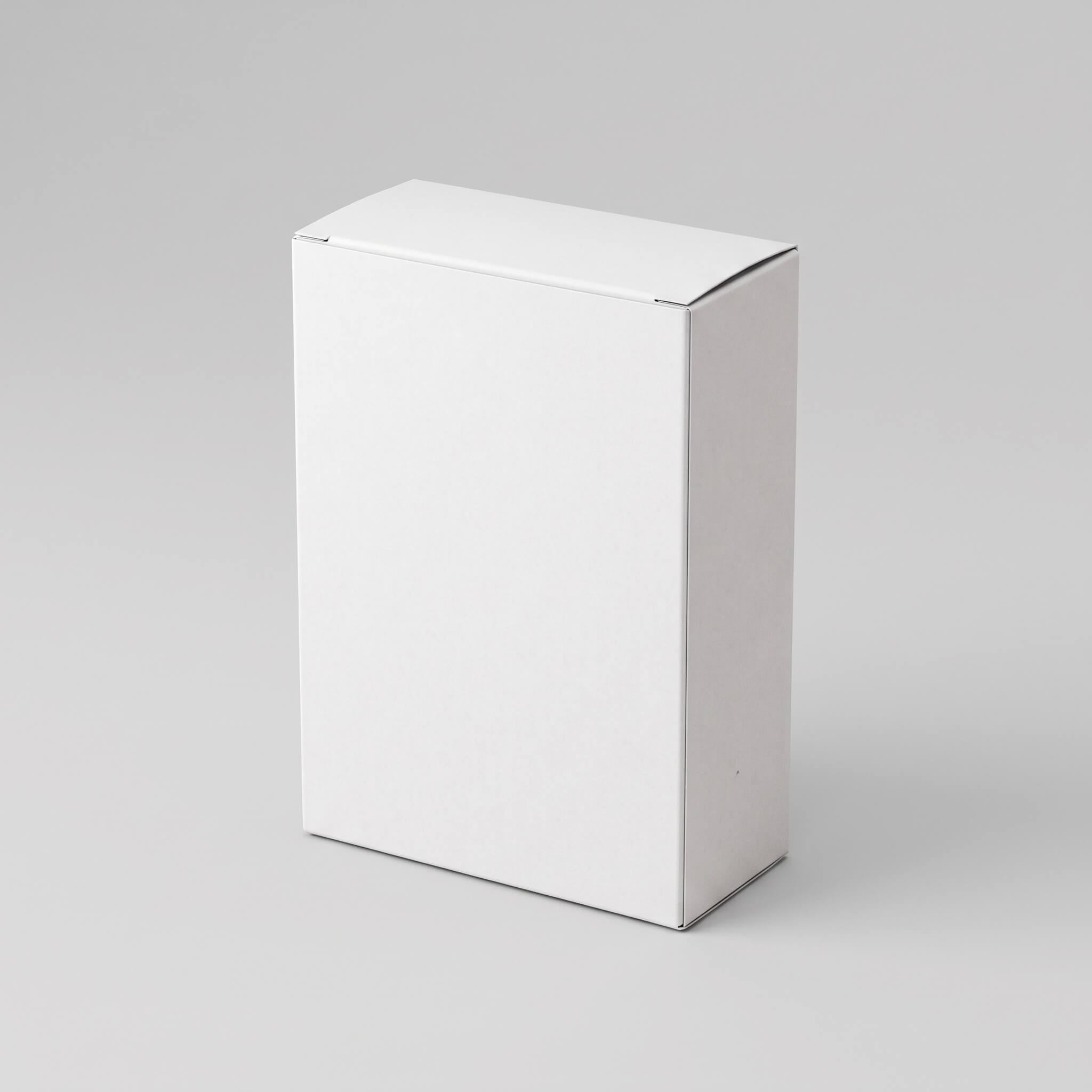




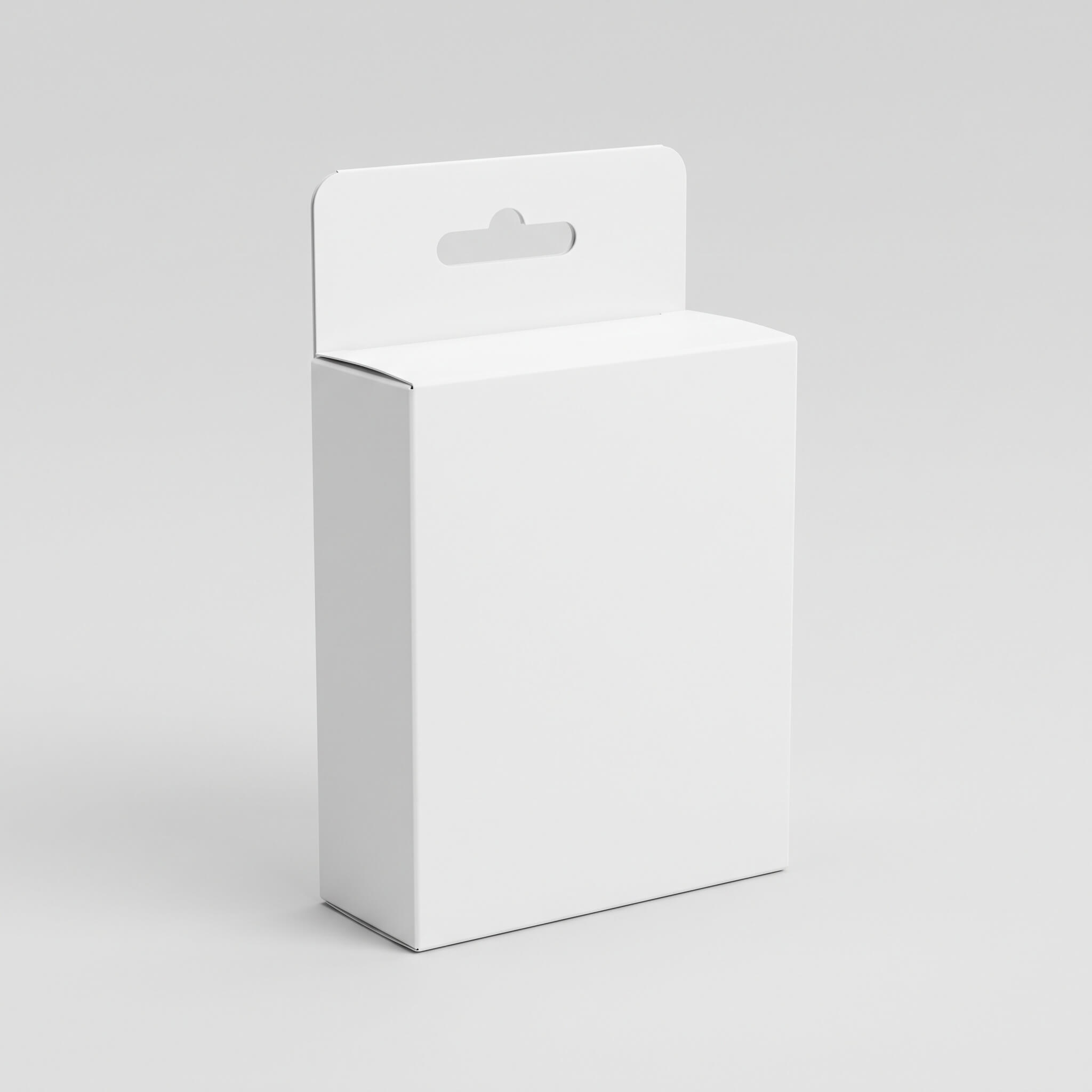





Get Fast Pricing
Tell us about your product, dimensions, quantity and packaging requirements. We'll use these details to prepare your custom quote.
Learn More About Custom Shipping Tags
Custom Shipping Tags for Boxes, Parcels, and Packaging
Shipping operations involve more than placing products inside cartons. Businesses also need practical ways to identify packages, organize orders, communicate handling information, and maintain consistency across dispatch processes. Shipping tags can support these tasks by providing a separate, visible area for printed or handwritten information on parcels, cartons, and other packaged items.
At Bluebird Packaging, custom shipping tags can be developed around your business requirements, preferred dimensions, material choices, printing needs, and branding. Whether you need identification tags for shipping cartons, dispatch tags for warehouse operations, or branded tags that complement your packaging, the design can be planned around how your team uses them.
A well-designed tag should be easy to read, suitable for its intended application, and compatible with the packaging it accompanies. The right format depends on the information being displayed, the way the tag will be attached, the conditions packages may encounter, and whether the tag is intended for internal identification, customer-facing presentation, or shipping coordination.
What Are Shipping Tags?
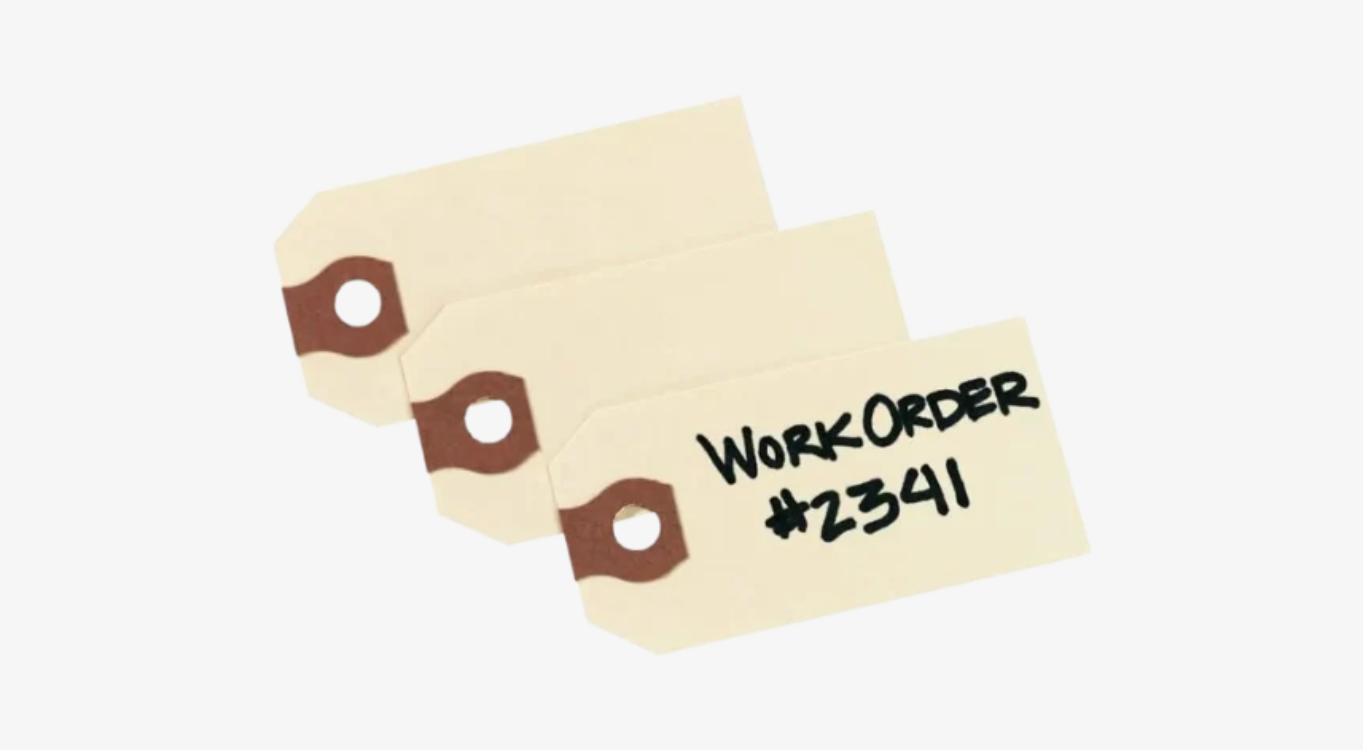
Shipping tags are identification or information tags attached to packages, cartons, parcels, or products during storage, handling, and dispatch. They can display details that help staff identify a package or understand how it should be processed.
Depending on the application, a tag may include an order reference, product description, destination details, handling instructions, dispatch information, or a company logo. Some businesses use tags for internal warehouse workflows, while others use branded tags to create a consistent packaging presentation.
Shipping tags are not necessarily a replacement for carrier-required shipping labels. A shipping label may contain machine-readable barcodes, tracking numbers, addresses, and other information required by a carrier. A separate tag can provide additional identification or handling details, but the two should not be treated as interchangeable unless the relevant shipping provider permits it.
Custom tags can be developed for different packaging formats, including corrugated cartons, cardboard boxes, mailer boxes, and other shipping containers. Their size, layout, material, and attachment method should be selected according to the intended use.
Why Do Businesses Use Custom Shipping Tags?
A shipping tag gives businesses another way to organize package information without placing every detail directly on the outer carton. This can be useful when packages move through several stages, such as packing, storage, sorting, dispatch, and delivery preparation.
Clear Package Identification
When a business handles multiple orders or product variations, identification becomes an important part of its packing workflow. A tag can display a short reference, product code, order number, or other approved identifier.
The information should be arranged clearly so staff can recognize the package without searching through unnecessary details. For larger operations, the tag layout can be standardized across product lines or departments.
Better Organization During Dispatch
Businesses may use tags to distinguish orders by destination, department, product type, or dispatch batch. A consistent format can help staff follow an established packing process.
For example, a warehouse may use different printed fields for order references, packing dates, or internal routing information. The exact system depends on the business’s operations and should be designed around its existing workflow.
Additional Handling Information
Some packages need handling notes that are separate from the carrier label. A tag may provide space for approved instructions or reminders for staff, such as identifying a particular package category.
Any handling message should be accurate and appropriate for the product. Tags should not make unsupported claims about package safety, fragility, temperature control, or regulatory compliance.
Consistent Brand Presentation
Custom printed tags can incorporate a business logo, brand colors, typography, or a short message. This can help align the tag with the overall appearance of the shipping package.
Businesses that already use branded cartons can coordinate tag artwork with their outer packaging. For example, a tag design can complement custom printed shipping boxes through consistent colors, visual elements, and typography.
Flexible Information Layout
A tag can be designed with printed fields, blank areas for handwriting, or a combination of both. This flexibility can be useful when some information remains the same for every package while other details change from order to order.
The layout should make it clear which information is preprinted and which details are intended to be added during packing or dispatch.
Types of Shipping Tags for Different Applications
Shipping tags are used in different business environments, so one design may not suit every operation. Selecting a suitable tag format starts with identifying the information it needs to carry and how it will be attached.
1. Custom Printed Shipping Tags
Custom printed shipping tags are designed with business-specific artwork and information fields. They can include a company name, logo, product reference, dispatch details, or other approved content.
Businesses can use a consistent layout across multiple shipments, making it easier to recognize their packages during internal handling. The printed design can be kept simple for operational use or coordinated with the company’s wider packaging identity.
2. Shipping Box Tags
Shipping box tags are intended to accompany cartons and shipping containers. Their dimensions should be suitable for the box size and the available attachment area.
A tag for a small parcel may need a compact layout, while a tag used on a larger carton may have room for additional information. The design should remain readable at its intended viewing distance and should not interfere with the carrier’s shipping label or other required markings.
For businesses using different carton structures, tags can be coordinated with custom shipping boxes so the overall packaging system has a consistent appearance.
3. Warehouse Identification Tags
Warehouse identification tags can help businesses organize stock, packed orders, or cartons during internal handling. They may include product codes, order references, batch references, storage locations, or other information defined by the business.
A warehouse tag should follow a consistent format. If employees need to scan, sort, or record information, the tag layout should leave enough space for the required code or printed field.
4. Dispatch Tags
Dispatch tags can be used during the preparation and release of outgoing orders. Depending on the workflow, they may display dispatch references, packing dates, destination categories, or internal processing details.
They should complement the shipping documentation and carrier label rather than replace information required by the delivery provider.
5. Product Identification Tags
Product identification tags can accompany individual products, bundles, or packaged items. They may be useful when a business needs to identify a product variation, order group, or package type.
For customer-facing applications, the design can include brand elements and a concise message. For internal applications, clear identification fields may be more important than decorative details.
6. Kraft Shipping Tags
Kraft shipping tags may suit businesses that prefer a natural paper-based appearance. They can be considered for selected packaging applications where the material specification and printed design meet the intended requirements.
Their appearance can complement kraft cartons and other paper-based packaging. For a coordinated packaging setup, businesses may consider Kraft shipping boxes alongside matching tag artwork.
7. Branded Packaging Tags
Branded packaging tags are designed to support a company’s visual identity. They may be used on outgoing parcels, product packages, promotional shipments, or selected customer orders.
A branded tag can include a logo, brand colors, a short message, or a product-related design. It should still leave sufficient space for any operational information that the business needs to display.
Choosing Suitable Materials for Shipping Tags
Material selection affects a tag’s appearance, print surface, flexibility, and suitability for its intended application. The right specification depends on the tag dimensions, the information it carries, the attachment method, and the conditions it may encounter.
Paper-Based Materials
Paper-based materials are commonly considered for printed tags used in packaging and identification. They provide a surface for text, logos, and other artwork.
The required paper specification should be selected according to the tag’s size, intended handling, and desired appearance. A tag used for occasional indoor identification may have different requirements from one attached to packages moving through a longer distribution process.
Cardstock
Cardstock can be considered when a tag needs a more structured feel than a lightweight paper format. Its suitability depends on the thickness, dimensions, printing process, and attachment method.
A suitable specification should allow the tag to be handled and attached as intended without making it unnecessarily bulky.
Kraft Paper
Kraft paper may be selected when a natural paper appearance is part of the packaging design. It can complement kraft cartons and other paper-based materials.
The print design should be reviewed against the selected surface because material color and texture can influence the appearance of printed artwork.
Coated Paper Options
Coated paper options may be considered when a particular print appearance or surface finish is required. The selected coating should be compatible with the intended printing process and tag application.
Businesses should decide whether the priority is a particular visual finish, writable space, or another practical requirement. A surface that suits detailed printed artwork may not always be the best choice for handwritten information.
Selecting the Right Material Specification
Before finalizing a material, consider:
- The dimensions and overall shape of the tag.
- Whether information will be printed, handwritten, or both.
- The amount of text and artwork.
- The attachment method.
- The expected handling conditions.
- Whether the tag needs to coordinate with existing packaging.
- The required quantity and production specifications.
Material selection should be confirmed against the final design and intended use rather than relying on appearance alone. Businesses developing a wider packaging system can also review different packaging materials and their applications when planning coordinated cartons and tags.
Custom Shipping Tag Sizes and Shapes
There is no single tag size that works for every package. A suitable format depends on the amount of information, the size of the carton, and the way the tag will be displayed.
Small Shipping Tags
Small tags may be appropriate when only a short reference, product code, or brief identification message is needed. Their compact dimensions can work with smaller parcels and packages where space is limited.
The text should remain legible, and the design should avoid squeezing too many fields into a small area.
Medium-Sized Shipping Tags
Medium-sized shipping tags provide more room for a combination of identification details, a logo, and selected instructions. They can be considered for common carton and parcel applications where the tag needs to communicate several pieces of information.
The layout should establish a clear reading order, with the most important details receiving appropriate prominence.
Large Shipping Tags
Larger tags may be suitable for packages that need more extensive information or for internal warehouse applications where staff need to read details quickly.
The extra space can accommodate multiple fields, but the design should still be organized. Unnecessary text can make a tag harder to use rather than more helpful.
Custom Shapes
Depending on the design and production specifications, tags may be developed in different shapes, such as rectangular, square, or other practical outlines.
The selected shape should provide enough usable area for the required information and should be compatible with the attachment method. If a hole or slot is needed, its position and size should be included in the design specification.
Custom Shipping Tag Printing and Design
The design of a shipping tag should balance readability, useful information, and brand presentation. A decorative design may be suitable for customer-facing packaging, while a warehouse tag may need a more functional layout.
Logo and Brand Identity
A company logo can help identify the sender or brand associated with a package. Brand colors and typography can also be used to coordinate tags with printed cartons.
For a consistent presentation, businesses can match the tag artwork with the design of their shipping packaging rather than treating each component as a separate visual element.
Printed Information Fields
The tag layout may include fields such as:
- Order or reference number.
- Product name or code.
- Destination or department.
- Dispatch date.
- Packing reference.
- Handling note, where appropriate.
- Sender or business identification.
Not every tag needs every field. The content should be limited to information relevant to the specific workflow.
Space for Handwritten Details
Some businesses need to add information after tags have been printed. In those cases, the design can include blank fields or writable areas.
The selected material and finish should be suitable for the intended writing method. If staff will use pens or markers, test the chosen surface before approving a large production run.
Typography and Readability
Text size, contrast, spacing, and alignment all influence how easily a tag can be read. Important details should not be hidden in decorative elements or placed too close to the edges.
Use a clear typeface and organize the content into logical sections. If a barcode or QR code is required for a particular workflow, its dimensions, contrast, and scanning requirements should be confirmed before printing.
Color and Visual Hierarchy
Color can help distinguish information or coordinate a tag with a brand’s packaging. However, color should not be the only way important information is communicated, particularly where staff need to identify packages quickly.
A clear visual hierarchy can be created through headings, spacing, text weight, and consistent placement of information fields.
Businesses planning a complete printed packaging identity can also review packaging design considerations when coordinating tag artwork with their cartons.
Attachment Options for Shipping Tags
The attachment method is an important part of tag planning. A tag should remain associated with the intended package during the handling stages for which it is designed.
String or Twine Attachment
A tag with a suitable hole may be attached using string or twine, depending on the package structure and application. The hole location should be planned so that the tag hangs in a useful position without obstructing required shipping information.
The tag material should be appropriate for the intended attachment method.
Adhesive Attachment
Some identification formats may use an adhesive-backed construction or a separate adhesive method. Adhesive suitability depends on the carton surface, environmental conditions, and the length of time the tag needs to remain attached.
The adhesive should be tested on the actual packaging material before production approval.
Attachment Through a Pre-Punched Hole
A pre-punched hole can be incorporated into a tag design for use with a suitable fastening method. Its diameter, position, and distance from the edge should be considered during design so the tag remains practical to handle.
Selecting an Attachment Method
Before selecting an attachment option, consider the carton material, tag weight, package handling, and whether the tag needs to be removed. The tag should not cover a carrier label, barcode, address, or other required package information.
Shipping Tags for Different Business Applications
Different businesses use shipping tags in different ways. The design should reflect the information their teams need and the packaging formats they handle.
E-Commerce Businesses
E-commerce businesses may process many orders with different products, destinations, and dispatch schedules. Tags can support internal identification or provide additional information alongside the required shipping label.
A consistent layout can help packing teams follow a repeatable process. If the business uses multiple carton sizes, tags can be designed to remain readable across the packaging range.
Warehouses and Distribution Teams
Warehouses may use tags to identify cartons, stock groups, orders, or internal handling stages. The most useful information depends on the warehouse’s inventory and dispatch system.
For example, a business may need a product code, order reference, storage location, or dispatch batch. These details should follow the same naming conventions used in its internal records.
Retail and Wholesale Businesses
Retailers and wholesalers may use tags to distinguish product shipments, bulk cartons, or grouped orders. A printed layout can help staff identify packages during receiving and sorting.
Businesses shipping multiple product lines may benefit from a consistent tag template with designated fields for product and order details.
Manufacturers
Manufacturers may use tags to identify packed goods, production batches, or cartons prepared for dispatch. If batch or lot information is included, it should be accurate and consistent with the business’s records.
A tag can support identification, but it should not be treated as a substitute for formal production or quality documentation.
Subscription and Gift Businesses
Subscription and gift businesses may use branded tags to coordinate the presentation of outgoing packages. The tag can include a short message, company identity, or order reference, depending on its purpose.
If the tag is customer-facing, the design can complement the outer carton without interfering with delivery information.
Coordinating Shipping Tags with Shipping Boxes
Shipping tags are only one part of a complete packaging setup. The tag should work with the carton size, surface, printing, and handling requirements of the package.
Corrugated Shipping Boxes
Corrugated cartons are commonly used for shipping a wide range of products. A tag can be designed to accompany the carton while leaving the carrier label and other required markings visible.
For a coordinated setup, businesses can consider corrugated shipping boxes with tag dimensions and artwork planned around their dispatch process.
Heavy-Duty Shipping Boxes
Heavy-duty cartons may be used for products that require a more substantial shipping box construction. The tag’s attachment method and placement should be considered alongside the carton surface and handling process.
The tag itself should not be assumed to increase the protective performance of the shipping carton.
Custom Printed Shipping Boxes
Printed cartons and tags can share brand colors, typography, and visual elements. This can create a coordinated presentation across the outer package and its identification materials.
The tag should still have a clear purpose and should not duplicate or obscure information already displayed on the box.
Kraft and White Shipping Boxes
Kraft and white cartons offer different visual backgrounds for packaging designs. A tag can be selected to complement either style through suitable material and artwork choices.
The final appearance should be reviewed with the actual carton material because printed colors can look different across surfaces.
How to Plan Shipping Tags for an Organized Dispatch Process
A useful tag design starts with the information your team needs at each stage of the packing and dispatch process.
Identify the purpose: Decide whether the tag is intended for internal identification, order organization, handling notes, or customer-facing branding.
List the required information: Include only the fields that are genuinely needed. This may include an order reference, product code, destination category, or dispatch detail.
Choose a readable format: Select a size and layout that make the information easy to recognize without overcrowding the tag.
Confirm the attachment method: Decide whether the tag will use a hole and string, an adhesive method, or another suitable attachment.
Coordinate with the shipping carton: Make sure the tag can be placed without covering carrier labels, barcodes, addresses, or required markings.
Review the workflow: Consider how staff will print, write on, attach, and check the tags before packages leave the facility.
Test the final design: Review a sample with the actual carton and attachment method to confirm that the tag is practical for the intended use.
This process can help businesses avoid designs that look good on screen but are difficult to use during everyday packing operations.
Common Mistakes to Avoid When Designing Shipping Tags
A tag should be planned for its real application. Several design decisions can reduce its usefulness if they are not considered early.
Adding Too Much Information
A tag with too many details can become difficult to read. Prioritize the information needed for the task and move unrelated content to the appropriate shipping documents or internal systems.
Choosing a Tag That Is Too Small
If the tag cannot accommodate the required text at a readable size, the design may need a larger format. Avoid reducing text size excessively just to fit additional information.
Ignoring the Attachment Method
A tag with no suitable attachment plan may be inconvenient to use. Include holes, slots, or adhesive requirements in the initial design brief rather than adding them after artwork approval.
Covering Carrier Information
Tags should be positioned so they do not obscure the shipping label, barcode, address, or other required markings. Plan the tag placement as part of the complete carton layout.
Using Unclear Typography
Decorative fonts, weak contrast, and inconsistent alignment can make information harder to read. Use a clear typeface and a logical content structure.
Failing to Test Writable Areas
If staff need to write on the tag, test the material and surface finish with the intended writing tool. A surface that is suitable for printing may not automatically be suitable for handwriting.
Treating a Tag as a Shipping Label
A separate tag may provide additional information, but it may not meet carrier requirements for a shipping label. Confirm the required label format with the relevant carrier or shipping platform.
How to Order Custom Shipping Tags from Bluebird Packaging
Preparing a clear specification helps communicate what you need and makes it easier to review the proposed tag design.
Step 1: Explain the Intended Use
Tell us whether the tags are for shipping cartons, warehouse identification, dispatch organization, product identification, or branded packaging.
Step 2: Choose the Tag Dimensions
Provide your preferred width and height, or share the amount of information that needs to fit so the layout can be planned accordingly.
Step 3: Select the Material
Share your preferred paper-based material or desired appearance. If you are coordinating tags with existing cartons, provide details about the box material and surface.
Step 4: Confirm the Attachment Method
Specify whether you need a punched hole, string attachment, adhesive option, or another suitable arrangement.
Step 5: Provide the Artwork and Information
Share your logo, brand colors, text, information fields, and any approved design files. Make sure variable information and fixed printed information are clearly distinguished.
Step 6: Confirm the Quantity
Provide the expected order quantity and whether you need one design or multiple tag versions.
Step 7: Review the Design
Check the dimensions, spelling, information hierarchy, hole placement, writable areas, and compatibility with the intended packaging before approving production.
Develop Custom Shipping Tags for Your Packaging
Shipping tags can help businesses add a clear identification element to their packaging workflow. Whether you need tags for warehouse operations, parcel identification, dispatch organization, or branded shipments, the design should reflect how your team handles packages.
Bluebird Packaging offers customizable packaging options for businesses developing coordinated cartons and packaging components. You can plan your tags around the dimensions, materials, artwork, and requirements of your shipping boxes.
If you are building a complete shipping packaging range, the tags can be coordinated with the wider custom shipping boxes collection and the available shipping box packaging range. This can help maintain a consistent approach to carton selection, branding, and package identification.
For businesses reviewing their overall dispatch setup, our guide to packaging for shipping and delivery requirements can also help with planning the outer packaging around handling and transportation needs.
Visit the Bluebird Packaging homepage to explore our packaging options, or contact our team to discuss your tag and carton requirements.
Ready to develop your custom shipping tags?
Share your preferred dimensions, material, artwork, attachment method, and order quantity to discuss the next steps.
Request a Quote for Custom Shipping Tags
Frequently Asked Questions About Shipping Tags
1. What are shipping tags used for?
Shipping tags are used to identify packages, cartons, or products during storage, handling, and dispatch. They can display order references, product codes, internal routing details, or other relevant information.
2. Can shipping tags be customized with a company logo?
Yes. Custom shipping tags can include a company logo, brand colors, typography, and selected printed information. The design can be coordinated with the business’s shipping boxes and other packaging.
3. What materials are suitable for shipping tags?
Paper-based materials such as paper and cardstock may be considered for different tag applications. The appropriate specification depends on tag dimensions, printing needs, attachment method, and expected handling conditions.
4. Are shipping tags the same as shipping labels?
No. Shipping labels commonly contain carrier-required details such as addresses, tracking numbers, and barcodes. Shipping tags can provide additional identification or handling information, but they should not replace a required carrier label unless the carrier permits it.
Related Products
-
Custom Printed Shipping Boxes
Turn every delivery into a branding opportunity with Custom Printed Shipping Boxes featuring personalized artwork, logos, and vibrant designs. Made…New! -
Cardboard Shipping Boxes
Custom Cardboard Shipping Boxes offer versatile packaging for ecommerce orders, retail products, and everyday business deliveries. Made to Order Product…New! -
Heavy Duty Shipping Boxes
Move heavier products confidently with Custom Heavy Duty Shipping Boxes featuring sturdy construction, reinforced walls, and product-specific dimensions. Made to…New! -
Corrugated Shipping Boxes
Custom Corrugated Shipping Boxes provide practical protection for business shipments, storage, and distribution with tailored sizes and board strengths. Made…New!

Payments VISA AMERICAN
EXPRESS PayPal
Frequently Asked Questions
A shipping tag may include an order number, product code, package reference, dispatch information, or handling note. Include only the details required for its intended purpose.
Yes. Shipping tags can be designed for use with cardboard and corrugated cartons. The attachment method should suit the box surface and intended handling conditions.
Bulk quantities can be discussed according to your required tag dimensions, material, artwork, and printing specifications. Share your expected quantity when requesting a quotation.
A shipping tag is generally attached to a package for identification or additional information. A packing slip is a document that lists the items included in an order.
They can be designed with barcode or QR code areas where required. The code specifications, contrast, dimensions, and scanning requirements should be confirmed before printing.
A punched hole can be included when the tag will be attached using string or another suitable fastener. Its size and position should be planned according to the tag dimensions and attachment method.
Yes. A tag can include blank fields for information that staff will add during packing or dispatch. The material and surface finish should be tested with the intended pen or marker.
The appropriate size depends on the amount of information, package dimensions, and attachment method. The tag should provide enough space for readable text without becoming unnecessarily large.
Yes. Tag artwork can use similar colors, typography, and branding elements to coordinate with custom shipping boxes and create a consistent packaging appearance.
Prepare your preferred tag dimensions, material, artwork, attachment requirements, and order quantity. Submit these details through the custom packaging quote form to discuss your project.