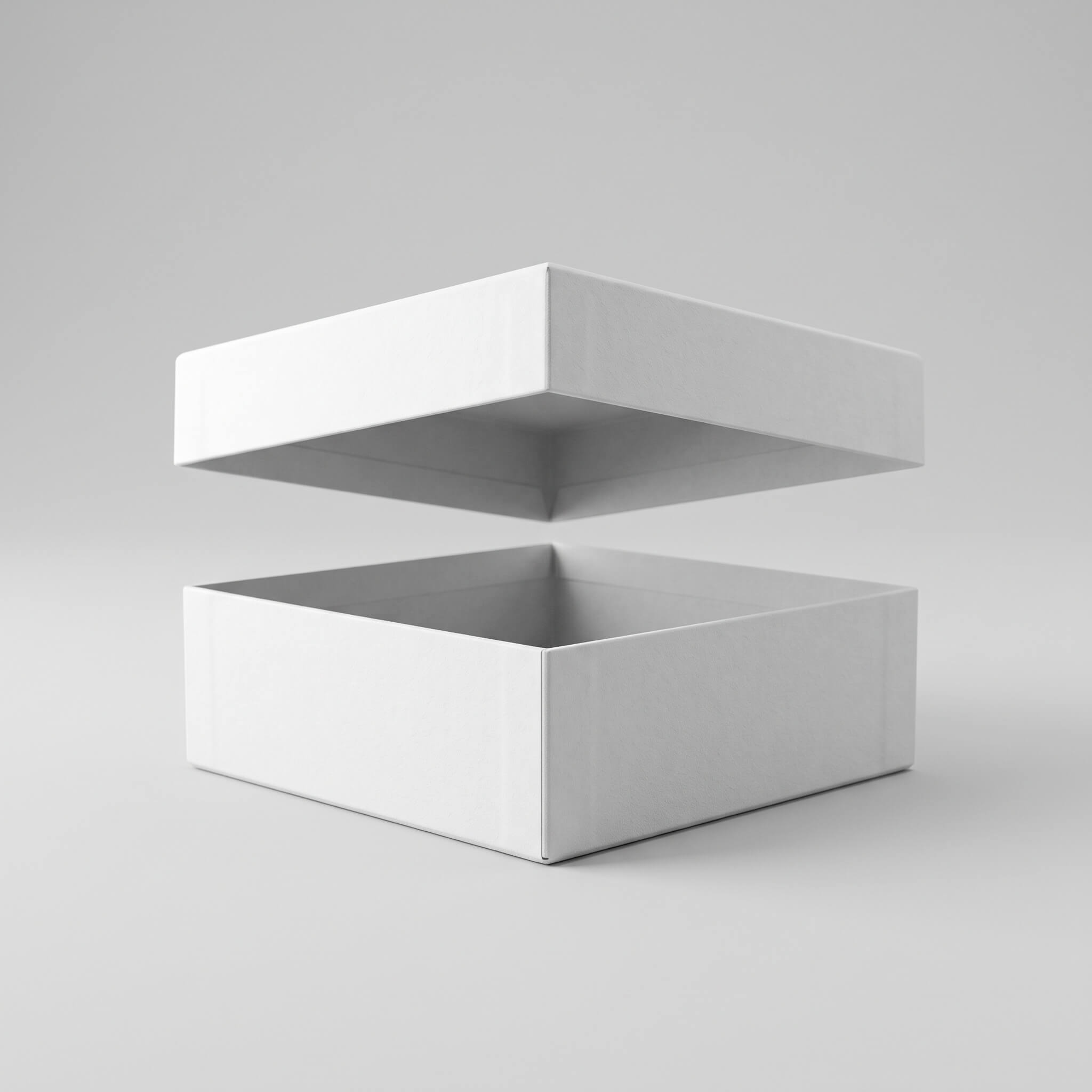
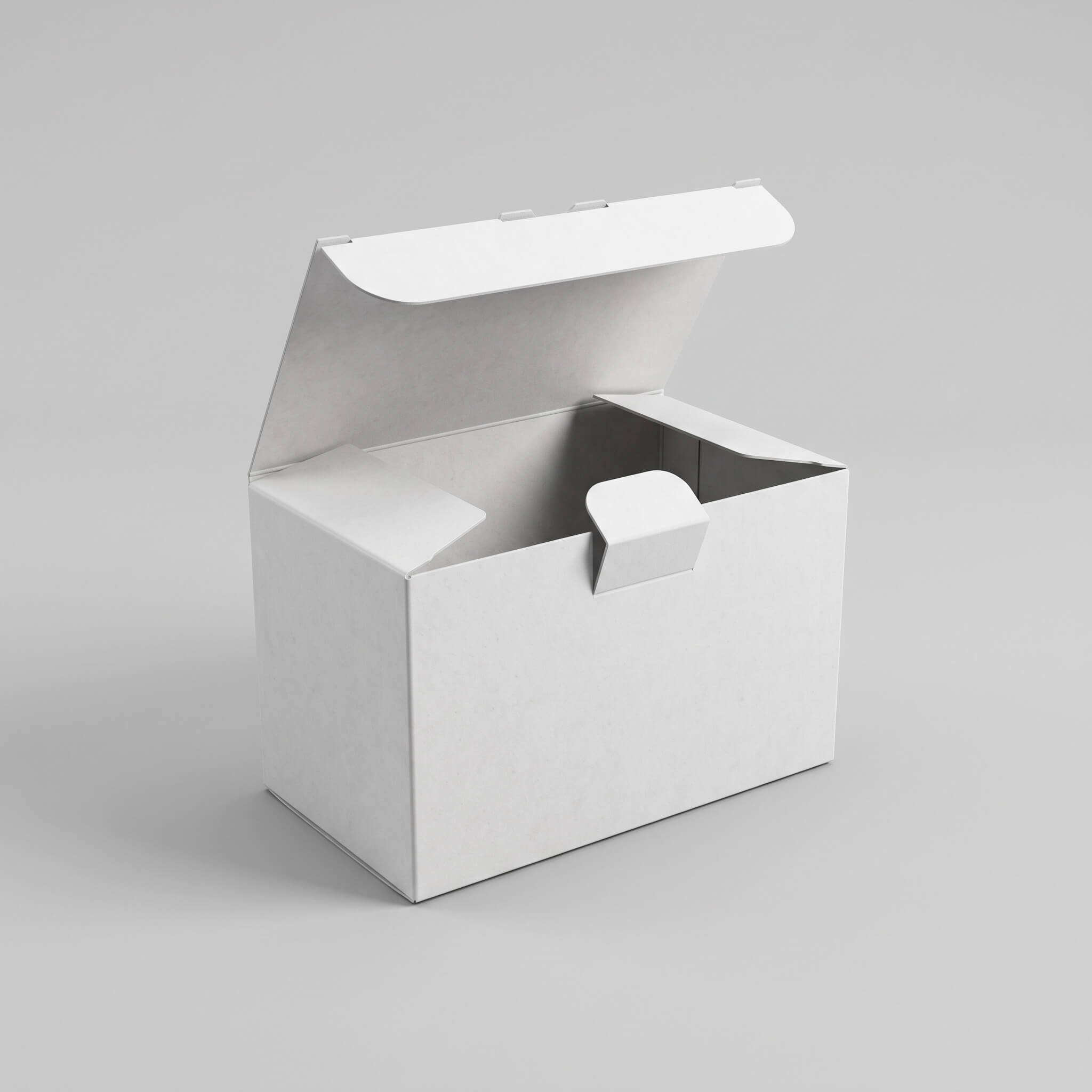
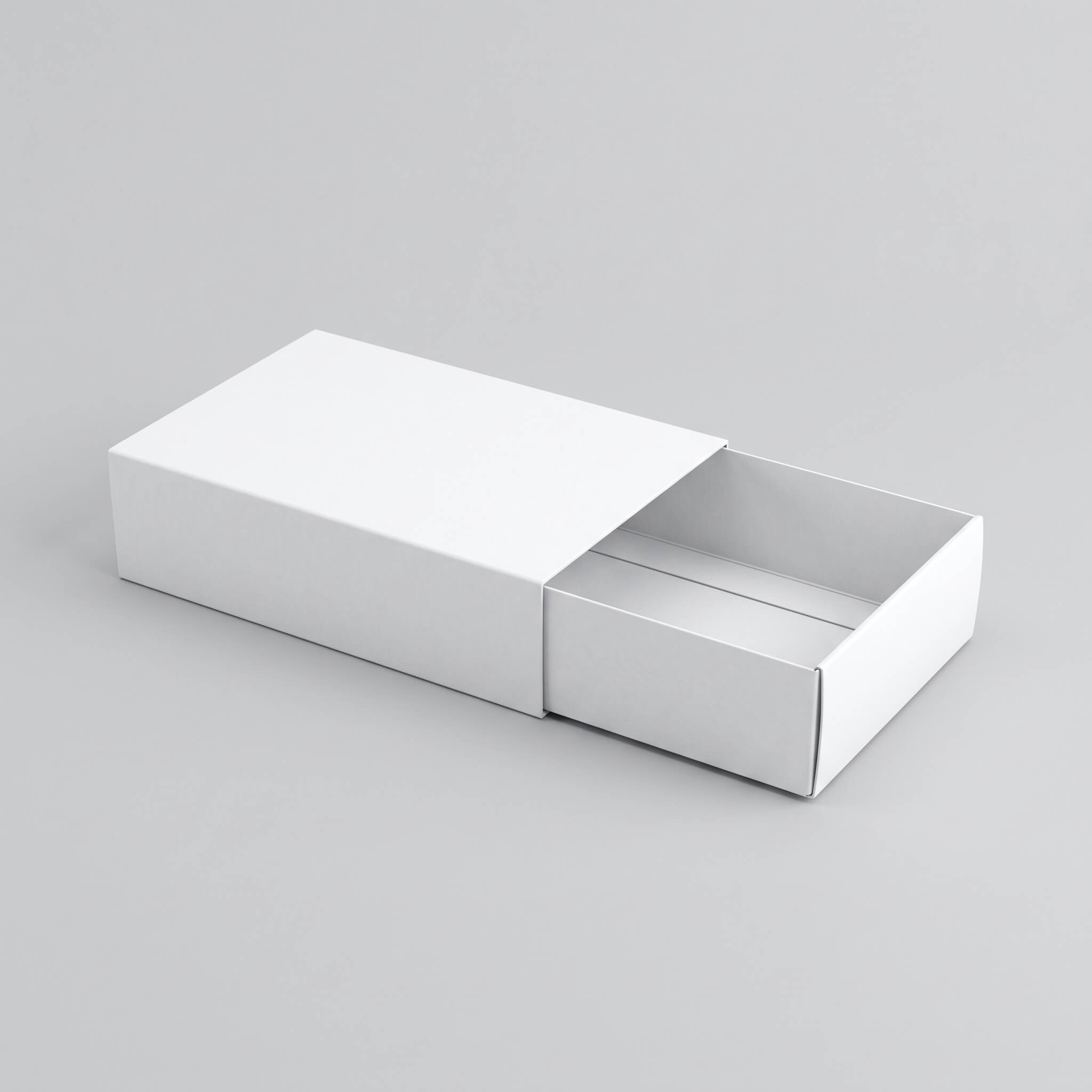
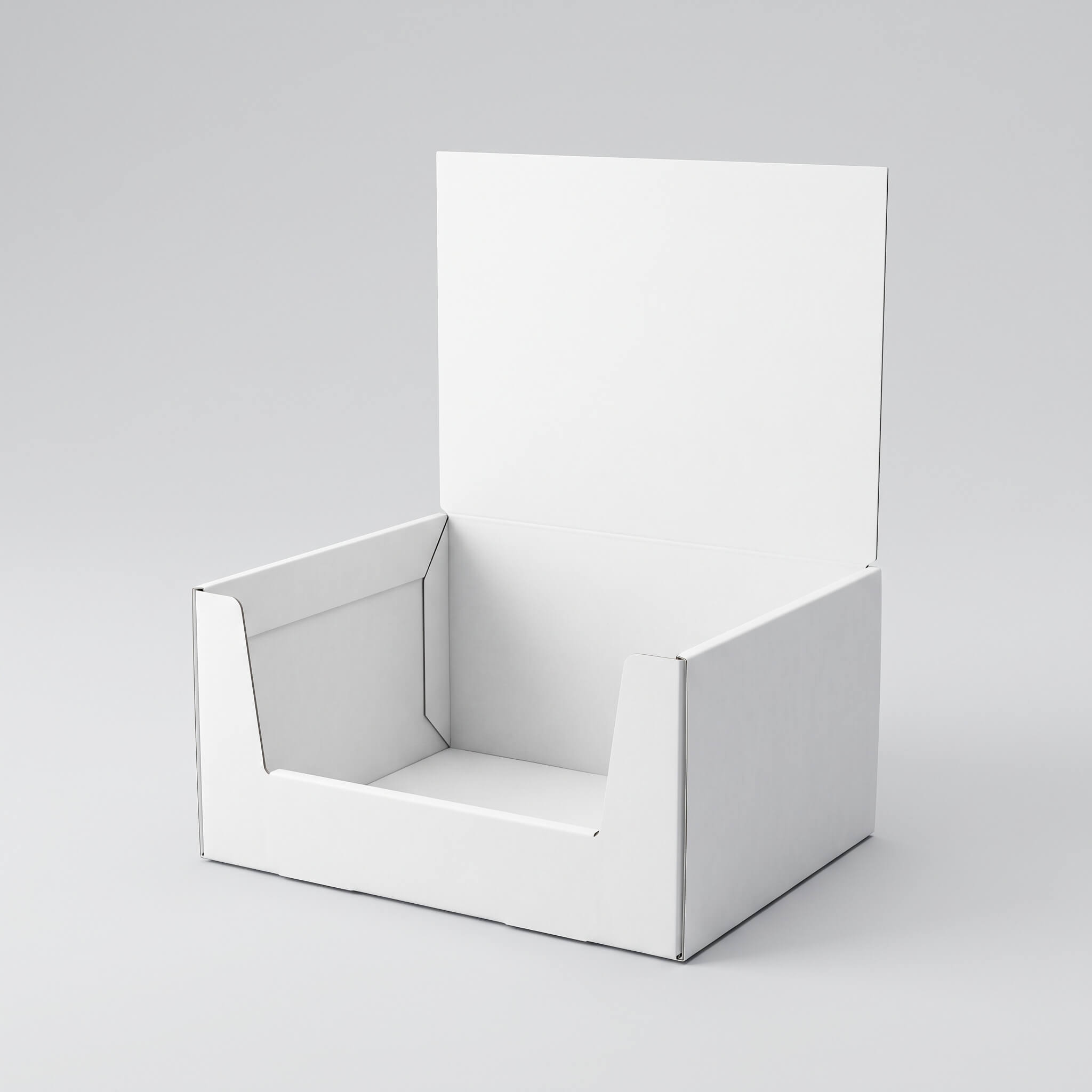
What Are Die Cut Shipping Boxes?
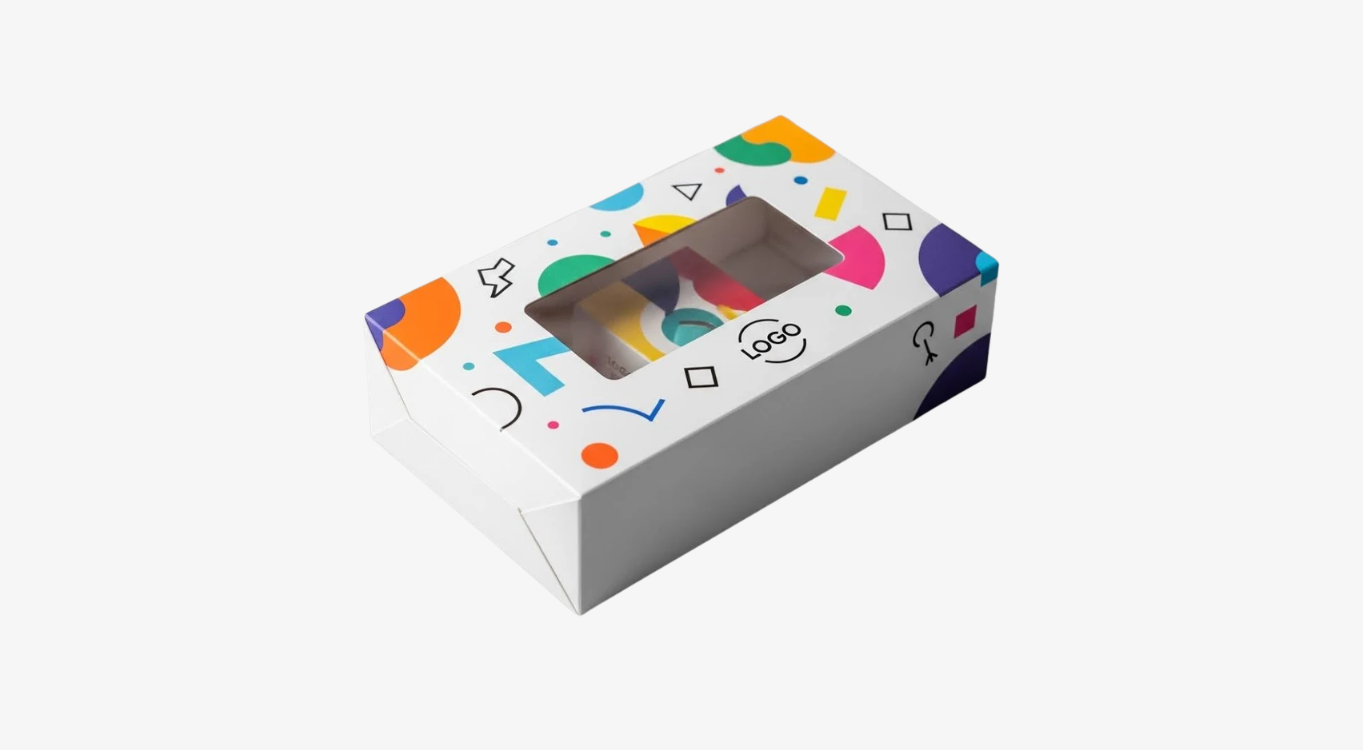
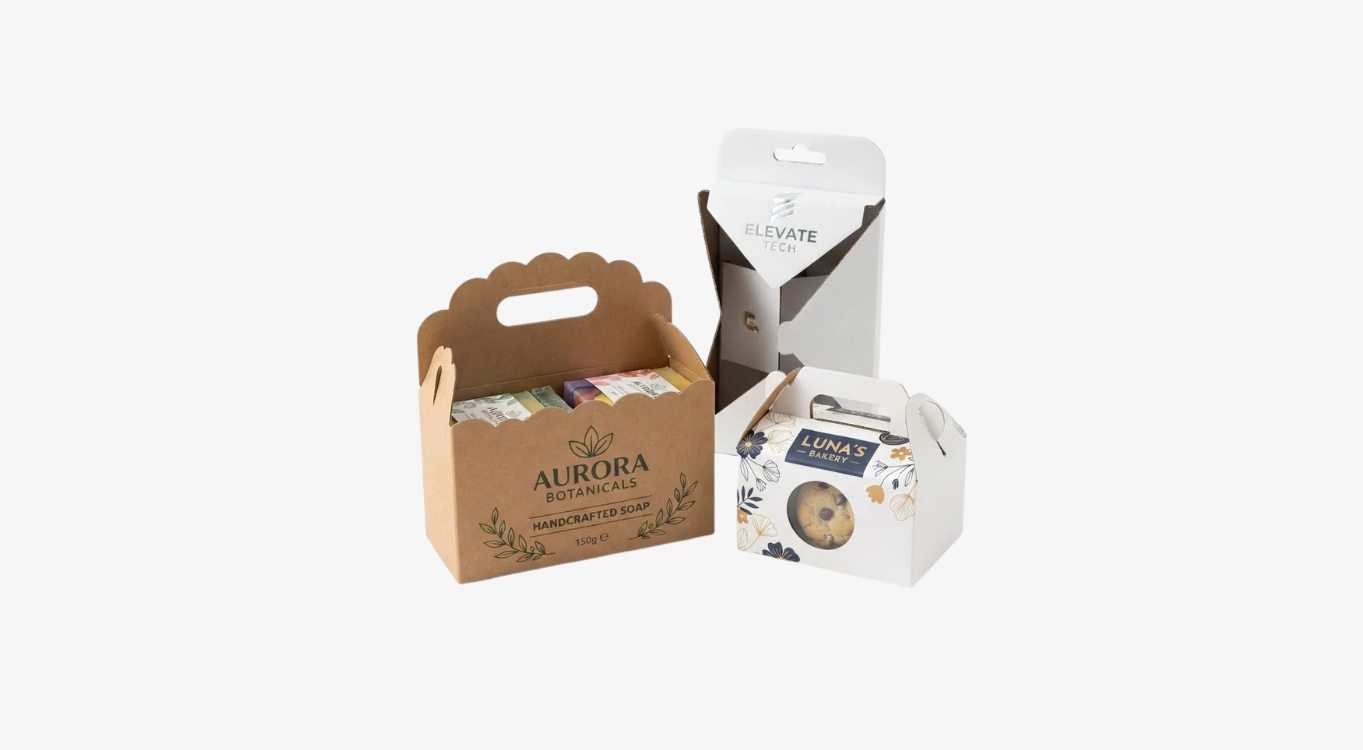
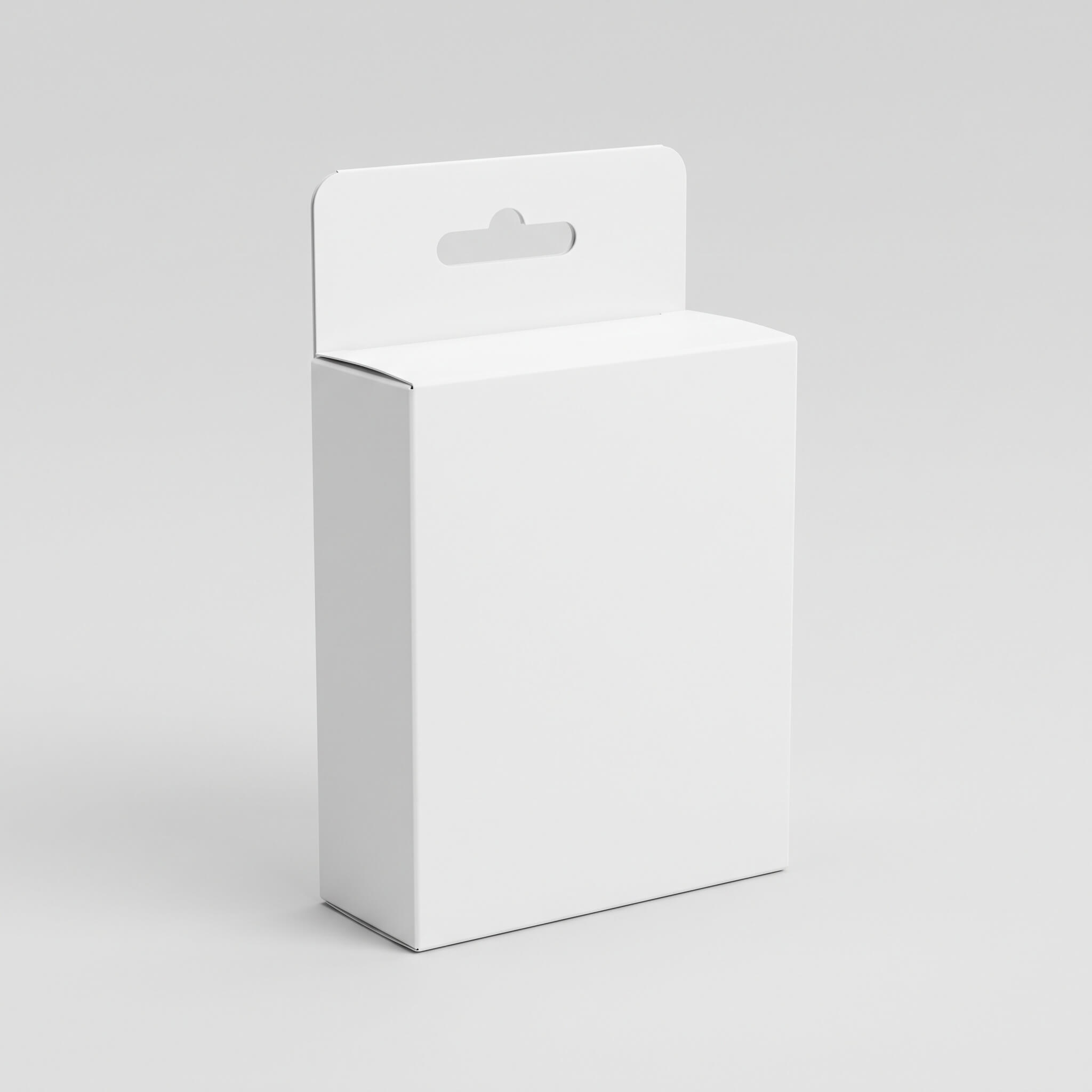
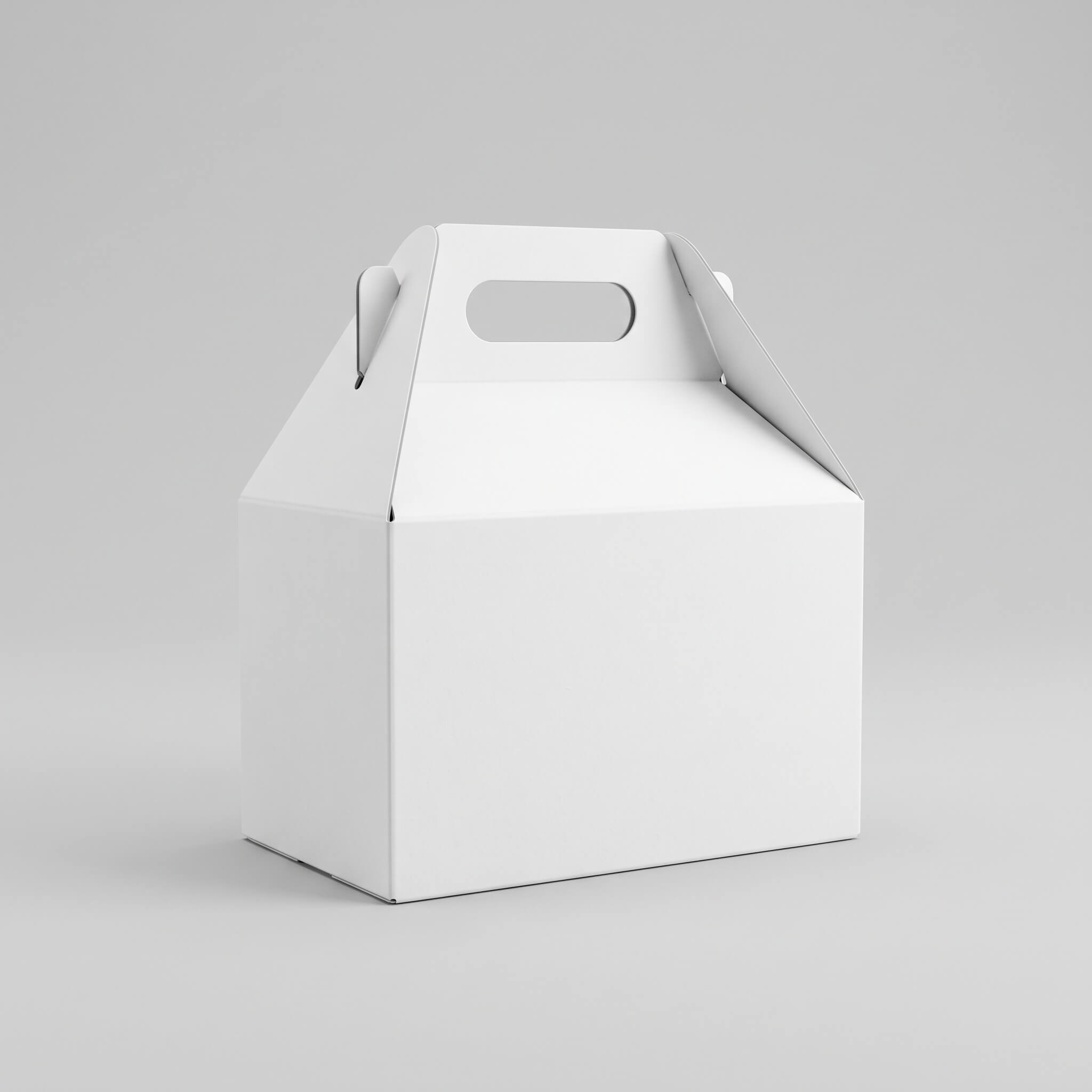
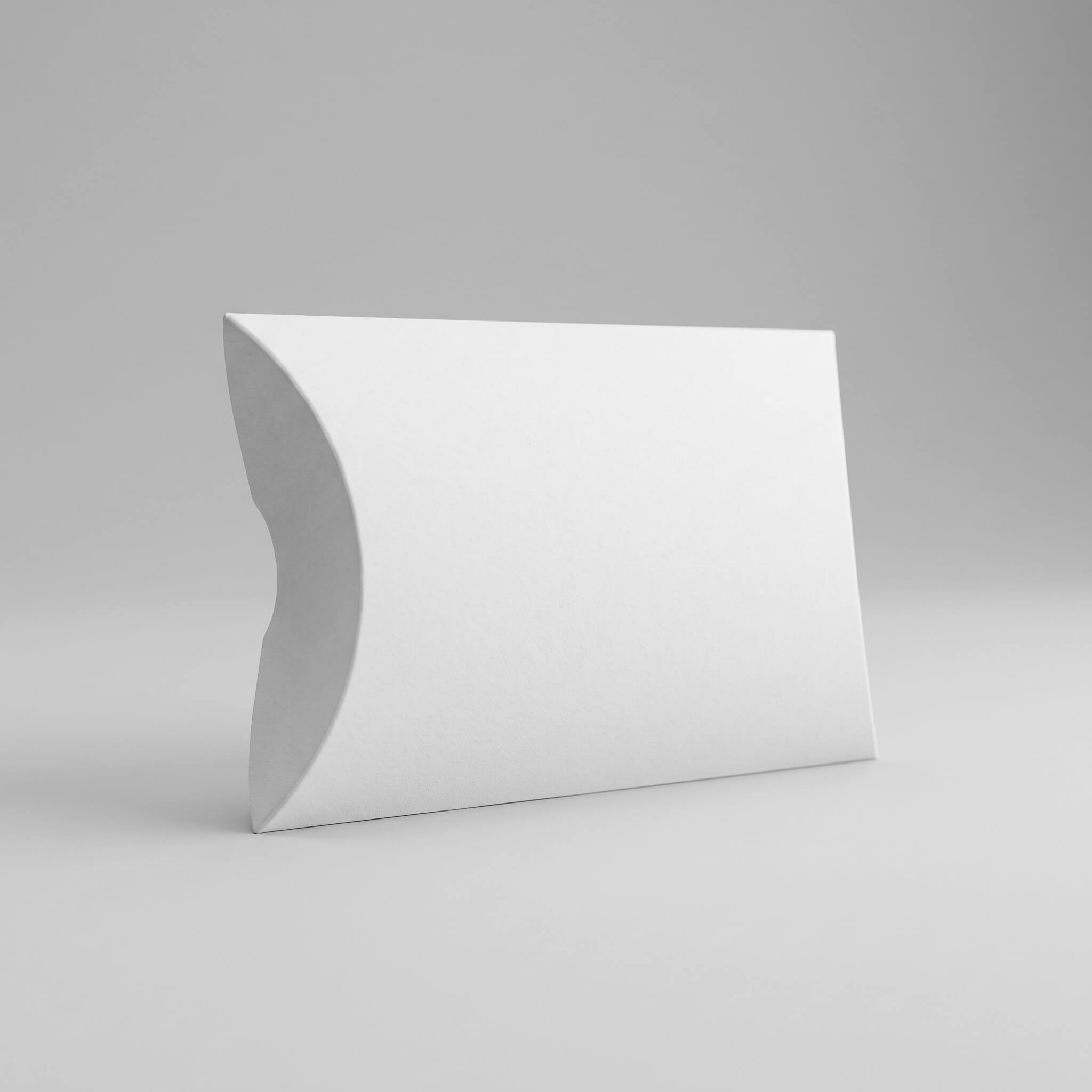
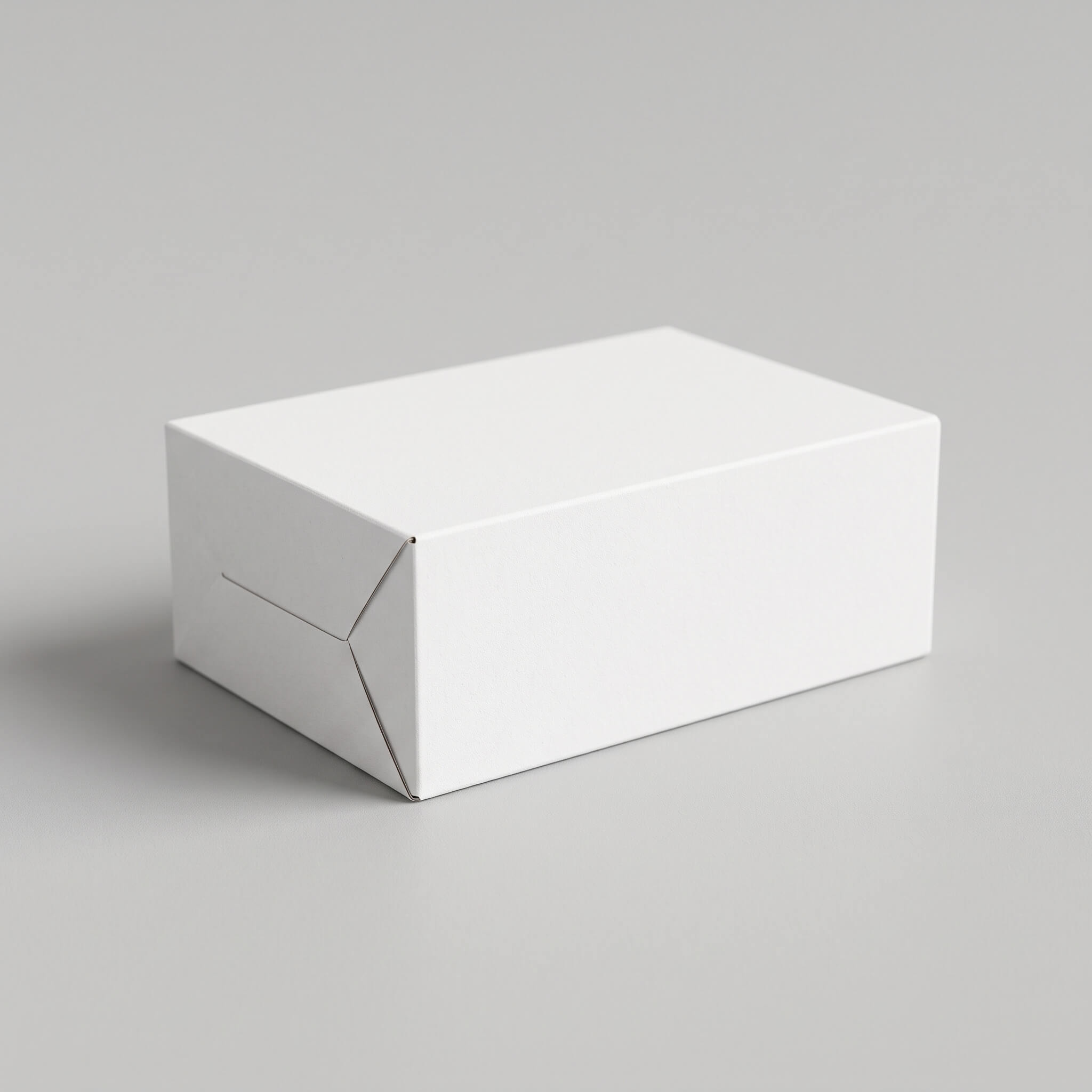
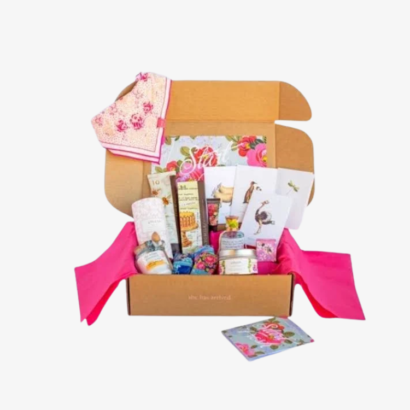
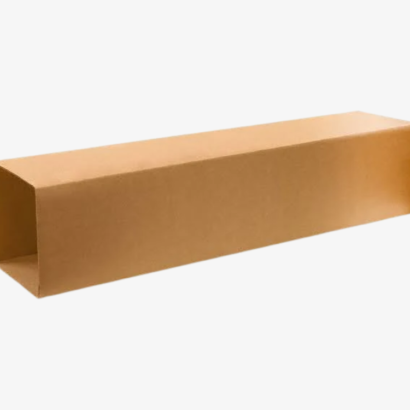
Die cut shipping boxes are packaging containers manufactured using a cutting template, commonly called a die, to create a specific shape and structure from a sheet of cardboard or corrugated board. Instead of relying only on standard box dimensions and basic flap arrangements, die cutting allows packaging to include carefully designed panels, folding sections, locking tabs, slots, openings, and other structural details.
These boxes can be developed around the dimensions and handling requirements of different products. A business shipping accessories, printed materials, retail merchandise, subscription products, or other packaged goods may need a box that differs from a conventional shipping carton. A custom die cut structure can help accommodate those requirements while providing a consistent packaging format.
The design process begins with the product’s measurements and intended use. The packaging structure is then planned around the required internal space, board type, closure method, and assembly process. The resulting dieline acts as a guide for cutting, folding, and converting the packaging material into its final shape.
At Bluebird Packaging, businesses can explore custom packaging dimensions, suitable materials, printed artwork, and structural options for their shipping requirements. If you are comparing different box formats, visit our Custom Shipping Boxes category to explore additional packaging styles.
Benefits of Custom Die Cut Shipping Boxes
A standard shipping carton may be suitable for many products, but some items require a more specific shape, opening, or closure. Die cutting provides flexibility when developing packaging for products that do not fit conveniently into a basic box format.
1. Packaging Designed Around Product Dimensions
One of the main advantages of custom die cut shipping boxes is the ability to plan the structure around a product’s measurements. The length, width, height, shape, and required clearance can all influence the final box design.
A properly planned box helps businesses avoid choosing packaging based only on approximate dimensions. It also makes it easier to consider where protective materials, inserts, or additional components may be needed.
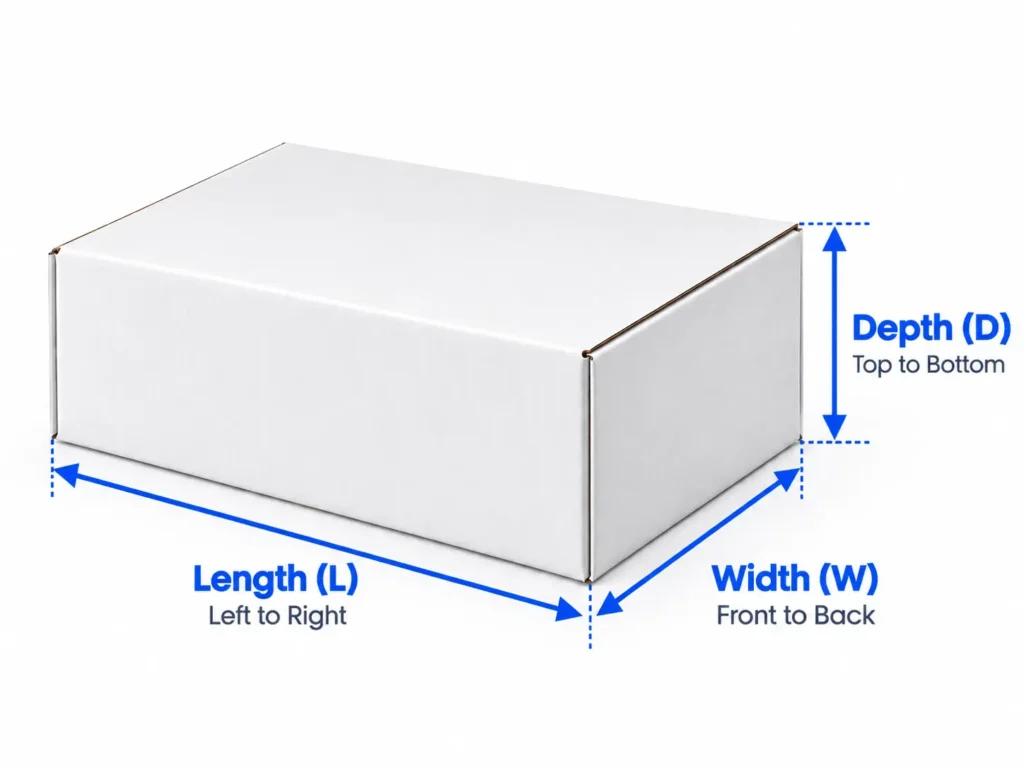
Before finalizing a design, measure the product carefully and account for any accessories or components that will be packed alongside it. Our guide on how to measure a box can help explain the measurements involved in packaging dimensions.
2. Flexible Box Structures
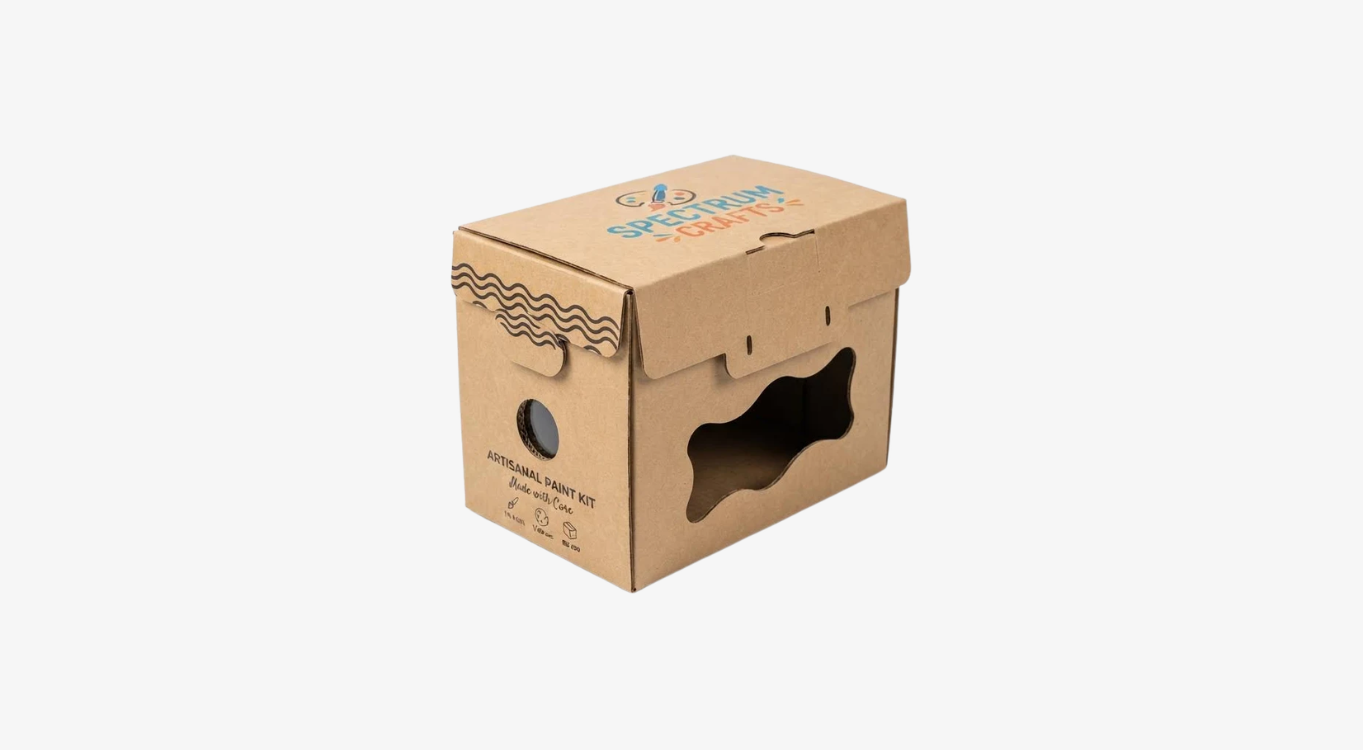
Die cutting allows packaging designers to create a variety of structural features. Depending on the selected material and dieline, a box may include folding panels, locking tabs, tuck-in sections, slots, shaped openings, and integrated closures.
These features can be planned according to how the box will be assembled, packed, opened, and handled. A business may prefer a simple folding design for efficient packing, while another may need a more specialized structure to accommodate a particular product shape.
The final construction should balance the desired appearance with practical requirements such as material strength, assembly time, storage, and shipping.
3. Better Product Organization
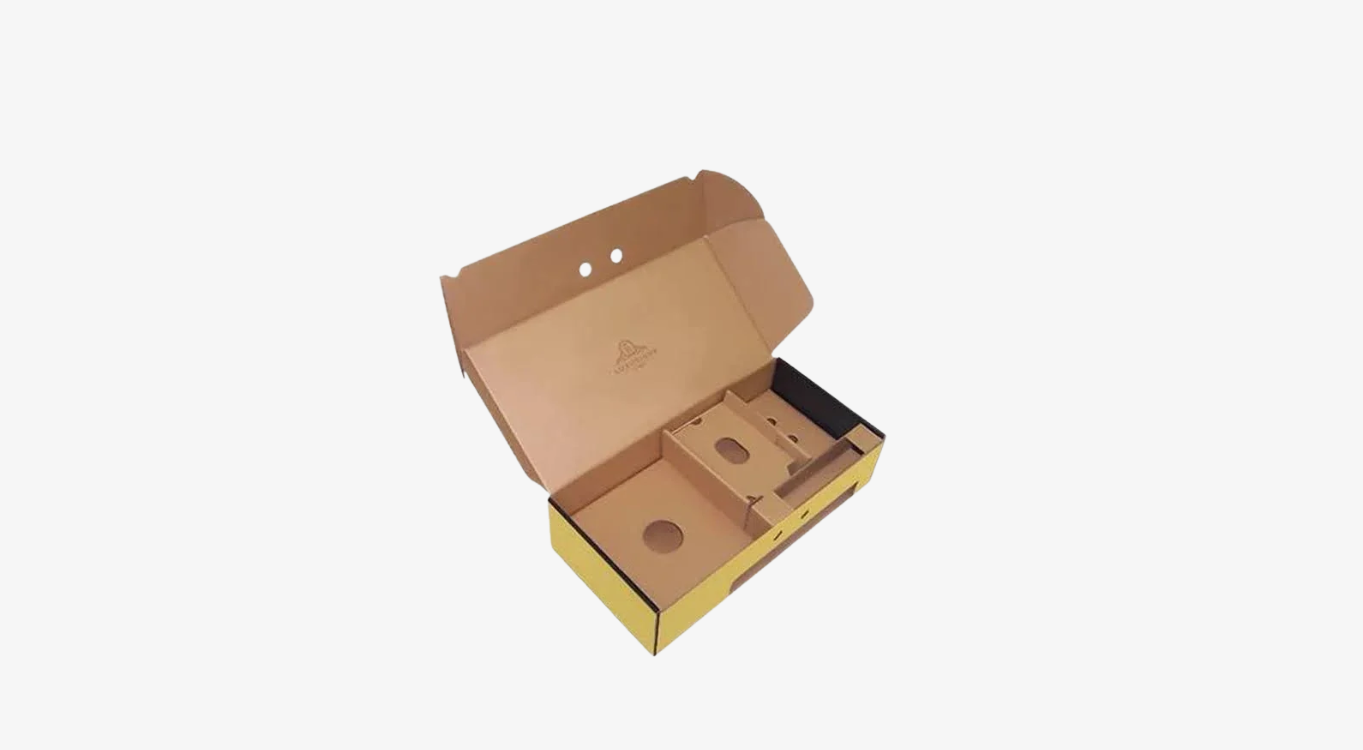
Some shipments contain multiple components that need to remain organized inside the package. Die cut packaging can be designed to work with internal partitions, inserts, or shaped supports where suitable.
For example, a package containing a main product and several accessories may benefit from separate compartments. The insert design can help establish a planned arrangement and reduce unnecessary movement inside the box.
Explore our custom packaging inserts guide to understand how internal packaging components can be considered alongside the outer box structure.
4. More Consistent Packaging Presentation
A custom-cut box can give a business greater control over how its packaging looks when assembled. The shape, opening style, printed panels, and overall dimensions can be developed to match the brand’s packaging direction.
This is particularly useful for businesses that want their shipping cartons to provide a consistent appearance across different orders. Printed logos, brand colors, product information, and other artwork elements can be incorporated according to the selected printing specifications.
5. Flexible Options for Different Shipping Applications
Die cut shipping boxes can be developed for different business applications, including e-commerce orders, retail distribution, product samples, promotional packages, and subscription shipments.
The appropriate construction depends on the product’s weight, dimensions, fragility, shipping distance, and handling conditions. A lightweight product may need a different board specification from a heavier item, while products with unusual shapes may require a more specialized internal arrangement.
The packaging should be selected according to the actual shipping conditions rather than relying on the box shape alone.
Materials Used for Die Cut Shipping Boxes
Material selection influences the structure, appearance, handling, and intended application of a shipping box. The right option depends on product weight, box dimensions, distribution requirements, printing preferences, and the level of protection required.
Corrugated Cardboard
Corrugated board is commonly considered for shipping applications because its layered construction provides a different structure from a single flat sheet of paperboard. It generally consists of linerboard layers with a fluted medium between them.
Different corrugated configurations can be considered according to the intended application. Board grade, flute type, thickness, and overall construction should be selected based on the product and shipping requirements.
Businesses looking for this material can also explore Corrugated Shipping Boxes for another packaging format.
Paperboard and Cardboard
Paperboard and other cardboard-based materials may be suitable for certain lightweight products, retail packaging, and applications where presentation is an important consideration.
The appropriate material depends on the box dimensions, product weight, construction, and expected handling. Not every paperboard structure is suitable for every shipping application, so material selection should be reviewed before production.
Kraft Materials
Kraft-based materials can be considered when a natural paper appearance is part of the packaging design. They may be used for different box styles depending on the required construction and specifications.
Businesses should evaluate the material’s thickness, strength, surface, and compatibility with their chosen printing approach before confirming the final design.
Selecting the Right Board
When comparing packaging materials, consider:
- Product weight and dimensions
- Required internal clearance
- Shipping and handling conditions
- Box opening and closure design
- Printing and finishing requirements
- Storage and assembly requirements
- Whether inserts or partitions are needed
For a broader explanation of available options, read our guide to packaging materials.
Popular Die Cut Shipping Box Styles
Die cut packaging is not limited to one box shape. The cutting template can be developed around the intended application, material, and assembly method.
Roll-End and Folding Styles
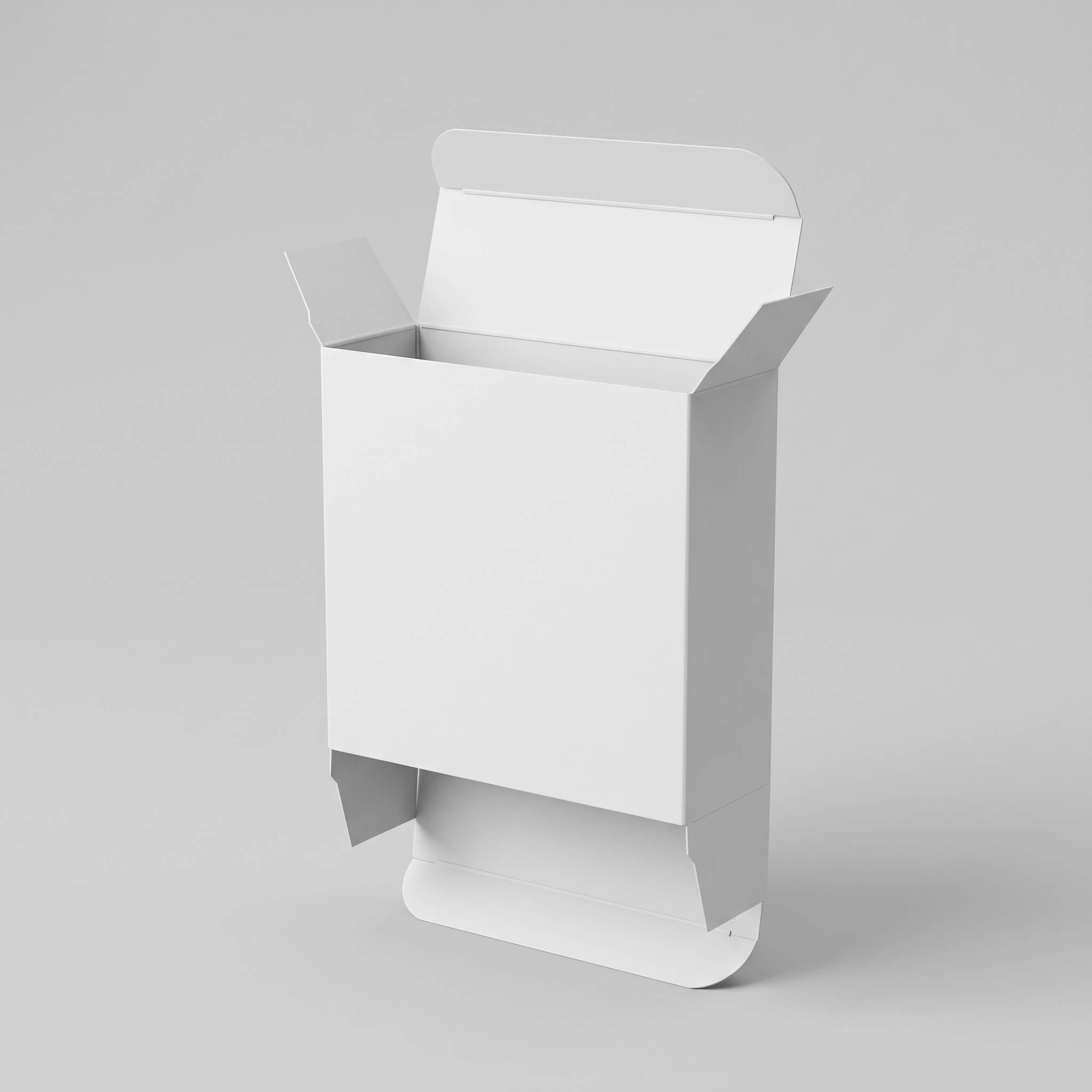
Some die cut shipping designs use folding panels that create a structured package when assembled. Roll-end styles can be developed with folding sections and tuck-in closures, depending on the chosen construction.
These designs may be considered for e-commerce orders, product shipments, and other applications where a folding structure is preferred.
Mailer-Style Die Cut Boxes
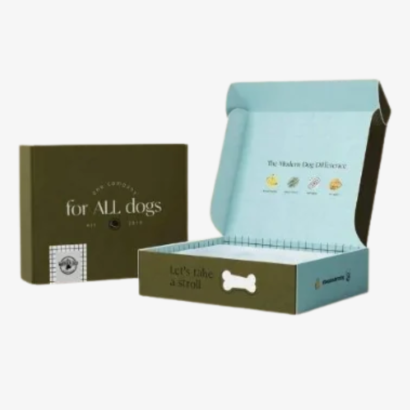
Mailer-style boxes are designed around a folding structure that can incorporate a connected lid and closure panels. Their construction can be adapted to different product dimensions and packaging requirements.
If you are comparing this format with other options, explore Mailer Shipping Boxes.
Custom Insert and Compartment Designs
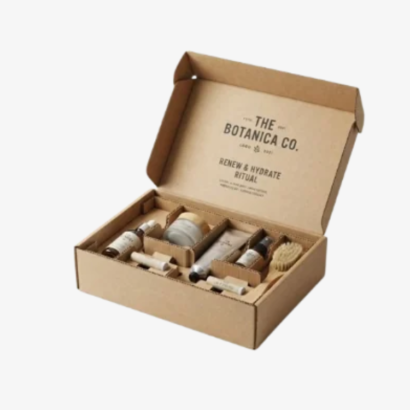
Some products need more than an outer container. A die cut box can be planned alongside internal inserts, dividers, or compartments to create an organized arrangement.
The insert should be designed around the product’s dimensions and the available space inside the box. Its material and construction should also be considered as part of the complete packaging specification.
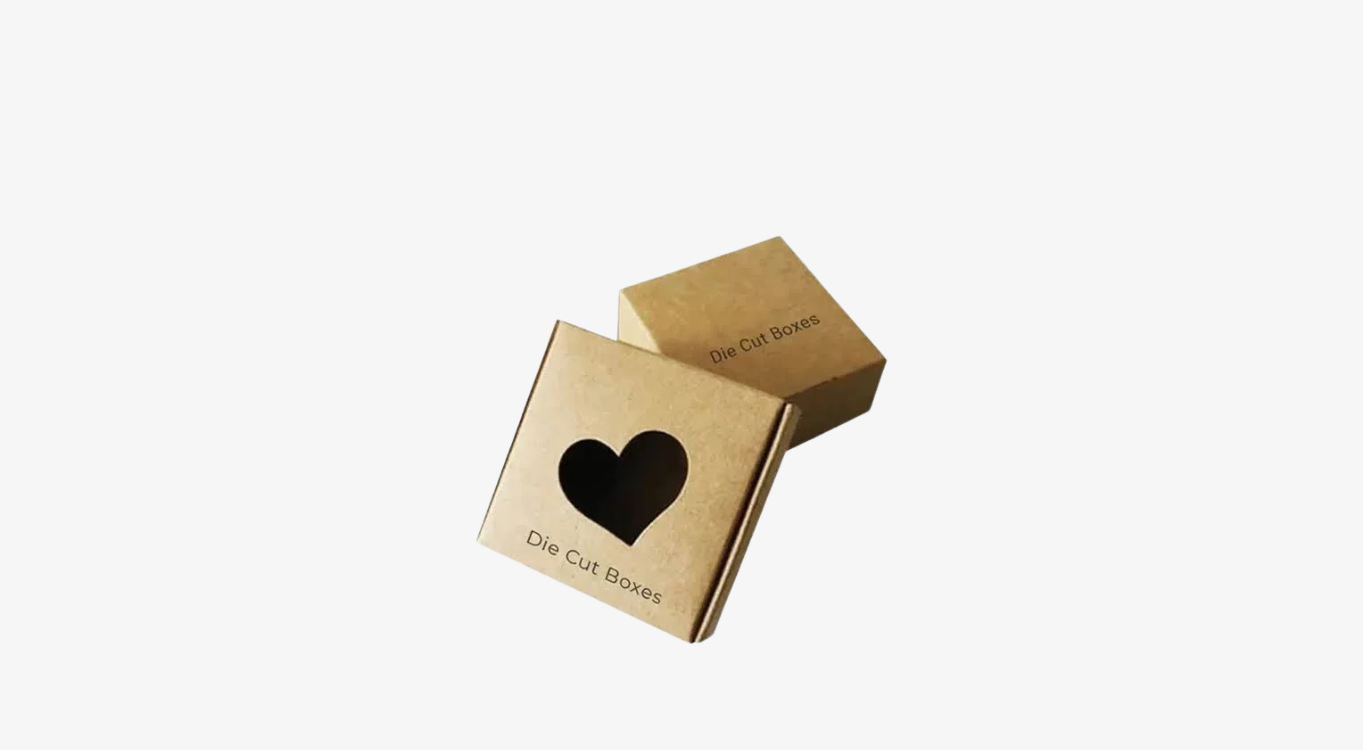
Custom-Cut Openings and Slots
Depending on the packaging application, a die may include openings, slots, or shaped sections. These features should have a clear structural or functional purpose and should be reviewed against the material and product requirements.
Openings should not be added simply for appearance if they could interfere with the intended packaging function.
Printing and Branding Options
Custom die cut shipping boxes can be developed with printed artwork to support a business’s visual identity and packaging presentation. Printing requirements should be considered during the design stage because artwork placement and panel dimensions depend on the dieline.
Logo and Brand Information
A business can use suitable panels to display its logo, brand name, product details, website, or other approved information. The artwork should be positioned with the folding lines, cutting areas, and closure sections in mind.
Full-Color Printing
Depending on the material and production specifications, businesses may select printed colors, patterns, illustrations, or product-related graphics. The final appearance depends on the printing method, board surface, and supplied artwork.
Matte and Glossy Finishes
Finishing options can influence the surface appearance of printed packaging. Matte finishes provide a less reflective appearance, while glossy finishes create a more reflective surface.
The suitability of a finish depends on the selected material, printing process, and desired presentation. Artwork and finishing specifications should be confirmed before production.
Artwork and Dieline Preparation
A dieline shows the packaging layout, including cut lines, fold lines, panels, and other structural details. Artwork must be prepared to fit the approved dieline.
Before submitting files, check:
- Document dimensions and scale
- Bleed and safe areas
- Text placement
- Image resolution
- Color specifications
- Cut and fold line positions
- Important artwork near closures or edges
Review the packaging design guidance when planning artwork for custom packaging.
How to Choose the Right Die Cut Shipping Box
Selecting the right box requires more than choosing a preferred shape. The packaging should be planned around the product, the shipping process, and the practical needs of the business.
Step 1: Measure the Product
Record the product’s length, width, and height. If the item has an unusual shape, measure its widest and tallest points and identify any parts that need additional clearance.
If the package includes accessories, documents, or multiple components, measure the complete packed arrangement rather than the main product alone.
Step 2: Define the Shipping Application
Consider whether the box will be used for individual e-commerce orders, bulk distribution, retail replenishment, subscription shipments, or product samples.
Each application can involve different requirements for storage, handling, assembly, and presentation.
Step 3: Select the Material
Choose a material according to product weight, box dimensions, and expected handling. Corrugated board may be considered for many shipping applications, while other cardboard-based materials may suit specific lightweight or presentation-focused uses.
Material selection should be based on the complete packaging specification.
Step 4: Plan the Box Structure
Decide whether the box needs a tuck-in closure, folding panels, locking tabs, inserts, partitions, or another structural feature.
The structure should be practical to assemble and suitable for the intended product. Unnecessary design complexity can make packing and production more difficult.
Step 5: Prepare the Artwork
If printed packaging is required, prepare artwork according to the approved dieline. Keep important text and logos away from cut lines and folds, and review the artwork at its actual production dimensions.
Step 6: Review a Sample or Prototype
Where available, review a physical sample or prototype before approving a full production run. Check the internal fit, closure, assembly process, appearance, and compatibility with the product.
A sample review can help identify design adjustments before the final order is confirmed.
Die Cut Shipping Boxes for Different Industries
The flexibility of die cut construction makes it relevant to a variety of business applications. However, the final material and structure should always be selected according to the specific product and distribution requirements.
E-Commerce Businesses
Online stores ship products in different sizes and configurations. Custom die cut boxes can be planned around individual product dimensions and the packing process.
Businesses selling accessories, stationery, small home products, or retail merchandise may consider a custom structure when standard cartons do not match their preferred packaging format.
Electronics and Accessories
Electronics accessories may include several components that need to be arranged inside one package. A custom box can be developed with suitable internal space and, where required, separate inserts or compartments.
The packaging design should account for the product dimensions and any additional protective components specified by the business.
Retail and Promotional Products
Brands sending promotional items, samples, or retail products may want packaging that combines a practical structure with branded artwork.
Die cut panels and folding sections can be planned to support the required presentation while keeping the package suitable for its intended handling and distribution.
Books and Printed Materials
Books, documents, and printed materials may require packaging based on their dimensions, thickness, and quantity. A suitable box structure can be planned to accommodate the packed items without relying on an unnecessarily large container.
Custom Die Cut Shipping Boxes for Your Business
Every product has different dimensions, packaging requirements, and shipping considerations. A custom die cut design gives businesses the flexibility to develop a box around those details instead of choosing only from standard carton shapes.
Bluebird Packaging offers businesses the opportunity to specify box dimensions, materials, structural features, and printing preferences for their packaging projects. Whether you need a straightforward folding carton or a more customized shipping structure, the design should be planned around your product and operational requirements.
When preparing your packaging request, share the product dimensions, estimated quantity, preferred material, printing requirements, and any structural features you want to consider. This information helps establish a clearer packaging specification.
Ready to develop packaging for your products? Contact Bluebird Packaging with your requirements to discuss custom die cut shipping boxes designed around your business needs.
Frequently Asked Questions About Die Cut Shipping Boxes
1. What are die cut shipping boxes used for?
Die cut shipping boxes are used to package and ship products in custom-shaped cardboard or corrugated structures. They can be designed for e-commerce orders, retail products, accessories, promotional packages, and other items that require specific dimensions or box features.
2. Can die cut shipping boxes be customized?
Yes. Depending on the material and production specifications, businesses can customize box dimensions, structural design, folding panels, closures, inserts, and printed artwork. The final design is developed around the product and intended packaging application.
3. Are die cut shipping boxes available in corrugated material?
Die cut shipping boxes can be produced using suitable corrugated board. The board type and construction should be selected according to product weight, dimensions, and shipping conditions.
4. Can I print my logo on custom die cut shipping boxes?
Printed logos and other brand artwork can be incorporated according to the selected material and printing specifications. Artwork should be prepared using the approved dieline so that important design elements align correctly with the box panels.