Custom Cardboard Shipping Boxes for Secure Product Delivery
Shipping products requires packaging that fits the item, supports the handling process, and suits the journey from dispatch to delivery. Cardboard shipping boxes offer businesses a versatile packaging format for sending products through courier networks, distribution channels, and direct-to-customer orders. With suitable dimensions, board construction, and packaging design, businesses can develop cartons around different product types and shipping requirements.
At Bluebird Packaging, we provide customizable packaging options for businesses that need shipping cartons in different sizes, styles, and specifications. Whether you are preparing e-commerce orders, sending retail products, organizing wholesale shipments, or distributing goods between business locations, custom cardboard boxes can be developed around your packaging needs.
You can select suitable materials, box dimensions, printing, and finishing options according to the product and intended application. From simple shipping cartons to branded delivery packaging, the right specification starts with understanding what the box needs to hold and how it will be handled.
What Are Cardboard Shipping Boxes?
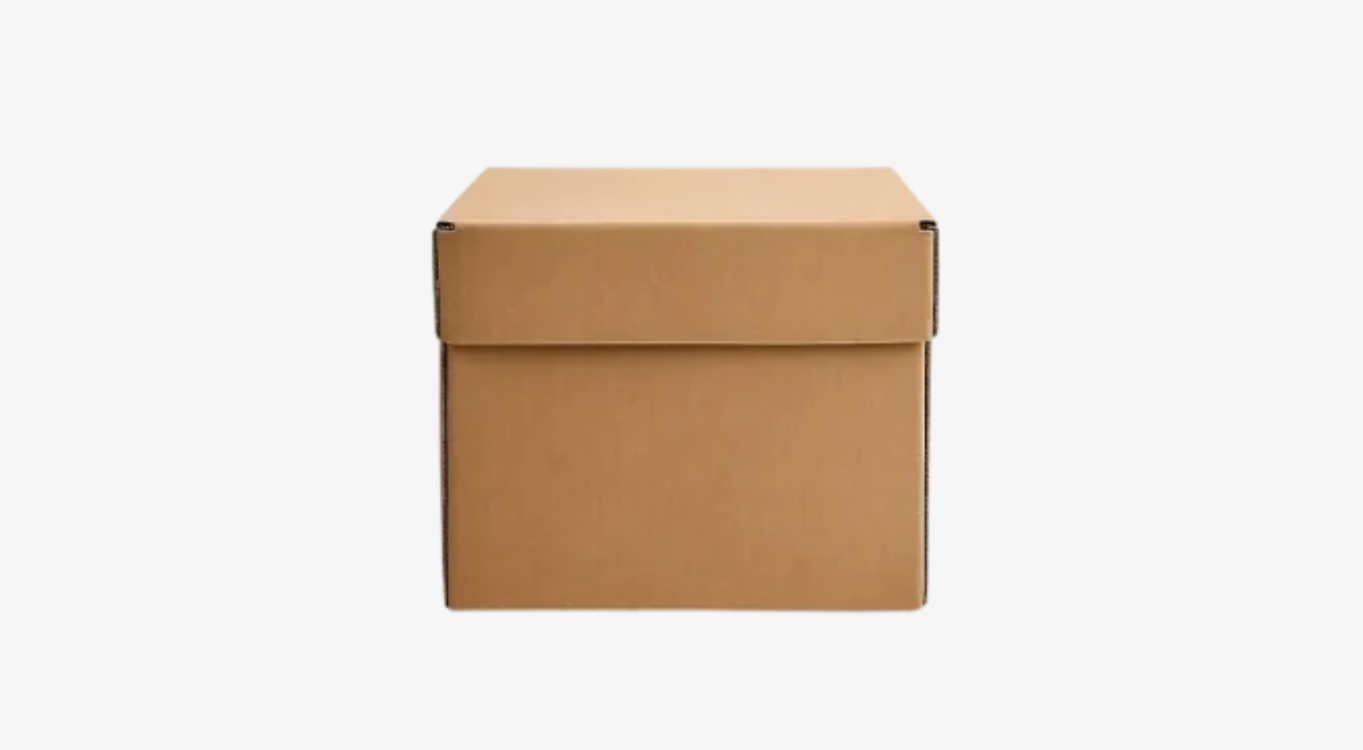
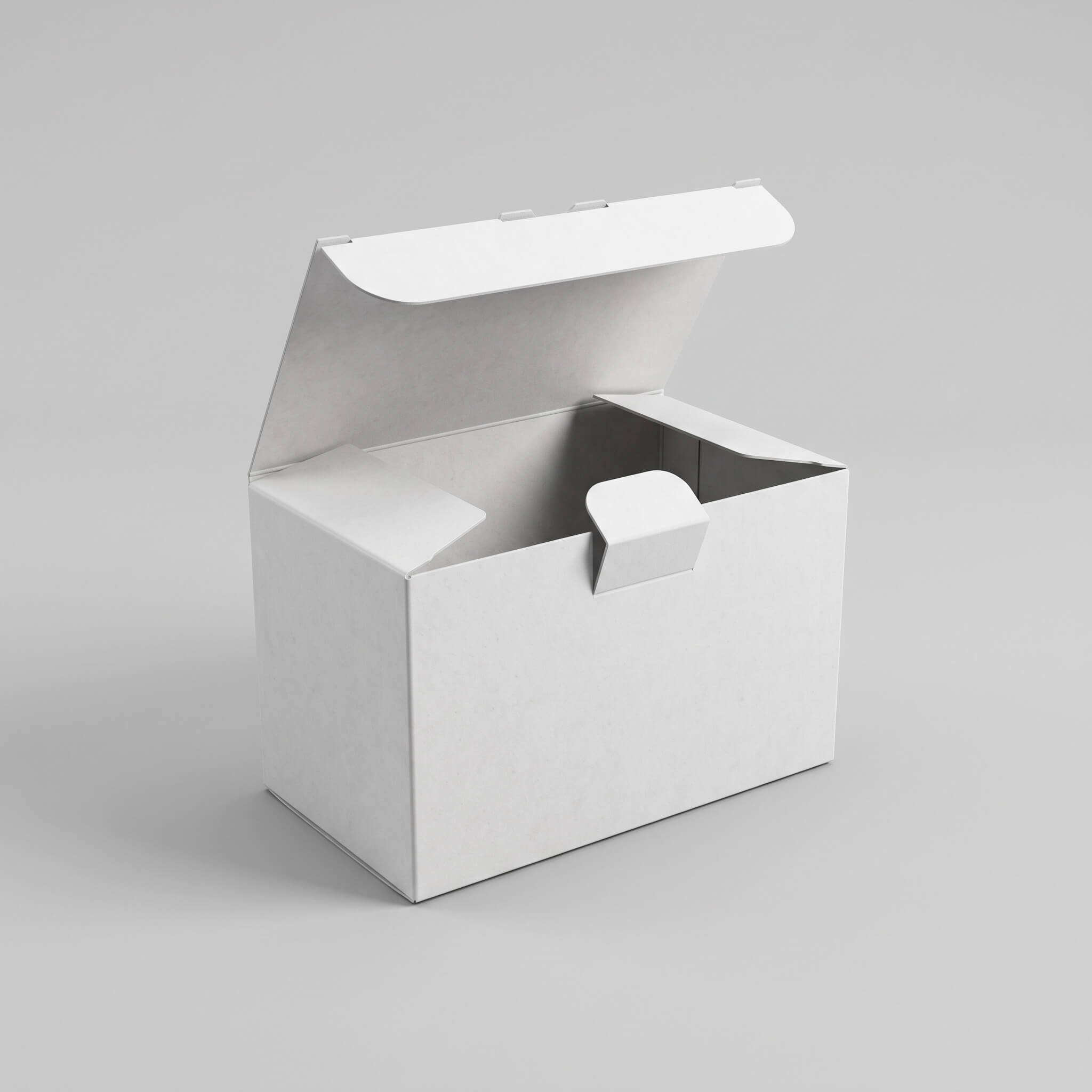
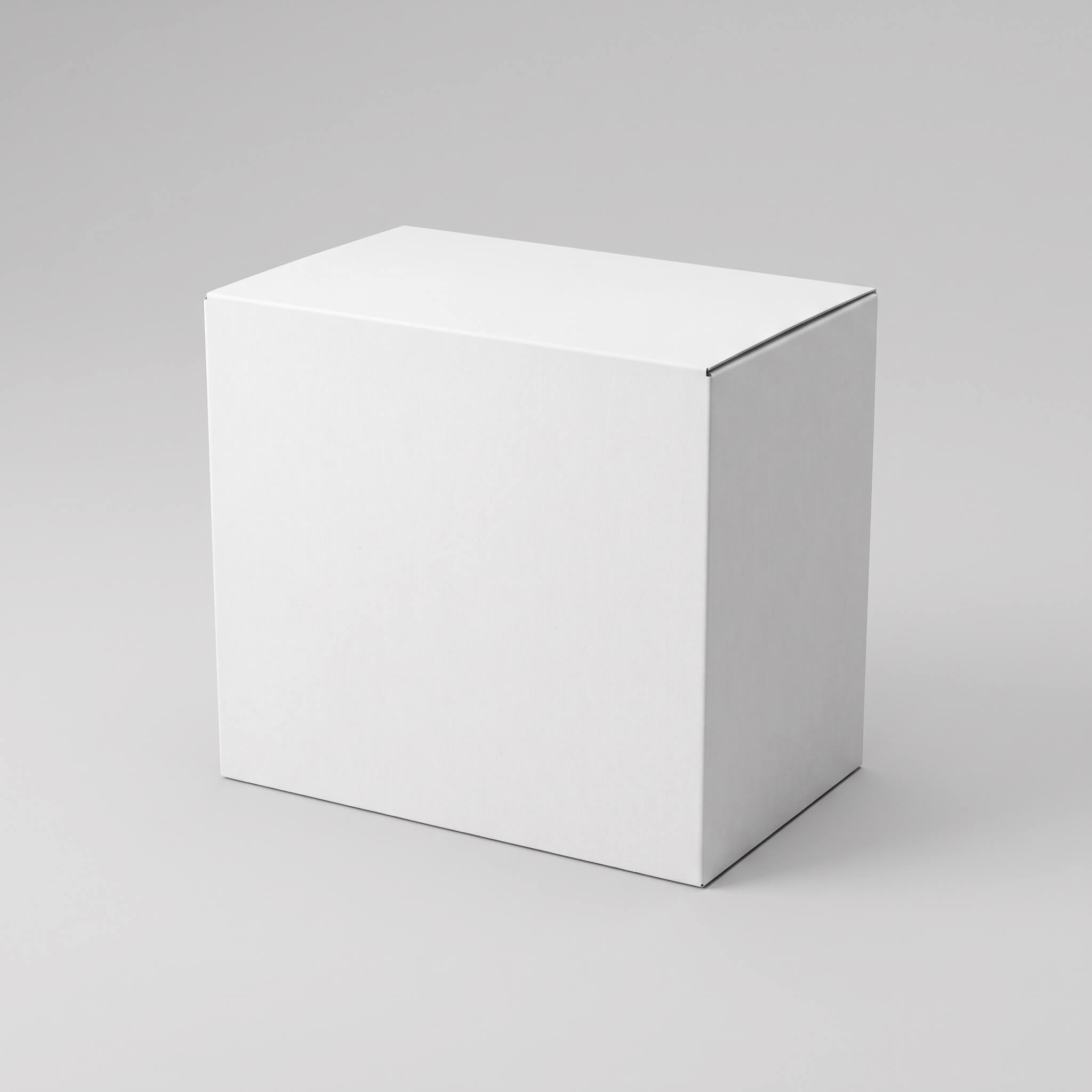
Cardboard shipping boxes are outer packaging cartons used to contain and transport products. They are commonly designed in rectangular or square shapes, although custom dimensions and structures can be developed for different product configurations.
The term cardboard is often used broadly in packaging. Shipping cartons may use different paper-based board constructions, including corrugated board, depending on the required structure and application. Corrugated board has a fluted inner layer between liner sheets, while other paperboard materials are generally used for different packaging purposes.
A suitable shipping box should be selected according to several factors:
- Product length, width, and height.
- Packed product weight.
- Fragility and handling requirements.
- Number of products inside each carton.
- Required internal cushioning or inserts.
- Shipping method and distribution conditions.
- Storage, stacking, and warehouse arrangements.
- Printing and brand presentation requirements.
These details help determine the appropriate carton dimensions and construction. A box designed for lightweight apparel, for example, may have different specifications from one intended for heavier packaged goods.
Why Choose Custom Cardboard Shipping Boxes?
Standard box sizes can work for some shipments, but they may not suit every product. Custom cardboard shipping boxes give businesses more control over the dimensions, construction, and presentation of their packaging.
1. Product-Specific Box Dimensions
A carton should provide enough space for the product and any necessary internal packaging components. Custom sizing allows businesses to develop boxes around the actual dimensions of their products rather than relying entirely on standard sizes.
A well-planned box can also help reduce unnecessary empty space. This can make it easier to organize products inside cartons and plan the overall shipping configuration.
2. Suitable Material Specifications
Different shipments have different packaging requirements. Board construction should be selected according to product weight, carton size, handling conditions, and distribution needs.
For example, a lightweight product may require a different specification from a heavier item or a shipment containing multiple products.
3. Branding Across Delivery Packaging
Shipping packaging can also contribute to the customer experience. Printed logos, brand colors, and carefully arranged artwork can help businesses maintain a consistent visual identity beyond the retail shelf.
Custom printed cartons allow companies to coordinate their shipping packaging with their wider brand presentation.
4. Flexible Packaging Configurations
Businesses may need different box sizes for individual orders, product bundles, wholesale quantities, or multiple product ranges.
Custom cardboard cartons can be developed in different dimensions and configurations to accommodate these requirements.
5. Organized Storage and Dispatch
Consistent carton dimensions can help businesses plan packaging arrangements for storage, order preparation, and dispatch. Where several products are shipped together, internal dividers or inserts may also be considered.
Types of Cardboard Shipping Boxes
The right box style depends on the product, packed weight, distribution method, and required packaging construction. Below are several options businesses may consider when planning their shipping packaging.
Regular Slotted Cartons
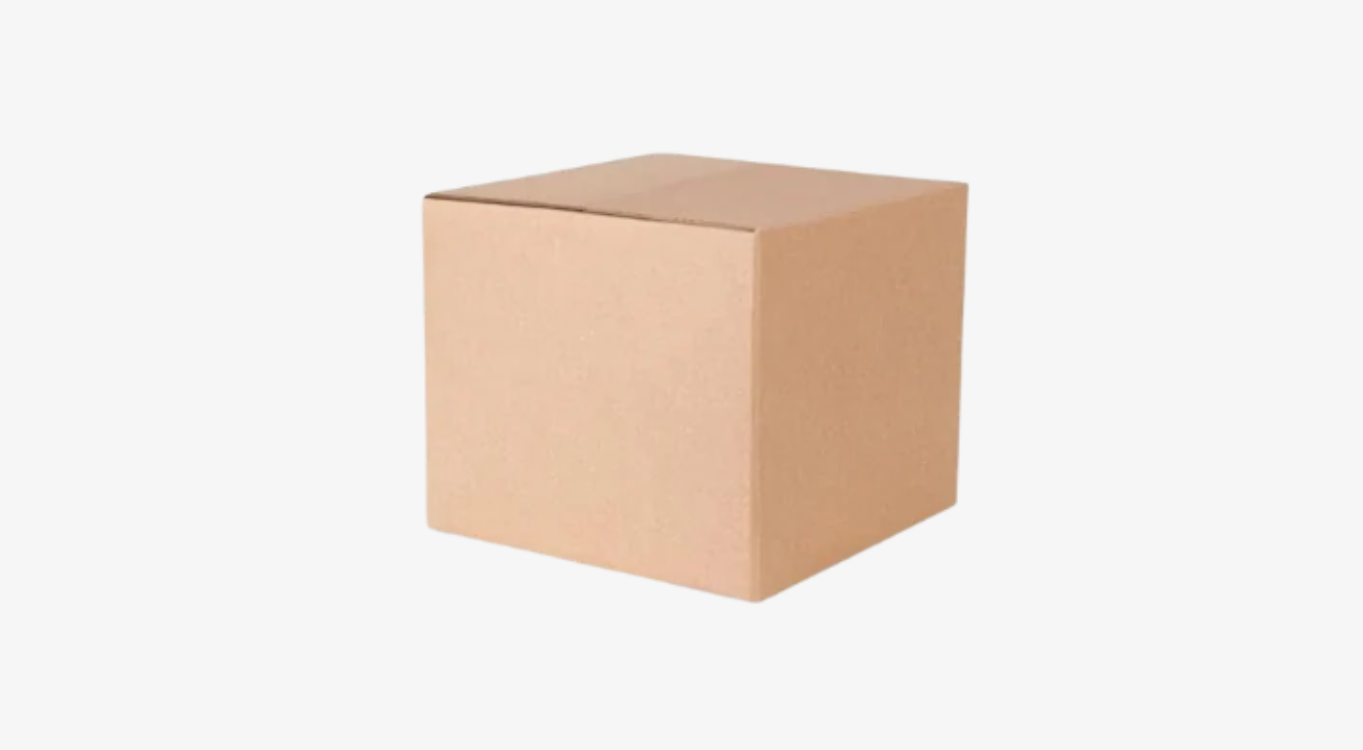
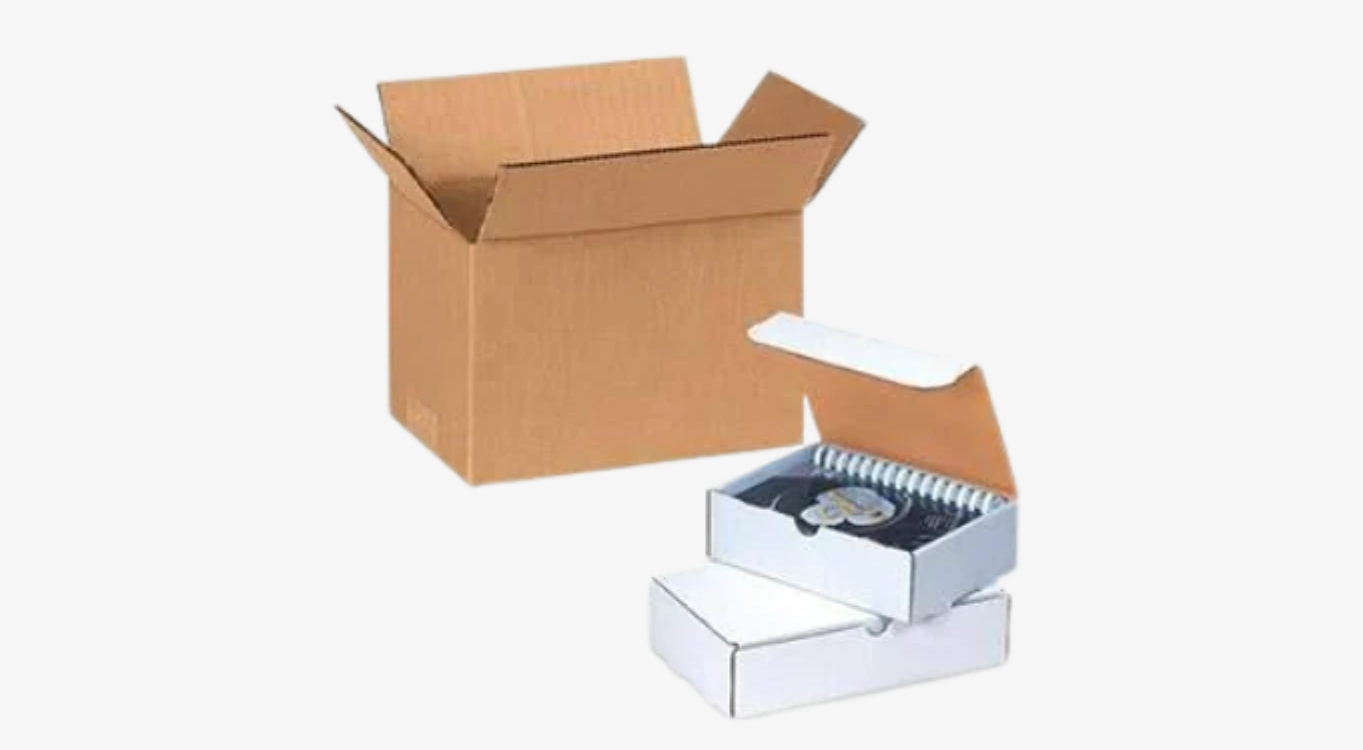
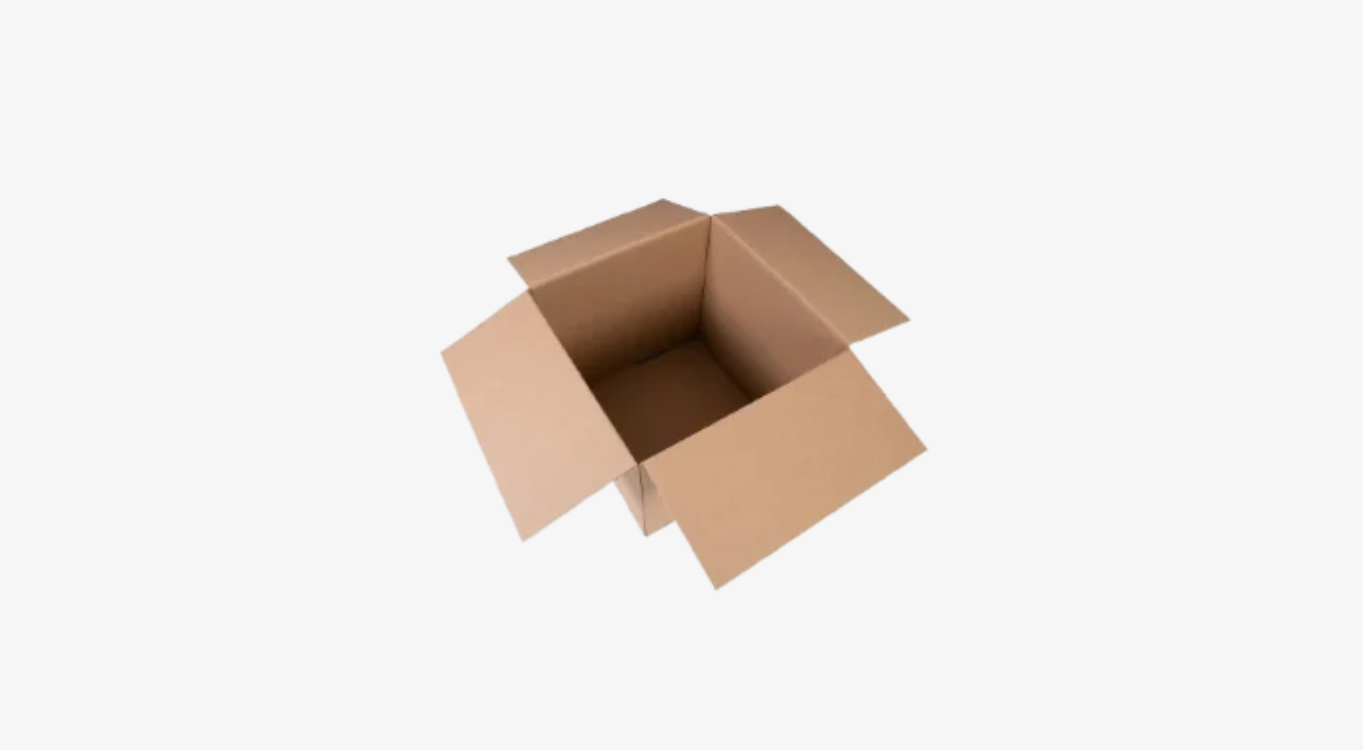
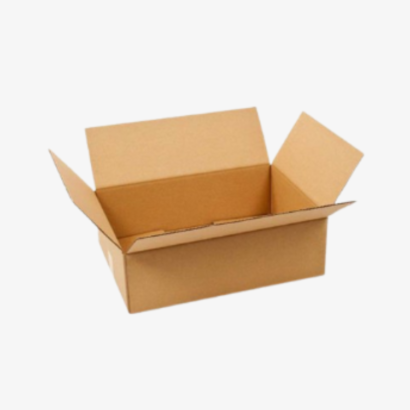
Regular slotted cartons are a commonly used shipping box style. Their top and bottom flaps meet near the center when closed, creating a straightforward structure for packing and sealing.
This style can be considered for a wide range of general shipping applications. Its dimensions and board specification should be selected according to the contents and handling conditions.
Single Wall Cardboard Shipping Boxes
Single wall cartons generally use one fluted layer between two liner sheets. They are commonly considered for shipping applications where this construction is suitable for the packed product and distribution environment.
The appropriate flute and board specification depend on the box dimensions, product weight, and required handling performance.
Double Wall Shipping Boxes
Double wall cartons use two fluted layers separated by liner sheets. They may be considered for shipments that require a different level of structural construction from a single wall carton.
Businesses should assess the packed weight, carton size, stacking conditions, and transportation requirements before selecting this format. You can also consider our double wall shipping boxes when planning a heavier-duty packaging configuration.
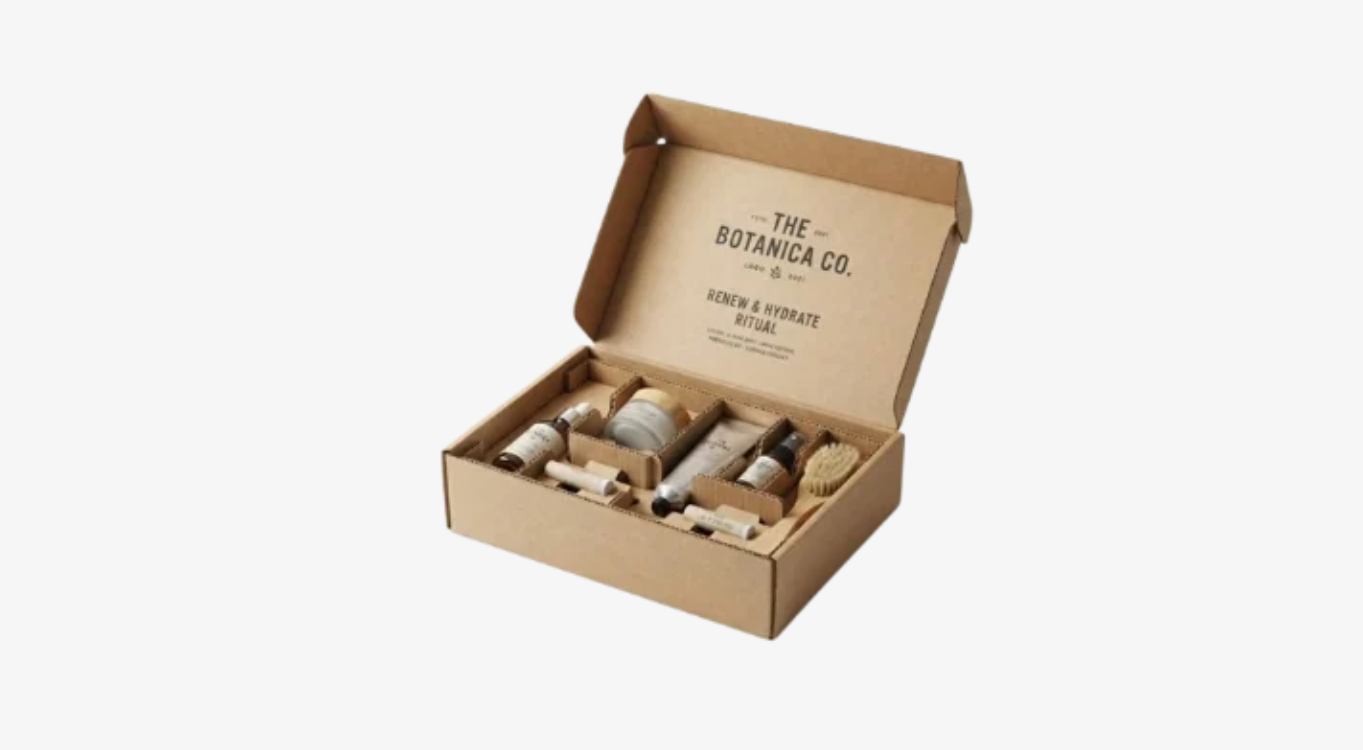
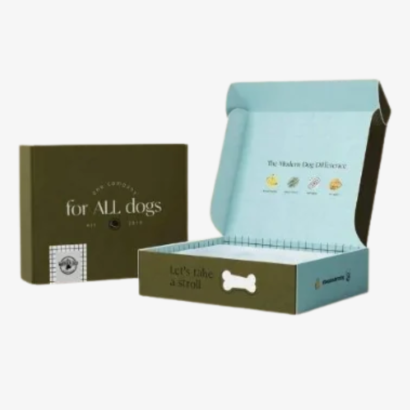
Custom Mailing Boxes
Mailing boxes are designed for businesses that send products directly to customers or through delivery services. They can be customized around product dimensions, opening styles, and branding requirements.
These boxes may be suitable for subscription orders, retail products, accessories, and other items that need an organized shipping format.
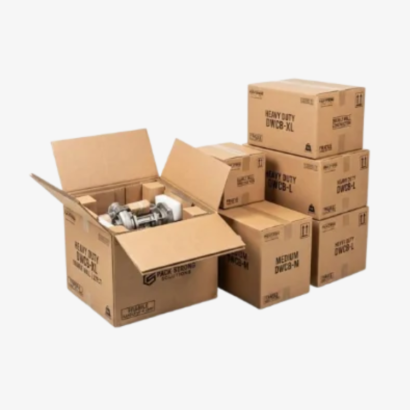
Heavy Duty Cardboard Shipping Boxes
Heavy-duty cartons are developed with construction specifications selected for more demanding shipping applications. The appropriate board strength depends on the product weight, box dimensions, stacking requirements, and distribution conditions.
For shipments requiring a more substantial carton construction, businesses can review our heavy duty shipping boxes as a related option.
Custom Printed Shipping Cartons
Printed shipping cartons combine a practical box structure with brand artwork. Businesses can incorporate logos, colors, product information, handling instructions, and other approved design elements.
The amount and placement of printing should be planned according to the available carton panels and selected material.
Cardboard Shipping Boxes for Different Business Applications
Shipping packaging is used across many industries. The box dimensions, structure, and printed design should reflect the product and the way it will be distributed.
E-commerce Shipping
Online stores need packaging that accommodates products sold through websites and online marketplaces. Cardboard shipping boxes can be customized for individual orders, bundled products, and different product sizes.
When selecting a carton for e-commerce, consider the product dimensions, any internal cushioning, courier handling, and the available storage space. Businesses with multiple product categories may benefit from developing a coordinated range of box sizes.
Retail Product Distribution
Retail businesses often need cartons for sending products to stores, warehouses, or distribution partners. The carton should accommodate the number of units being shipped and suit the intended handling and storage arrangement.
Printed branding can also help businesses identify their shipments and maintain consistent packaging across different product lines.
Wholesale and Bulk Shipments
Wholesale orders may involve multiple products packed together in a larger carton. Box dimensions and construction should account for the combined weight and arrangement of the contents.
For bulk distribution, businesses should consider carton size, stacking conditions, and the handling process throughout the supply chain.
Electronics and Accessories
Electronics and accessories may have different shapes, weights, and packaging configurations. Shipping cartons can be developed around the retail package or individual product, with suitable internal cushioning or inserts where required.
The complete packaging system should be assessed for the specific item and its shipping conditions. A cardboard carton alone should not be assumed to provide all the protection a sensitive product may need.
Apparel and Textile Products
Clothing and textile products can often be shipped in cartons selected according to the folded product dimensions and order quantity. Businesses may choose different box sizes for single-item orders, multi-item purchases, and wholesale shipments.
Printed artwork can coordinate delivery packaging with the company’s brand identity.
Books and Printed Materials
Books, catalogs, and printed materials require packaging dimensions that account for their length, width, thickness, and quantity. Cartons should be planned around the complete packed arrangement to limit unnecessary movement.
For this application, businesses may also consider our book shipping boxes as a related product option.
Choosing the Right Cardboard for Shipping Boxes
Material selection affects the carton construction, appearance, printability, and handling characteristics. The best specification depends on the product and the distribution environment.
Corrugated Cardboard
Corrugated cardboard is widely used for shipping cartons. It consists of liner sheets with a fluted layer between them. Different flute profiles and board combinations can be selected according to the required carton construction.
Its suitability depends on the box dimensions, packed weight, stacking conditions, and shipping environment.
Kraft-Lined Corrugated Board
Kraft-lined corrugated board may be considered when a natural paper appearance is preferred. It can be used for selected shipping carton designs, depending on the required construction and material specifications.
Businesses may also consider our Kraft shipping boxes when a Kraft-style packaging appearance suits their project.
White-Lined Board
White outer liners can provide a different appearance for printed shipping cartons. They may be useful when businesses want a lighter surface for logos, brand colors, and other artwork.
The selected liner and printing process should be reviewed for the desired result.
Board Thickness and Flute Selection
Corrugated board is available in different constructions. Flute profile, liner specifications, and board combination influence the finished carton.
The right choice should be based on the packed product, dimensions, and distribution requirements rather than choosing thickness by appearance alone.
For a clearer understanding of material differences, read our guide to cardboard versus corrugated boxes.
How to Select the Right Cardboard Shipping Box Size
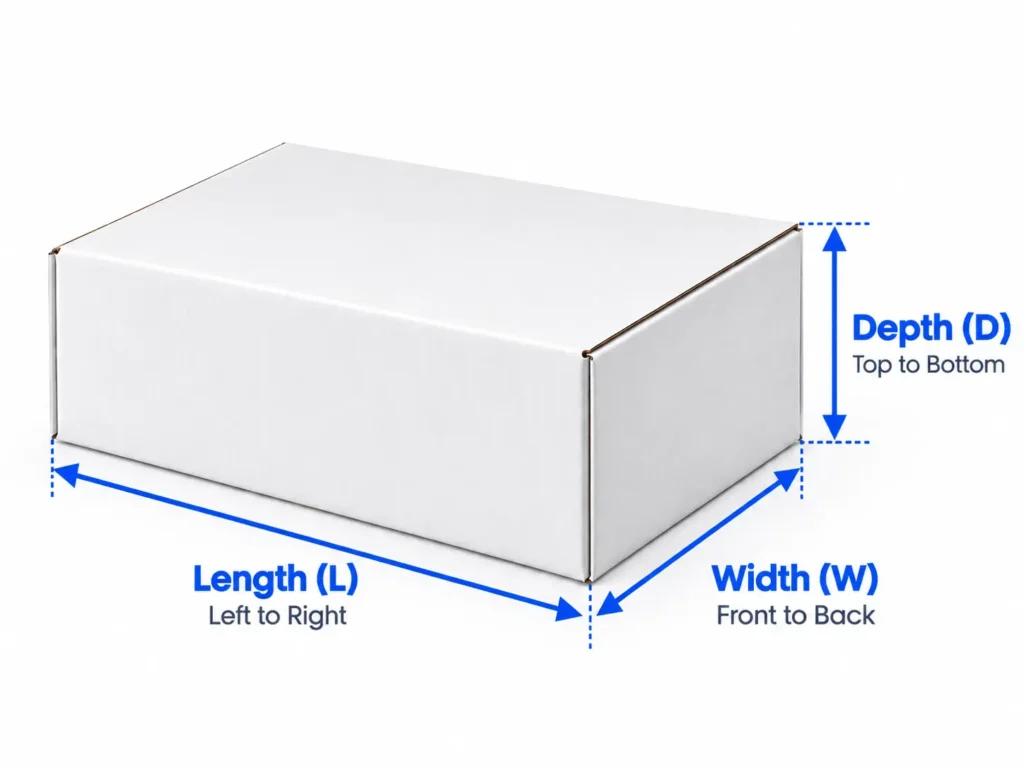
Choosing suitable box dimensions helps businesses plan how products fit inside their shipping cartons. The measurements should be taken from the product or its complete retail packaging, including any components that will be shipped with it.
Measure the Product
Record the length, width, and height of the item or its existing primary package. For irregularly shaped products, measure the widest and tallest points.
Consider Internal Packaging
If the shipment requires cushioning, inserts, dividers, or protective wrapping, include those components when planning the internal dimensions.
Determine the Number of Items
For multi-item shipments, consider how products will be arranged inside the carton. The layout affects the required length, width, and height.
Allow Appropriate Clearance
The product should fit within the carton without being forced into place. At the same time, excessive empty space may allow movement during transportation. The required clearance depends on the product and internal packaging arrangement.
Confirm the Final Box Dimensions
Box measurements should be confirmed against the intended carton structure and manufacturing specifications. Internal and external dimensions are not interchangeable, so make sure the measurements are clearly identified.
Our guide on how to measure a box correctly can help you prepare the required dimensions.
Custom Printed Cardboard Shipping Boxes
Shipping cartons do not always need to be plain. Businesses can use printed cardboard shipping boxes to create a consistent appearance across their packaging and delivery materials.
Logo and Brand Identity
A company logo can be placed on selected carton panels to identify the brand. Consistent use of brand colors and typography can also help coordinate shipping cartons with retail packaging and other branded materials.
Product and Shipment Information
Depending on the application, printed areas may be used for product identification, handling instructions, shipment details, or other approved information.
Any shipping marks, symbols, or instructions should be accurate and suitable for the intended shipment.
Custom Artwork
Artwork can be developed around the carton structure, ensuring that important visual elements appear in suitable positions after folding and assembly.
Before printing, review the dieline, panel layout, artwork dimensions, spelling, and color specifications.
Printing and Finishing Choices
Printing options depend on the selected board and project requirements. Finishing choices should be evaluated for their suitability in shipping applications, where cartons may experience handling and contact during distribution.
The design should prioritize clear branding and readable information without making unsupported claims about carton performance.
Internal Packaging and Product Arrangement
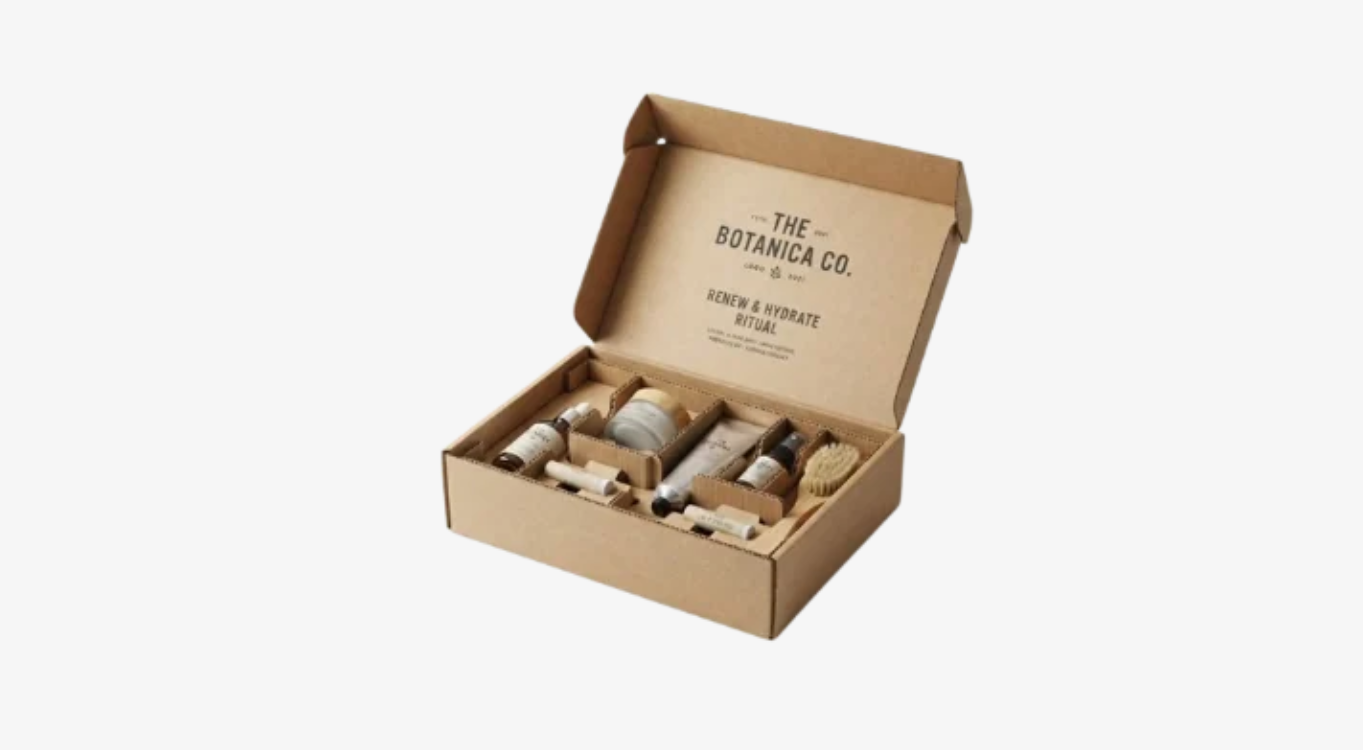
The outer carton is only one part of a shipping package. Some products need additional components to keep the contents organized inside the box.
Inserts
Inserts can be designed to position products within a carton. Their dimensions should match the product shape and the intended internal arrangement.
Dividers
Dividers can separate multiple items or sections within a shipping carton. They may be useful when several products are packed together and need individual spaces.
Cushioning Materials
Depending on the product, additional cushioning may be required to manage movement and contact during transportation. The selection should be based on the item’s shape, fragility, weight, and shipping conditions.
Inner and Outer Packaging
Some shipments use an inner retail package placed inside a larger shipping carton. In these cases, both packaging layers should be considered when determining the final box dimensions.
The complete arrangement should be reviewed as a packaging system rather than treating the outer carton as the only component.
Shipping and Storage Considerations
A cardboard shipping box should be selected for its intended distribution environment. The carton may be stored in a warehouse, stacked with other packages, handled manually, or transported through courier networks.
Before confirming a specification, consider:
- The packed weight of the carton.
- The dimensions of the finished package.
- Expected stacking arrangements.
- Warehouse storage conditions.
- The type of handling during dispatch.
- Transportation and delivery conditions.
- Whether additional internal packaging is required.
For shipments that involve demanding conditions, carton samples and suitable packaging tests may help assess whether the selected construction meets the project’s requirements.
Businesses can also review our guide to packaging for shipping and its practical considerations.
Why Businesses Choose Custom Shipping Cartons
Custom cardboard shipping cartons can help businesses coordinate packaging dimensions, product arrangement, and brand presentation across different shipment types.
Flexible sizing: Develop cartons around individual products, bundles, and wholesale quantities.
Suitable construction: Select a board specification according to the product weight, box dimensions, and distribution environment.
Branded presentation: Incorporate logos, colors, and artwork into the shipping carton design.
Organized packing: Consider inserts and dividers where multiple products need a defined arrangement.
Consistent packaging range: Develop different carton sizes using coordinated design elements.
Project-specific specifications: Plan the box according to the actual product and intended shipping conditions.
The final selection should be based on the packaging requirements rather than assuming that one box style will suit every shipment.
How to Order Custom Cardboard Shipping Boxes
Before placing an order, prepare the information needed to define your packaging specification. This helps ensure that the carton design is based on your actual product and shipping requirements.
Step 1: Identify the Products
Provide details about the products you plan to ship, including their shape, weight, and existing packaging.
Step 2: Share the Dimensions
Submit the length, width, and height of the product or complete packed arrangement. Clarify whether the measurements are internal or external.
Step 3: Confirm the Required Quantity
Specify how many products will go into each carton and your expected order quantity.
Step 4: Select the Box Construction
Discuss the required carton style and board specification according to the product weight and shipping conditions.
Step 5: Provide Your Artwork
If you need printed shipping cartons, share your logo, brand colors, artwork files, and any approved shipment information.
Step 6: Mention Additional Components
Tell the packaging team if your project requires inserts, dividers, or other internal packaging components.
Step 7: Request a Quote
Once the product details and packaging requirements are prepared, submit them for a quotation and specification review.
Develop Cardboard Shipping Boxes for Your Business
From e-commerce orders and retail distribution to wholesale shipments, the right shipping carton begins with accurate product measurements and a suitable packaging specification.
Bluebird Packaging offers customizable shipping packaging options for businesses looking to develop cartons with selected dimensions, materials, printing, and structures. Whether you need a straightforward shipping carton or a coordinated branded packaging range, your design can be planned around the products you intend to ship.
You can explore our Custom Shipping Boxes collection for additional shipping carton styles and packaging options. If you are comparing different box formats across the wider Shipping Boxes category, consider the product weight, carton dimensions, and distribution requirements before choosing a construction.
Visit the Bluebird Packaging homepage to learn more about our packaging options, or contact our packaging team to discuss your project.
Need custom cardboard shipping boxes for your products?
Share your product dimensions, required quantity, preferred board specification, and artwork to get started.
Request a Quote for Cardboard Shipping Boxes
Frequently Asked Questions About Cardboard Shipping Boxes
1. What are cardboard shipping boxes used for?
Cardboard shipping boxes are used to package and transport products through courier services, e-commerce deliveries, retail distribution, and wholesale shipments. Their dimensions and construction should be selected according to the product and shipping conditions.
2. What is the difference between cardboard and corrugated shipping boxes?
Cardboard is a broad term used for paper-based packaging materials. Corrugated board has a fluted layer between liner sheets and is commonly used to manufacture shipping cartons. The terms are sometimes used interchangeably in everyday packaging searches.
3. Can cardboard shipping boxes be customized?
Yes. Custom cardboard shipping boxes can be developed with different dimensions, board specifications, structures, printed artwork, and internal components according to the project requirements.
4. How do I choose the right cardboard shipping box size?
Measure the product or its complete retail package, including any inserts or cushioning. Consider the number of items being shipped together and confirm whether your measurements refer to the internal or external box dimensions.