
Description
1. Packaging Buying Guide
Product Buying Guide
Sizing
Choosing the right size is important for proper fit, protection and presentation.
- Measure your product or container diameter and height.
- Add suitable extra space for easy insertion.
- Consider inserts or internal protection when required.
- Ask our team for help with measurements if needed.
Materials
Select packaging material based on product weight, required strength, presentation and shipping needs.
- Cardboard for versatile retail packaging.
- Kraft for a natural appearance.
- Corrugated material for additional strength and protection.
- Rigid stock for premium packaging.
Box Styles
Choose a box structure that matches your product dimensions, presentation and opening experience.
- Straight and reverse tuck structures.
- Window packaging.
- Sleeve packaging.
- Premium rigid structures.
Printing
Custom printing turns the package into a strong branded customer touchpoint.
- Full-color CMYK printing.
- PMS color matching.
- Inside and outside printing.
- Logos, artwork and product information.
Finishing
Finishing options can improve the appearance, texture and perceived quality of your packaging.
- Matte finish.
- Gloss finish.
- Soft-touch coating.
- Foil stamping and Spot UV.
Inserts
Custom inserts can help secure products inside the box while improving presentation.
- Custom-fit inserts.
- Product positioning and protection.
- Multi-product arrangements.
- Presentation-focused internal structures.
Retail & Shipping
Packaging can be designed around retail presentation, ecommerce fulfillment or both.
- Retail shelf presentation.
- Shipping protection.
- Ecommerce packaging requirements.
- Customer unboxing experience.
Design Tips
Strong packaging design balances branding, readability, presentation and practical structure.
- Keep your primary branding prominent.
- Create a clear visual hierarchy.
- Design artwork around structural folds and panels.
- Keep important product information easy to read.
2. Box Size Guide
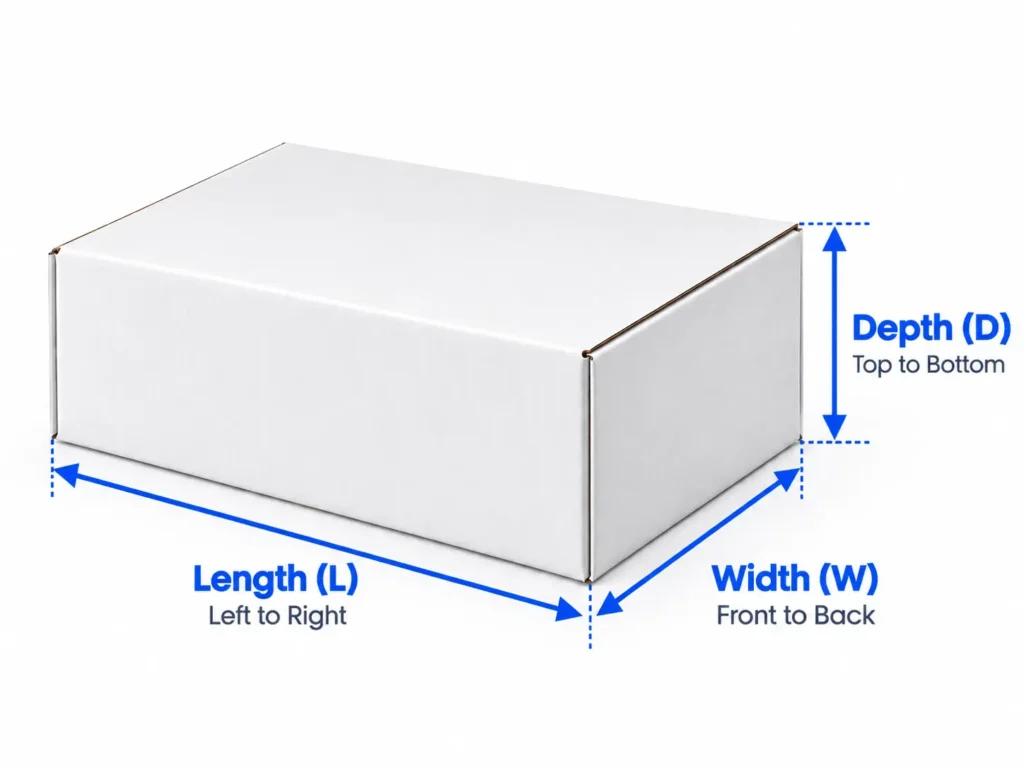
Use the diagram below to identify the length, width and depth of your box. Measurements should be provided as Length × Width × Depth.
3. Stock Type & Finishing Guide
Explore our packaging materials and finishing options to find the right combination of strength, appearance and texture for your custom boxes. Compare available stock types and discover premium finishes that can enhance the look and feel of your packaging.
Discover our premium range of packaging materials, crafted to meet your specific needs. Whether you require sturdy cardboard boxes or eco-friendly options, we have the perfect solution for you. Enhance your brand and safeguard your products with our customizable packaging solutions.


Select from a range of packaging paper thicknesses, from 8pt to 28pt, tailored to your specific needs. For rigid boxes that demand extra durability and a touch of luxury, thicker paper effectively supports your product’s weight. Make a smart choice that aligns with your budget while ensuring your packaging reflects quality and strength.


Explore our selection of premium packaging materials crafted to perfect your packaging order. Whether you need sturdy cardboard boxes or eco-friendly options, we have the ideal materials to meet your specific needs. Elevate your brand and safeguard your products with our customizable packaging solutions.


Experience worry-free shipping with our reliable packaging solutions. Whether you choose ground or air, our guaranteed, insured freight options ensure your orders arrive safely and securely. Rest easy knowing your products are in trusted hands from production to delivery.


Choose Your Style. Get Your Quote.
Select a box style, then complete the quote form. Not sure? Choose Custom / Other and we’ll help.
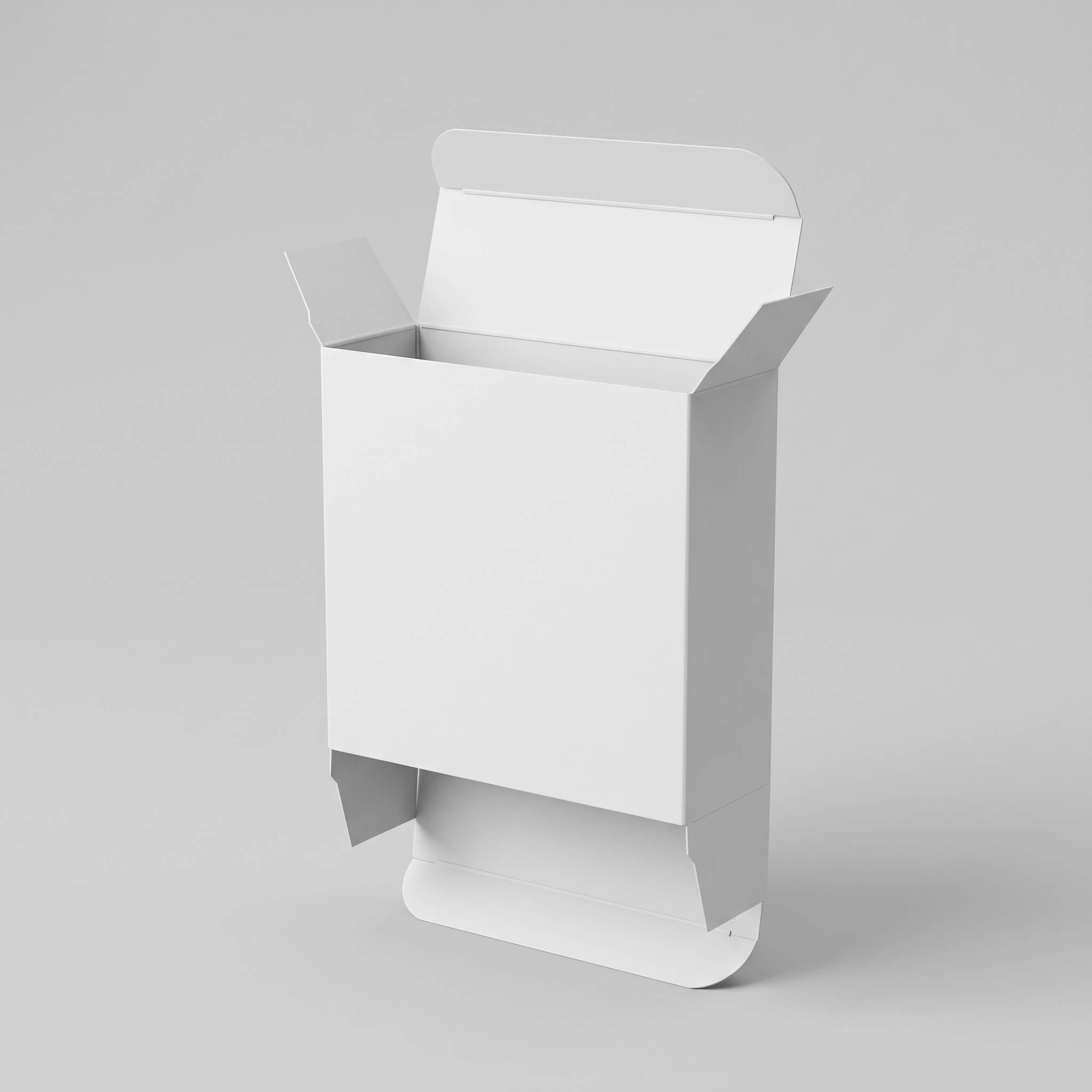
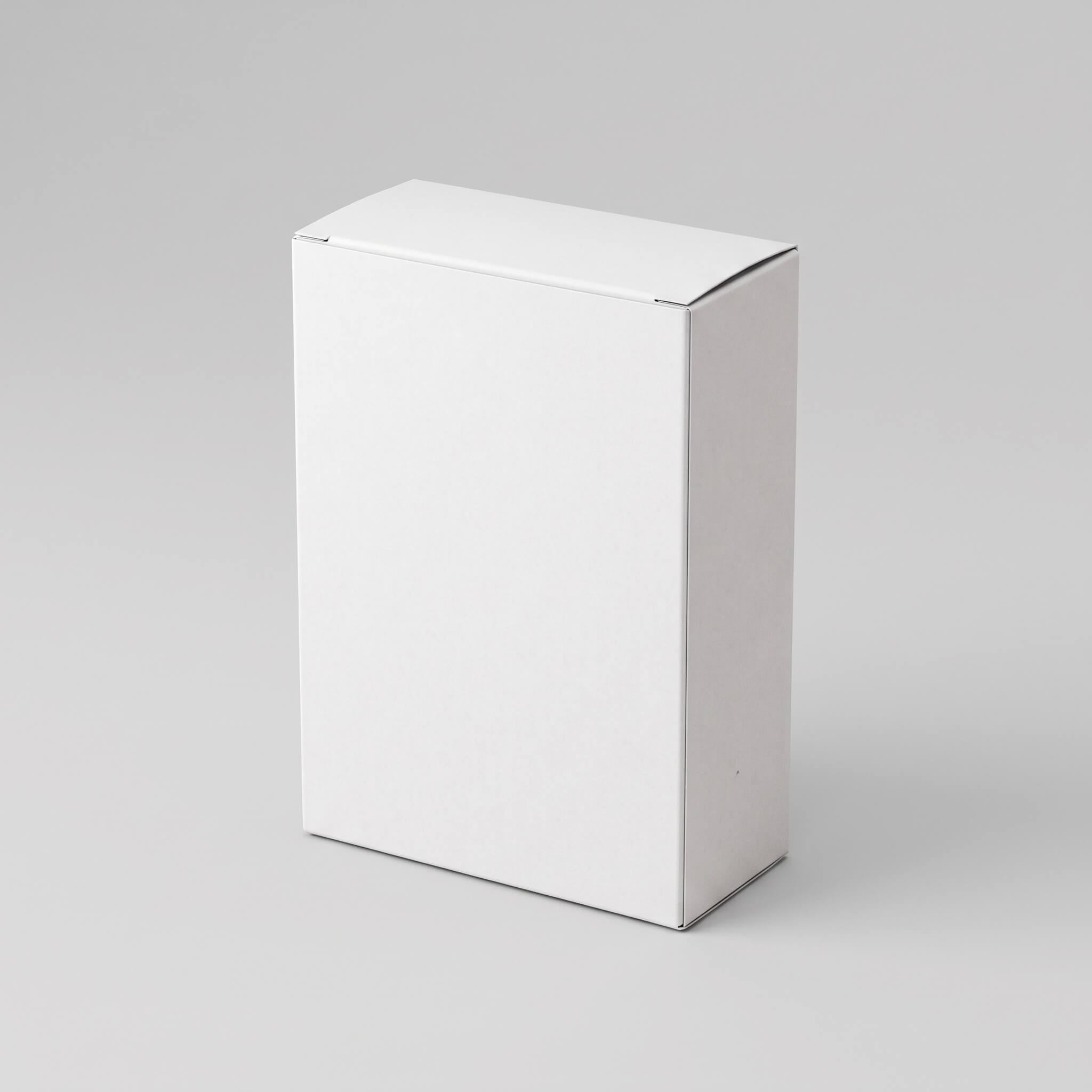
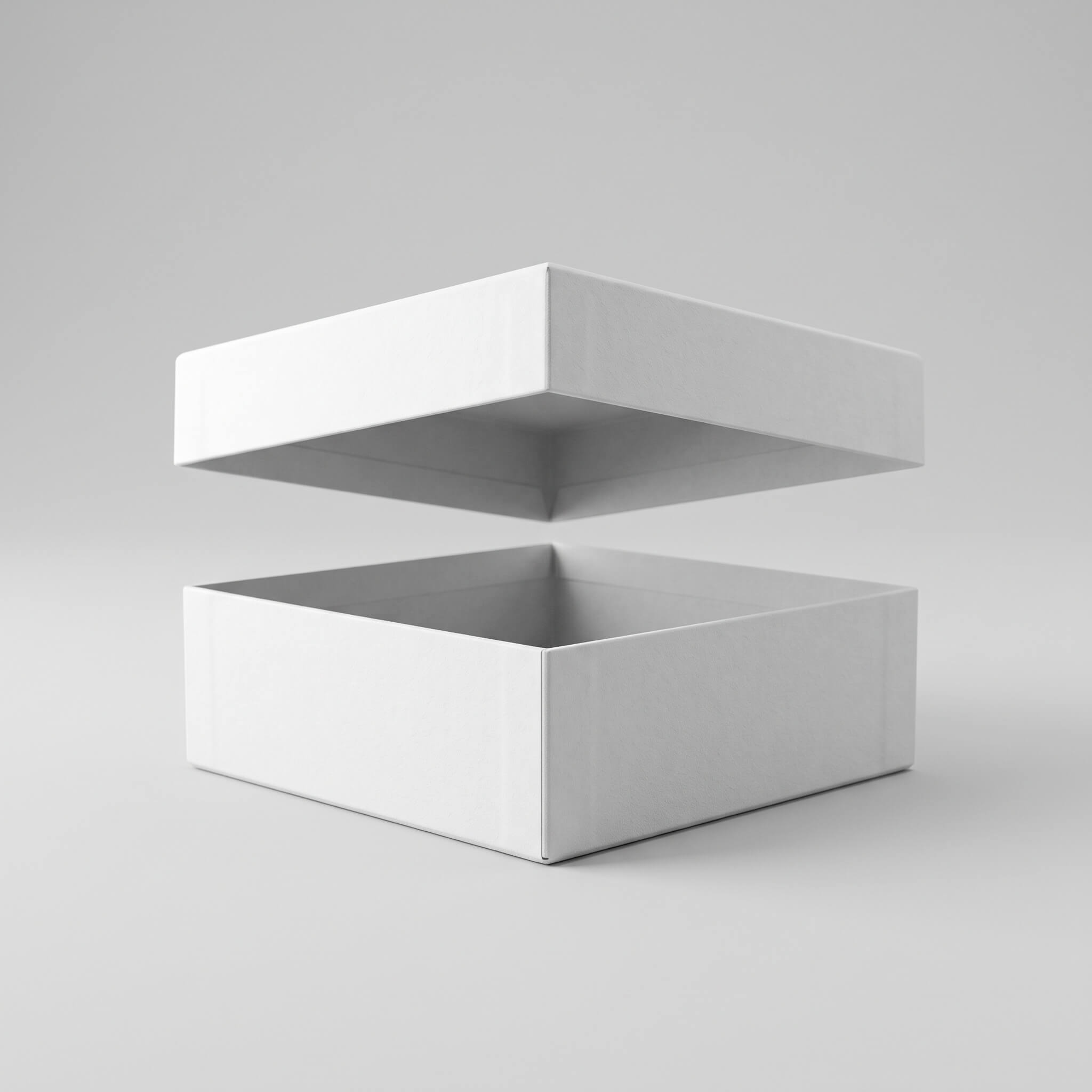
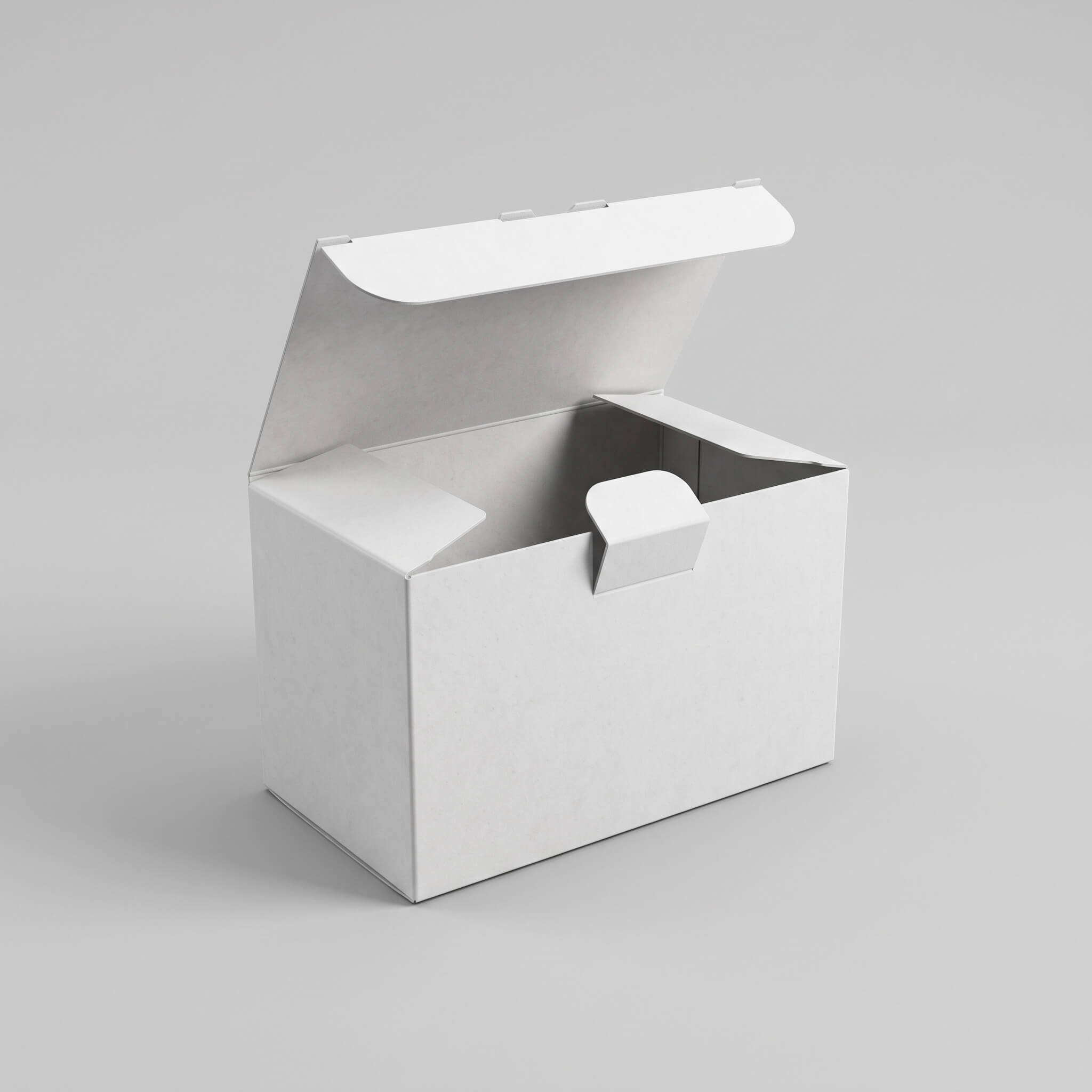
Choose Your Box Style
Click the box style that best matches your product. If you're unsure, select Custom / Other and we'll help you choose.
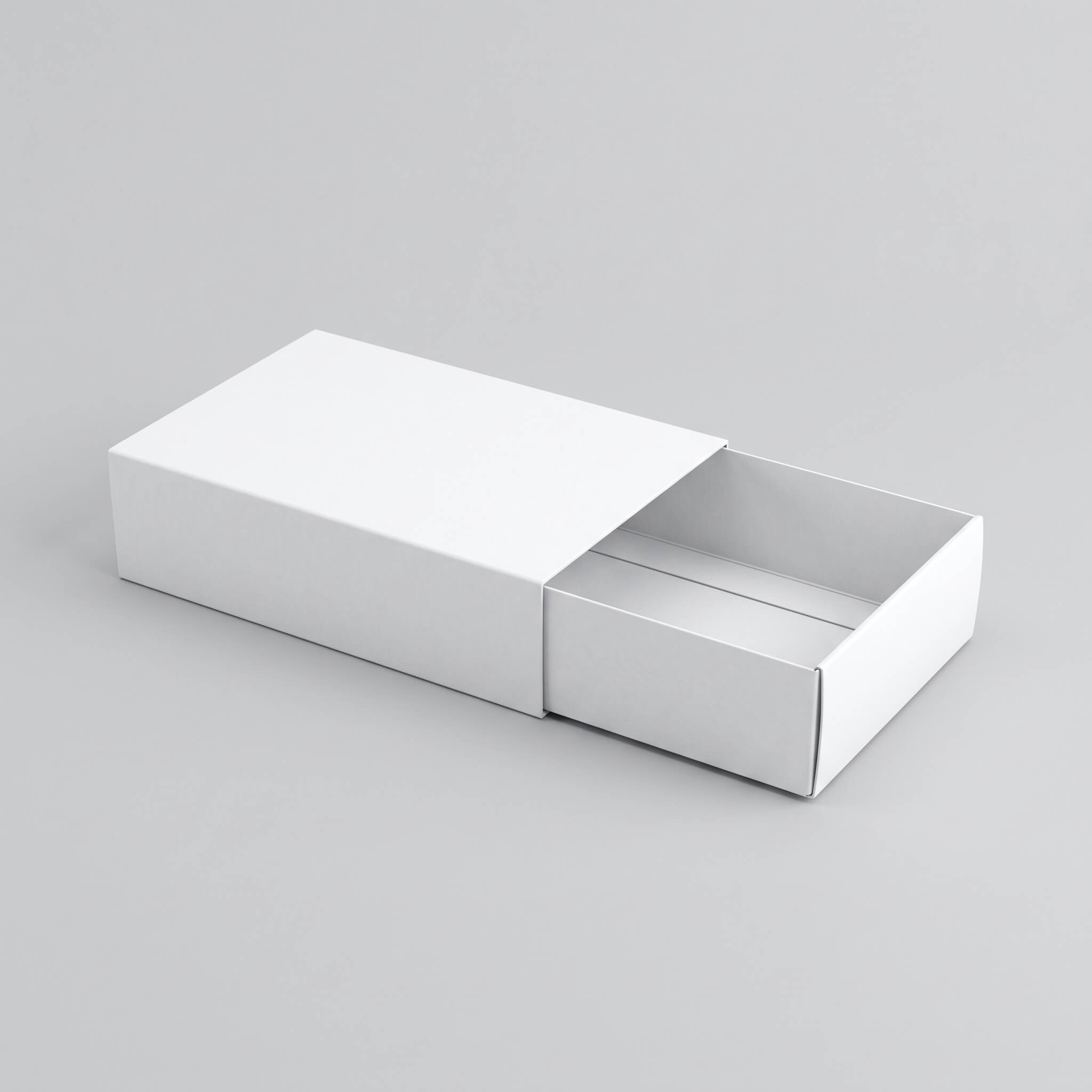
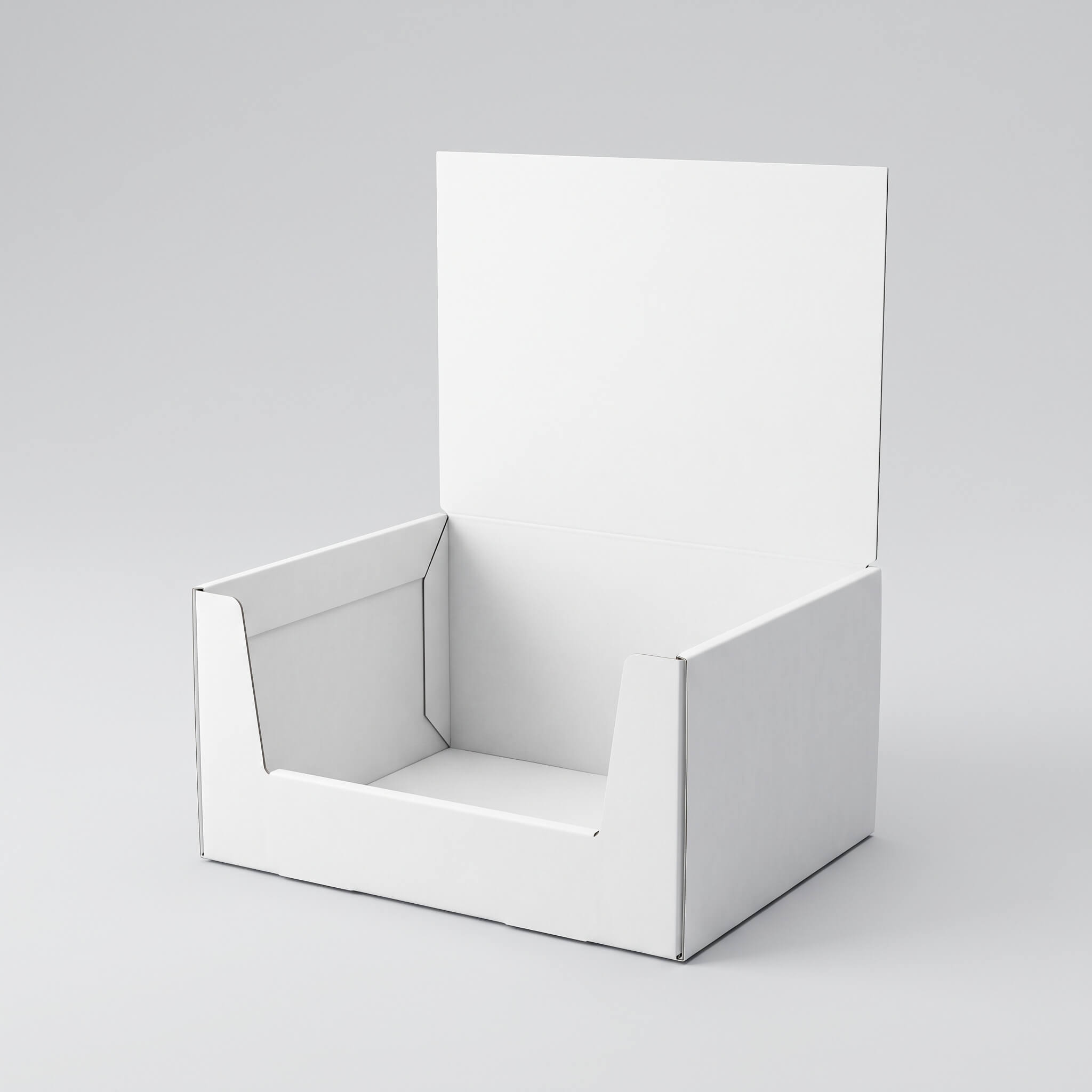
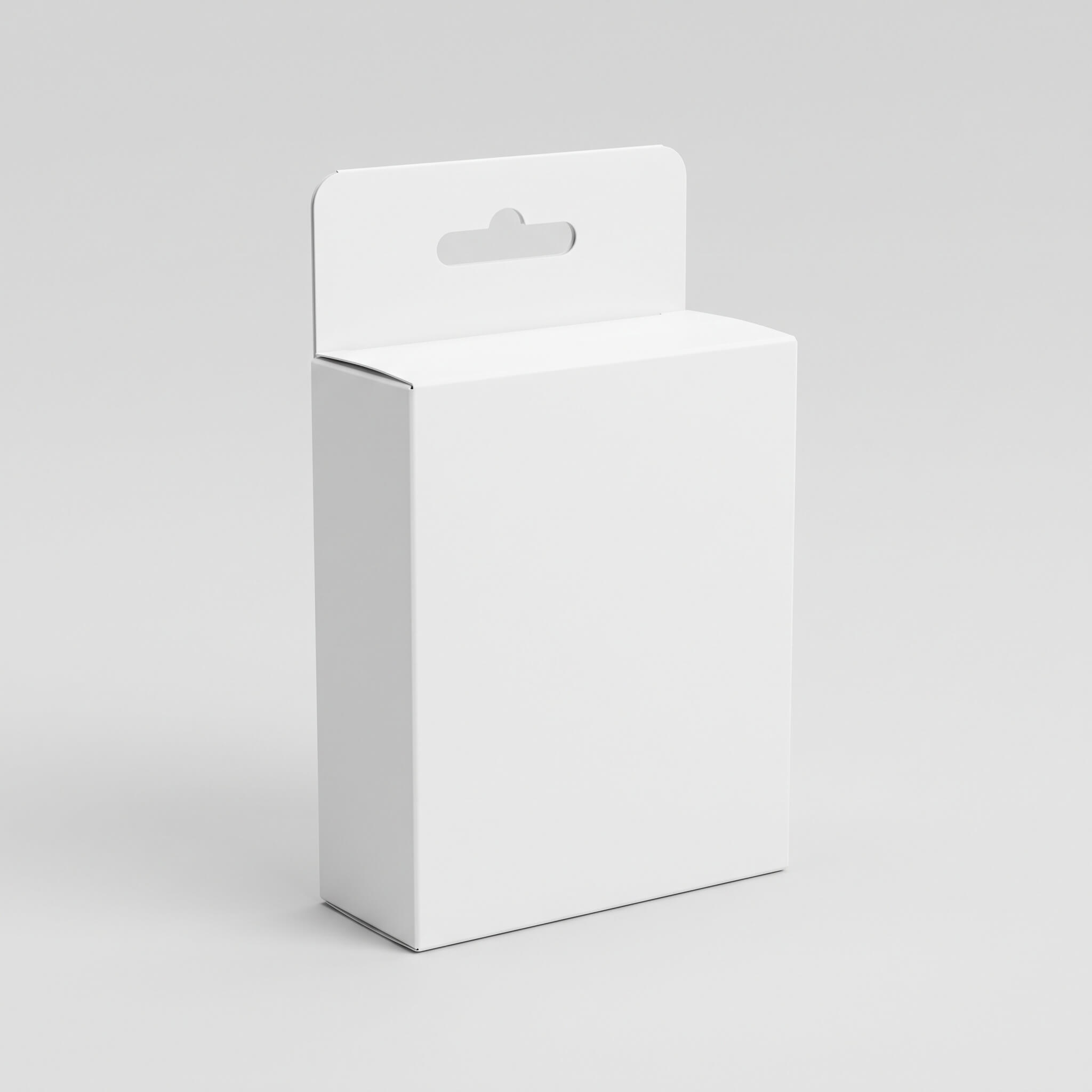
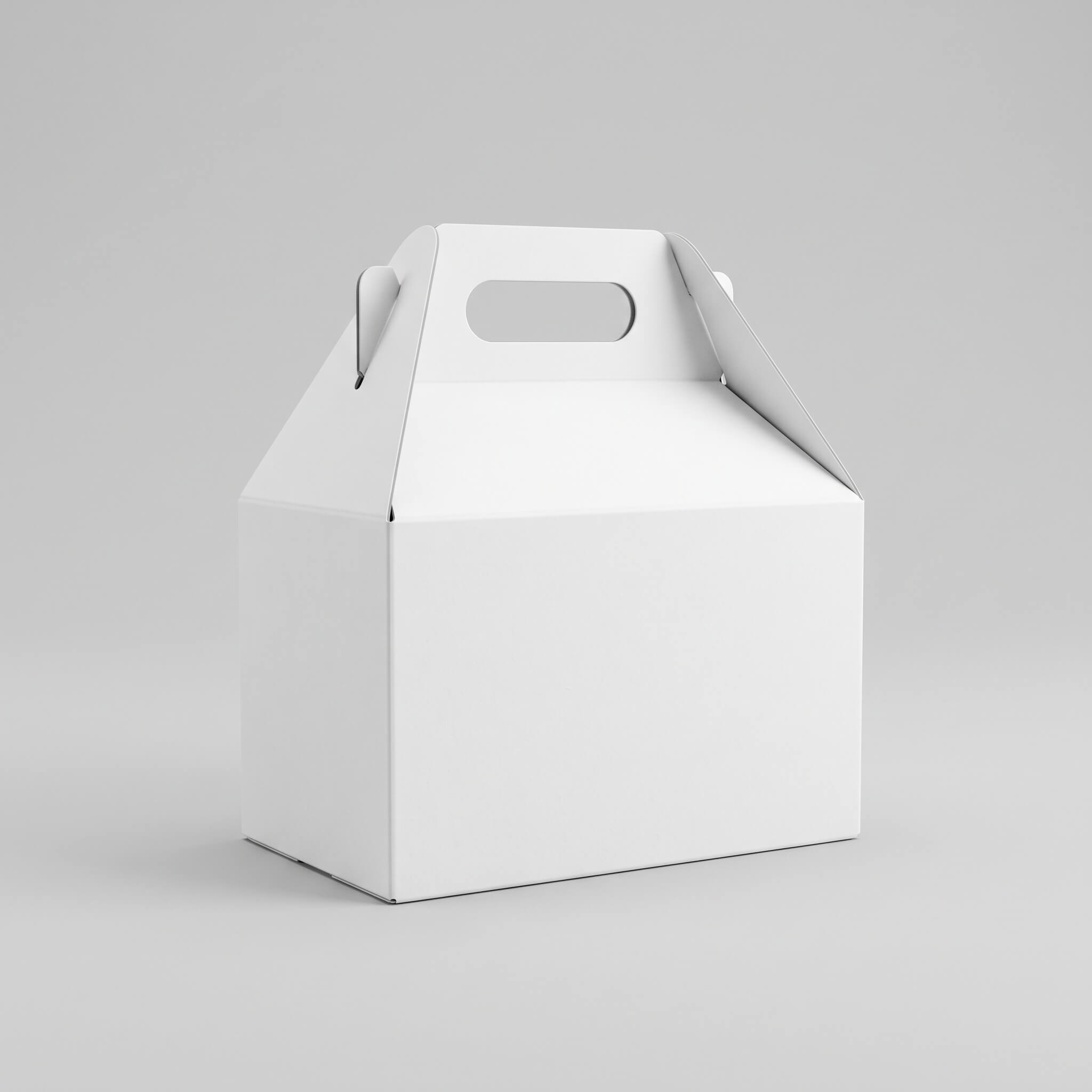
Get Fast Pricing
Tell us about your product, dimensions, quantity and packaging requirements. We'll use these details to prepare your custom quote.
Learn More About Custom Printed Shipping Boxes
Custom Printed Shipping Boxes for Branded Product Deliveries
Shipping packaging is often the first physical interaction customers have with an online order or delivered product. A well-designed box does more than hold an item during transit. It can introduce your brand, present important information, and create a consistent experience from dispatch to delivery. Custom printed shipping boxes give businesses the flexibility to combine practical packaging structures with branded artwork, company logos, and product-specific dimensions.
At Bluebird Packaging, we offer customizable shipping box options for businesses that want their packaging to reflect their brand identity. You can choose suitable cardboard or corrugated materials, select box dimensions, and incorporate printed designs according to your product and shipping requirements. Whether you send e-commerce orders, retail products, subscription packages, or wholesale shipments, your packaging can be developed around the way your business prepares and distributes orders.
From simple logo placement to more detailed printed layouts, the right design helps create consistency across your outgoing packages. The structure, material, printing coverage, and dimensions should all be considered together so the finished box suits its intended application.
What Are Custom Printed Shipping Boxes?
Custom printed shipping boxes are packaging cartons customized with brand artwork, logos, text, graphics, and other design elements. They are commonly used by e-commerce businesses, retailers, manufacturers, wholesalers, and brands that want their outgoing packages to carry a recognizable visual identity.
Unlike plain shipping cartons, printed boxes provide an opportunity to incorporate branding into the external packaging. Depending on the selected material and printing requirements, businesses can customize one or more panels with logos, brand colors, product information, handling instructions, or other approved graphics.
A custom printed shipping box can be developed around several requirements:
- Product dimensions and packed weight.
- Preferred cardboard or corrugated material.
- Box structure and closing style.
- Logo placement and printed artwork.
- Printing coverage and color requirements.
- Order quantity and packaging specifications.
- Handling, storage, and distribution conditions.
These details help determine the appropriate box construction and design. A package intended for lightweight online orders may require a different specification from one used for larger products or heavier shipments.
Businesses developing a wider range of branded cartons can also explore the custom shipping box collection to consider different structures and packaging styles.
Why Businesses Choose Printed Shipping Boxes
Packaging is part of the overall customer experience. When a shipment arrives in a box carrying recognizable branding, it creates a more coordinated presentation than an unbranded carton. This is particularly relevant for businesses that regularly send orders directly to customers.
1. Build a Recognizable Brand Identity
Custom printing gives businesses a consistent way to display their logo, colors, typography, and visual identity on outgoing packages. Repeating these design elements across different shipments can help customers recognize the brand.
For businesses selling multiple product types, a coordinated packaging design can also create a consistent appearance across the product range.
2. Create a Professional Presentation
The external packaging contributes to how an order is presented when it arrives. A well-organized design with balanced logo placement, readable typography, and suitable graphics can give the package a more considered appearance.
The goal is to make the box visually consistent with the business’s other branding materials without overcrowding its panels.
3. Support E-commerce Packaging Requirements
Online businesses often send orders in different sizes and quantities. Custom printed cartons can be developed for particular products, order configurations, or shipping requirements.
A business may use different box dimensions for individual products, multi-item orders, and subscription packages while maintaining a coordinated visual identity.
4. Communicate Useful Package Information
Printed shipping boxes can include approved handling messages, company details, return information, or other relevant graphics where appropriate.
The information should be selected according to the package’s purpose and should not replace any required shipping documentation or carrier labels.
5. Coordinate Packaging Across Product Lines
Brands with multiple products can develop a consistent design system across different shipping box sizes. Logos, colors, and graphic styles can remain recognizable while the dimensions and structural specifications change.
This approach is useful when a business needs several carton formats but wants its packaging to look like part of the same brand family.
Types of Custom Printed Shipping Boxes
The best shipping box structure depends on the product dimensions, packed weight, handling conditions, and distribution requirements. Different box styles can be considered for different applications.
1. Printed Corrugated Shipping Boxes
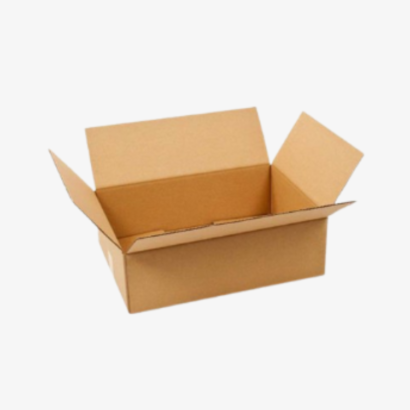
Corrugated shipping boxes are made using a fluted structure between liner sheets. Their construction can be selected according to the dimensions, weight, and intended handling conditions of the shipment.
Custom printing can incorporate logos, brand graphics, text, and other approved artwork. Businesses that need a more specific corrugated construction can consider our corrugated shipping boxes for different product and delivery requirements.
2. Custom Printed Cardboard Shipping Boxes
Cardboard shipping boxes can be customized with printed artwork and product-specific dimensions. The suitable board specification depends on the carton structure, product weight, and intended use.
They may be considered for selected retail, storage, and shipping applications where the material and construction meet the project requirements.
3. Branded Mailer-Style Shipping Boxes
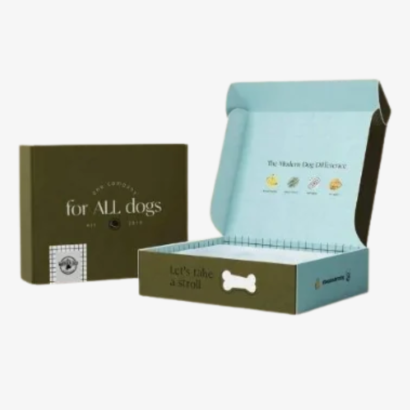
Mailer-style boxes are commonly used for e-commerce orders, subscription packages, and direct-to-customer shipments. Their structure can provide a coordinated package presentation with space for printed branding.
The box dimensions should be selected according to the product arrangement and the way the package will be prepared for dispatch.
4. Double Wall Shipping Boxes
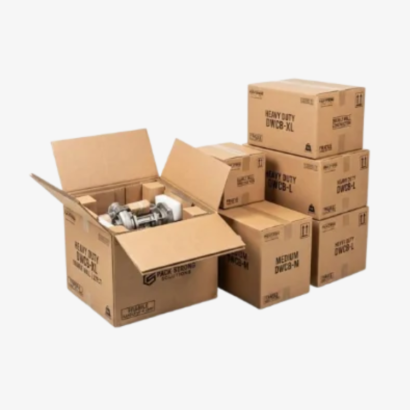
Double wall corrugated boxes use two layers of fluting between liner sheets. This construction can be considered for shipments that require a different level of structural support from a single-wall carton.
The appropriate specification depends on the packed weight, product dimensions, stacking conditions, and transportation requirements. Businesses shipping heavier products can consider double wall shipping box constructions for their packaging specifications.
5. Kraft Printed Shipping Boxes
Kraft shipping boxes can be developed for brands that prefer a natural-looking paper-based appearance. Depending on the selected material and printing process, logos and other artwork can be incorporated into the design.
The final appearance and printing suitability should be confirmed using the selected board specification and artwork.
6. Heavy-Duty Printed Shipping Boxes
Heavy-duty shipping boxes are considered for products that require a stronger carton construction based on their weight and distribution conditions. The box specification should be determined by evaluating the packed product, dimensions, handling, and stacking requirements.
Printing can be incorporated into the design, subject to the selected material and printing capabilities.
Custom Printing Options for Shipping Boxes
The printing approach affects how your brand appears on the finished packaging. Before selecting a printing method, consider the artwork, material, number of printed panels, required colors, and order quantity.
Logo Printing
A company logo is one of the most common elements used on printed shipping boxes. It can be positioned on selected panels according to the box structure and the desired visual layout.
A simple logo design can be effective when the objective is to make the brand recognizable without filling the entire surface with graphics.
Brand Colors and Graphics
Brand colors help connect shipping packaging with a company’s website, product labels, and other marketing materials. Graphics, patterns, and supporting visual elements can be added according to the artwork.
When designing several carton sizes, maintaining consistent colors and graphic placement can help create a coordinated packaging range.
Text and Product Information
Selected panels may include company details, website information, approved product descriptions, or handling messages. Text should be clear and appropriately sized for the available printing area.
Carrier labels, barcodes, and shipping documentation should have their required placement and readable space.
Inside and Outside Printing
Depending on the box material and available printing specifications, businesses may consider printing on external panels, internal panels, or both.
External printing is commonly used for logos and brand recognition. Internal printing can be considered when a business wants additional branded details inside the package.
The available options should be confirmed against the selected box construction and production requirements.
Printing Artwork Preparation
Before production, artwork should be checked for:
- Correct logo files and brand colors.
- Suitable image resolution.
- Accurate text and spelling.
- Correct panel placement.
- Appropriate bleed and safe areas.
- Barcode and label placement, where applicable.
- Consistency across different box sizes.
A final artwork review helps reduce design errors and ensures that the printed layout matches the approved packaging specification.
Choosing the Right Material for Printed Shipping Boxes
Material selection is an important part of developing custom printed shipping packaging. The right material depends on the product, carton dimensions, packed weight, printing requirements, and intended distribution conditions.
Corrugated Board
Corrugated board consists of fluted paper between liner sheets. Different constructions can be considered according to the strength and structural requirements of the carton.
It is commonly used for shipping and distribution packaging. The appropriate flute and board specification should be selected according to the product and handling conditions.
Cardboard
Cardboard is used in various packaging structures and can be considered for selected shipping cartons. Its suitability depends on the thickness, construction, product weight, and expected handling.
Businesses should not select a board specification based on appearance alone. The complete packaging application should be considered.
Kraft Board
Kraft board may be selected when a natural paper appearance is part of the desired packaging design. It can support different visual directions, depending on the material specification and printing process.
Double Wall Corrugated Board
Double wall corrugated board includes two fluted layers separated by liner sheets. It can be considered for cartons requiring a different structural configuration from single-wall packaging.
The final construction should be selected according to the packed product and the conditions expected during storage and transit.
For a closer comparison of material options, see our guide to cardboard and corrugated box constructions. You can also review our broader information about packaging material types and their applications.
How to Design Custom Printed Shipping Boxes
A successful shipping box design balances branding with practical packaging requirements. The design process should begin with the product and its shipping configuration, then move toward dimensions, materials, and artwork.
1. Identify the Product and Its Requirements
Start by identifying the products that will be packed inside the carton. Consider their dimensions, shape, weight, quantity, and any components that need to be included.
A box for a single product may have different requirements from a carton designed for multiple items or mixed orders.
2. Determine the Correct Box Dimensions
Measure the products and plan the internal arrangement before finalizing the carton size. Consider the space required for any inserts, dividers, or additional packaging components.
The outer dimensions should be determined after accounting for the selected material and box construction.
3. Select a Suitable Box Structure
Choose a structure that matches the product and shipping application. Options may include regular slotted cartons, mailer-style boxes, and other suitable corrugated configurations.
The structure should be reviewed for assembly, closure, storage, and handling requirements.
4. Choose the Material Specification
Select the board construction according to the product’s packed weight, dimensions, and distribution conditions. For corrugated cartons, this may involve selecting an appropriate wall construction and flute specification.
5. Prepare Your Branding Artwork
Once the box dimensions and structure are established, prepare the artwork for the available panels. Include your logo, colors, graphics, and any approved text.
The artwork should be designed around the box layout so that important elements remain visible after folding and assembly.
6. Review Printing and Finishing
Choose the printing coverage and any suitable finishing options according to the material and design. The final specifications should be confirmed before production.
7. Review the Complete Packaging Design
Before approving production, check the dimensions, structure, artwork, panel layout, and printed information together. Reviewing the complete design helps identify issues that may not be visible when considering the artwork alone.
Custom Printed Shipping Boxes for Different Industries
Businesses across different industries use shipping cartons to prepare orders for delivery. The packaging design should reflect the product category, order configuration, and distribution method.
E-commerce Businesses
Online retailers regularly prepare individual customer orders in different quantities and sizes. Custom printed shipping boxes can help create consistent branded packaging across outgoing orders.
Businesses can consider different carton dimensions for small products, larger items, and multi-product shipments while maintaining the same visual identity.
Clothing and Apparel Brands
Apparel businesses may use shipping boxes for clothing, accessories, and bundled orders. Box dimensions should reflect the folded product arrangement and any additional packaging components.
Printed logos and coordinated artwork can help connect delivery packaging with the brand’s retail presentation.
Electronics and Accessories
Electronics and accessory shipments may involve products with different shapes, weights, and packaging requirements. The carton structure should be planned around the product and any internal packaging already used.
Where additional internal components are required, their dimensions and placement should be included in the overall packaging design.
Beauty and Personal Care Brands
Beauty and personal care businesses may ship bottles, tubes, cartons, accessories, and product bundles. Custom printed cartons can be developed around the dimensions and arrangement of these products.
The artwork can be coordinated with existing product packaging to create a consistent brand appearance.
Subscription Box Businesses
Subscription businesses often prepare recurring shipments containing several products. Custom printed shipping boxes can incorporate a recognizable design while accommodating different product combinations.
The box dimensions and internal arrangement should be reviewed according to the typical contents of each subscription package.
Wholesale and Manufacturing Businesses
Wholesale and manufacturing companies may need cartons for larger quantities, grouped products, or regular distribution orders. The packaging structure should be selected according to the packed weight, quantity, stacking, and handling conditions.
Printed identification and company branding can also be incorporated where suitable.
Custom Printed Shipping Boxes for E-commerce Orders
E-commerce packaging has to work within the order preparation and dispatch process. Businesses may need different box sizes for individual products, multi-item orders, and promotional bundles.
A practical packaging plan considers the full order rather than choosing one box size for every shipment.
Important factors include:
- Typical product dimensions and order quantities.
- Internal arrangement of multiple items.
- Existing product packaging.
- Suitable carton construction.
- Space for shipping labels and documentation.
- Storage and assembly requirements.
- Branding and artwork placement.
For businesses developing a wider shipping packaging range, the shipping packaging options available for different delivery applications can help provide additional context when planning the overall packaging system.
Shipping Box Sizes and Measurements
Correct box dimensions help ensure that the carton fits the products being shipped. A box that is too small may not accommodate the complete product arrangement, while excessive unused space can make packaging less efficient.
Before finalizing the design, consider the following measurements:
Internal length: Measure the longest side of the product arrangement that will fit inside the box.
Internal width: Measure the second side, including any additional products or components packed alongside the main item.
Internal height: Measure the height of the complete packed arrangement, including any inserts or internal packaging.
Product quantity: If the box will contain multiple items, calculate the complete arrangement rather than measuring only one item.
Material thickness: Account for the selected board construction when determining the final external dimensions.
Additional components: Include any dividers, inserts, or protective packaging that will be placed inside the carton.
For a more detailed measurement process, our guide to measuring a box before ordering custom packaging explains the dimensions that should be considered.
Packaging Inserts and Internal Organization
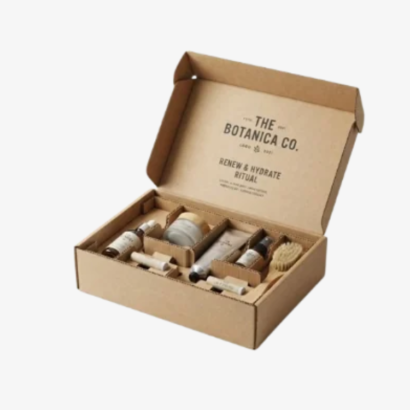
Some shipments contain products that need a specific internal arrangement. In these cases, inserts or dividers may be considered as part of the packaging design.
The choice depends on the product shape, quantity, and arrangement inside the carton.
Inserts
An insert can be developed to hold or position a product within the outer box. Its dimensions should match the product and the available internal space.
Dividers
Dividers can separate multiple products or compartments inside a carton. Their layout should be planned according to the quantity, product dimensions, and packaging configuration.
Multiple Product Arrangements
For bundled orders, the box should be designed around the complete arrangement of items. This includes the position of each product, any individual product packaging, and the space needed for additional components.
Internal components should be included in the packaging specification before the final box dimensions are approved.
How to Select the Right Shipping Box for Your Business
Not every business needs the same shipping box construction. The right choice depends on what is being shipped, how it is packed, and the conditions it may encounter during distribution.
Consider these factors when planning your packaging:
Product weight: The packed weight helps determine the appropriate carton construction.
Product dimensions: The box should accommodate the complete product arrangement.
Shipping method: Consider the handling and distribution conditions relevant to your delivery process.
Order configuration: Individual products and multi-item orders may require different box sizes.
Storage requirements: Consider how cartons will be stored before use, including available space and assembly needs.
Branding requirements: Decide which panels need logos, graphics, text, or other artwork.
Order quantity: The quantity and production specifications may affect the available material and printing options.
Businesses shipping heavier products may also consider heavy-duty shipping box constructions when reviewing their carton requirements.
Why Choose Custom Printed Shipping Boxes from Bluebird Packaging?
Developing shipping packaging involves coordinating box construction, dimensions, materials, and artwork. A customized approach allows businesses to plan these elements around their products and brand requirements.
With custom printed shipping boxes, you can consider:
- Branded presentation: Incorporate logos, colors, and approved graphics into the packaging design.
- Product-specific sizing: Develop cartons according to your product dimensions and order configurations.
- Material flexibility: Consider suitable cardboard and corrugated constructions.
- Printing customization: Plan artwork coverage according to the selected box and material.
- Multiple carton formats: Create different box sizes for various products and shipping requirements.
- Coordinated packaging: Maintain consistent branding across different outgoing packages.
Bluebird Packaging provides customizable packaging options for businesses developing branded shipping cartons. The final material, structure, and printing specifications should be selected according to the product and intended application.
How to Order Custom Printed Shipping Boxes
Preparing your packaging information before requesting a quotation can help define the project requirements.
Step 1: Share Your Product Details
Identify the products you intend to ship and provide their dimensions, approximate packed weight, and quantity per carton.
Step 2: Confirm Your Shipping Requirements
Explain how the products will be packed, stored, and distributed. Mention any special handling or stacking considerations relevant to the shipment.
Step 3: Select the Box Structure
Choose a suitable carton format according to the product arrangement and packaging requirements.
Step 4: Discuss Material Specifications
Share your preferred cardboard or corrugated material requirements. The final construction should be selected according to the application.
Step 5: Provide Your Branding Artwork
Send your company logo, brand colors, graphics, and any approved text that should appear on the box.
Step 6: Confirm Printing Requirements
Specify which panels need printing, the preferred color coverage, and any additional design requirements.
Step 7: Submit Your Order Quantity
Share your expected quantity and complete packaging specifications so your project can be reviewed for a quotation.
Create Branded Shipping Packaging for Your Business
Your shipping box can be a practical part of the delivery process and a consistent extension of your brand identity. Whether you are preparing e-commerce orders, wholesale shipments, subscription packages, or retail deliveries, custom printed shipping boxes can be developed around your products, materials, dimensions, and artwork.
Bluebird Packaging offers customizable shipping packaging options for businesses looking to coordinate carton construction with branded printing.
Visit the Bluebird Packaging homepage to learn more about our packaging options, or contact our packaging team to discuss your shipping box requirements.
Ready to develop custom printed shipping boxes?
Share your product dimensions, preferred material, artwork, and required quantity to get started.
Request a Quote for Custom Printed Shipping Boxes
Frequently Asked Questions About Custom Printed Shipping Boxes
1. What are custom printed shipping boxes?
Custom printed shipping boxes are cartons customized with logos, brand colors, graphics, text, or other artwork. They are used by businesses to package and ship products while maintaining a consistent brand presentation.
2. What materials are used for printed shipping boxes?
Corrugated board and cardboard are common material options, depending on the carton structure and application. The appropriate specification depends on product weight, box dimensions, handling conditions, and printing requirements.
3. Can I print my company logo on shipping boxes?
Yes. Your company logo can be incorporated into the box artwork. Its placement, size, colors, and printing coverage should be planned according to the box structure and selected material.
4. Are custom printed shipping boxes suitable for e-commerce businesses?
Yes. E-commerce businesses can use custom printed shipping cartons for individual orders, product bundles, subscription packages, and other shipments. Box dimensions and material specifications should match the products and distribution requirements.
Related Products
-
Custom Printed Shipping Boxes
Turn every delivery into a branding opportunity with Custom Printed Shipping Boxes featuring personalized artwork, logos, and vibrant designs. Made…New! -
Cardboard Shipping Boxes
Custom Cardboard Shipping Boxes offer versatile packaging for ecommerce orders, retail products, and everyday business deliveries. Made to Order Product…New! -
Heavy Duty Shipping Boxes
Move heavier products confidently with Custom Heavy Duty Shipping Boxes featuring sturdy construction, reinforced walls, and product-specific dimensions. Made to…New! -
Corrugated Shipping Boxes
Custom Corrugated Shipping Boxes provide practical protection for business shipments, storage, and distribution with tailored sizes and board strengths. Made…New!
Payments VISA AMERICAN
EXPRESS PayPal
Frequently Asked Questions
Yes. You can provide your logo, brand colors, graphics, and approved artwork to develop a custom shipping box design.
Depending on the selected material and production specifications, printing may be available on external panels, internal panels, or both. Confirm the available coverage before approving the artwork.
Plain shipping boxes generally have no custom brand artwork, while printed shipping boxes include elements such as logos, colors, graphics, or text.
Yes. Corrugated cartons can be customized with printed artwork according to the selected board construction, printing requirements, and box dimensions.
You may include a company logo, brand graphics, website details, handling messages, or other relevant approved information. Required carrier labels and shipping documentation should retain their designated space.
Measure the complete product arrangement, including any internal packaging or inserts. Consider the internal length, width, and height before finalizing the outer carton dimensions.
Bulk order requirements can be discussed according to the required quantity, box dimensions, material, printing coverage, and construction specifications.
Yes. Subscription businesses can develop printed shipping boxes for recurring packages. The dimensions should accommodate the usual combination of products included in each shipment.
Pricing can depend on box dimensions, material construction, order quantity, printing coverage, artwork requirements, and any additional packaging components.
Prepare your product measurements, required box quantity, material preference, and branding artwork. Submit these details through the custom packaging quotation form to discuss your project.