Shipping products that require temperature management involves more than choosing an ordinary cardboard carton. External weather conditions, transportation duration, handling practices, and packaging construction can all influence the conditions inside a shipping package. Insulated shipping boxes provide an additional packaging layer designed to help reduce the impact of outside temperature changes during transportation.
Businesses shipping temperature-sensitive products may need packaging that combines an outer shipping container with suitable insulating materials and, where required, separately specified temperature-control components. The right configuration depends on the product, shipping route, expected transit duration, and environmental conditions.
At Bluebird Packaging, businesses can explore custom packaging options based on their product dimensions, branding requirements, and shipping specifications. From choosing the right outer box to planning the internal arrangement, every component should be considered before selecting a final packaging structure.
Whether you are evaluating insulated cartons for commercial distribution, specialty deliveries, or temperature-sensitive shipments, understanding the available construction options can help you make a more informed packaging decision.
What Are Insulated Shipping Boxes?
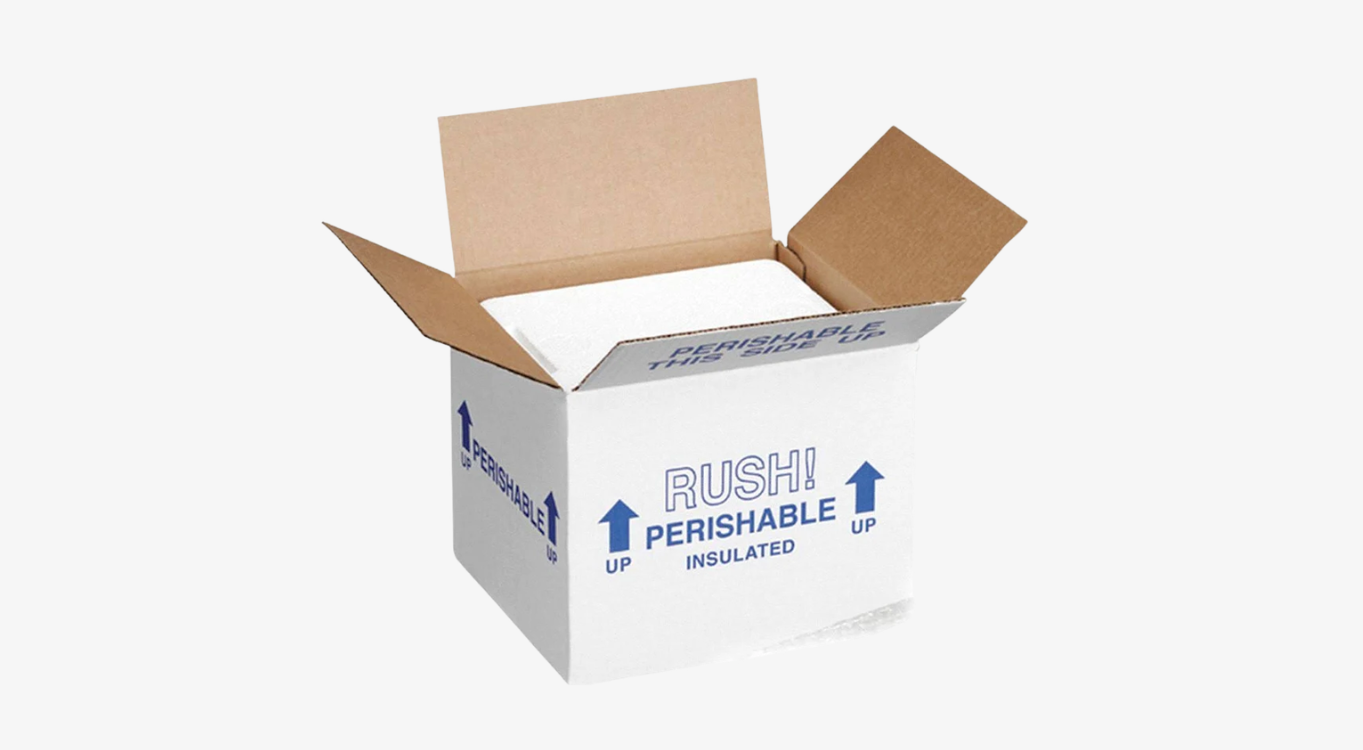
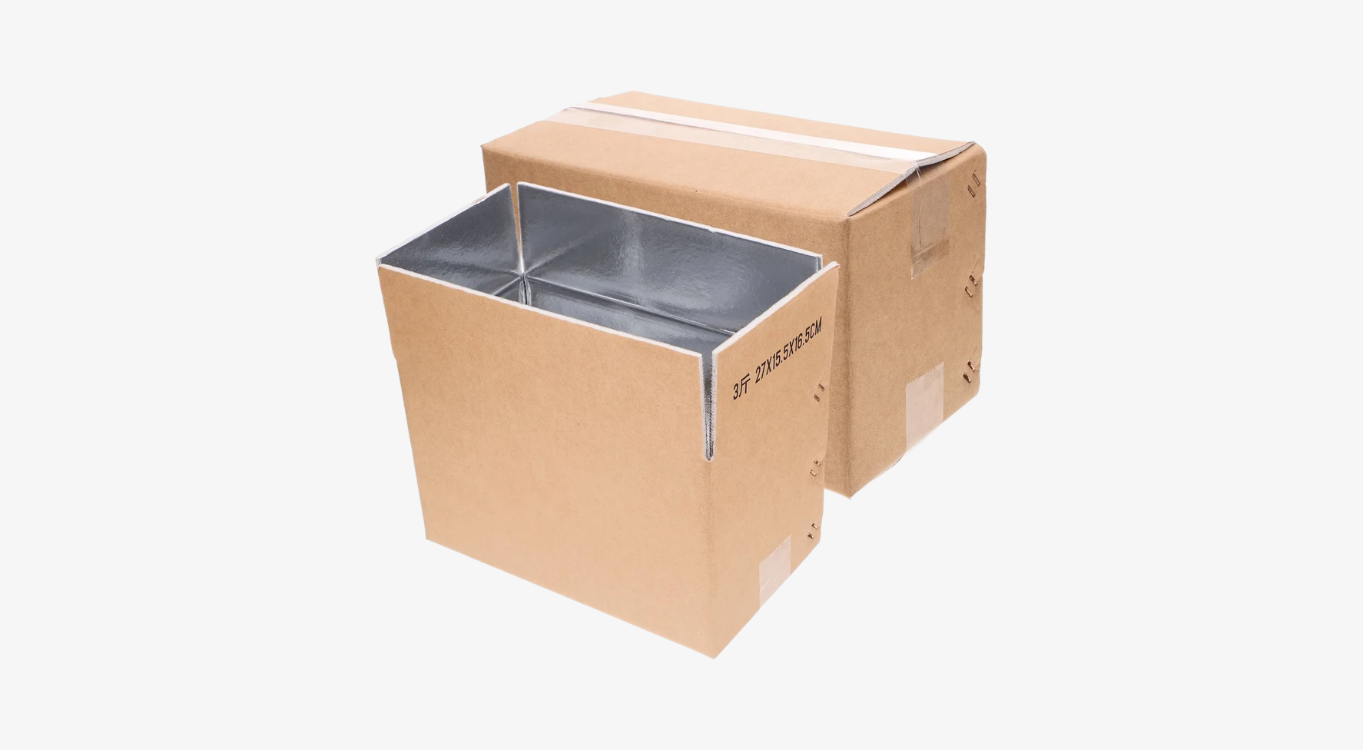
Insulated shipping boxes are packaging containers designed with materials or structures that help reduce heat transfer between the package interior and the surrounding environment. Unlike standard shipping cartons, which primarily provide containment and physical protection, insulated packaging incorporates an additional layer intended to help maintain more stable internal conditions.
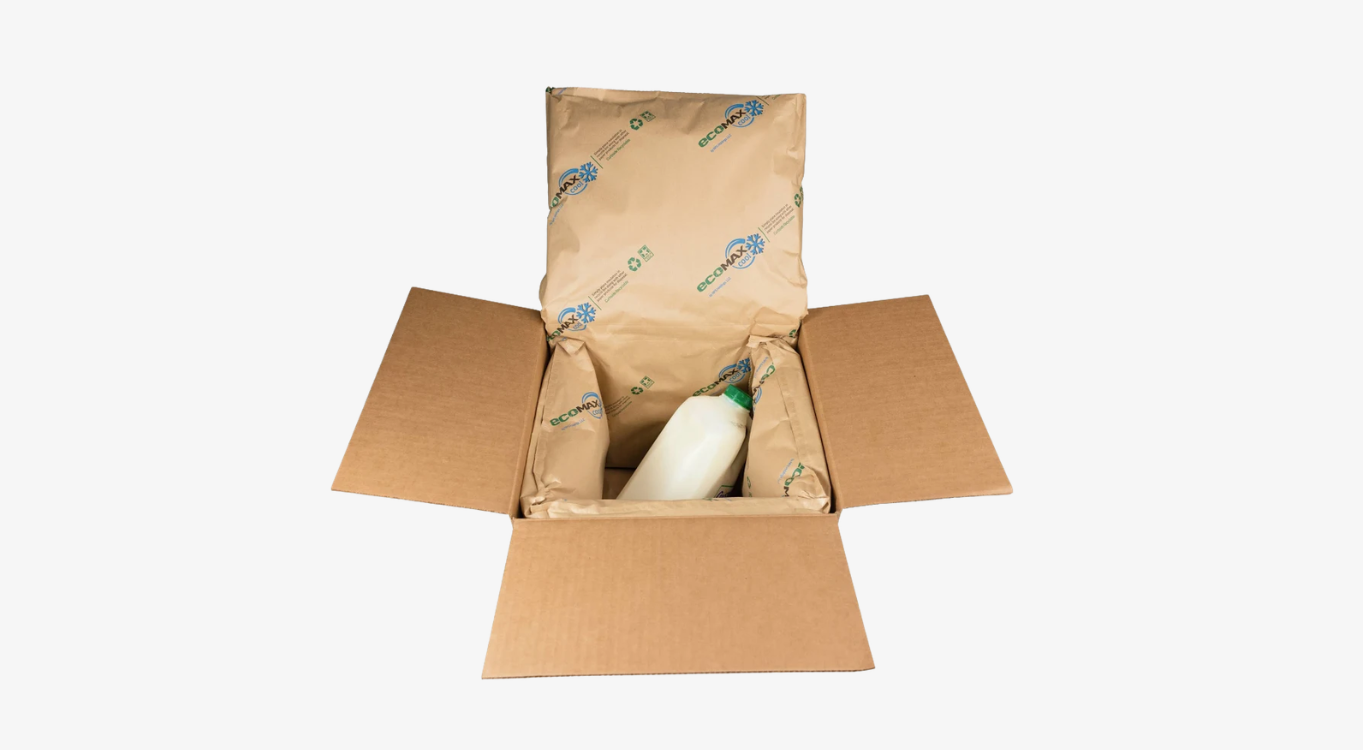
A typical configuration may include an outer corrugated shipping box, an insulating layer, and an interior space designed around the packaged product. Depending on the application, businesses may also specify liners, cushioning, sealed closures, or separate temperature-control components.
The exact construction varies according to the intended use. Some shipments may require basic insulation, while others need a carefully designed packaging system with validated temperature-management components. An insulated carton alone should not be considered a guaranteed temperature-control solution.
For businesses planning specialized shipments, it is important to define the required temperature range, expected shipping duration, and handling conditions before selecting packaging materials.
Why Do Businesses Use Insulated Shipping Boxes?
Products can experience changing environmental conditions during storage, loading, transportation, and delivery. A regular shipping carton may provide structural protection, but it is not necessarily designed to reduce temperature fluctuations.
Insulated packaging offers an additional design option for businesses that need to consider environmental exposure during distribution.
1. Additional Protection From External Temperature Changes
Insulating materials are selected to help slow heat transfer between the inside and outside of a package. This can be useful when shipments may encounter changing temperatures during transportation.
The actual level of insulation depends on the material, thickness, packaging design, closure quality, and surrounding conditions. Businesses should evaluate these factors rather than assuming that every insulated shipping box provides the same performance.
2. Packaging for Specialized Shipping Requirements
Some products have specific handling and transportation requirements. Businesses may need packaging configurations that accommodate insulation, protective inserts, and additional components.
A custom-designed box makes it possible to plan the internal space around the product and its required packaging accessories.
3. Organized Product Placement
Internal packaging design helps keep products arranged inside the shipping container. Depending on the product, businesses may use inserts, dividers, or fitted compartments to reduce unnecessary movement.
For additional information about internal packaging structures, explore our guide to custom packaging inserts.
4. Custom Dimensions for Different Products
Standard cartons may not fit every product or insulation configuration. Custom dimensions allow businesses to plan the internal and external measurements around the product, insulating components, and any additional protective materials.
Correct sizing also helps businesses avoid unnecessary empty space while ensuring that the selected packaging does not place excessive pressure on the contents.
5. Professional Branding and Presentation
The outer shipping container can also support brand recognition. Businesses can consider printed logos, product information, brand colors, and other artwork elements according to their packaging requirements.
For companies that ship directly to customers, customized outer packaging can create a more consistent brand presentation.
Types of Insulated Shipping Boxes
Different shipping requirements call for different packaging configurations. The most suitable option depends on the product, dimensions, insulation requirements, transportation conditions, and intended use.
1. Corrugated Insulated Shipping Boxes
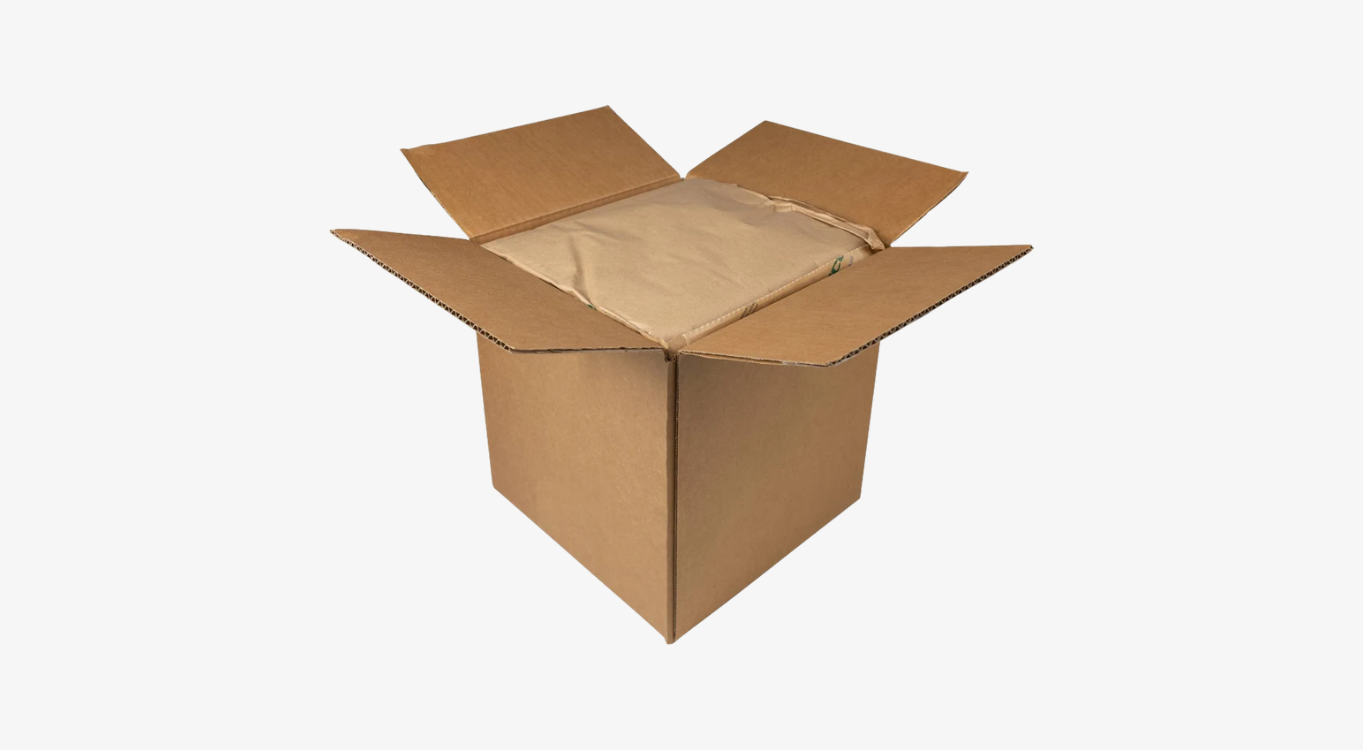
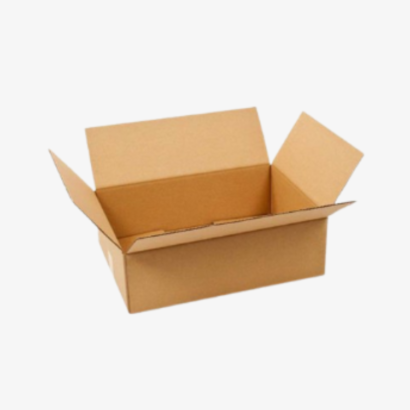
Corrugated boxes are commonly considered for shipping because their fluted construction provides a practical outer packaging structure. When combined with a separately selected insulating layer, corrugated cartons can form part of an insulated shipping configuration.
Businesses can select suitable box dimensions, wall construction, and printing options according to their requirements.
Explore corrugated shipping boxes for additional outer packaging options.
2. Double-Wall Insulated Shipping Boxes
Double-wall cartons contain two layers of corrugated fluting separated by liners. This construction offers a different structural configuration from single-wall cartons and may be considered for shipments requiring a more substantial outer container.
When insulation is required, the internal insulating components must be selected separately according to the application.
Learn more about double-wall shipping boxes.
3. Foam-Insulated Shipping Boxes
Foam-based insulation may be used in packaging systems where a dedicated insulating layer is required. The type, thickness, and arrangement of the foam depend on the product and the intended shipping conditions.
Businesses should assess material compatibility, dimensions, handling requirements, and any applicable disposal considerations before selecting a foam configuration.
4. Lined Insulated Shipping Boxes
Some packaging designs use an internal liner to create an additional layer between the product and the outer carton. Liner materials can vary, and the correct choice depends on the intended application.
A liner should not automatically be treated as waterproof, food-safe, or temperature-rated. Those properties must be confirmed for the specific material and packaging system.
5. Custom-Fitted Insulated Shipping Boxes
Custom-fitted boxes are developed around specific product dimensions and internal packaging requirements. They can accommodate protective inserts, liners, and other separately specified components.
This option may be useful for businesses shipping products in unusual shapes or requiring a consistent internal arrangement across multiple orders.
Materials Used in Insulated Shipping Boxes
Material selection is one of the most important stages in planning insulated shipping packaging. Different materials serve different purposes, and the outer carton should not be confused with the insulation component.
Corrugated Cardboard
Corrugated cardboard is frequently used as the external shipping container. Its layered structure consists of linerboard and a fluted medium. The selected board grade and wall construction should reflect the shipment’s dimensions, weight, stacking conditions, and handling requirements.
Foam Insulation
Foam materials may be used as an insulating component in selected packaging systems. Different foam types have different characteristics, so businesses should confirm the intended application, material specifications, and relevant handling requirements.
Reflective Insulation Materials
Some insulated packaging systems incorporate reflective layers as part of a broader design. Their effectiveness depends on the complete configuration and the conditions in which the package is used.
Paper-Based Insulation
Paper-based materials can be considered for certain internal packaging applications. Their suitability depends on the required insulation performance, moisture exposure, product characteristics, and shipping environment.
Protective Liners
Liners may be incorporated to separate the product from other packaging components or to support a specific internal configuration. Material selection should be based on verified specifications rather than assumptions about barrier or temperature performance.
For a broader comparison of packaging material options, read our guide to packaging materials.
How to Choose the Right Insulated Shipping Box Size
Choosing the correct dimensions is essential when designing insulated shipping packaging. The box must accommodate the product, the insulating components, and any additional protective materials without creating unnecessary pressure or excessive empty space.
Measure the Product First
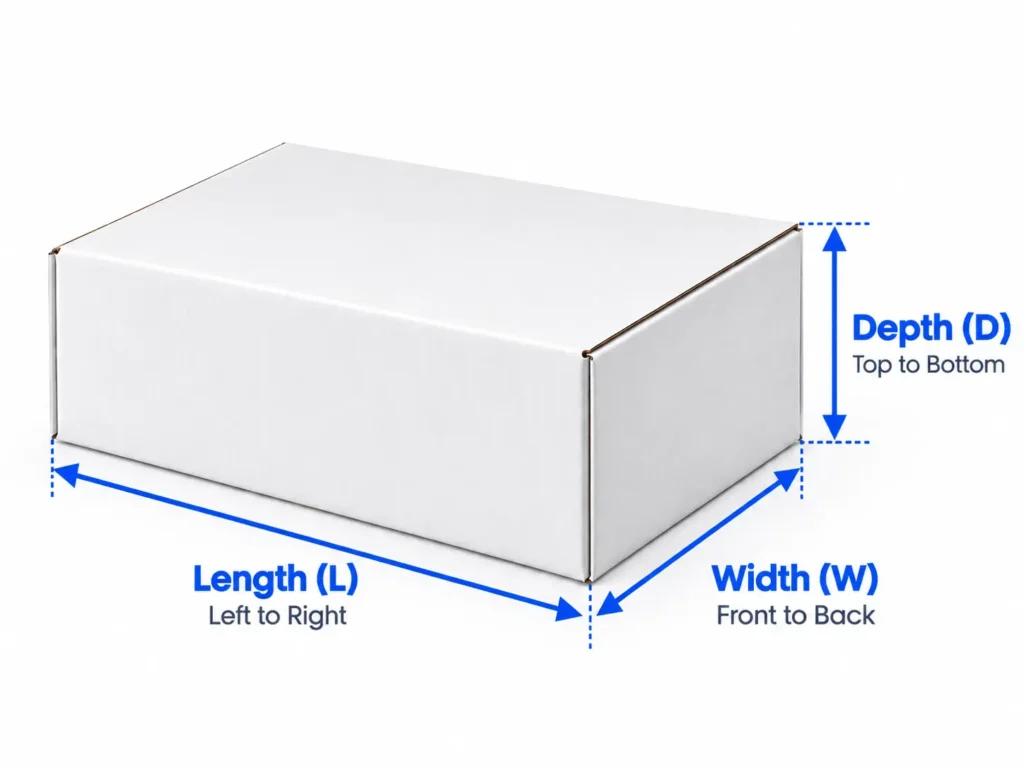
Start by measuring the product’s length, width, and height. For irregularly shaped products, measure the widest and tallest points and account for any protruding parts.
These measurements establish the minimum internal space required before insulation is added.
Account for Insulation Thickness
Insulating components occupy space inside the outer carton. Their thickness must be included when calculating the final internal dimensions.
For example, a product that measures 10 × 8 × 6 inches will require additional internal space if insulation is installed around all sides. The final box dimensions should account for the selected material and its specified thickness.
Consider Additional Packaging Components
Some shipments require inserts, dividers, cushioning, liners, or separately specified temperature-control accessories. Each component affects the available internal space.
Plan the complete packaging arrangement before confirming the box dimensions.
Evaluate External Dimensions
External measurements matter for storage, transportation, pallet arrangement, and shipping calculations. A larger insulated configuration may affect the overall package size and dimensional shipping charges.
Businesses should review both internal and external measurements before approving production.
For practical measurement guidance, see how to measure a box.
Customization Options for Insulated Shipping Boxes
Custom packaging allows businesses to coordinate the outer carton, internal layout, and branding elements around their shipping requirements.
Custom Box Dimensions
Businesses can specify the required length, width, and height based on the product and selected insulation configuration. Custom sizing helps create a more organized packaging arrangement.
Printing and Branding
The exterior of an insulated shipping box can include a company logo, brand colors, handling instructions, and other approved artwork. Printing options depend on the selected material and box construction.
Internal Inserts and Dividers
Inserts and dividers can help organize products and separate individual components. Their dimensions should be planned alongside the insulation layer to ensure that the complete arrangement fits properly.
Closure and Assembly Options
The closure method should be selected according to the box construction and shipping requirements. Businesses can discuss suitable assembly and sealing arrangements for their packaging design.
Material and Structural Choices
The outer box, insulation, and internal components should be evaluated as a complete packaging system. A strong outer carton does not automatically provide insulation, and an insulating material does not automatically provide adequate structural protection.
Insulated Shipping Boxes for Different Industries
Insulated packaging may be considered across different industries, but the correct configuration varies considerably by product and shipping conditions.
Food and Specialty Product Distribution
Businesses distributing temperature-sensitive food products may evaluate insulated packaging as part of a broader shipping system. The materials and components must be suitable for the intended application, and any required food-contact specifications must be independently confirmed.
Pharmaceutical and Healthcare-Related Shipments
Certain healthcare and pharmaceutical shipments may have defined temperature-handling requirements. Packaging decisions should be based on the responsible organization’s specifications and applicable regulatory requirements.
A standard insulated carton should not be described as a validated pharmaceutical cold-chain solution unless the complete system has been properly assessed and validated.
Laboratory and Research Supplies
Some laboratory or research-related materials may require specific transportation conditions. Packaging design should follow the handling instructions and technical requirements provided by the responsible organization.
Specialty Retail and Direct-to-Consumer Shipping
Businesses shipping selected specialty products directly to customers may consider insulated packaging where the product’s distribution requirements justify it. Custom printing and fitted internal arrangements can also support a consistent brand presentation.
Insulated Shipping Boxes vs. Standard Shipping Boxes
Standard shipping boxes and insulated shipping boxes serve different packaging purposes.
| Feature | Standard Shipping Boxes | Insulated Shipping Boxes |
|---|
| Main purpose | Containment and shipping protection | Shipping protection with an additional insulation component |
| Construction | Usually a carton or corrugated structure | Outer carton combined with insulating materials |
| Internal components | May include basic cushioning or inserts | May include insulation, liners, and fitted components |
| Temperature management | Not specifically designed for insulation | Designed to help reduce heat transfer |
| Customization | Sizes, printing, and construction | Sizes, printing, insulation configuration, and internal layout |
| Specialized requirements | Depends on the product and shipment | May require testing and separately specified temperature-control components |
The right choice depends on the shipment. If a product has no special temperature-handling requirements, a standard carton may be sufficient. If environmental exposure is a concern, businesses can evaluate an insulated packaging configuration.
How to Prepare an Insulated Shipping Packaging Design
A practical packaging design process begins with clear product and shipping information. This helps prevent sizing mistakes and reduces the need for unnecessary revisions.
Step 1: Identify Product Requirements
Document the product dimensions, weight, shape, quantity per shipment, and any special handling instructions. Identify whether the shipment has a defined temperature range or other environmental requirements.
Step 2: Define Shipping Conditions
Consider the expected transportation duration, shipping distance, climate, storage conditions, and potential exposure during handling. These details influence the packaging configuration.
Step 3: Select the Outer Box Structure
Choose an appropriate outer carton based on product weight, stacking requirements, and handling conditions. Corrugated and double-wall constructions may be considered depending on the application.
Step 4: Specify the Insulation Components
Identify the required insulating material, thickness, and arrangement. If the shipment requires a specific temperature range, the complete packaging system should be assessed against that requirement.
Step 5: Plan the Internal Layout
Determine how the product, insulation, inserts, and additional components will fit inside the package. Allow sufficient space for the complete arrangement without placing unnecessary pressure on the contents.
Step 6: Review Artwork and Printing
Prepare the artwork for the outer packaging. Confirm logo placement, brand colors, text, handling information, and print specifications before approving production.
Step 7: Evaluate the Complete Packaging System
Review the final configuration under conditions relevant to the intended shipment. Where temperature performance is important, appropriate testing and validation should be carried out by qualified personnel.
Why Choose Custom Insulated Shipping Boxes From Bluebird Packaging?
Choosing a packaging supplier involves more than selecting a box style. Businesses need to communicate their product dimensions, material preferences, branding requirements, and intended shipping conditions.
Bluebird Packaging provides custom packaging options that businesses can discuss according to their project specifications.
Packaging Designed Around Your Product
Custom dimensions help businesses plan the outer container around the product and its internal packaging components. This is especially useful when standard carton dimensions do not suit the complete configuration.
Flexible Material and Structural Options
Businesses can discuss suitable outer packaging materials and box constructions based on product weight, handling, and distribution requirements.
Custom Branding Opportunities
Printed packaging can incorporate brand identity, product information, and approved artwork. This helps businesses maintain consistent visual presentation across their shipping materials.
Internal Packaging Planning
The internal arrangement can be planned around insulation, inserts, dividers, and other specified components. Each part should be considered together to avoid sizing and assembly issues.
Support for Different Order Requirements
Businesses can share their packaging specifications, quantity requirements, and design preferences to discuss suitable options for their project.
To explore the broader range of packaging options, visit Bluebird Packaging. If you are planning a custom insulated shipping project, you can request a quote with your dimensions, material preferences, and packaging requirements.
Frequently Asked Questions About Insulated Shipping Boxes
1. What are insulated shipping boxes used for?
Insulated shipping boxes are used for shipments where reducing heat transfer between the package interior and external surroundings is an important packaging consideration. They combine an outer container with selected insulating components. Their suitability depends on the product, shipping duration, and environmental conditions.
2. What materials are used to make insulated shipping boxes?
Common packaging components can include corrugated cardboard for the outer container, foam-based insulation, reflective layers, paper-based materials, and selected liners. The appropriate combination depends on the intended application and verified material specifications.
3. Can insulated shipping boxes be customized?
Yes. Businesses can specify box dimensions, outer carton construction, insulation configuration, internal inserts, and printed artwork. The final design should be based on the product’s measurements and shipping requirements.
4. Do insulated shipping boxes maintain a specific temperature?
Not automatically. Insulating materials may help slow heat transfer, but maintaining a defined temperature range requires a properly designed and evaluated packaging system. Depending on the application, additional temperature-control components, monitoring, and validation may be necessary.