Retail packaging design is the process of creating product packaging that protects merchandise, communicates a brand’s identity, displays essential information, and attracts shoppers in stores or online. Effective retail packaging combines visual appeal, practical structure, suitable materials, readable graphics, and a convenient customer experience.
For US businesses, good packaging needs to do more than look attractive. It should help shoppers recognize a product, understand its value, compare it with alternatives, and feel confident about purchasing it. Whether you sell cosmetics, food, electronics, soap, accessories, or specialty products, the right packaging can strengthen brand recognition and make your products easier to merchandise.
This guide explains how to plan retail packaging design, choose suitable materials and box structures, create shelf-ready packaging, and use branding effectively. It also covers practical design examples, sustainable options, current considerations, and common mistakes businesses should avoid.
Quick Answer: What Makes Good Retail Packaging Design?
Good retail packaging design combines five essential elements:
- Brand identity: Consistent logos, colors, typography, and visual style.
- Product protection: A structure and material suited to the product’s weight, shape, and fragility.
- Shelf appeal: Clear graphics and a recognizable appearance that help the product stand out.
- Useful information: Readable product details, instructions, ingredients, and required labeling.
- Customer experience: Packaging that is convenient to open, handle, store, display, and, when relevant, reuse or recycle.
The best design depends on the product, target customer, retail environment, price point, and distribution method. A premium skincare box, for example, needs a different presentation from a corrugated shipping box or a countertop display carton.
What Is Retail Packaging Design?
Retail packaging design is the combination of a product’s packaging structure, material, graphics, branding, and functional features for presentation and sale to customers. It includes the physical box or container as well as the printed elements that help customers identify and understand the product.
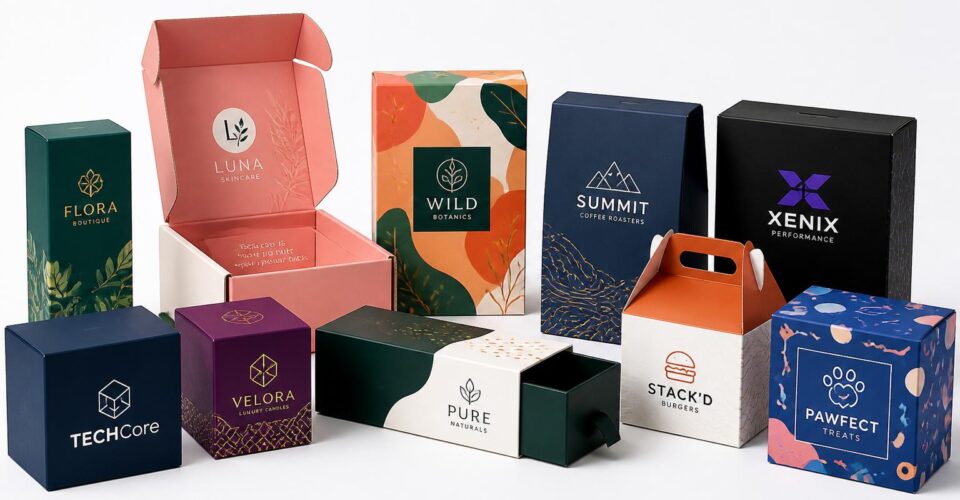
Retail packaging can be used in physical stores, supermarkets, specialty shops, boutiques, trade shows, and ecommerce businesses. Depending on the product, it may take the form of a folding carton, rigid box, display box, sleeve, pouch, or another protective package.
For example, a cosmetics brand might use a printed paperboard carton with a clean logo, product name, ingredient information, and a premium finish. A food brand may need a package designed around product protection, handling, and applicable food-contact requirements.
Retail packaging is not simply decoration. It is part of the product’s presentation and practical use. To understand the wider role of packaging, explore these guides to different types of packaging and product packaging fundamentals.
Retail Packaging vs. Shipping Packaging
Retail packaging and shipping packaging serve related but different purposes.
| Feature | Retail Packaging | Shipping Packaging |
|---|---|---|
| Main purpose | Present and protect a product for sale | Protect products during transportation |
| Design priority | Branding, information, shelf appeal | Strength, cushioning, and delivery protection |
| Common materials | Paperboard, rigid board, kraft, specialty materials | Corrugated board, cushioning, protective films |
| Printing | Often detailed, branded graphics | May use branding, handling instructions, or shipping labels |
| Typical formats | Folding cartons, retail boxes, sleeves, display boxes | Corrugated cartons, mailer boxes, shipping boxes |
| Customer interaction | Often seen before purchase | Often experienced during delivery |
Some products need both. A retail box may hold the product, while a separate corrugated shipping carton protects it during fulfillment. Ecommerce brands should plan these two packaging layers together rather than assuming one box will always meet both needs.
Why Is Retail Packaging Design Important?
Retail packaging influences how customers recognize, evaluate, and interact with products. It also affects how efficiently products can be stored, displayed, transported, and handled by retailers.
A well-planned package can support a consistent brand identity while making product information easier to understand. A poorly planned package may hide important details, create confusion, or fail to protect the product adequately.
Here are the main reasons retail packaging design matters.
1. Creates a Strong First Impression
Packaging is often one of the first physical things a customer notices about a product. Its color, shape, typography, imagery, and overall presentation can influence whether someone gives it a closer look.
A skincare box with a restrained color palette and clean typography may communicate a different positioning from a brightly colored snack carton. Neither approach is automatically better. The design should reflect the product and the audience it is intended to reach.
2. Builds Brand Recognition
Consistent packaging makes it easier for customers to recognize a brand across different products and retail locations.
Businesses can build recognition by using a consistent combination of:
- Brand logo and name
- Primary and secondary colors
- Typography and graphic style
- Illustration or photography
- Packaging structure
- Brand messaging
For example, a business selling several soap varieties can use the same basic box structure and branding system while changing the product name, scent, or accent color for each version.
This creates a recognizable product family without making every package look identical. Learn more about packaging design principles that help connect appearance with practical function.
3. Communicates Product Information
Retail packaging helps customers understand what they are buying. Depending on the product and applicable regulations, a package may need to communicate:
- Product name and type
- Brand identity
- Net quantity or product size
- Ingredients or material information
- Directions for use
- Warnings and safety information
- Manufacturer or distributor details
- Barcode and other retail identification
- Required regulatory statements
The amount and type of information vary by product category. Food, cosmetics, supplements, toys, and other regulated products can have different labeling requirements. Businesses should confirm applicable US federal and state requirements before approving printed artwork.
4. Improves Shelf Appeal
Shelf appeal describes how effectively a product attracts attention and communicates its value in a retail display.
An effective design uses visual hierarchy to make the most important information easy to notice. A shopper should be able to identify the product and brand without having to study every part of the package.
Consider:
- A clear product name
- Readable text at the expected viewing distance
- Strong contrast between text and background
- Consistent branding
- Appropriate product imagery
- A structure that displays well on shelves
Good shelf appeal does not always mean using more colors or graphics. A simple design can be highly effective when it communicates the product’s identity clearly.
5. Supports Product Protection
Retail packaging should protect the product during storage, handling, stocking, and customer use. The right structure depends on the item’s dimensions, weight, fragility, and distribution conditions.
A lightweight cosmetic carton may need a different level of protection from a glass container or an electronic accessory. For products that require additional cushioning or internal organization, consider suitable packaging inserts and protective structures.
Key Elements of Effective Retail Packaging Design
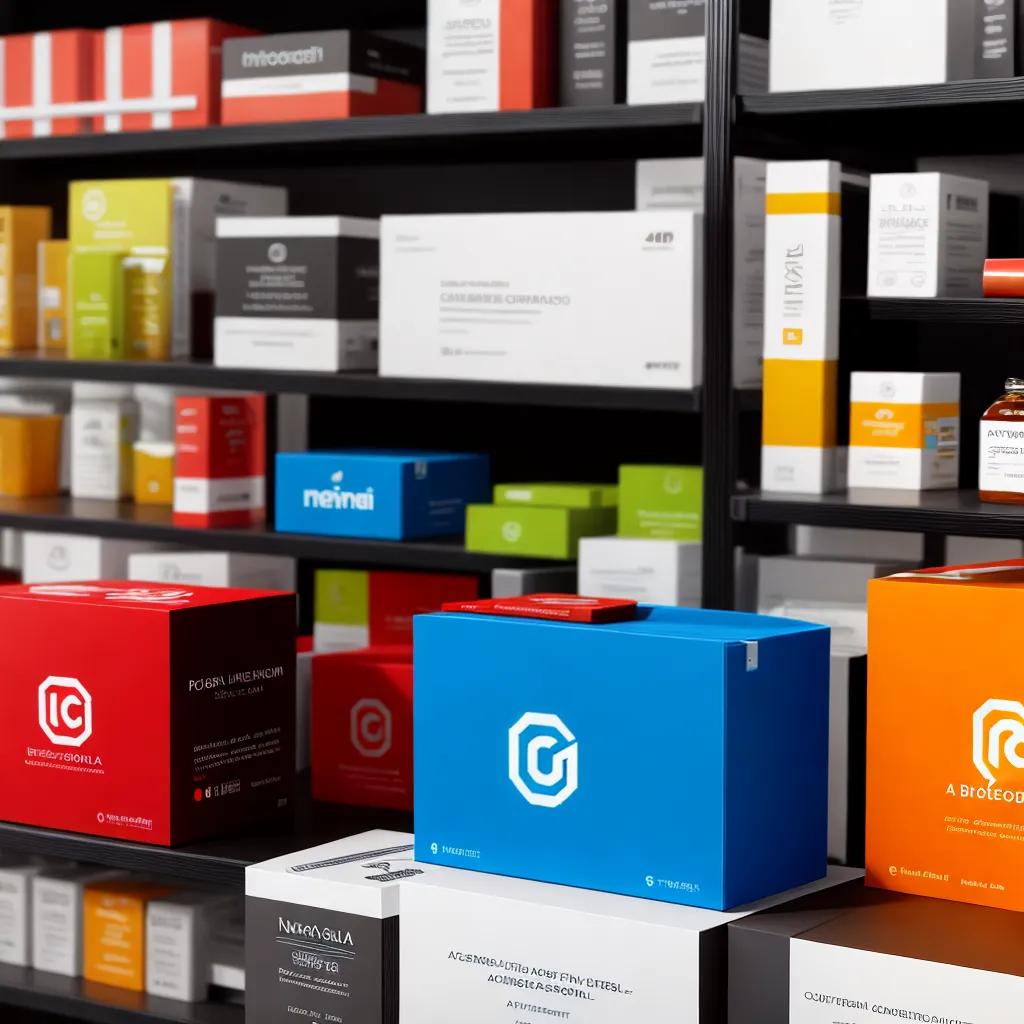
Successful retail packaging is not created by choosing attractive colors alone. It requires a coordinated approach to structure, material, graphics, readability, and usability.
1. Brand Identity and Visual Consistency
Your packaging should look like it belongs to your brand. Use a consistent design system across product lines so customers can recognize your products even when the package format changes.
Important brand elements include:
- Logo placement
- Brand colors
- Typography
- Illustration and photography style
- Graphic patterns
- Tone of voice
- Product naming conventions
Avoid placing every brand element on every panel. Prioritize the most important information and leave enough open space for the design to remain readable.
2. Color Selection
Color helps establish a product’s visual identity, but it should be selected according to the brand and category rather than assumptions about universal color meanings.
For example:
- Natural-looking colors may support a brand’s earth-conscious visual direction.
- Bright colors can help create a lively, energetic presentation.
- Dark backgrounds can support a premium or dramatic design.
- Light backgrounds can create a clean, minimal appearance.
Check how the colors work together in print. A color that looks accurate on a computer monitor may appear different on paperboard because screens and printing use different color systems.
3. Typography and Readability
Typography affects both appearance and usability. Customers should be able to identify the product name and read essential information without struggling with small or low-contrast text.
Use a clear hierarchy:
- Brand name or logo
- Product name
- Key product benefit or description
- Supporting information
- Legal or technical details where required
Do not reduce essential text simply to fit more marketing copy onto the package. Check the final artwork at its actual printed size.
4. Packaging Structure and Shape
The structure should match the product and the retail environment. Common choices include folding cartons, tuck-end boxes, mailer boxes, rigid boxes, sleeves, and display packaging.
A package that looks impressive in a digital mockup may still be difficult to assemble, stack, open, or store. Evaluate the structure before approving the artwork.
5. Finishes and Special Effects
Finishes can add texture, contrast, and visual interest to retail boxes. Depending on the material and printing process, options may include:
- Matte lamination
- Gloss lamination
- Foil stamping
- Embossing
- Debossing
- Spot UV
- Soft-touch finishes
Use finishing techniques selectively. A single highlighted logo or product name can be more effective than applying several effects across every panel.
6. Functional Details
A package should work as well as it looks. Consider:
- Easy opening and closing
- Secure product placement
- Suitable internal dimensions
- Practical shelf orientation
- Convenient handling
- Storage and stacking requirements
- Space for barcodes and labels
The best retail packaging design balances presentation with the practical needs of the product, retailer, and customer.
Retail Packaging Design Ideas for Different Products
The right design approach depends on what you sell. Packaging that works for cosmetics may not be suitable for food, electronics, or handmade products.
Here are practical retail packaging design ideas for common product categories.
1. Minimalist Retail Packaging
Minimalist packaging uses a limited color palette, simple typography, clean layouts, and carefully selected graphic elements.
It can work well for skincare, personal care, specialty goods, and premium products where a restrained presentation supports the brand’s positioning.
Design ideas:
- Use one or two main colors.
- Keep the logo easy to identify.
- Use clear product naming.
- Avoid unnecessary decorative elements.
- Choose a suitable matte or uncoated appearance.
2. Premium Retail Packaging
Premium packaging focuses on presentation, material quality, structure, and finishing details.
Rigid boxes are one option for products that benefit from a more substantial presentation, such as gifts, jewelry, electronics, and selected beauty products.
Explore custom rigid packaging for premium presentation or consider rigid box styles when evaluating suitable structures.
3. Eco-Conscious Retail Packaging
Brands that want to reduce packaging impact can explore paper-based materials, recyclable structures, right-sized boxes, and simpler material combinations.
However, sustainability claims should be specific and supported. A package should not be described as recyclable, compostable, or biodegradable unless the material, coatings, components, and relevant disposal conditions support that claim.
Businesses can explore sustainable packaging considerations before choosing materials and finishes.
4. Window Retail Packaging
A window feature allows customers to see part of the product without opening the package. It can be useful for products where appearance, color, or shape helps customers make a decision.
Examples include:
- Soap
- Bakery products
- Small gifts
- Accessories
- Selected cosmetics
- Retail merchandise
The window material and construction should be selected based on the product, display conditions, and applicable requirements.
5. Custom Printed Retail Packaging
Custom printing helps businesses create packaging that reflects their visual identity. It can include logos, product graphics, brand colors, patterns, instructions, and other information.
For products that need a more tailored presentation, explore custom retail boxes and choose a structure that supports both branding and product protection.
6. Interactive and Informative Packaging
Some brands use QR codes, scannable links, or concise instructions to connect physical packaging with digital information.
Possible uses include:
- Product tutorials
- Care instructions
- Ingredient or sourcing information
- Brand stories
- Product registration
- Customer support
Make sure digital elements are tested before printing. A QR code should remain large and clear enough to scan, with suitable contrast and enough quiet space around it.
Choosing the Right Materials for Retail Packaging
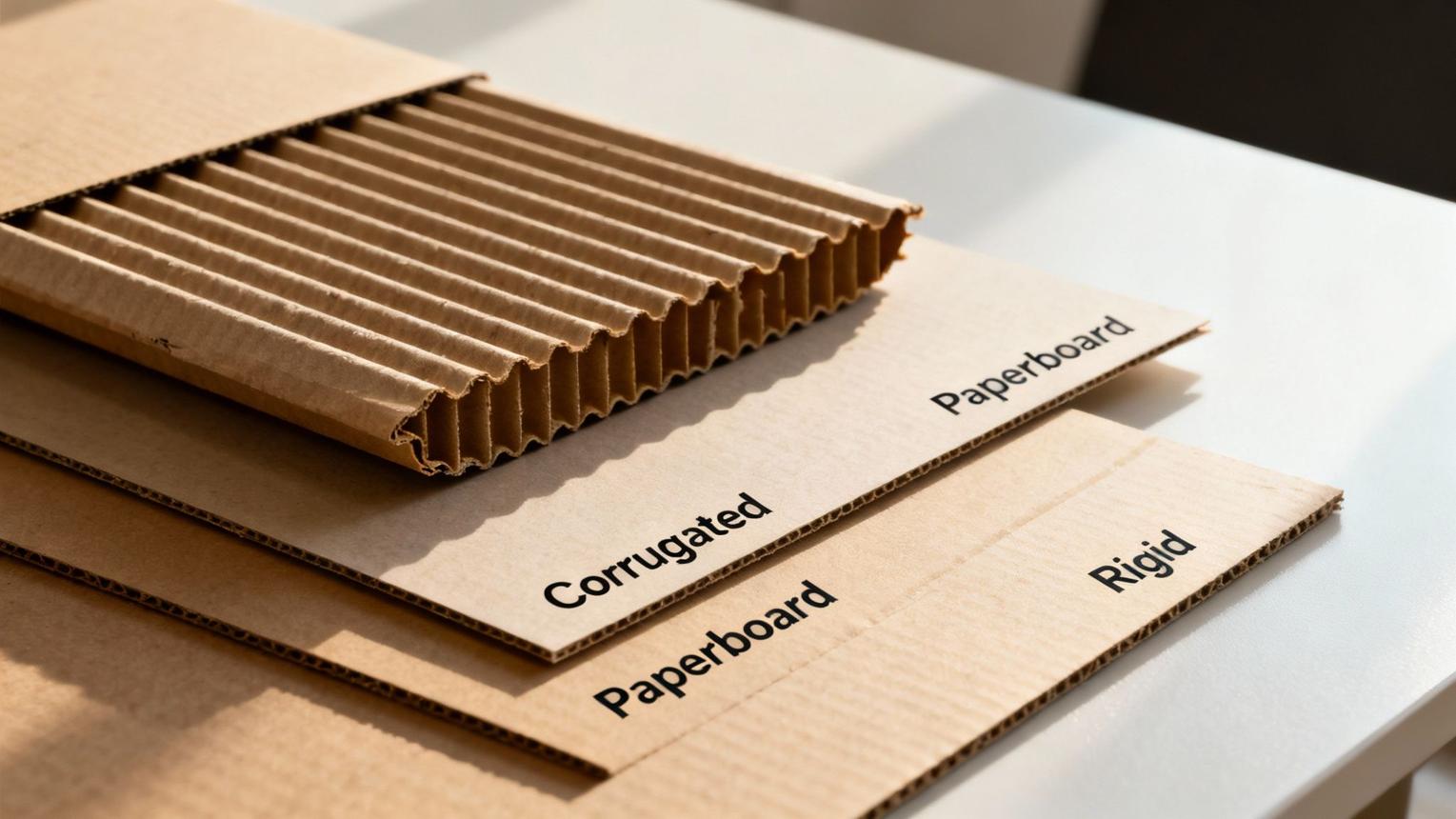
The material affects the strength, appearance, print quality, weight, and cost of a retail package. The best option depends on the product, structure, desired finish, and expected handling conditions.
Common Retail Packaging Materials
| Material | Common applications | Main considerations |
|---|---|---|
| Paperboard | Folding cartons, cosmetics, food cartons, retail boxes | Printable surface, lightweight structure, suitable for many retail applications |
| Kraft paperboard | Soap, natural products, specialty retail packaging | Natural appearance; print and strength depend on grade |
| Corrugated board | Shipping cartons, protective retail and ecommerce packaging | Fluted structure provides cushioning and stacking strength |
| Rigid board | Premium gift boxes, jewelry, luxury presentation | Sturdy construction and substantial presentation |
| Specialty paper | Sleeves, wraps, premium printed packaging | Texture and appearance vary by paper type |
For a deeper explanation of material choices, see this guide to packaging materials.
Paperboard for Folding Cartons
Paperboard is widely used for retail cartons because it can be printed, cut, folded, and finished into different structures.
It is often suitable for:
- Cosmetics
- Personal care products
- Small consumer goods
- Retail accessories
- Lightweight food packaging where the material is appropriate
Businesses considering paper-based cartons can explore cardboard packaging options and compare the required structure with the product’s protection needs.
Corrugated Board for Protection
Corrugated board consists of linerboard and a fluted inner layer. Its construction provides cushioning and structural support, making it useful for shipping and some retail applications.
It is commonly used for:
- Ecommerce shipping cartons
- Larger product boxes
- Protective outer packaging
- Heavy or fragile products, when correctly specified
Learn more about corrugated packaging and its uses.
Kraft Packaging for a Natural Look
Kraft packaging is often selected for its natural paper appearance. It can support a simple, understated visual identity for handmade goods, soaps, specialty foods, and other products.
Kraft is not automatically more sustainable in every application. The full material composition, coatings, inks, production, and disposal options should be considered before making environmental claims.
Rigid Board for Premium Presentation
Rigid boxes are made from thicker, sturdy board and are commonly used when a product needs a more substantial presentation.
They may be appropriate for:
- Jewelry
- Gift sets
- Premium cosmetics
- Electronics accessories
- Corporate gifts
The added structure can improve presentation, but it may also affect storage, shipping weight, and unit cost.
How to Create an Effective Retail Packaging Design
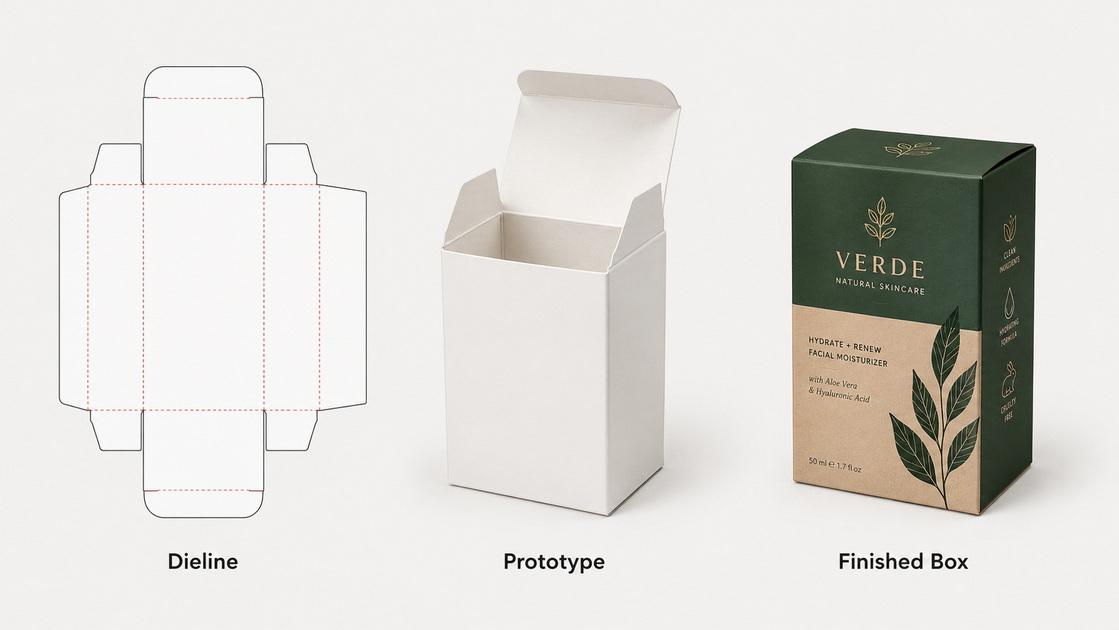
A successful design process begins with the product and customer, not with decorative graphics. Follow these steps to build packaging that looks good and works in its intended retail environment.
Step 1: Understand Your Product
Start by documenting the product’s physical and practical requirements.
Record:
- Product length, width, and height
- Product weight
- Fragility
- Shape and unusual features
- Whether it needs an insert
- Storage conditions
- Any special handling requirements
Measure the product carefully and decide whether the package needs to hold one item, a set, or multiple components.
Step 2: Identify Your Target Customer
Understand who will buy the product and where they will encounter it.
Ask:
- Is the product aimed at everyday shoppers or a specialist audience?
- Is it positioned as affordable, premium, or somewhere in between?
- Will customers compare it with similar products on a shelf?
- Is the packaging intended for gifting?
- Will the customer purchase it online or in a physical store?
These answers help determine the appropriate visual direction and structure.
Step 3: Review Competitor Packaging
Study competing products to understand the category’s visual conventions and identify opportunities to differentiate your brand.
Look at:
- Color palettes
- Logo placement
- Product naming
- Package size and shape
- Information hierarchy
- Material and finish
- Display orientation
Do not copy another brand’s artwork or packaging. Use competitor research to identify what customers may expect and where your product can communicate something distinctive.
Step 4: Select the Box Style
Choose a structure based on product dimensions, protection, presentation, and retail requirements.
Some common options include:
- Tuck-end boxes for many lightweight retail products.
- Mailer boxes for ecommerce and subscription products.
- Display boxes for countertop or shelf presentation.
- Rigid boxes for premium gifts and products.
- Sleeves for an additional printed layer around an existing package.
Browse custom retail box options to explore structures that can support your product presentation.
Step 5: Create the Artwork
Prepare the graphic layout using accurate packaging dimensions and a confirmed dieline.
Your artwork should include:
- Logo and brand elements
- Product name
- Relevant imagery
- Product information
- Required labeling
- Barcode space
- Instructions or warnings, where applicable
Keep important text and logos away from cut lines, folds, glue areas, and other restricted zones.
Step 6: Review a 3D Mockup and Physical Sample
A 3D mockup helps you visualize how the package may look after assembly. It can reveal layout issues that are difficult to notice in a flat artwork file.
However, a digital mockup cannot fully confirm material behavior, print color, fit, or production quality. When possible, review a physical sample or production proof before approving a larger order.
Step 7: Test the Packaging in Its Real Environment
Evaluate the package as a retailer and customer would experience it.
Check:
- Does the product fit securely?
- Can customers identify the product quickly?
- Is the main information readable?
- Does the package stand or stack properly?
- Can it be handled and opened conveniently?
- Does it protect the product during normal handling?
Make corrections before final production.
Retail Packaging Design Examples by Industry
Different industries have different packaging needs. The following examples show how businesses can adapt design decisions to their products.
1. Cosmetic and Skincare Packaging
Cosmetic packaging often needs a polished appearance, clear product information, and suitable protection for bottles, jars, tubes, or palettes.
Useful design elements include:
- Consistent brand colors
- Readable product names
- Clear ingredient and usage information
- Inserts for products that need internal support
- Finishes that complement the brand’s positioning
Explore custom cosmetic boxes for beauty and personal care products.
2. Soap and Personal Care Packaging
Soap packaging may use folding cartons, sleeves, window boxes, or kraft-style structures.
The design can communicate:
- Soap variety or fragrance
- Ingredients and product details
- Brand identity
- Product weight
- Usage information
For different styles, consider custom soap packaging.
3. Food and Bakery Packaging
Food packaging must account for the product’s physical properties, handling, storage, and applicable food-contact requirements.
A bakery box may need enough space to protect a cake or pastry while remaining easy to carry. A retail food carton may need clear labeling and a structure appropriate for its contents.
Explore custom food boxes or bakery packaging boxes for relevant applications.
4. Electronics and Accessories
Electronics packaging often needs to keep components organized and protected. Inserts, partitions, and carefully planned internal dimensions can help prevent movement.
The external design should also communicate product identity and key information without overcrowding the package.
5. Jewelry and Gift Products
Jewelry and gift packaging often places greater emphasis on presentation and the opening experience.
Possible design elements include:
- Rigid box structures
- Custom inserts
- Soft-touch or matte finishes
- Foil details
- Coordinated outer sleeves
The structure should hold the product securely while creating an appropriate presentation.
Retail Display and Point-of-Purchase Packaging
Retail display packaging is designed to present products in a way that supports visibility and convenient access at a store shelf, counter, or point of purchase.
It can be particularly useful for smaller products, promotional items, impulse purchases, and products that need to be grouped together.
Common Types of Retail Display Packaging
| Display format | Typical use | Design priority |
|---|---|---|
| Counter display boxes | Small products near checkout counters | Easy access and clear branding |
| Shelf-ready packaging | Products stocked directly onto retail shelves | Efficient stocking and product visibility |
| Display trays | Grouped products and small items | Organization and product presentation |
| Floor displays | Larger promotional product collections | Stability and visibility |
| Window display boxes | Products that benefit from visibility through the package | Product visibility and protection |
The display should make the product easy to see and access. It should also be practical for retailers to assemble, stock, and replenish.
For businesses that need a dedicated presentation structure, explore custom display boxes.
Retail Packaging Design Trends to Consider
Retail packaging trends can provide inspiration, but businesses should select ideas based on their products and customers rather than following every popular style.
The following design directions are worth considering when planning new packaging.
1. Simpler, More Focused Graphics
Minimal layouts can help customers find the most important information quickly. Reducing unnecessary graphics may also create more room for product details and a recognizable brand identity.
2. Material-Conscious Design
Brands are paying attention to packaging weight, material selection, unnecessary components, and disposal instructions. Choosing a suitable structure and avoiding excessive packaging can support more thoughtful packaging decisions.
3. Digital Connections
QR codes and scannable elements can connect customers with instructions, product details, support, and brand information. They should complement—not replace—essential information that belongs on the package.
4. Distinctive Typography
Typography can help a product stand out while supporting brand recognition. The key is to balance personality with readability, especially for product names and required information.
5. Consistent Product Families
Brands with multiple products can use a shared design system while assigning different colors, patterns, or labels to individual varieties. This creates a cohesive shelf presence and makes product ranges easier to navigate.
6. Practical Unboxing Experiences
Packaging is increasingly considered beyond the point of purchase. Easy opening, organized contents, and a neat presentation can contribute to the customer’s overall experience, particularly for gift and ecommerce products.
How to Make Retail Packaging Stand Out on Store Shelves
To make retail packaging stand out, focus on clarity, differentiation, and visibility rather than adding more decorative elements.
Use this practical checklist:
- Make the brand recognizable: Keep the logo and key brand elements consistent.
- Prioritize the product name: Make it easy to identify at a glance.
- Use contrast carefully: Ensure important text remains readable.
- Choose appropriate imagery: Use visuals that help customers understand the product.
- Consider shelf distance: Check how the design looks from the distance at which customers are likely to view it.
- Keep the layout organized: Avoid overcrowding the front panel.
- Differentiate product variants: Use a consistent system for flavors, sizes, colors, or product types.
- Check the physical structure: Make sure the box stands, stacks, and displays as intended.
- Test a sample: Review the actual print and construction before production.
A useful test is to place your package beside competing products and ask someone unfamiliar with the brand to identify the product and brand name. If they struggle to understand what the product is, the visual hierarchy may need improvement.
How to Choose the Right Retail Packaging Supplier
Choosing a packaging supplier is as important as choosing the design. A supplier should be able to understand the product requirements, recommend suitable materials, explain available structures, and communicate clearly about production.
Consider these factors when comparing packaging providers:
1. Packaging Options
Check whether the supplier works with the box styles and materials your product requires. Some suppliers specialize in corrugated shipping packaging, while others focus on folding cartons, rigid boxes, flexible packaging, or printed retail boxes.
2. Customization Capabilities
Ask whether the supplier can accommodate:
- Custom dimensions
- Brand colors and printed artwork
- Different box structures
- Inserts and dividers
- Finishing options
- Product-specific requirements
3. Artwork and Design Support
Ask how artwork is reviewed and whether the supplier can help with dielines, layout adjustments, or production files.
4. Samples and Proofing
A sample or proof can help identify issues with size, fit, print appearance, and construction before a larger order is produced.
5. Minimum Order Quantity
Minimum order quantities vary by supplier, material, printing method, and packaging structure. Ask for the minimum quantity and how unit pricing changes at different order volumes.
6. Pricing Transparency
Request a quote that explains the important cost factors, including material, dimensions, printing, finishes, quantity, and shipping. Compare quotes based on equivalent specifications rather than unit price alone.
For a broader overview of the process, read about custom packaging and the considerations involved in planning an order.
How Much Does Custom Retail Packaging Cost?
The cost of custom retail packaging depends on the material, box dimensions, structure, printing requirements, finishing options, quantity, and production method. There is no single price that applies to every retail box.
The main factors include:
| Cost factor | How it affects pricing |
|---|---|
| Box dimensions | Larger boxes generally require more material |
| Material | Different board grades and constructions have different costs |
| Printing | Artwork coverage, colors, and printing method affect production |
| Finishes | Foil, lamination, embossing, and other effects can add cost |
| Inserts | Custom internal components may increase material and assembly requirements |
| Order quantity | Larger production runs may reduce the unit cost |
| Shipping | Package size, weight, destination, and delivery method affect freight |
To manage costs, finalize dimensions early, avoid unnecessary finishing, choose materials appropriate for the product, and request pricing at more than one quantity level.
For a detailed breakdown, see the custom packaging cost guide.
Common Retail Packaging Design Mistakes to Avoid
Even an attractive package can fail if it does not meet the needs of the product or customer.
Avoid these common problems:
1. Overcrowded Artwork
Too many messages, images, badges, and decorative elements make packaging difficult to understand. Give priority to the product name, brand, and essential information.
2. Choosing Appearance Over Protection
A visually appealing package is not useful if it fails to protect the product. Make sure the structure and material match the product’s weight, fragility, and handling conditions.
3. Ignoring Actual Dimensions
Designing around estimated measurements can result in a package that is too tight, too loose, or difficult to assemble. Confirm product and internal box dimensions before finalizing the dieline.
4. Using Unreadable Text
Small type, low contrast, and decorative fonts can make important information difficult to read. Review artwork at actual size.
5. Making Unsupported Environmental Claims
Avoid broad claims such as “100% eco-friendly” unless they are clearly defined and substantiated. Be specific about material composition and disposal conditions.
6. Skipping the Sample Review
A digital preview cannot show every issue with print, construction, fit, or finish. Review a physical sample or production proof whenever the project allows.
7. Forgetting Retail Requirements
Some retailers have requirements for barcodes, labeling, shelf dimensions, case packs, or display formats. Confirm these before artwork approval and production.
Retail Packaging Design Checklist Before Printing
Use this checklist before approving a final retail packaging design.
Pre-print approval checklist
0/12 complete
- ☐ Product dimensions and weight have been confirmed.
- ☐ The packaging structure suits the product.
- ☐ The material provides suitable protection.
- ☐ Brand logo and colors are consistent.
- ☐ Product name and essential information are readable.
- ☐ Required labeling and barcode details have been checked.
- ☐ Artwork follows the approved dieline.
- ☐ Text and graphics are clear of folds, cuts, and glue areas.
- ☐ Print colors and finishes have been reviewed.
- ☐ The package has been checked as a 3D mockup or physical sample.
- ☐ Retail display and storage requirements have been considered.
- ☐ The supplier has confirmed production specifications.
Reset checklist
Frequently Asked Questions About Retail Packaging Design
1. What Is Retail Packaging Design?
Retail packaging design is the planning of a product’s packaging structure, materials, graphics, and branding for presentation and sale. It aims to protect the product, communicate useful information, and create a clear, recognizable appearance.
2. Why Is Packaging Design Important in Retail?
Packaging design helps customers identify products, understand their features, and recognize brands. It also supports product protection, retail display, storage, and the overall customer experience.
3. How Does Retail Packaging Influence Buying Decisions?
Retail packaging can influence how customers notice and evaluate a product. Clear branding, readable information, appropriate imagery, and a suitable structure can help shoppers understand what they are considering. Actual purchasing decisions depend on many factors, including price, product quality, availability, and customer preferences.
4. What Makes Retail Packaging Attractive?
Attractive retail packaging usually has a clear visual hierarchy, consistent branding, readable typography, suitable colors, and a structure that complements the product. It should be distinctive without making essential information difficult to find.
5. How Do You Design Packaging That Stands Out on Shelves?
Start with a recognizable brand identity and a clear product name. Use appropriate contrast, organized graphics, and relevant imagery. Compare the design with competing products and review it at the expected shelf viewing distance.
6. Which Materials Are Best for Retail Packaging?
Paperboard is commonly used for folding cartons, corrugated board for protective packaging, kraft for natural-looking paper packaging, and rigid board for premium presentation boxes. The best material depends on product weight, protection requirements, structure, printing, and budget.
7. How Does Branding Affect Retail Packaging Design?
Branding makes packaging recognizable and helps create consistency across a product range. A coordinated use of logos, colors, typography, and graphic elements can make it easier for customers to identify products from the same company.
8. What Are the Latest Retail Packaging Design Trends?
Design directions worth considering include simpler graphics, material-conscious packaging, distinctive typography, digital connections such as QR codes, coordinated product families, and more convenient opening experiences. Businesses should select trends that fit their products and customers.
9. How Can Small Businesses Improve Their Retail Packaging?
Small businesses can improve packaging by using consistent branding, selecting an appropriate box structure, prioritizing readable information, and avoiding unnecessary finishes. Ordering a suitable quantity and reviewing a sample before production can also help manage risk and cost.
10. What Is the Difference Between Retail Packaging and Shipping Packaging?
Retail packaging is designed primarily for product presentation, customer information, and sale. Shipping packaging focuses on protection during transportation and handling. Some businesses use a retail box inside a separate corrugated shipping carton to meet both needs.
Conclusion: Create Retail Packaging That Works for Your Brand
Effective retail packaging design brings together branding, materials, structure, product protection, and customer experience. The strongest solution is not necessarily the most elaborate or expensive package. It is the one that communicates the product clearly, fits its intended retail environment, protects its contents, and supports the brand’s identity.
Before choosing a design, understand your product dimensions, customer expectations, material requirements, and retail display needs. Then compare suitable structures, prepare accurate artwork, and review a sample before approving production.
Bluebird Packaging offers custom packaging options for businesses looking to develop branded boxes for different product categories. Explore the available custom retail packaging solutions or request a packaging quote to discuss your product dimensions, material preferences, printing, and finishing requirements.
Need Custom Retail Packaging for Your Products?
Create branded retail boxes that combine shelf appeal, product protection, and practical design. Discuss your dimensions, materials, printing, and finishing requirements with Bluebird Packaging.
Additional practical guidance and references
For brands selling through online stores as well as physical retailers, packaging should also be planned for delivery. A retail carton may look excellent on a shelf but still need an outer shipping solution to protect it during fulfillment. Consider ecommerce packaging options and custom mailer boxes when the same product is sold online.
For businesses comparing box styles, cardboard boxes can be considered for suitable retail and product-packaging applications. You can also visit the Bluebird Packaging homepage to explore the broader packaging range.
External resources worth checking before artwork approval:
- Federal Trade Commission — Environmental Claims: useful when making environmental claims such as recyclable, recycled content, or compostable.
- U.S. Food and Drug Administration — Packaging & Food Contact Substances: relevant when selecting packaging materials intended to contact food.
- GS1 US: a resource for businesses working with product identification and barcodes.
These resources help businesses check important considerations beyond appearance, particularly when packaging includes environmental claims, food-contact materials, or retail identification.