
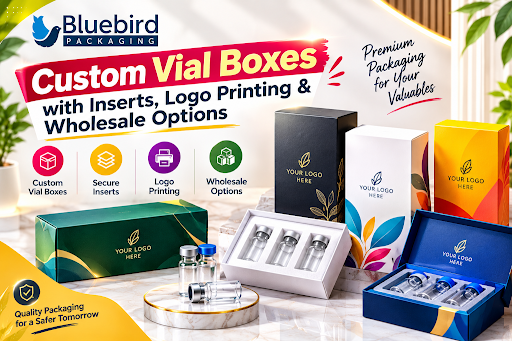
Custom vial boxes help businesses package small glass or plastic vials in a way that supports product protection, organized storage, professional presentation, and brand recognition. Whether you sell essential oils, cosmetic serums, fragrance samples, laboratory supplies, or other vial-based products, the right packaging should fit the vial dimensions and match the way the product will be stored, displayed, or shipped.
Bluebird Packaging provides custom packaging solutions for businesses looking for tailored box sizes, printed branding, and packaging structures suited to their product requirements. With the right material, insert configuration, and artwork, your packaging can help keep vials organized while presenting your brand consistently.
If you are comparing custom vial packaging boxes for a product launch, retail line, or bulk order, this guide explains the materials, inserts, printing options, sizing considerations, and specifications to review before requesting a quote.
Quick answer: Custom vial boxes are made-to-order cartons or specialty boxes designed around the dimensions, quantity, and intended use of your vials. Buyers can consider paperboard, kraft, corrugated, or rigid construction, along with compatible inserts, custom printing, and finishing. For a better fit, specify the vial’s full dimensions—including the cap—before finalizing the box and insert design.
What Are Custom Vial Boxes?
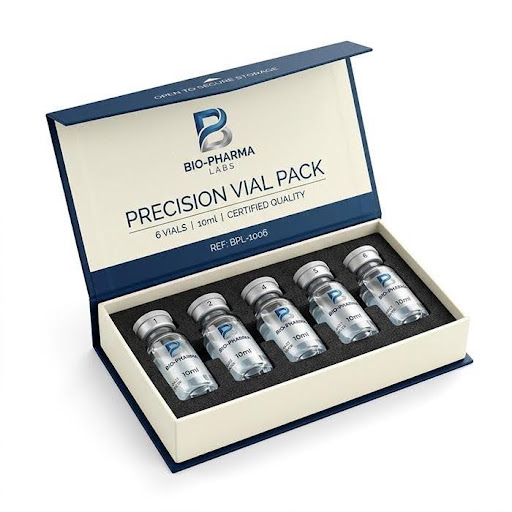
Custom vial boxes are packaging solutions designed to hold one or more small containers securely. Depending on the application, those containers may be glass or plastic vials used for cosmetics, fragrances, essential oils, laboratory samples, or pharmaceutical products.
Unlike generic cartons, custom vial packaging boxes can be designed around the actual container dimensions, the number of vials in each pack, and the way the product will be handled. The outer box provides the main structure and branding surface, while a suitable insert or divider can help organize the vials and limit unwanted movement.
Businesses can specify different box dimensions, materials, opening styles, printed artwork, and internal layouts. The appropriate configuration depends on the product’s weight, fragility, packaging environment, and any applicable industry requirements.
For businesses that need broader packaging options, explore custom packaging solutions and custom boxes.
Benefits of Custom Vial Packaging Boxes
1. A Better Fit for Your Vials
Vials come in different diameters, heights, cap shapes, and container materials. A generic box may leave too much space around a vial or fail to accommodate its closure.
Custom sizing lets you design the internal space around the actual container and any insert required. A properly specified fit can help reduce shifting, simplify packing, and make the product easier to organize.
2. Organized Storage and Presentation
Custom vial packaging can hold a single container or arrange multiple vials in individual compartments. A planned layout helps keep product sets organized and can make picking, packing, and presentation more consistent.
For example, a sample kit may need several equally sized compartments, while a skincare set may contain vials of different sizes. The internal layout should reflect the actual contents rather than rely on a generic grid.
3. Professional Branding
Custom printed vial boxes give businesses a dedicated surface for logos, brand colors, product names, and other approved information.
Depending on the material and print method, you may choose full-color graphics, restrained minimalist artwork, a natural kraft appearance, or premium decorative finishes. Clear, readable packaging can support brand recognition across retail, wholesale, and direct-to-consumer channels.
Explore custom printed packaging for more branding ideas.
4. Packaging Designed for the Intended Use
Vial packaging may be used for shelf display, sample distribution, internal storage, or shipping. These uses do not necessarily require the same structure.
A lightweight folding carton may be suitable for a retail vial, while a multi-vial shipment may require stronger outer packaging and carefully planned internal protection. Selecting the structure for the actual use case helps avoid paying for unnecessary features or choosing a package that offers insufficient protection.
5. More Control Over Pack Configuration
Custom vial cartons can be planned around the number of vials per box, compartment spacing, insert material, and opening style. This flexibility is useful for businesses that sell individual products, sample collections, multipacks, or curated sets.
The packaging specification should also account for how employees or customers remove the vials. A secure fit is important, but the vials should remain accessible without excessive force.
Custom Vial Boxes with Inserts: Choosing the Right Protection
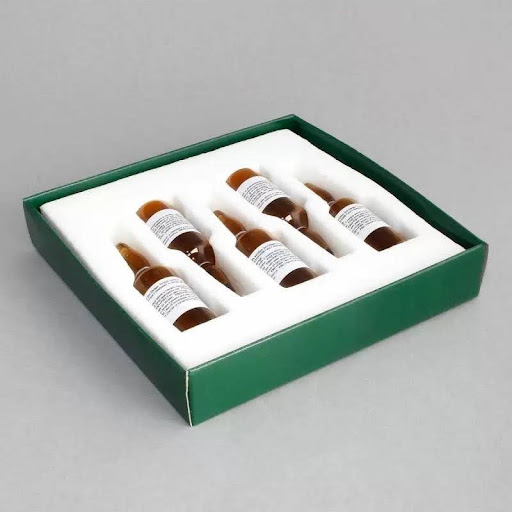
The insert is one of the most important parts of vial packaging. The outer box provides structure, but the insert helps position the containers inside it.
A suitable insert can separate vials, reduce unwanted movement, and improve how the contents are presented. However, no insert type guarantees protection on its own. The complete package should be evaluated against the actual product and handling conditions.
Foam Inserts for Vials
Foam inserts can be cut with cavities shaped to accommodate specific vials. Depending on the foam material and design, they may help cushion containers and keep them separated during handling.
Foam can be useful for fragile glass vials, premium sample sets, and products requiring a carefully organized presentation. The correct foam type, density, cavity dimensions, and clearance should be selected for the particular application.
Consider foam inserts when: the vials are fragile, the layout requires defined cavities, or presentation and cushioning are priorities.
Cardboard and Paperboard Inserts
Cardboard inserts can create individual slots or dividers for one or multiple vials. They are a practical option when businesses want a paper-based internal structure that can be integrated with the outer carton.
The performance depends on the board grade, insert design, vial weight, and amount of movement expected during transport. Paperboard inserts may be appropriate for lightweight products or organized retail sets, but they should be tested where impact protection is critical.
Consider cardboard inserts when: compartment organization, material consistency, and efficient packing are key priorities.
Molded Pulp Inserts
Molded pulp inserts use formed fiber to create shaped cavities. They may suit brands seeking a fiber-based alternative to some plastic or foam inserts.
The final performance depends on the pulp formulation, cavity design, moisture conditions, and the fragility of the vial. Molded pulp is not automatically suitable for every shipping application, so validate the completed package before ordering at scale.
Consider molded pulp when: the design calls for formed fiber compartments and the insert’s protection and appearance meet your requirements.
Dividers for Multi-Vial Packaging
Dividers separate several containers inside a shared box. They can help prevent vials from knocking against one another and make multi-unit packs easier to organize.
For sets with different vial dimensions, each compartment may need its own measurements. Make sure the divider structure does not leave the containers free to tilt or collide during expected handling.
For additional internal packaging ideas, see packaging inserts and packaging dividers.
Vial Insert Comparison: Which Option Should You Choose?
| Insert type | Main benefit | Suitable use cases | Key consideration |
|---|---|---|---|
| Foam insert | Cushioned, shaped cavities | Fragile glass vials and premium kits | Select compatible foam and test fit |
| Cardboard insert | Organized paper-based compartments | Lightweight vials and retail sets | Validate strength and separation |
| Molded pulp insert | Formed fiber cavities | Fiber-focused packaging concepts | Check moisture sensitivity and cushioning |
| Cardboard dividers | Separates multiple containers | Multi-vial packs and organized storage | Match compartment dimensions to the vials |
The best insert is not necessarily the most expensive option. It is the option that fits the containers, meets the expected protection requirements, supports the desired presentation, and works within the overall packaging budget.
Materials for Custom Vial Packaging Boxes
The outer material affects the box’s structure, printing surface, appearance, and suitability for handling or shipment. These are common options to discuss with your packaging supplier.
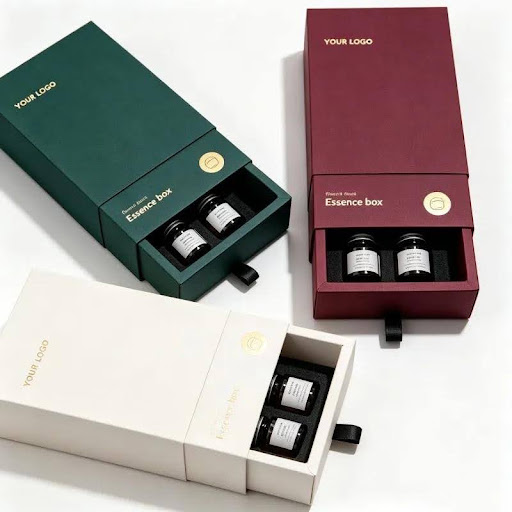
Paperboard Vial Boxes
Paperboard is commonly used for folding cartons and retail packaging. It can be die-cut, creased, folded, and printed with product graphics.
Custom paperboard vial boxes may be suitable for lightweight containers, cosmetic products, sample kits, and retail applications. The required board grade depends on the dimensions, weight, closure, and insert configuration.
Kraft Vial Boxes
Kraft paperboard offers a natural, understated appearance and can suit essential oil, wellness, fragrance, and other brands that prefer a simple visual style.
The brown surface affects how printed colors appear, so artwork should be prepared with the material’s color in mind. Kraft packaging should not be assumed to provide moisture resistance or protective performance beyond its actual specification.
Explore kraft packaging for more material information.
Corrugated Vial Packaging
Corrugated board uses a fluted paper layer between flat liners to create a structured material commonly used for shipping and protective outer cartons.
For fragile glass vials or larger orders, corrugated packaging may be appropriate as the primary box or as an outer shipping package around an individual retail carton. The board construction should be selected for the package dimensions, packed weight, and distribution conditions.
Learn more about corrugated packaging and shipping packaging.
Rigid Vial Boxes
Rigid board is used to make sturdy, shape-retaining boxes often chosen for premium presentation. A rigid box can accommodate custom inserts, decorative wraps, and specialty finishing options.
This format may suit fragrance samples, premium serum sets, gifting, and other collections where presentation is especially important. Rigid packaging can cost more and occupy more storage space than a folding carton, so evaluate the benefits against your budget and fulfillment needs.
Explore custom rigid boxes for premium packaging applications.
Recycled and Other Fiber-Based Options
Recycled-content paperboard or other fiber-based materials may be worth considering when material sourcing and end-of-life options are part of your packaging brief.
The complete construction matters. Inks, coatings, laminations, adhesives, and mixed-material inserts can affect whether a finished package is accepted by local recycling programs. Verify specific environmental claims before using them in product marketing.
Read more about sustainable packaging and recyclable packaging.
Custom Printed Vial Boxes with Logo
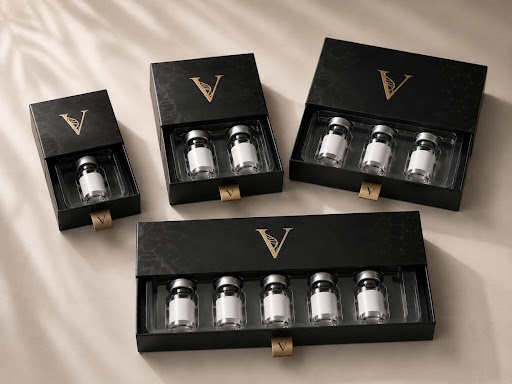
Packaging can do more than hold a vial. It can also communicate the brand, distinguish product variants, and present relevant information in a consistent format.
Custom printed vial boxes can be designed with your logo, brand colors, product name, approved product information, instructions, barcode, or other required details. The final artwork must be appropriate for the product and comply with any applicable labeling requirements.
Printing Options
The appropriate print process depends on the order quantity, artwork complexity, substrate, and desired finish. Digital printing may be useful for certain short runs or variable designs, while offset printing is often considered for larger production runs. Your supplier can confirm the available process for the chosen material.
Finishing Options
Depending on the board and printing process, possible finishes may include:
- Matte or gloss coatings.
- Compatible lamination.
- Foil stamping.
- Embossing or debossing.
- Spot UV or other selective effects.
Finishes should support the intended brand presentation without interfering with readability, folding, assembly, or disposal requirements.
Explore packaging printing and packaging finishes to plan your artwork and surface treatment.
What Should You Include in Your Artwork?
Prepare the brand logo, color specifications, product identification, and any approved text before finalizing the design. For regulated products, the responsible team should verify required label content, warnings, traceability information, and any other applicable details.
Always review the final proof carefully. Check text size, spelling, color reproduction, barcode placement, and the alignment of graphics with the box’s folds and cut lines.
Custom Vial Boxes for Different Industries
Vial packaging requirements vary according to the product, container, and intended use. The following examples help explain how packaging can be specified for different business needs.
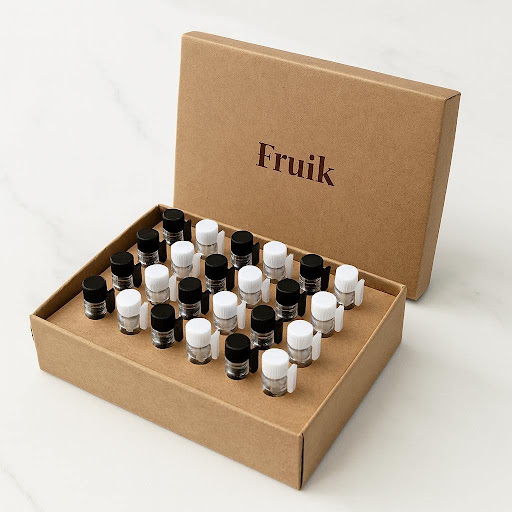
Pharmaceutical Vial Boxes
Pharmaceutical vial packaging may need to accommodate product identification, dosage or strength information, lot details, expiration dates, barcodes, and other required labeling.
A folding carton with an insert may suit some products, while other applications require specialized packaging systems or validated protective features. The packaging format alone does not establish sterility, tamper evidence, child resistance, or regulatory compliance.
Businesses should confirm applicable requirements with their regulatory and quality teams before production.
Cosmetic and Skincare Vial Boxes
Cosmetic brands may use vial packaging for serums, ampoules, treatment samples, and promotional kits. A printed paperboard carton can provide space for branding and product information, while an insert can organize one or more containers.
For premium collections, brands may consider custom colors, decorative finishes, or rigid packaging when these options fit the product and budget.
Explore custom cosmetic boxes for related packaging solutions.
Essential Oil Vial Boxes
Essential oil and wellness brands may package small vials individually or as coordinated sets. Custom dimensions and dividers can help organize different blends or product variants.
The package should be selected with the vial material, closure, potential leakage risks, and shipping conditions in mind. Paperboard alone should not be treated as a liquid barrier; the container closure and any required secondary protection must be appropriate for the product.
Fragrance and Perfume Sample Boxes
Fragrance brands often use small vials for discovery sets, promotional samples, and retail collections. Packaging can be designed to hold several samples in a defined layout and provide room for brand graphics.
A premium insert or rigid box may be useful for gift sets, while a lightweight carton may better suit simpler sample distribution. The choice depends on the number of vials, presentation requirements, and delivery method.
Laboratory Sample Packaging
Laboratory applications can have specific requirements related to sample type, identification, storage, handling, and transport. A custom carton may help organize containers, but the carton itself should not be assumed to meet all laboratory transport or containment requirements.
Select packaging according to the applicable sample-handling protocol and the responsible laboratory or compliance team’s guidance.
Small Vial Packaging Boxes and Multi-Vial Kits
Small vial packaging boxes need careful dimension planning because even a small mismatch can affect fit and presentation. Measure the complete vial—including its cap or closure—and confirm whether the insert needs to support the container at the body, neck, or base.
For multi-vial kits, determine:
- The number of vials per box.
- Whether all vials are the same size.
- The arrangement of rows and compartments.
- The required space for caps and easy removal.
- Whether accessories or printed inserts are included.
- Whether the box is for retail display, storage, or shipping.
For mixed-size sets, a custom insert may need separate cavities for each container. Confirm the full layout before approving the outer box dimensions.
How to Choose the Right Custom Vial Box Size
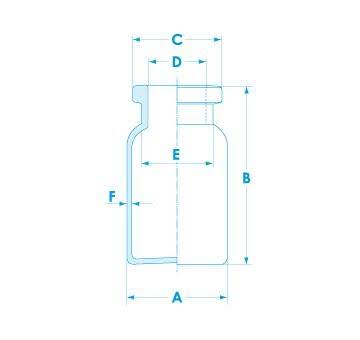
Correct sizing starts with the product, not the artwork. An insert that is too loose may allow the vial to move, while a cavity that is too tight may make packing difficult or place unwanted pressure on the container.
Before ordering, measure the vial’s overall height, body diameter, cap diameter, and any protruding features. Then confirm how the vial should sit inside the box and how easily it needs to be removed.
For multi-vial packaging, measure each distinct container and specify the desired arrangement. The packaging supplier can then help determine suitable internal dimensions and the space needed for the insert and box structure.
Use the box dimensions guide and how to measure a box to prepare accurate measurements.
Wholesale Custom Vial Boxes for Businesses
Wholesale vial packaging can be useful for businesses that need consistent packaging across product lines or recurring orders. The right purchasing approach depends on the expected volume, artwork, material, insert complexity, and production schedule.
When comparing wholesale quotes, evaluate the complete specification rather than unit price alone. Two quotes may cover different board grades, insert types, printing coverage, finishes, sampling, or delivery terms.
Ask suppliers to clarify:
- The material and board specification.
- Box dimensions and construction.
- Insert material and cavity layout.
- Printing and finishing requirements.
- Minimum order quantity, if applicable.
- Sampling or proofing options.
- Production schedule and shipping terms.
- Whether future reorders can use the approved artwork and specification.
A well-defined specification makes quotes easier to compare and reduces the chance of unexpected differences between samples and production orders.
How Much Do Custom Vial Boxes Cost?
The cost of custom vial boxes varies with the box size, material, insert design, order quantity, print coverage, finish, and shipping requirements. There is no reliable universal price for every vial box because a simple single-vial carton and a premium multi-vial box have different production needs.
To make a useful comparison, request a quote based on the same specifications from each supplier. Include the number of vials per box, complete vial dimensions, preferred material, insert requirements, artwork, quantity, and delivery destination.
You may also want to compare the cost of samples or prototypes before approving a large order. A prototype can help identify sizing, assembly, artwork, or insert issues before full production.
For additional cost-planning guidance, see packaging cost.
How to Order Custom Vial Packaging from Bluebird Packaging
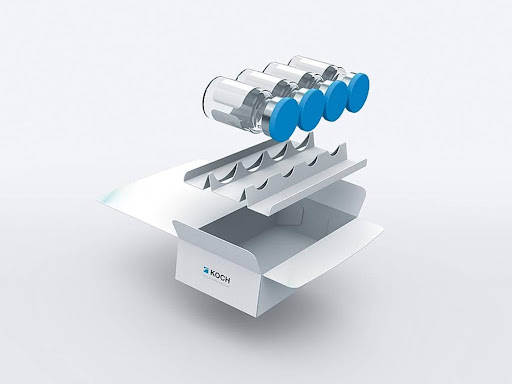
A clear packaging brief helps the supplier understand the product and recommend a suitable box configuration.
Step 1: Share your vial specifications. Provide the vial dimensions, material, closure dimensions, quantity per pack, and any unusual features.
Step 2: Explain the packaging’s purpose. State whether the box will be used for retail display, sample distribution, storage, e-commerce, or shipping.
Step 3: Select the preferred structure. Discuss paperboard, kraft, corrugated, or rigid construction based on protection, appearance, and budget.
Step 4: Specify the insert. Explain whether the package needs individual cavities, dividers, or a custom layout for different vial sizes.
Step 5: Provide branding and approved artwork. Share your logo, colors, product information, and any labeling content that has been reviewed by the responsible team.
Step 6: Confirm the quote and proof. Review the final dimensions, materials, print details, quantity, schedule, and delivery terms before authorizing production.
Ready to discuss your packaging requirements? Visit the Bluebird Packaging quote page to share your project details.
Frequently Asked Questions About Custom Vial Boxes
Can I order custom vial boxes with my logo?
Logo printing may be available depending on the selected material, box structure, and print method. Supply your logo artwork and brand specifications, then review a proof before production.
Can custom vial boxes include inserts?
Yes, custom vial packaging can be designed with compatible foam, cardboard, molded pulp, or divider-style inserts, depending on the supplier’s capabilities. The insert should be selected according to vial dimensions, product fragility, and handling requirements.
What material is best for glass vial packaging boxes?
The right material depends on vial weight, fragility, presentation, and shipping conditions. Paperboard may suit some retail cartons, corrugated board can be useful for shipping protection, and rigid board may suit premium presentation. A suitable insert and package testing may also be necessary.
Are custom vial boxes available wholesale?
Wholesale ordering may be available depending on the supplier, order quantity, and product specification. Request a quote with your desired quantity, box dimensions, insert requirements, and artwork so you can compare the complete offer.
Can I order small vial packaging boxes for sample sets?
Yes, packaging can be designed around small vials and sample kits. Share the number of containers, their dimensions, and the desired layout to determine the required box and insert configuration.
Are kraft vial boxes recyclable?
Some kraft-based packaging may be recyclable through suitable paper recycling systems, but the complete construction matters. Coatings, laminations, adhesives, inserts, and local recycling rules can affect acceptance. Confirm the material specification and local disposal guidance before making recycling claims.
Can pharmaceutical vial boxes include product information?
Packaging artwork may include approved product identification and other required information, depending on the product and applicable regulations. The responsible regulatory or quality team should verify the final text, layout, and labeling requirements before printing.
Do custom vial boxes guarantee that glass vials will not break?
No packaging format can guarantee zero breakage under every condition. Protection depends on the container, insert fit, box construction, packing method, and distribution environment. For fragile products, evaluate the complete packed package under realistic handling conditions.
What information should I provide to get a custom vial packaging quote?
Provide the vial dimensions including caps, number of vials per box, preferred material, insert configuration, printing requirements, order quantity, and delivery destination. Mention any special handling or regulatory labeling requirements so the specification can be reviewed appropriately.
Final Thoughts
The right custom vial boxes should fit the container, organize the contents, support the required level of protection, and present your brand clearly. Paperboard, kraft, corrugated, and rigid materials each serve different purposes, while a well-designed insert can help keep individual vials positioned within the package.
Before ordering, confirm the vial dimensions, insert layout, material, artwork, order quantity, and intended handling conditions. With a clear specification and a reviewed proof, businesses can make more informed packaging decisions for retail products, sample kits, and wholesale orders.
Need packaging tailored to your vials? Request a quote from Bluebird Packaging to discuss your project requirements.