
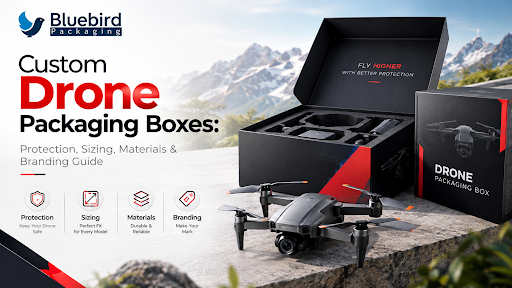
Quick answer: Custom drone packaging boxes are designed around the drone, controller, batteries, propellers, charger, and other accessories included in a product kit. A well-designed package combines a suitable outer box with an insert or compartment system that limits movement, cushions vulnerable components, and keeps accessories organized. The best design depends on the drone’s dimensions, weight, fragility, shipping method, presentation requirements, and applicable battery transport rules.
For consumer drones and professional UAV equipment, packaging should do more than fit the product. It should help protect delicate components during handling, make packing and unpacking easier, support brand presentation, and provide a practical solution for storage, retail display, or delivery.
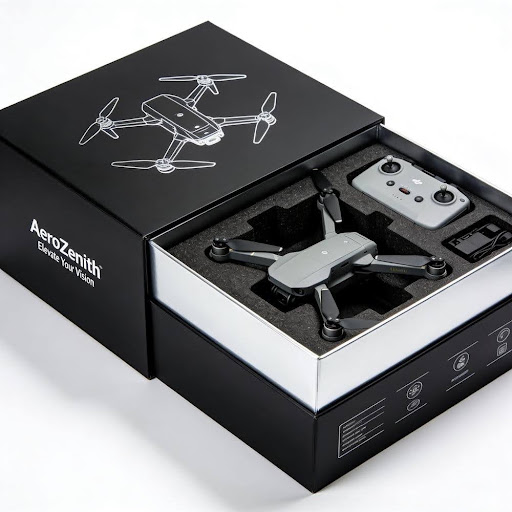
Businesses can explore custom packaging solutions from Bluebird Packaging for different box styles, materials, printing options, and product presentation needs. The right design should be selected according to the specific drone kit and its real shipping conditions.
What Are Custom Drone Packaging Boxes?
Custom drone packaging boxes are purpose-designed packages for unmanned aerial vehicles (UAVs), their accessories, and related electronic equipment. Unlike a generic carton, a custom package can be sized and structured around the actual components inside it.
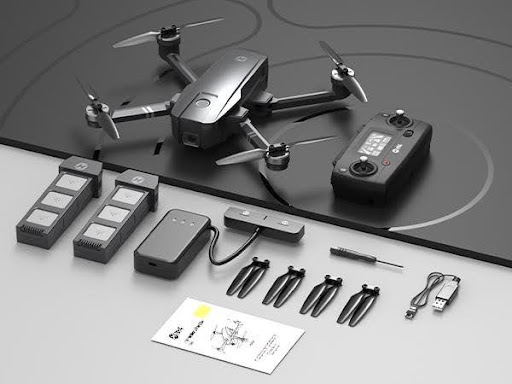
A drone kit may contain:
- A folded or unfolded drone.
- A remote controller and control sticks.
- One or more rechargeable batteries.
- Spare propellers and screws.
- A charger, charging hub, or power adapter.
- Cables, filters, landing accessories, and other small parts.
- Product documentation, setup instructions, and warranty information.
The package may use a corrugated outer box for shipping, a rigid box for premium presentation, or a lighter folding carton for suitable retail products. An insert can help keep individual components in their intended positions.
For example, a consumer drone kit may need one main cavity for the folded aircraft, a separate area for the controller, and smaller compartments for batteries and spare propellers. A professional UAV kit may need a more robust structure, larger inserts, or multiple interior layers.
The purpose of custom drone packaging is to balance protection, product fit, usability, shipping practicality, and branding—not simply to create a box with the correct outside dimensions.
Why Drone Packaging Needs Special Attention
Drones combine delicate mechanical parts, electronic components, accessories, and sometimes lithium batteries. That combination creates packaging challenges that are different from those of many ordinary consumer products.
| Drone component | Potential packaging concern | Design consideration |
|---|---|---|
| Camera and gimbal | Movement, impact, or pressure on delicate parts | Provide a suitable protected position and follow the device manufacturer’s handling guidance |
| Drone frame and arms | Pressure or impact during handling | Support the frame without forcing hinges or arms |
| Propellers | Bending, scratching, or chipping | Use a separate compartment or protective sleeve |
| Controller | Scratched screen or damaged sticks | Provide a correctly sized cavity and avoid pressure on controls |
| Batteries | Impact, short circuit, and shipping restrictions | Follow battery manufacturer and carrier requirements |
| Charger and cables | Loose parts moving inside the box | Use dedicated compartments, ties, or suitable retainers |
| Manuals and small accessories | Items getting lost or obstructing the main product | Add a document pocket or organized accessory layer |
These considerations should influence the packaging design before the artwork is finalized. A visually attractive box may still be unsuitable if the drone moves around inside it, the insert puts pressure on a sensitive component, or the outer carton is not appropriate for the intended distribution conditions.
How to Protect a Drone During Shipping
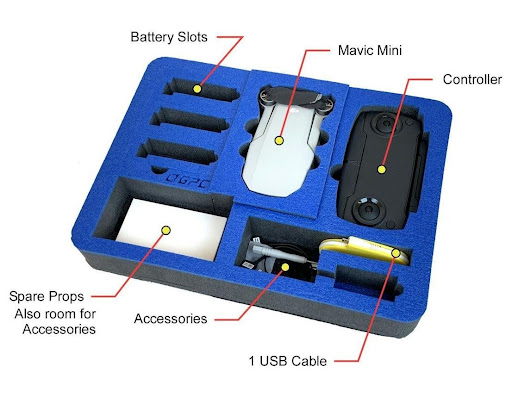
Protection comes from the complete packaging system. The outer box, insert, cushioning, closure, and packing method work together to help reduce damage risk.
1. Secure the drone in a fitted cavity
A fitted insert can keep the drone in a defined position rather than allowing it to slide around. The cavity should match the product’s approved packing configuration, including its folded arms, propellers, camera protection, and any removable accessories.
Avoid designing the cavity so tightly that the user must force the drone into place. Excessive pressure can be just as problematic as too much clearance.
2. Separate the accessories
Controllers, propellers, batteries, chargers, and cables should not freely collide with the drone during transport.
Separate compartments can improve organization and make the kit easier to unpack. For larger kits, a layered insert may provide a place for the aircraft above and the accessories below, as long as the structure does not place excessive pressure on the drone.
3. Protect sensitive components
Use the drone manufacturer’s recommended guards or protective accessories where applicable. The insert should support the device without loading fragile components, camera lenses, gimbals, control sticks, or protruding connectors.
If the drone contains exposed electronic modules or sensitive spare components, ask the product or electronics team whether additional electrostatic-discharge protection is needed. Ordinary cushioning should not automatically be assumed to provide ESD protection.
4. Choose a suitable outer shipping box
A retail presentation box and a shipping carton do different jobs. A premium rigid box can provide an excellent unboxing experience, but it may still need an outer corrugated shipper for parcel delivery.
The outer package should be selected according to the packed weight, dimensions, handling environment, shipping distance, and expected distribution conditions. A single board grade should not be treated as suitable for every drone shipment.
Explore corrugated boxes for shipping and product protection when comparing options for an outer package.
5. Test the complete packed product
Do not test only the empty box or the insert by itself. Pack a real drone kit, close the package as intended, and assess the complete configuration.
Depending on the distribution channel and risk, businesses may use drop, vibration, compression, or other packaging tests. Ask a qualified packaging test laboratory which procedure is appropriate for the package and shipping route. ISTA provides packaging test procedures and resources for businesses evaluating distribution packaging.
A sample test can reveal problems such as loose accessories, crushed corners, excessive insert movement, or damage to the retail box before a larger production run is ordered.
Best Materials for Custom Drone Packaging Boxes
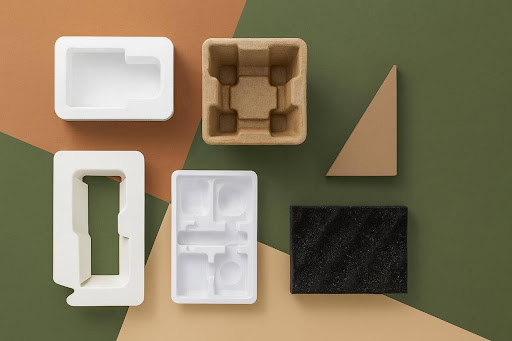
The best material depends on whether the priority is shipping protection, premium presentation, low weight, product visibility, reuse, or cost. A drone package may also combine more than one material—for example, a rigid presentation box inside a corrugated shipping carton.
| Packaging material | Main strengths | Potential limitations | Suitable use cases |
|---|---|---|---|
| Corrugated board | Practical for transport, available in different structures, and suitable for printed outer cartons | Protection depends on board construction, box design, and packing method | Ecommerce shipping, distribution, and protective outer packaging |
| Paperboard or cardboard | Suitable for printed graphics and product-focused presentation | May not provide sufficient protection alone for heavier or fragile kits | Retail cartons and lighter product packaging |
| Rigid board | Firm structure and premium presentation | Often bulkier and may require an additional shipping carton | Premium consumer drones, gifts, and flagship product kits |
| Molded pulp | Paper-based form that can hold components in shaped compartments | Requires appropriate tooling and a design suited to the product | Selected electronics kits and paper-focused packaging projects |
| Foam inserts | Can be cut or formed to fit product contours and separate components | Recycling options depend on the material and local facilities | Fragile or irregularly shaped components when cushioning is needed |
| Paperboard partitions | Can organize accessories and divide the interior | May not provide enough cushioning for every sensitive component | Cables, accessories, lightweight components, and multi-item kits |
No material is automatically the safest or most sustainable option in every situation. The design should account for the product’s fragility, the packaging’s weight, expected handling, insert fit, material availability, and end-of-life options.
For more background, see Bluebird Packaging’s guides to packaging materials and corrugated packaging.
Foam Inserts for Drones: PE, EVA, or Another Option?
Custom foam inserts for drones can be useful when several components need to stay separated and positioned. However, the material should be chosen based on actual performance needs rather than appearance alone.
- Polyethylene (PE) foam: A common option for protective packaging where a firm, closed-cell structure is appropriate.
- Ethylene-vinyl acetate (EVA) foam: Often selected for a neat finish, shaped cavities, and premium presentation.
- Polyurethane (PU) foam: Available in different forms and may suit certain cushioning applications, depending on its properties.
- Molded pulp: Worth considering when a shaped paper-based insert aligns with the product and protection requirements.
- Corrugated or paperboard inserts: Useful for organizing less fragile accessories or supporting a broader paper-based packaging design.
Before choosing an insert, confirm the required cushioning, compression behavior, fit, moisture considerations, and any electrostatic-discharge requirements with the packaging supplier and relevant product engineers.
How to Choose the Right Custom Drone Box Dimensions
Correct sizing starts with the complete kit—not just the drone’s dimensions.
A box may fit the aircraft but still be unsuitable if the controller, spare batteries, charger, propellers, cables, or instruction booklet do not fit safely. Likewise, the insert and box must be designed together so the finished package closes correctly.
Step 1: List every item in the kit
Create an inventory of everything that will be packed in the box. Include optional accessories if they will be sold as part of the same package.
Record the quantity of each component and whether it will be packed assembled, folded, detached, or inside a protective sleeve.
Step 2: Measure each component
For each item, record its length, width, and height at its widest points. Measure the drone in the exact configuration intended for packaging.
Also record the weight of the individual items and the total packed kit. Weight matters when choosing the box structure and evaluating handling requirements.
Step 3: Plan the insert layout
Arrange the components in a way that makes sense for both protection and unpacking. Consider which items need separate compartments and which should be accessible first.
Allow enough room for the insert walls and any cushioning needed around each item. Do not simply add a random clearance to the product measurements; the correct space depends on the insert material and how it is intended to hold the product.
Step 4: Calculate the inside dimensions
The interior needs to accommodate the insert and all packed components without forcing the box closed.
Confirm the dimensions with the packaging supplier, including the insert’s outer measurements, wall thicknesses, trays, document pockets, and closure requirements.
Step 5: Confirm the outside dimensions
Outside dimensions will differ from inside dimensions because of the thickness of the packaging material and the box’s construction.
The final exterior dimensions also matter for storage, pallet planning, and shipping calculations. A box that is unnecessarily large can use more material and increase shipping costs.
Step 6: Make and evaluate a sample
Before approving a production run, place the actual drone kit into a sample package. Check fit, closure, removal, accessory organization, and whether any component is under pressure.
If the package will be shipped through parcel networks, evaluate the complete packed configuration under an appropriate testing plan.
Businesses that need help defining dimensions can review this custom box size guide before requesting a quote.
Types of Drone Packaging Boxes
Different drone products require different packaging structures. The choice should reflect the product’s weight, fragility, sales channel, price positioning, and shipping conditions.
1. Corrugated drone shipping boxes
Corrugated boxes are often considered for transport and ecommerce fulfillment because their construction can be selected for different packing needs.
A corrugated package may be designed as an outer shipping carton or, where the structure and testing support it, as a combined branded and shipping package. Inserts or dividers can help organize the contents.
This option may suit drone accessories, consumer kits, replacement parts, and larger products that need a practical shipping solution.
2. Rigid drone packaging boxes
Rigid boxes offer a more substantial presentation and can be developed with custom dimensions, closures, printed surfaces, and inserts. They may suit premium consumer drones, gift sets, launch kits, and professional product collections.
A rigid box should not automatically be treated as a shipping-ready carton. Depending on the design and shipping environment, an additional outer shipper may be necessary.
See custom rigid boxes and the rigid box product range for examples of presentation-focused structures.
3. Mailer boxes with custom inserts
Mailer boxes can combine an organized interior with a branded exterior. Their suitability depends on the box style, board construction, packed product weight, and the level of protection required.
A fitted insert can separate the drone from its accessories and help make unpacking more straightforward. The design should be validated with the actual product before the mailer is used as the only shipping package.
Explore custom mailer boxes for ecommerce and branded packaging applications.
4. Folding cartons for smaller products
Folding cartons may be suitable for smaller drones, lightweight products, or accessory packaging when the construction provides the required support. They can offer a large printable area for product graphics and information.
For fragile products or long-distance parcel delivery, a folding carton may need additional internal protection or an outer shipping box.
5. Multi-layer packaging for complex drone kits
Some professional kits include a drone, controller, several batteries, charging equipment, and numerous accessories. A single shallow tray may not be practical for all of these components.
A multi-layer structure can provide separate levels for the main aircraft and smaller items. The design must ensure that the upper layer does not compress the items below and that the whole package remains manageable to handle.
Custom Drone Packaging for Retail, Ecommerce, and Professional Use
The sales channel affects how the packaging should be designed.
| Use case | Packaging priority | Design approach |
|---|---|---|
| Retail shelves | Product visibility and brand presentation | Printed carton or rigid box, with organized interior packaging where needed |
| Direct-to-consumer ecommerce | Protection during parcel handling and convenient unboxing | Suitable mailer or retail box plus an appropriate protective shipping setup |
| Professional UAV equipment | Component organization, equipment fit, and repeated storage | Structured insert layout and a box suited to the packed equipment |
| Drone gifts and premium kits | Presentation and organized accessories | Rigid or presentation-focused box with coordinated interior design |
| Replacement parts and accessories | Correct fit and efficient fulfillment | Smaller boxes, sleeves, or compartmentalized packaging based on the part |
| Wholesale or multi-unit distribution | Packing efficiency, stacking, and transport | Outer cartons designed for the actual quantity and distribution method |
For a retail product, the customer-facing package may emphasize product photography, key features, and brand identity. For a shipping package, protection and efficient dimensions may take priority. A business selling through both channels may need a presentation box and a separate shipping carton.
For related options, businesses can explore custom retail boxes and learn more about ecommerce packaging.
Drone Packaging Design: Branding and Unboxing
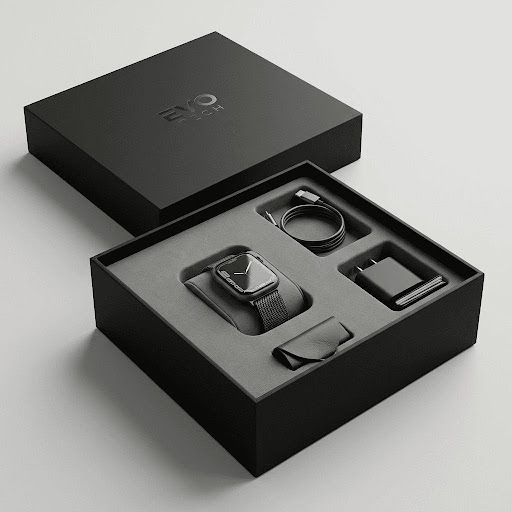
Custom drone box design is not only about printing a logo on the outside. The structure, layout, graphics, opening sequence, and placement of accessories all contribute to the customer’s experience.
Exterior design
The exterior may include:
- Brand logo and product name.
- Product photography or technical illustrations.
- Model number and compatible accessories.
- Key product specifications, where appropriate.
- Handling or storage instructions.
- Website, support details, or a QR code.
Any claims or technical information printed on the box should be checked for accuracy before artwork approval.
Interior presentation
The inside of the box can provide an organized first view of the drone and accessories. A fitted insert, coordinated colors, clear labels, and a dedicated document pocket can make the kit easier to understand.
Avoid placing decorative elements where they interfere with the insert or product fit. Branding should complement the packaging’s practical function rather than compromise it.
Printing and finishing options
Depending on the selected structure and material, packaging may support full-color printing and finishes such as matte or gloss lamination, foil details, embossing, debossing, or Spot UV.
The best finish depends on the product’s price positioning, artwork, material, and budget. A restrained design can look professional without adding unnecessary finishing steps.
To plan the visual and structural side of the project, see this guide to packaging design.
Shipping Drones with Lithium Batteries: What Businesses Should Check
Lithium batteries require special attention because shipping rules can depend on the battery type, watt-hour rating, whether batteries are installed in or packed with equipment, transport mode, destination, and carrier.
Do not finalize drone packaging artwork or shipping labels until the shipping configuration has been checked. A box design alone does not make a battery shipment compliant.
Before dispatch, businesses should:
- Identify the battery type and the watt-hour rating shown by the manufacturer.
- Confirm whether batteries are installed in the drone, packed with the equipment, or shipped separately.
- Check the rules for the intended transport method and destination.
- Confirm packaging, terminal-protection, marking, and documentation requirements.
- Verify any additional requirements imposed by the selected carrier.
- Recheck the rules when the battery configuration, destination, or transport method changes.
The FAA’s Interactive Guide to Shipping Lithium Batteries is a useful starting point, but the FAA says the guide does not replace the regulations and that carriers may be more restrictive.
Federal Aviation Administration
For mail shipments, review the applicable USPS Publication 52 requirements. Domestic and international conditions can differ, so businesses should not assume that a shipment accepted on one route is permitted on another.
Hazardous, Restricted, and Perishable Mail
This is general packaging information, not legal or dangerous-goods shipping advice. Confirm the requirements for the exact shipment with the carrier or a qualified dangerous-goods specialist.
Sustainable Drone Packaging
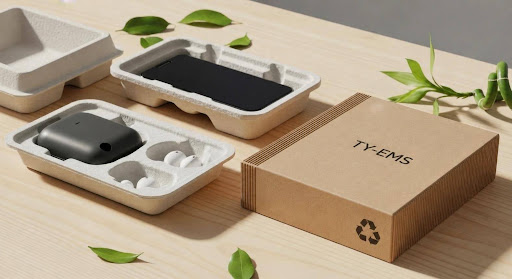
Sustainable packaging should be evaluated across the entire package, including the outer box, insert, protective materials, printing, and how the customer can dispose of or reuse them.
Practical considerations include:
- Right-size the package: avoid unnecessary empty space while retaining enough protection for the product.
- Consider paper-based inserts: molded pulp, corrugated board, or paperboard may suit some drone kits, depending on their protective requirements.
- Reduce unnecessary material combinations: where practical, use materials that can be separated and identified easily.
- Assess reuse: a durable package with an organized insert may be useful for storing the drone between flights.
- Verify recycling claims: availability varies by material and location, so do not describe a package as universally recyclable without supporting evidence.
- Protect the product first: a lighter package is not a good choice if it causes preventable product damage and replacement shipments.
For a broader overview of material choices and environmental considerations, read Bluebird Packaging’s guide to sustainable packaging.
What Affects the Cost of Custom Drone Packaging Boxes?
There is no single price for custom drone packaging boxes because the final cost depends on the packaging design and the order specifications.
Common cost factors include:
Box structure and material
A simple corrugated box and a premium rigid box have different material and production requirements. The appropriate choice depends on the intended use and protection needs.
Dimensions and weight
Larger packages generally require more material, while heavier products may need a stronger structure. Unnecessarily large dimensions can also increase storage and shipping expenses.
Insert complexity
A simple divider layout may be less complex than a custom insert with many precisely shaped cavities or multiple layers. The number of components and required fit can affect design and production.
Printing and finishing
Full-color artwork, inside printing, specialty finishes, and more complex designs can affect cost. Select finishes according to the brand’s priorities rather than adding every available option.
Order quantity
Setup, tooling, and production costs may be distributed across the quantity ordered. A larger run may reduce the unit price in some cases, but it also increases the upfront purchase and storage commitment.
Sampling and testing
A prototype or transit-testing program may add initial costs, but it can help identify packaging issues before full production. The appropriate testing budget depends on the product and distribution risks.
To prepare a more accurate estimate, businesses can review this custom packaging cost guide and provide the supplier with dimensions, quantity, material preference, insert requirements, artwork, and shipping details.
How to Order Custom Drone Packaging Boxes
A clear brief helps a packaging supplier understand the product and recommend a suitable structure.
1. Share product details
Provide the drone model or product description, its dimensions, weight, and the complete list of items included in the kit.
2. Explain the packaging purpose
State whether the box is for retail shelves, ecommerce delivery, wholesale distribution, professional equipment storage, or a premium gift kit.
3. Choose the packaging direction
Identify whether you are considering corrugated packaging, a rigid presentation box, a mailer, or another structure. If you are unsure, explain the protection and presentation requirements instead of guessing.
4. Describe the insert requirements
List the parts that need separate cavities and identify any sensitive components, removable accessories, or special handling requirements.
5. Provide artwork and branding details
Share the logo, colors, product information, and any approved artwork. If the design is not ready, ask what files or design support the supplier can accept.
6. Confirm quantity, schedule, and delivery
Specify the expected order quantity, target delivery date, shipping destination, and whether you need a prototype or sample before production.
7. Review and approve the sample
Check the actual product fit, closure, insert layout, print quality, and packing process before approving the final production specifications.
Businesses can begin by submitting their requirements through Bluebird Packaging’s custom quote page. Bluebird’s current quote page states a minimum order quantity of 100+ for its custom packaging quote process; confirm the applicable minimum, structure, and availability for your specific drone packaging project directly with the company.
Bluebird Packaging
Common Mistakes to Avoid
| Mistake | Why it matters | Better approach |
|---|---|---|
| Measuring only the drone | Accessories may not fit or may be packed loosely | Measure the complete kit |
| Designing the outer box before the insert | The insert may not fit the box or provide the intended support | Plan the interior and exterior together |
| Leaving accessories loose | Components can move and contact each other | Use suitable compartments or retainers |
| Assuming every rigid box is shipping-ready | Presentation packaging may not withstand parcel handling | Evaluate the full shipping configuration |
| Choosing material based only on appearance | The package may not provide appropriate support | Match the material and structure to product and transport needs |
| Ignoring battery rules | A shipment may be delayed, rejected, or require different preparation | Verify current rules and carrier requirements |
| Skipping prototype checks | Fit, closure, and handling issues may go unnoticed | Test a sample containing the actual product |
| Overcomplicating the design | Extra materials and finishes can add cost without solving a real need | Prioritize protection, usability, and the most valuable branding elements |
Custom Drone Packaging Checklist
Use this checklist before requesting a quote or approving a packaging sample.
- The drone has been measured in its intended packed configuration.
- The controller, batteries, propellers, charger, cables, and documents are included in the measurements.
- The insert layout separates components that should not contact each other.
- Sensitive components are supported according to the manufacturer’s handling guidance.
- The inner and outer box dimensions have been confirmed.
- The packaging material suits the product’s weight and distribution conditions.
- The retail package and outer shipper requirements have been considered separately.
- Battery shipping requirements have been checked for the intended route and carrier.
- Artwork, product information, and handling details have been reviewed.
- A sample has been checked for fit, closure, unpacking, and any planned transit testing.
- Quantity, delivery schedule, and storage requirements have been confirmed.
Frequently Asked Questions
1. What are custom drone packaging boxes?
Custom drone packaging boxes are packages designed around a particular drone and its accessories. They may use corrugated board, paperboard, rigid board, or a combination of materials, with inserts or compartments to help organize and protect the contents.
2. What is the best packaging for drones?
The best packaging depends on the drone’s weight, fragility, accessories, sales channel, and shipping conditions. A corrugated box may suit transport and ecommerce fulfillment, while a rigid box may suit premium presentation. The complete package should be tested or evaluated for its intended use.
3. How do you protect a drone during shipping?
Secure the drone in a properly fitted cavity, separate accessories, protect vulnerable components, and select a suitable outer shipping carton. Evaluate the packed product under a testing plan appropriate to the shipping method and distribution risks.
4. Which materials are best for drone packaging?
Corrugated board, paperboard, rigid board, foam, molded pulp, and paperboard partitions can all be useful in different applications. The correct choice depends on cushioning requirements, product weight, package design, presentation, cost, and end-of-life considerations.
5. Why are foam inserts used in drone boxes?
Foam inserts can be shaped to hold the drone and accessories in defined positions, helping reduce unwanted movement. The insert’s material and design should be selected according to the components’ shape, fragility, and any special requirements.
6. How do you choose the right drone box size?
Measure the drone in its intended packed configuration, then measure every accessory. Plan the insert, allow for the insert walls and protective materials, and confirm both the interior and exterior dimensions with the packaging supplier.
7. Can drone packaging be customized with a brand logo?
Many custom packaging structures can include logos, product graphics, colors, product details, and other brand elements. Available printing and finishing options depend on the selected material and box style.
8. How do you package drone batteries safely?
First identify the battery type and watt-hour rating, then determine whether it is installed in the drone, packed with the equipment, or shipped separately. Follow current applicable regulations and the carrier’s requirements for packaging, protection, markings, and documentation. Consult the FAA lithium battery shipping guide and confirm the requirements for the specific shipment.
Federal Aviation Administration
9. Are custom drone boxes suitable for international shipping?
They can be, but packaging design alone does not establish that a shipment is permitted. International requirements may depend on the destination, transport method, battery configuration, and carrier. Confirm these details before dispatch.
10. What features should professional drone packaging include?
Depending on the kit, useful features may include fitted compartments, a suitable outer box, a protected location for delicate components, organized accessory storage, clear product information, and a practical opening and closing design.
11. Should I use a rigid box or a corrugated box for a drone?
Choose a rigid box when premium presentation is a priority and the structure fits the product’s needs. Consider corrugated packaging when shipping protection and practical fulfillment are central priorities. Some products benefit from a rigid retail box placed inside a separate corrugated shipper.
12. Are custom drone packaging boxes expensive?
Cost depends on the size, material, insert design, printing, finishing, order quantity, and sampling requirements. A straightforward structure may cost less than a multi-layer package with complex custom inserts. Request a quote using the actual product specifications to compare options accurately.
13. Can small businesses order custom drone packaging?
Possibly, depending on the supplier’s minimum order quantity, production method, material, and box style. Confirm the minimum and available options directly with the supplier before finalizing the design or budget.
14. Is eco-friendly drone packaging possible?
Yes, some drone packages can use paper-based materials, right-sized boxes, reusable inserts, or materials with suitable recycling options. The final design must still provide appropriate product protection, and recycling claims should reflect local facilities and the actual materials used.
Final Thoughts
The best custom drone packaging boxes are designed around the complete kit, not just the aircraft. Start with accurate measurements, identify the components that need separate support, select materials and box styles according to the product’s purpose, and confirm the shipping requirements before finalizing the design.
For drone brands, electronics businesses, and UAV equipment suppliers, a carefully planned package can bring together product protection, organized storage, brand presentation, and a smoother customer experience. A prototype and an appropriate testing plan can help uncover problems before a full order is produced.
If you’re planning custom packaging for a drone, its accessories, or another electronic product, request a custom packaging quote from Bluebird Packaging. Share your product dimensions, quantity, preferred material, insert requirements, artwork, and intended use to begin discussing a suitable packaging solution.
Need Custom Drone Packaging for Your Products?
Discuss your drone dimensions, protective insert requirements, materials, and branding options with Bluebird Packaging.